Warehouse Roofing in Idaho Falls, ID Serving Idaho Falls & Eastern Idaho

Plan warehouse roof repair and replacement in Idaho Falls with attention to winter exposure, loading access, drainage, and active storage operations.

Warehouse Roofing in Idaho Falls, ID

Warehouse Roofing

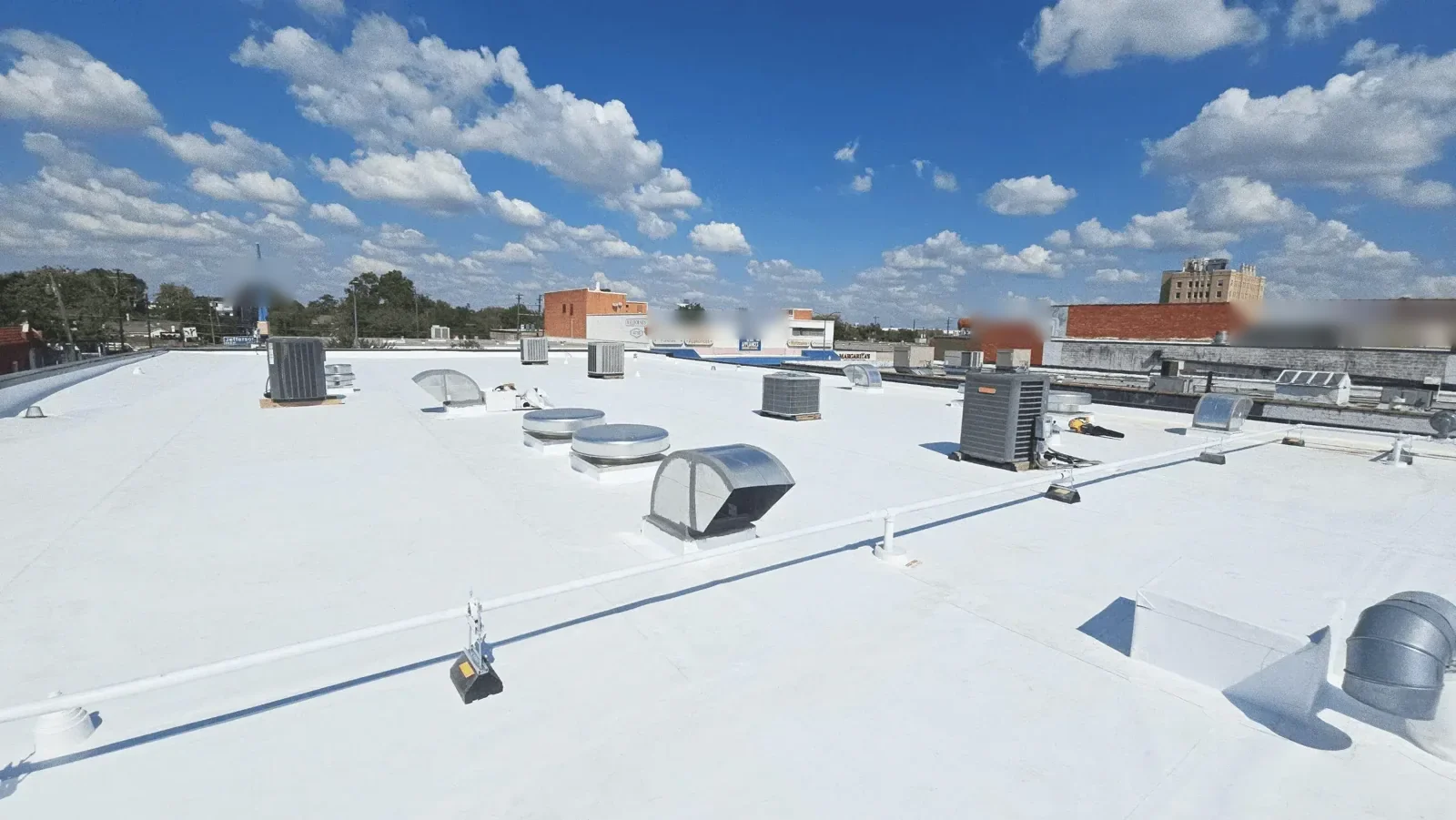
Idaho Falls, ID warehouse roofs move through long cold periods and a hot summer roof season, so seams, drains, and loading-side edges deserve attention before a work window is chosen. Cold exposure is a recurring part of the Idaho Falls roof calendar. Idaho Falls averages document frequent winter freezing and a hot summer roof season, making temperature limits and dry-in planning part of a practical warehouse scope. We inspect the assembly, locate water-control risks, and separate urgent protection from work that can be scheduled with operations.

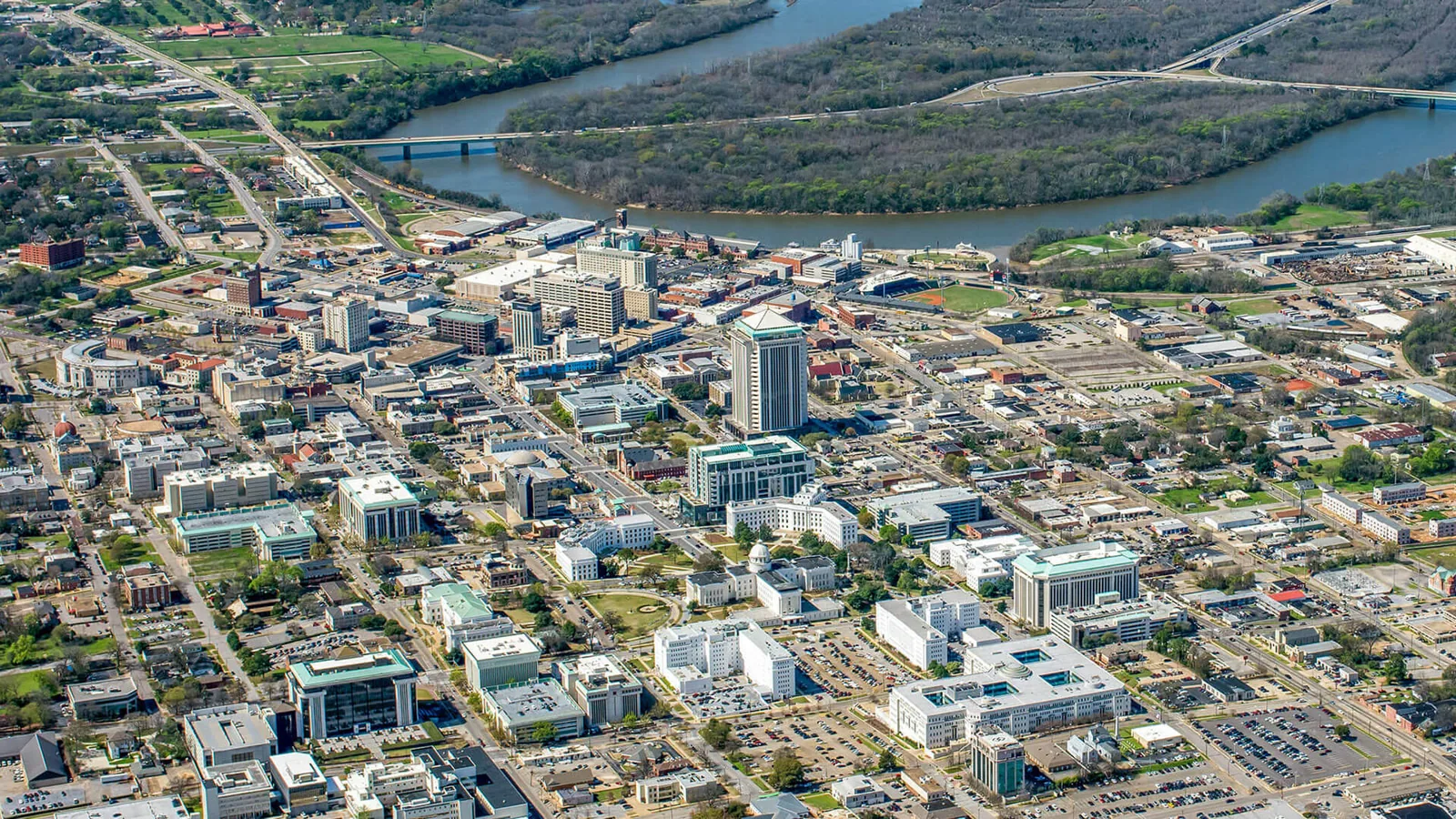
Idaho Falls industrial areas support warehousing, wholesale distribution, storage, and railroad-related activity. In the Idaho Falls Warehouse District, storefronts sit alongside warehousing and light industry near Broadway, Maple Street, Yellowstone Avenue, and Pancheri Drive. Those patterns frame access questions, while the roof survey establishes membrane type, drainage, and repair limits.

A useful estimate names roof areas and details instead of treating a large footprint as one job. We document seams, curbs, drains, edges, wet insulation, and deck concerns, then identify immediate water-control needs. Near Snake River Landing or Northgate Mile, deliveries and occupied adjoining uses may shape staging. The manager can compare repair, recover, and replacement from recorded conditions.
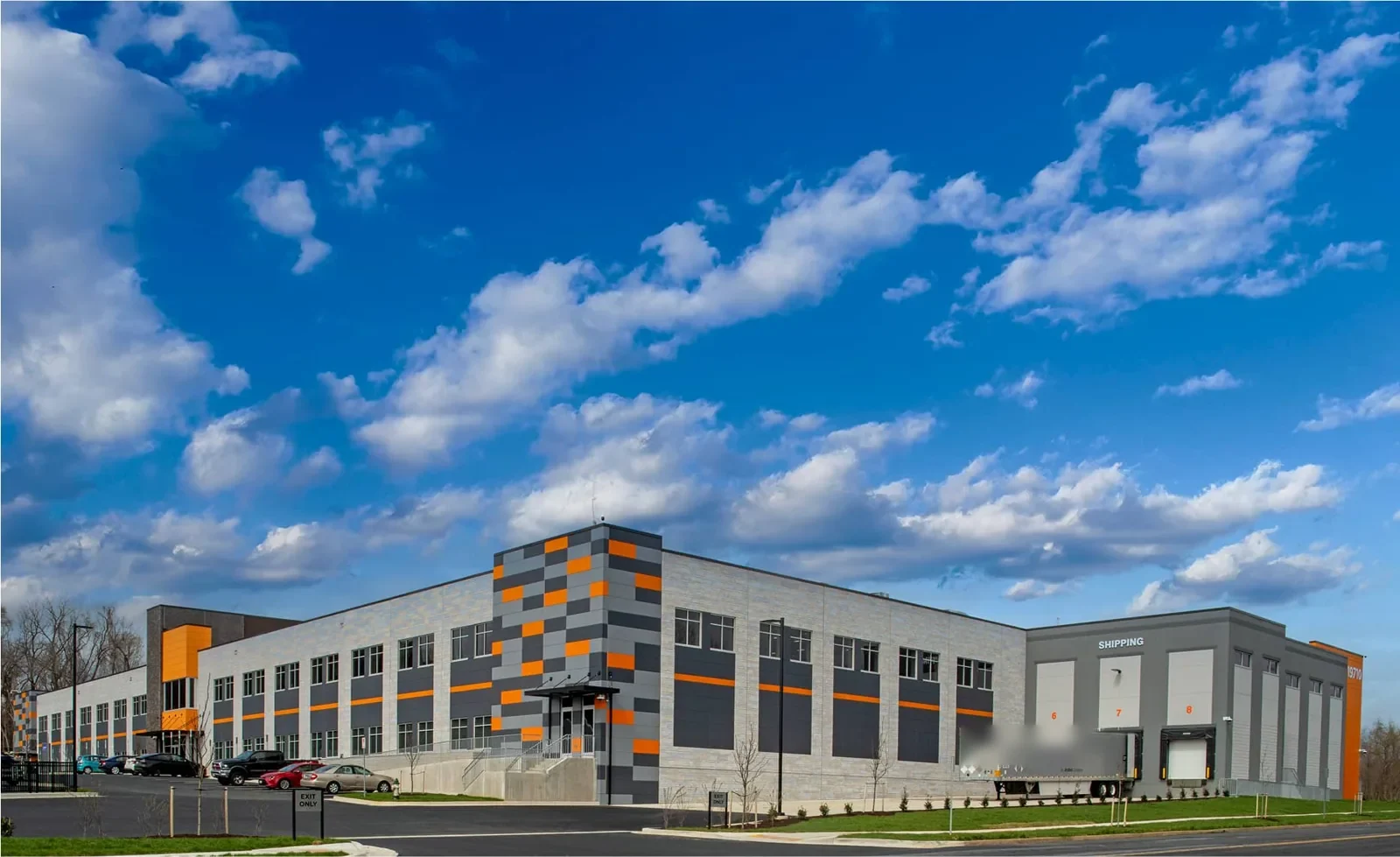
Warehouse Roofing in Idaho Falls, ID

Start With the Roof Assembly

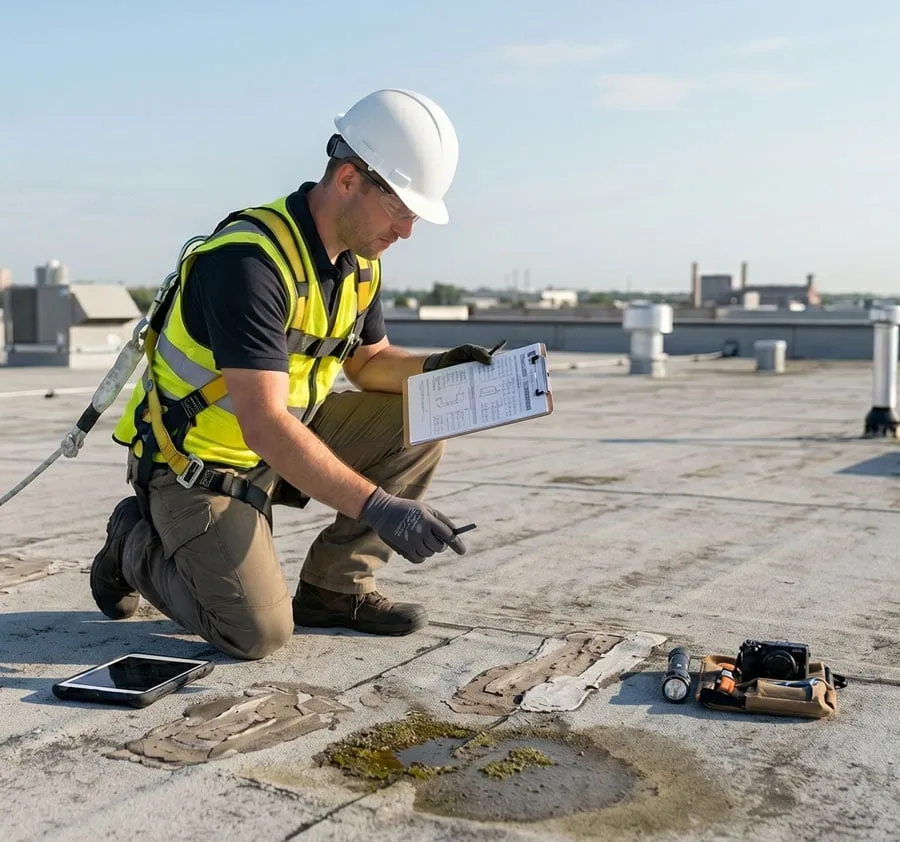
A warehouse roof inspection begins by identifying the existing system and its attachment, then following the water path across the field and through each transition. We check seams, penetrations, rooftop equipment supports, parapets, drains, scuppers, and previous repairs. A ceiling mark near a storage bay may trace back to a curb or a low area several feet away, so we compare interior reports with roof slope and detail conditions rather than patching directly above the stain. Photos and marked locations make the findings usable in a budget review.

Moisture testing can help distinguish a surface defect from a larger assembly problem. If insulation is wet, we map its limits and note whether a test cut or additional review is appropriate. A dry, well-attached area may support a focused repair, while widespread moisture, weak attachment, or a deteriorated deck can change the scope. Our commercial roof inspection records what was accessible and what could not be confirmed, leaving the owner with a clear basis for a next step rather than an unexplained recommendation.

Plan Around the Winter Cycle

Freezing temperatures affect when some materials can be handled and how much roof can safely remain open during a shift. Idaho Falls averages 14.7 days a year with minimum readings at or below zero, and the summer Idaho Falls climate averages includes 26.5 days with highs of at least 90 degrees. Neither number predicts the condition on a workday. They do show why a warehouse project needs a defined weather window, manufacturer-compatible application conditions, and a dry-in limit suited to the crew and roof area.

May is the city’s wettest month, averaging 1.57 inches of precipitation. We use that seasonal pattern to prepare contingencies, while current conditions determine whether a roof section can be opened. During replacement, tear-off should stay within the area that can be prepared and closed as conditions allow. Temporary tie-ins protect the boundary between completed and existing roofing. The snow and ice damage assessment can distinguish a physically damaged detail from a seasonal drain or ice issue when the building record points to both possibilities.

Keep Dock and Storage Activity Moving

Operational planning starts with the warehouse contact identifying which doors, aisles, yards, and equipment routes must stay clear. We can break the work into roof zones, arrange staging away from active truck movement, protect air intakes, and coordinate any noisy or disruptive tasks. Idaho Falls rail routes serve warehouses; confirm loading and lift access. At a rail-serving property, track access and switching activity may add another boundary to the daily plan. For a warehouse, we confirm the loading pattern, equipment routes, roof zones, and access limits with the site contact.

A phased reroof may let one part of the building remain in service while another is worked, provided the roof assembly and access make that sequence safe. We coordinate lift placement, debris removal, delivery timing, and temporary closures before mobilization. An occupied-building reroofing plan records protected zones and daily limits, while work in the Idaho Falls Warehouse District still depends on the specific building rather than the district name. The owner should know who can approve a weather hold or a change in access.

Compare Repair, Recover, and Replacement

We begin with the observed failure and the material around it. A repair may be enough where the defect is limited and adjoining layers are secure. Broader moisture, widespread seam trouble, poor attachment, or deck deterioration can point to a larger project. Adding a layer is only considered after evaluating existing roof condition, structural capacity, and project requirements; removal provides access to the substrate but adds debris and work time.

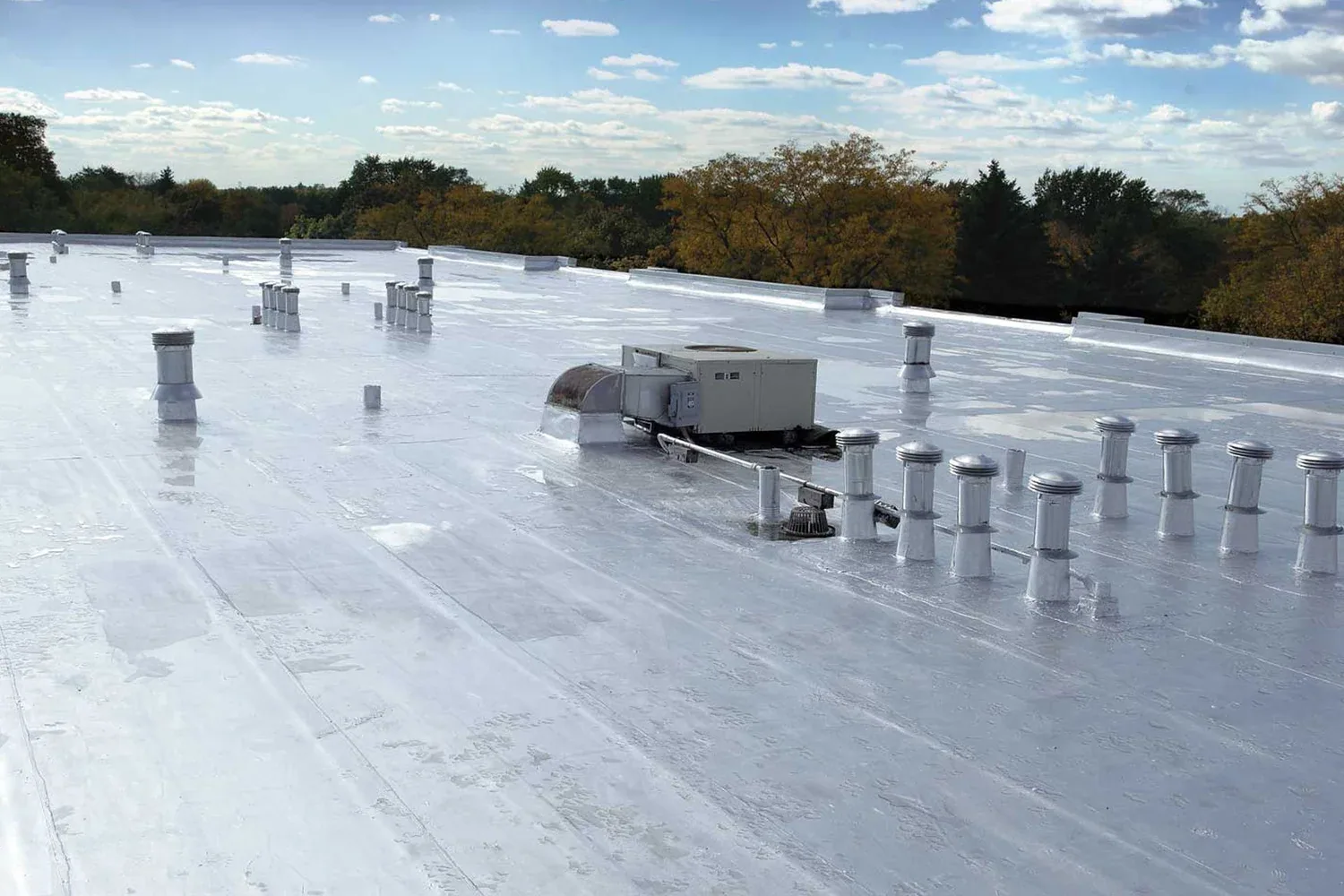
Warehouse specifications should identify insulation, cover board, membrane, flashing, edges, drains, and equipment curbs. Compare the operating conditions with distribution building roofing or manufacturing plant roof planning when freight or process activity changes the access sequence. For a low-slope building, TPO roofing is one system to evaluate against the actual substrate and drainage.

The project team confirms applicable building and energy requirements for the work being proposed. Applicable requirements depend on the building, existing assembly, and proposed scope, so they should be checked during project development rather than inferred from the property type.

Make Cost Drivers Visible

Warehouse roof costs change with the number of layers to remove, wet insulation, deck repairs, edge metal, drain corrections, equipment supports, and access for lifts and disposal. Large uninterrupted fields can make some work more straightforward, but loading operations, roof penetrations, or limited staging can add coordination. We separate known work from allowances for concealed conditions and list alternates where the inspection supports more than one path. That makes the estimate easier to compare during an operating or capital review.

Timing also depends on permits, material availability, access, weather, and how much roof can be closed each day. We state the daily work boundary and the temporary water-control plan, then identify decisions that could affect sequence. If a repair is appropriate now, the commercial roof repair scope can address the defect without implying that the whole roof is renewed. After the work, a planned maintenance program can track drains, seams, and exposed flashing as conditions change.

Questions About Warehouse Roofing

The proposal should identify roof areas, existing assembly, repair limits or replacement layers, drainage work, access, staging, dry-in boundaries, and treatment of concealed damage. Photos should support findings that affect scope or sequence. We separate base work, alternatives, and owner decisions so a manager can compare options before materials are ordered.

A workable sequence can preserve selected dock operations when roof access, lift locations, debris routes, and daily dry-in limits are planned together. We coordinate with the facility contact and mark areas that need temporary restrictions. Railroad or street access may matter in industrial Idaho Falls. The plan should state who can change the sequence if weather or operations shift.

Standing water calls for a review of the outlet, surrounding flashing, insulation slope, and any deck movement. Clearing debris may restore flow when blockage is the cause, but a settled area or damaged drain connection needs a different repair. We document the water path and surrounding assembly so the scope addresses the reason water remains, not just the visible pool.

Use records and a roof inspection to assess age, membrane condition, drainage, attachment, and repair history together. We check moisture, attachment, layer count, deck condition, and new-assembly requirements. A dry, secure roof may permit a recover; wet insulation or weak attachment can require removal. The report should state the supporting findings and any need for testing.

Idaho Falls climate averages show frequent freezing conditions and a warm summer period, so material limits and the daily dry-in plan influence timing. We plan the work area around the selected system's installation conditions and adjust when weather changes the safe path to a watertight close.

ServicesRoof SystemsIndustriesProperty TypesService AreasDamage RepairCapabilitiesManufacturersContactAboutRequest a Roof Assessment555-555-5555
Call us today555-555-5555