Emergency Commercial Roof Repair in Idaho Falls, ID Serving Idaho Falls & Eastern Idaho

Get around-the-clock emergency commercial roof response in Idaho Falls for active leaks, wind damage, or exposed roof areas, with water control and follow-up.

Emergency Commercial Roof Repair in Idaho Falls, ID

Emergency Commercial Roof Repair

Freezing nights shape emergency water control in Idaho Falls. Snow, thaw, and a cold roof surface can affect how safely we protect an opening. Our commercial emergency response runs around the clock, holidays included. We assess the exposure, install safe temporary dry-in where conditions allow, then document the permanent repair still needed so the property manager has a clear next decision.

Call with the building location, what changed, where water is showing, and whether equipment, inventory, or occupied space is at risk. We coordinate access and confirm roof height, gates, loading activity, and safe entry. A business near River Commons may be within a broad Snake River redevelopment area; another may operate in the Warehouse District or along US-20. We confirm the actual building conditions before choosing protection.
Emergency Commercial Roof Repair in Idaho Falls, ID

Control the Opening First

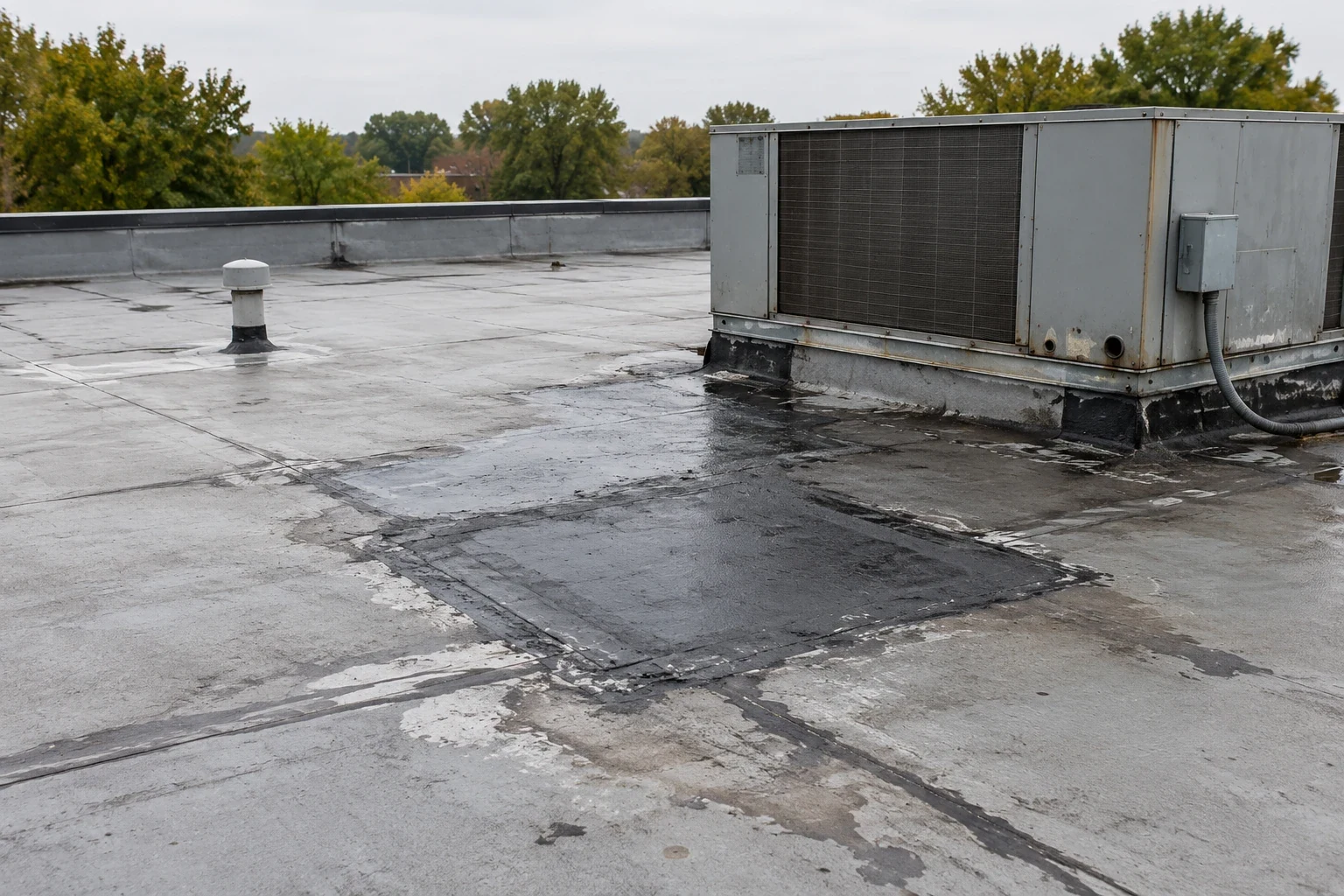
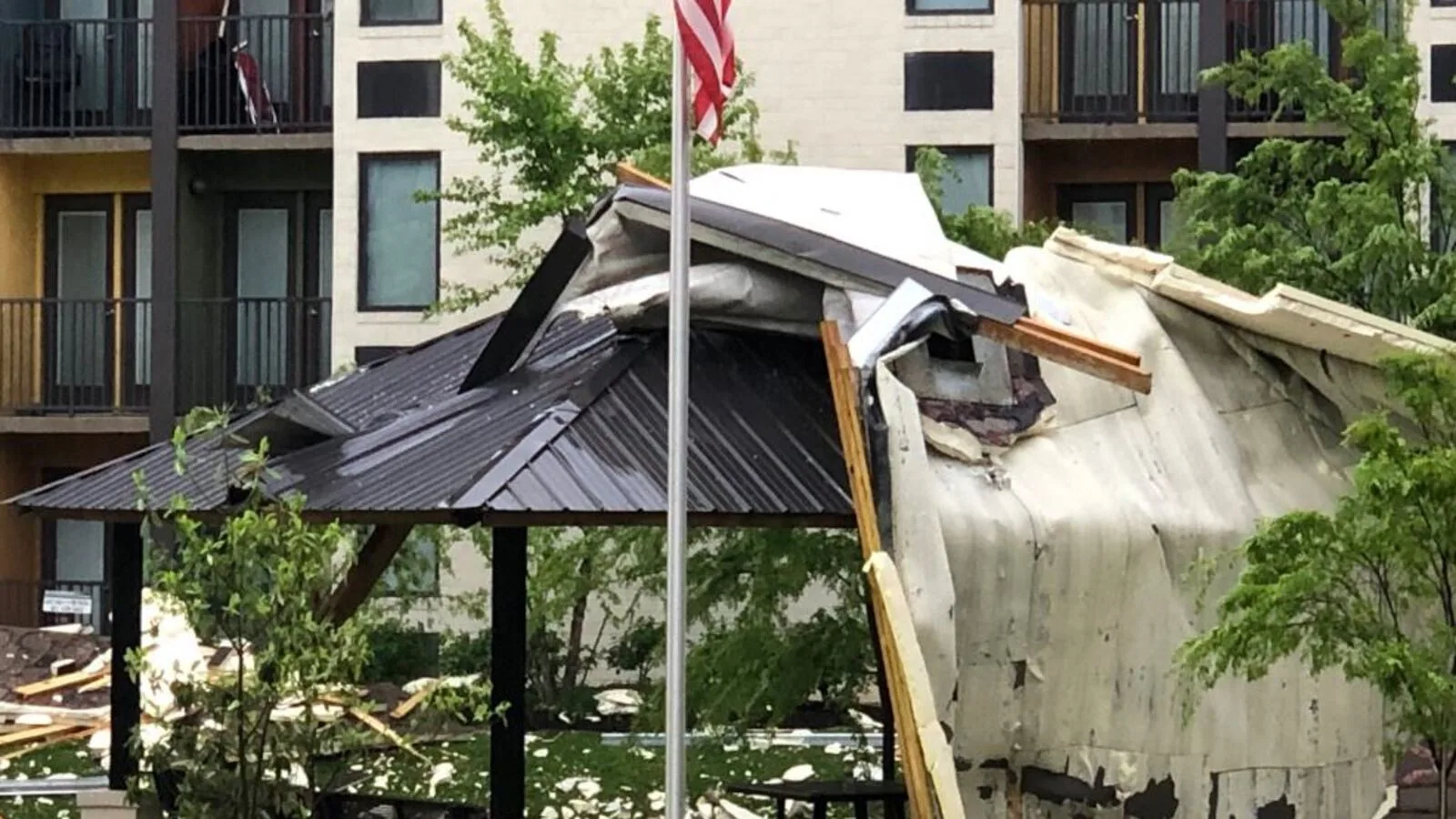
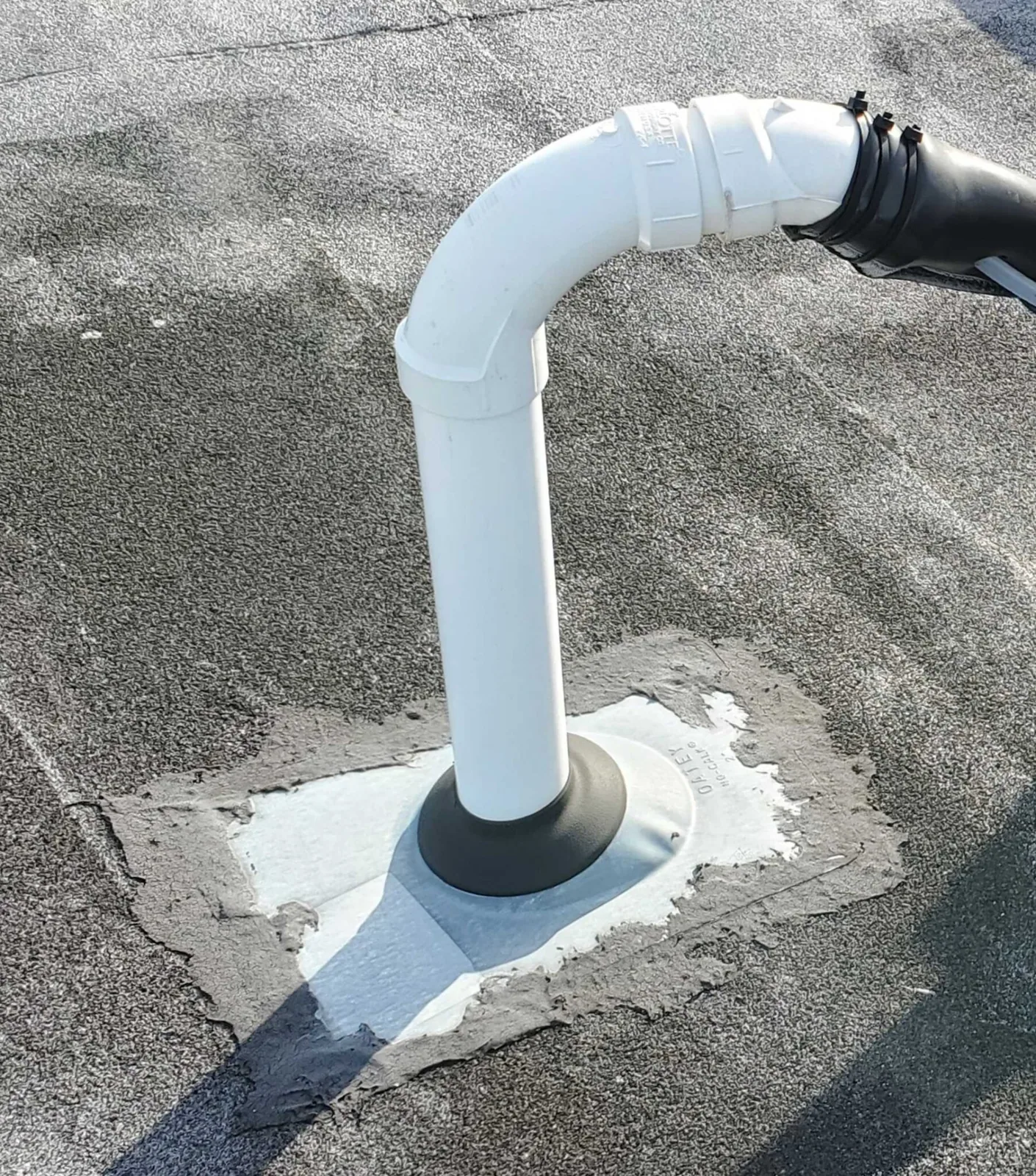
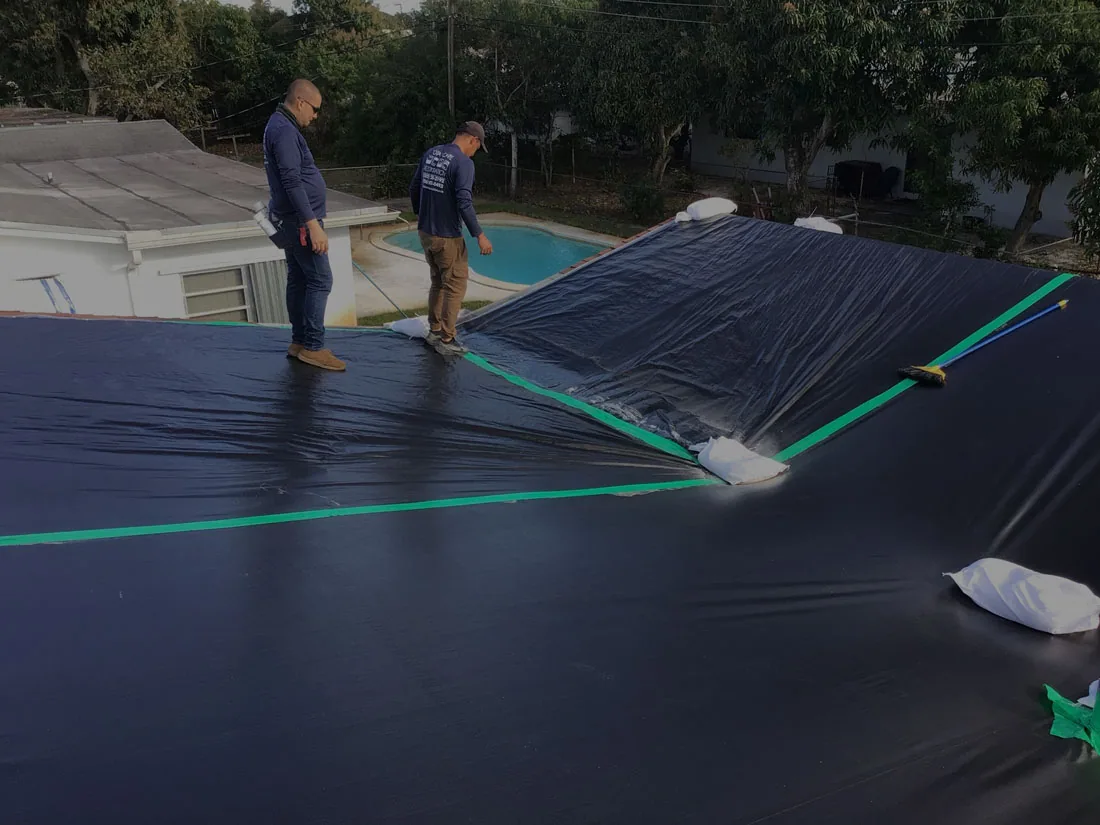
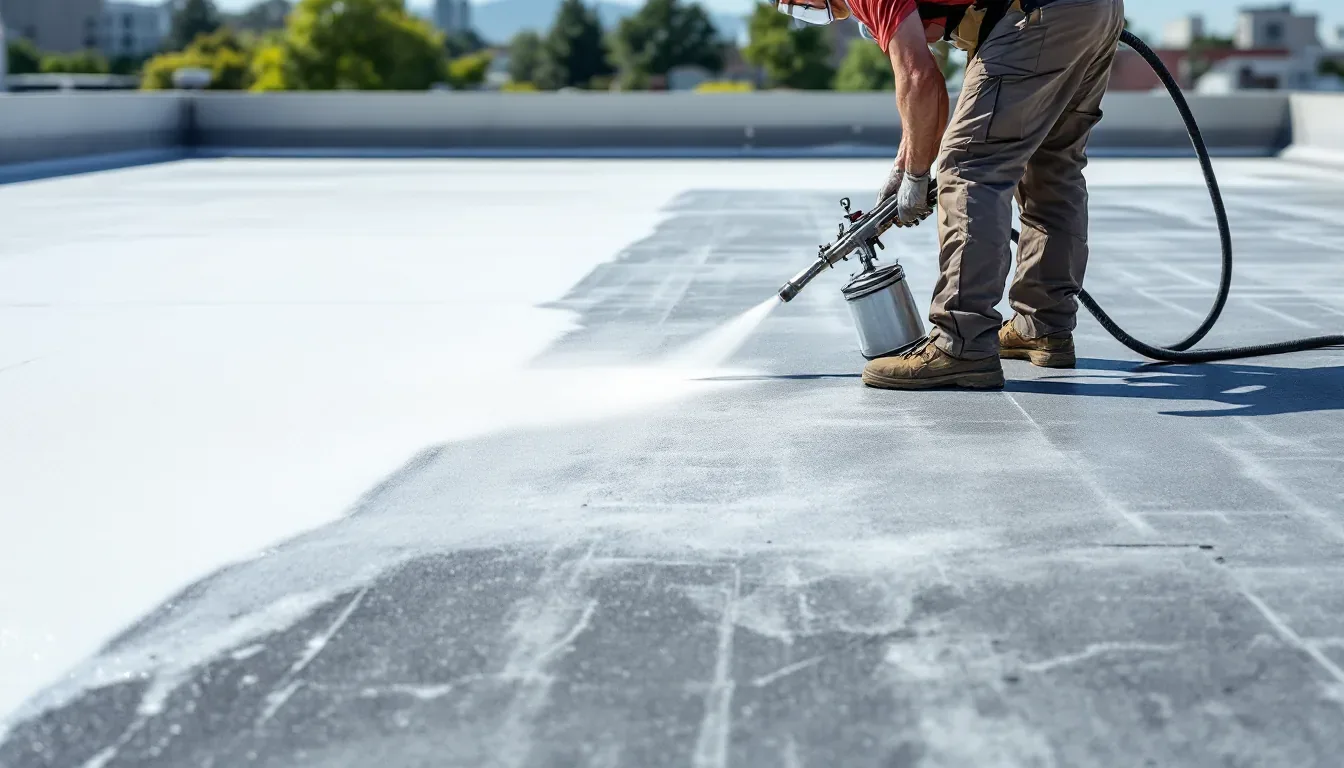
The first objective is to keep additional water from entering. We locate the damaged membrane, flashing, edge, or penetration and determine whether the surface is safe to reach. Depending on roof type and conditions, emergency work may use temporary membrane, compatible patch material, secure covering, or targeted dry-in. A tarp is not a repair by itself; it must be secured against the wind and arranged so water does not collect or run into another opening. We explain the limit of the protection and whether continued monitoring is needed until permanent work can proceed.

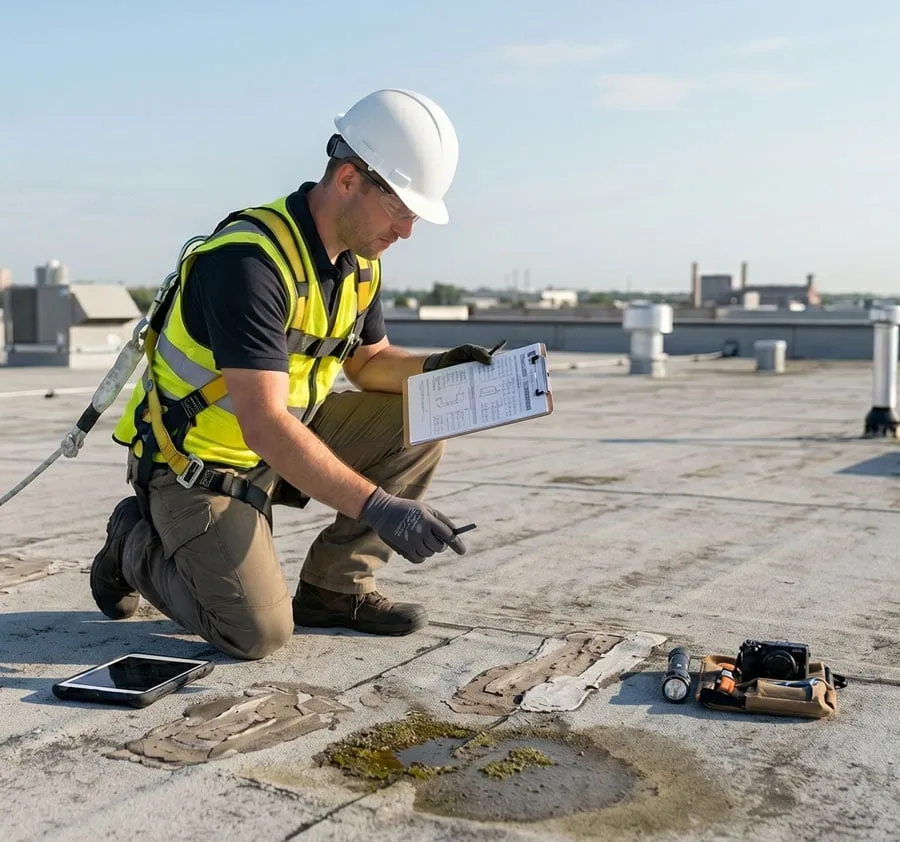
Interior protection can matter as much as the roof measure. We identify active drips, affected rooms, equipment, and safe paths for staff. If water is near electrical components or a ceiling is unstable, the building contact needs to control access while the roofing condition is assessed. Photographs capture the roof opening and interior effects before materials cover the area. We record what is protected, what could not be reached, and any conditions that make immediate work unsafe. A leak tracing visit can then confirm whether water has moved beyond the visible damage.

Read the Roof and the Conditions

Snow, ice, wind, and temperature affect emergency work differently. Snow can hide a split or curb, ice can make access unsafe, and a strong gust can change how temporary material must be secured. Idaho Falls averages also show 26.5 days annually with maximum temperatures at or above 90 degrees, which can affect surface conditions in the warmer season. If a permanent repair is not safe during the first response, the scope states what temporary control was installed and what condition remains for follow-up.

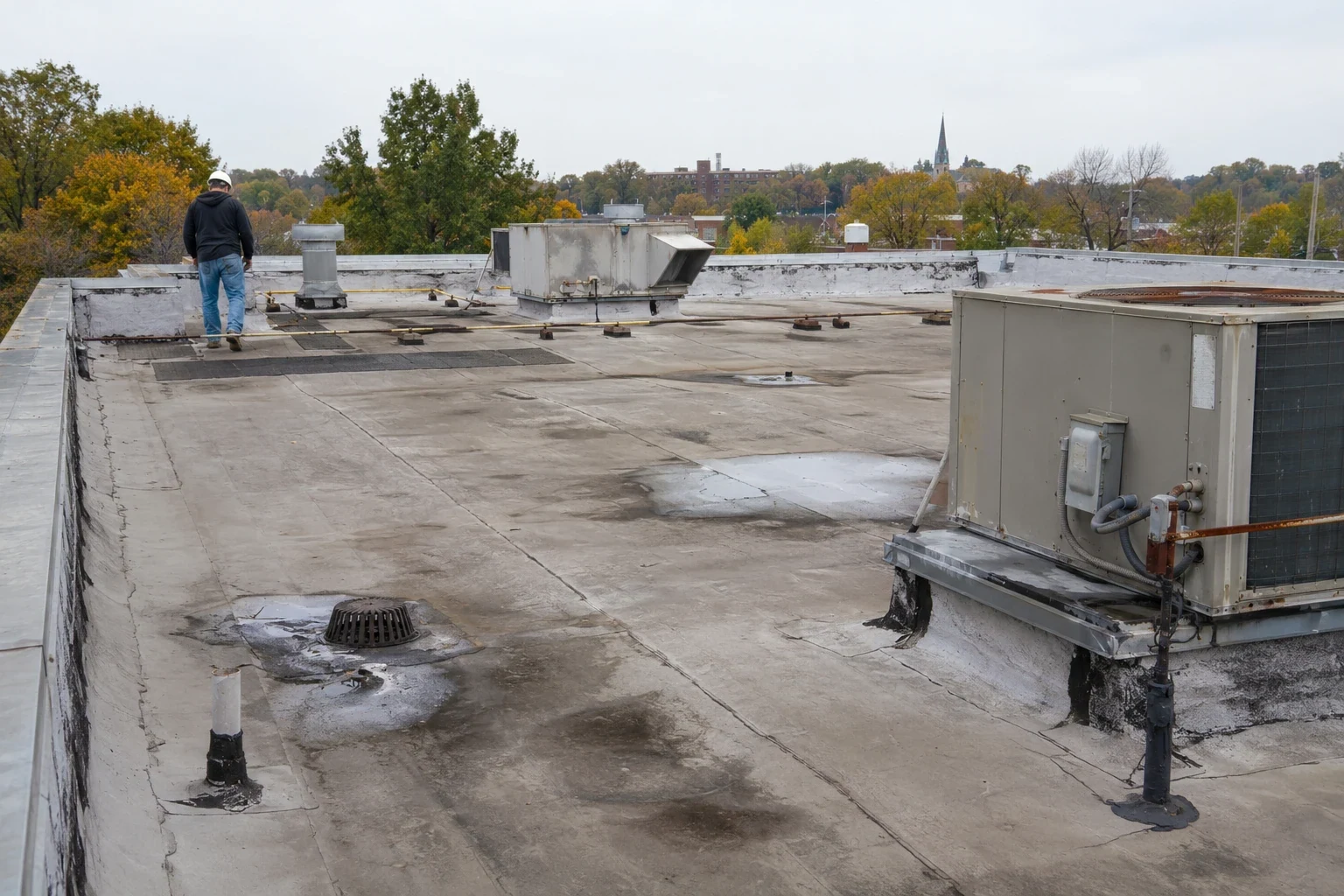
During a freeze, water entering at an edge can refreeze and enlarge the opening; during thaw, accumulated water can expose a weak seam or outlet. Our snow and ice roof damage work checks whether the assembly was physically damaged or seasonal water control is part of the issue. We inspect the nearest drain, scupper, and overflow path because a blocked outlet can complicate a temporary patch. Where drainage is part of the emergency, a drain and scupper correction may be needed alongside membrane protection.

Protect the Building in Use

A roof emergency rarely arrives when the building is empty. We coordinate access, equipment shutdowns, interior protection, and tenant or production notices. Warehousing, manufacturing, distribution, and rail uses are part of Idaho Falls industrial areas. We confirm loading routes and staging limits with the property contact. Health-care and education spaces add their own requirements for keeping people and sensitive equipment clear. We confirm those operating conditions before moving across the roof or through the building.

River Commons includes infrastructure and development near the Snake River Greenbelt, while the Warehouse District mixes storefronts and light industry. On the job, we identify lift placement, material paths, protected entrances, and areas that must remain open. A planned occupied-building sequence can take over if emergency protection leads to a larger reroof.

Separate the Immediate Work From the Repair

The emergency record should say what failed, where it is, what water control was installed, and what remains open. We photograph the roof and interior effects, identify the temporary materials, and note weather or access limits. If moisture has spread, we mark the area for testing. The first response may stop new water without restoring the full assembly; the permanent scope should explain whether it requires seam welding, flashing replacement, membrane replacement, wet insulation removal, or a deck repair. That distinction helps the property manager assign the right follow-up and avoid treating temporary protection as a finished system.

Cost depends on access, active conditions, materials, how much roof is exposed, and whether additional crews or equipment are needed for safe work. Timing for permanent correction depends on weather, material compatibility, testing, and building operations. We give the owner a defined repair choice and document any concealed-condition allowance. Where the larger roof has repeat issues, our written condition report can support the next budget review with photos and mapped findings rather than a verbal summary.

Set the Next Safe Step

After the active leak is controlled, the next visit verifies that temporary protection is secure and evaluates the surrounding assembly. We check whether water entered insulation, reached the deck, or followed a path to another room. If the roof can be repaired in place, the permanent work should name materials, preparation, and transition details. If damage is wider, we compare a localized replacement with broader repair or reroof options. Our commercial repair scope separates what can be completed now from work that belongs in a planned phase.

Emergency response does not require a rushed capital decision. The owner can review the condition record, ask questions about alternatives, and coordinate work around tenants or operating hours. A scheduled maintenance visit after repair can check drains, flashings, and adjacent seams before another weather event. We will tell the contact which items need prompt attention and which can be scheduled, based on observed conditions. The practical goal is a dry building now and a repair record that can guide the longer roof plan.

Questions About Emergency Commercial Roof Repair

Yes. Our emergency response is available around the clock throughout the week, holidays included. The first step is to understand the building, current exposure, safe access, and what interior or equipment areas need protection. We confirm the response scope with the caller and explain what can be done under the conditions at that time.

Give the building location, callback contact, what happened, where water is entering, whether the roof is safe to access, and what rooms or equipment are affected. Mention gates, loading operations, electrical concerns, snow or ice, and any access limits. Those details help us plan a safe assessment and bring suitable temporary materials.

No. A tarp or temporary cover can control exposure when it is suitable and securely installed, but it does not rebuild a failed seam, flashing, or wet assembly. We identify the temporary protection, its limits, and the permanent repair needed. The follow-up scope may include testing or removal if water reached insulation or the deck.

We assess access and surface conditions before starting work. If the roof cannot be reached safely, the response may focus on interior protection or another safe water-control step until conditions change. We document the restriction and explain what inspection or repair remains. No response plan should put a worker or building occupant at unnecessary risk.

The closeout should identify the permanent repair, photos, materials, and any limits or remaining conditions. If temporary protection remains, the record should say so and define the follow-up needed. We can also inspect nearby details and note whether further testing, a larger repair, or maintenance is recommended.

ServicesRoof SystemsIndustriesProperty TypesService AreasDamage RepairCapabilitiesManufacturersContactAboutRequest a Roof Assessment555-555-5555
Call us today555-555-5555