Church Roofing in Idaho Falls, ID Serving Idaho Falls & Eastern Idaho

Plan church roof repair and replacement in Idaho Falls around sanctuary use, community schedules, drainage, and safe access for occupied buildings.

Church Roofing in Idaho Falls, ID

Church Roofing

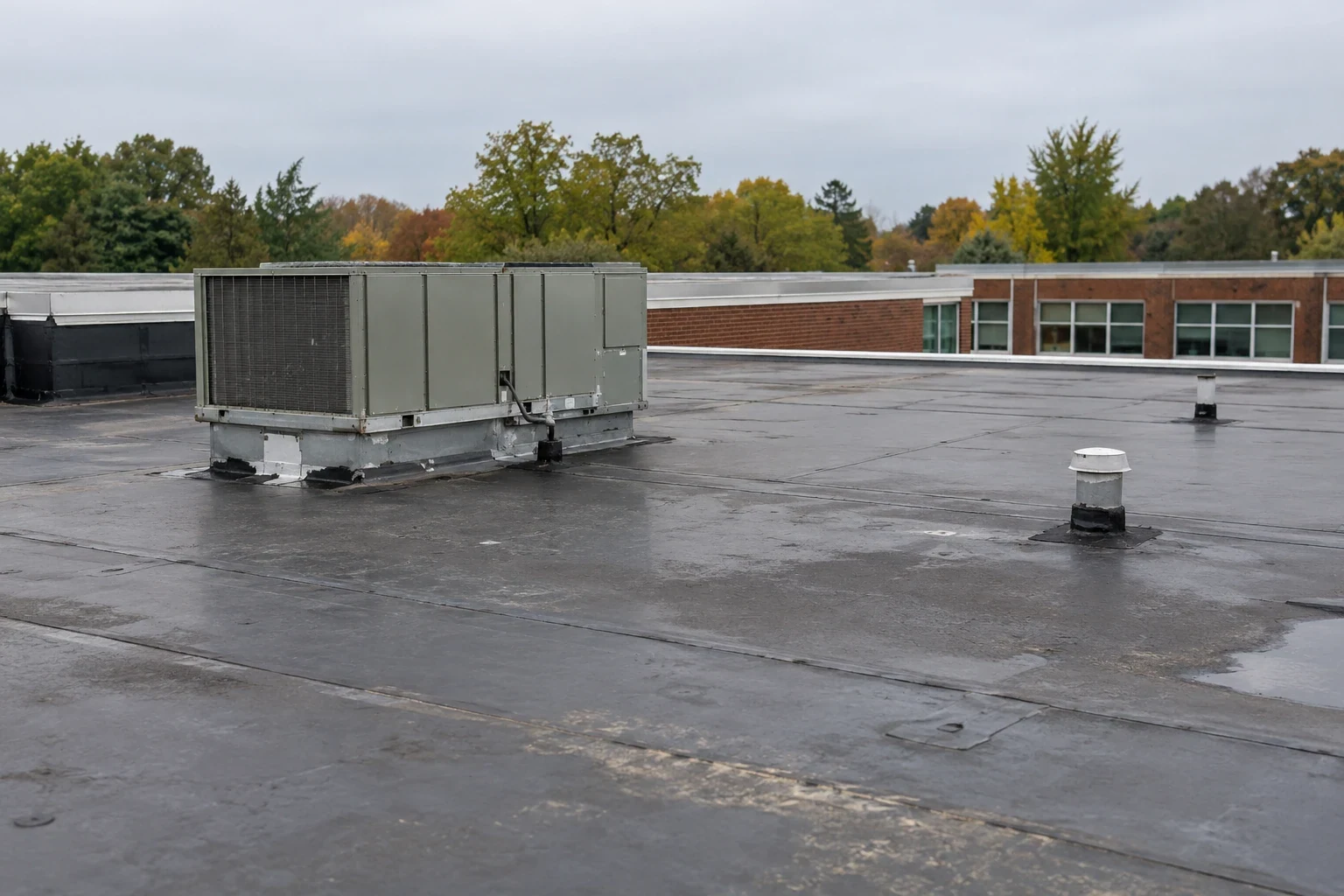
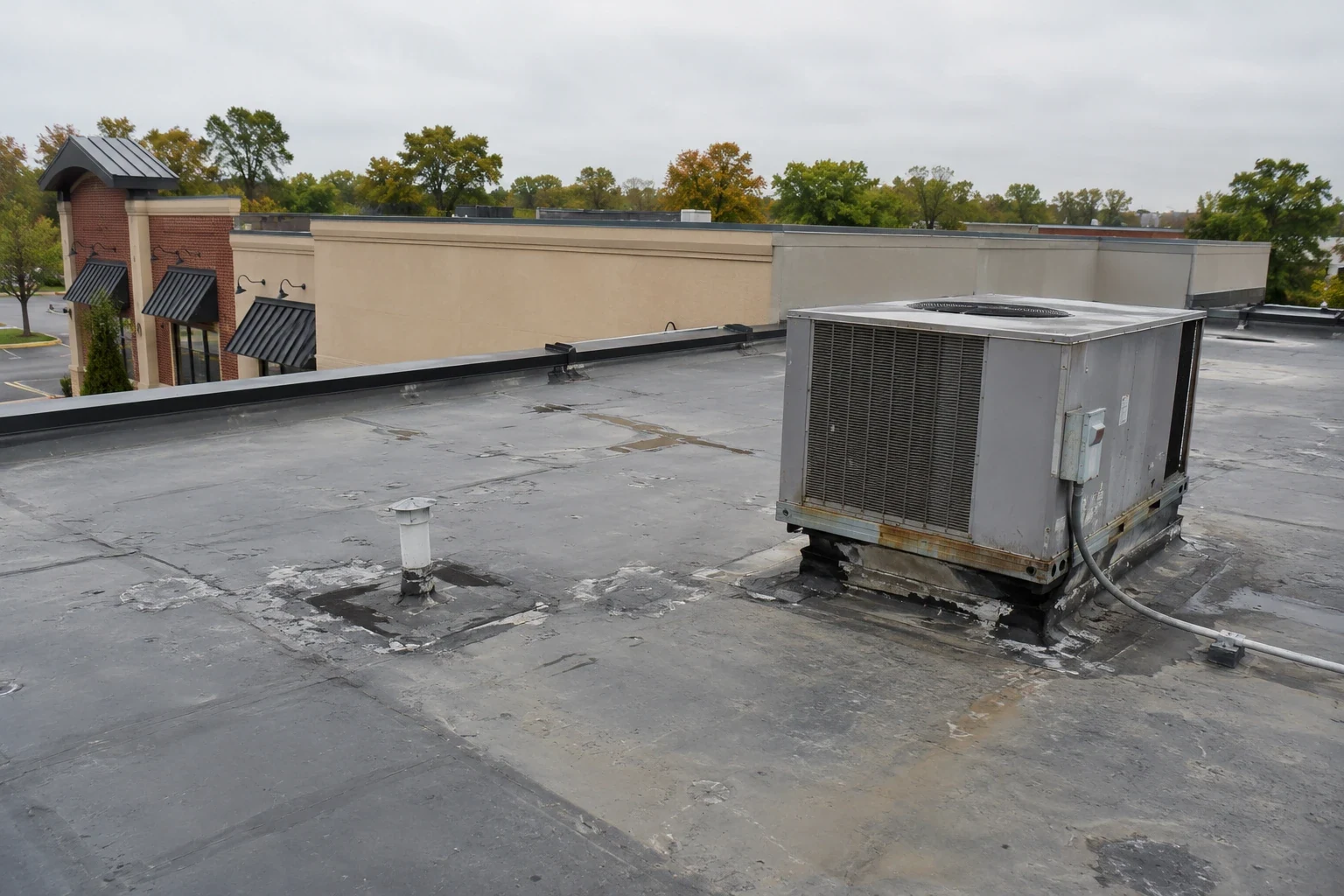
Idaho Falls moves from freezing winter nights to hot summer roof conditions. Heat affects safe access and application above a sanctuary, classroom, office, or gathering space, while the winter cycle puts seams, flashing, and drains on the maintenance calendar. We inspect seams, flashing, drains, and parapets, trace reported water, and separate immediate water control from repairs that can be scheduled with other building work.

Downtown and South Downtown form Idaho Falls’ connected city core, while Snake River Landing combines residential, office, dining, and event uses. Church properties in these active areas may have different arrival, delivery, and event patterns. We confirm service times, community use, roof access, and equipment conditions with the facility contact before staging material.

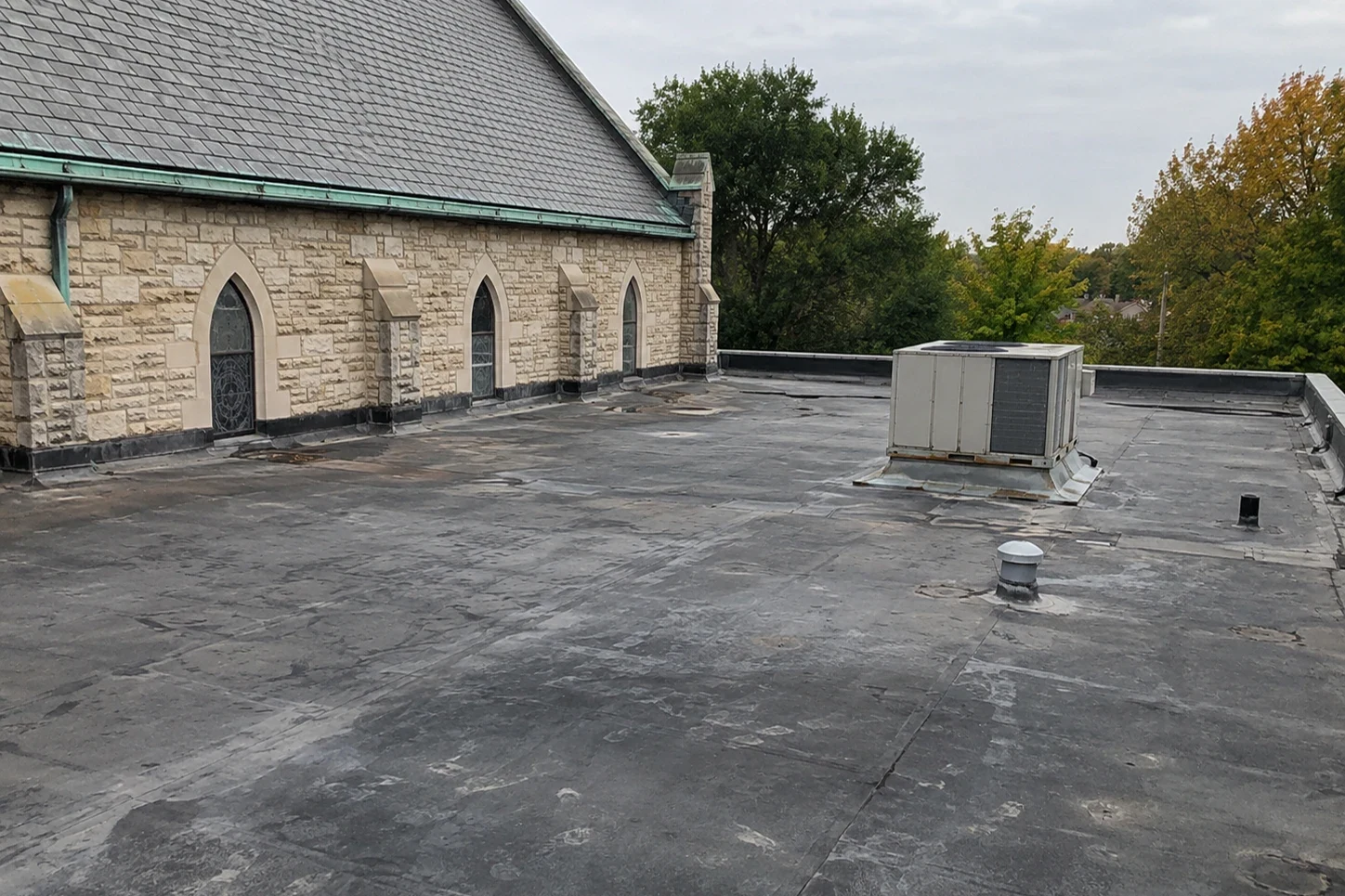
A church roof may connect multiple additions or rooms under one maintenance plan. We mark the roof areas, inspect transitions and drainage, and compare interior reports with likely entry paths. A written scope identifies what the roof shows, which areas need testing, and how the work boundary can be protected during a service or event.
Church Roofing in Idaho Falls, ID

Follow Water Across the Roof

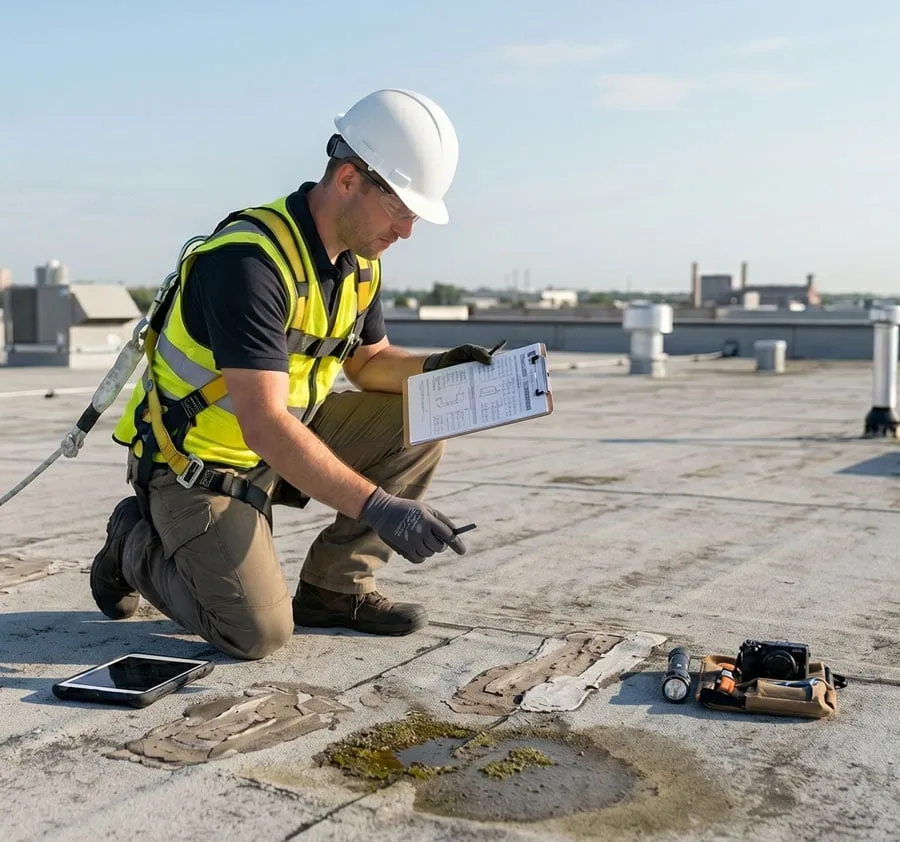
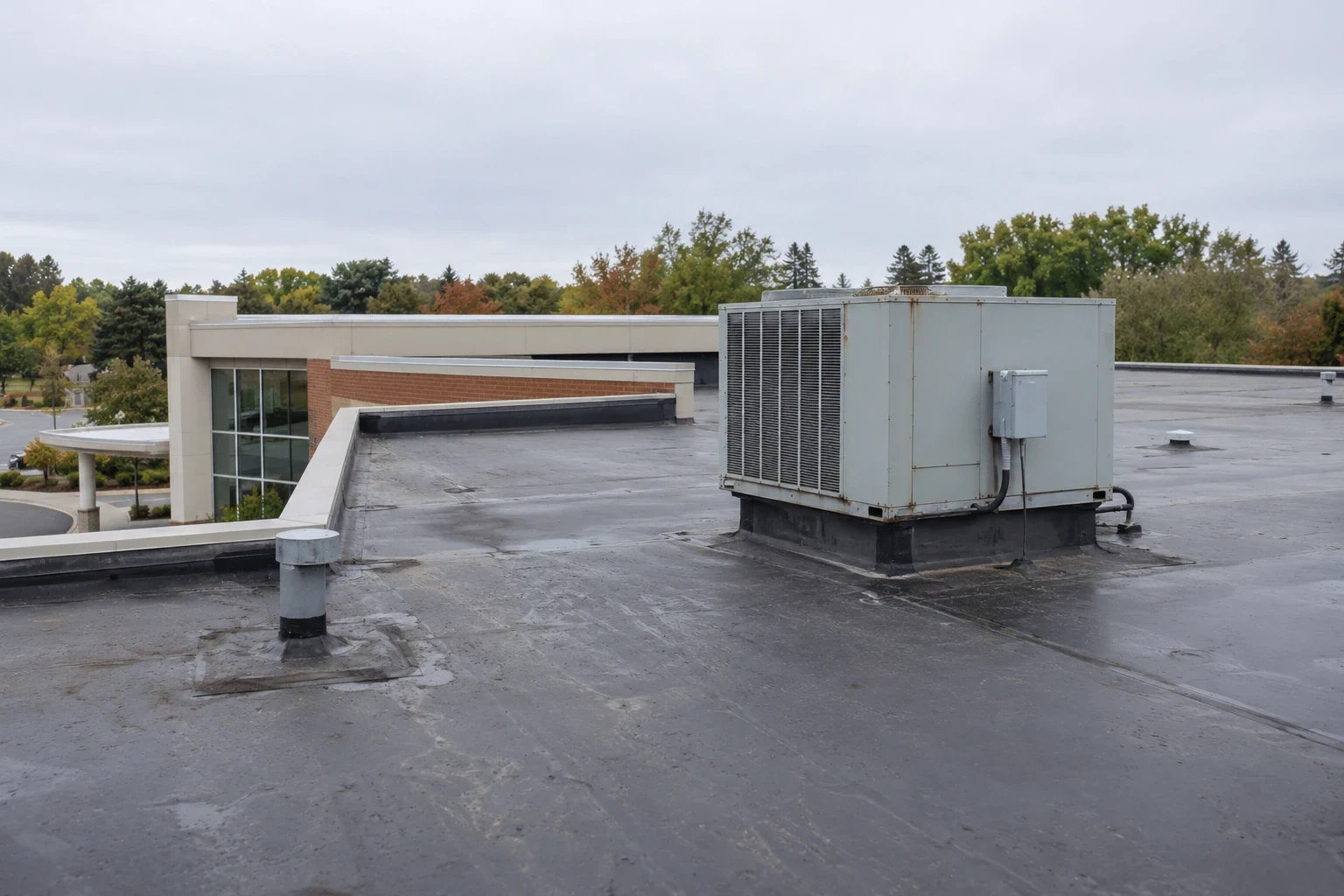
Water can travel from an open seam or failed curb before appearing in a sanctuary, office, or classroom. We inspect membrane joints, wall transitions, roof edges, drains, scuppers, and past patches, then compare the roof slope with reported interior signs. The closest ceiling stain is not automatically the entry point. Photos and a roof-area sketch give the facility team a way to track each finding.

Low areas need their own review. We check whether water can reach the outlet, whether the drain bowl is secure, and whether overflow paths are clear. A drain and scupper repair may need to be coordinated with membrane work if the connection or surrounding flashing has failed. The scope names both the roof defect and the water path it interrupts.

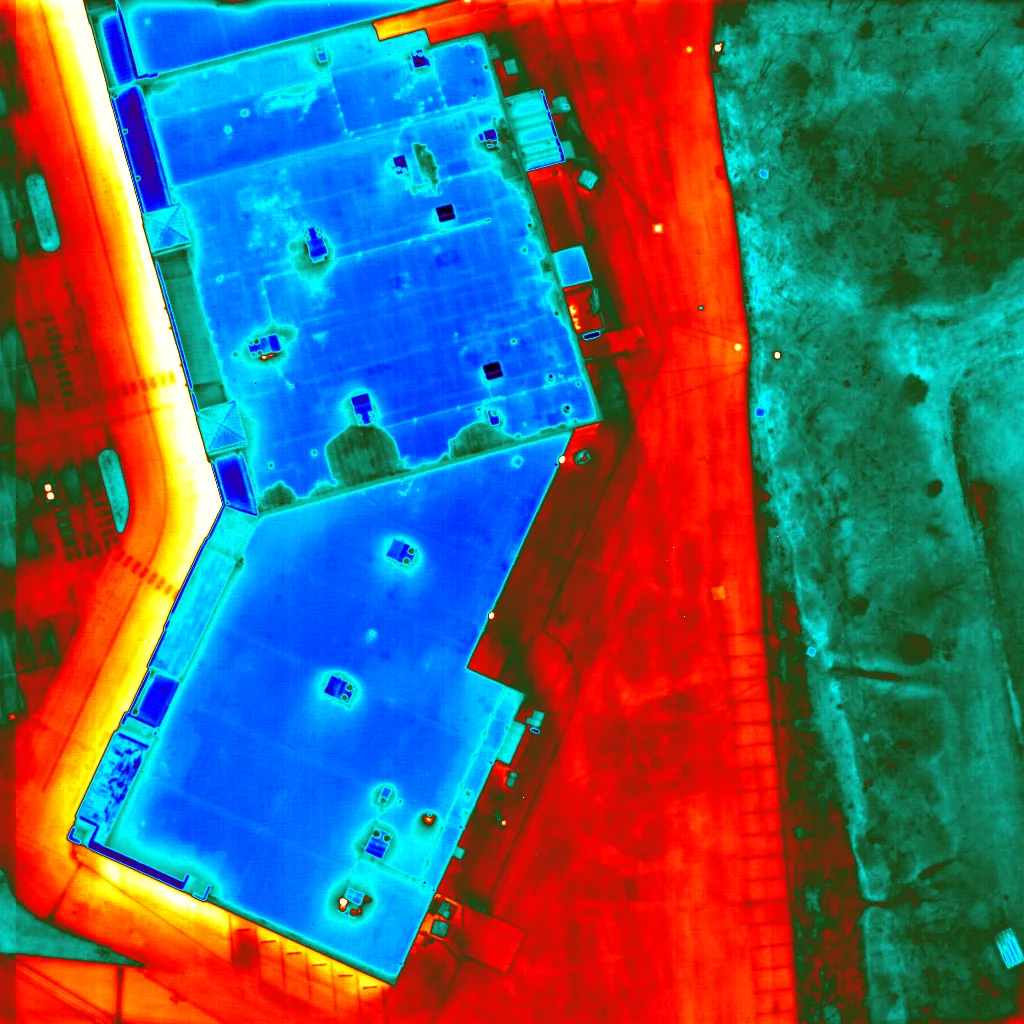
When insulation may hold moisture, an infrared moisture survey can help identify suspect areas under suitable conditions. Targeted checks confirm what should be removed. We also record sections that could not be accessed, so an untested area does not get treated as a confirmed dry area.

Plan Around the Building Calendar

A facility contact can identify worship services, school or community programs, food distribution, funerals, deliveries, and rooms that need continuous access. We use that schedule to choose staging, lift locations, debris routes, and noisy work periods. If a main entrance remains in use under a roof zone, the sequence includes protection and a clear temporary route before material arrives.

For church roof work in Downtown Idaho Falls, delivery and staging must fit the property. South Downtown retains historic character, so exterior work and public routes deserve a careful access plan. We confirm the roof assembly, service calendar, entrances, and community events with the facility contact before setting a work zone.

An occupied-building reroofing sequence identifies active areas, daily limits, contact roles, and temporary tie-ins. We open only the portion that can be prepared and secured during the planned shift. If a concealed condition changes the sequence, the owner receives the finding before the work boundary expands.

Choose Work for the Season

Zero-degree overnight lows occur on an average of 14.7 days each year in Idaho Falls. That part of the winter cycle can limit access and some material applications. We check the roof surface and current forecast before choosing a daily work area; product requirements and crew safety set the limit.

Idaho Falls averages its highest monthly precipitation in May, at 1.57 inches. Before opening the roof, we define a dry-in point and temporary protection that can be secured within the shift. Snow or ice may hide an outlet or make access unsafe; those sections receive a return check when conditions allow.

Permits, material delivery, congregation use, and concealed deck conditions can also affect timing. We list the assumptions that support the schedule and the decision owner for added work. A calendar estimate is useful only when it accounts for both the roof condition and the building's actual use.

Compare Repair and Renewal

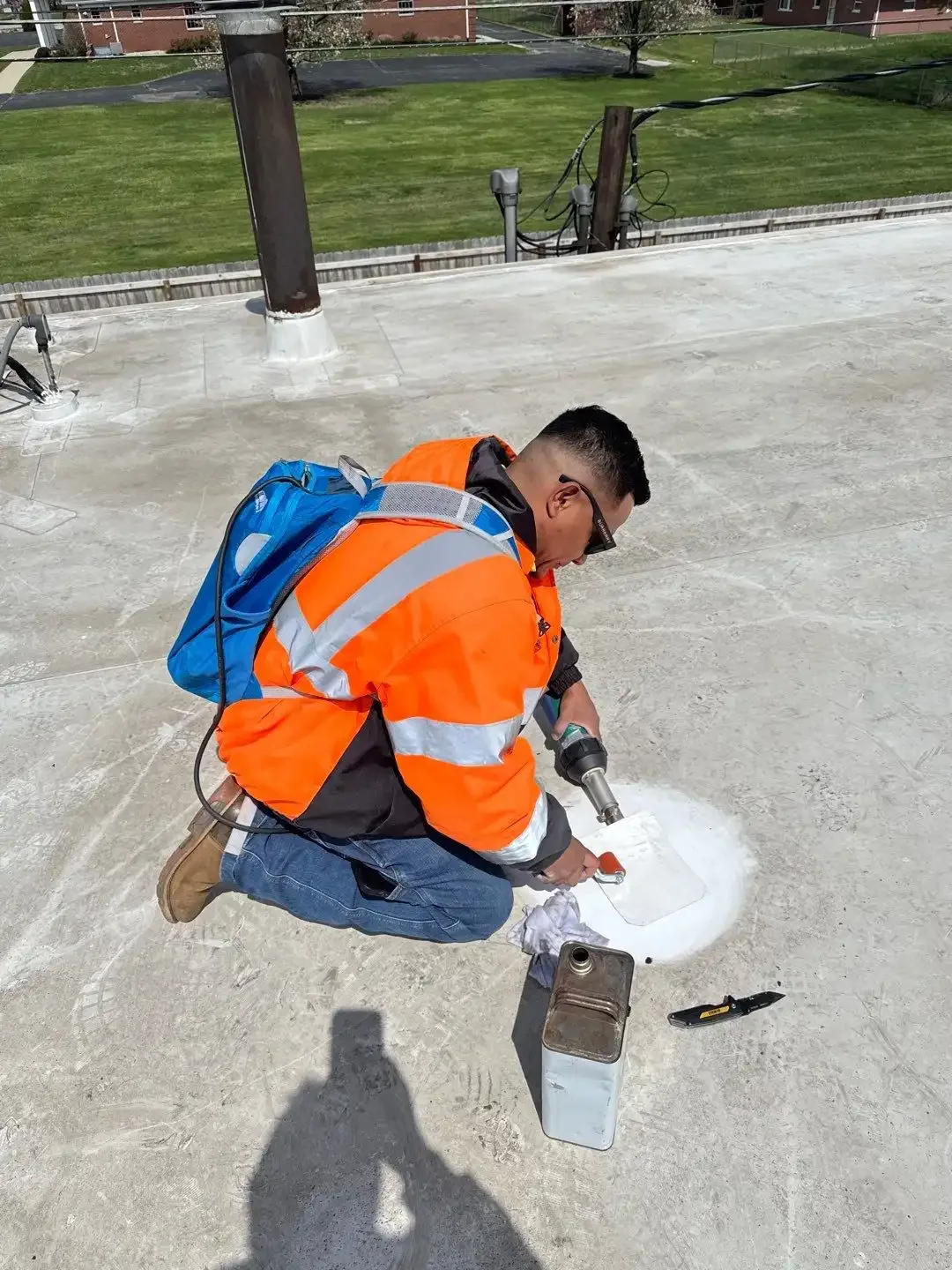
A localized flashing failure may be repaired when surrounding materials are dry and secure. Multiple leak points, wet insulation, poor attachment, or deck deterioration can justify a larger renewal discussion. We identify what the inspection confirms and what further testing could change before ownership selects a scope. A second roof layer is an option only when inspection confirms a stable, dry, compatible base and project requirements permit the added assembly.

A modified bitumen roof system or another assembly must match the substrate, drainage, transitions, and maintenance needs. Rooftop equipment and additions can create different flashing details across one building. If metal sections or low-slope areas meet, we inspect the transition rather than applying one repair detail everywhere.

A school roof project can share scheduling needs around group activity, while medical-office roofing adds patient access considerations. A church scope follows its own roof layout, room use, and approval process. We state which work is included and which building or mechanical item needs separate coordination.

Keep the Record Useful

Cost drivers include roof height, removal depth, insulation, deck repairs, drains, edge metal, penetrations, and staging. Interior protection or access restrictions can add time. We separate known repairs from allowances for concealed conditions and identify who approves a changed scope. That makes a repair comparison more useful than an estimate that hides unknowns inside one broad line.

After work, preventive maintenance can revisit drains, seams, and exposed flashing before a small defect affects more rooms. A roof condition report records photos, repair boundaries, and outstanding items for the next facility review. The closeout notes what was completed and any area that could not be examined.

For a defined active leak, commercial roof repair can address the immediate roof defect while longer-range replacement planning remains separate. The facility team receives a written scope, a documented handoff, and a practical list of decisions needed before the next phase.

Questions About Church Roofing

The facility contact identifies service times, room use, deliveries, entrances, and any event that changes access. We set staging and daily work areas around those constraints, then agree who communicates a route change. The calendar is confirmed before a roof section is opened.

Each section should have its own assembly notes, drainage path, penetrations, repair history, and condition photos. We keep findings separate when additions or roof transitions have different details. That helps ownership compare urgent repairs with work that can be combined into a larger project.

It can when safe access, staging, overhead protection, and temporary closures are agreed in advance. We define what remains open and stop work if weather or a concealed condition prevents a secure closeout. The facility lead coordinates notices with the congregation.

We review leak patterns, attachment, insulation, deck condition, drainage, and prior repairs. A contained defect may support repair, while widespread moisture or repeated failures can support renewal. The report explains the evidence and any testing that would change the recommendation.

It records completed areas, photos, materials installed, repair boundaries, and remaining concerns. We note where access or weather prevented inspection and list follow-up items. The facility team can use that record for maintenance and budget decisions.

ServicesRoof SystemsIndustriesProperty TypesService AreasDamage RepairCapabilitiesManufacturersContactAboutRequest a Roof Assessment555-555-5555
Call us today555-555-5555