Standing Seam Metal Roofing in Idaho Falls, ID Serving Idaho Falls & Eastern Idaho

Plan standing seam metal roof work in Idaho Falls with review of clips, panels, transitions, drainage, and movement across the roof assembly.

Standing Seam Metal Roofing in Idaho Falls, ID

Standing Seam Metal Roofing

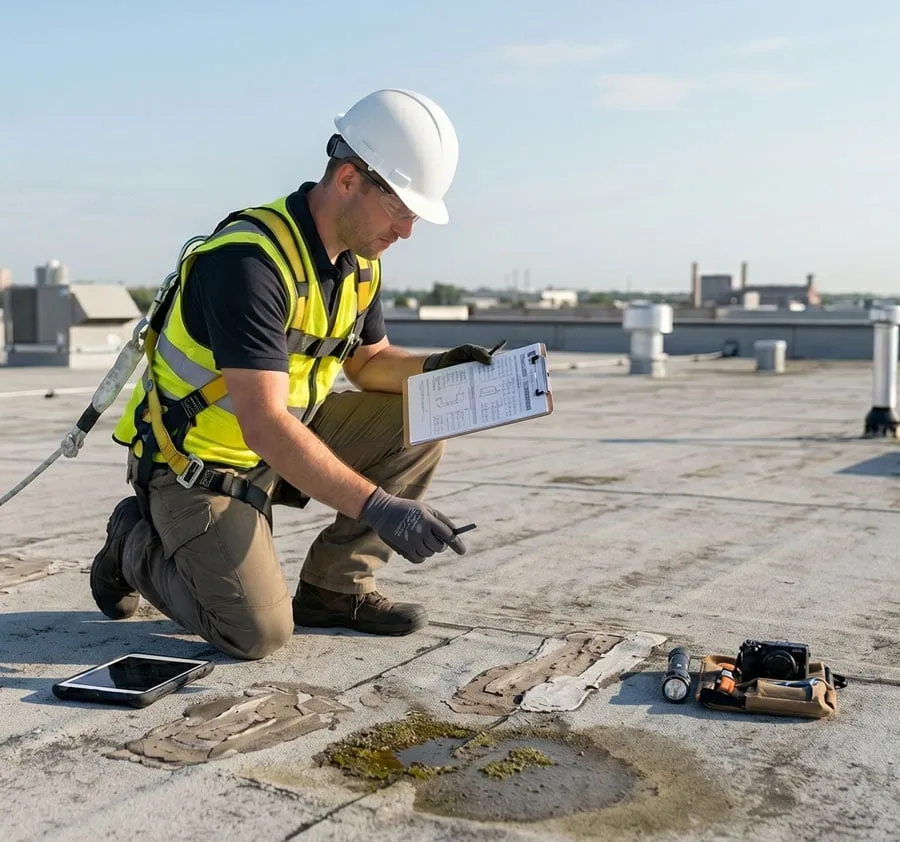
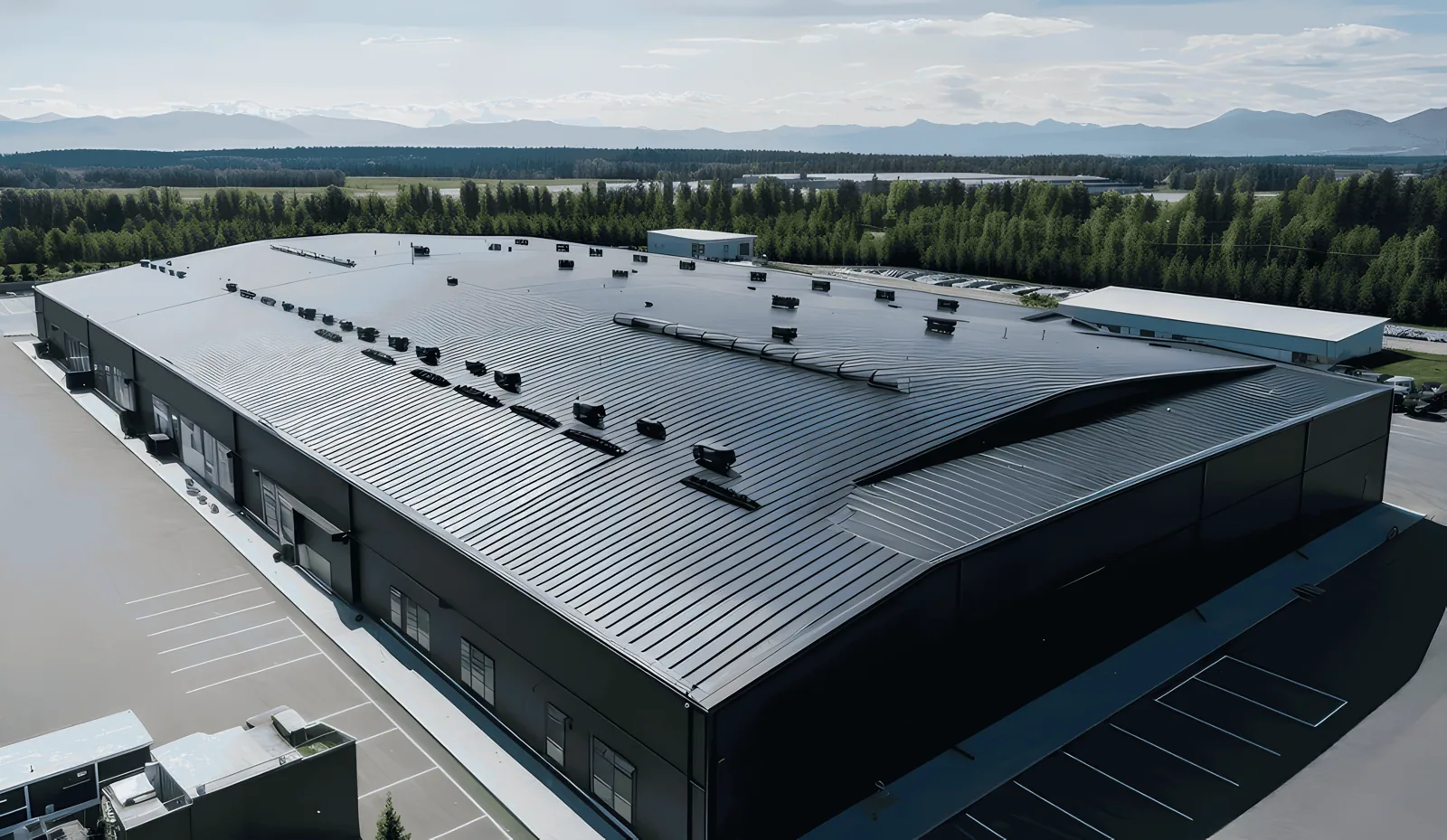
A cold snap in Idaho Falls tests panel joints, clip attachment, and transitions on standing seam metal roofs. Idaho Falls averages document a long Idaho Falls freeze season, including some winter periods with very low minimum temperatures. Those averages cannot describe a particular roof, but they frame why movement, water control, and safe access deserve a close inspection. We document the panel profile, seam condition, fasteners, penetrations, and drainage before setting the repair scope.

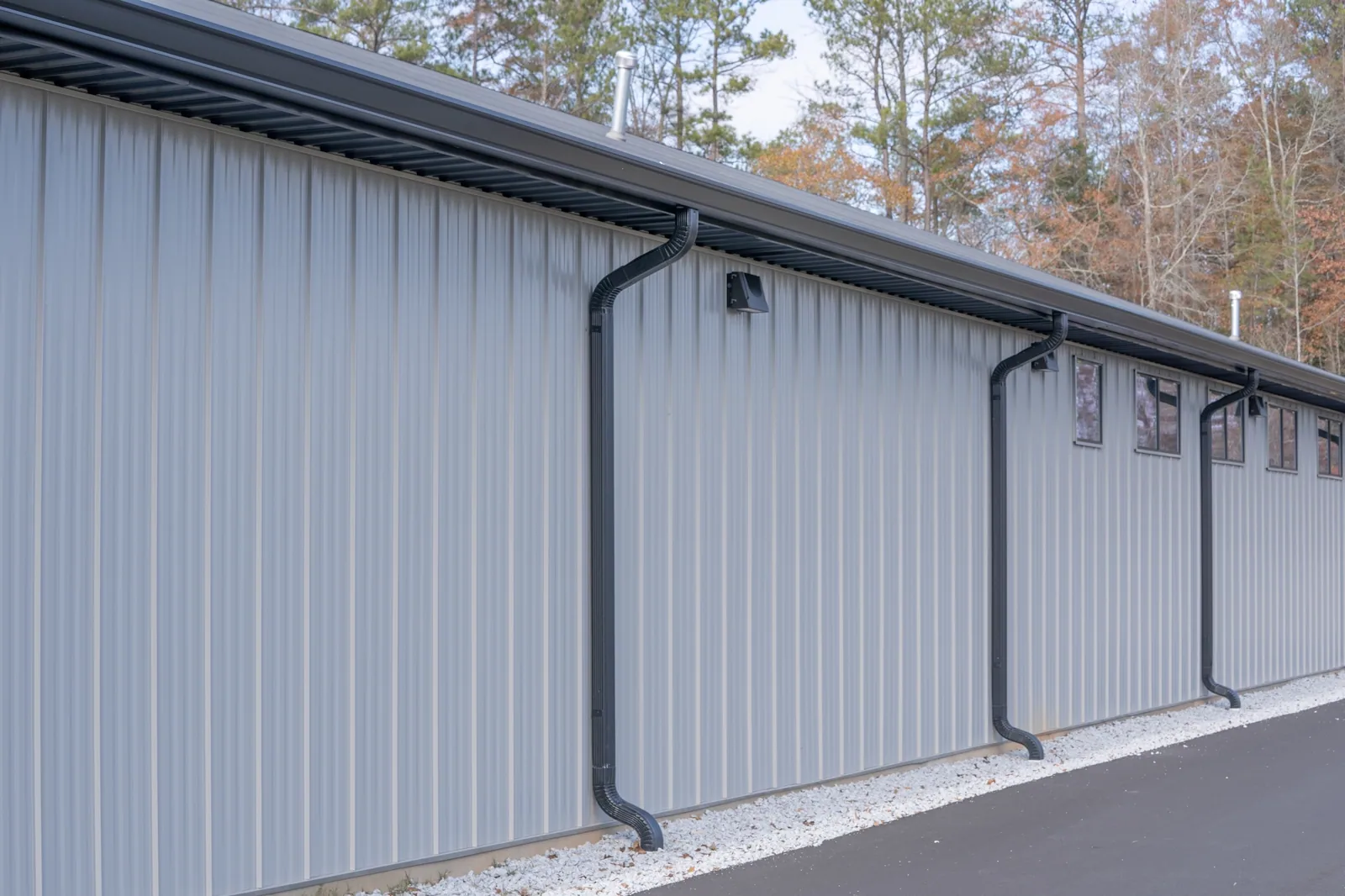
Standing seam panels join at raised vertical seams, while concealed clips can allow movement as metal expands and contracts. The assembly still depends on panel length, clip spacing, substrate, underlayment, perimeter details, and properly integrated flashing. We identify whether the concern is a displaced seam, loose clip, damaged panel, or failed transition rather than sealing the visible symptom alone. Sugar City Business Park is a multi-lot commercial area. We inspect each building’s panel profile, clips, seams, and penetrations before selecting a metal-roof repair.
Standing Seam Metal Roofing in Idaho Falls, ID

Follow the Water Path

Water can enter where seams, ridge or eave details, valleys, curbs, or pipe boots are damaged. We inspect the panel field in the direction water travels, then check the interruptions and discharge points. A small opening near a penetration may send water along a support before it reaches an interior ceiling. The roof survey records the likely path and notes where a test or interior review is needed instead of assuming the nearest panel is the source.

Fastener and clip conditions can be different issues. An exposed fastener may back out or lose its washer, while a concealed clip may loosen or restrict panel movement. We inspect representative attachment points and the metal around them for distortion, corrosion, or repeated patching. A repair should restore the specified detail and leave the panel able to move as designed. A roof condition report can help distinguish isolated repair from a system-wide concern.

Allow for Panel Movement

Metal changes dimension as temperatures shift. A standing seam system manages that movement through panel design, clip type, seam geometry, and attachment. If a panel is locked at an unintended point or a clip is damaged, stress can appear at fasteners, end laps, or penetrations. We look for oil-canning, elongated holes, buckled panels, and seam distortion, then trace the movement to its attachment detail. The repair must restore the designed path instead of pinning the symptom.

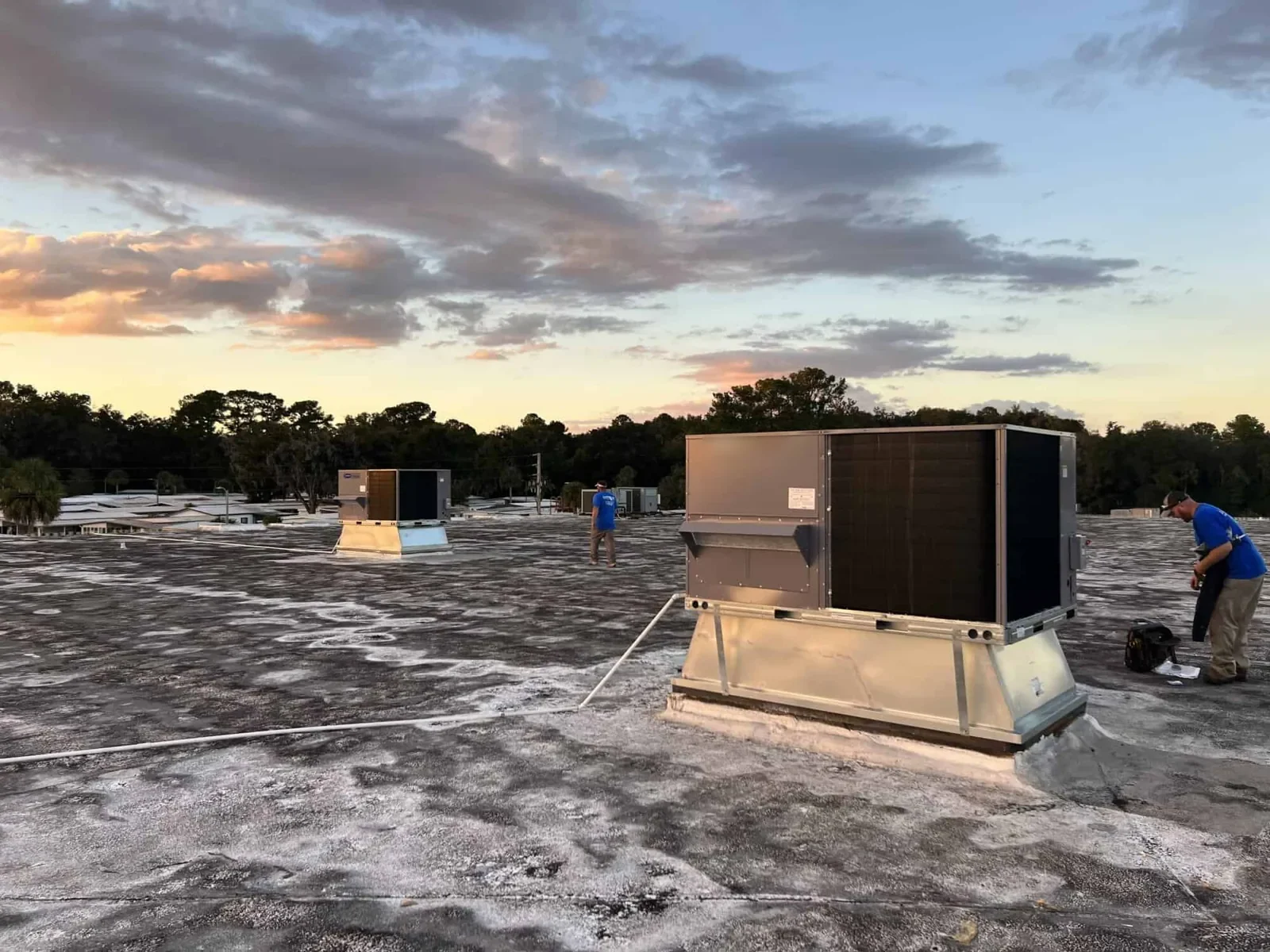
Long panels and building geometry can make the detail more important than the visible field. A pipe added after installation may block a seam or create a rigid restraint if the flashing is not designed for movement. Mechanical work should coordinate panel penetrations with the roof scope, including support and curb conditions. We identify which trade will handle the opening and who checks the final water seal. A curb and support review can keep the metal and rooftop equipment details aligned.

Treat Transitions as Their Own Work

Ridges, valleys, eaves, rake edges, walls, skylights, drains, and curbs require formed metal pieces and compatible seal details. We inspect laps, closures, cleats, underlayment, and changes in roof plane. Sealant can age or move, but adding another bead over an unresolved gap may only delay the next leak. The estimate should state whether a transition is being rebuilt, a panel is replaced, or an adjacent wall or curb needs work.

Snow and freeze exposure can make ice dams or trapped water a concern where drainage and geometry allow it, but we verify the actual roof rather than assume an issue from regional climate. Keep valleys and outlets clear of debris and verify that downspouts discharge safely. Edge metal and gutters can address a damaged discharge path, while drainage repairs may be needed on adjoining low-slope sections.

Plan Material and Access

Metal repair depends on matching panel profile, gauge, finish, fastening, and trim geometry. A replacement panel may require disassembly beyond the visible defect, and finish differences can remain visible. We record panel dimensions, access, lift needs, and the sequence required to protect adjacent work. Weather and surface temperature also affect handling and sealant cure.

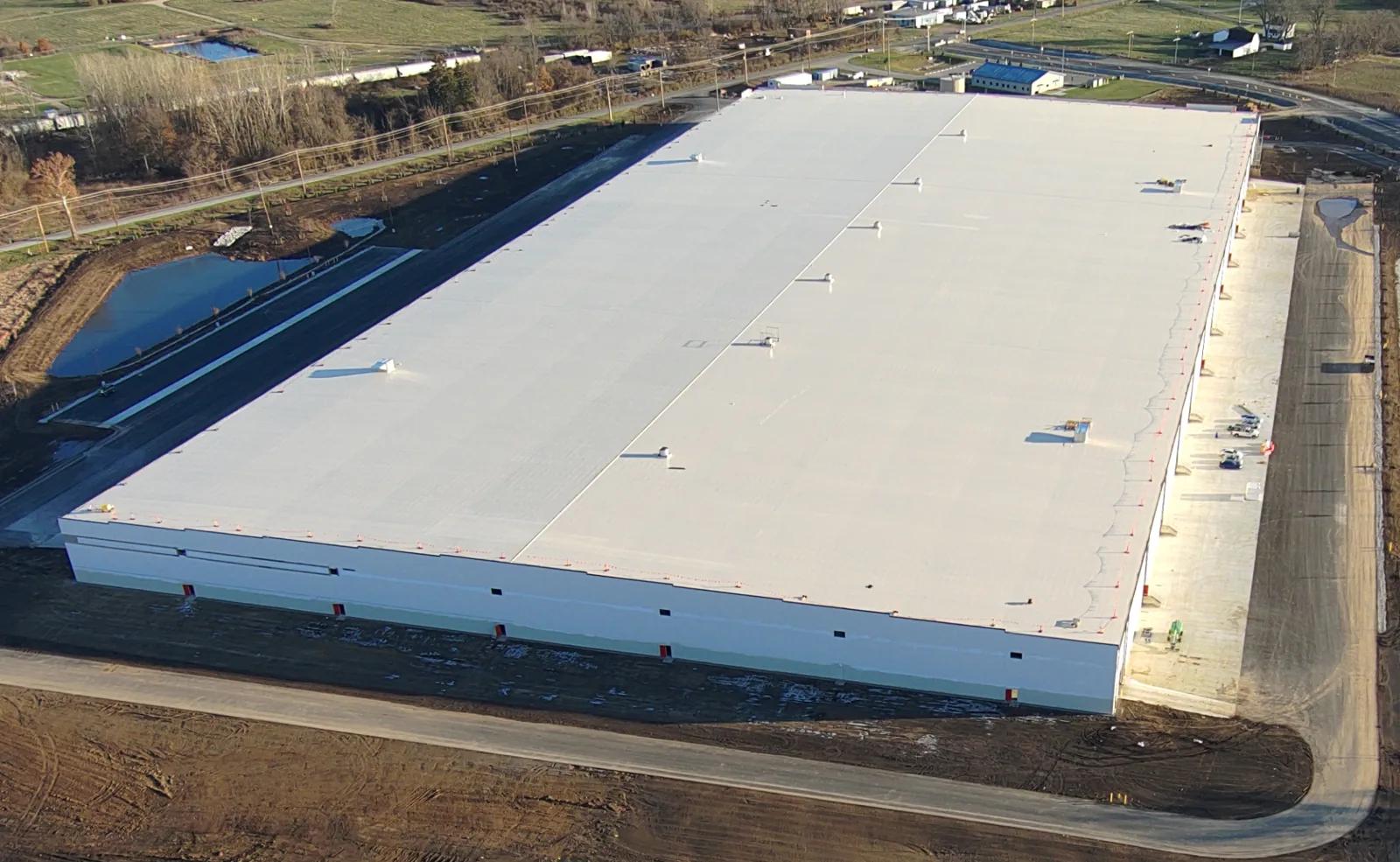
Industrial, warehouse, and downtown settings in Idaho Falls can require different delivery and staging plans; confirm access, utility clearances, and roof conditions before panel work. In the Idaho Falls Warehouse District, the district mixes storefront activity with warehousing and light industrial uses. We confirm the site route, loading needs, pedestrian protection, and operating restrictions with the property contact. An occupied-building sequence can define the work zone while entrances remain in service. The Rexburg Downtown district has mixed-use, retail, commercial, and office planning objectives, a different context for access and staging.

Repair the Panel or Replace the Roof

A localized dent, loose trim, open seam, or failed penetration may be repairable when surrounding panels and attachment remain sound. Widespread corrosion, repeated water entry, damaged underlayment, or extensive movement stress can make a larger project more practical. We inspect the roof plane and transitions, then set limits for repair, panel replacement, or full reroof. The report notes whether the deck and concealed components were accessible for review.

Idaho Falls applicants use the locally referenced 2018 International Building Code, Existing Building Code, and energy requirements. A repair may not require the same review as a full reroof, but the project scope should identify what approvals and details apply. Cost drivers include panel profile, custom trim, access, removal, underlayment, insulation, and substrate correction. If the building has a low-slope addition, compare its needs separately with a TPO assembly or EPDM membrane rather than extending metal details beyond their design.

Keep a Record of Changes

During scheduled reviews, record panel movement, seam closure, fasteners, finish damage, penetrations, gutters, and wall transitions. After a trade installs equipment or wiring, inspect the metal around every new opening. Do not drag tools across the finish or clamp temporary supports onto a seam unless the system detail allows it. Dated photos make it easier to see whether a distortion is new or recurring.

Idaho Falls has a wide annual temperature range, so the maintenance record should distinguish seasonal movement from a loose attachment or active leak. We document what changed, what was repaired, and which areas remain under observation. A regular maintenance plan can combine visual checks with targeted repair and drainage attention. For planned work in the Sugar City Business Park, the building manager still confirms tenant access and loading arrangements for the actual property.

Questions About Standing Seam Metal Roofing

Panel buckling can result from restricted thermal movement, attachment problems, substrate irregularity, or a detail that holds the sheet in the wrong place. We inspect seams, clips, fasteners, and panel ends before selecting a correction. A cosmetic change should be recorded separately from a condition that affects water shedding or attachment.

A surface seal may be appropriate for a defined detail, but it should follow the leak path and panel design. We inspect ridge, eave, valley, wall, curb, and penetration transitions to find how water enters. If the panel is moving or the flashing is damaged, adding sealant without correcting the detail can leave the cause unresolved.

Sometimes, if the panel profile and attachment can be matched and adjacent panels can be opened without creating new damage. Replacement may require removal of trim or nearby panels to restore the seam and underlayment properly. We document the access and material requirements before setting a repair boundary.

The equipment opening needs a curb or support detail that matches the panel profile and allows intended movement. We coordinate the opening, flashing, and panel transitions with the mechanical scope, then inspect the completed connection. A new unit should not leave a seam blocked or create an unplanned restraint on a moving panel.

Freezing conditions affect access, water at transitions, and the daily work window. Idaho Falls averages show a long season with below-freezing minimums. We assess the actual surface, check safety and material limits, and set a scope that can be protected if the weather changes.

ServicesRoof SystemsIndustriesProperty TypesService AreasDamage RepairCapabilitiesManufacturersContactAboutRequest a Roof Assessment555-555-5555
Call us today555-555-5555