Commercial Roofing in South Downtown Idaho Falls, ID Serving Idaho Falls & Eastern Idaho

Commercial roofing in South Downtown Idaho Falls starts with roof-zone findings, careful access planning, and a repair scope suited to the building.

South Downtown Idaho Falls in Idaho Falls, ID

South Downtown Idaho Falls

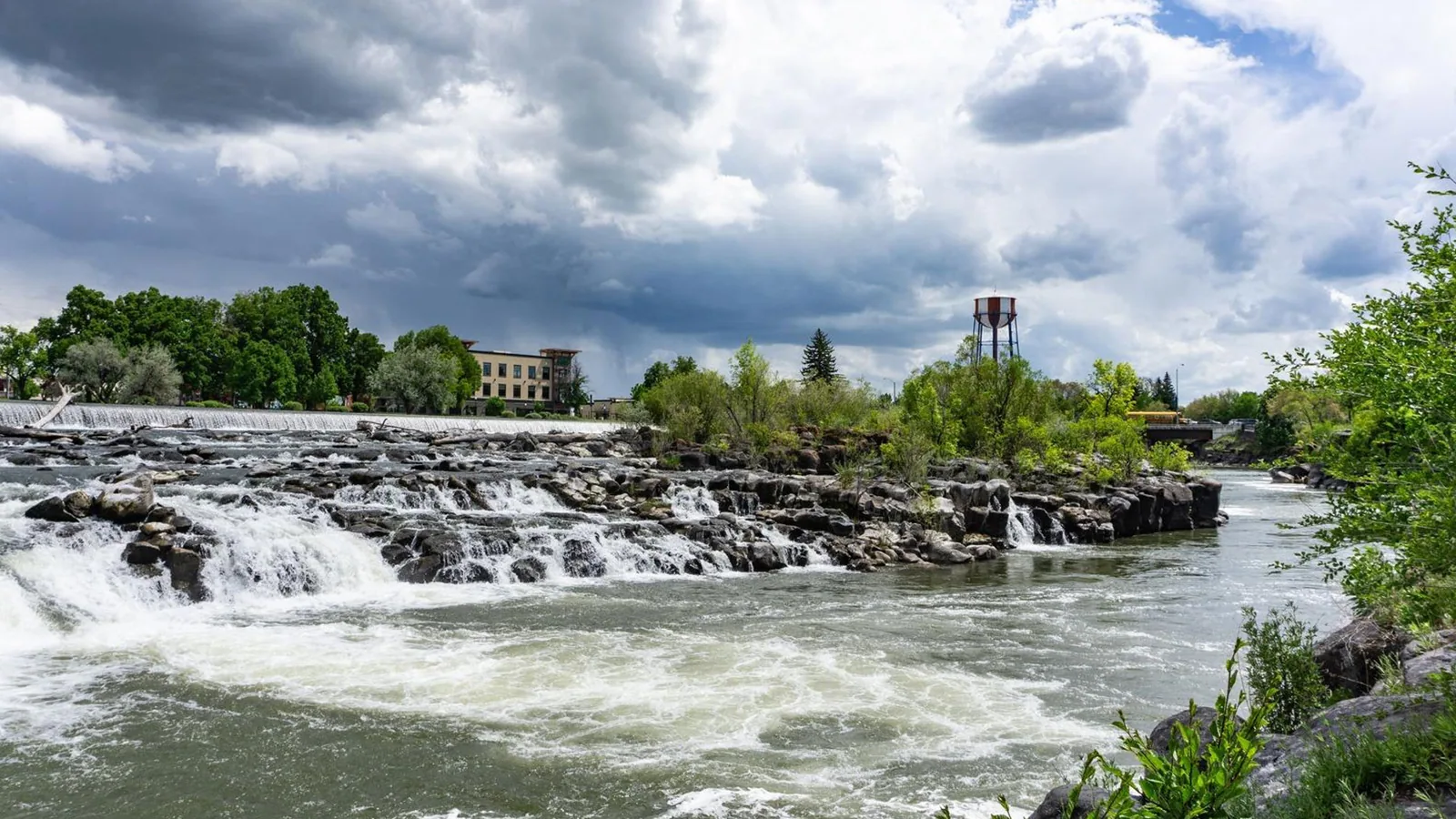
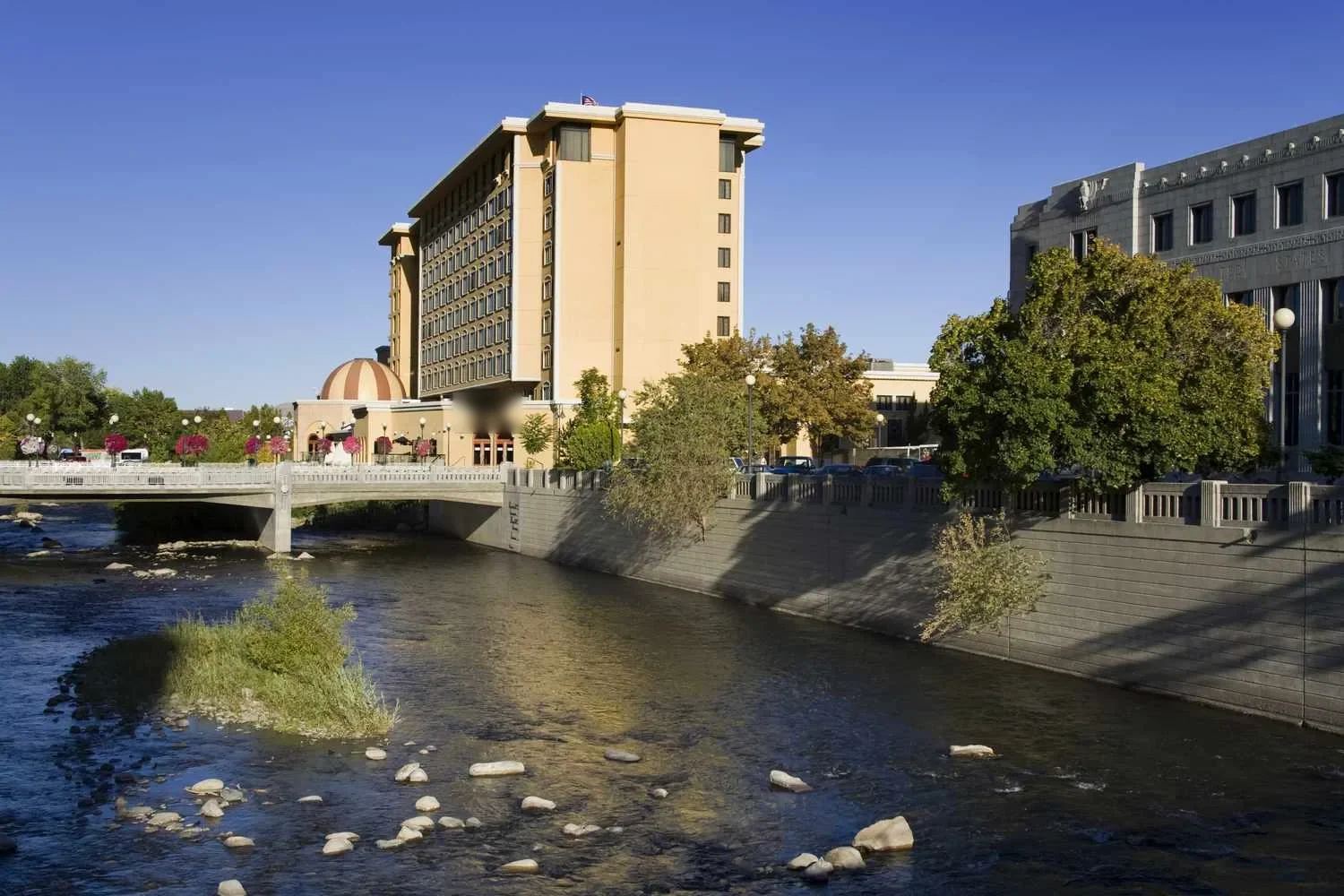
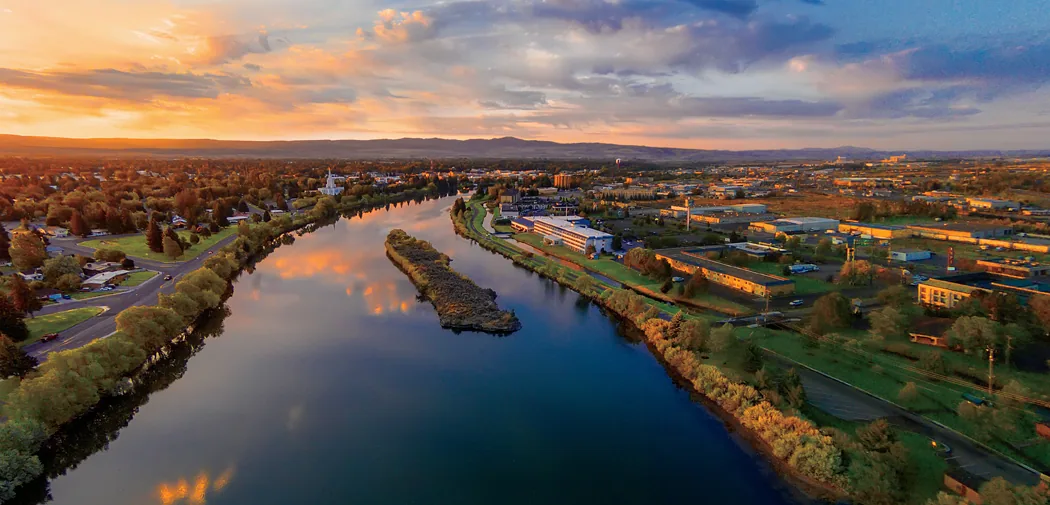
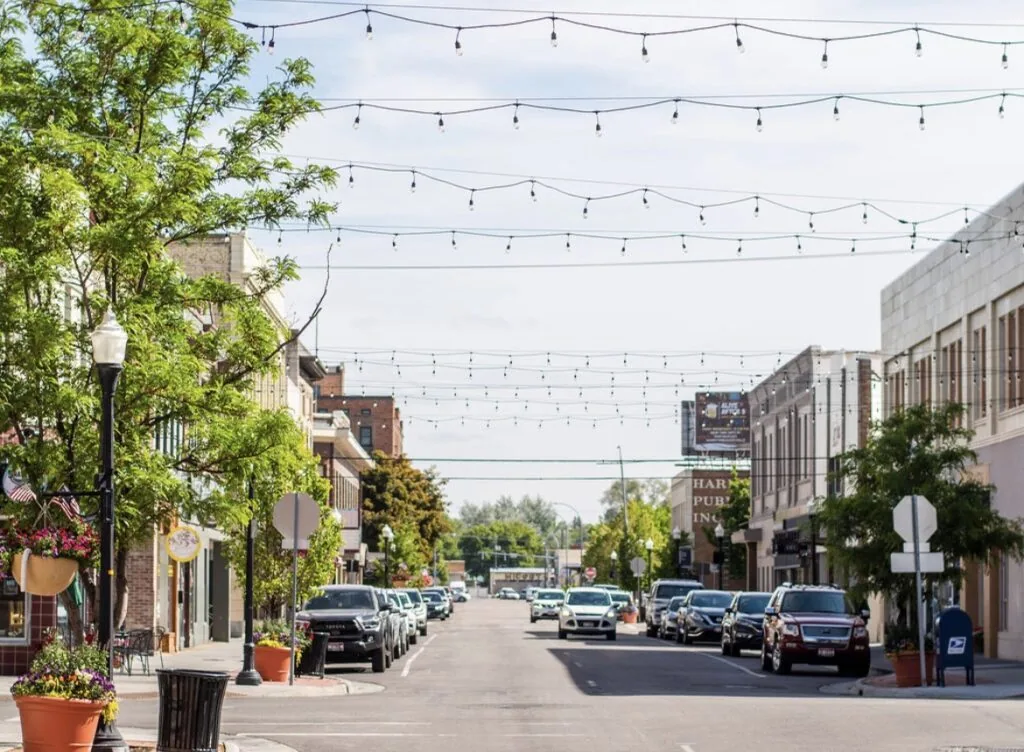
South Downtown Idaho Falls, ID is included with Downtown in an integrated city-core area, with historic character and potential for business reinvestment. For a property manager, those area-level facts make access, public-facing work, and future project coordination worth settling early. We inspect the roof itself, identify the failed details, and prepare a scope that protects the building while keeping the work sequence clear.

Idaho Falls weather moves from an average January temperature of 20.4 degrees Fahrenheit to a July mean daily high of 86.6 degrees. Idaho Falls averages also record 182.2 days per year with lows at or below freezing. That seasonality can affect seams, flashings, surface preparation, and how much roof can safely remain open. We check current conditions before scheduling a tie-in and define the temporary protection needed if the planned work is interrupted.

South Downtown’s future development focus includes preserving historic character and encouraging business investment. The connected core’s history helps explain the area; verify a property’s roof age through owner records and its construction through field inspection. We confirm system, substrate, drainage, and access at the building before recommending repair, restoration, or replacement.
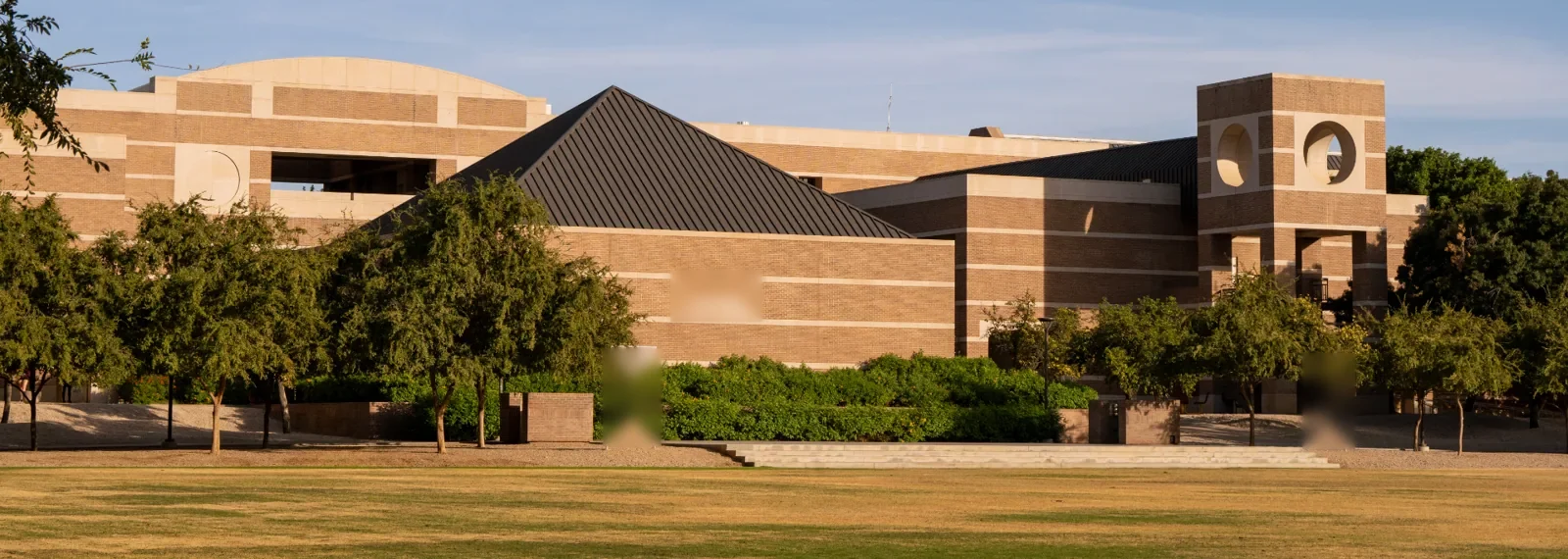
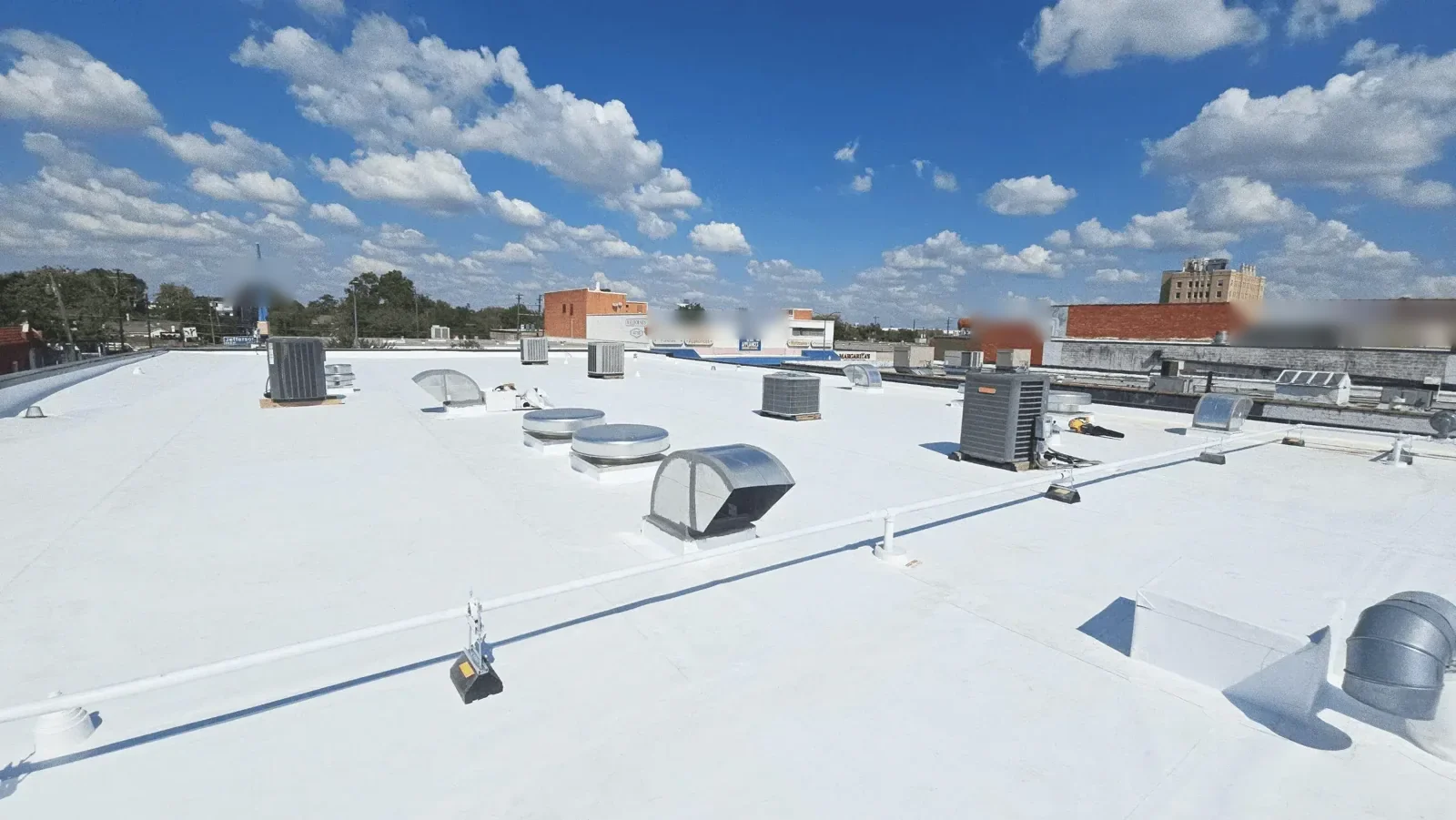
South Downtown Idaho Falls in Idaho Falls, ID

Mark the Roof Areas That Need a Decision

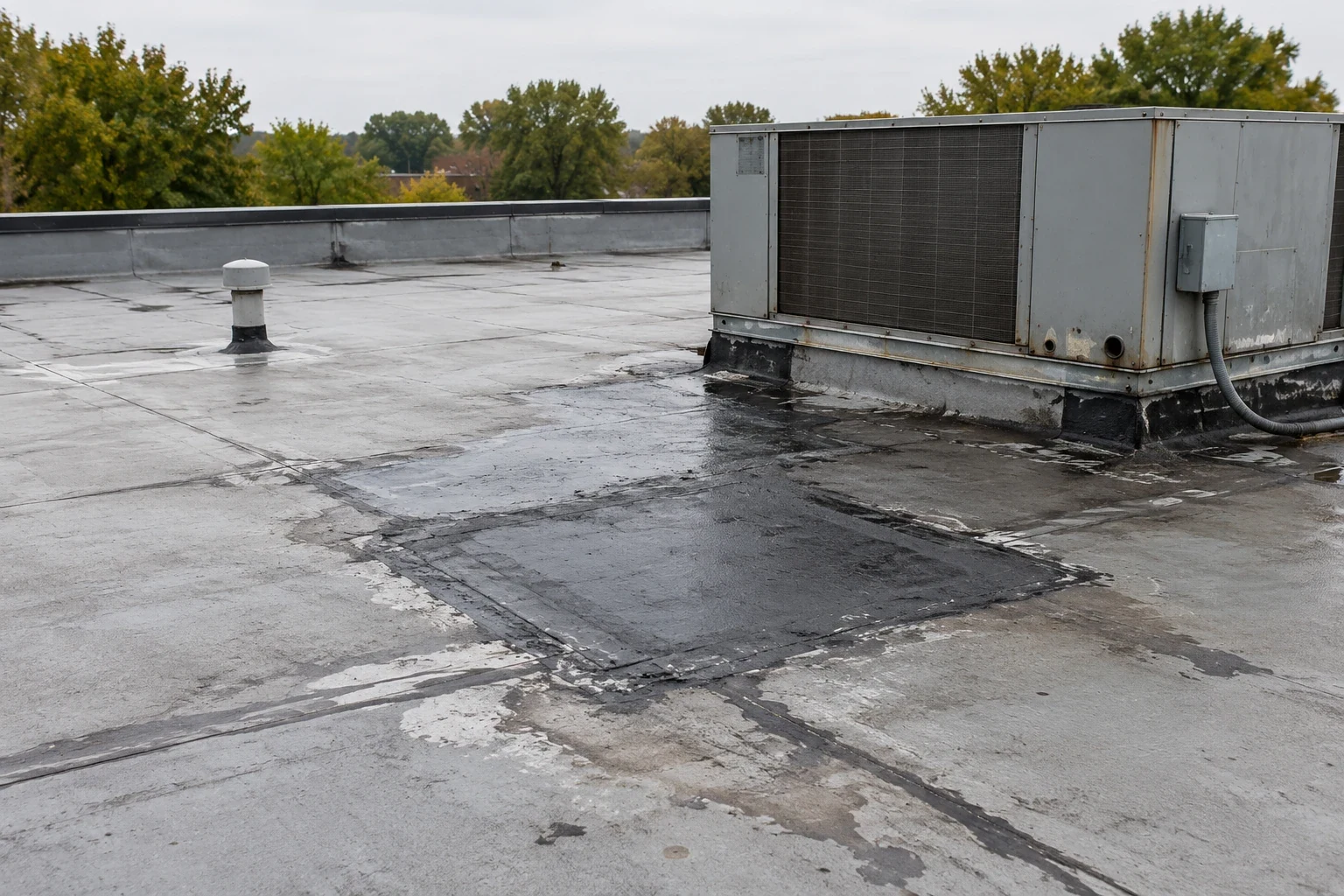
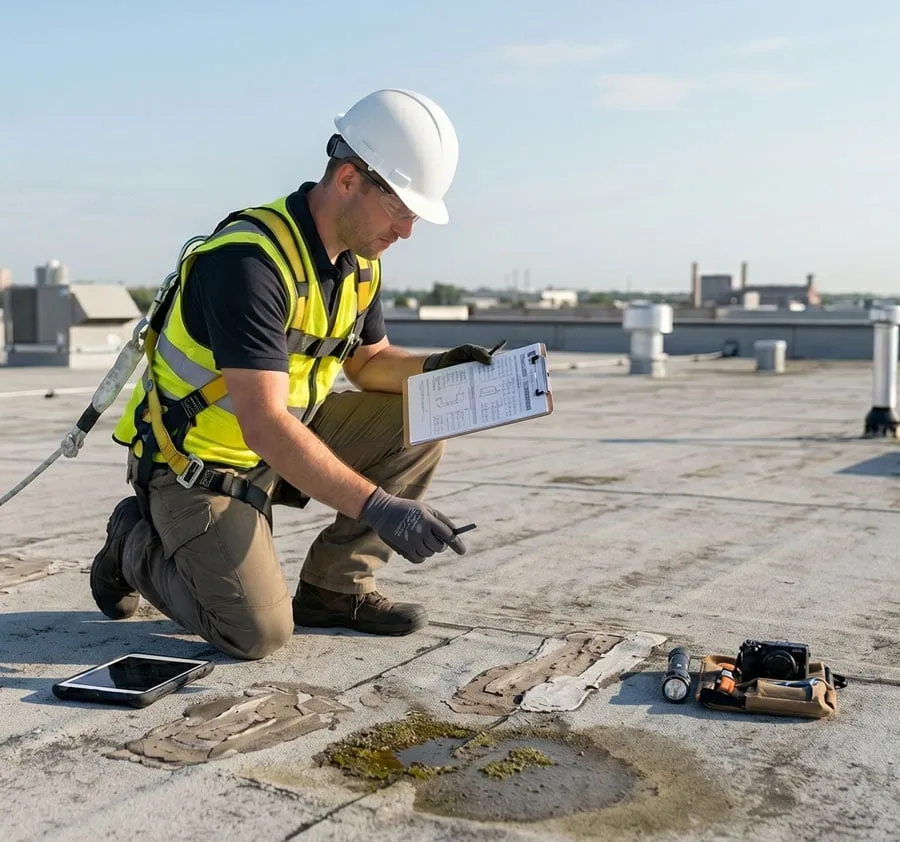
We inspect the reported area and nearby roof details that may share the same water path. We inspect seams, edge terminations, flashing at walls and curbs, roof penetrations, drains, and previous patches. Water can travel beneath the roof before appearing indoors, so inspect the reported area and details above and upslope. Each observation is recorded by roof zone so ownership can compare a focused repair with wider work.

The commercial inspection can include photos, accessible conditions, and areas that need testing. If insulation may hold moisture, we describe the additional check needed before a recover or coating is considered. A test opening can answer a question about layer condition or attachment that a visual review cannot. We keep known damage separate from an unconfirmed path so the approved scope has a clear boundary.

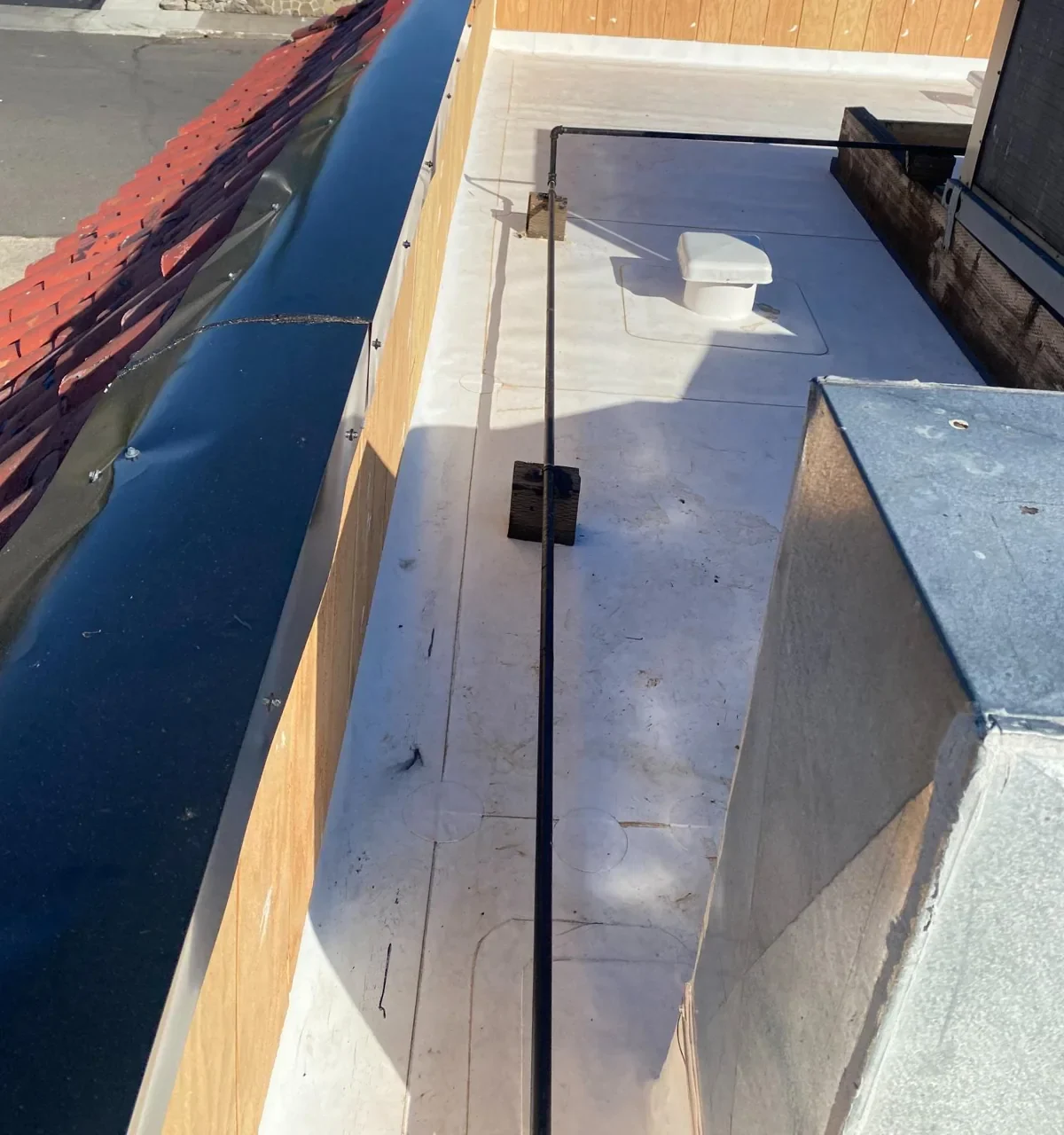
Drains and scuppers are checked for debris, outlet condition, and the slope around them. Flashing at a roof-to-wall transition may fail even when the membrane field is sound. A previous coating or patch can also change preparation. We identify the surface and compatible repair approach rather than applying a general fix to a detail that may need removal or rebuild.

Account for the Idaho Falls Freeze Cycle

The Idaho Falls averages set shows 14.7 days per year with minimum temperatures at or below zero, in addition to the longer run of freezing nights. Idaho Falls averages describe Idaho Falls; rooftop conditions are checked at the property. They matter when planning work that needs dry surface preparation, secure attachment, or a safe closure before temperatures shift. We use the forecast and system requirements to choose a work window and set how much material can be exposed during one shift.

Idaho Falls’s May precipitation average is 1.57 inches, the largest monthly average in its record. A crew needs to protect open roof areas and coordinate temporary water control before removal begins. We define the daily tie-in and tell the property contact which areas are complete, which remain covered, and what must be checked when work resumes. This is especially useful when the roof scope has several transitions or another trade shares access.

Urgent water entry can receive emergency response around the clock, holidays and weekends included. We first confirm safe access and what interior or equipment areas need immediate protection. Temporary stabilization is recorded apart from permanent repair, and any drying, testing, or substrate replacement remains visible in the follow-up scope. That gives the owner a plain account of what is secured now and what remains to be done.

Choose a Repair That Fits the Existing Assembly

A localized puncture or open flashing can support a focused repair when adjacent material is stable. Several leaks, damp insulation across a broad section, poor attachment, or recurring failure may call for a larger evaluation. We document the area and compare repair with section replacement, recover, restoration, or full replacement. The decision depends on actual layer condition, roof drainage, and whether details can be made reliable.

For water entry, the leak investigation connects interior evidence to seams, penetrations, edges, and outlets. A flashing repair needs to identify the wall or curb transition, material preparation, and tie-in limits. If the moisture extends beyond that detail, the repair scope should explain whether insulation or deck work is included and what requires separate approval.

Cost and timing change with removal depth, access, materials, staging, roof equipment, weather, and interior protection. We list the drivers rather than folding uncertain conditions into a vague allowance. If an opening exposes damaged substrate, the manager receives a description, photos, and a defined choice before the area is covered.

Plan for Access and Ongoing Use

Before work begins, we establish roof entry, staging, delivery timing, pedestrian protection, and any limits around the building. The contact can identify entrances that must remain available, sensitive interior areas, and rooftop equipment that should not be shut down without notice. If another trade needs to work at a curb or penetration, we set the handoff so the roofing detail can be inspected after that work is complete.

South Downtown and Downtown form a single integrated core area. The Downtown Idaho Falls service area shares that planning framework. Nearby, the Riverwalk District is a broader urban renewal area with mixed-use planning. These recognized areas help describe service geography; roof type and access remain specific to each property.

For an occupied building, we divide work into sections and identify the noise, debris, and temporary closure points before mobilization. The occupied-building reroof plan can sequence those tasks. If the project affects multiple roof zones, the order should preserve drainage and provide a documented tie-in at every day’s stop point.

Keep the Condition Record Current

Closeout should state which area was repaired, the material used, photographs, access restrictions, and any item that remains unresolved. Note whether a finding was visible or required testing. That distinction helps a future manager understand why a repair boundary was selected and what condition would prompt a return visit.

Scheduled roof maintenance can revisit seams, drains, flashings, perimeter edges, and prior repair areas. When repeated failures or broad moisture affect the assembly, replacement planning can compare a larger scope against repair history. A Warehouse District service area visit may have different access needs, but the same principle applies: document the actual roof rather than inferring condition from a district name.

With those points in writing, a property manager can coordinate the work with building operations and carry a useful condition record into the next budget review.

Questions About South Downtown Idaho Falls

South Downtown is a centrally located area with historic character and a focus on future development. Use owner records and a roof walk to confirm building age, visible layers, membrane or metal system, and prior repairs. We inspect the property and coordinate access, public-facing work, and protection with its manager.

A focused repair may fit a local failure when surrounding membrane, insulation, and attachment remain serviceable. We inspect adjacent details and drainage. If moisture, repeated leaks, or weak substrate extends beyond the visible point, we compare a larger repair or replacement scope.

We confirm entrances, pedestrian areas, interior rooms, air intakes, equipment, and material staging with the property contact. The work plan identifies roof zones and temporary closures before a section is opened, then records how the area is secured at the end of each shift.

They describe long-term Idaho Falls patterns, including many freezing nights and a warm July mean daily high. They are not a measurement of a specific roof. We use current conditions and the material instructions to plan preparation, installation, and daily closure.

We document the protected area and any remaining uncertainty. A permanent repair may require dry conditions, material identification, or a test opening. The follow-up scope separates that work from the temporary step so the owner can see what is complete and what still needs attention.

ServicesRoof SystemsIndustriesProperty TypesService AreasDamage RepairCapabilitiesManufacturersContactAboutRequest a Roof Assessment555-555-5555
Call us today555-555-5555