Commercial Roofing in Shelley Commercial Core, Shelley, ID Serving Idaho Falls & Eastern Idaho

Roofing in Shelley’s commercial core starts with storefront access, drainage, and a roof-specific scope for retail, service, and food-related operations.

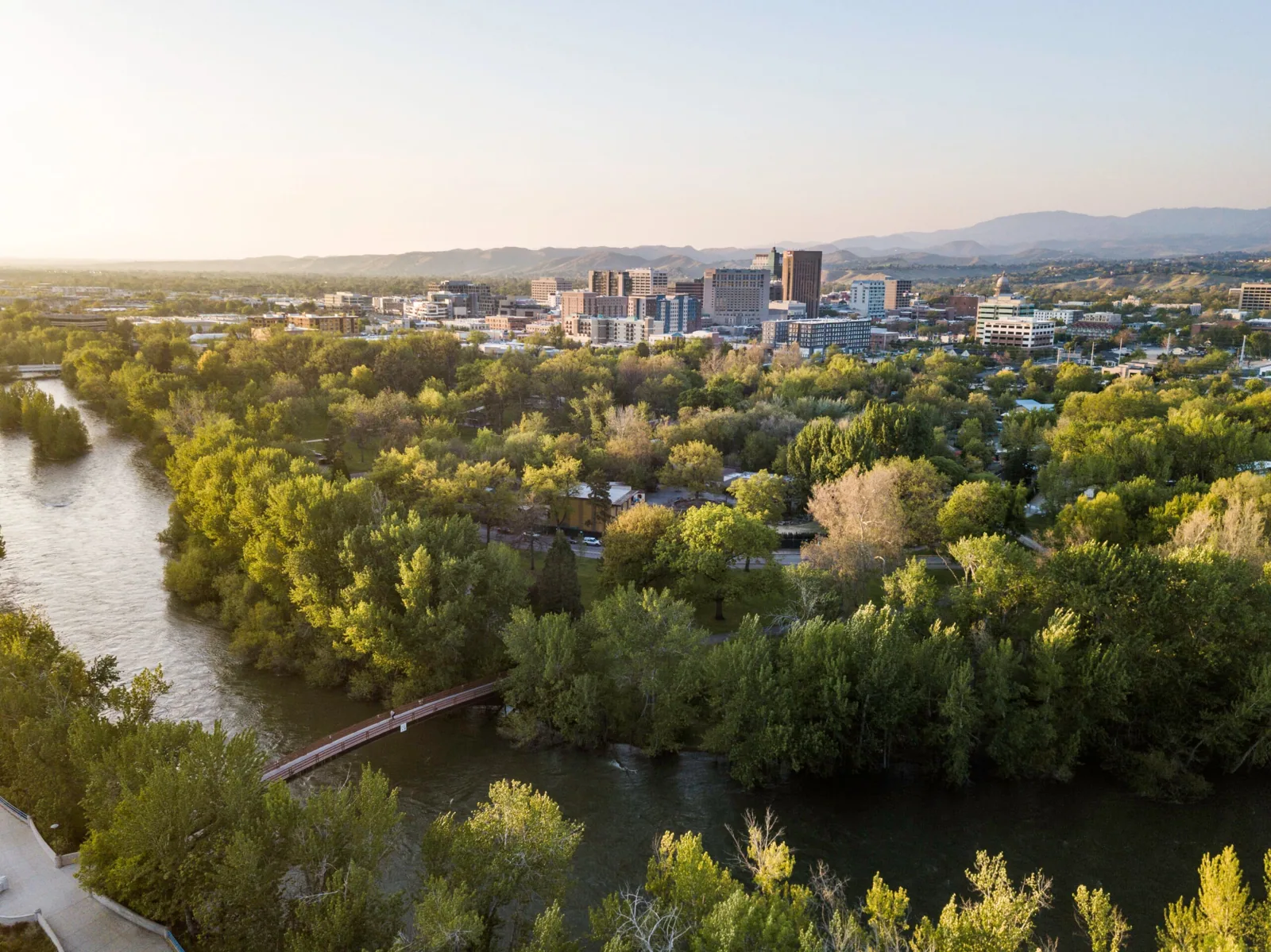
Shelley Commercial Core in Idaho Falls, ID

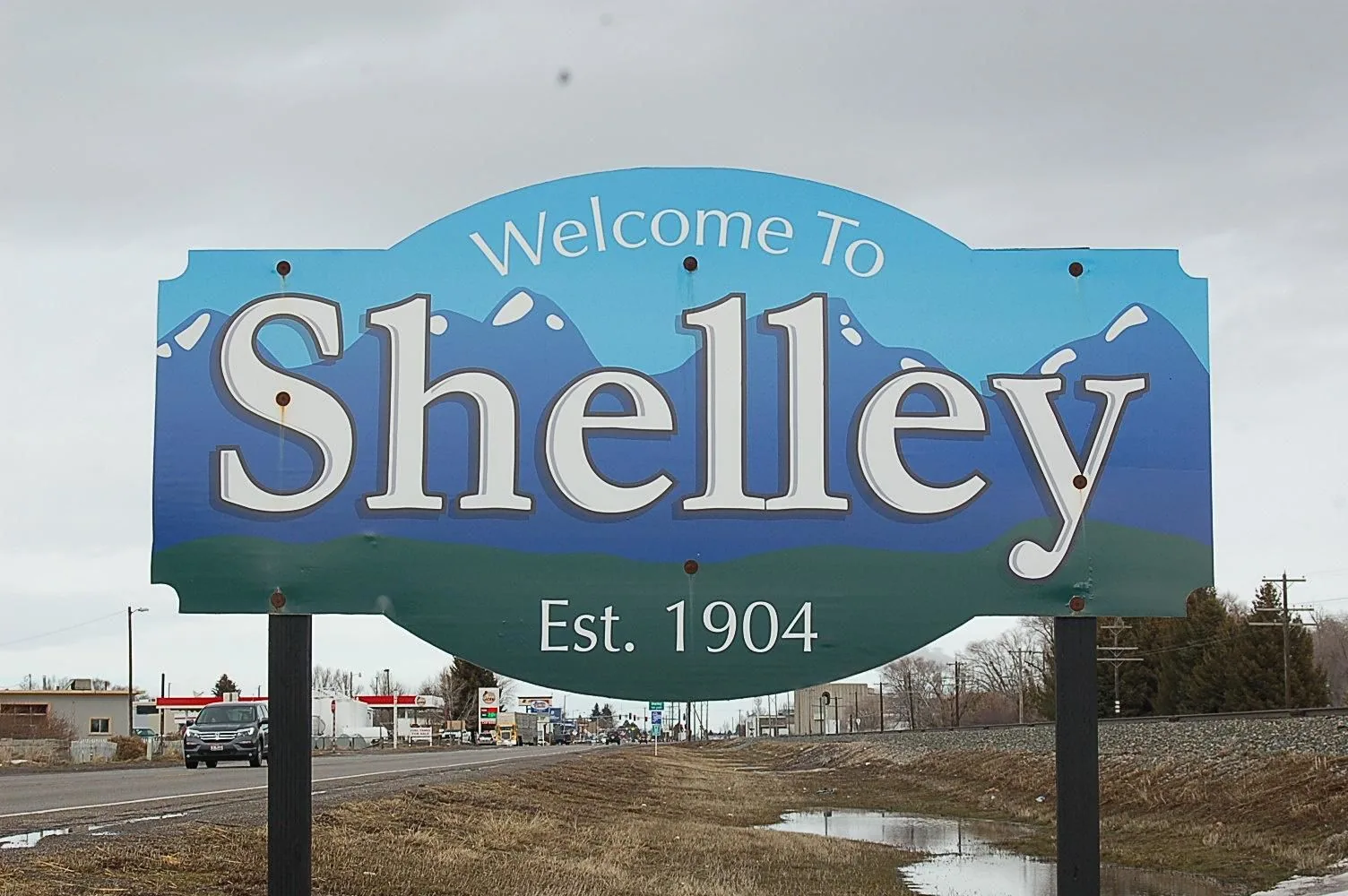
Shelley Commercial Core

Idaho Falls’s May precipitation average is 1.57 inches, its largest monthly average. This regional context makes a protected dry-in boundary useful; current conditions determine the work window. Shelley’s commercial core includes storefronts and local retail and service activity; Spud Alley along the downtown thoroughfare is a distinct commercial-frontage area. We confirm the actual roof, entrances, and access before setting work limits.

Shelley’s economy also includes food processing, and the city sees it as an area of industrial opportunity. Shelley’s commercial core includes storefronts, local retail and service activity, and Spud Alley; confirm each building’s use and roof system before planning work. The property manager tells us what operations continue, where deliveries occur, and what must remain protected. We then connect the roof inspection to a repair sequence, interior protection, and the daily closure point.

We identify the assembly, drainage path, and affected zones, then separate confirmed conditions from those needing testing.
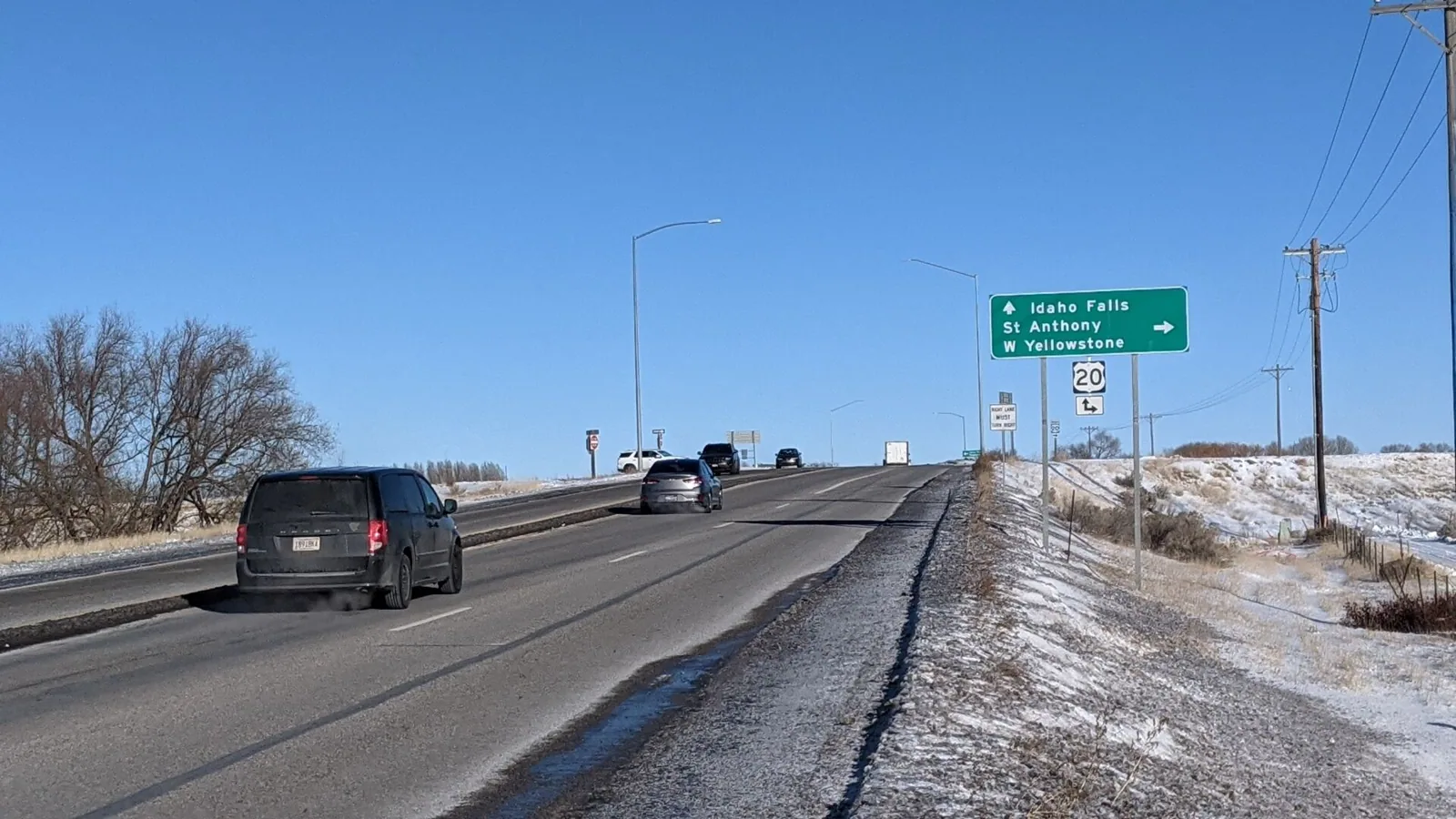
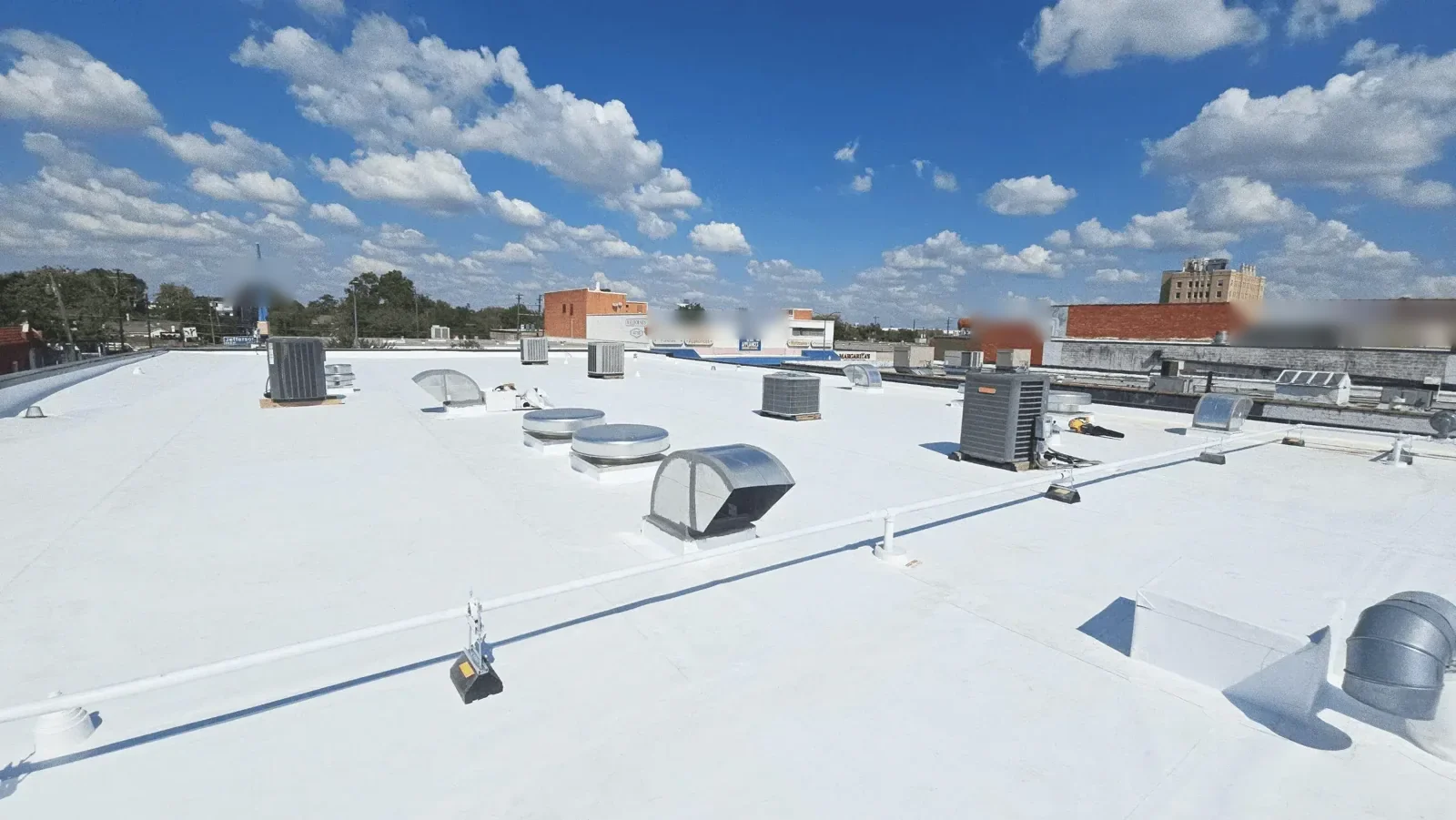
Shelley Commercial Core in Idaho Falls, ID

Inspect the Roof Above the Frontage

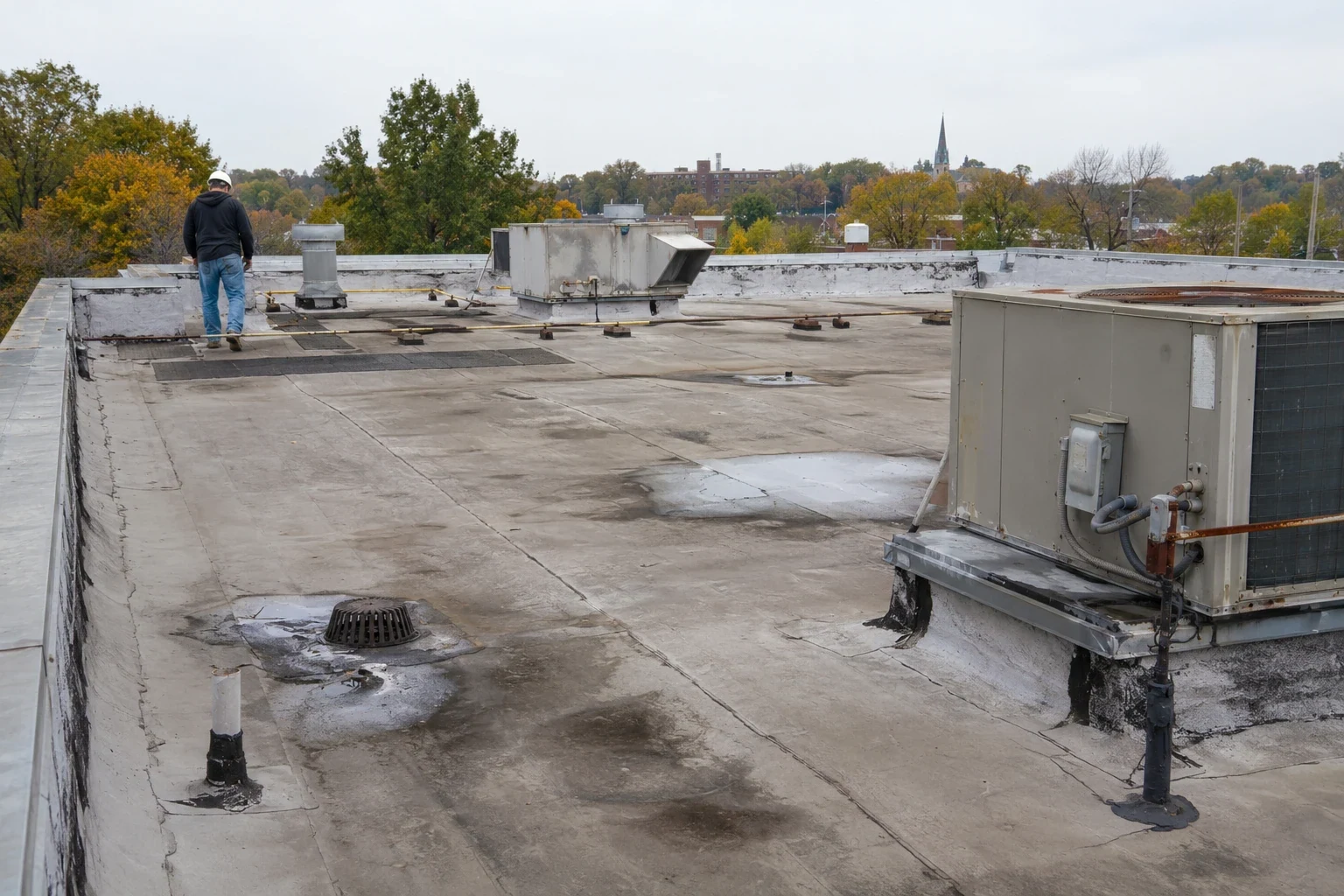
At a storefront, inspect roof edges, wall transitions, seams, and visible panel or membrane details to identify the system and tie-in points. We look for changes in height, attachment, parapets, wall transitions, skylights, service penetrations, and outlets. A later addition or previous repair can create a hidden drainage path. We mark each roof area separately and note any surface that cannot be safely accessed or confirmed during the initial walk.

A commercial inspection records the visible defects and photographs the area around each one. If the concern may extend under the membrane, an infrared moisture survey or selective opening can help answer that specific question. The condition report distinguishes the observed boundary from the suspected one, so a quote does not imply more certainty than the inspection supports.

Retail and service activity can affect entrance access and debris protection. We confirm the frontage’s requirements and assign any curb or pipe tie-in changed by another trade.

Plan Work With Storefront Activity

When customers, staff, or suppliers use the ground-floor frontage, material handling and roof access must fit the property’s operation. We confirm where deliveries can be received, what doors remain open, whether equipment needs shutdown, and how completed roof areas will be secured each day. Retail and service activity gives context; the site contact sets current operating requirements.

An occupied-building roofing sequence separates work into roof zones and places the daily dry-in limit in the scope. If the roof crosses a storefront, storage, or service room, we identify what needs interior protection and how it will remain in place if the weather shifts. Trade coordination is recorded when a mechanical, electrical, or sign contractor changes an assembly detail.

Spud Alley is a broad commercial-frontage area in Shelley. We verify the actual roof edge, access, and drainage before scoping work.

Follow the Drainage Path

A wet interior finish can mark a route that began elsewhere on the roof. We work from the affected room toward the drainage path, checking seams, parapets, curbs, penetrations, and low areas. When the roof walk leaves the water path unclear, recommend a targeted moisture survey or selective opening to narrow the repair boundary.

At a drain or scupper, we check strainers, bowls, clamping rings, overflow routes, nearby membrane, and the slope around the outlet. A blockage can be a maintenance item; recurring ponding can signal a slope, insulation, or substrate issue. The scope separates clearing from corrective work and identifies any design question.

For active water entry, an emergency crew is available at any hour of the week, holidays included. We note immediate protection and list permanent roof work separately.

Set a Dry-In Limit Before Tear-Off

At Idaho Falls, 14.7 annual minimums reach zero degrees Fahrenheit or lower. That winter reference frames one material limit, but current roof temperature governs the work window. Cold can affect adhesive and membrane handling, and hot roof surfaces affect safe movement and application. We check the actual forecast and surface conditions against the specified product before deciding how much material can be removed in a shift.

At the Idaho Falls, 84.3 days a year have measurable precipitation. That long-term count does not say when rain will reach a particular job. We protect materials, agree on the temporary tie-in, and stop work when conditions exceed the installation or safety limits. A winter-cycle roof check can record exposed details after snow or refreezing without treating a seasonal mark as proof of structural damage.

Cost and duration reflect tear-off, access, details, staging, disposal, weather, and substrate repair. We identify known work and document concealed conditions before expanding scope.

Compare Repair, Recover, and Replacement

A bounded seam, flashing, curb, or edge failure may suit repair when the adjoining assembly is secure and can receive the specified tie-in. We check attachment, surface, substrate, insulation, and drainage around the defect. Repeated leaks or a broad moisture pattern may require testing or selective removal. The estimate names the evidence behind the repair boundary and what remains uncertain.

A recover should be evaluated only after the existing assembly is dry, stable, and compatible with the proposed system. The recover assessment compares that option with removal and deck access. If replacement is warranted, the replacement plan identifies tear-off, assembly, edges, penetrations, drainage, and concealed-condition approvals. Coating needs a sound, prepared substrate and cannot correct trapped moisture or a weak deck.

We compare options using the inspection. The report lists work by zone and keeps temporary protection separate from permanent repair for budget review.

Keep the Property Record Current

After work, the closeout should include zone photographs, materials installed, repaired details, and any access or testing limitation. A maintenance visit can return to the roof areas most exposed to movement, drainage, and prior repairs. The maintenance interval and scope should fit the assembly and how the property is operated.

Shelley’s commercial core and the wider Shelley service area are related but distinct locations. A separate property in Downtown Rigby needs its own inspection record and access plan. The shared standard is to tie recommendations to an observed roof condition, not to carry one property’s result into another building.

Keep the scope with the owner’s budget file. It should distinguish urgent water control, repairable details, long-term assembly decisions, and conditions that need more evidence. We can then use the next inspection to compare documented work with the roof’s current drainage and exposed details.

Questions About Shelley Commercial Core

No. Shelley’s commercial core includes storefront, retail, and service activity, but that does not describe the membrane or metal on a particular property. We identify the assembly and its condition during inspection before choosing compatible repair materials.

It can affect delivery, entrance access, debris protection, and the daily closure point. We confirm those operating limits with the property manager, divide the roof into manageable areas, and document how each section will remain weather-tight.

It names a broad commercial-frontage area in Shelley, giving a location reference for service work. Inspect the building directly to document its roof assembly, drainage, penetrations, and current condition. We inspect the property’s roof, drainage, and access before making a recommendation.

We first inspect above and upslope from the interior sign. If moisture may extend under the membrane or the source remains unclear, a survey or selective opening can test a defined question before the repair area is expanded.

The work plan names a daily dry-in line and temporary protection before removal begins. If current conditions exceed material or safety limits, we stop at that boundary and record what is protected and what work remains.

ServicesRoof SystemsIndustriesProperty TypesService AreasDamage RepairCapabilitiesManufacturersContactAboutRequest a Roof Assessment555-555-5555
Call us today555-555-5555