Compare Roofing Systems on the Roof
Arrange an inspection to document the existing assembly, drainage, substrate, and access conditions before choosing repair or replacement.
Compare commercial roof systems in Idaho Falls by assembly condition, drainage, attachment, repairability, and the local weather window.

Compare TPO roofing options in Idaho Falls with seam, insulation, drainage, and edge details reviewed against the local winter and summer work windows.
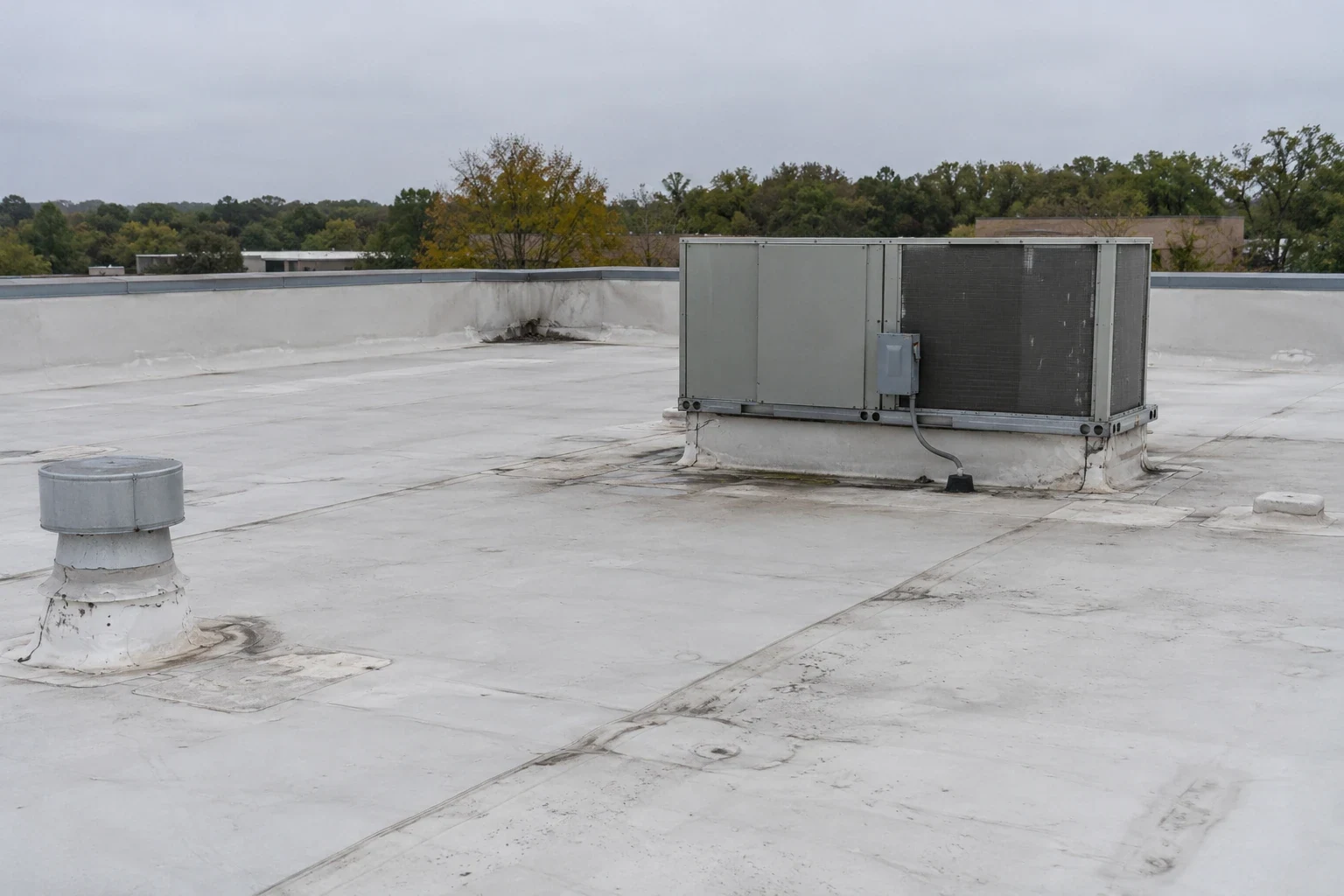
Review PVC roofing in Idaho Falls through membrane condition, welded details, drainage, and building use before choosing repair or a new assembly.
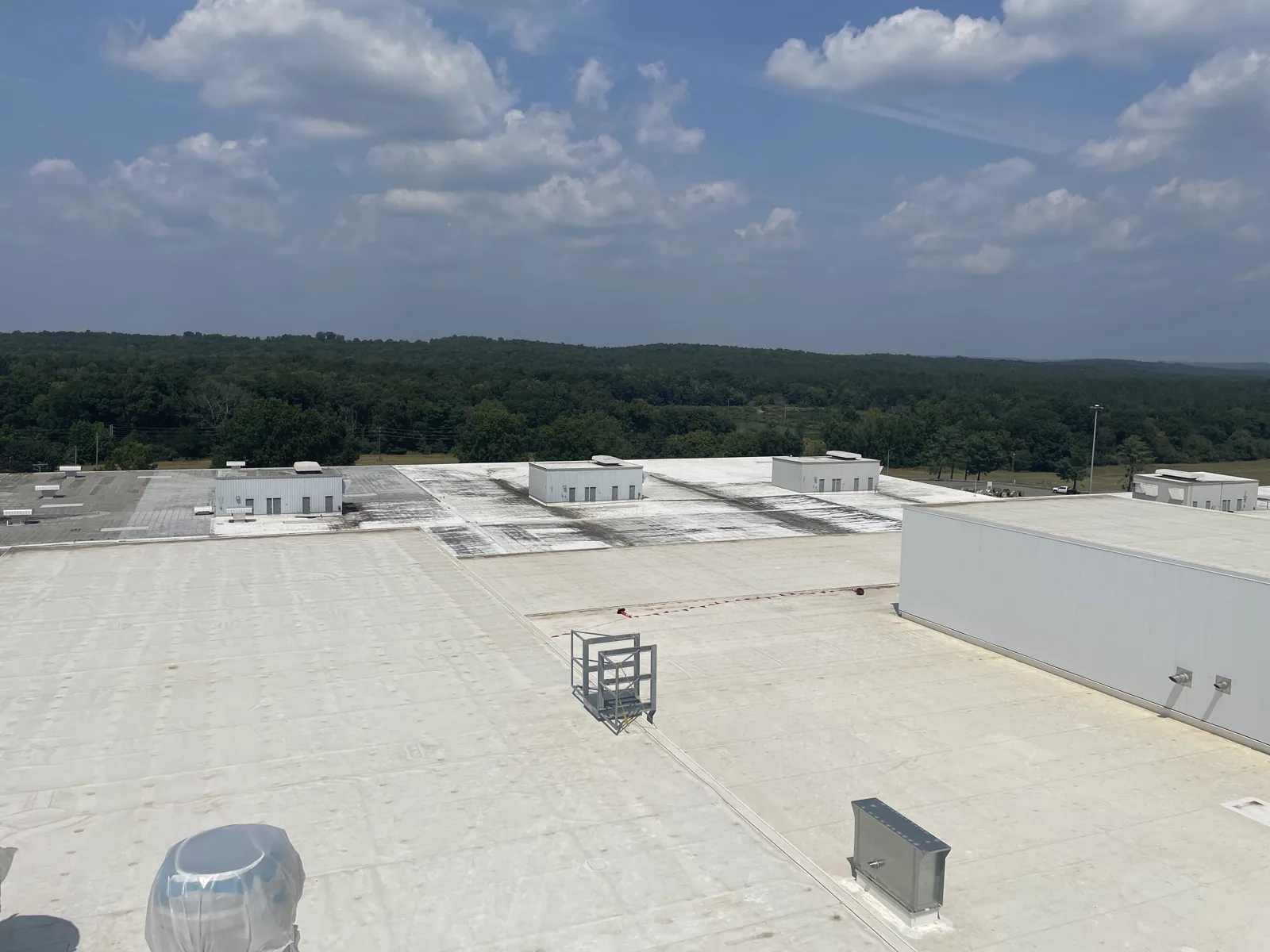
Evaluate an EPDM roof in Idaho Falls by seam bonds, flashing, insulation, drainage, and winter exposure before setting a repair or replacement scope.
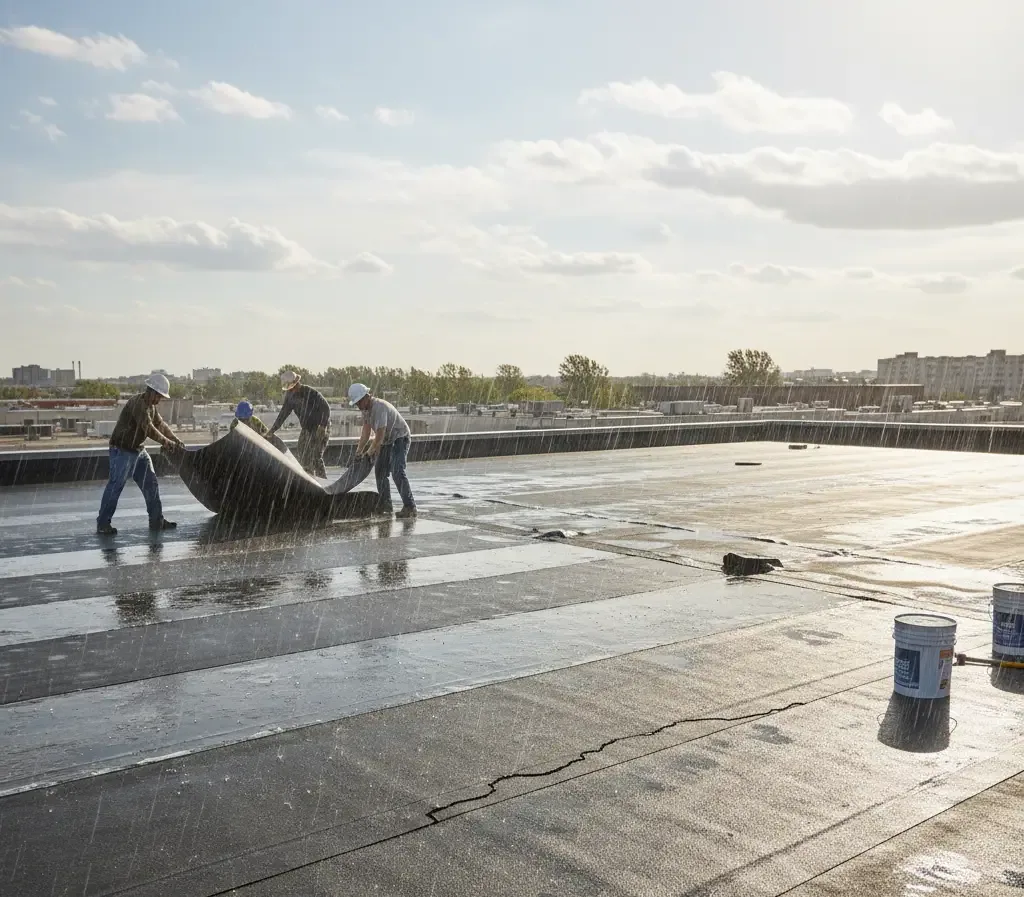
Assess KEE roofing in Idaho Falls through the specified membrane, seam and flashing condition, drainage, and assembly limits before planning roof work.
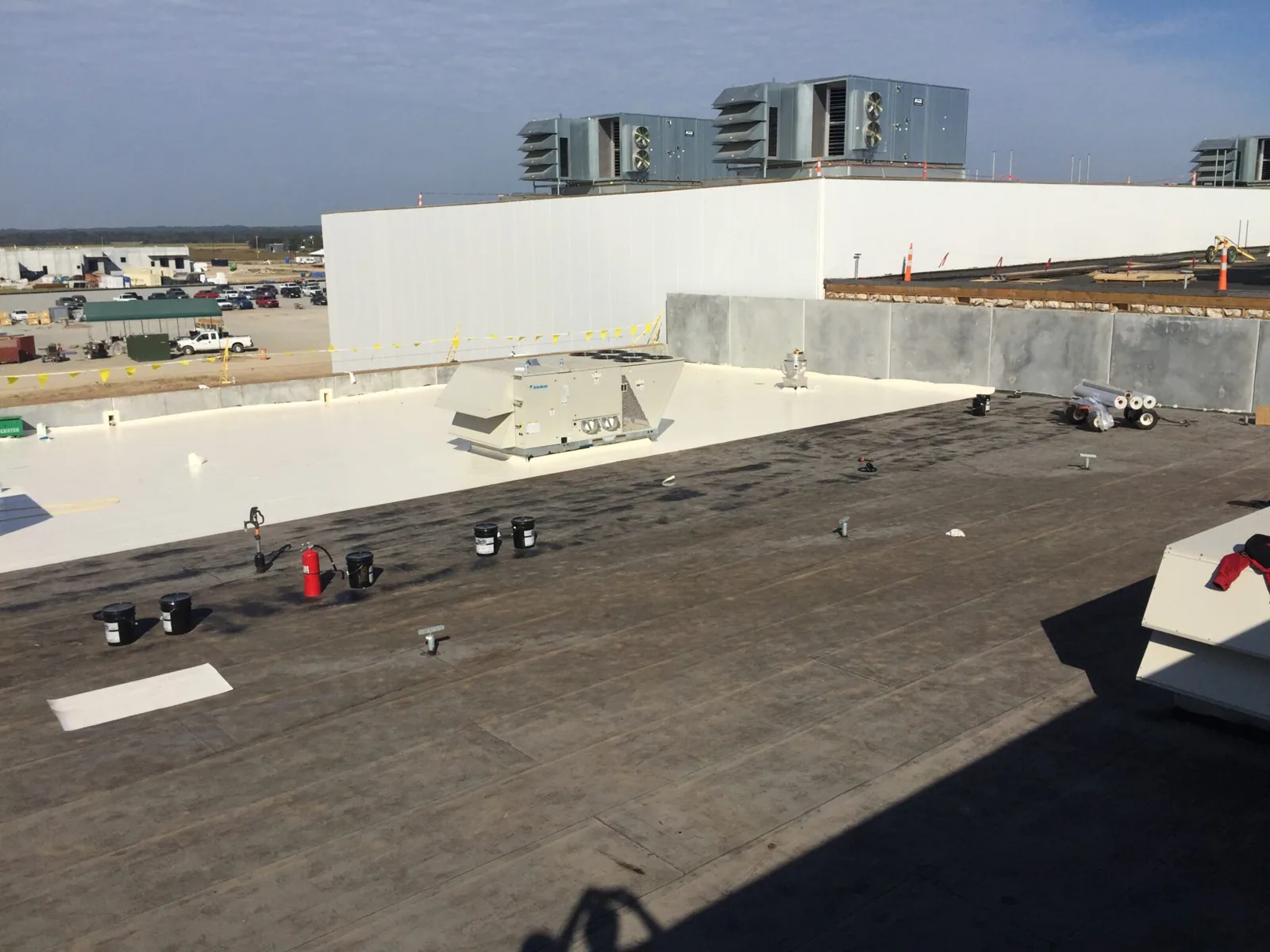
Plan modified bitumen roof repair or replacement in Idaho Falls with close review of plies, flashing, drainage, insulation, and installation conditions.
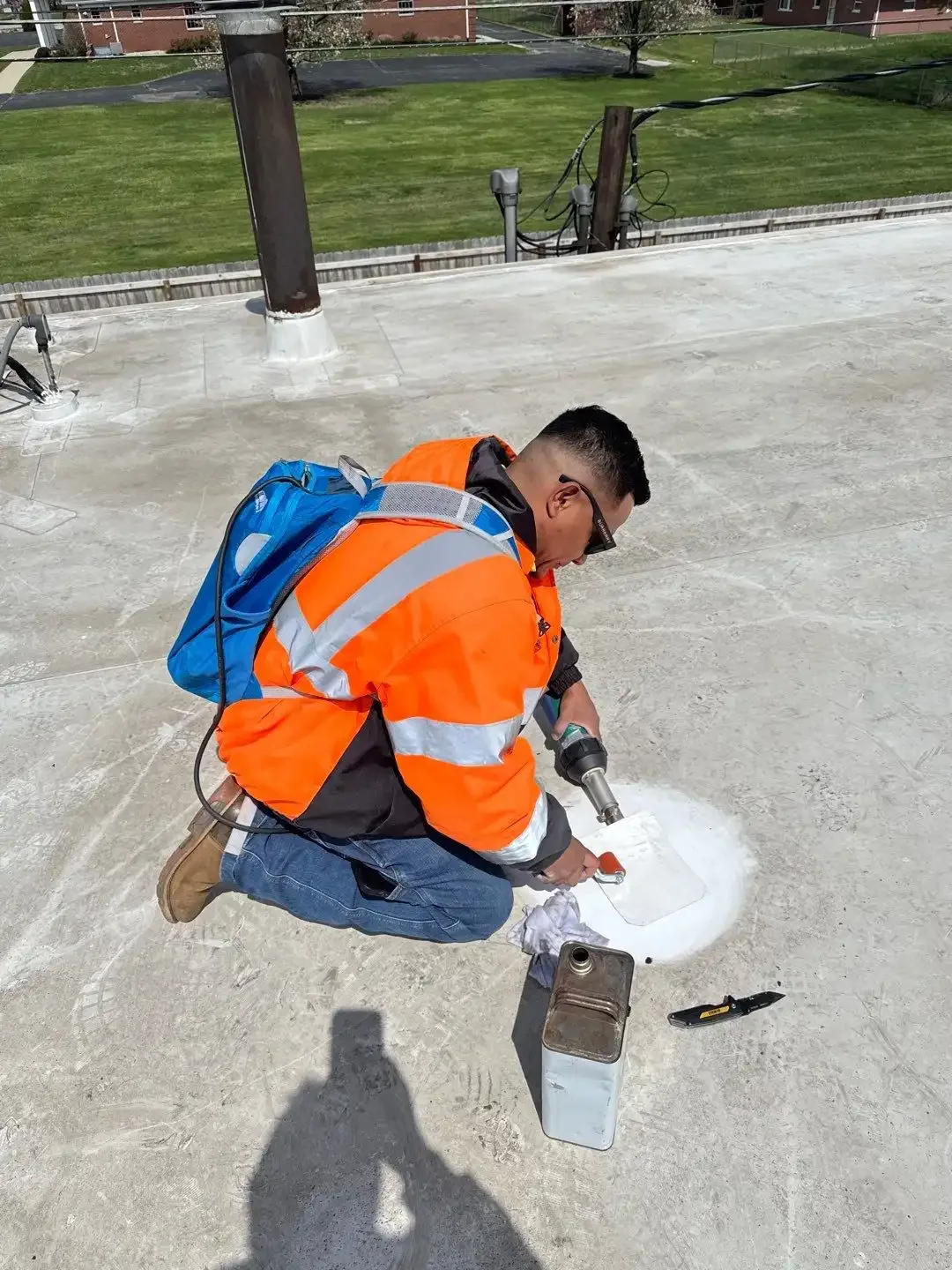
Inspect built-up roofing in Idaho Falls by surfacing, plies, flashing, and drainage, then compare a targeted repair with recover or replacement.
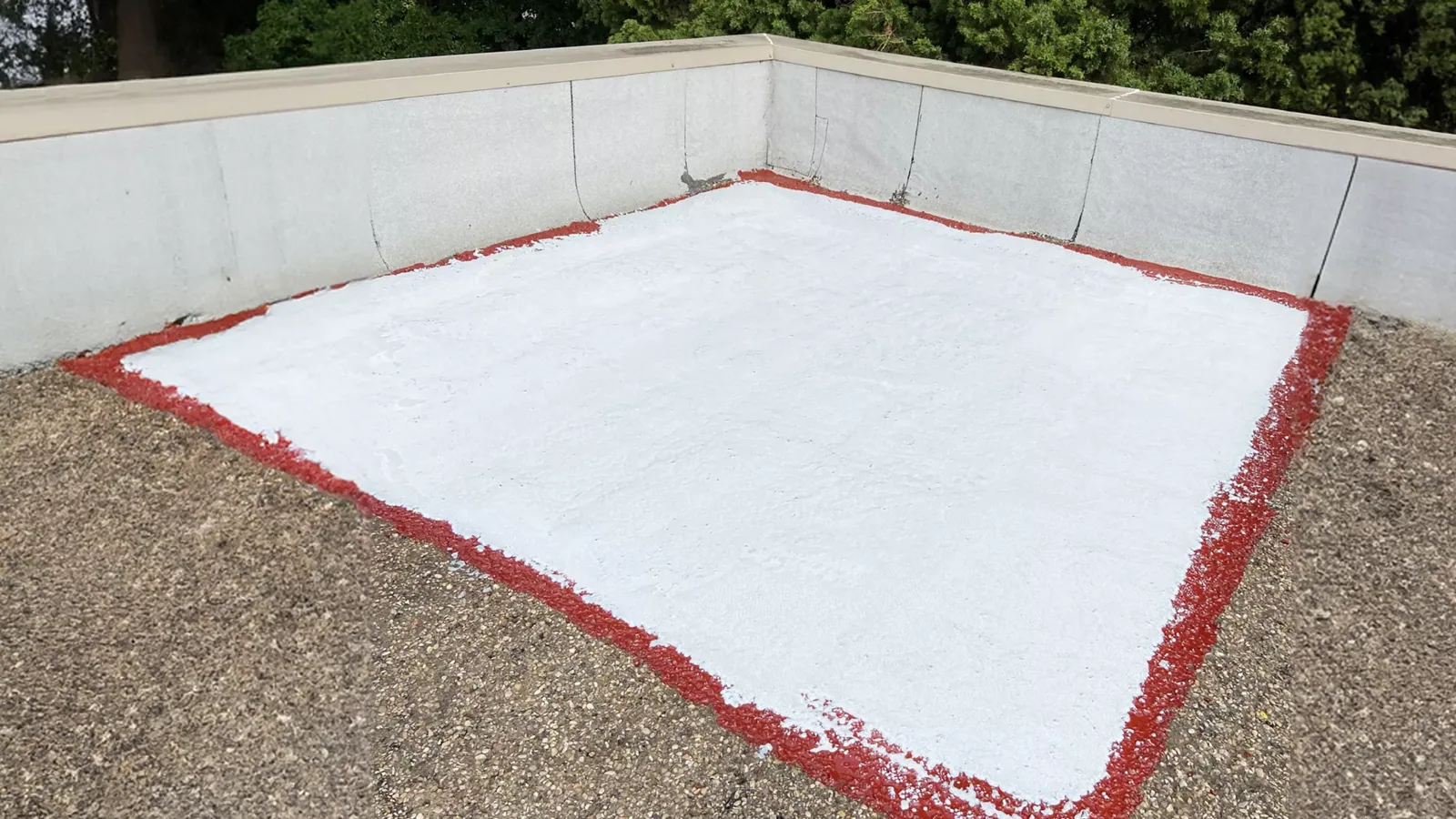
Plan standing seam metal roof work in Idaho Falls with review of clips, panels, transitions, drainage, and movement across the roof assembly.
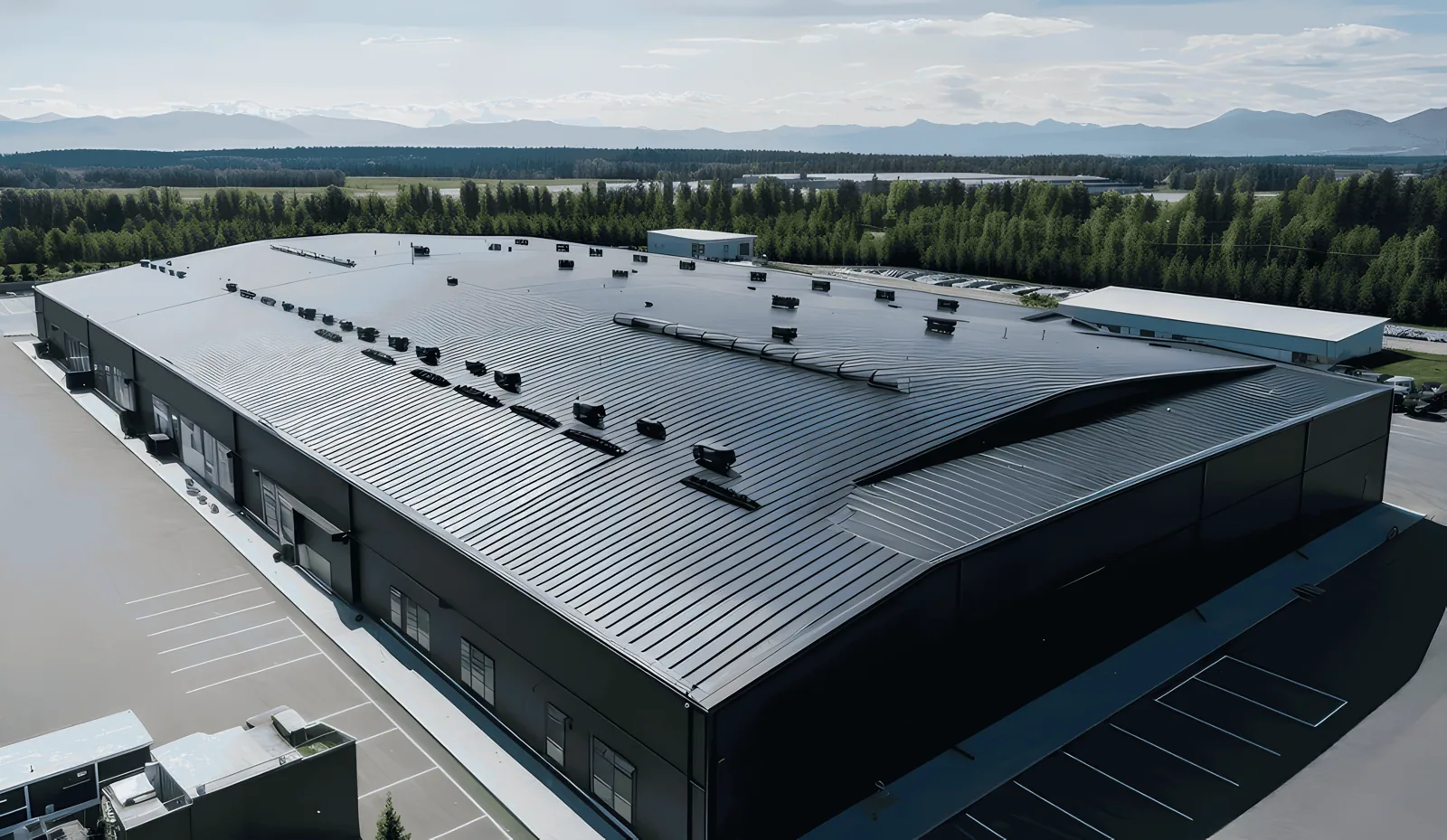
Review a metal roof retrofit in Idaho Falls by fastener condition, panel seams, insulation, drainage, and substrate before selecting restoration or replacement.
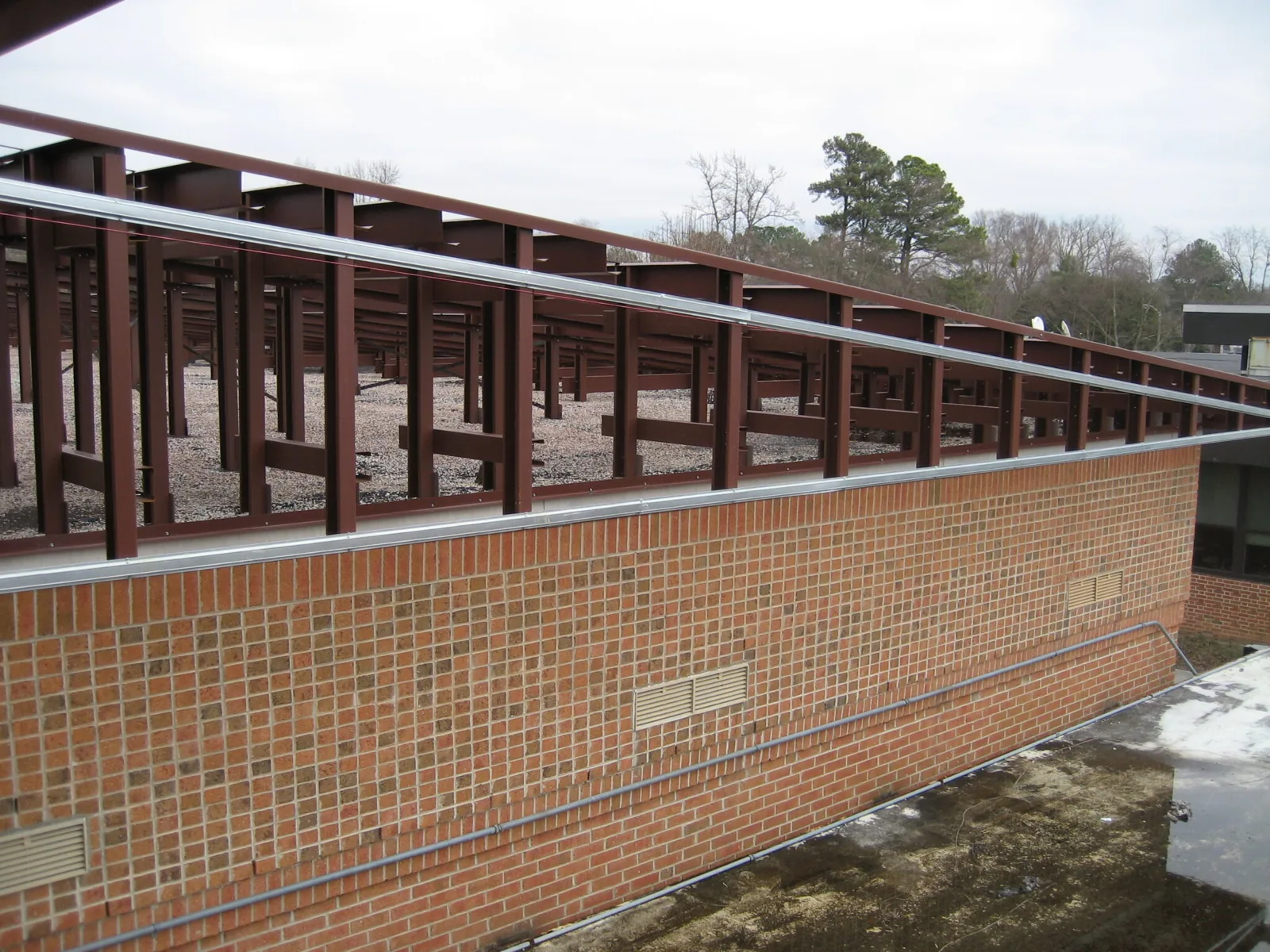
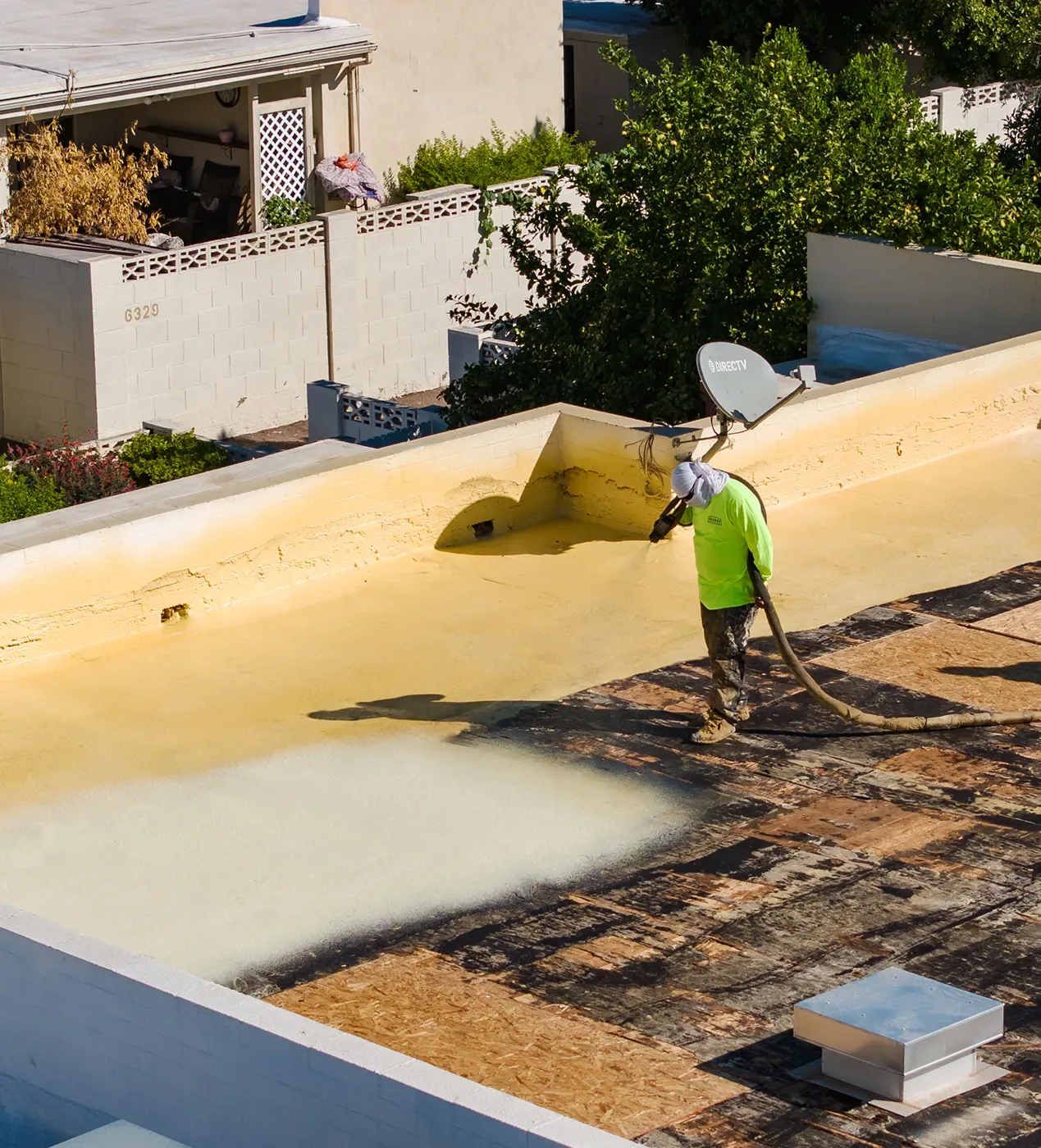
Assess spray polyurethane foam roofing in Idaho Falls by substrate dryness, foam profile, protective coating, drainage, and the conditions for application.
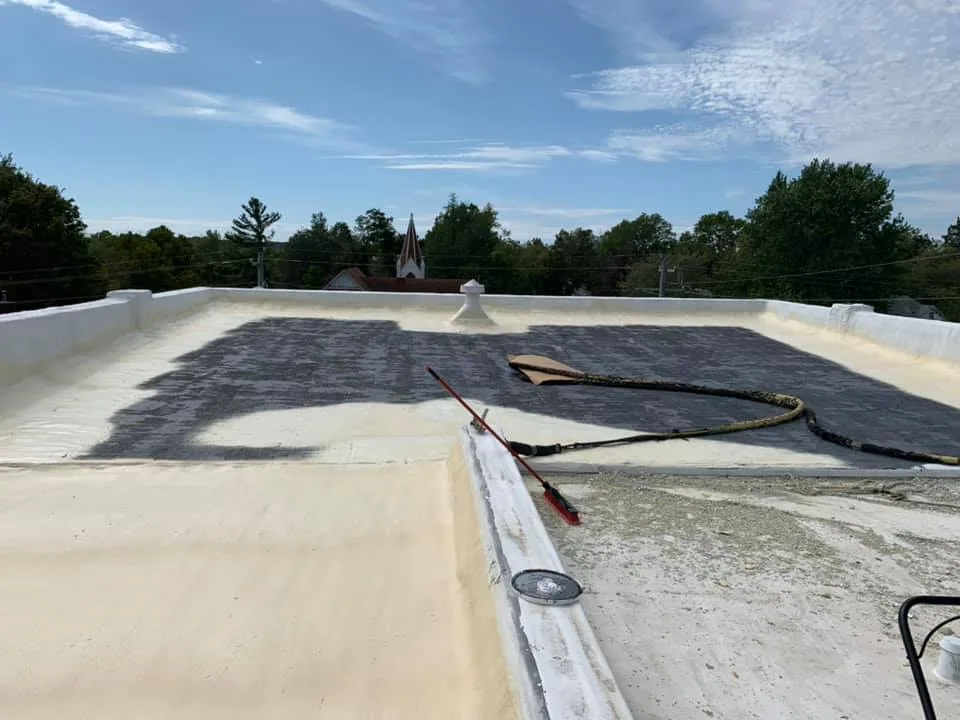
Review silicone roof coating in Idaho Falls by adhesion, substrate moisture, drainage, details, and the repair work needed before recoating.
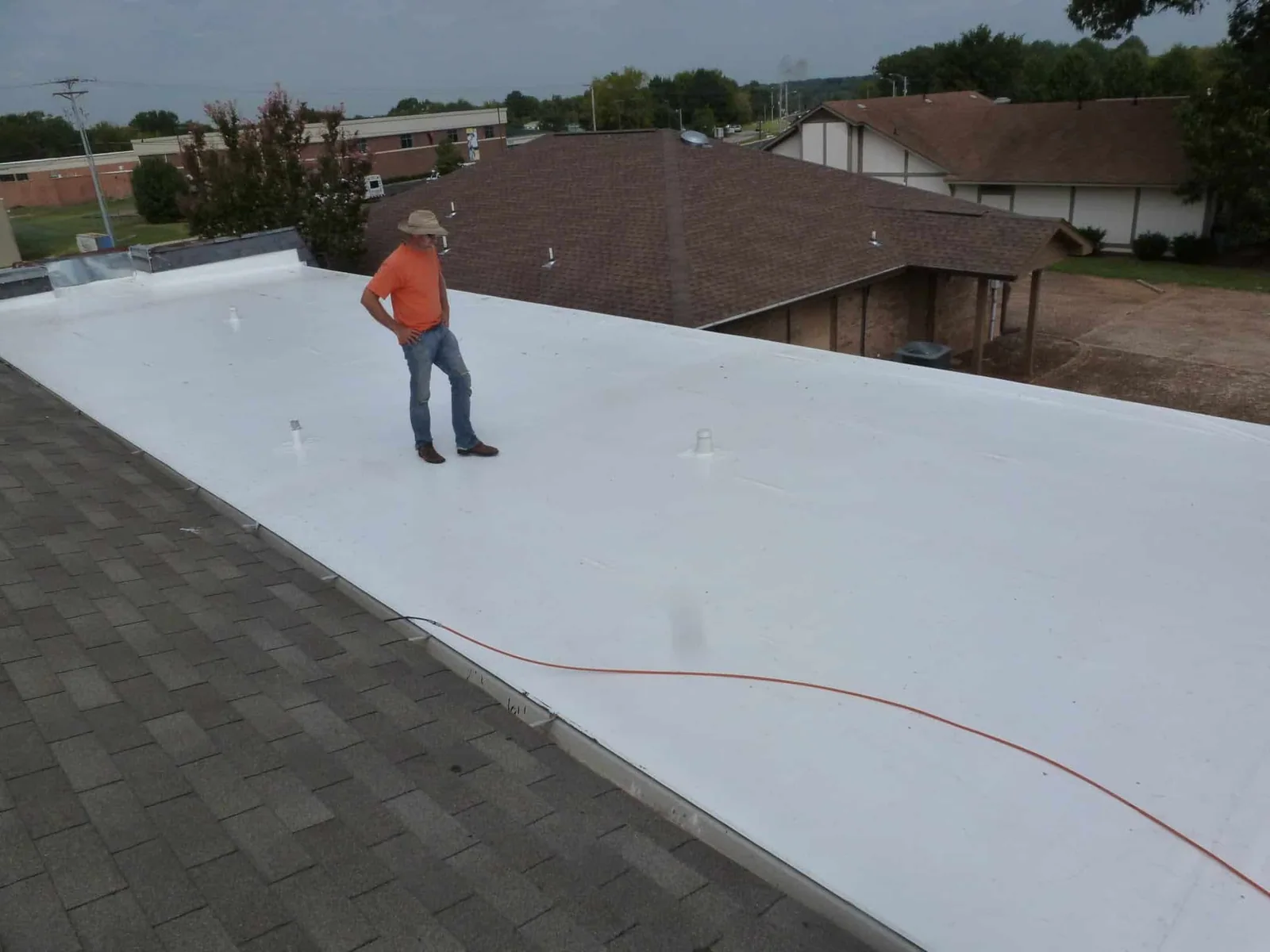
Evaluate acrylic roof coating in Idaho Falls through substrate condition, drainage, adhesion, weather limits, and repairs required before application.
TPO, PVC, EPDM, and KEE can all form low-slope roof assemblies, but their seams, attachment methods, and repair materials differ. A TPO system and PVC system use heat-welded seams, while EPDM relies on its specified seam and flashing materials. A KEE membrane also requires system-specific detailing. We identify existing layers and compatibility before setting a repair method.
Modified bitumen and built-up systems have different surfacing and ply construction. Modified bitumen may be surfaced or protected in several ways; built-up roofing uses multiple plies. The inspection checks splits, laps, blisters, attachment, edge conditions, and moisture rather than choosing by system name alone.
Metal panels and standing seams can make sense on a building designed for that assembly. A standing-seam metal roof needs attention to panel movement, clips, transitions, penetrations, and perimeter securement. Where an existing metal roof is a candidate for an over-roof assembly, metal retrofit roofing begins with deck and framing checks, not a cover-up of unknown conditions.
Spray polyurethane foam forms a continuous layer that depends on substrate preparation and protective coating. The foam assembly needs drainage, thickness, adhesion, and coating condition reviewed together. Sun exposure and seasonal temperature changes can affect application planning, so we confirm live conditions and product limits before work.
A coating is not a substitute for resolving wet insulation, weak attachment, or an unknown leak. The substrate must be compatible, prepared, dry enough for application, and detailed at drains, curbs, seams, and edges. Silicone and acrylic systems have different strengths and use limits. We inspect the existing surface and explain the prep and repair work each option requires.
Idaho Falls includes storage, warehousing, wholesale distribution, and manufacturing activity across its industrial areas. The Warehouse District also combines storefront and light-industrial settings. Before equipment work, inspect the roof system and coordinate the actual service path, curbs, and shutdown needs with the facility. A separate recover evaluation compares the existing assembly with removal and replacement.
A useful proposal names the roof zones, existing system, substrate findings, drainage corrections, insulation, edges, penetrations, and concealed-condition process. It also states access assumptions and the daily dry-in limit. The Warehouse District and Snake River Landing are broad service areas with different land uses; each building still receives its own assessment.
After installation, maintenance records can track exposed seams, outlets, curbs, coating wear, and prior repairs. The recommendation follows the assembly in place and the conditions observed, so owners can compare a localized repair with planned capital work on a clear basis.
Moisture, attachment, deck condition, compatibility, and project limits determine whether another layer is suitable. We inspect those conditions before comparing an overlay with removal and deck access.
No. Seam construction and compatible flashing materials vary by system. We identify the roof and follow the relevant material requirements rather than treating TPO, PVC, EPDM, and KEE as interchangeable.
A coating can be considered when the existing surface is compatible and sound, preparation is feasible, and moisture or drainage problems are addressed. The inspection identifies repairs needed before application and areas that should be excluded.
Winter exposure, summer heat, roof geometry, drainage, access, existing layers, and the building’s use all matter. Idaho Falls averages provide climate context; the roof inspection and current product limits govern the scope.