Commercial Roofing for Logistics and 3PL Operators in Idaho Falls, ID Serving Idaho Falls & Eastern Idaho

Coordinate Idaho Falls warehouse and distribution roof work around loading, route access, weather windows, and documented water-control scopes.

Logistics and 3PL Operators in Idaho Falls, ID

Logistics and 3PL Operators

Loading doors and roof drains often share the same workday, so a leak or planned repair can affect more than the membrane. Idaho Falls receives about 10.07 inches of precipitation in an average year at Idaho Falls, on a long-term average at Idaho Falls. For a distribution facility, that climate context reinforces the need to keep outlets clear and temporary tie-ins secure. We inspect the actual assembly and plan around receiving and dispatch. We inspect the assembly, map drainage and equipment, and schedule work around receiving, dispatch, and access routes. Idaho Falls has industrial areas for storage, warehousing, wholesale distribution, and rail-related uses. The Warehouse District combines storage and light-industrial uses with commercial storefronts; Rexburg’s North Interchange includes future industrial and commercial uses and planned road, water, sewer, and drainage improvements. A Warehouse District roof review and a separate facility inspection can share a reporting format, but each loading pattern and roof assembly needs its own work sequence.
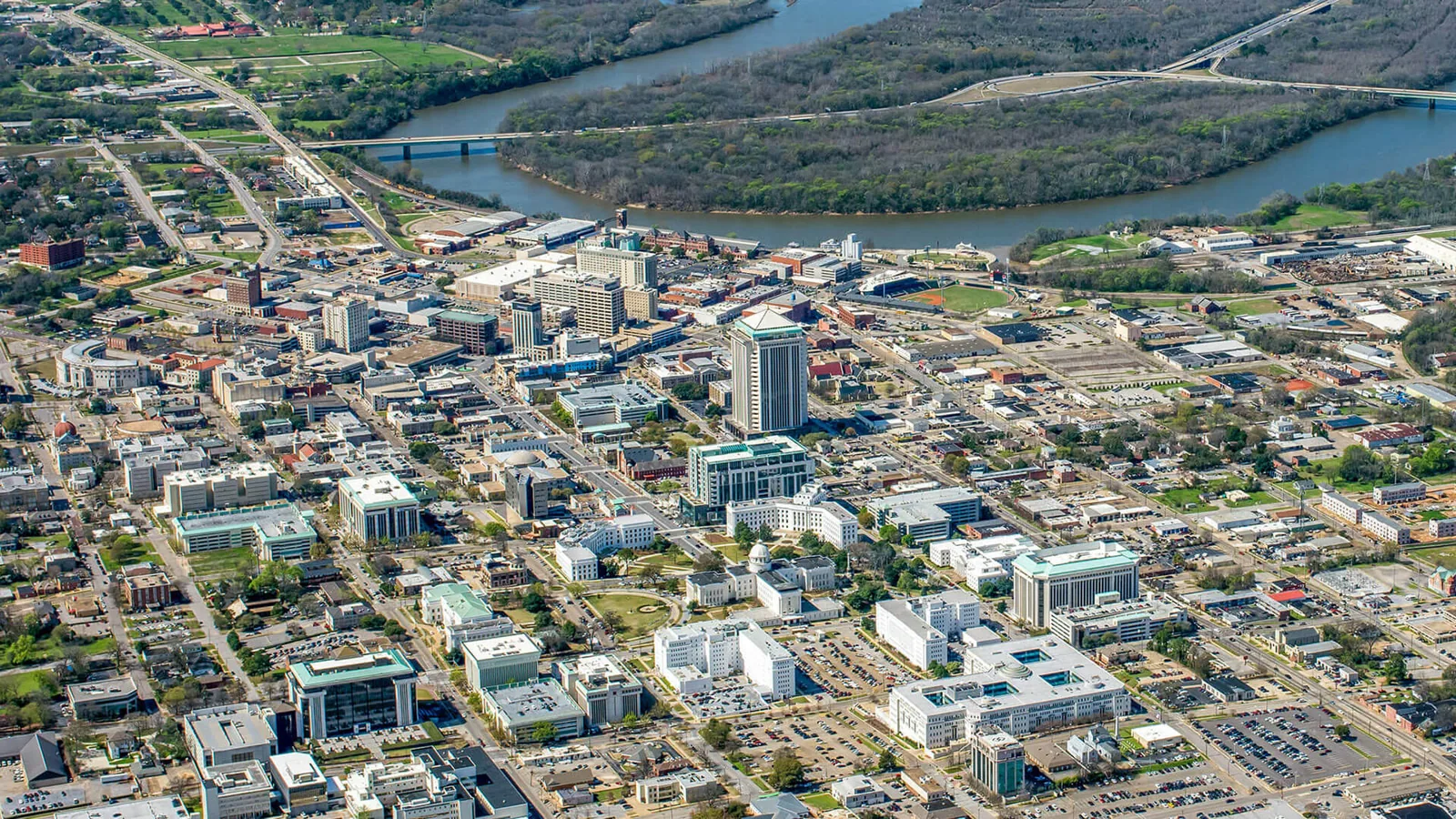
Logistics and 3PL Operators in Idaho Falls, ID

Keep Receiving and Roof Access Compatible

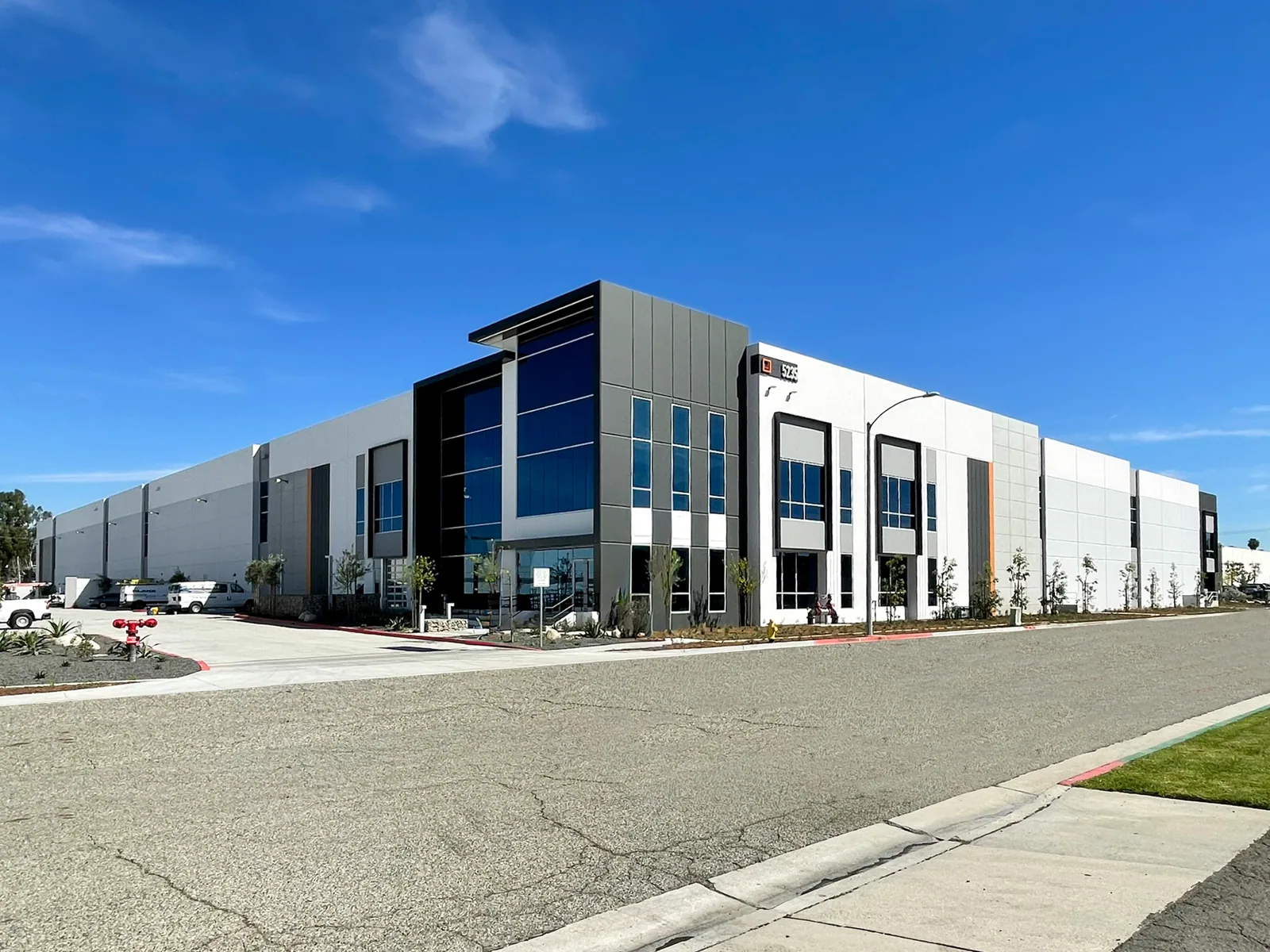
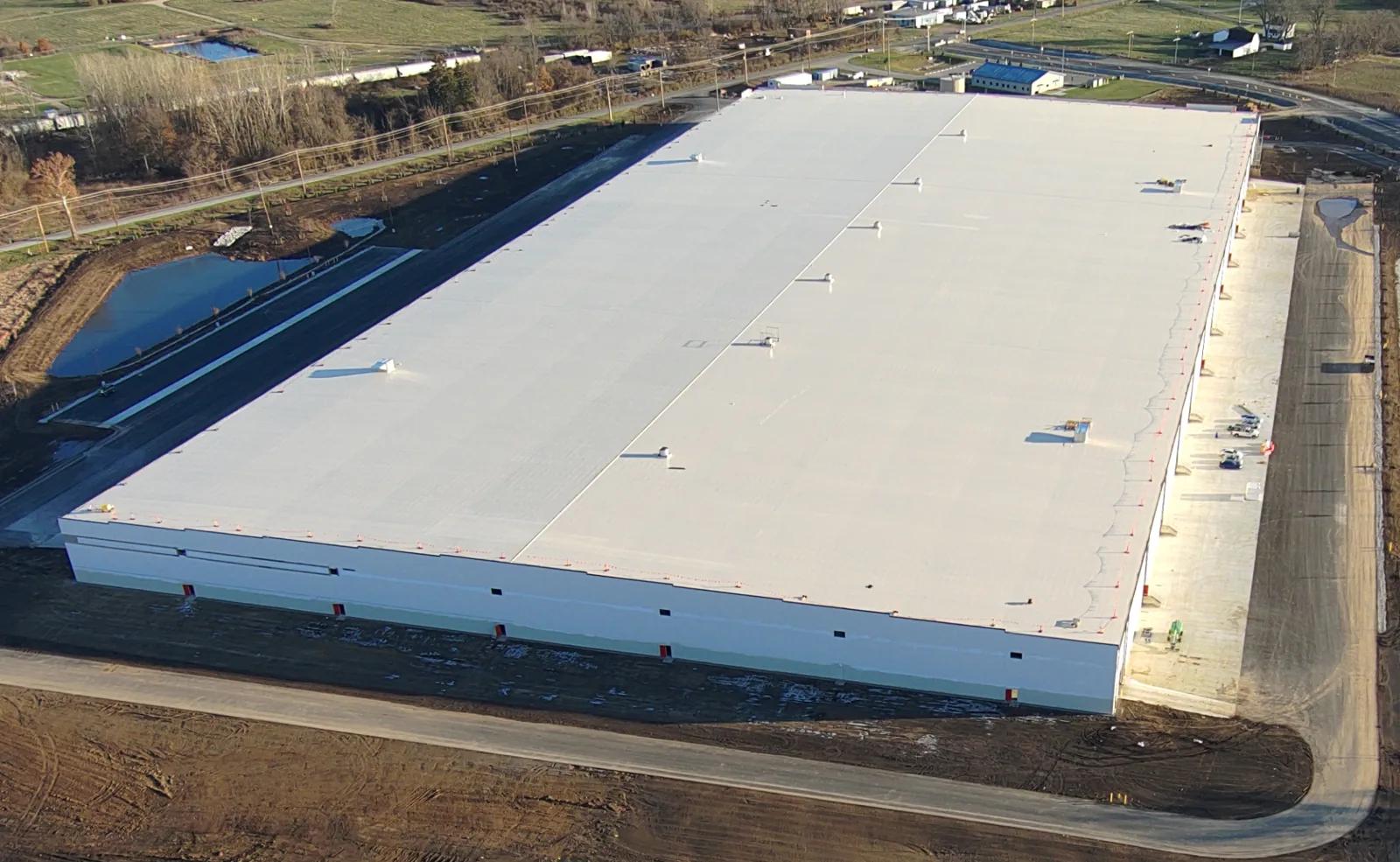
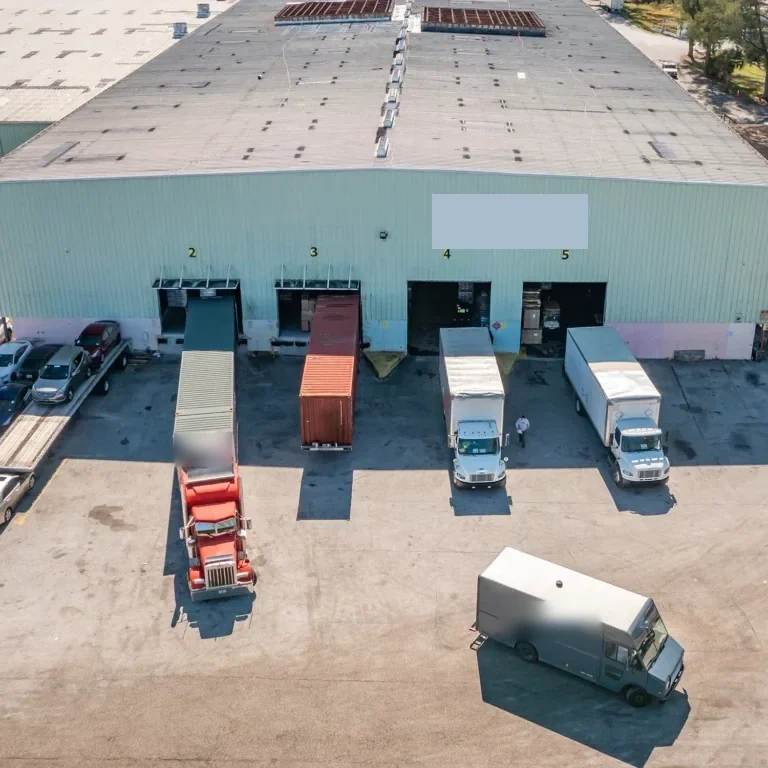
We begin by mapping truck circulation, loading bays, roof hatches, lift locations, and staging areas. Before staging a lift or pallet, the manager identifies the trailer route, active dock doors, and space needed to keep loading movements clear. The operations contact identifies peak receiving periods, restricted yard areas, and emergency access lanes. The roofing plan then sets a route and work zone for the actual facility rather than assuming every warehouse operates the same way.

Interstate 15 and US Highway 20 form the main regional connection at Idaho Falls; US-20 also serves travelers and commuters heading toward Idaho National Laboratory. We confirm truck traffic, receiving hours, and staging routes at each loading yard before scheduling roof deliveries. We use the facility’s gate, delivery, and staging rules to coordinate material arrival. If multiple buildings share a yard, we sequence deliveries and debris removal so the property team can maintain circulation.

The manufacturing coordination plan is relevant when production and distribution operations share a property. We identify who owns HVAC, exhaust, and conveyor-related roof penetrations, then set the handoff for any disconnect or curb adjustment. An exposed roof opening is not left waiting on an unclear trade assignment.

Protect the Water Path

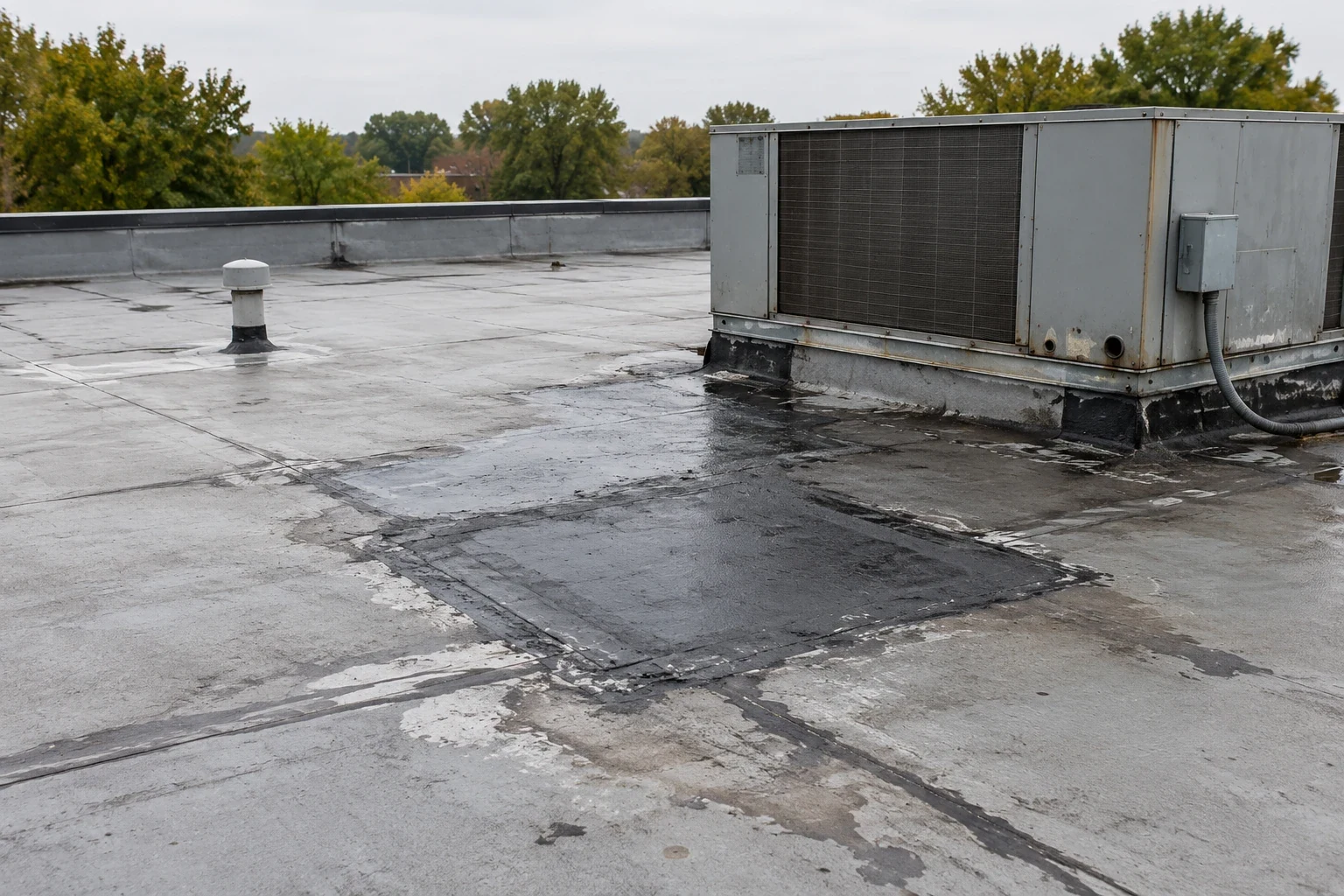
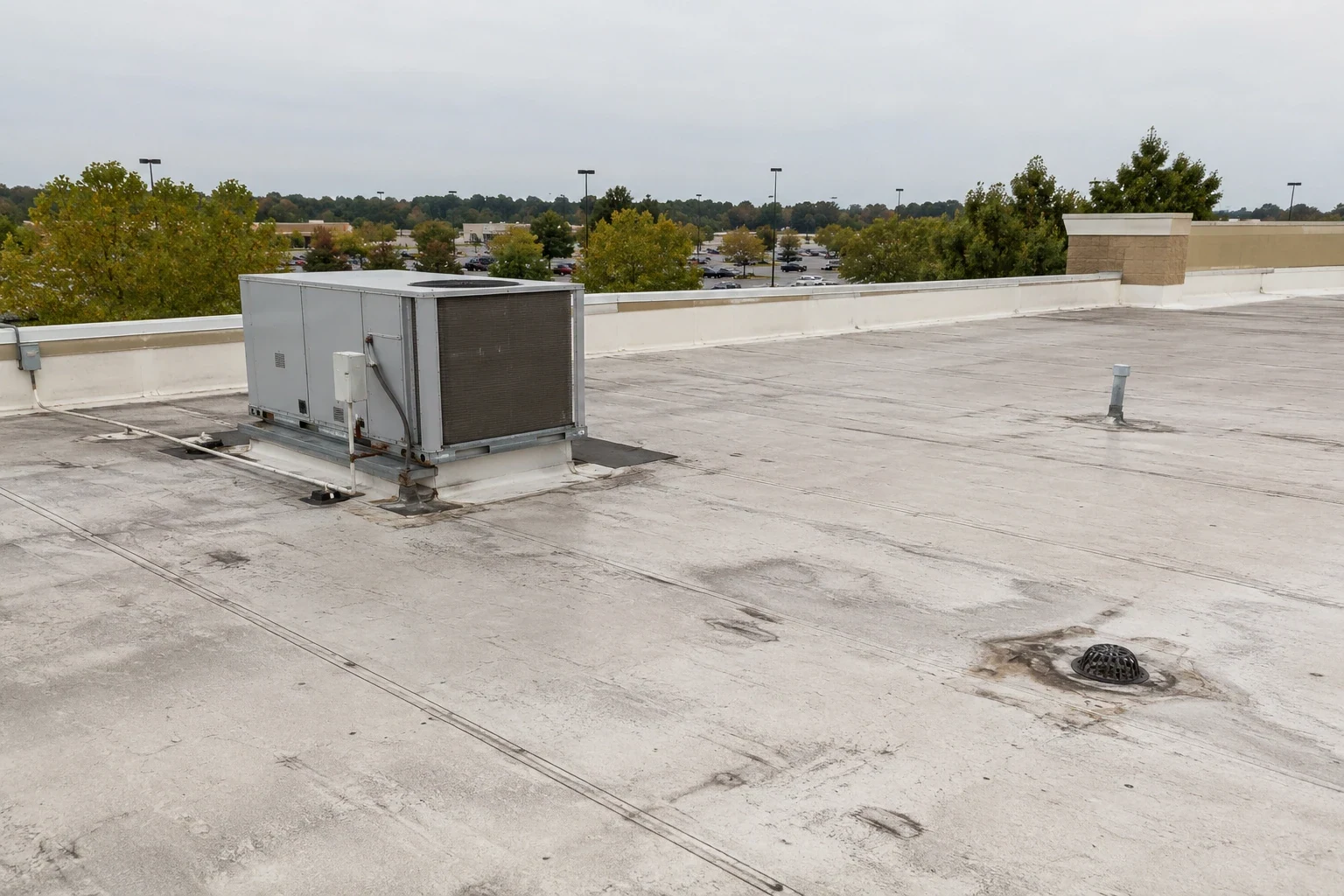
Drainage failures can interrupt storage and shipping even when the membrane field looks intact. We inspect drains, scuppers, overflows, strainers, low areas, and the slope toward each outlet. Snow or debris can block a path; a persistent low area can relate to insulation, deck, or roof geometry. We record what is visible, test when useful, and avoid assigning a cause before the assembly supports it.

Measurable precipitation occurs on about 84 days in a typical Idaho Falls year; May averages 1.57 inches, the city’s highest monthly total. We schedule drain maintenance before the wetter spring period and check the current forecast before opening the roof. The facility still needs a current forecast and clear outlets. A commercial drain and scupper review can be scheduled with a broader inspection, then any blocked outlet or failed flashing is listed separately from a structural slope concern.

For a leak over stored goods or sorting equipment, we coordinate interior protection with the site contact while tracing the roof entry. Water may travel from a curb or seam before reaching the visible drip. Our leak investigation marks the suspected path, temporary protection, and permanent repair boundary. If the roof cannot be accessed safely because of snow or ice, that limit and return check are part of the record.</p

Control Exposure During Repair

A repair area should be small enough to prepare and close in the available weather window. We identify the existing membrane or metal, check substrate and attachment, remove only the material needed for a supported repair, and protect the tie-in at the end of each shift. If the roof spans multiple bays, a marked zone plan helps operations know which area is active and where crews will move next.

Freezing temperatures affect safe access and may limit adhesives or sealants; heat can change the work surface. Idaho Falls averages also show 26.5 days per year with maximum temperatures at or above 90 degrees. We use that as planning context and confirm actual conditions on the scheduled day. If wind or weather changes the safe boundary, we pause, secure materials, and revise the sequence rather than leave an open roof exposed.

When an active leak occurs after the planned shift, emergency response is available around the clock, weekends and holidays included. The immediate work focuses on safe access and water control; the permanent repair is documented after the entry detail and surrounding assembly are inspected. This distinction lets the operations team plan the next visit without treating temporary dry-in as a completed capital project.

Build a Repair Record for Every Facility

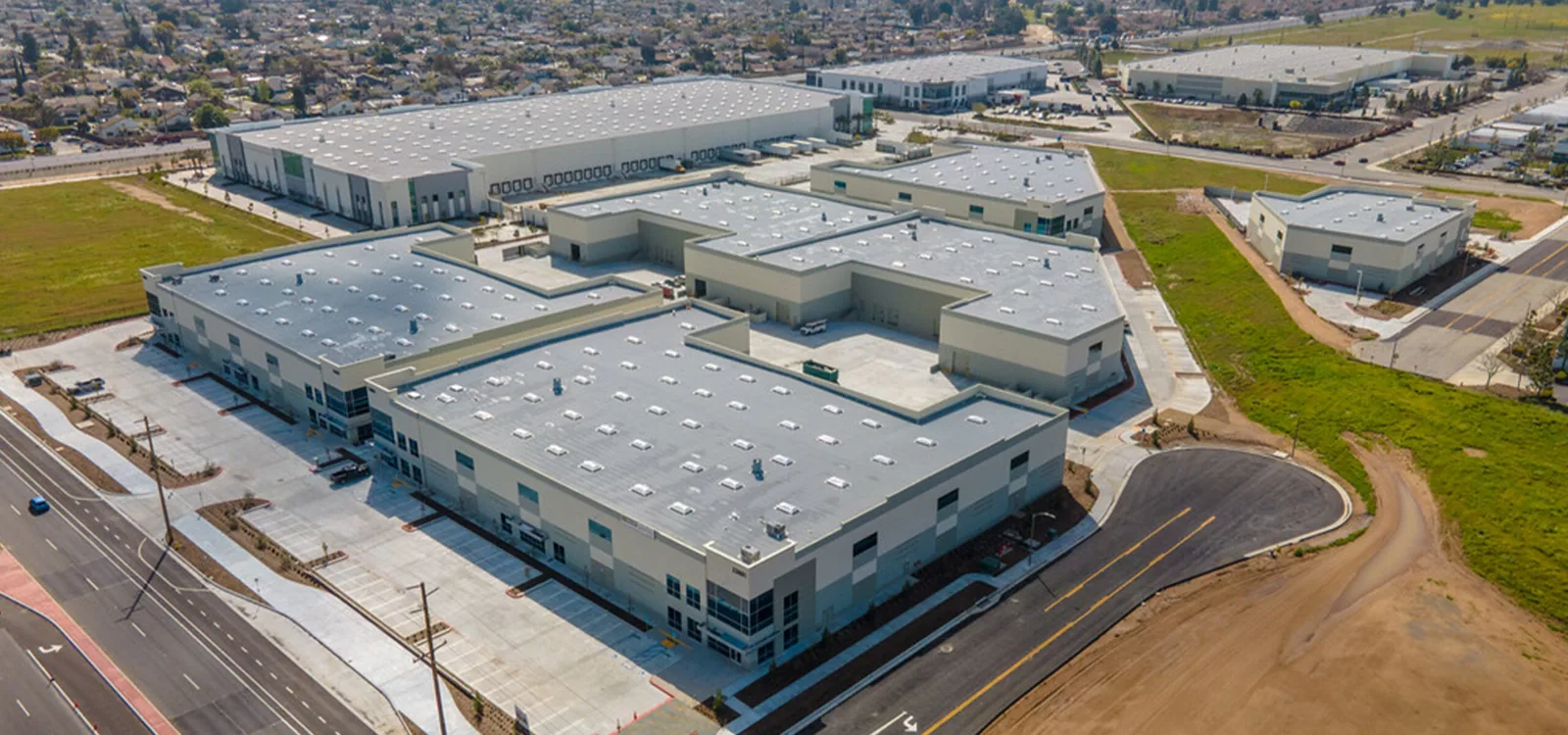
A logistics portfolio needs comparable reports, but each building’s roof condition remains separate. We note membrane type, drains, curbs, edge details, known leaks, access restrictions, and photos by roof zone. A facility that serves as a cross-dock may have different staging constraints from a storage building. A shared record format helps the owner compare condition without relying on a single age estimate or an assumption that roofs were built alike.

Cost and schedule depend on work-zone access, lift requirements, open roof areas, substrate conditions, material compatibility, drain changes, and equipment handoffs. We separate those items in the scope and identify what would alter the estimate if discovered after opening. A multi-site roof record can carry inspection history and planned work across sites. The location-by-location schedule still follows facility operations and the verified weather window.

When a distribution project alters insulation, roof structure, or drainage, the owner’s project team can verify permit and design requirements. Our field scope identifies the work area and existing roof details, then records any concealed finding that should pause installation for a decision. For a project with a general contractor, trade sequencing and scope review can align roof work with dock, equipment, and building-envelope changes.

Questions About Logistics and 3PL Operators

Often, if the work zone, lift, material route, and loading lanes are set with the facility contact. We map the roof access and staging plan, then divide work into zones that can be protected and closed safely. The building’s dispatch pattern determines the sequence.

It should connect the interior symptom to the roof zone, document the entry detail and surrounding assembly, and state any temporary protection. We also note whether drains, seams, curbs, or wet insulation affect the scope, along with access limitations and the next field check.

Not in every case, but snow or ice can cover drains, edges, and surface details or make access unsafe. We record what could be inspected, protect any active leak where feasible, and return when conditions allow a reliable field check.

We identify the equipment owner and agree on disconnect, temporary support, or curb work before cutting. The roofing crew closes its flashing after the mechanical handoff. That order avoids covering a detail that another trade still needs to change.

They can share a reporting method and portfolio review, but each roof gets separate findings and access assumptions. We list urgent water control, maintenance, testing, and planned capital work so operations can coordinate site-specific windows.

ServicesRoof SystemsIndustriesProperty TypesService AreasDamage RepairCapabilitiesManufacturersContactAboutRequest a Roof Assessment555-555-5555
Call us today555-555-5555