Commercial Roofing for Retail and Restaurant Chains in Idaho Falls, ID Serving Idaho Falls & Eastern Idaho

Coordinate Idaho Falls retail and restaurant roof repairs across locations with clear leak response, kitchen exhaust checks, access plans, and budgets.

Retail and Restaurant Chains in Idaho Falls, ID

Retail and Restaurant Chains

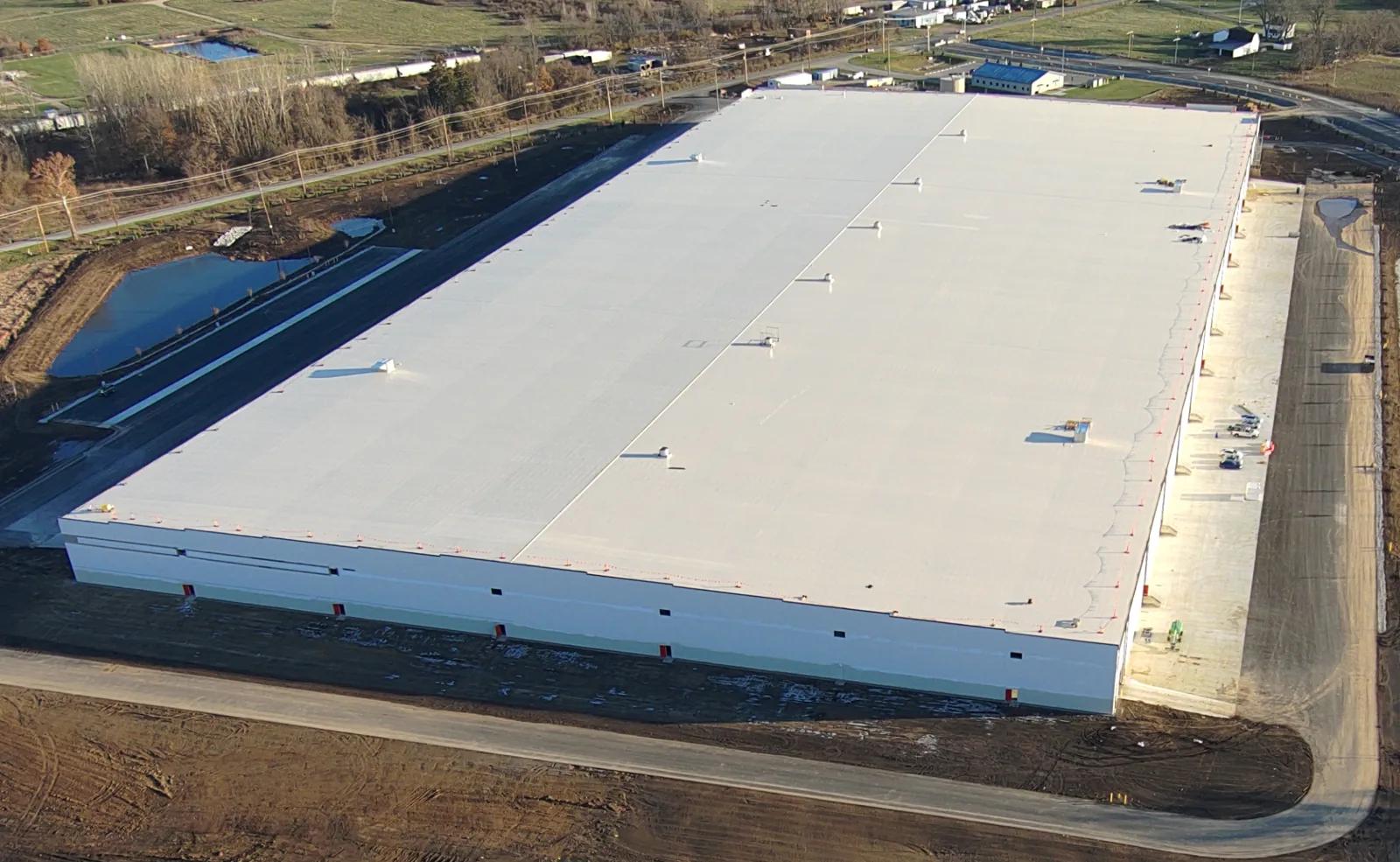
A roof leak over a dining room or sales floor can disrupt a location before the membrane itself is fully understood. Season changes can affect roof access, water management, and material application in Idaho Falls. We check the current forecast, roof surface, and product instructions before opening a roof, then limit the work area to what can be secured that shift. Idaho Falls describes retail, entertainment, restaurants, business, and healthcare as parts of its regional economy. Snake River Landing includes dining, offices, homes, and event venues in a broad mixed-use district, while Rexburg’s University Boulevard district spans a wider area with lodging, retail, office, commercial, and industrial uses. Each store or restaurant needs its own roof record, access plan, and repair boundary. We document the leak path and coordinate around deliveries, kitchen ventilation, customer entrances, and site operating rules supplied by the manager. An inspection near Snake River Landing follows the same roof principles as another chain location but does not assume the same assembly or condition.
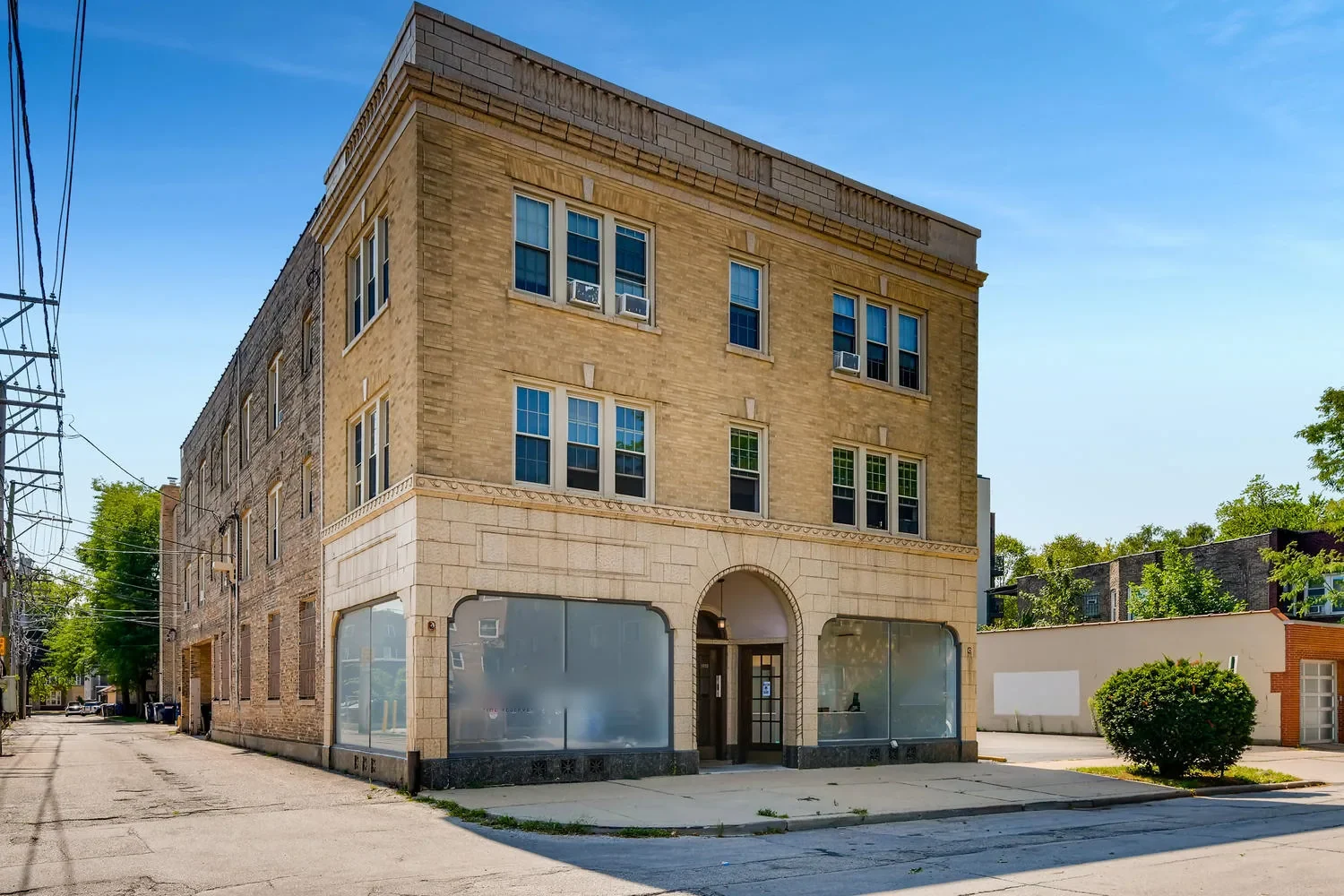

Retail and Restaurant Chains in Idaho Falls, ID

Keep Each Store in Its Own Record

A chain-level dashboard can list properties by region, but it cannot make one location’s repair applicable to another. We record roof system, visible layers, drains, penetrations, prior repairs, photos, and access limits for each address without turning those property details into public location claims. That gives the facilities team a comparable format while preserving differences in construction, equipment, and tenant use.

Idaho Falls’s city business materials identify retail and restaurant activity among the local economic sectors. Downtown planning treats Downtown and South Downtown as one core, while the Warehouse District combines storefronts with warehousing and light industrial activity. A restaurant near a commercial core may have customer circulation and exhaust requirements; a retail property in a broader employment district may have deliveries or a larger service area. We confirm those operating details directly with the manager. The hospitality roof program can coordinate with restaurant and lodging properties that share ownership or facilities staff.

Our inspection form separates repair, maintenance, testing, and capital planning. Repeated leaks at one store are tracked by roof zone and prior work. A different store’s clean inspection does not remove that risk. The portfolio management review can carry this record into a chain-wide budget without treating all locations as one roof.

Check Kitchen and Rooftop Details

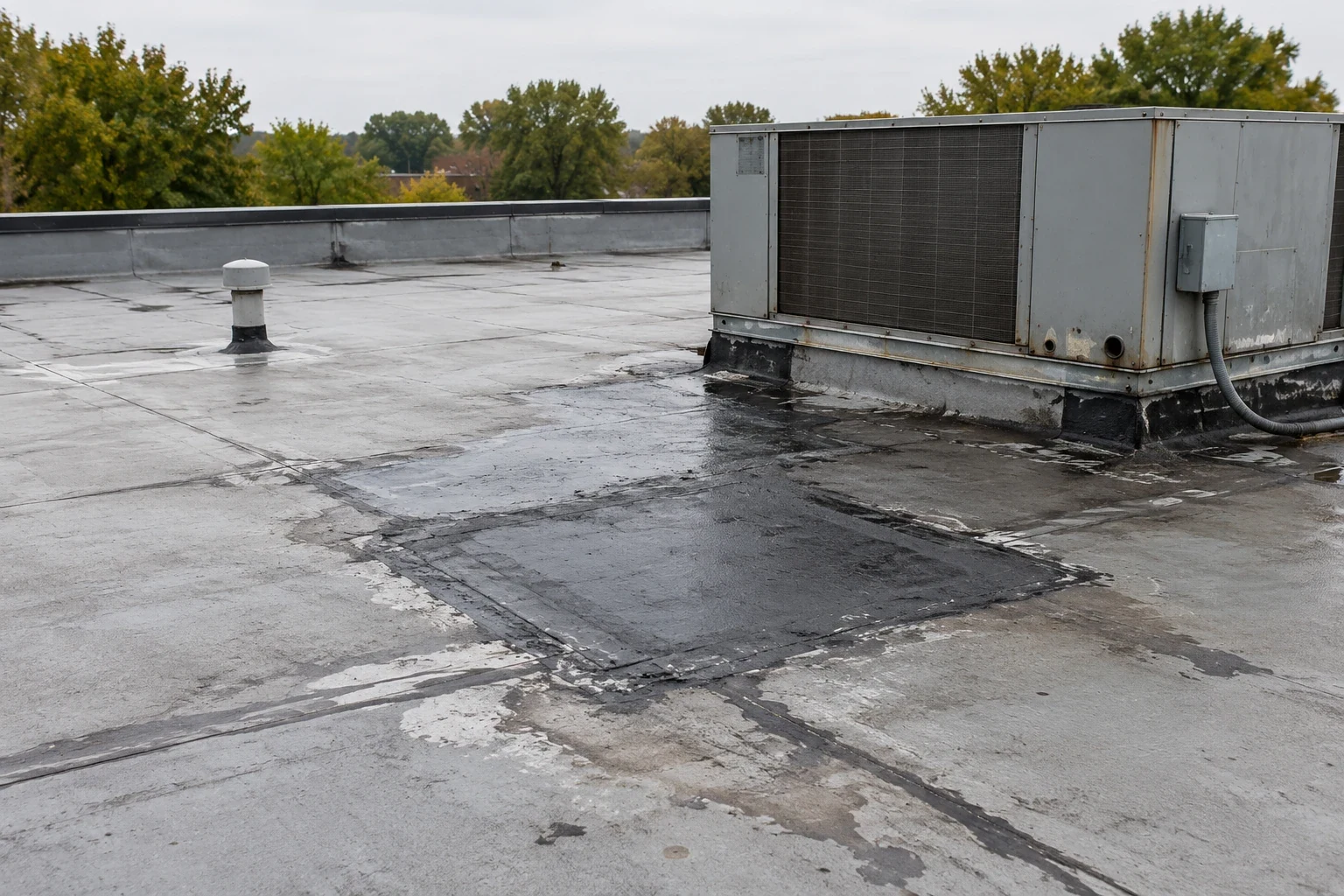
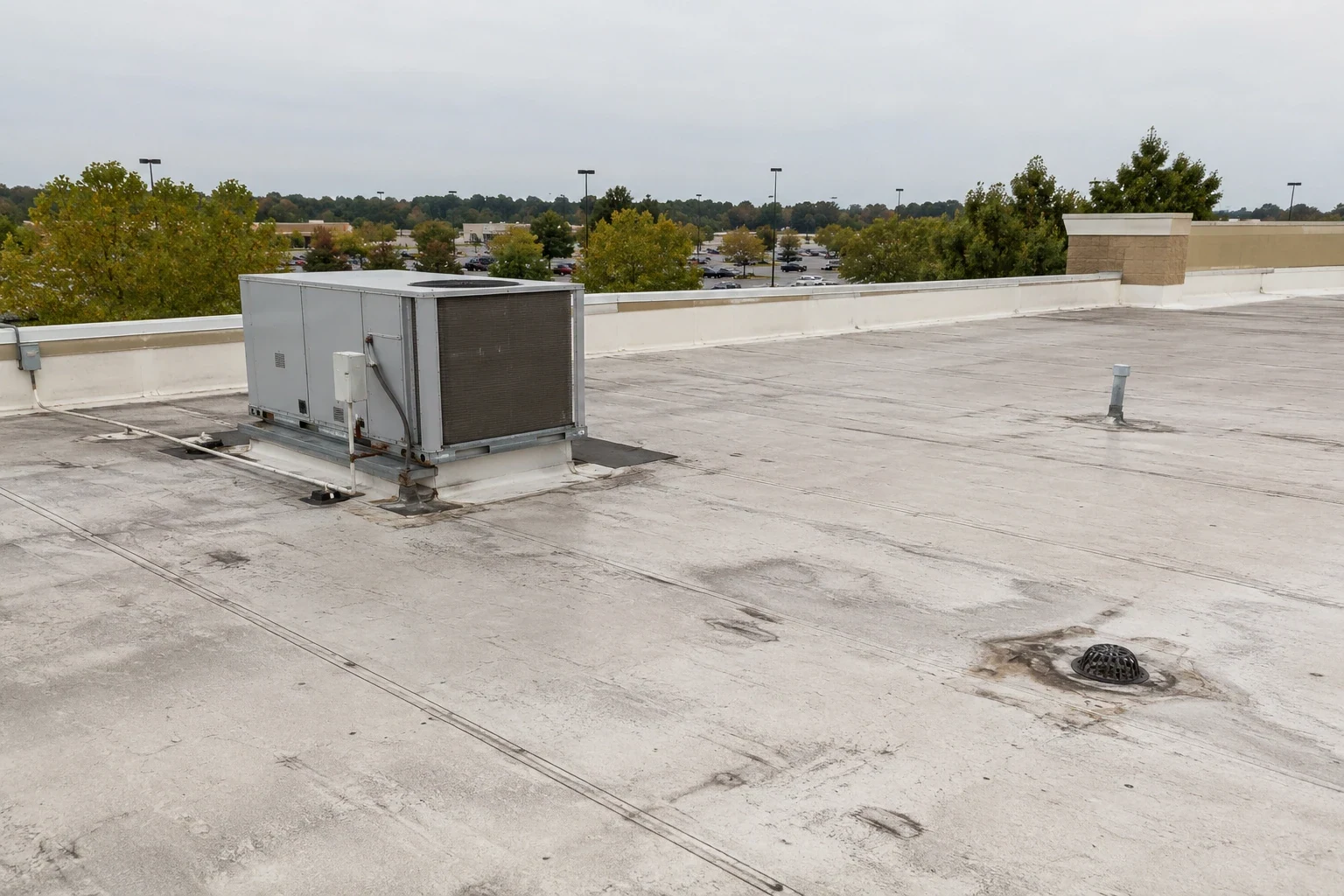
Restaurant roofs often have exhaust hoods, fans, ducts, grease-related maintenance, and equipment curbs, but the actual layout must be checked at each property. We inspect the flashing where ductwork and curbs pass through the membrane, look for loose metal or failed sealant, and confirm that service work has not disturbed the roof tie-in. If a mechanical contractor needs to lift or reset equipment, the roofing sequence includes that handoff before permanent flashing is completed.

Retail and restaurant buildings can also have skylights, signs, HVAC units, and conduit that interrupt the field membrane. We map each opening and check the surrounding substrate, attachment, and drainage. Water can travel from a curb or seam before appearing on an interior ceiling, so a stain over a register is not automatically the roof entry. Our leak investigation compares the interior symptom with roof details and records whether moisture testing is needed.

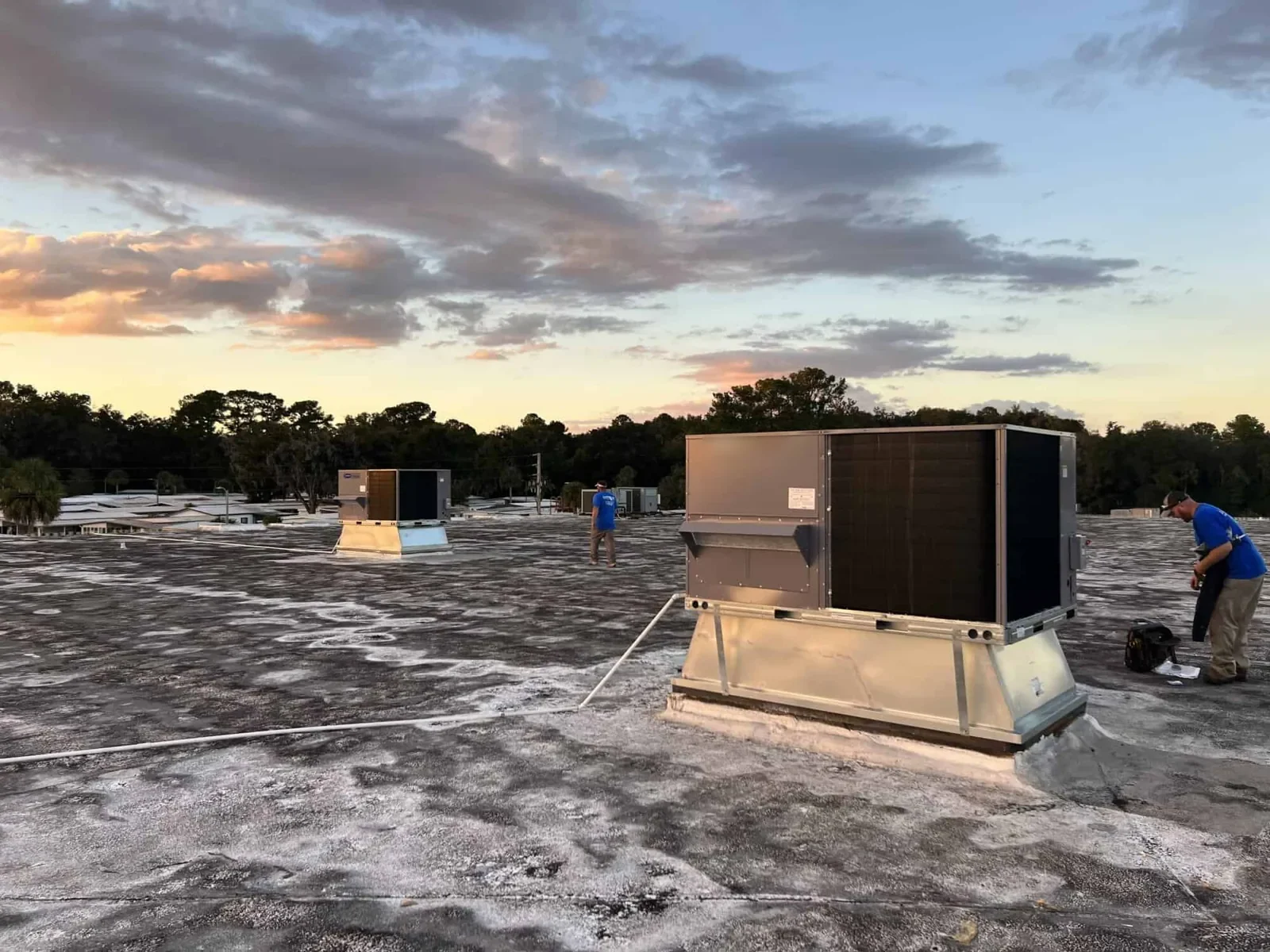
A curb and equipment review can coordinate the roofer, HVAC contractor, and site manager. The written scope identifies who disconnects the unit, when access is available, how the opening is protected, and who completes the final flashing. That avoids a finished membrane being cut by a later service call without a clear return handoff.

Choose a Work Window for the Location

Freezing temperatures may limit access and some installation methods; high summer surface temperatures can affect material handling. We check current conditions before opening the roof and keep the repair area within a boundary that can be prepared and closed. Idaho Falls averages show May has the highest monthly mean precipitation at Idaho Falls, 1.57 inches. That is an average, not a schedule promise. The manager and facility contact set workable access around customer traffic, deliveries, and kitchen service.

Idaho Falls reports measurable precipitation on 84.3 days per year at Idaho Falls. Drains, scuppers, and overflows need to remain open as a repair proceeds. We protect outlets from debris and inspect the water path before leaving the location. A drain and scupper check can be part of a preventive visit, especially where the manager has reported interior signs after precipitation.

An urgent opening can receive emergency attention at any hour, with weekend and holiday response included. We arrange safe access, limit further water entry where conditions permit, and record temporary measures and the permanent repair decision. The first visit documents what can be secured; it does not assume that a temporary cover addresses every defect across the roof.

Coordinate Store Operations and Repair

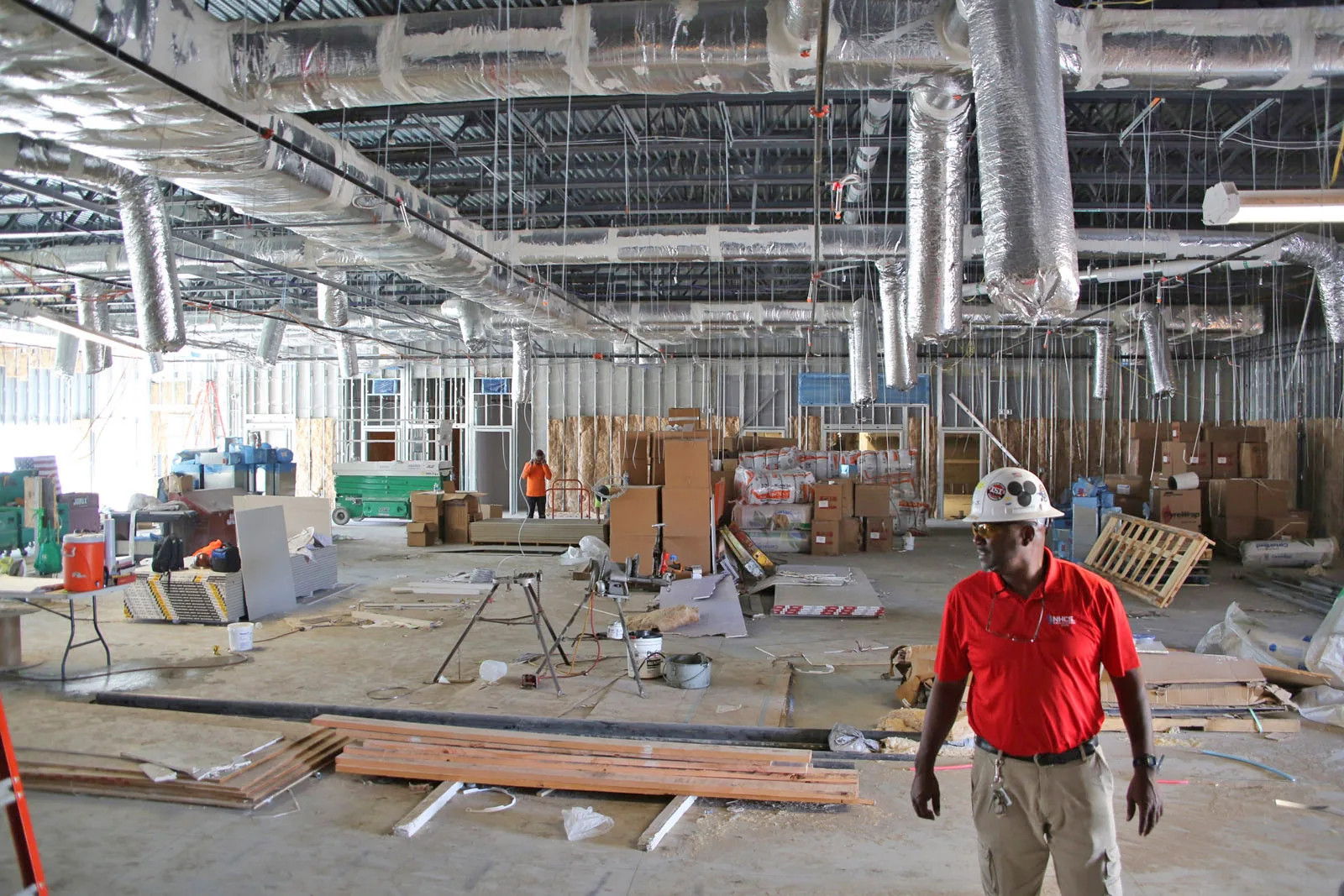
Before work begins, we confirm customer entrances, loading times, kitchen shutdowns, access to roof hatches, and where materials can be staged. A restaurant may need exhaust equipment to remain available until a planned service window; a store may require a delivery route to stay open. We identify those constraints and set a phased sequence that leaves the roof protected at the end of each shift.

Before work begins, the project team confirms which building and energy requirements apply to the scope. The project team confirms which provisions and permit reviews apply to a repair or assembly change. We report observed conditions and coordinate with the general contractor where curb, insulation, drainage, or roof replacement work needs design review.

For a recurring service visit, the manager can keep a current roof-access contact, ladder or hatch rules, and any escort requirements with the property record. We confirm those procedures before arrival because entrances, safety controls, and approved staging vary by site. Keeping the information current helps the facilities team schedule a call without slowing the initial roof assessment. Cost depends on the number of locations, access, travel between sites, repair material, flashing complexity, wet insulation, and the timing of equipment shutdowns. We keep scopes separate by property and identify work that can be grouped during one mobilization. A multi-site maintenance record helps chain facilities compare completed repairs and future work without treating a repeated store layout as proof of identical roof conditions.

Questions About Retail and Restaurant Chains

Often, work can be phased around customer areas and kitchen schedules, but access, noise, equipment shutdowns, and the repair boundary control the plan. We coordinate those details with the manager and identify which entrances or service routes need protection.

Not in every case. We inspect the curb and flashing and coordinate with the HVAC trade if a unit must move or disconnect. The scope states who owns each task and when the roofer returns to close the membrane around the equipment.

Use the same fields for system, drains, penetrations, leaks, photos, access, and next steps, while keeping findings attached to each location. We record each store separately so a repair at one property does not become an assumption about another.

Emergency response is available around the clock, including nights, weekends, and holidays. We coordinate access with the site contact, limit active water entry where feasible, and document temporary protection and the permanent repair follow-up.

Review seams, curb flashings, drains, overflows, edge details, and any prior repair that may have separated. We document visible conditions and access limits. Idaho Falls averages describe the Idaho Falls season, while current roof findings determine which work should be completed first.

ServicesRoof SystemsIndustriesProperty TypesService AreasDamage RepairCapabilitiesManufacturersContactAboutRequest a Roof Assessment555-555-5555
Call us today555-555-5555