Commercial Roofing for Investors and REITs in Idaho Falls, ID Serving Idaho Falls & Eastern Idaho

Compare commercial roof condition, repair exposure, and capital timing across Idaho Falls assets with documented findings and building-specific scopes.

Investors and REITs in Idaho Falls, ID

Investors and REITs

Idaho Falls combines long periods below freezing with a hot summer roof season, so an acquisition or portfolio review should account for movement at seams, drainage, and equipment transitions before assigning a capital reserve. Idaho Falls’s January mean is 20.4 degrees, yearly minimums reach freezing or below on 182.2 days, and the average July high is 86.6 degrees. We inspect the actual roof assembly, trace visible moisture, and document the findings that affect repair or replacement assumptions. Idaho Falls serves a regional market for healthcare, travel, retail, business, restaurants, and entertainment. Idaho National Laboratory, Melaleuca, and other institutional and business presences add to that economic mix. Snake River Landing spans more than 450 acres between the river and Interstate 15, and includes business, residential, dining, and event activity. The Warehouse District brings storefronts and industrial uses into the downtown core. Those varied asset settings make site-level evidence more useful than a portfolio-wide roof-age assumption.
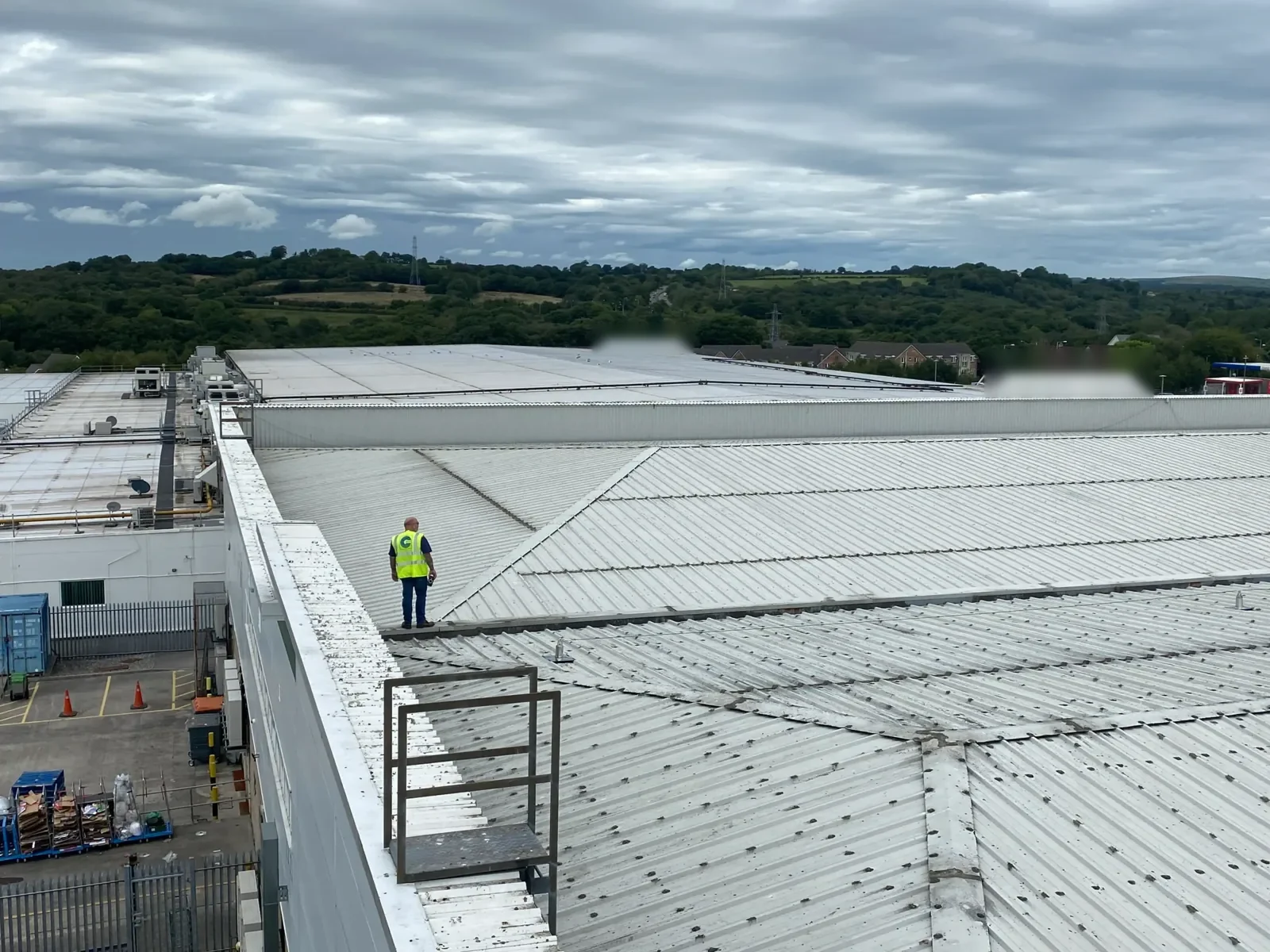
Investors and REITs in Idaho Falls, ID

Separate Building Facts From Roof Assumptions

Due diligence starts by establishing what is present: membrane or metal type, visible layers, deck access, drainage, penetrations, edge details, and prior repairs. Use a roof inspection and available building records to identify the assembly before comparing repair or replacement options. We record what can be inspected and note any area hidden by snow, equipment, or access restrictions. If a condition cannot be confirmed visually, we identify the test that would settle the question before the acquisition budget relies on it.

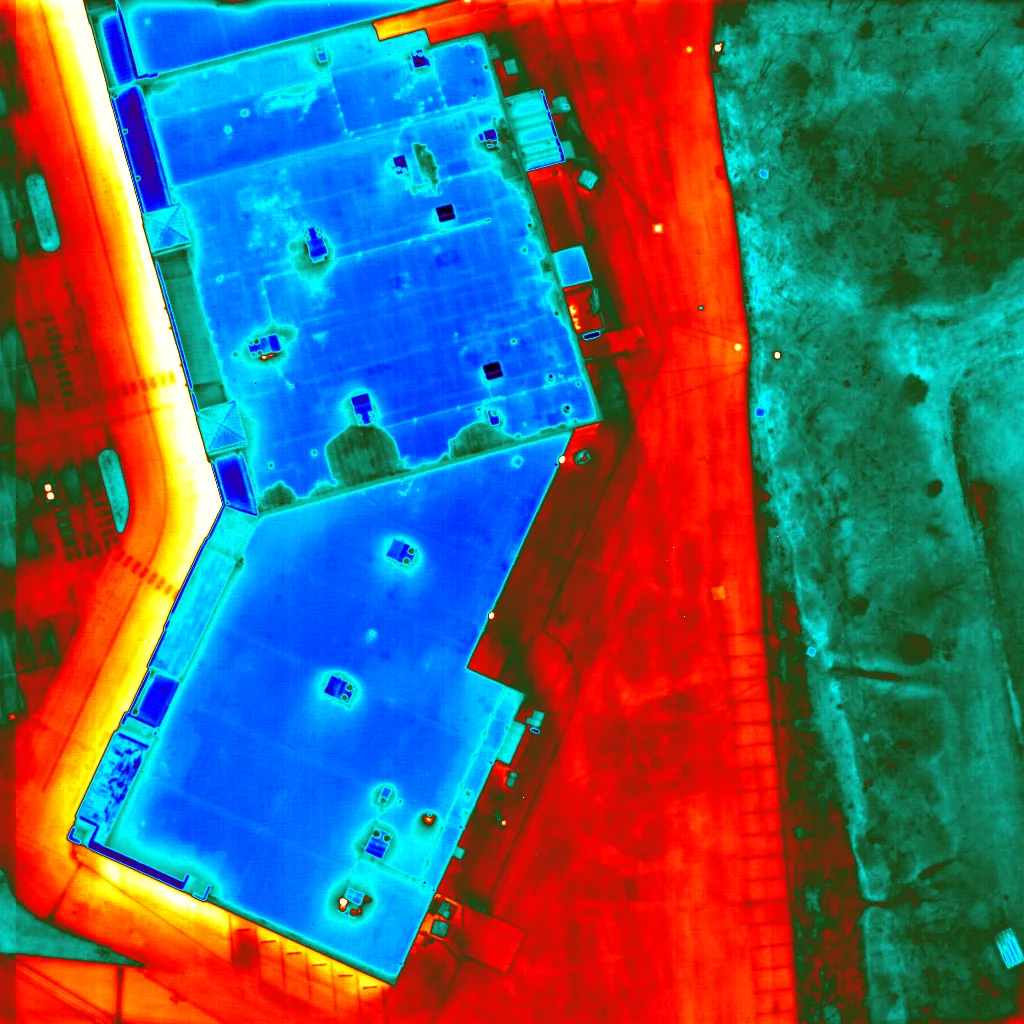
Moisture is a key underwriting variable. A ceiling stain may correspond to a curb or drain several feet away, and wet insulation may extend beyond the apparent opening. We compare interior indicators with roof observations, then use infrared scanning or selective test cuts when the result will change the scope. A due-diligence roof survey can distinguish known defects from allowances that remain unverified. The report states whether repair, recover, or removal is supported and what additional testing would change that recommendation.

For a multi-property owner, consistent records allow comparisons without claiming that the buildings are alike. We use the same condition categories and photo labels, but each estimate reflects its roof system, access, occupancy, and drainage. A property management team can carry the action list forward after acquisition, while ownership retains the decision trail for asset review. For industrial acquisitions, manufacturing property reviews also need access, production, and loading constraints tied to the individual roof.

Translate Findings Into Capital Exposure

A roof reserve should follow documented work, not a single replacement-year estimate. We separate active leaks, exposed details, maintenance, suspected moisture, and broader system wear. For every item, the report names the location, likely consequence, work boundary, and uncertainty. That structure helps an investor compare near-term water control against planned repair or capital replacement.

Cost changes with tear-off depth, substrate repairs, wet insulation, roof openings, edge metal, equipment coordination, staging, and weather. We identify those drivers before a bid becomes a single total. If concealed deck conditions are unknown, the proposal states how that condition will be documented and approved. The capital planning review can sort work by urgency and access window without treating an allowance as a confirmed defect.

Industrial and manufacturing areas in Idaho Falls include processing, warehousing, wholesale distribution, and rail-related uses. A roof over a warehouse may have access and operational constraints that are not present at an office or retail asset. For example, a repair near the Warehouse District may need coordination around a loading side, while a mixed-use property at Snake River Landing can require protection for customer or event access. The scope records actual restrictions supplied by the property team, then ties timing to the roof and the operating calendar.

Use the Weather Window Carefully

Frequent freezing days can affect safe access and the application limits of adhesives or sealants; summer heat also influences surface temperature and material handling. Idaho Falls records 26.5 days per year with highs at or above 90 degrees at Idaho Falls, alongside the long freezing season. These averages help frame planning, but a daily forecast and roof conditions set the work window. We limit exposed areas to what can be prepared and closed safely, and document weather holds when they change sequence.

The city averages 1.57 inches of precipitation in May, its wettest month. That seasonal pattern can inform drain reviews and tie-in planning, while the active forecast governs each work window. Snow or ice can obscure a detail or delay inspection, so reports identify what was inaccessible and what should be revisited. A hands-on condition inspection establishes a baseline before acquisition or a major budget decision; a moisture survey can focus follow-up testing.

When an urgent leak occurs outside a scheduled site visit, around-the-clock emergency response is available, including holidays. The first scope is water control and safe access. The permanent repair is then documented as a separate decision, so an emergency visit does not silently become a full replacement assumption.

Compare Repair, Recover, and Replacement

Repair can be appropriate when the failure is local and the surrounding assembly remains sound. A recover may preserve existing layers only when moisture, attachment, code, capacity, and details support it. Replacement provides access to the deck and allows the assembly to be rebuilt where widespread moisture or weak attachment makes retention a poor fit. We document the evidence behind each path and identify any test that could change the comparison.

Portfolio coordination in Idaho Falls may include land use, airport-area restrictions, transportation, and utility work; verify each asset’s access and roof condition separately. Due diligence should track land use, floodplain, transportation, and utility conditions alongside the roof review. Roof condition remains a separate question, established by inspecting the assembly and documenting what is visible.

At closeout, photos show the repair area or completed system, and the report notes any remaining observation. The recover evaluation and replacement scope can be compared with the documented repair boundary. The investor receives a decision record that can be carried into property management and later budget reviews.

Questions About Investors and REITs

It can document current conditions and likely work drivers, but the reserve should reflect confirmed findings and stated uncertainties. We identify tested areas, access limits, moisture concerns, and possible concealed conditions so the acquisition team can decide whether more investigation is needed before closing its budget assumptions.

Use common categories for assembly, drainage, leaks, access, repairs, and next steps, then keep the evidence tied to each building. Snake River Landing and the Idaho Falls Warehouse District have different mixed-use and industrial contexts; neither label determines an individual roof's condition.

A scope can remain open where insulation or deck conditions are concealed, access is limited, or a test is needed. We state the boundary and the decision that requires approval. That keeps a contingency from being reported as a confirmed failure.

It may reduce tear-off when existing layers are dry, secure, compatible, and acceptable under the applicable code. Added roof height can affect drains, curbs, and edges. We inspect those conditions and compare recover with replacement rather than assuming one option fits every asset.

Freezing periods, snow access, summer heat, and spring precipitation can affect inspection and installation windows. We record current conditions and identify work that can proceed, needs a weather hold, or should be scheduled after more testing.

ServicesRoof SystemsIndustriesProperty TypesService AreasDamage RepairCapabilitiesManufacturersContactAboutRequest a Roof Assessment555-555-5555
Call us today555-555-5555