Commercial Roofing for Hospitality Groups in Idaho Falls, ID Serving Idaho Falls & Eastern Idaho

Plan hotel roof inspections, leak response, and capital work across Idaho Falls hospitality properties with clear scopes and operating coordination.

Hospitality Groups in Idaho Falls, ID

Hospitality Groups

A guest may notice a ceiling stain before the facilities team sees the roof condition that caused it. For hotels and hospitality properties, a useful roofing plan must protect occupied rooms, public spaces, kitchens, and building operations while identifying the actual source of water. Idaho Falls experiences a long freeze season: Idaho Falls averages show about 182 days each year with minimum temperatures at or below freezing. Summer brings another planning condition, with Idaho Falls averaging 26.5 days of highs at or above 90 degrees. Those averages frame scheduling; each roof inspection determines what a property needs. Snake River Landing combines offices, dining, residences, and event venues in a mixed-use district, while Downtown and South Downtown share an integrated city core. A property in either area still requires its own roof record. We document membrane condition, drains, penetrations, interior symptoms, and access limits, then coordinate recommendations around guest activity and staff schedules. An inspection program gives the owner a current view before a small leak becomes a room or service disruption.
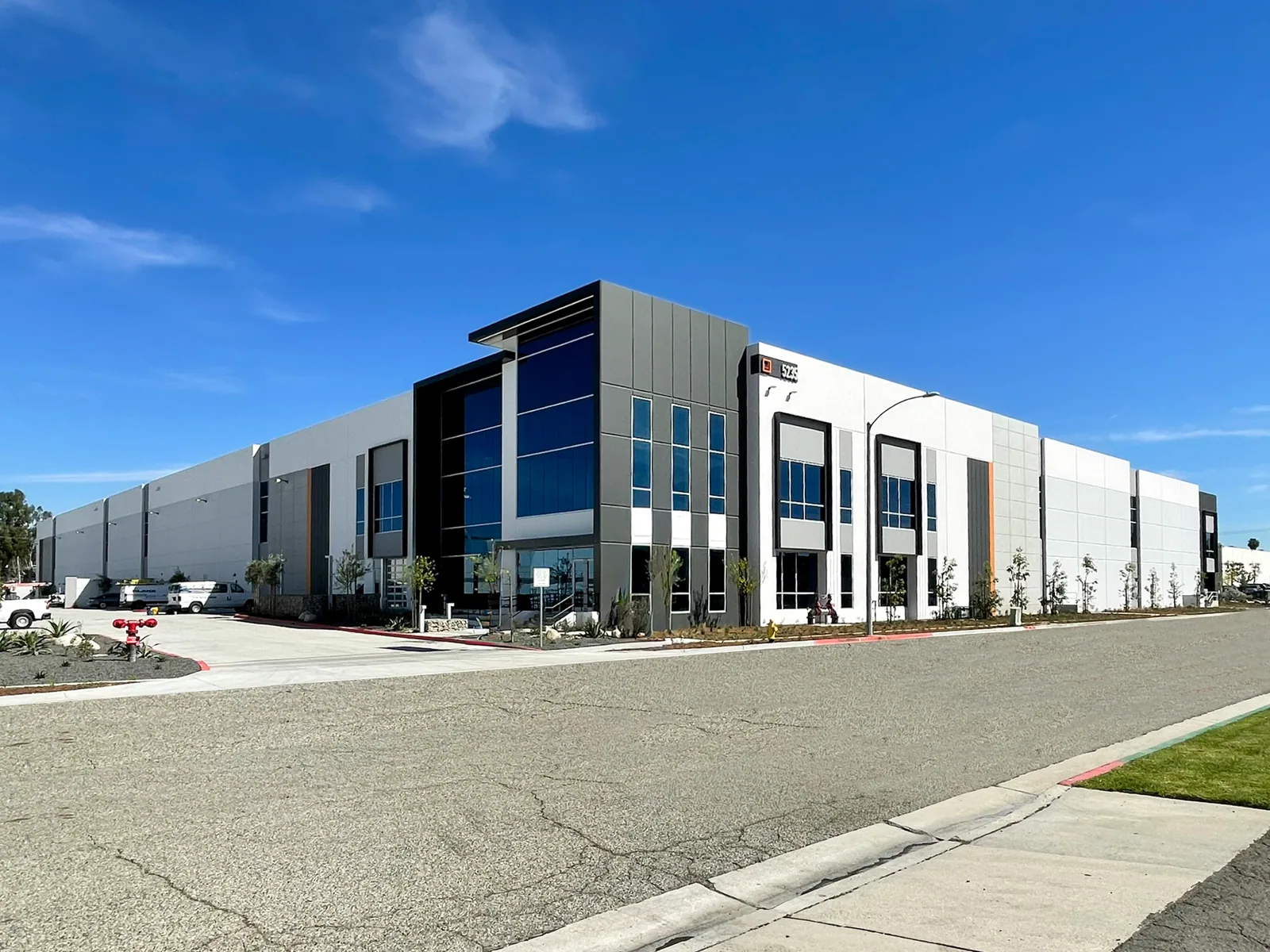
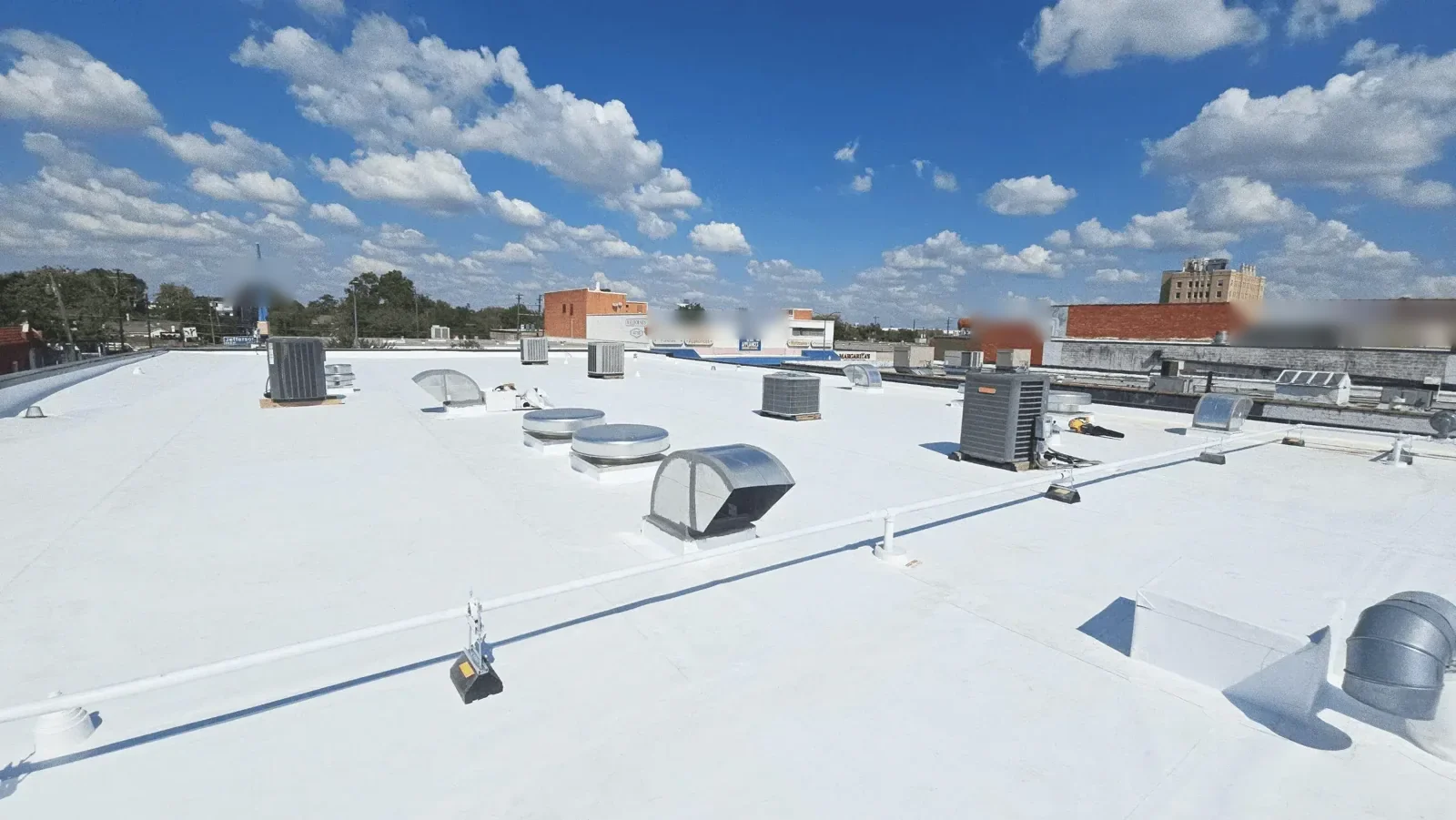
Hospitality Groups in Idaho Falls, ID

Keep Each Property’s History Intact

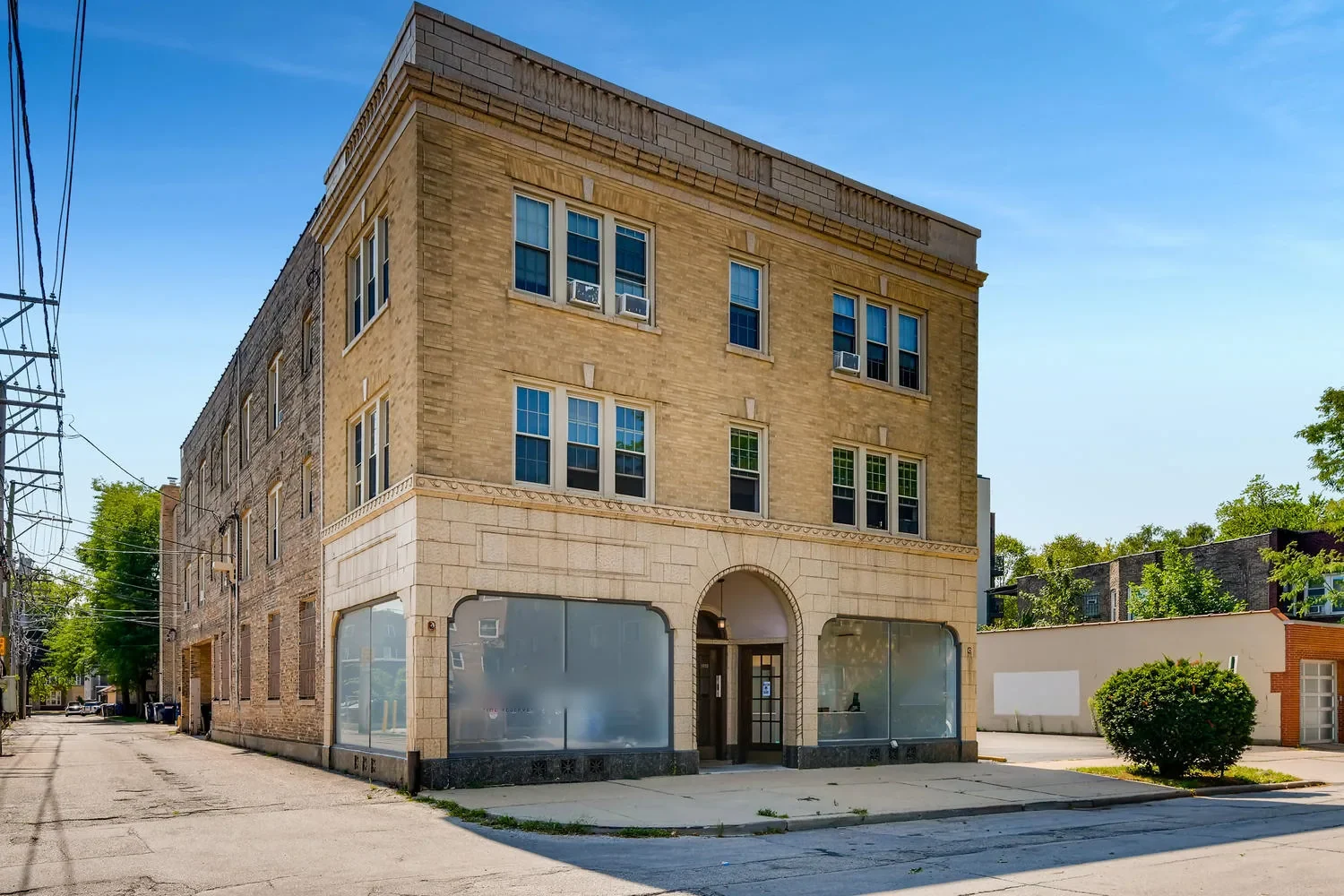
A group may share a brand, management company, or purchasing process, but its buildings can have different roof systems and repair histories. We create a property record with roof type, visible layers, drainage layout, equipment, prior patches, photographs, and known access conditions. Findings stay attached to the inspected property. We inspect each hotel roof separately, checking its membrane, flashing, drainage, and equipment transitions before pricing work.

This distinction helps owners compare risk without flattening the details. A regional portfolio summary can group work by urgency, system, or budget year; the individual scope should still identify the roof area, observed defect, and recommended next step. A healthcare facilities roof record uses the same property-by-property discipline when a group manages clinics and other occupied buildings. The property management roof program can organize records across multiple buildings, while our multi-site reporting process keeps work history clear as properties are inspected over time.

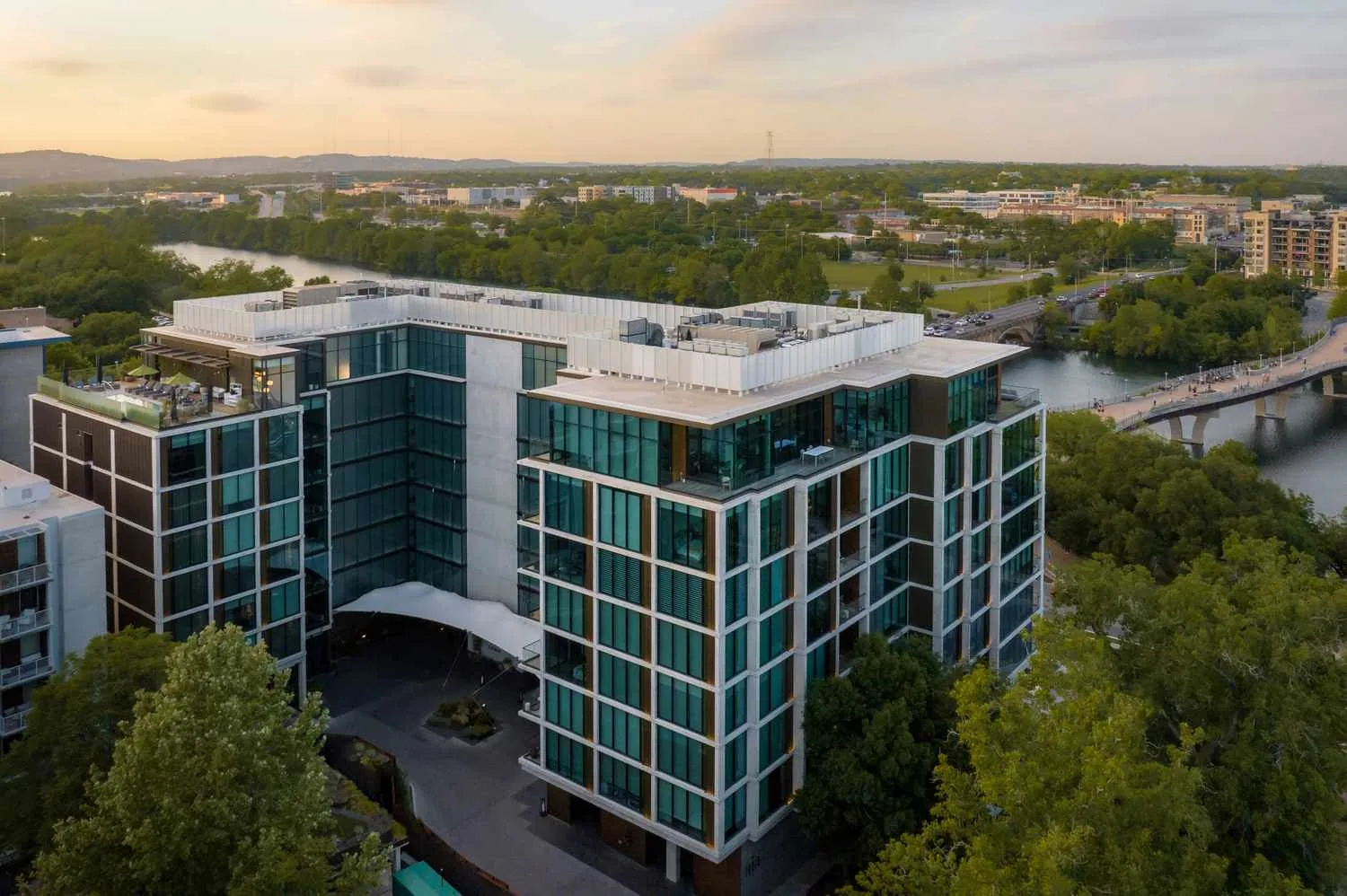
Idaho Falls identifies travel, business, retail, restaurants, and healthcare among the sectors contributing to its regional economy. That mix supports hotels with different guest patterns and operating needs. A lodging property near a commercial district may coordinate around dining or event traffic; a highway-oriented property can have delivery and parking-lot considerations. We confirm site rules with the manager instead of assuming every facility follows the same schedule.

Protect Occupied Spaces During Roof Work

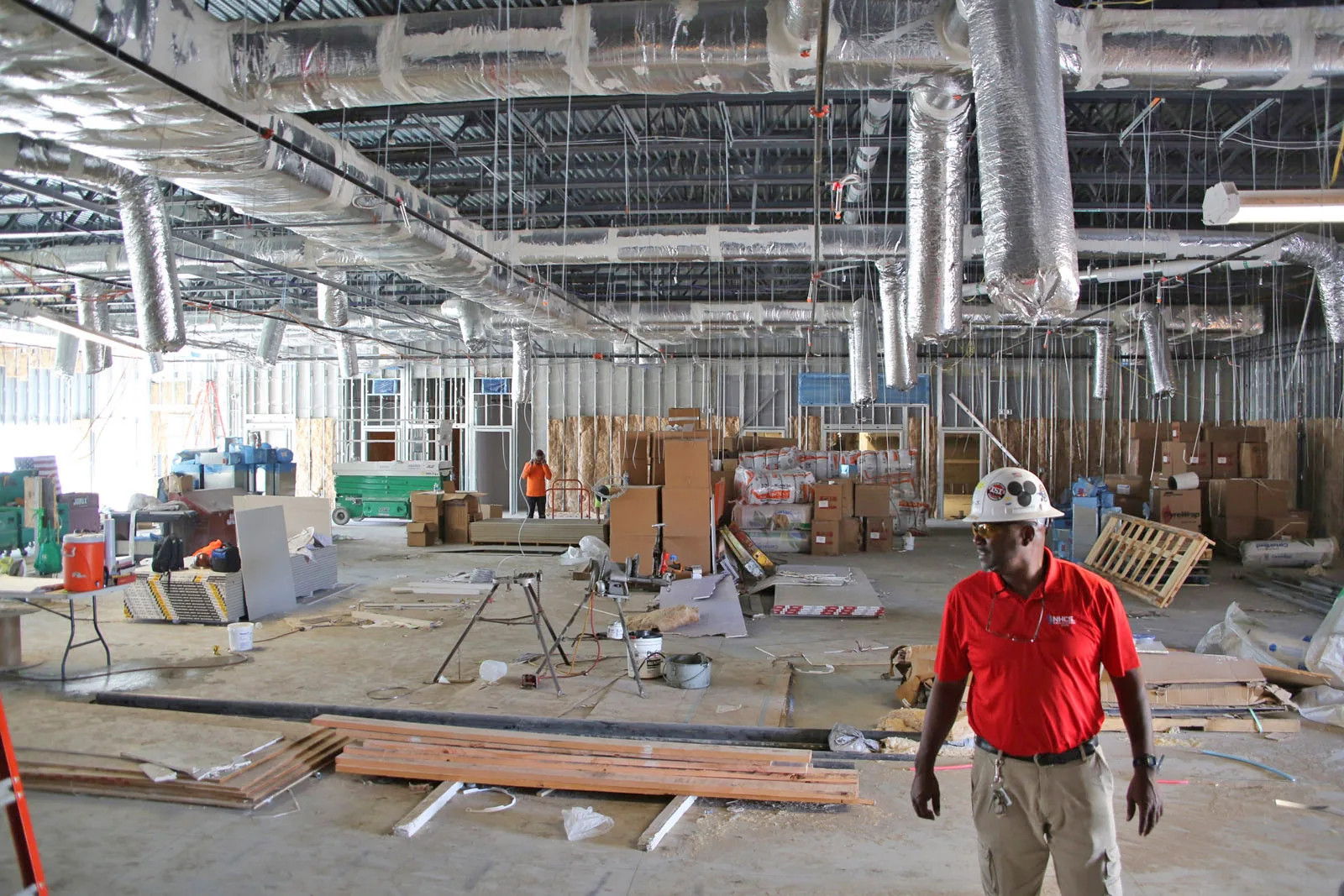
Before starting a repair, we review guest access, quiet periods, service corridors, roof hatches, material staging, and any rooms below the work area. The manager can tell us which entrances or meeting spaces need protection and whether a temporary closure is possible. We use that information to define work zones and sequence tasks so that the roof can be closed and secured at each agreed stopping point.

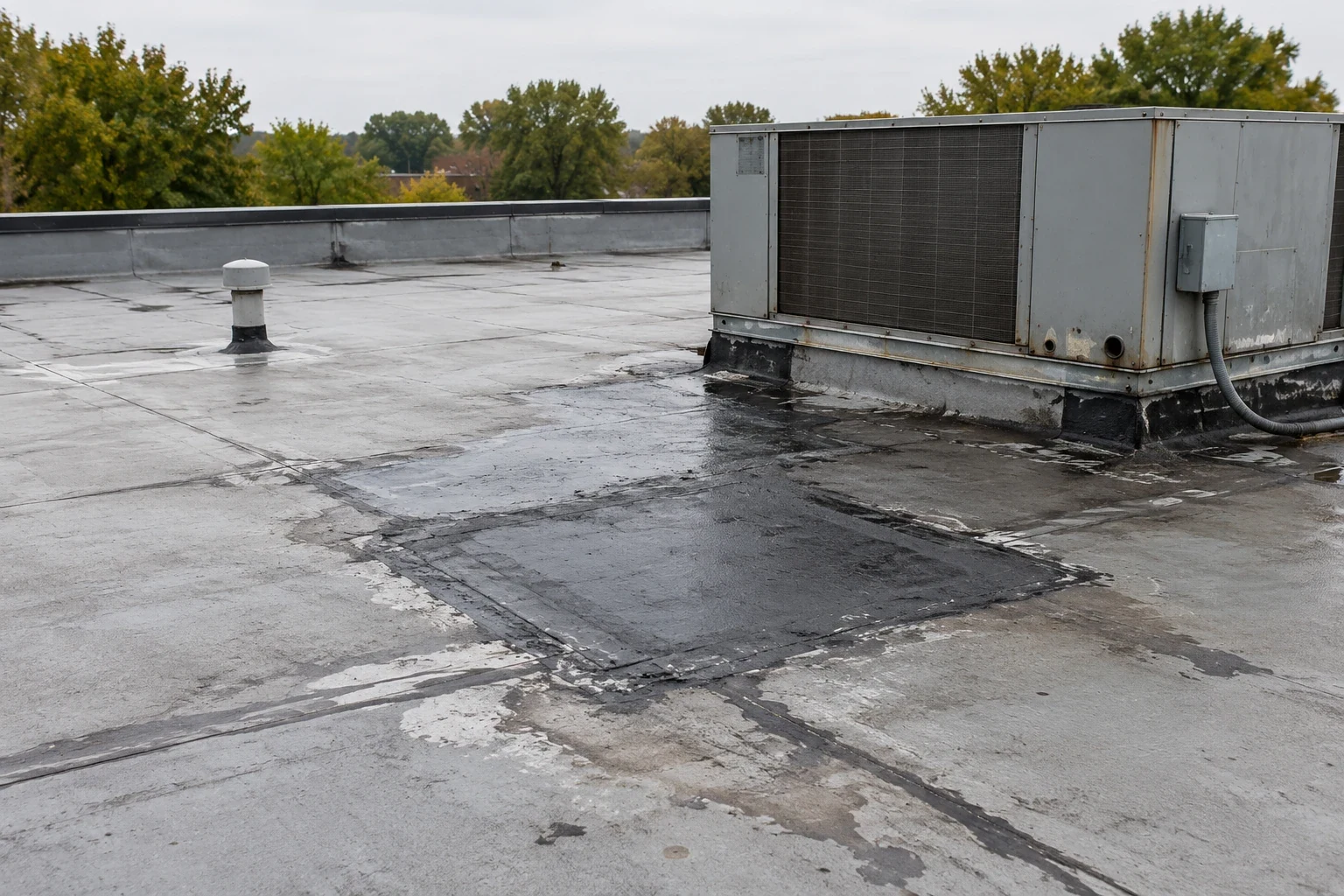
Water can travel laterally beneath a roof surface before it appears indoors. A stain near a room wall or ceiling fixture may be downstream from a seam, curb, drain, or penetration. We compare interior symptoms with roof conditions and record where the evidence supports a repair. The leak investigation service can document active entry, isolate the affected area, and identify whether additional testing is appropriate. Temporary protection is described as temporary; it does not substitute for an assessment of adjacent roof areas.

Where a guest room, kitchen, laundry area, or public space is involved, communication matters as much as access. We note the affected zone, the work planned, and the conditions that could change the scope after opening the assembly. If interior finishes or mechanical equipment need separate attention, the owner can coordinate those trades with the roofing sequence rather than treating a roof repair as a complete interior restoration.

Plan for Freeze, Thaw, and Drainage

Freeze-thaw cycles put attention on seams, edge metal, transitions, drains, and areas that hold water. We look for separated flashing, open laps, damaged sealant, lifted edges, and evidence of repeated ponding. Idaho Falls records measurable precipitation on roughly 84 days per year at Idaho Falls, with May averaging the highest monthly precipitation. The current forecast and roof surface set the work date and daily dry-in limit. The roof’s drainage condition and current weather determine the practical repair window.

At the end of each visit, we check that drains and scuppers are clear of roofing debris and that the intended water path remains open. The drainage review can be included in a maintenance visit where the owner wants documented outlet condition. We also note overflow provisions, low areas, and any interior reports tied to recent precipitation. A roof that appears dry during one inspection can still have a recurring drainage issue when conditions change.

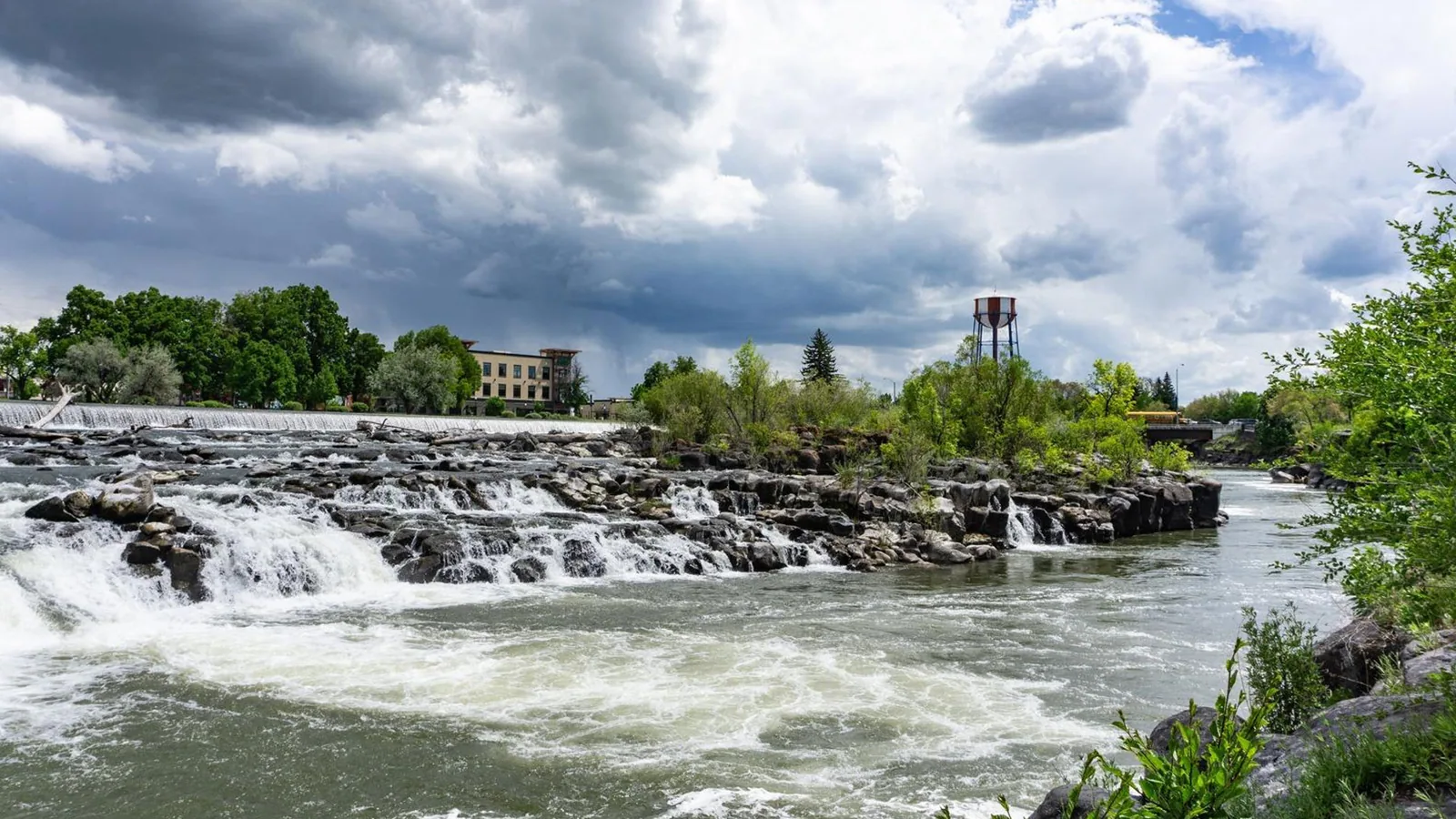
Summer heat can affect roof-surface work and material handling. We check current conditions before opening the assembly, define the repair boundary, and choose a sequence that can be prepared and closed safely. The property contact sets access around guest turnover, events, deliveries, and mechanical service. The Downtown Idaho Falls service area and Snake River Landing area illustrate the varied commercial settings across the market; the inspection remains specific to the actual building.

Separate Repair, Maintenance, and Replacement

A useful capital recommendation explains what was observed and how the next decision follows from it. We distinguish a localized repair from a maintenance item, a broader restoration opportunity, or a roof that merits replacement planning. Scope descriptions identify the roof section, known assembly layers, relevant penetrations, drainage conditions, and any limits on what could be confirmed without opening the roof. Photos help the property team compare later inspections with the starting condition.

When a building is approaching a major investment, the owner may need a more complete assembly review, moisture investigation, or design input. Idaho Falls Building Division provides references to the 2018 building, existing-building, and energy code editions. The applicable review depends on the project and authority having jurisdiction; we document observed roofing conditions and coordinate with the owner’s design or construction team where code review is required. The replacement planning service can outline sequencing, access needs, and project boundaries while owners compare roof-specific timing across the group.

Budgets are easier to compare when each option is clear. We separate immediate water-control work from improvements that can be scheduled later, and we identify where access, wet insulation, equipment coordination, or occupied spaces affect cost. A written record gives the facilities team a basis for prioritizing roofs while preserving each property’s own facts and history.

Questions About Hospitality Groups

Often the work can be phased around guest routes and room use, but the building layout and repair conditions control the plan. We confirm quiet periods, roof access, protected areas, and any mechanical shutdown with the manager before starting.

A practical inspection records the roof system, seams, flashings, drains, penetrations, equipment, visible repairs, interior reports, and access constraints. The report separates observed conditions from items that would require testing or opening the assembly.

Compare documented water entry, roof condition, drainage, repair history, and consequences for occupied spaces. We provide a property-specific scope and can summarize priorities across the portfolio without treating one building’s condition as representative of another.

Emergency response is available around the clock, including weekends and holidays. We coordinate access with the property contact, work to control active water entry where feasible, and document temporary protection and the recommended permanent repair.

Consider replacement planning when inspection findings show broad deterioration, repeated repairs, wet materials, or limited remaining service life. The next step is a roof-specific assessment and scope, with design and code review handled as the project requires.

ServicesRoof SystemsIndustriesProperty TypesService AreasDamage RepairCapabilitiesManufacturersContactAboutRequest a Roof Assessment555-555-5555
Call us today555-555-5555