Commercial Roof Condition Reports in Idaho Falls, ID Serving Idaho Falls & Eastern Idaho

Get an Idaho Falls commercial roof condition report with labeled photos, observed defects, access limits, and repair or testing recommendations.

Roof Condition Reports in Idaho Falls, ID

Roof Condition Reports

A useful roof report should let a property manager identify the condition, the location, and the next decision without guessing what a photograph shows. Idaho Falls averages record measurable precipitation on 84.3 days a year, with May averaging the most precipitation. Our report ties each observation to a roof zone, describes what was visible, and marks limits on access or testing. A facility in the Rexburg University Boulevard district has different operating context from a building in South Downtown Idaho Falls, but both need evidence attached to the individual roof. The report separates immediate water control from planned repair, further evaluation, and capital recommendations.
Roof Condition Reports in Idaho Falls, ID

Make Each Photograph Usable

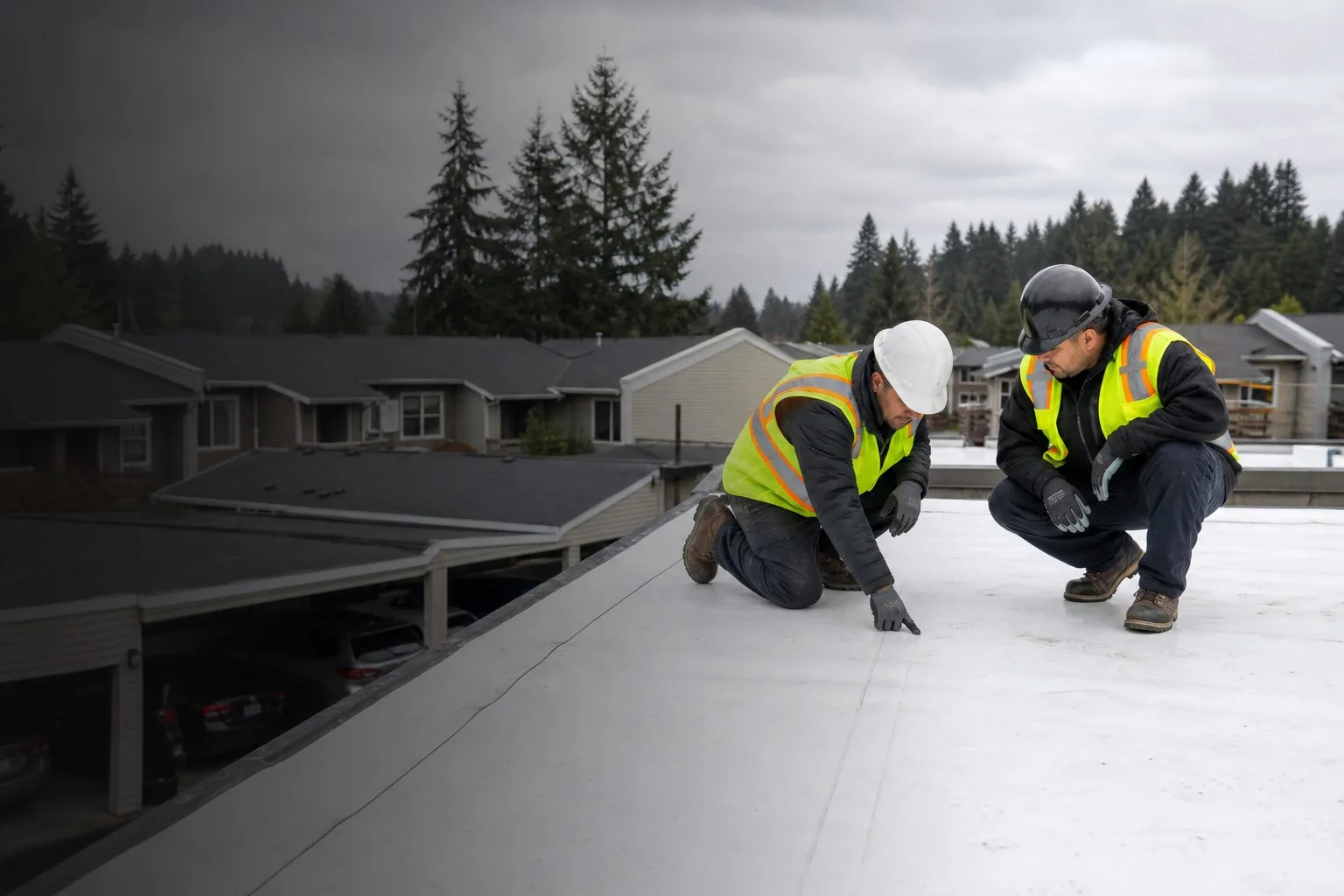
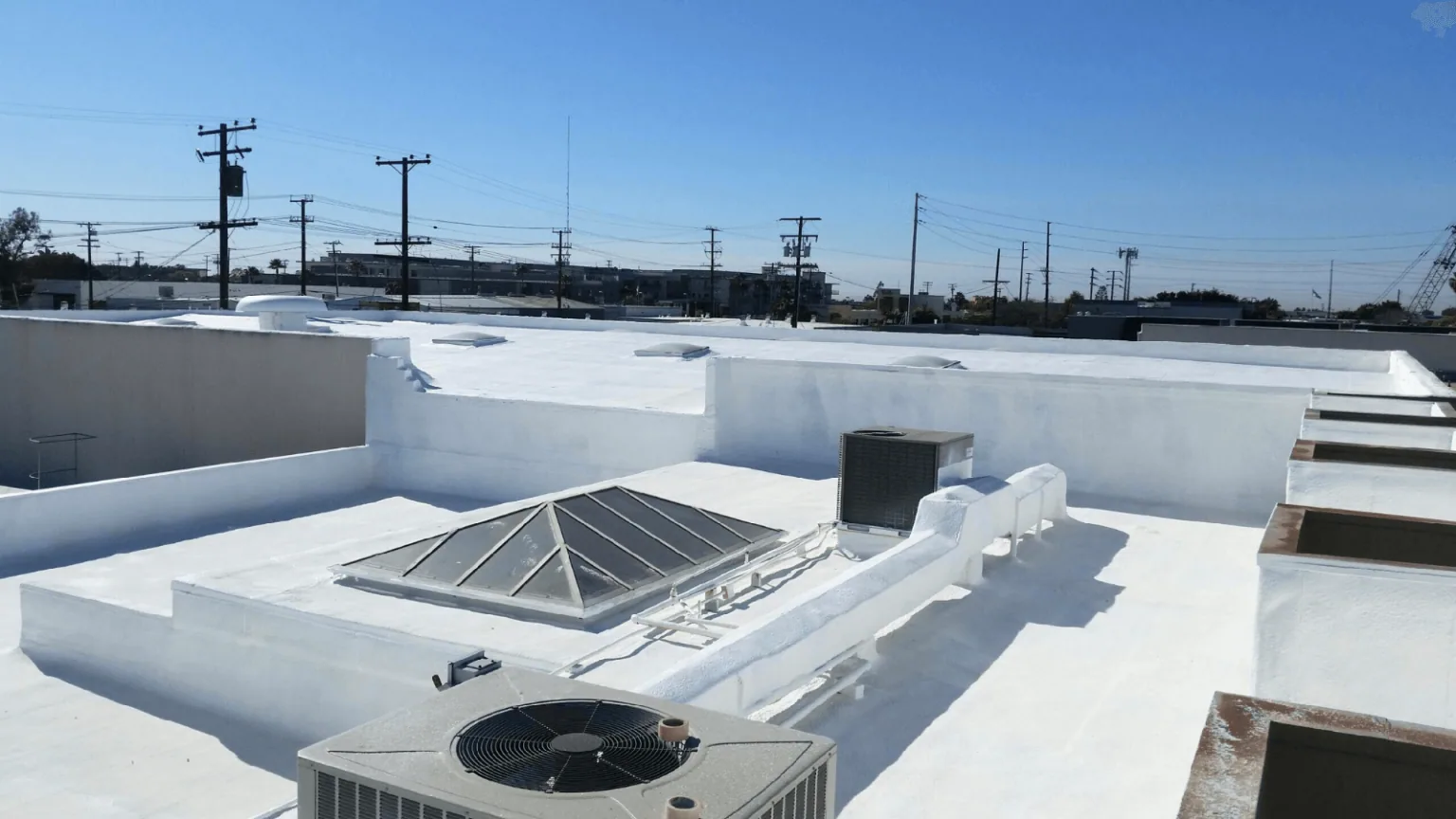
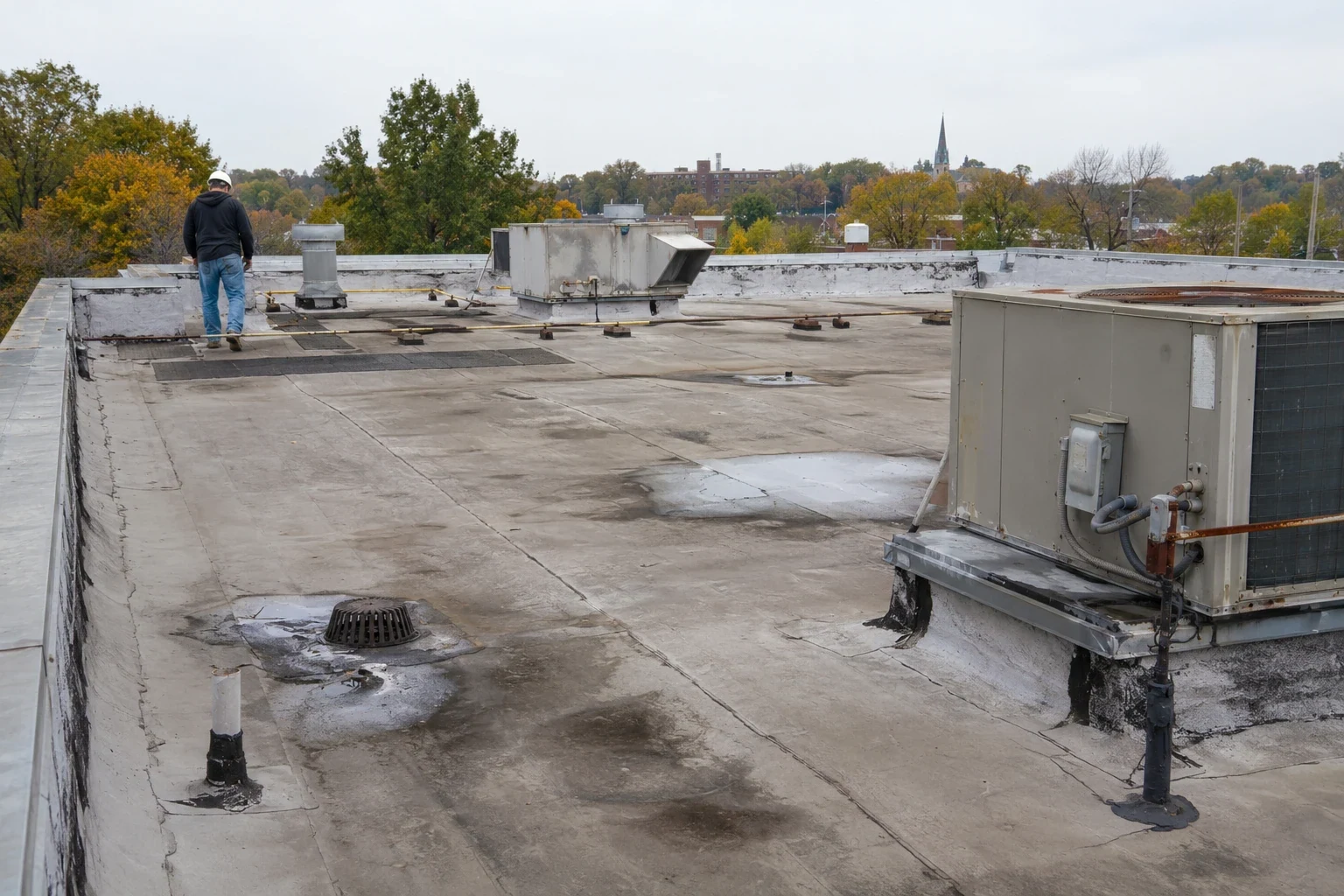
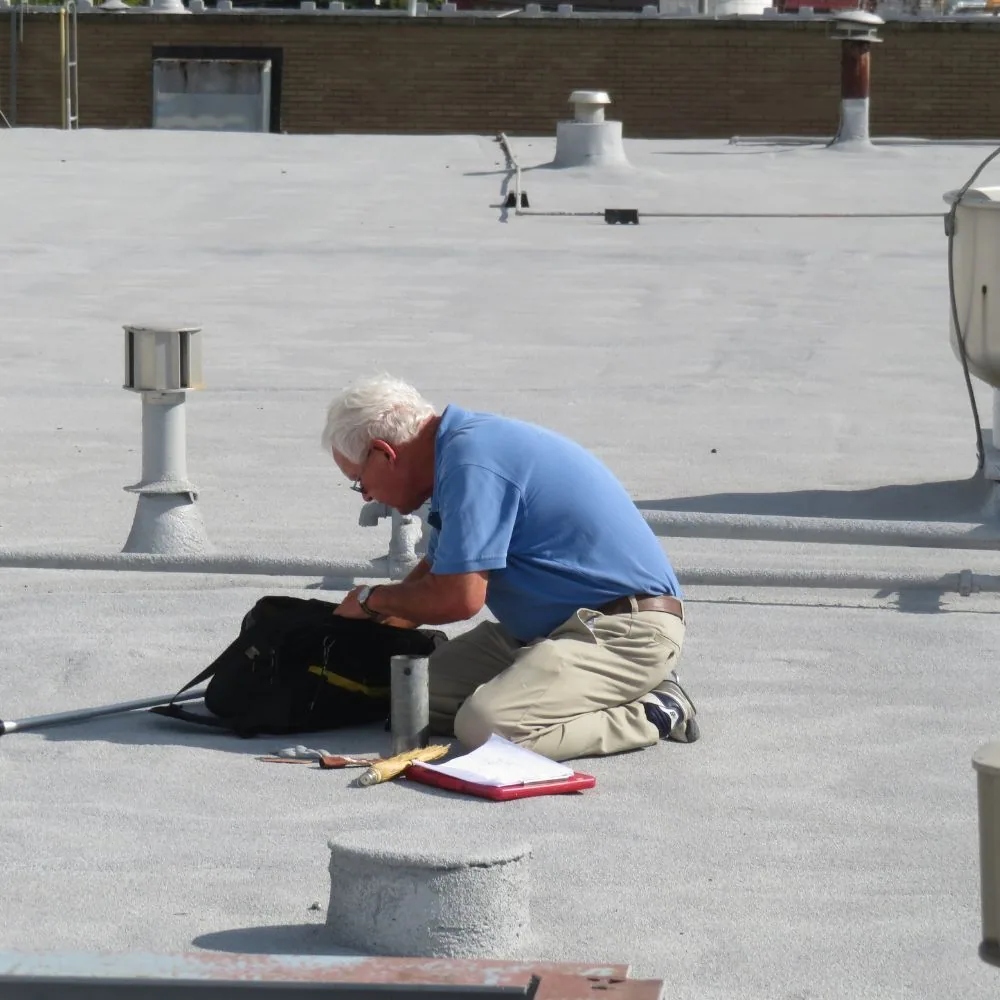
A photo without location and context can be difficult to use later. We label images by roof zone or detail, note the camera direction where it helps, and pair the image with a short finding. A drain photo can show debris, flashing, or standing water; a seam image should identify where the lap sits in the larger roof. Interior photos stay linked to the reported area without being treated as proof of the roof entry point.

Reports can include overview images, detail views, marked roof plans where available, and notes about the inspection route. If the property has several structures or roof sections, we keep the images grouped by building. A roof asset record can carry those updates into the portfolio history so the next manager can find the same location.

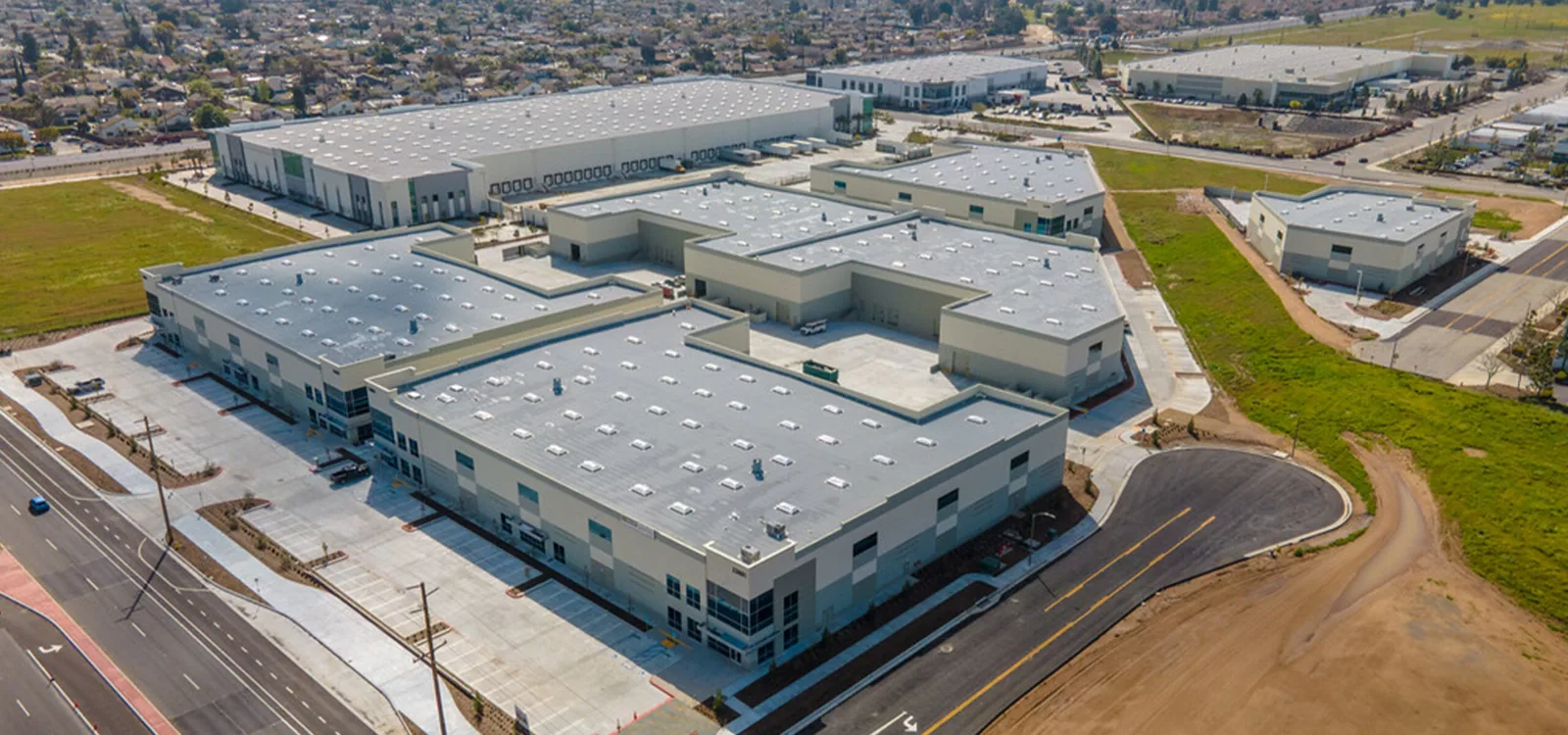
Snake River Landing is a mixed-use district with offices, dining, residential uses, and event venues. The Warehouse District combines storefront and warehousing or light-industrial uses in a broader downtown area. These settings can make roof access and work coordination different, but the report describes the property that was inspected rather than inferring its condition from a district. The Snake River Landing service area and Warehouse District service area give broad geographic context.

Separate Observation From Interpretation

A condition report distinguishes what the inspector saw from what the evidence suggests. “Open seam at a roof lap” is an observation. “Water may be entering at this transition” is an interpretation that needs to be compared with the interior sign or a test. We use direct language and identify uncertainty when an assembly layer cannot be seen.

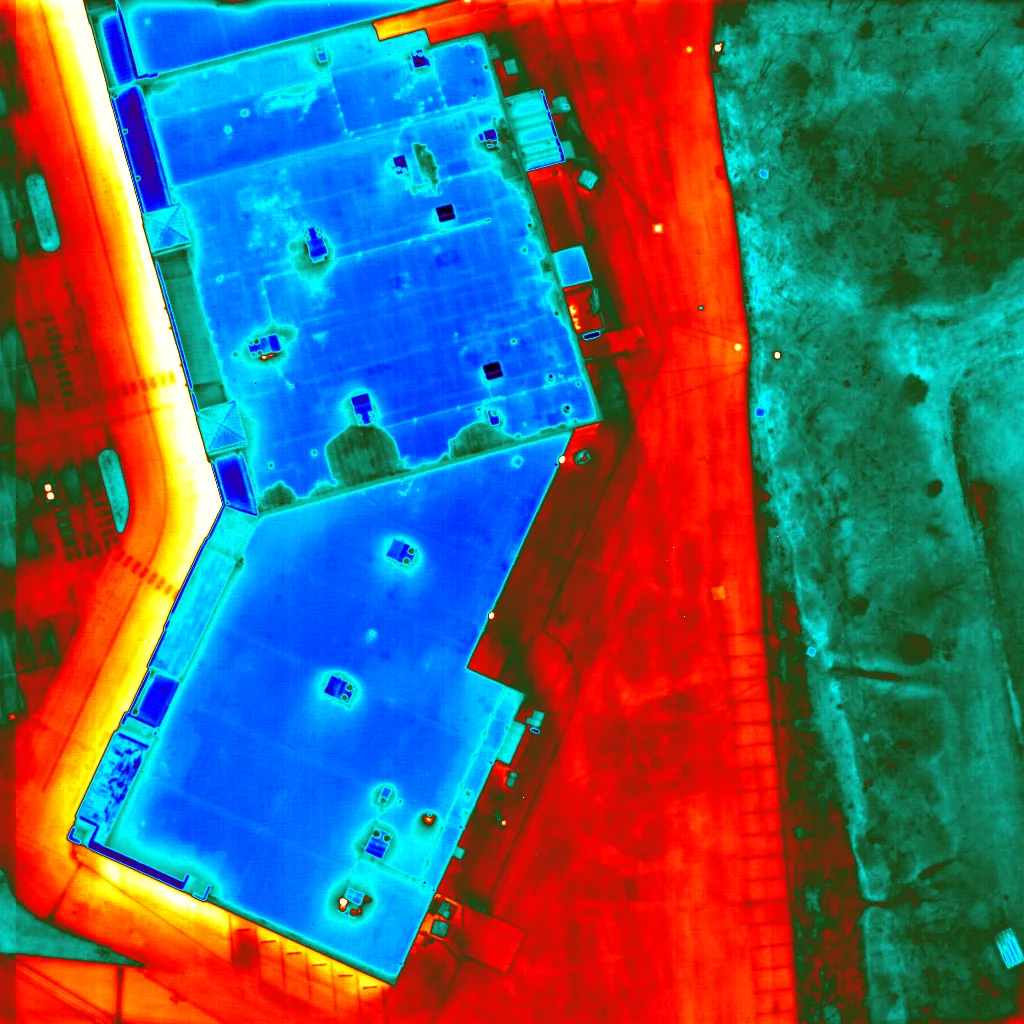
Findings may include membrane splits, loose edge metal, failed flashing, blocked drains, surface wear, ponding, soft substrate, or moisture indications. The report records where each condition appears, whether it seems localized or repeated, and what work may address it. When more information is needed, we identify a moisture survey, test cut, or follow-up inspection and explain how the opening will be closed. The infrared moisture survey can help prioritize areas for selective confirmation.

Warm-season conditions may affect access and the application of some roofing materials.

Translate Findings Into Work

The next step should be concrete. A report can identify an urgent opening, a repair that should be scheduled, a condition that needs more testing, or a broader replacement review. It should not turn every observation into an emergency. Where active entry is present, emergency response is available around the clock, including weekends and holidays. The immediate water-control work is recorded separately from the permanent repair recommendation.

Repair scopes can list preparation, material, tie-in, access, and assumptions about hidden layers. If a test confirms wet insulation or deck damage, the scope may change. A commercial roof repair can address a documented local condition; the replacement evaluation can compare broader work when findings support it. The report should show why one path is recommended and what information could change that choice.

When an owner has several buildings, condition severity and operating consequence can inform the order of work. The record should preserve the basis for each priority so future reviewers can see what was urgent, what was planned, and what was still unconfirmed.

A good recommendation connects each proposed task to a finding and a roof zone. The owner can then assign a repair, approve a test, or defer planned work with the reason recorded. If several items share one mobilization, the scope should still preserve separate boundaries so completion of one repair does not close out unrelated findings.

Document Inspection Limits and Next Steps

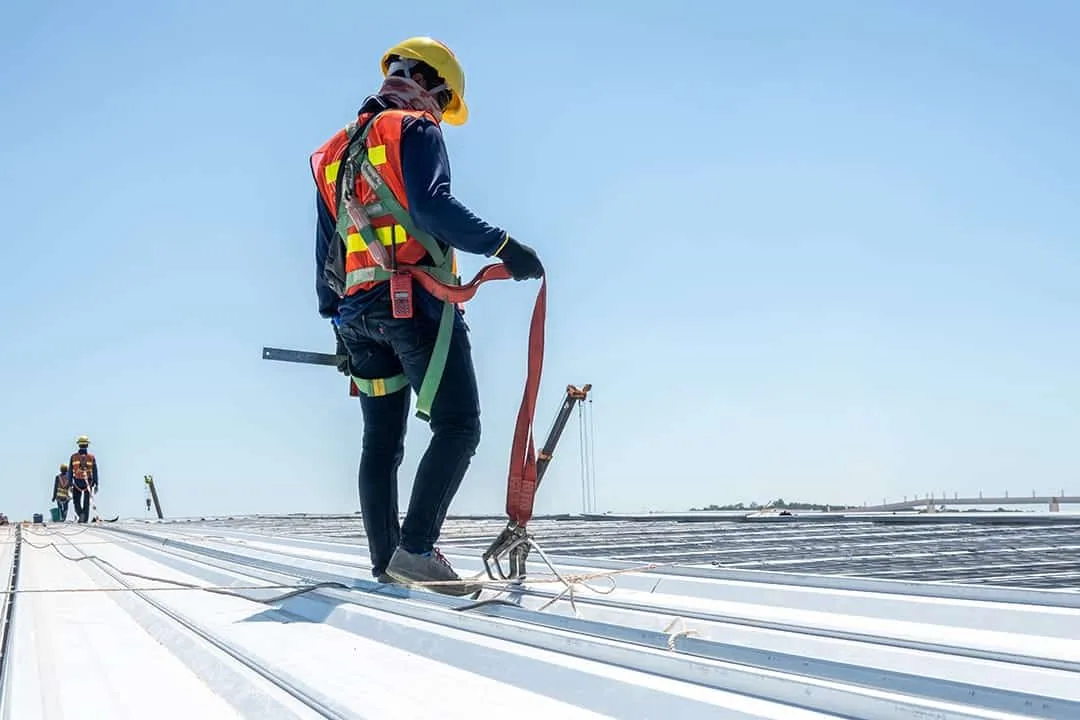
Access restrictions, ice, roof height, unsafe surfaces, locked areas, and concealed layers can limit an inspection. We identify the part that was not reached and avoid describing it as sound. If testing was not included, the report says so. A visual assessment and an invasive survey answer different questions, and the report should not imply one was performed when it was not.

Idaho Falls Building Division provides applicants with references to building, existing-building, and energy codes. A condition report documents roofing observations; it does not approve a project or replace design and permit review. If findings point to a change in drainage, insulation, or structure, the owner can take that scope to the appropriate project professional.

The capital planning service can use documented conditions to compare timing, while due-diligence survey work can establish a property baseline for a transaction. Each use needs a report that clearly shows the inspection date, roof zones visited, and any limits.

Give the Facilities Team a Next Step

We organize the report so the owner can assign actions: request a repair proposal, approve testing, notify a building contact, schedule maintenance, or carry a broader project into the capital plan. Where several departments use the file, a brief summary can identify the roof zone and decision needed before readers move into the detail record. We keep the summary tied to the photos and findings so the project team can trace each recommendation. The recommendation should state who needs to decide and what information is still missing. Photos, location notes, and scope boundaries help avoid repeat site visits for details that were already documented.

Where the property remains occupied, the report can note access routes, equipment shutdowns, tenant coordination, and areas that need protection during repair. Those are operational details, not assumptions about every building in a market. We confirm them with the facility team and keep them alongside the roof findings. A maintenance visit can follow up on exposed details and drainage items after the immediate work is complete.

A clear report gives the manager a basis for the next roof decision. It should be accurate about what was inspected, restrained about what remains unknown, and specific enough to support repair planning.

Questions About Roof Condition Reports

Include inspection date, roof areas visited, system details where identifiable, labeled photographs, observed conditions, access limits, and recommended next steps. We distinguish direct observations from interpretations and state where testing is needed.

Photos document visible conditions; a moisture survey or test opening checks layers beneath the membrane when needed. We identify areas that warrant a survey or test opening and record the method used if testing is completed.

A condition report explains findings and possible work. A repair proposal defines material, preparation, access, and cost assumptions after the work boundary is understood. Concealed damage can change quantities, so we state that limit before the owner approves additional work.

It can provide dated photographs and roofing observations for the property owner’s records. We describe the condition and proposed work without deciding policy coverage or assigning a claim outcome.

We group each inspection under its property and roof zones, then use consistent fields for condition, severity, photos, and next action. The owner can compare priorities without treating one building’s findings as representative of another.

ServicesRoof SystemsIndustriesProperty TypesService AreasDamage RepairCapabilitiesManufacturersContactAboutRequest a Roof Assessment555-555-5555
Call us today555-555-5555