Commercial Roofing for Property Managers in Idaho Falls, ID Serving Idaho Falls & Eastern Idaho

Manage roof repairs, inspections, and planned work across Idaho Falls properties with documented conditions, clear priorities, and a practical budget path.

Property Managers in Idaho Falls, ID

Property Managers

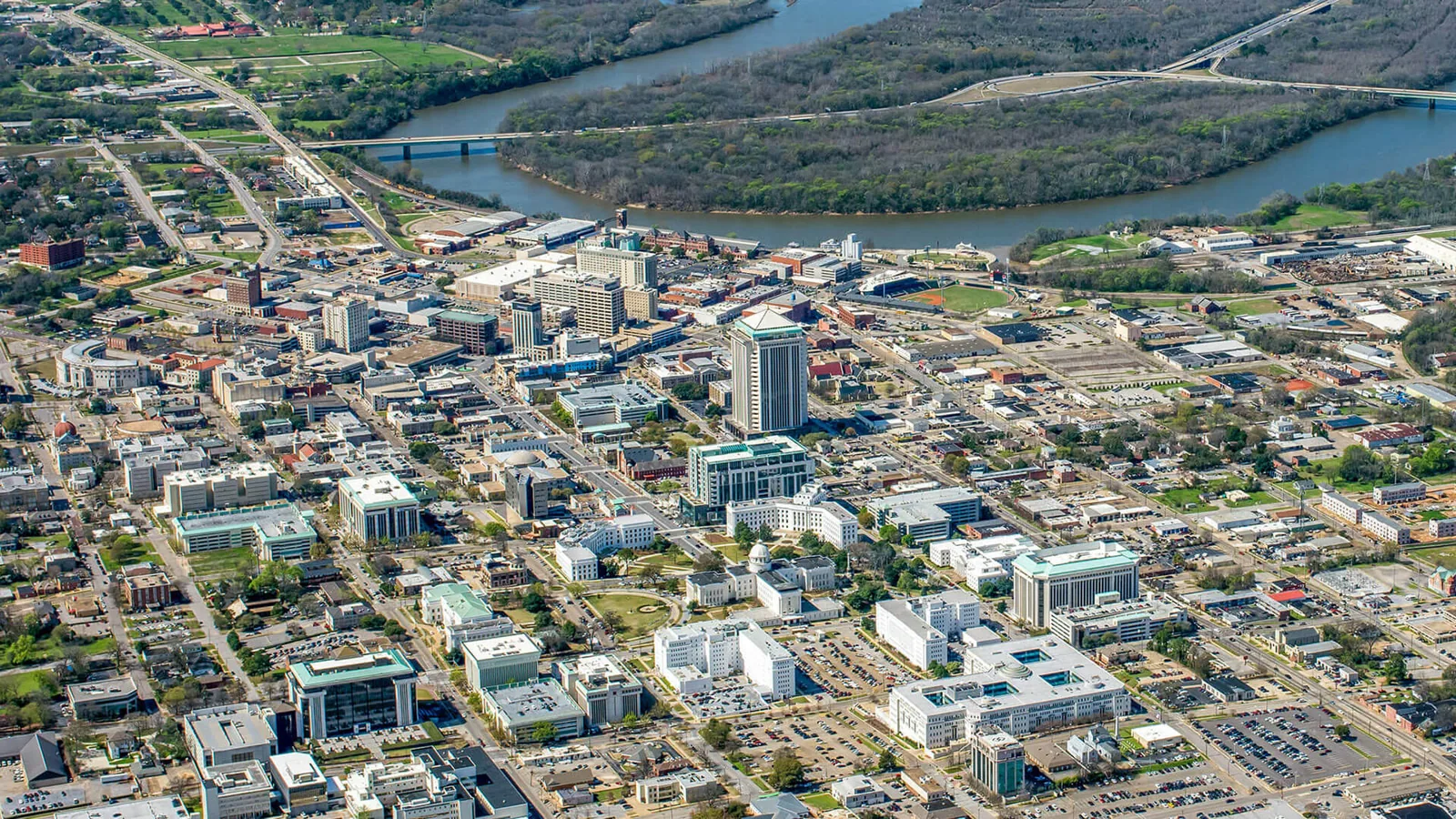
Idaho Falls moves from long freezing periods to a hot summer roof season, so a property manager needs condition records that show which details should be handled now and which can be scheduled. Idaho Falls averages record 182.2 days per year with minimum temperatures at or below freezing and 26.5 days with maximum temperatures of at least 90 degrees. They make seams, drains, edge metal, and equipment curbs useful points to track across a portfolio. We inspect each assembly, photograph findings, and separate active water control from planned repair. Idaho Falls serves as a regional hub for healthcare, travel, business, retail, entertainment, and restaurants, so a portfolio can include very different operating schedules. In Snake River Landing, offices, dining, homes, and event uses share a planned district; in the Warehouse District, storefronts sit alongside warehousing and light industrial activity. Each building receives its own scope and access plan, even when the same manager oversees several sites.
Property Managers in Idaho Falls, ID

Separate Roofs Before Comparing Them

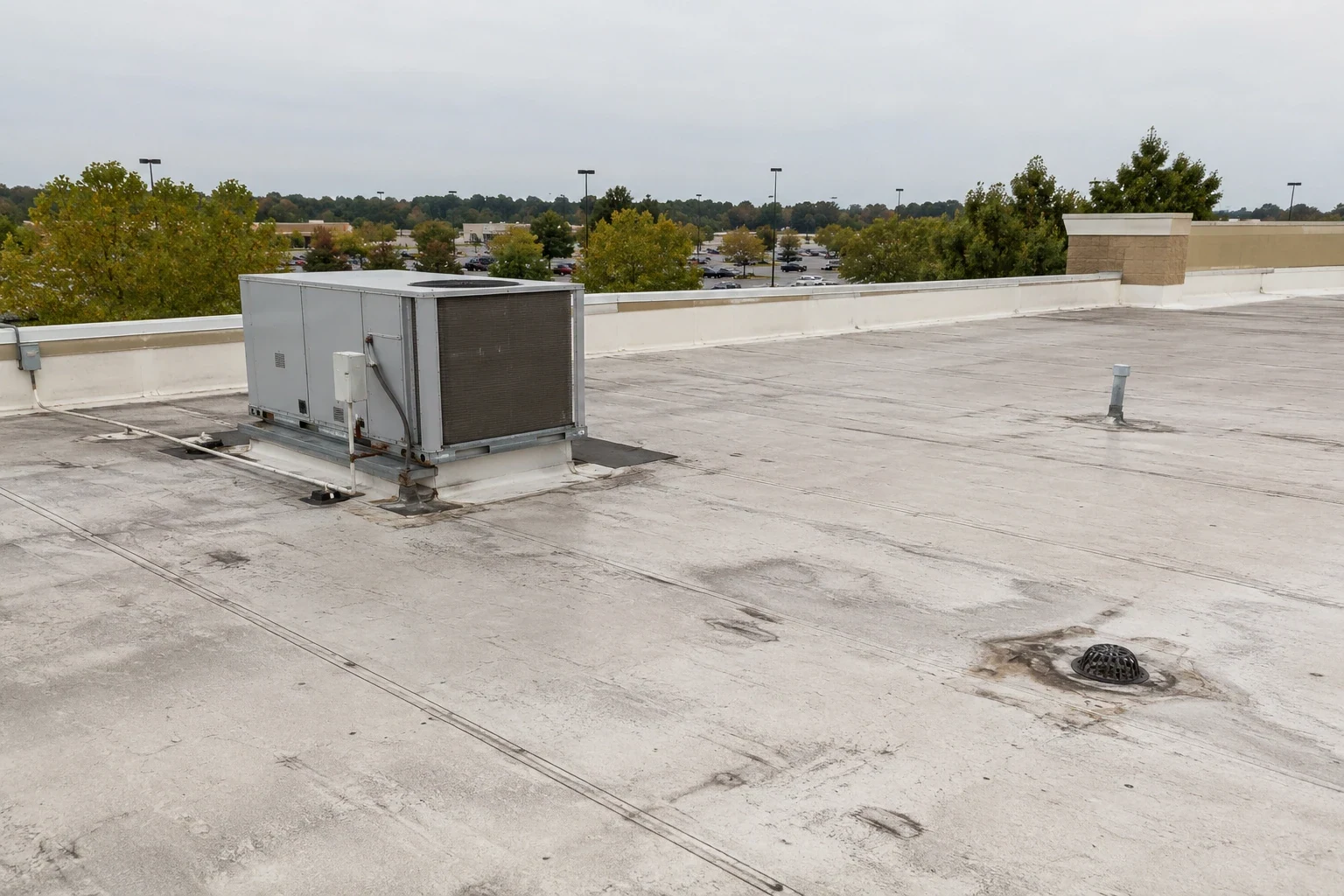
A portfolio spreadsheet can group properties by owner, but it should not treat their roofs as identical. We record membrane or metal system, visible layers, drainage, penetrations, prior repairs, access limits, and interior signs for each building. A low-slope field with several curbs has different inspection needs from a metal roof with exposed fasteners. The report keeps those distinctions visible so budget decisions are based on the actual assembly rather than an assumed age or use.

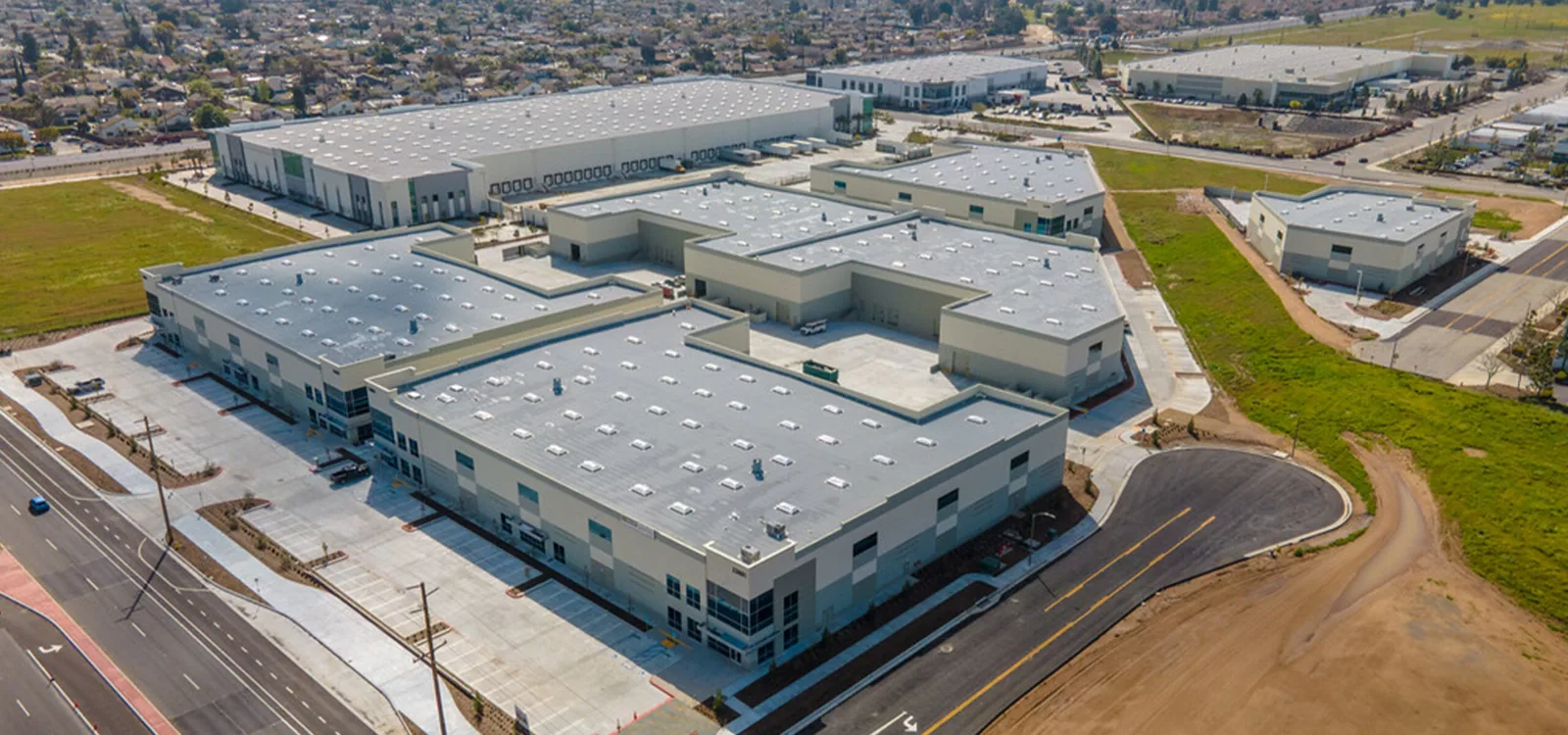
Idaho Falls industrial areas include processing, storage, warehousing, wholesale distribution, and railroad-related activity. Managers with industrial assets may need to preserve loading access or coordinate work around material movement. A downtown retail property can have narrow staging options and customer entrances to protect. We capture the operating constraints with the roof conditions, then set a site-specific order for inspections and repairs. The multi-property roof program can use a common record format without forcing every location into the same repair schedule.

A manager responsible for clinics can also coordinate access and sensitive interior zones through health-system roof planning. For ownership groups comparing assets, investor roof reporting keeps each building's condition tied to its own capital decision.

For each roof, we identify urgent defects, recommended testing, maintenance, and longer-range capital needs. A recurring leak at one property should not automatically move ahead of a loose edge at another without understanding exposure and interior impact. We document the condition, likely consequence, and next field action. That gives the property manager a comparison that can be defended when ownership asks why one scope is scheduled first.

Build a Seasonal Review

Freezing and thawing can work at seams, terminations, drains, and flashing corners. Snow may obscure an outlet or delay safe access, while summer heat can affect application windows for some materials. We note which details are exposed and whether a condition is changing between visits. Idaho Falls averages 182.2 freezing-minimum days each year; inspect each property to determine whether seams, drains, or flashing need repair. Photos tied to roof zones help a manager compare the same curb or drain in spring and fall.

May is the wettest month by mean precipitation in the Idaho Falls averages, at 1.57 inches. Use the current forecast, roof condition, and system application limits to set each maintenance or repair window. We can review drainage and temporary water-control needs before the wettest average month and note any work that requires a suitable weather window. If a repair cannot be completed immediately, the report identifies interim protection and the follow-up condition rather than leaving a vague reminder.

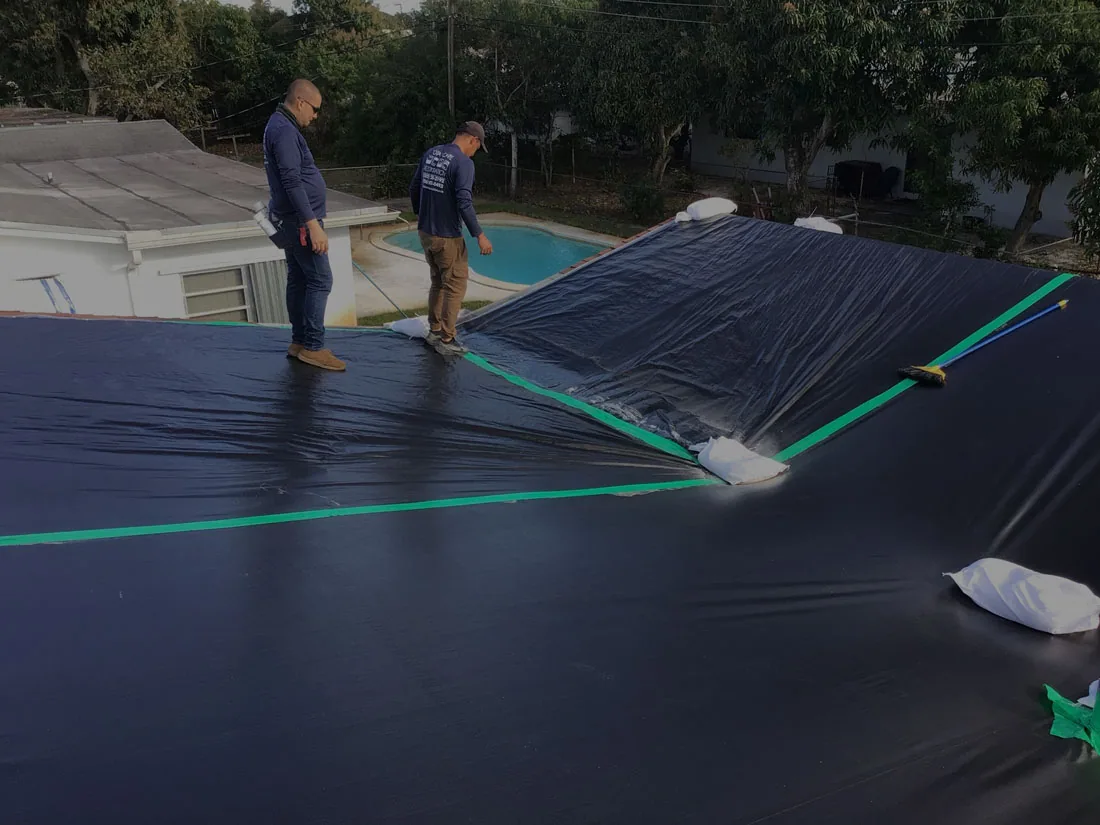
When a roof condition needs emergency attention, crews can respond at any hour, holidays and weekends included. We coordinate safe entry and interior protection, then record what was temporarily secured and what permanent work remains. Our emergency roof response does not replace the portfolio inspection record; it creates a specific entry for that event and building.

Turn Findings Into Work Orders

A useful report states where the issue is, what was observed, how it affects water control, and what action is supported. We include photos, accessible areas, tests, and limitations. If a moisture concern needs direct verification, we identify the test location and the decision it will inform. If the substrate is sound and the opening is local, a repair may be sufficient. Widespread moisture, weak attachment, or unresolved drainage can shift the comparison toward a recover or replacement scope.

Cost drivers should be visible before work is approved. Access, staging, surface preparation, roof openings, wet insulation, metal transitions, disposal, and weather delays can change the work. We write the base repair separately from concealed-condition allowances and optional improvements. This helps a manager compare bids on scope, not merely on a total. A hands-on inspection can support a capital meeting with photos and location-specific notes.

Where a building is occupied, the work order also names entry controls, tenant notifications, air-intake protection, and trade handoffs. Snake River Landing includes offices, dining, residences, and event venues, while the Warehouse District combines storefront and industrial uses. Those broad local contexts illustrate why staging and operations are confirmed property by property. The manager supplies access rules and contacts; we set a sequence that limits exposed roof area and identifies who approves field changes.

Keep Repair and Capital Decisions Connected

Repair records become more valuable when they feed the next budget review. We track whether a prior patch remains bonded, whether drainage has changed, and whether new rooftop work has disturbed flashing. After closing the leak, we inspect nearby seams, drainage, and roof zones to identify any related work that should be planned. Reinspection can update the remaining scope and help ownership decide whether to continue local work or plan a broader project.

When a repair grows into an assembly replacement, the manager should keep permit and energy questions with the project team. We document roof layers and proposed work, then call out where design or approval review needs to be resolved before the scope advances.

At the end of a visit, the manager should have a clear list: what needs immediate water control, what can be scheduled, what requires more testing, and what remains inaccessible. A preventive maintenance plan can revisit drains, seams, and exposed details, while replacement planning can use the current record to define removal, tie-ins, and phasing. The work stays tied to the observed roof and the property calendar.

Questions About Property Managers

We use consistent fields for assembly, drainage, defects, photos, access, and next steps, while keeping each building’s findings separate. A warehouse near the Idaho Falls Warehouse District and an office in Snake River Landing may share an owner but not roof construction or operating limits. The portfolio view compares priority; it does not substitute one roof’s condition for another.

Start with active leaks, open transitions, drainage restrictions, wet insulation, and exposed attachment details. We document which items need immediate water control and which can be scheduled. Idaho Falls averages describe frequent freezing and a May precipitation peak, but current roof findings and the forecast determine timing for each property.

Yes. We set work zones, material routes, noise windows, equipment coordination, and entrance protection with the site contact. Idaho Falls includes active retail, healthcare, industrial, and education uses, so the sequence should reflect the actual operation rather than use a single portfolio-wide schedule.

Call for emergency roof response. Around-the-clock coverage includes nights, weekends, and holidays. We coordinate safe access, reduce active water entry where possible, document temporary protection, and define the permanent repair follow-up for that property.

Compare them when moisture spans several areas, attachment is weak, repairs recur, or drainage and substrate conditions remain unresolved. We identify the evidence and cost drivers for each path. The roof inspection record helps ownership see what is confirmed and what needs a test before committing capital.

ServicesRoof SystemsIndustriesProperty TypesService AreasDamage RepairCapabilitiesManufacturersContactAboutRequest a Roof Assessment555-555-5555
Call us today555-555-5555