Commercial Roofing for School Districts in Idaho Falls, ID Serving Idaho Falls & Eastern Idaho

Plan Idaho Falls school roof inspections and repairs around occupied buildings, campus access, seasonal weather, drainage, and district budgets.

School Districts in Idaho Falls, ID

School Districts

Idaho Falls averages includes an average 14.7 days each year when minimum temperatures reach zero degrees or below. That severe-cold measure is a useful prompt for district facilities teams to set safe inspection and repair windows, especially when roof access or materials are weather-sensitive. We inspect the actual school roof and use current conditions and product instructions to set the work window. We inspect the actual roof, map the affected zones, and separate immediate water control from repairs that can be scheduled between school activities. Idaho Falls has a regional medical center, and College of Eastern Idaho includes healthcare education, technical, classroom-laboratory, and industry/trades buildings. That institutional setting makes access, indoor protection, and trade coordination important. District roofs still require building-specific findings. Downtown and South Downtown form Idaho Falls’ connected core, where property access and staging still need direct coordination with the school district. Idaho Falls Warehouse District includes storefront and light-industrial uses, while Snake River Landing combines offices, residences, dining, and event venues. Those commercial settings differ from a school campus, so we confirm access and delivery needs at each building.
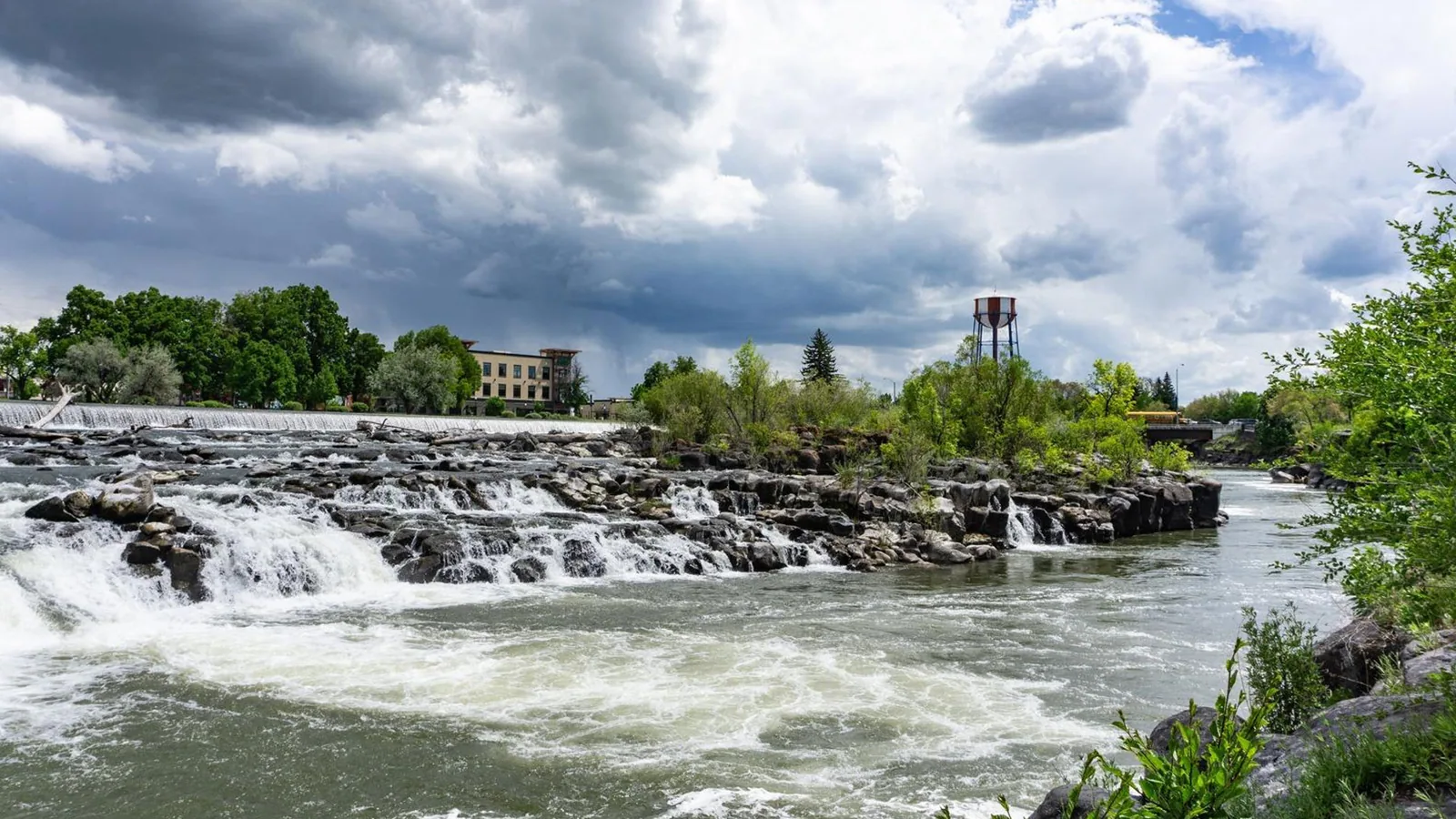
School Districts in Idaho Falls, ID

Set the Work Around the School Calendar

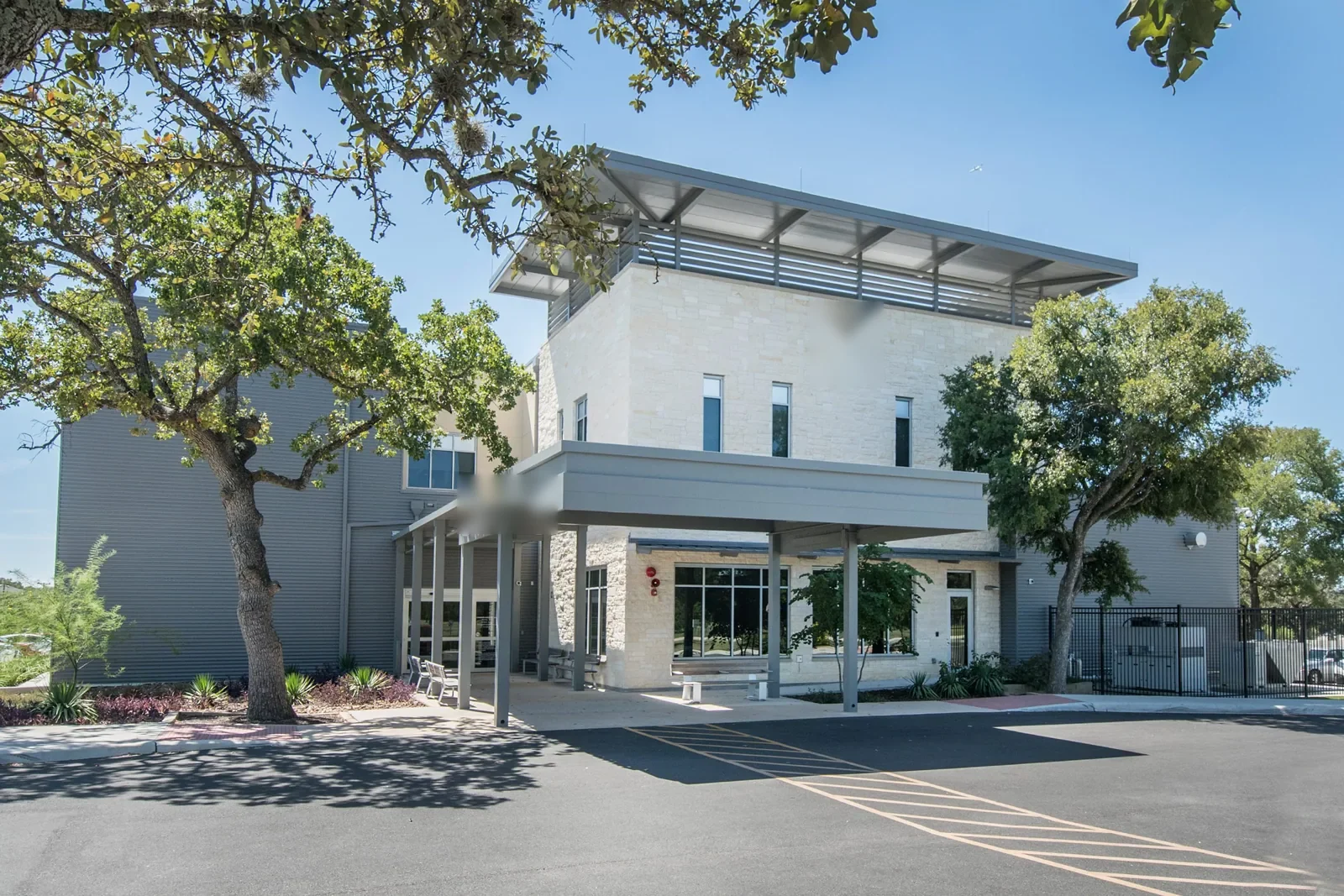
Roofing work at an occupied school needs a sequence that protects students, staff, visitors, and building systems. We identify the roof zones, access points, noise-producing tasks, material routes, and areas below that need protection. The district supplies dates for classes, summer programs, events, and maintenance windows. We then set which roof areas can be opened, how they will be closed each day, and who can approve a change if the assembly differs from the plan.

Not every repair needs a school break. A localized detail may be handled during an agreed window if access can be controlled and interior use remains protected. A larger tear-off may need phases, temporary weather closures, or a summer schedule. We confirm air intakes, classroom areas, kitchens, gymnasiums, data rooms, and other sensitive spaces with the district; those are operational checks, not assumptions about a particular building. The occupied-building reroof plan records how staff circulation, deliveries, and temporary barriers fit the roofing work.

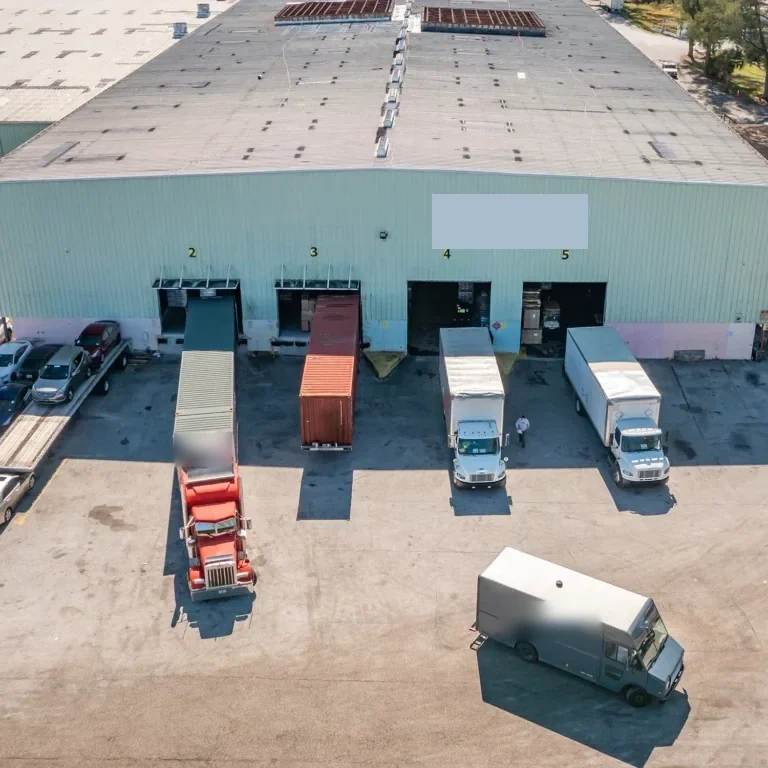
The Idaho Falls Warehouse District contains storefronts together with warehousing and light industrial uses. That broader area shows why roof work near active service and delivery routes requires staging coordination. School districts have different circulation needs, so we confirm each campus gate, bus route, and delivery window with the site contact before setting the work boundary.

When a leak occurs during school use, we can respond around the clock, including weekends and holidays. The urgent scope focuses on safe access, interior protection, and temporary water control. A later field check establishes the permanent repair boundary and identifies any wet insulation or damaged substrate before the final cost is set.

Inspect the Roof Above the Interior Sign

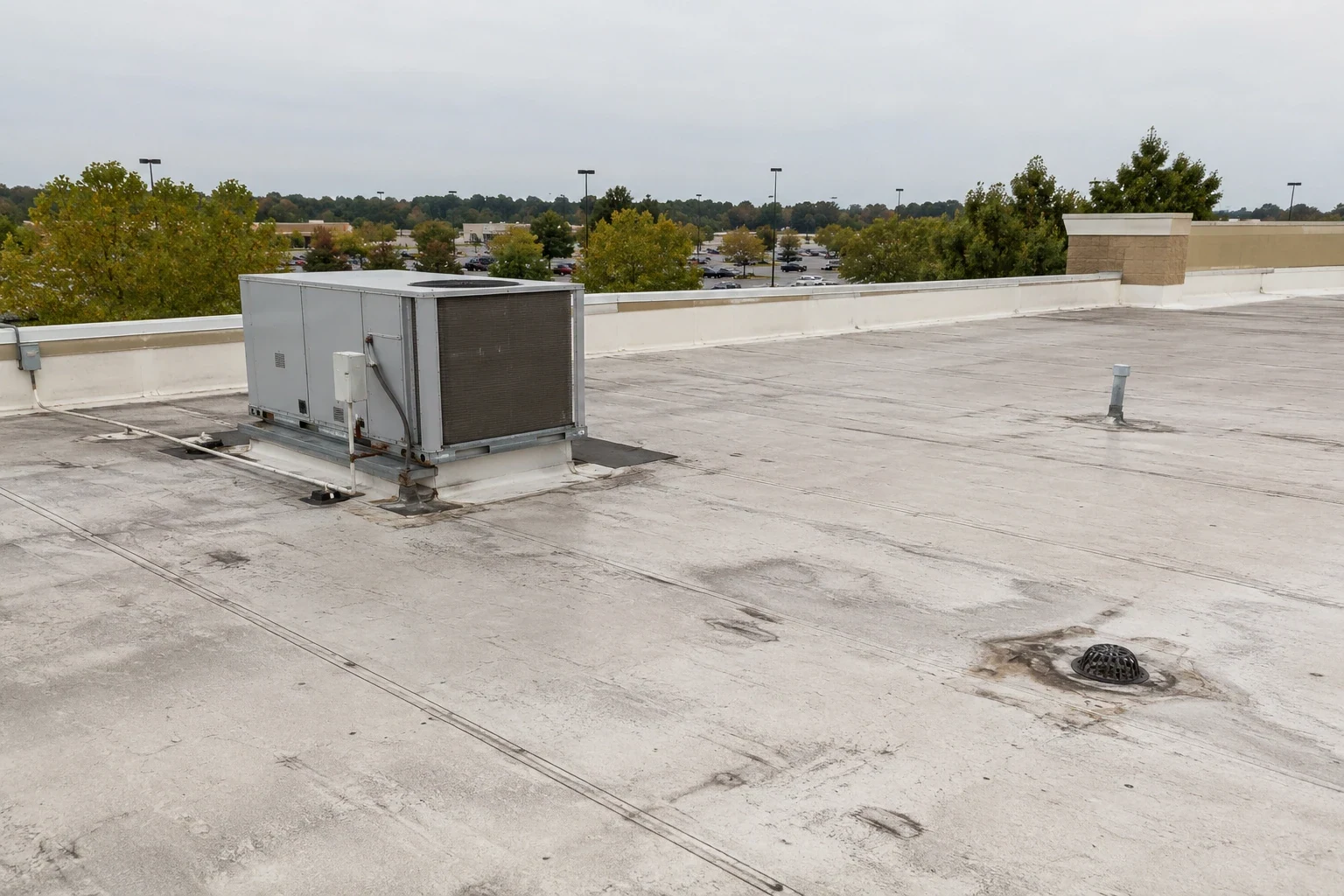
A ceiling mark in a classroom or office should be compared with the roof zone above, but water can travel along a deck flute or insulation seam before appearing inside. We inspect membrane seams, curbs, wall transitions, skylights, drains, and previous repairs. The report shows the likely path, what was visible, and whether testing is needed. That distinction helps district staff decide whether an area can remain in use while a repair is prepared.

College of Eastern Idaho’s campus map includes classroom-laboratory, technical, mechanical, and healthcare-education buildings. These are named building types in a postsecondary campus, not a claim about any school district roof. They show how different instructional spaces can have varied equipment and access concerns. A district provides its own roof plans and building contacts; we use them to map which spaces need protection beneath a repair zone.

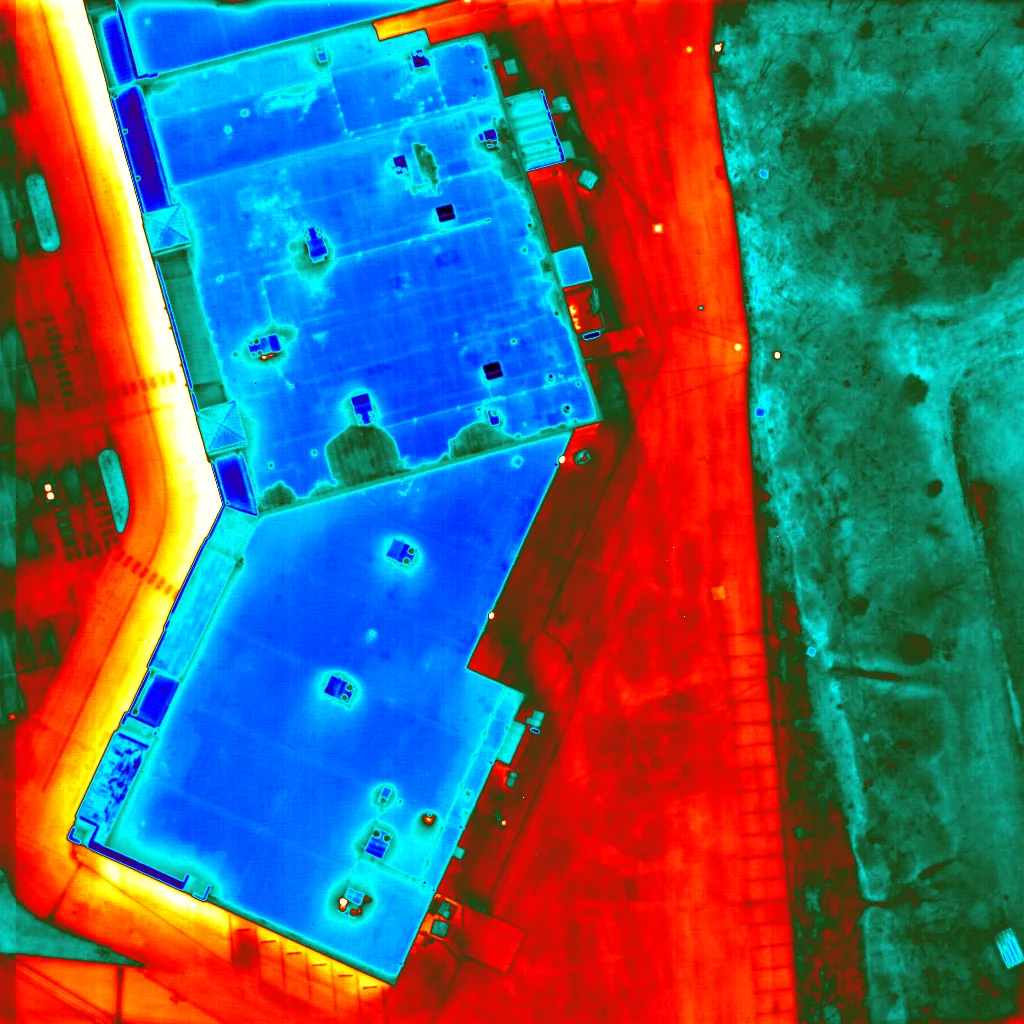
Moisture checks help when the membrane hides the insulation condition. An infrared scan can map temperature patterns; verify suspected moisture with a core or other approved test before specifying insulation replacement. A targeted moisture survey can locate areas for direct verification. If a cut is required, we agree on its location and closure method, photograph the layers, and explain whether the repair boundary extends beyond the apparent leak.

Respect Winter Access and Spring Water

Snow and ice can make roof access unsafe or cover a drain, flashing, or seam that needs review. Freezing temperatures can also restrict some installation methods. We record inaccessible areas and return when conditions allow a useful inspection. Idaho Falls averages show Idaho Falls has measurable precipitation on 84.3 days per year and the highest monthly mean in May, at 1.57 inches. The district calendar and current forecast set the work window; protect drains and define a daily closure point before opening a roof area.

A school roof plan should identify which drains and overflows must remain clear while work is underway. We protect outlets from debris, check the path water takes across the roof, and confirm temporary closures before leaving. If ponding is reported, we distinguish a blocked drain from a low area or a slope concern. A drain and scupper review can be included where the water-control path involves those details.

Summer heat can affect access and material handling even when students are away. The district and general contractor confirm safe delivery and roof access, while we follow the selected system’s installation limits. The crew checks actual conditions, prepares only the area that can be closed, and records any weather hold that changes the sequence.

Give the District a Defensible Scope

Each scope lists roof zone, observed defect, preparation, compatible material, flashing or seam detail, access conditions, and closeout photos. If hidden conditions could change the work, we identify that possibility and stop at an approval point if it is discovered. The district can compare base repair with testing, insulation removal, or replacement options rather than approving an undefined allowance.

When a proposed repair expands into a change to insulation, drainage, or the roof assembly, the district should confirm the applicable permit and design review with its project team. Our field record describes the existing layers and the roofing work proposed, giving the district a clear point to carry into its own review process.

For a district portfolio, one report format makes work easier to compare across schools, but the buildings keep separate condition records. The portfolio management approach can track planned repairs and recurring maintenance; a public-agency scope review can support procurement, approvals, and documentation where the district’s process requires them. Each roof still receives its own inspection, access plan, and repair boundary.

Questions About School Districts

It can when the district and contractor can separate access, noise, interior protection, and roof zones safely. We coordinate the schedule with school operations and close each exposed area at the agreed boundary. The exact sequence depends on the work and building access, not a blanket rule for every school.

Provide roof plans, access rules, known leak locations, building contacts, and the school calendar constraints. Identify sensitive rooms, air intakes, equipment, and any areas that cannot be entered. That information helps us map the roof findings to a workable district sequence.

Not always. Water can travel through the assembly before it appears inside. We compare the interior sign with seams, curbs, drains, and wall transitions above, then recommend direct testing when the moisture boundary cannot be established visually.

Yes, by reviewing drainage and known defects in advance, while leaving room for current weather and safe access. May has the highest average monthly precipitation at the nearby Idaho Falls. We set the schedule against actual conditions and the school calendar.

Compare options when moisture is widespread, substrate or attachment is weak, or repeated local work no longer controls the condition. We document the evidence, the areas tested, and the work that can remain separate so budget approval is based on a defined scope.

ServicesRoof SystemsIndustriesProperty TypesService AreasDamage RepairCapabilitiesManufacturersContactAboutRequest a Roof Assessment555-555-5555
Call us today555-555-5555