Commercial Roofing for Insurance and Restoration Work in Idaho Falls, ID Serving Idaho Falls & Eastern Idaho

Document Idaho Falls commercial roof conditions, temporary protection, repair scope, and restoration coordination for property teams.

Insurance and Restoration Work in Idaho Falls, ID

Insurance and Restoration Work

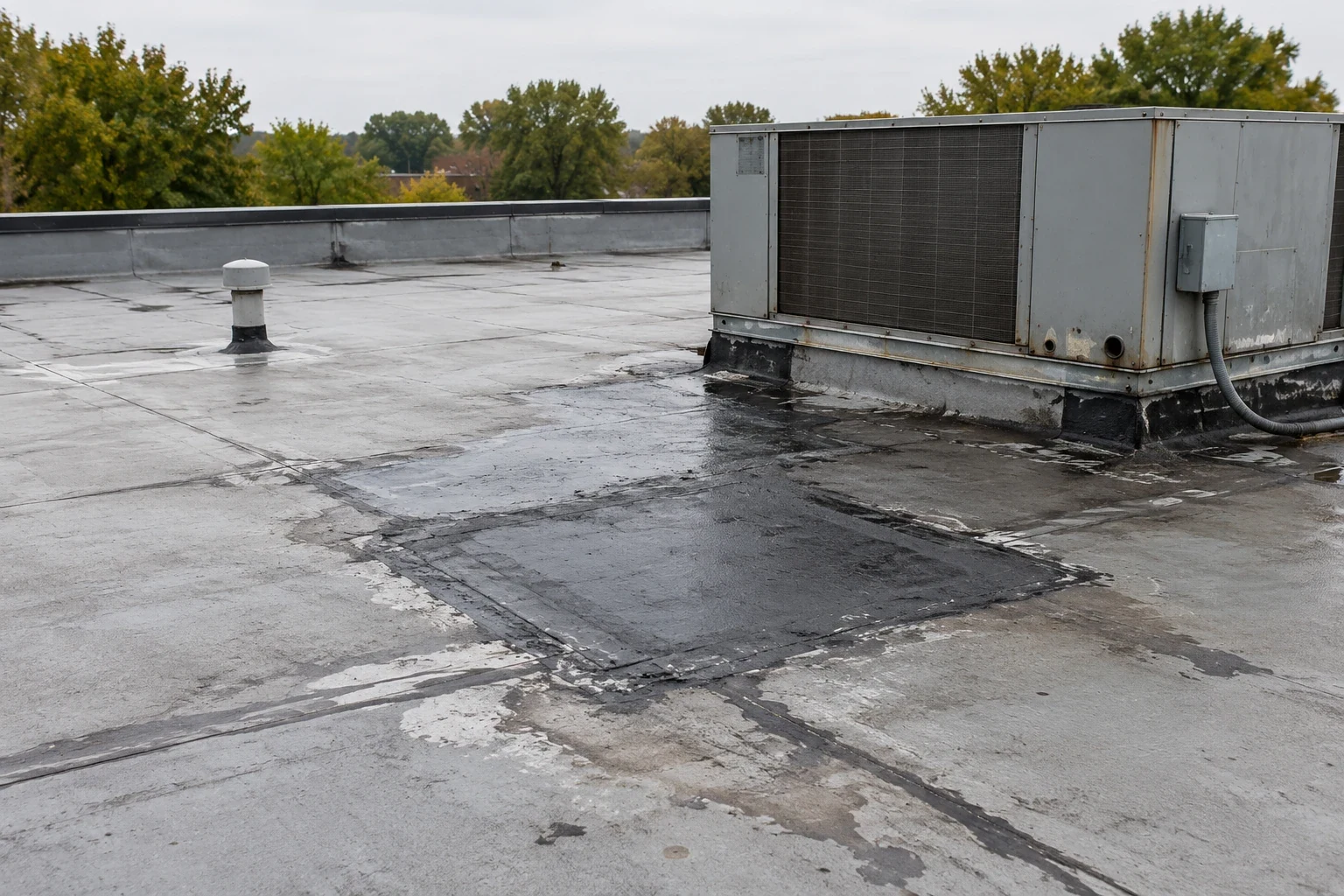
After a roof event, the first useful step is a clear record of what can be observed and protected. A commercial property may need temporary water control while the owner, adjuster, and restoration team determine the permanent scope. In Idaho Falls, winter conditions can complicate that sequence. Idaho Falls averages show an average January temperature of 20.4 degrees, and minimum temperatures fall to or below freezing on about 182 days each year. We compare the property’s roof condition with the reported event and document the repair method supported by the inspection. We inspect the affected roof area, document visible conditions, and distinguish observed damage from prior wear or conditions that need further evaluation. The report can include photographs, roof-zone notes, interior symptoms, drainage observations, and the limits of what could be confirmed without opening the assembly. For buildings in Downtown or the broader Snake River Landing district, we coordinate access with the property contact and keep the scope specific to the actual roof. An insurance claim roof assessment supports the owner’s documentation process without deciding coverage or replacing the insurer’s review.
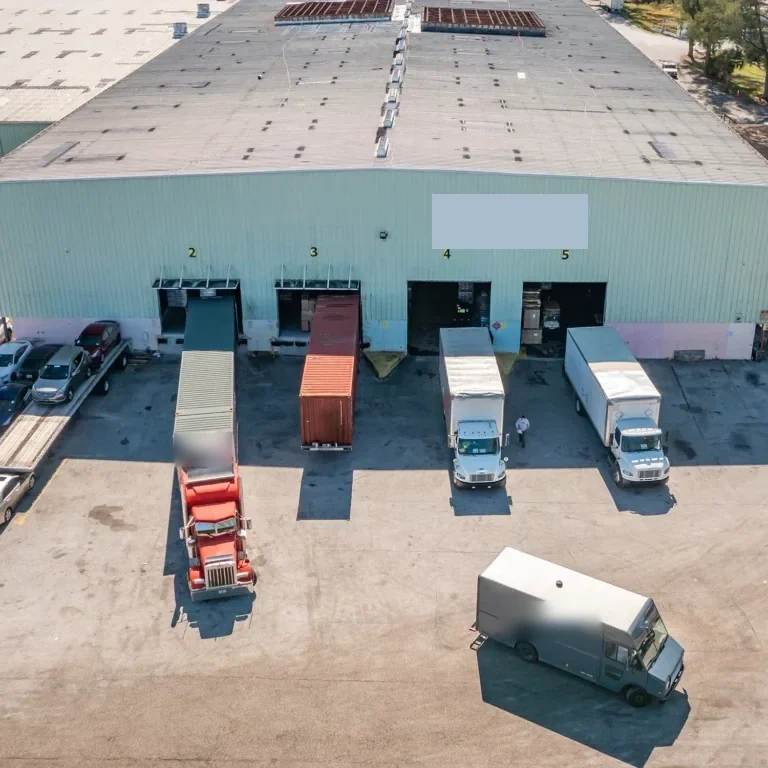
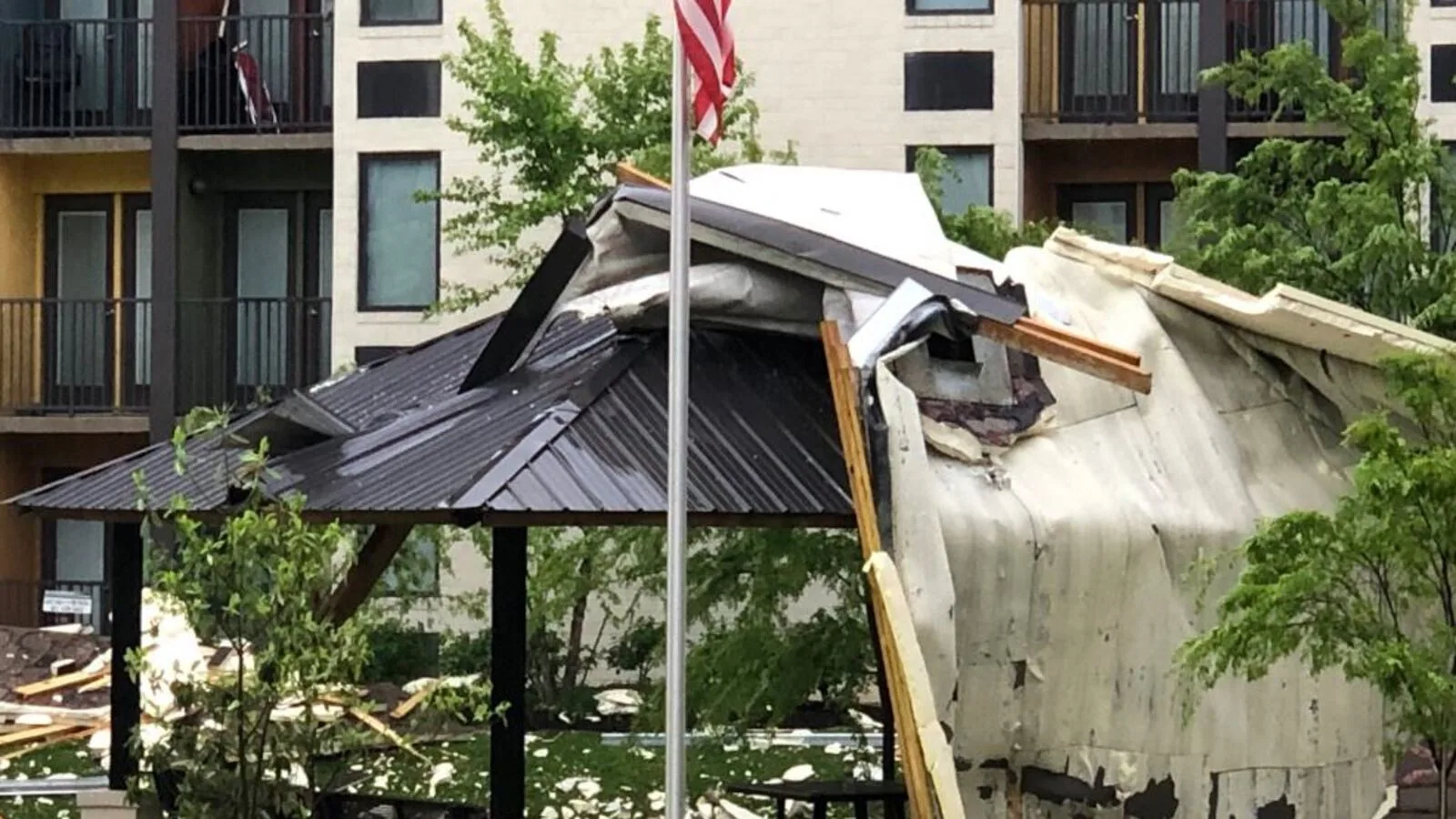
Insurance and Restoration Work in Idaho Falls, ID

Control Active Water Entry First

When water is entering a building, the immediate objective is to reduce ongoing exposure and protect occupants, contents, and equipment where conditions allow. We confirm safe access, identify the affected area, and use temporary measures appropriate to the roof and weather. Temporary protection is recorded as a short-term measure. After temporary protection, we inspect adjoining details and state what permanent correction remains.

Water can travel below a membrane, insulation, or deck before appearing indoors. We compare the reported ceiling location with roof seams, penetrations, drains, equipment curbs, edge conditions, and prior patches. If the path remains uncertain, the record explains what was visible and what additional investigation may be useful. The commercial leak repair service can focus on controlling a known entry point while the owner plans further evaluation.

Our emergency team can respond at all hours, on weekends and holidays as well. The property contact helps establish access and safety requirements. We document temporary work, limits on access, and the next roofing decision. If interior drying, electrical review, or contents protection is needed, those tasks should be coordinated with the appropriate restoration or building professionals.

Build a Useful Condition Record

A roof record is most useful when it distinguishes observation, interpretation, and proposed work. We note the location of visible damage, the roof assembly where it can be identified, weathered or aged areas, drainage conditions, penetrations, and earlier repairs. Photographs are labeled by roof zone so that a reviewer can relate them to the building and compare them with later inspections.

We document roof conditions and repair scope; the carrier and policy govern coverage and payment decisions. It can support the owner’s discussion by describing what the roofer observed and what work may address the condition. If a test cut, moisture survey, or destructive investigation is proposed, that step should be identified separately, including the area involved and how it will be closed. The commercial roof inspection can provide a broader condition baseline when the claim-related concern sits within a larger maintenance history.

Idaho Falls records measurable precipitation on 84.3 days in a typical year, and May has the highest monthly mean precipitation at Idaho Falls. The site inspection and available event information determine what can responsibly be stated about a particular roof. We keep those distinctions clear in the scope and photo record.

Separate Repair Work from Broader Restoration

A repair proposal should identify the roof area, work steps, materials, access needs, and conditions that could alter the scope. We distinguish a localized repair from replacing a larger section, restoring an assembly, or planning a full roof replacement. Where damage appears limited, the report should still note adjacent conditions that might affect the repair tie-in. Where the roof shows broader deterioration, the owner may want a separate capital-planning recommendation.

Owners, investors, and asset managers often need the same distinction across several buildings. A commercial real estate roof record can carry condition findings into capital planning without turning a claim estimate into a portfolio assumption. Scope and claim documentation serve different purposes. The proposal describes the roofing work we recommend and its cost assumptions; the owner and insurer determine how it relates to a claim. We do not promise that a repair will be covered or that a specific claim outcome will follow. The roof replacement service can define a larger project when inspection findings, age, or repeated repair needs point beyond a localized fix.

The proposed roofing scope and permit path should be coordinated before materials are removed. The project team and authority having jurisdiction determine permit and code obligations for the actual repair. If an assembly change calls for design review, we provide roof-condition information to the owner’s architect or contractor so that the appropriate professional can address the building-wide decision.

Keep the Owner, Adjuster, and Restoration Team Aligned

With the owner’s direction, we can coordinate a roof visit with the adjuster or restoration contractor. The team should know which areas are accessible, whether temporary measures have already been installed, and whether the roof can be opened for further inspection. We identify who authorizes added work and how a concealed condition will be documented before a repair boundary changes.

Building operations matter during restoration. A facility contact can identify occupied rooms, sensitive equipment, delivery routes, roof access, and any required escort or safety procedures. Around Downtown Idaho Falls, storefront or service access may affect staging; at Snake River Landing, a mixed-use setting can bring offices, dining, residences, and event uses into the surrounding area. Those place characteristics help frame coordination, but site rules come from the owner or manager. The Downtown Idaho Falls service area and Snake River Landing service area describe broad locations rather than a single property.

Public owners may also need to coordinate a roof record with procurement or facilities staff. Our public-agency roofing coordination keeps scope, access, and closeout details organized for the owner’s team. After work, we provide a record of completed roofing steps, photos, materials where available, and any remaining observations. Temporary measures and permanent repairs are labeled separately. The owner can share the report with other project participants as needed and retain it with the property’s maintenance history.

Questions About Insurance and Restoration Work

Yes. We can record visible roof conditions, interior symptoms, photographs, access limits, and a proposed roofing scope. The documentation describes our observations and does not decide policy coverage or claim payment.

A report can describe observed conditions and relevant roof details, but cause may require additional evidence or review. The report separates visible findings, test results, and the next inspection step when concealed conditions could affect the scope.

We coordinate safe access, inspect the reported area, and work to limit active water entry where feasible. The visit record identifies temporary protection, areas not inspected, and the next step for a permanent repair or further investigation.

Not automatically. The recommendation depends on the assembly, the extent of the condition, prior repairs, drainage, and what further evaluation shows. We identify localized repair options and broader work separately when both warrant consideration.

With the owner’s authorization and safe access, we can coordinate a roof inspection with the project team. We clarify who is attending, what areas are available, and how any added testing or work will be approved.

ServicesRoof SystemsIndustriesProperty TypesService AreasDamage RepairCapabilitiesManufacturersContactAboutRequest a Roof Assessment555-555-5555
Call us today555-555-5555