Commercial Roof Membrane Puncture Repair in Idaho Falls, ID Serving Idaho Falls & Eastern Idaho

Locate and repair commercial roof membrane punctures in Idaho Falls, check substrate and moisture, and document safe rooftop access changes.

Roof Membrane Puncture Repair in Idaho Falls, ID

Roof Membrane Puncture Repair

A puncture can be smaller than a fingertip and still create an entry path through the roof assembly. The repair depends on what caused it, which membrane is present, and whether water has reached the layers below. Idaho Falls receives an average 10.07 inches of precipitation annually at Idaho Falls, in the long-term Idaho Falls climate averages. We find the opening, check for nearby foot-traffic routes or rooftop work, and document the substrate before choosing a patch. A commercial property in Ammon’s Hitt Road corridor may have different service access than a facility in the Idaho Falls Warehouse District. Neither place tells us who last crossed the roof or what system is installed. The inspection establishes those facts.

Roof Membrane Puncture Repair in Idaho Falls, ID

Find the Opening and Its Likely Source

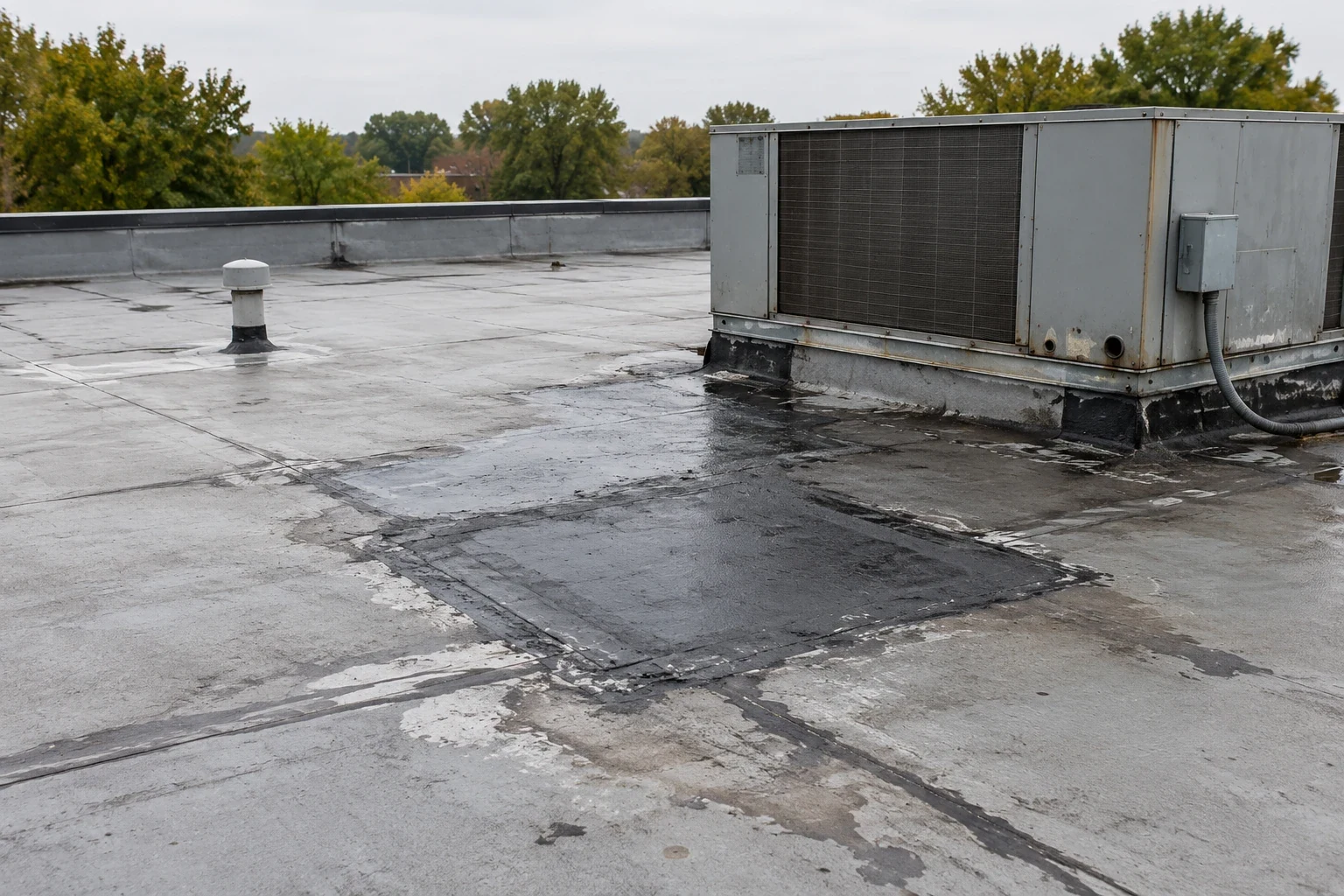
Small punctures can come from dropped tools, sharp fasteners, material handling, unprotected walk paths, or work around rooftop equipment. We inspect the reported zone and its route from the hatch, ladder, or mechanical unit. Scuffs, cuts, compressed insulation, displaced walkway pads, and loose hardware can help define the affected area. We record observations without assigning cause where the evidence does not support it.

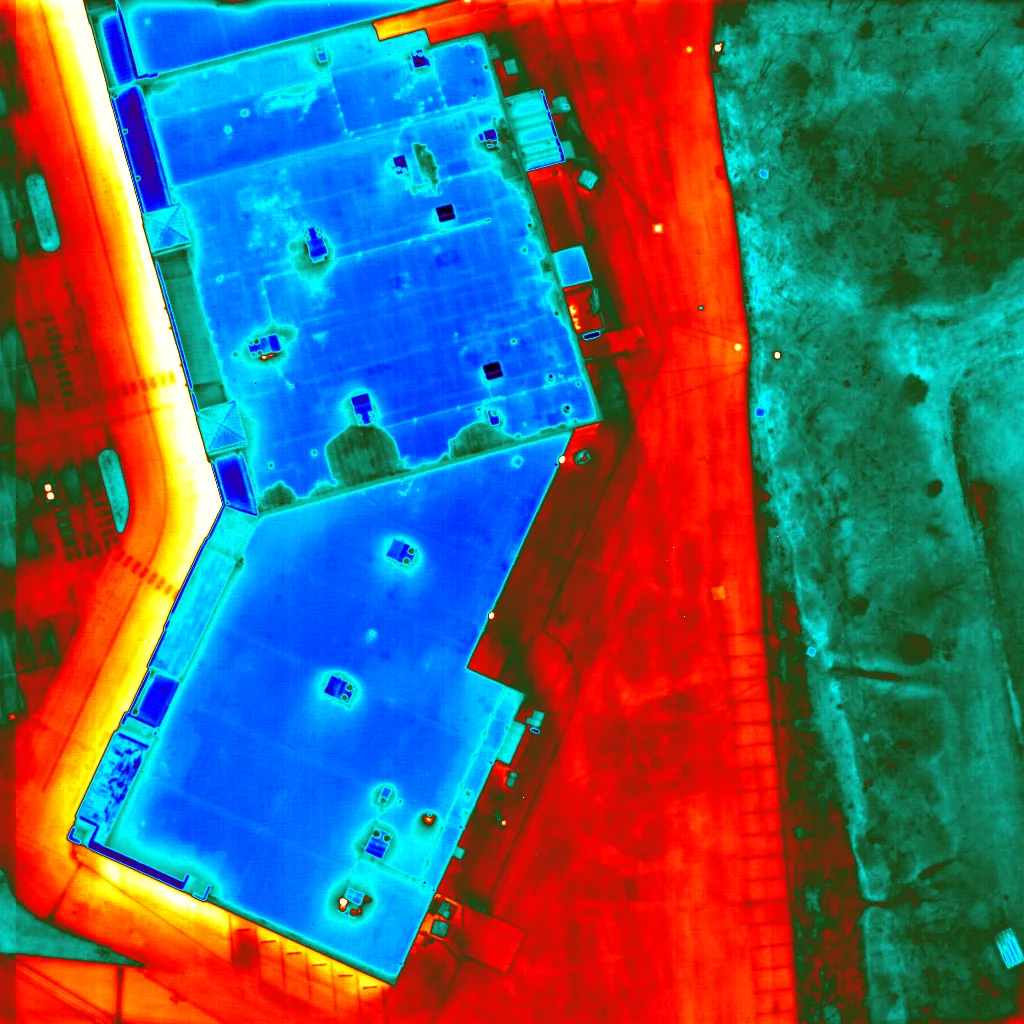
The leak may appear below the puncture, but water can move along the roof deck or insulation before reaching the ceiling. We compare the interior report with seams, curb flashings, drains, and penetrations around the suspected opening. A commercial leak trace can help relate the stain to the roof evidence. If multiple openings or a larger wet area are possible, the moisture survey can identify where selective testing may be useful.

A metal roof puncture or tear needs a different repair than a single-ply membrane. We identify the system and check whether the opening is isolated, at a fastener line, or part of a panel or seam issue. The open-seam assessment can address a split lap, while this repair page focuses on a localized break through roof material.

Prepare the Surface Before Patching

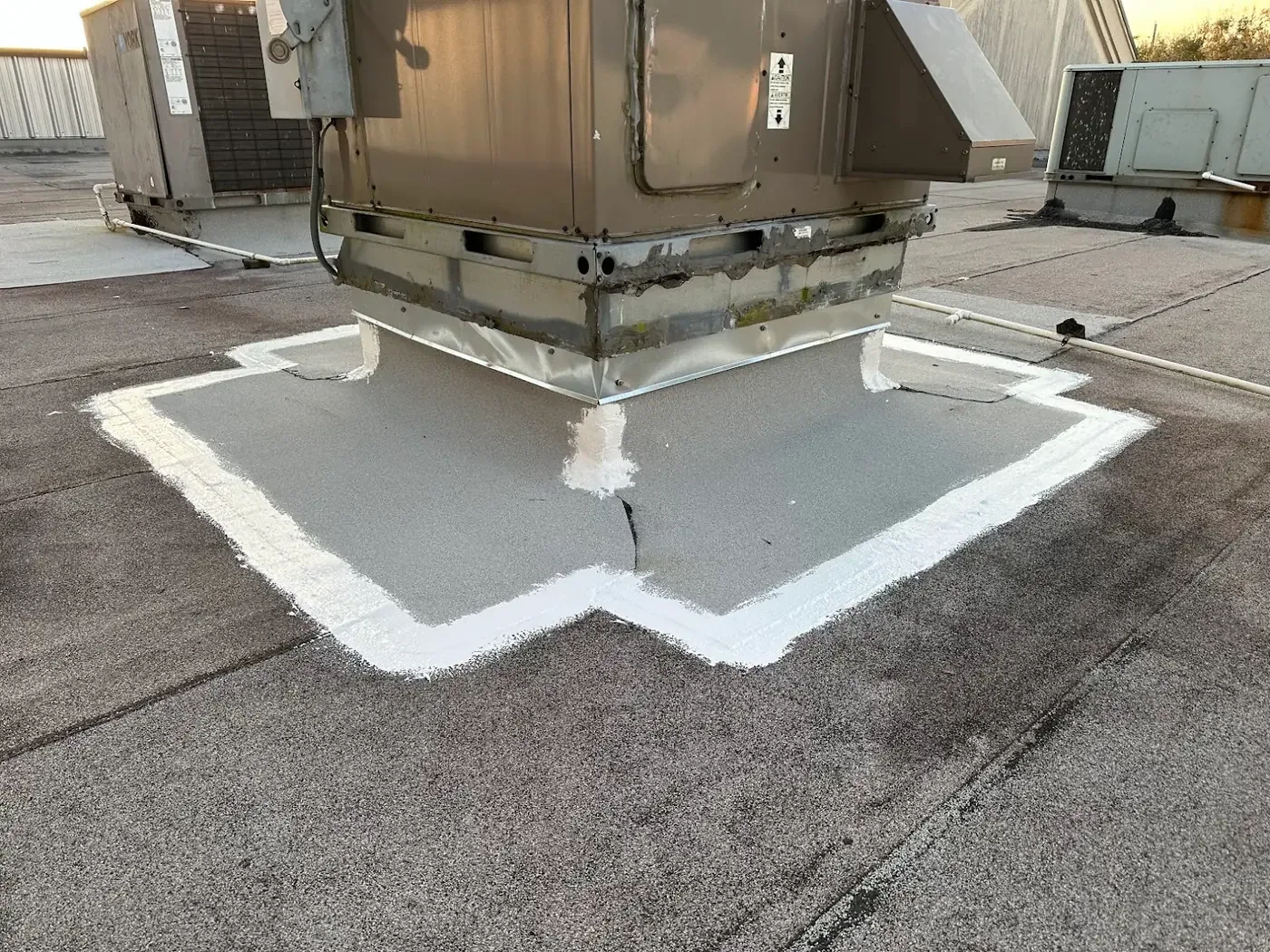
A compatible repair starts with sound material around the hole. The crew removes loose or contaminated material, dries the surface as conditions allow, and checks whether the membrane remains flexible and bonded. A patch must extend far enough onto suitable roofing to create a secure tie-in, with corners and edges prepared for the system. Putting new material over a wet or unstable layer can conceal the visible hole while leaving the assembly vulnerable.

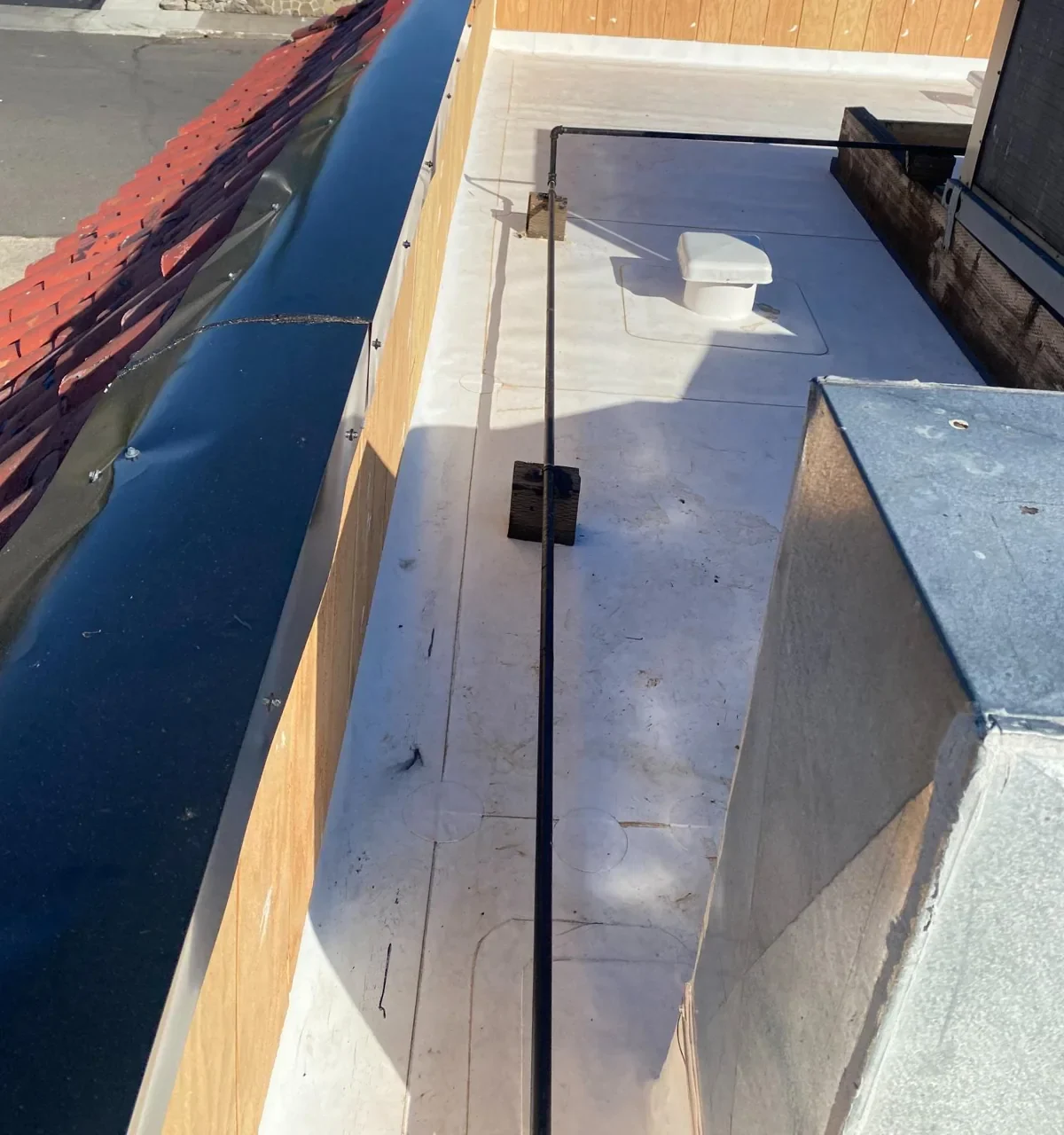
For a thermoplastic membrane, the repair may use compatible sheet and a continuous weld. Other membranes require adhesives, primers, or patch details suited to their chemistry and condition. Metal panels need a compatible repair that accounts for panel movement and water-shedding direction. We identify what is installed before writing the material scope. The TPO system details are relevant only when the roof has that membrane; a product family is not assumed from a building type.

If a puncture sits beside a curb, drain, or wall, the patch may need to connect with a flashing repair. A transition detail review can determine whether the opening is limited to the field membrane or extends into a roof penetration. The scope states the boundary and any condition that could expand it once the assembly is opened.

Look Below the Membrane

Water entering a small opening may spread through insulation or reach the deck. We look for soft spots, staining, blistering, corrosion, and interior signs, then specify a test opening when a concealed layer could change the repair. A test opening or other moisture assessment may be needed if evidence extends beyond the puncture. We identify the proposed check and the method for closing the roof before asking the property team to approve more invasive work.

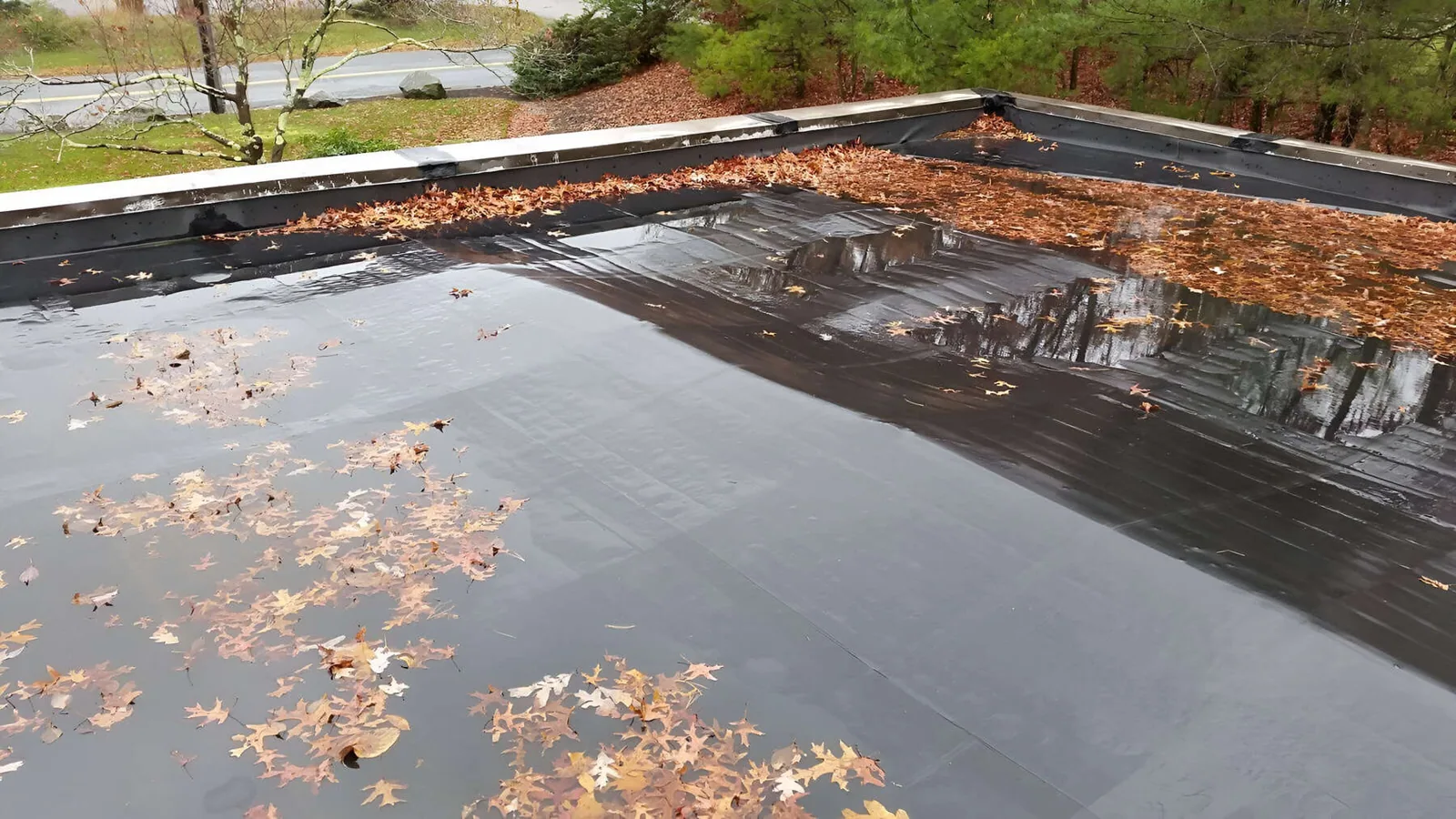
Idaho Falls averages show 84.3 days a year with measurable precipitation, and May has the highest average monthly precipitation. May averages 1.57 inches of precipitation in Idaho Falls, so we check the live forecast and set a protected dry-in boundary before opening the roof. We check actual conditions before starting and keep the work zone within the area that can be closed reliably.

If insulation is wet, a proper repair may require removing affected material and rebuilding the roof layers. That is different from applying a surface patch. We photograph the opened area, record the materials removed, and explain whether nearby roof zones were checked. The manager receives a scope that distinguishes the visible puncture from any hidden condition confirmed during the work.

Reduce Repeat Damage From Roof Traffic

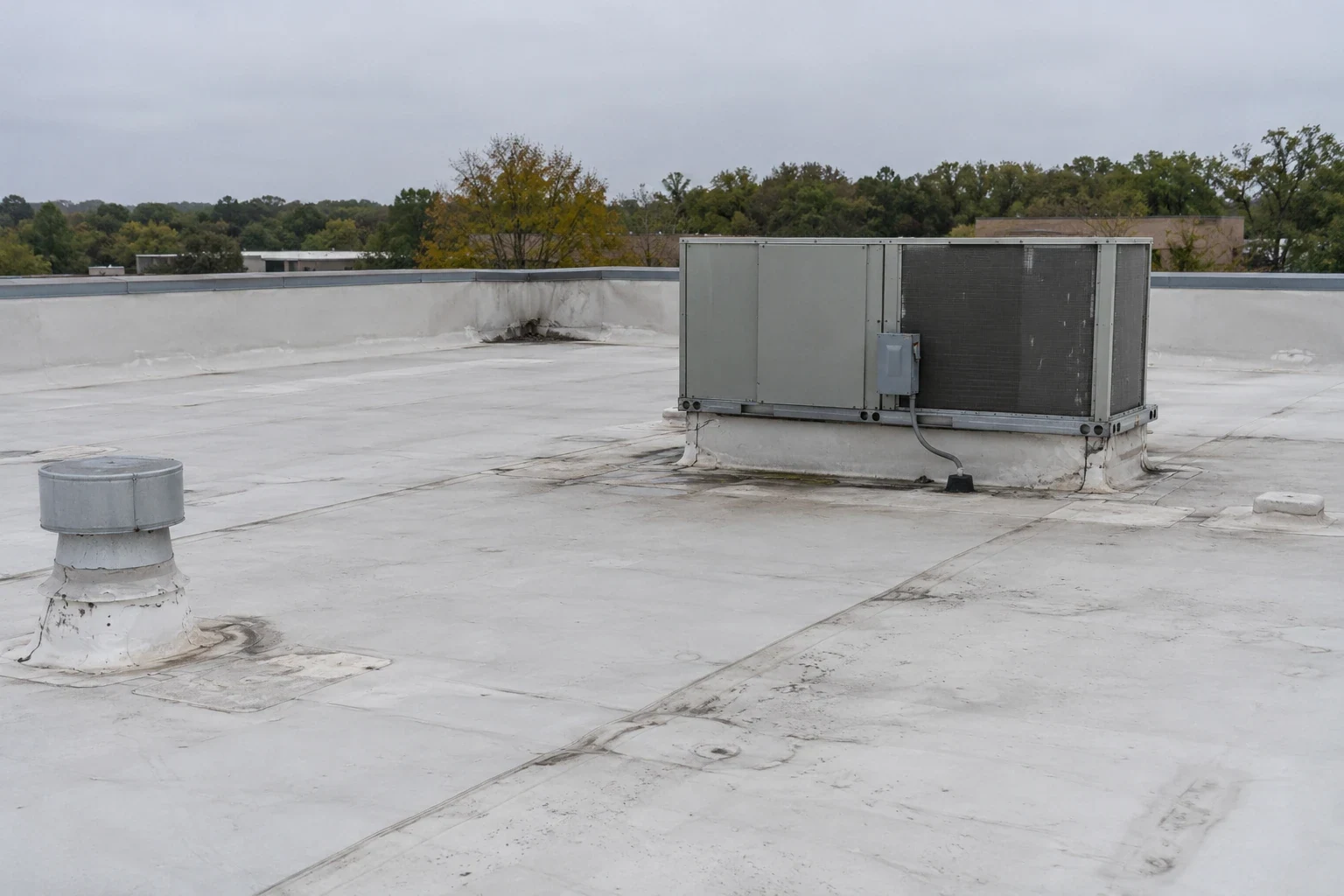
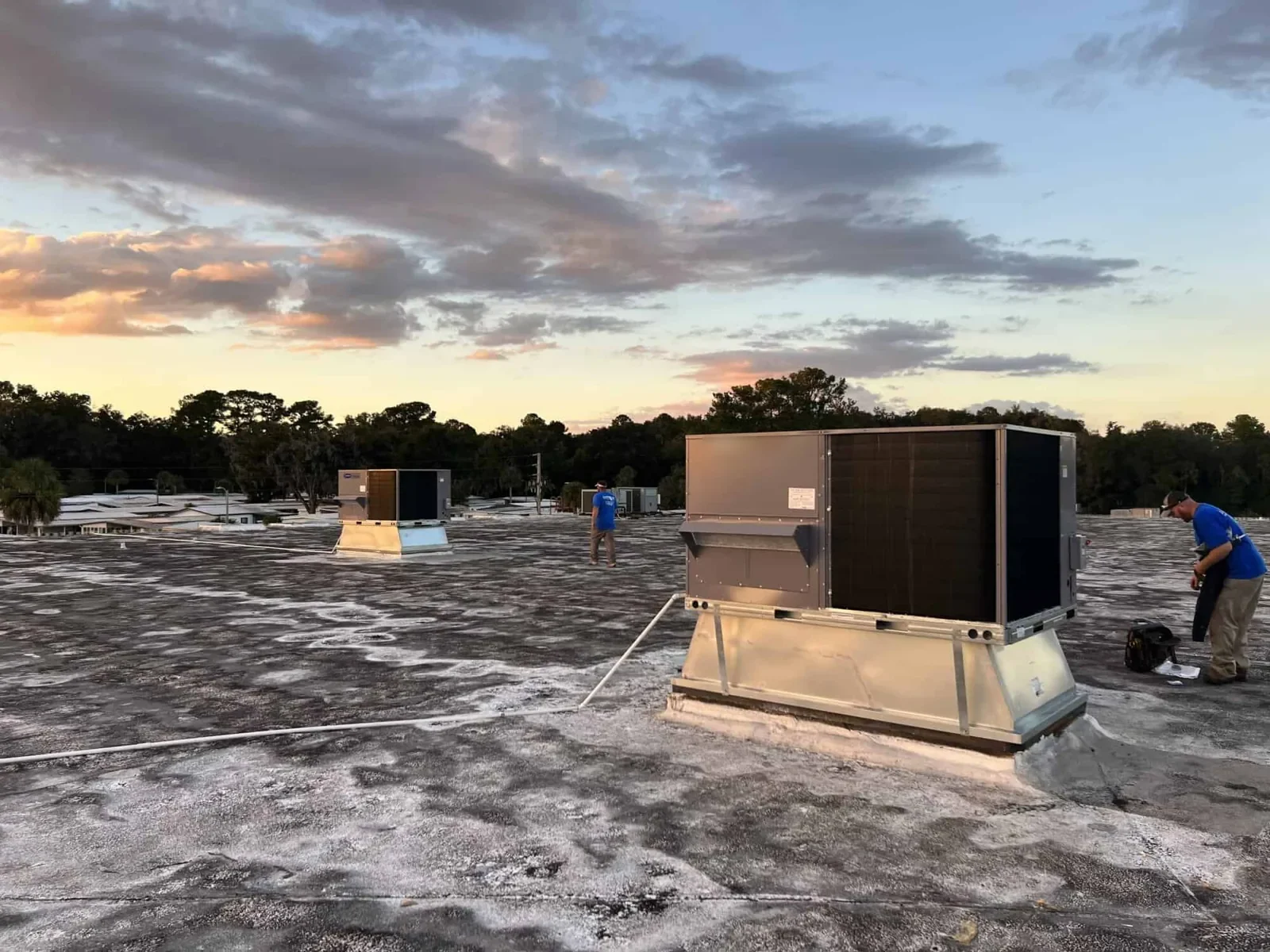
After the opening is repaired, the roof path deserves attention. Maintenance staff and trade contractors may need access to HVAC equipment, drains, exhausts, or rooftop controls. We identify where repeated foot traffic crosses the membrane and whether walkway pads or designated routes would reduce wear. Those protective measures have to match the roof assembly and should not block drainage.

Ammon identifies Hitt Road, or 25th South, as a major corridor serving the city. Snake River Landing is a broad planned district with offices, dining, residences, and event venues. These are area facts, not evidence about a particular puncture or roof. A facility manager can use the inspection record to coordinate actual trade routes, roof rules, and equipment contacts.

The rooftop equipment review can help plan penetrations and access around mechanical work. If a puncture was discovered during a vendor visit, we document what was visible and coordinate the permanent repair boundary with the property contact. Emergency response can be arranged around the clock, weekends and holidays included, when urgent water entry needs attention.

Keep the Repair Easy to Verify

A completed repair record should show the puncture location, membrane type where known, preparation, patch material, photographs, and any area that could not be evaluated. That record helps the next inspector find the repair and compare surrounding conditions without assuming the entire roof was addressed.

Cost and timing depend on roof access, membrane compatibility, surface preparation, moisture beneath the opening, and any required equipment coordination. A single patch may be straightforward when the adjacent material is sound. A larger area may require testing or insulation replacement before permanent work can be completed. We separate immediate water control, localized repair, and any broader recommendation so the owner can approve each decision with a clear scope.

When several punctures appear, we compare their locations with walk routes, service work, and equipment areas. A pattern can change the maintenance plan even when each opening can be repaired locally. The roof maintenance visit can track those details, while a Hitt Road and 25th South service visit still starts with the actual roof and its documented condition.

Questions About Roof Membrane Puncture Repair

Water may pass through the membrane and travel laterally below it before it reaches a ceiling. We compare the reported interior sign with the roof opening, drainage, seams, and penetrations, then state whether the path is confirmed or needs additional testing.

Yes, if the surrounding assembly is dry and stable. We inspect visible conditions and may recommend a moisture check when evidence suggests water moved beneath the membrane. If wet material is found, the repair boundary has to include the affected layers.

We document the opening and nearby work conditions, then coordinate the repair with the property contact. The report describes observations rather than assigning responsibility unless the available evidence establishes it.

No. The repair material and preparation must be compatible with the installed system and surface condition. We identify the membrane before selecting a patch, and explain another option if the surrounding material cannot support a reliable tie-in.

A designated route can reduce repeated wear where staff or trades regularly reach equipment. We review traffic paths, drains, and membrane type, then identify a compatible protection option that does not obstruct water movement.

ServicesRoof SystemsIndustriesProperty TypesService AreasDamage RepairCapabilitiesManufacturersContactAboutRequest a Roof Assessment555-555-5555
Call us today555-555-5555