Commercial Roof Heat and UV Damage Repair in Idaho Falls, ID Serving Idaho Falls & Eastern Idaho

Assess heat and UV wear on Idaho Falls commercial roofs, check coatings and membranes, and plan compatible repair or restoration work.

Roof Heat and UV Damage Repair in Idaho Falls, ID

Roof Heat and UV Damage Repair

Summer roof heat can age exposed materials and narrow the hours when certain products can be installed. Idaho Falls averages show 26.5 days each year with maximum temperatures of at least 90 degrees. We inspect the membrane or metal, note cracking, chalking, loss of granules, open laps, and coating wear, then decide whether localized repair or broader restoration fits. A roof near Snake River Landing has its own materials and shade conditions, while Shelley’s commercial core includes storefront and service activity across a different community. The actual roof assembly, not the district name, determines what can be repaired.
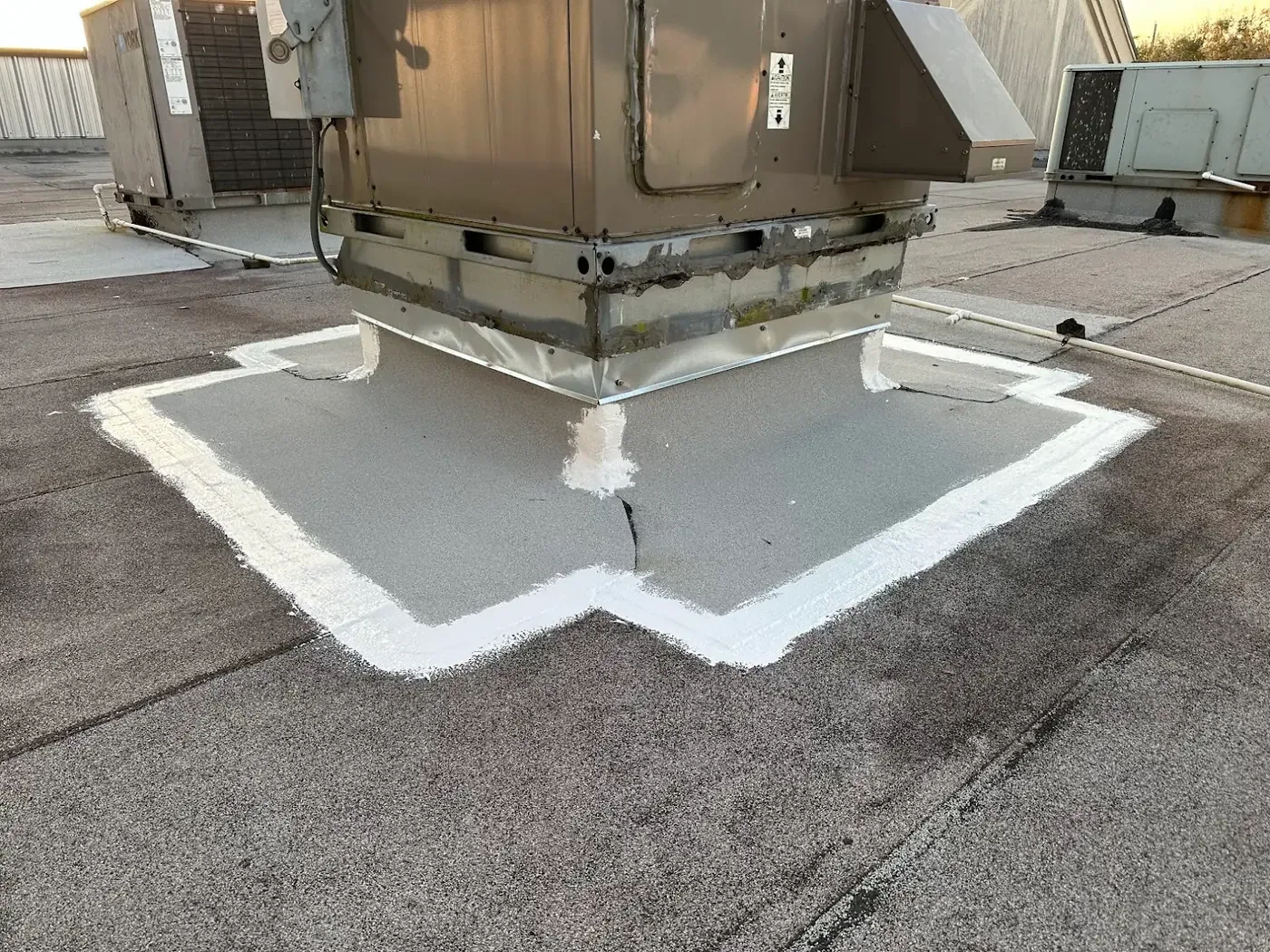
Roof Heat and UV Damage Repair in Idaho Falls, ID

Separate Surface Wear From Assembly Failure

Sun exposure may leave a roof surface faded or brittle, but appearance alone does not define the work. We check whether the membrane remains flexible, seams stay bonded, metal fasteners hold, and flashing transitions remain connected. A coating that has thinned can expose the membrane below; a blister or open lap may indicate a deeper condition. We record the roof system and inspect the substrate where it is accessible.

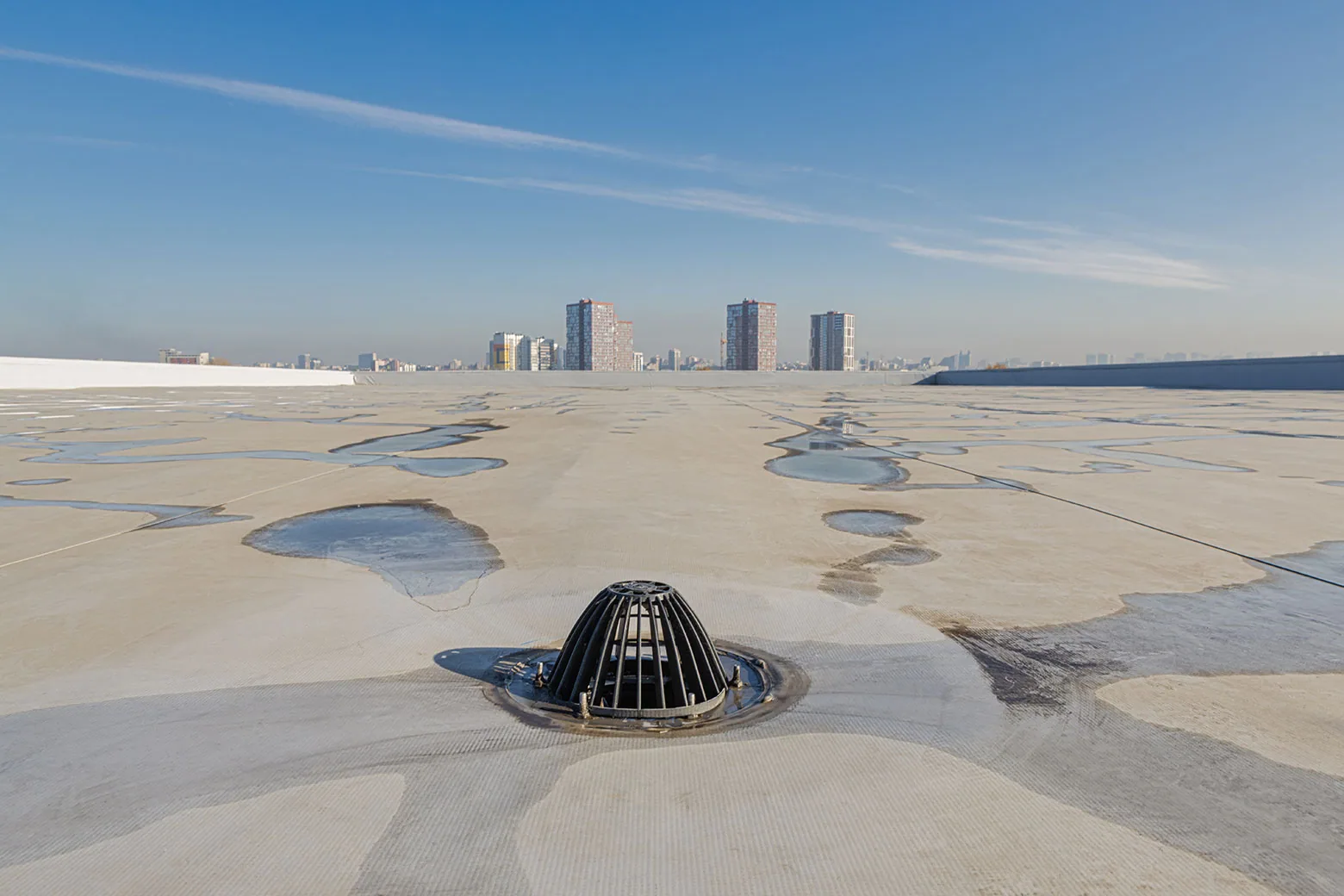
Heat-related movement can affect laps, terminations, and rooftop details. We inspect around curbs, vents, and drains rather than treating the field surface as the whole roof. A puncture repair assessment can address a local break in the surface, while a seam repair review can address an open lap that needs compatible preparation and tie-in.

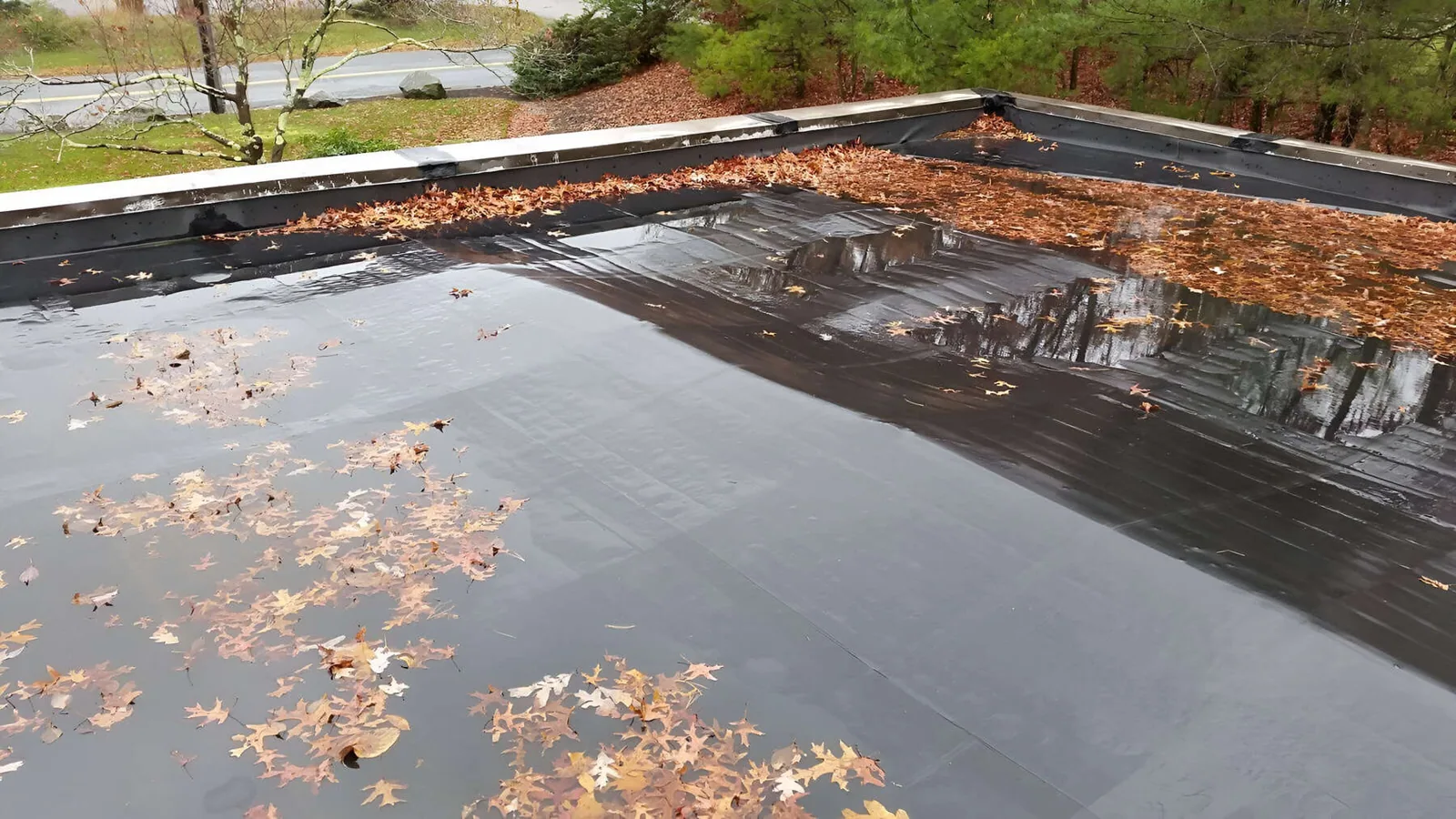
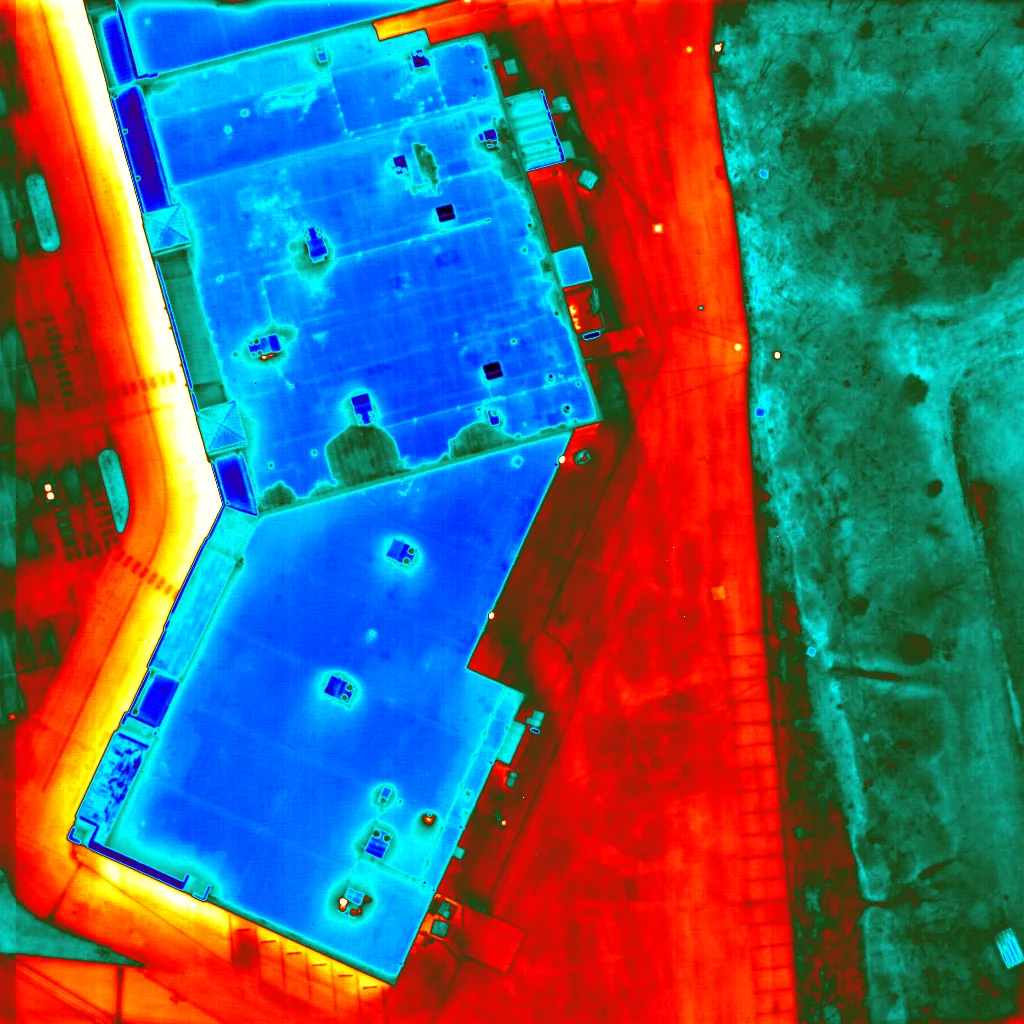
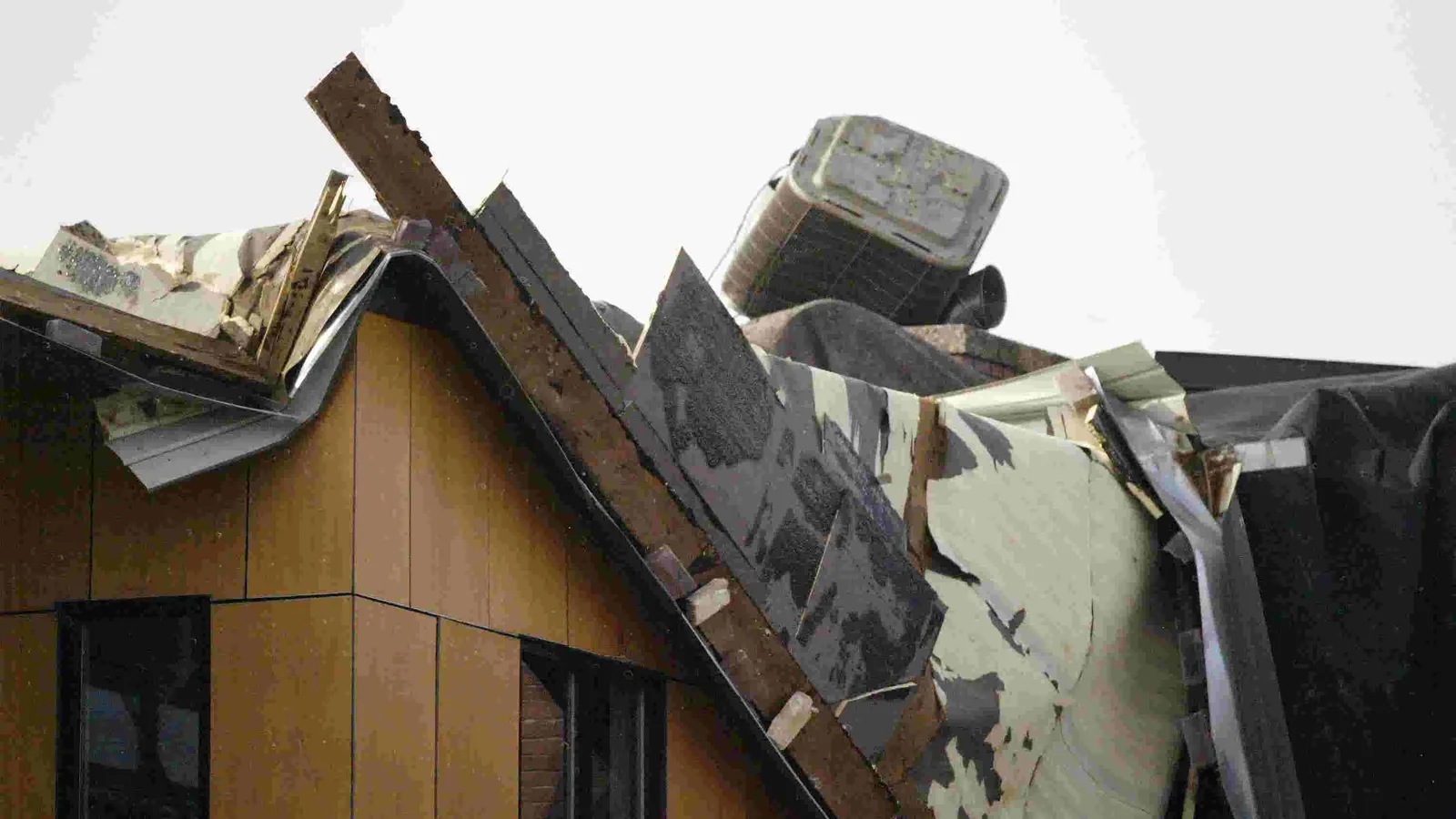
If interior water or softened insulation is present, the repair scope may extend below the surface. We compare interior reports, roof openings, and moisture evidence before deciding how much material to remove. A moisture survey can help locate areas for selective verification; it does not replace opening or testing where direct confirmation is necessary.

Check Whether a Coating Is Still Appropriate

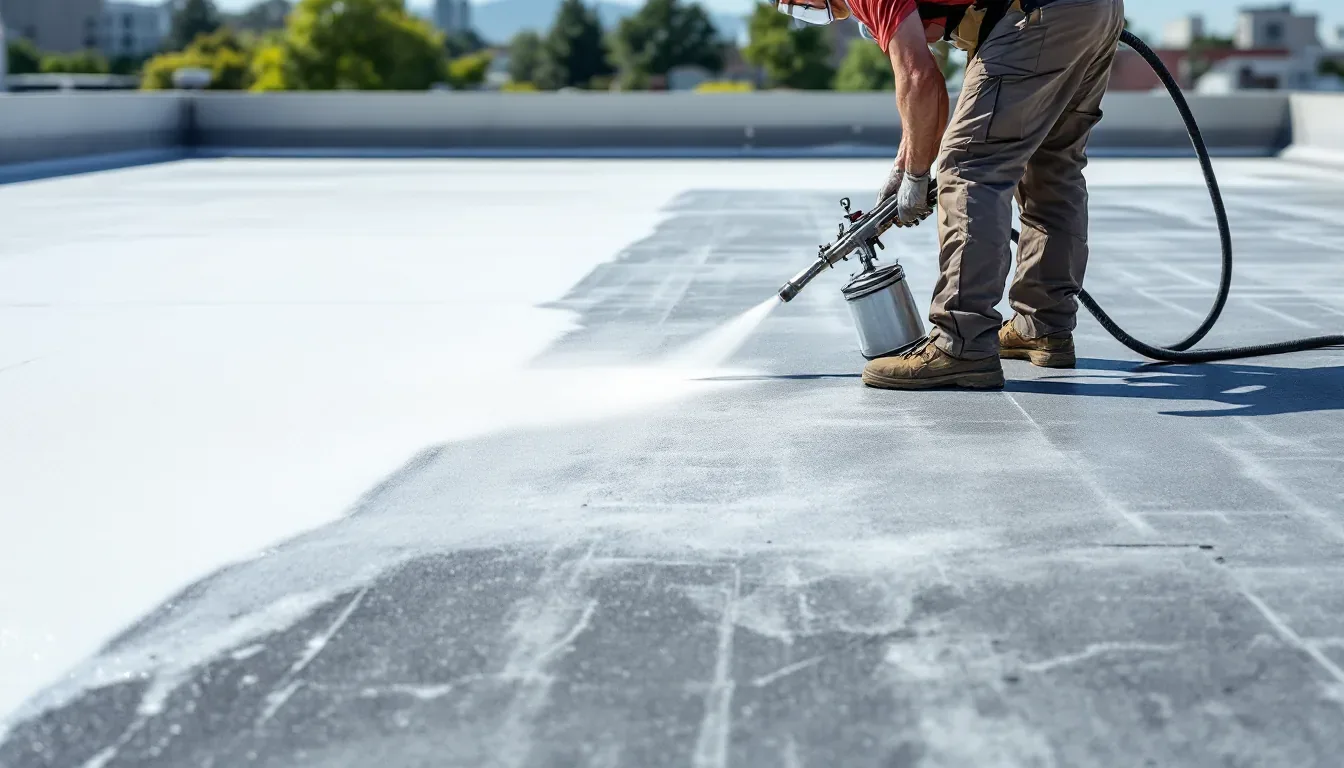
Coating can be a restoration option only when the existing roof is sound enough to support it. We inspect attachment, moisture, seams, flashing, drainage, and surface preparation requirements. If the substrate is wet, the coating could cover a problem rather than correct it. If seams or metal edges are loose, those repairs need to be included before a continuous coating layer is considered.

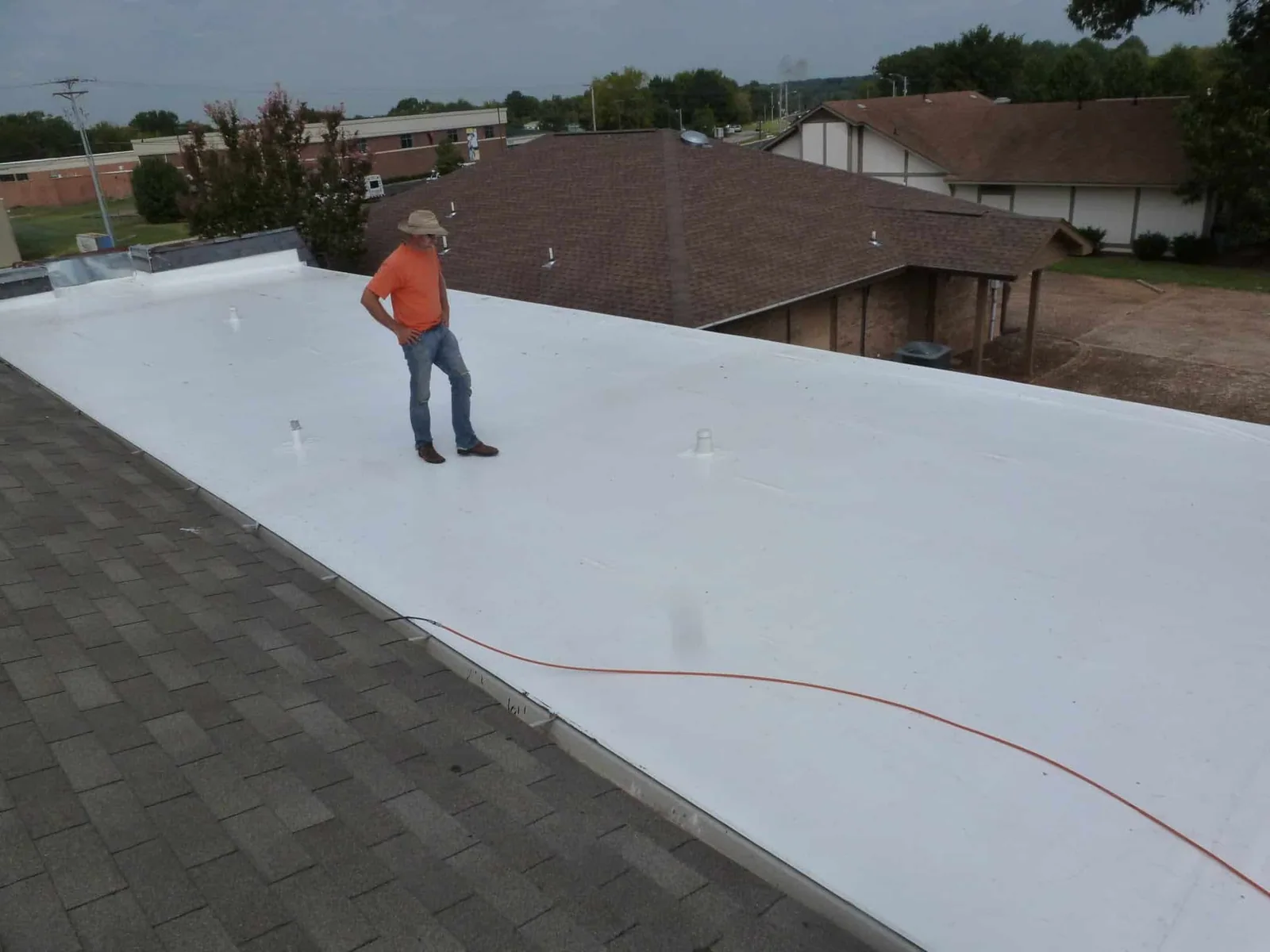
The proposed system must match the existing roof and include a suitable primer or reinforcement where the manufacturer’s requirements call for it. We define cleaning, repairs, detail work, and application limits in the scope. The silicone coating system review and acrylic coating system review can explain different roof restoration paths, but the product choice follows the substrate and drainage assessment.

Coating cannot correct a low slope, replace damaged insulation, or resolve a failed deck connection. If those conditions are present, we separate them from the restoration option and identify the work needed first. A building owner should be able to see which preparation and repairs are included before choosing a coating proposal.

Repair the Defect Before Restoring the Field

Localized damage may be addressed with a compatible patch or detail repair when the surrounding roof remains serviceable. For thermoplastic membrane, preparation and welding need to fit the system and surface. For metal, panel movement, fasteners, laps, and edge details influence the repair. We identify the assembly first and do not assume a material from the building’s use or location.

A roof that has lost coating but remains dry and attached may be a restoration candidate after repairs. A roof with widespread brittleness, open seams, repeated leaks, or wet materials may require broader replacement planning. The roof restoration review compares repair and coating preparation; a replacement assessment can define a larger project where the assembly’s condition supports that discussion.

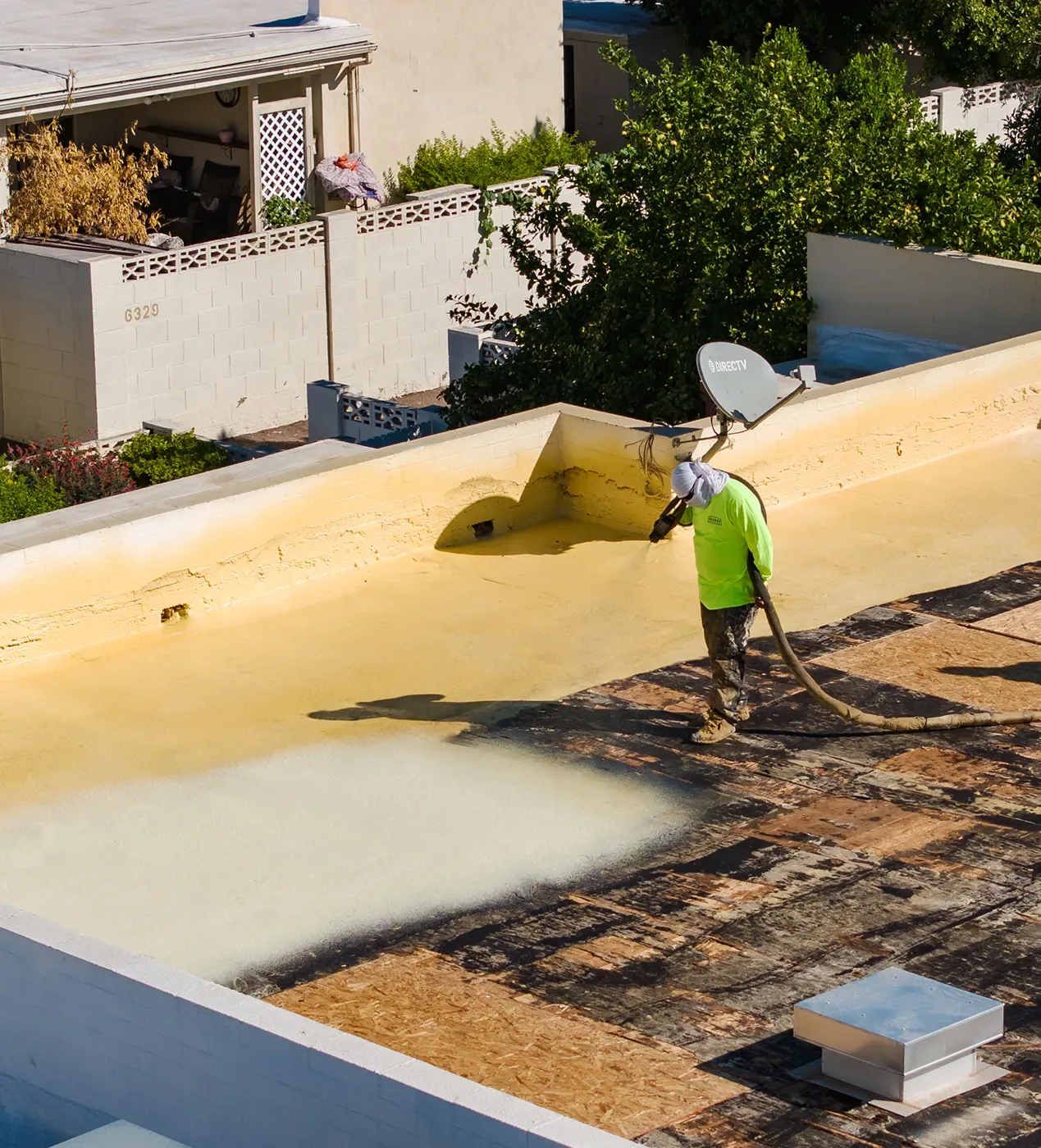
Cost and schedule reflect access, cleaning, preparation, repair area, moisture, material choice, and whether equipment or interior operations need coordination. Hot surfaces can change application timing. We check current conditions and product instructions, then keep the open work area to a size that can be prepared and closed safely.

Set a Realistic Summer Work Window

A warm day can affect access, surface temperature, and how a coating or adhesive is handled. We check the weather and material requirements before starting and adjust the work sequence when conditions narrow the installation window. If a roof is too hot or the substrate is not ready, we document the hold and protect completed areas rather than rush the application.

Snake River Landing covers more than 450 acres along the river and Interstate 15. The development includes business, residential, dining, and event uses, while Shelley’s commercial core includes storefront and local service activity. Those different broad settings may affect delivery, access, or occupied-building coordination, but each property provides its own site rules. A Snake River Landing service visit starts with the actual roof and its access requirements.

Idaho Falls receives an average 44.2 degrees annually at Idaho Falls, and annual precipitation averages 10.07 inches. These averages give general climate context; the current roof surface and forecast control work. We also confirm whether staging can stay clear of entrances and active service routes. We identify whether drains need protection during cleaning and confirm that runoff will not carry debris into an outlet or neighboring area.

Track the Roof After Restoration

After repair or coating work, the closeout record should identify the product system, preparation, completed details, roof zones, and any limitations. Photos show the condition at completion and give the next inspector a point of comparison. We include maintenance guidance based on the actual system rather than suggesting that a coating eliminates future roof inspections.

Follow-up checks can review seams, drains, edges, coating thickness or wear where specified, and any equipment work that may have disturbed the roof. If new moisture appears, the prior record helps distinguish a new opening from a condition that was already under review. A roof condition report can preserve the observations and planned maintenance.

When heat-related surface wear appears across several roof zones, we compare localized repairs with broader restoration or replacement. The documented finding, substrate condition, and drainage determine which path is supportable. The owner receives a scope with work steps, exclusions, access conditions, and the next inspection point.

A useful follow-up records the same roof zones used in the initial assessment. Compare seam condition, exposed edges, coating wear, and drainage after seasonal changes or later trade activity. If a new symptom appears, that record helps distinguish a fresh defect from a detail that was already under review.

Questions About Roof Heat and UV Damage Repair

Treat fading as one visual cue, then check coating adhesion, brittleness, cracks, and exposed substrate before choosing restoration. We check flexibility, seams, flashing, attachment, moisture, and drainage to determine whether the surface is only weathered or the assembly needs repair. The recommendation follows the inspection evidence, not color alone.

No. The existing material, attachment, moisture, surface condition, and drainage have to support the system. We identify repairs and preparation first, then state where a coating is appropriate and where removal or replacement should be evaluated.

It can affect surface preparation and installation limits. We check current conditions and the selected product requirements, then schedule a work area that can be completed safely. Idaho Falls climate averages do not replace a day-of-work check.

Compare substrate condition, moisture, attachment, remaining life, preparation scope, drainage, and the roof areas included. We explain whether the roof can support restoration and identify any condition that would make replacement the more workable option.

Yes. Drains, flashing, penetrations, edges, and later trade work still need inspection. We can record the coating system and set follow-up checks around the roof’s condition and site operations.

ServicesRoof SystemsIndustriesProperty TypesService AreasDamage RepairCapabilitiesManufacturersContactAboutRequest a Roof Assessment555-555-5555
Call us today555-555-5555