Commercial Roof Flashing Failure Repair in Idaho Falls, ID Serving Idaho Falls & Eastern Idaho

Repair commercial roof flashing in Idaho Falls by tracing the transition, checking adjacent materials, and documenting a sound tie-in scope.

Roof Flashing Failure Repair in Idaho Falls, ID

Roof Flashing Failure Repair

Cold weather puts repeated movement at the roof details where one surface meets another. In Idaho Falls, a flashing joint at a wall, curb, drain, or parapet needs to remain connected as temperatures change. Idaho Falls averages record an average 14.7 days each year with minimum temperatures at or below zero. We look at the flashing, the surface it terminates against, the fasteners or seams around it, and the drainage path nearby. A property in Downtown Rigby differs from a building near Idaho Falls’s River Commons district, but both need an assembly-specific inspection. The repair boundary follows the observed condition, not the location name.
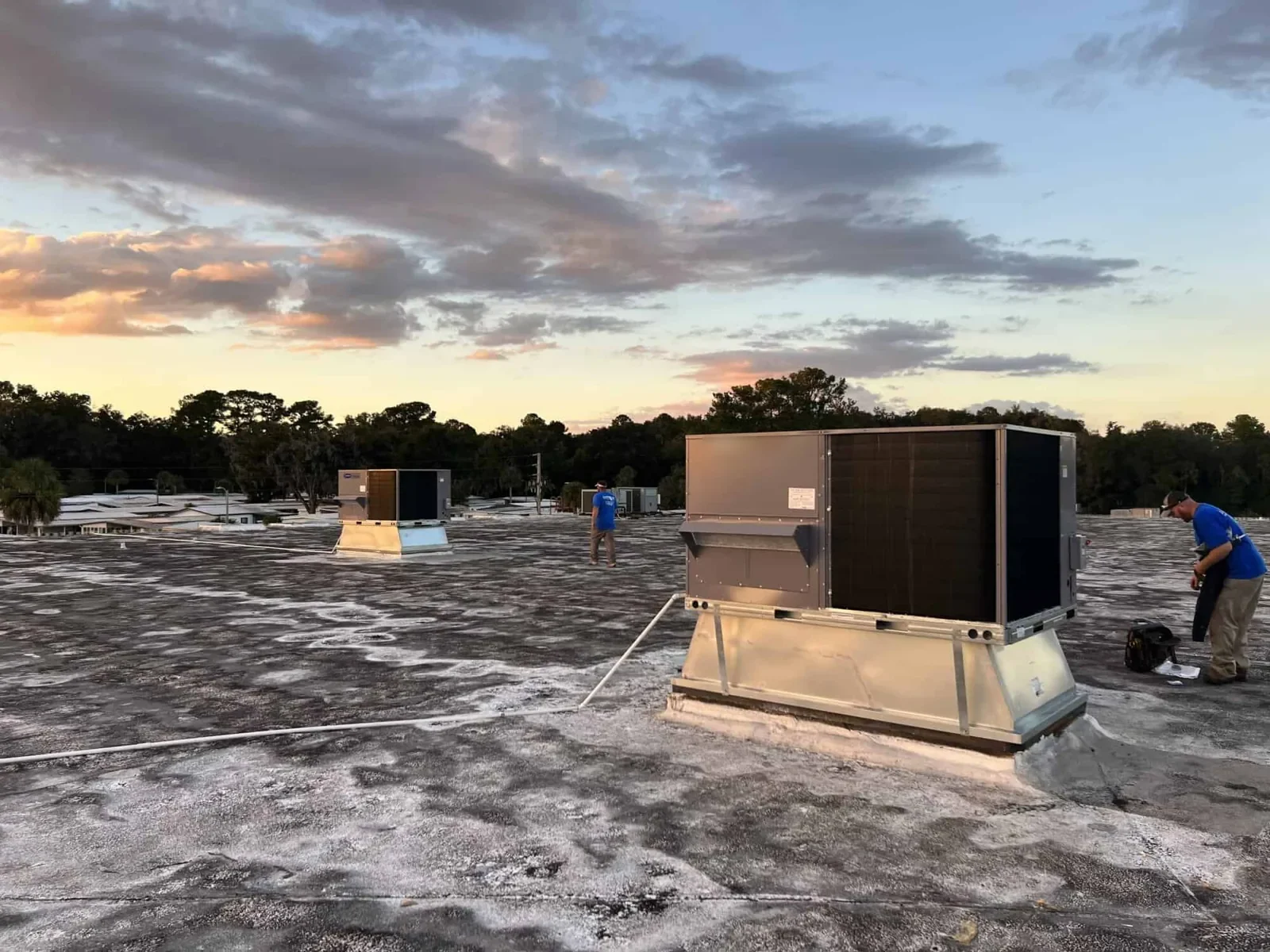
Roof Flashing Failure Repair in Idaho Falls, ID

Inspect the Whole Transition

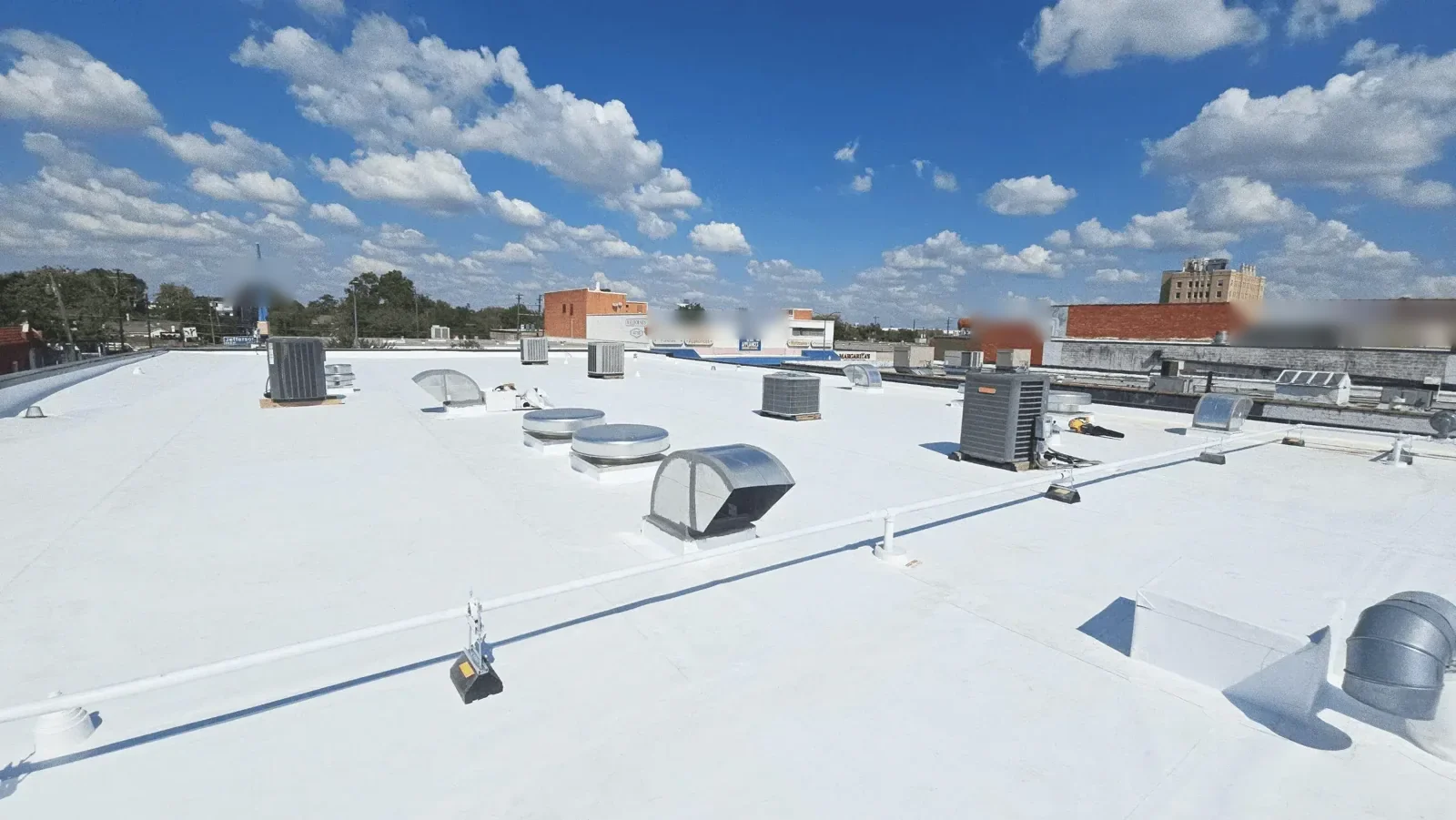
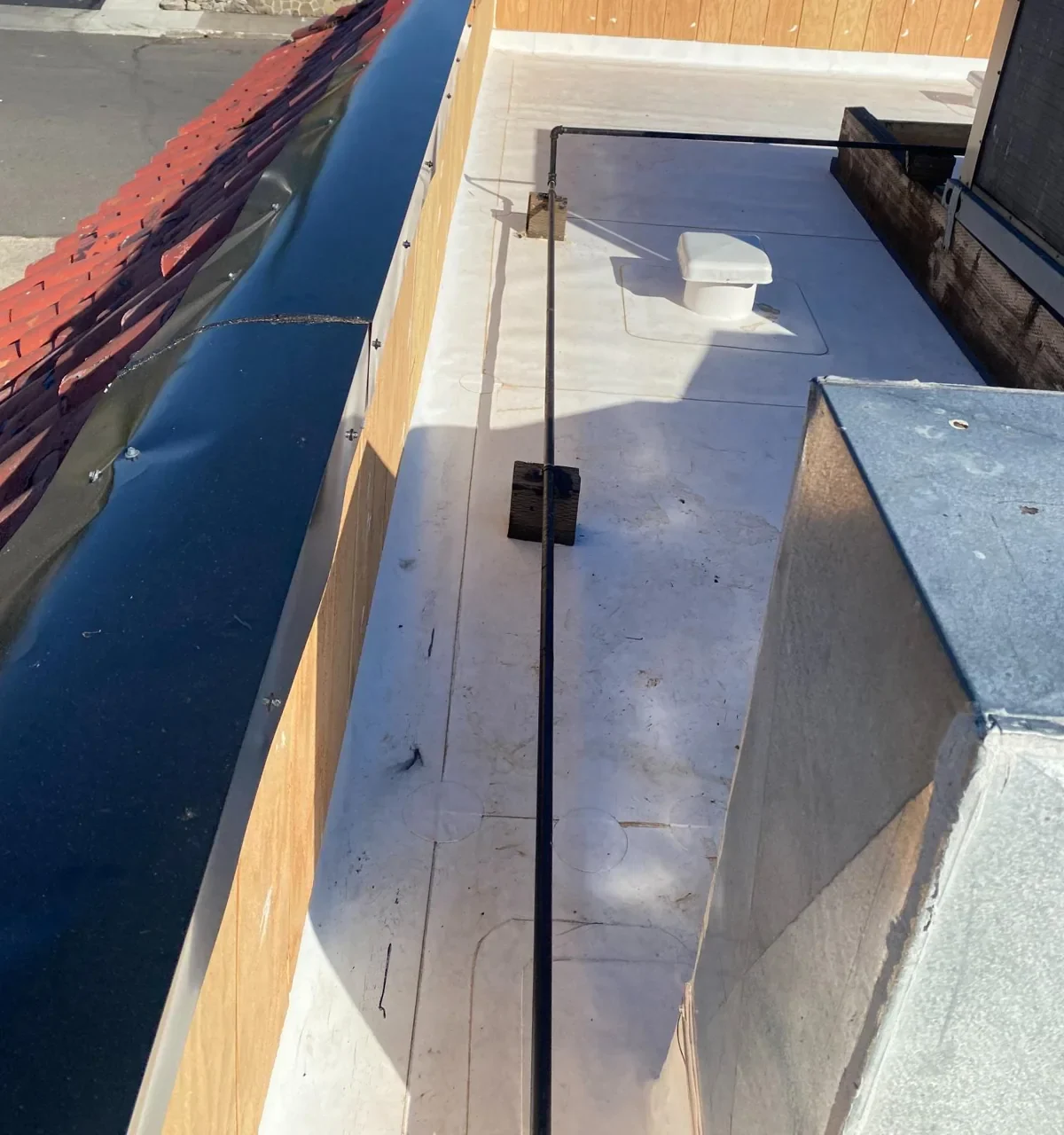
Flashing is the connection that keeps water from passing through a roof change in plane or material. At a curb, it must tie into the field membrane and rise high enough for the actual detail. At a wall or parapet, the termination and counterflashing protect the vertical edge. At drains and scuppers, the flashing must connect with the outlet without restricting flow. We identify which interface failed before selecting the repair.

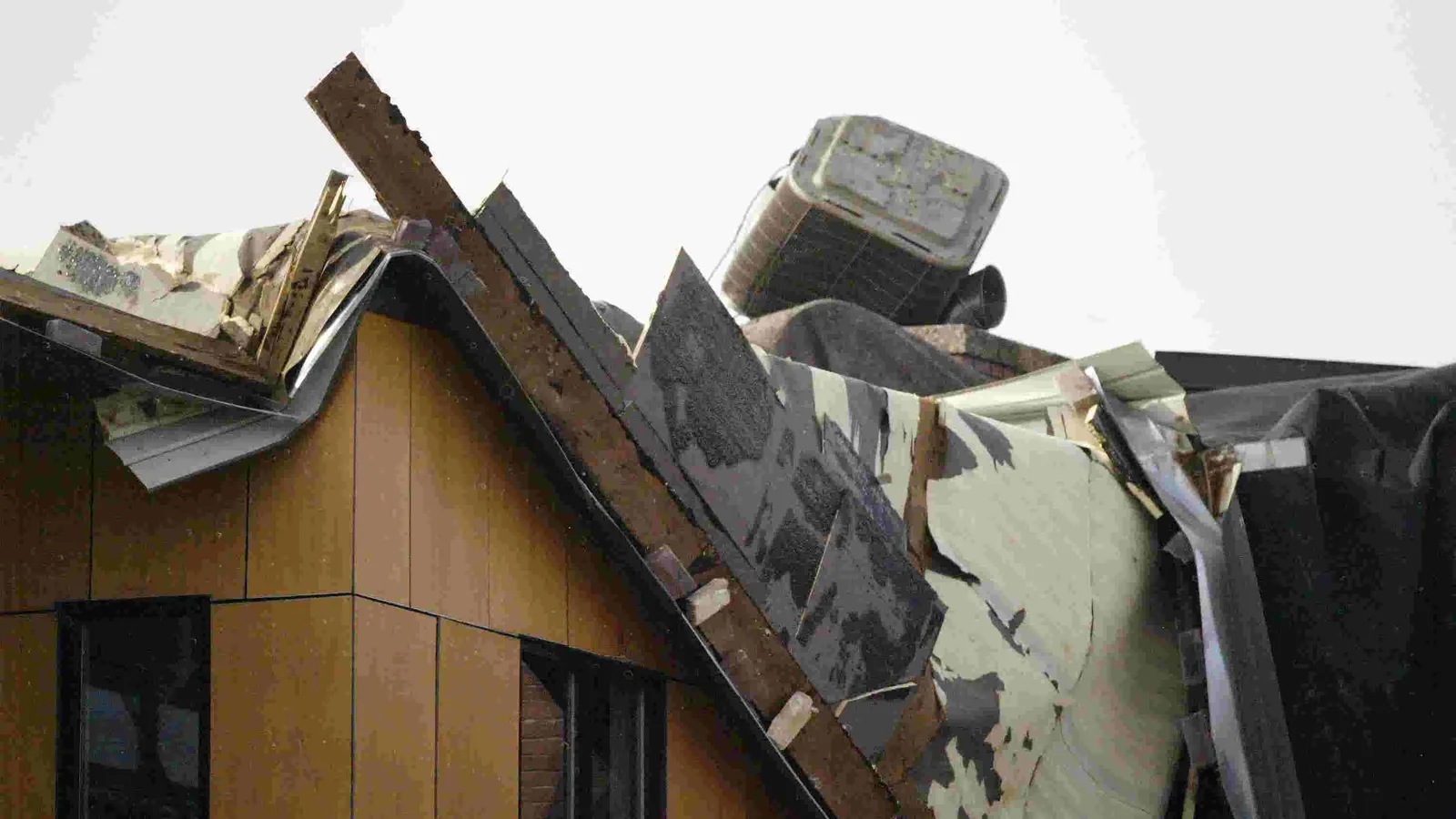
Typical findings include an open corner, split membrane at a curb, loose metal, exposed fastener, failed sealant, or a termination that has pulled free. We check whether the condition is local or repeated at similar details. If an HVAC unit or conduit penetrates the area, the curb and penetration review can coordinate the roofing work with the mechanical or electrical trade. A roof inspection may broaden the review if several details show similar separation.

The interior leak location is useful but may be offset from the flashing failure. Water can follow a deck, insulation joint, or structural member before it appears inside. We compare the interior report with the roof layout and record whether the path is confirmed. If it is not, the repair plan may include selective testing before more material is removed.

Match the Repair to the Roof

Flashing repairs must work with the existing membrane or metal system. For a single-ply roof, the crew prepares compatible material and ties it into sound membrane with a continuous seam. A metal edge or wall counterflashing may need replacement, secure attachment, or a carefully detailed lap. Sealant can support a joint, but it does not replace a failed membrane termination or a loose metal assembly.

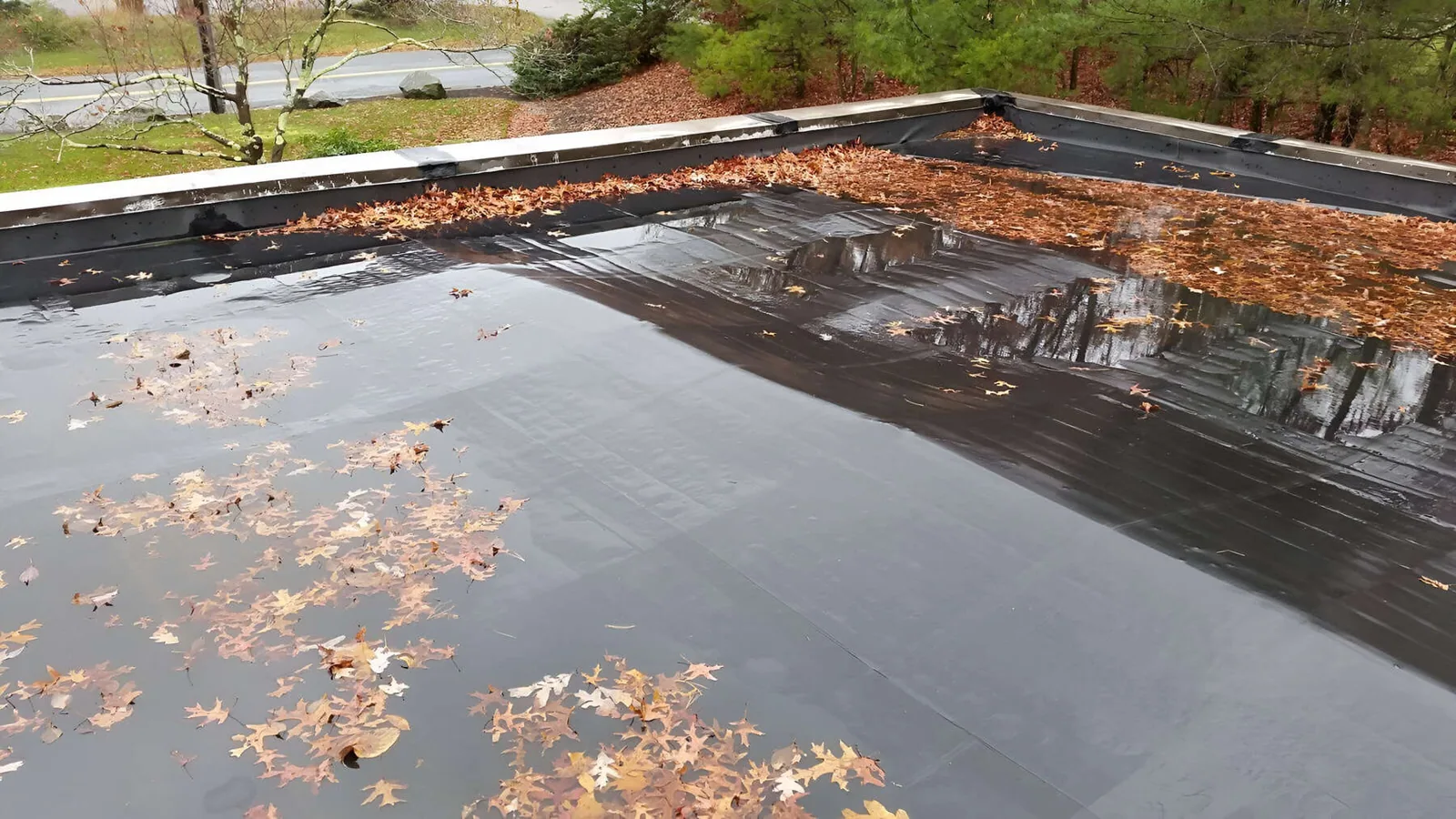
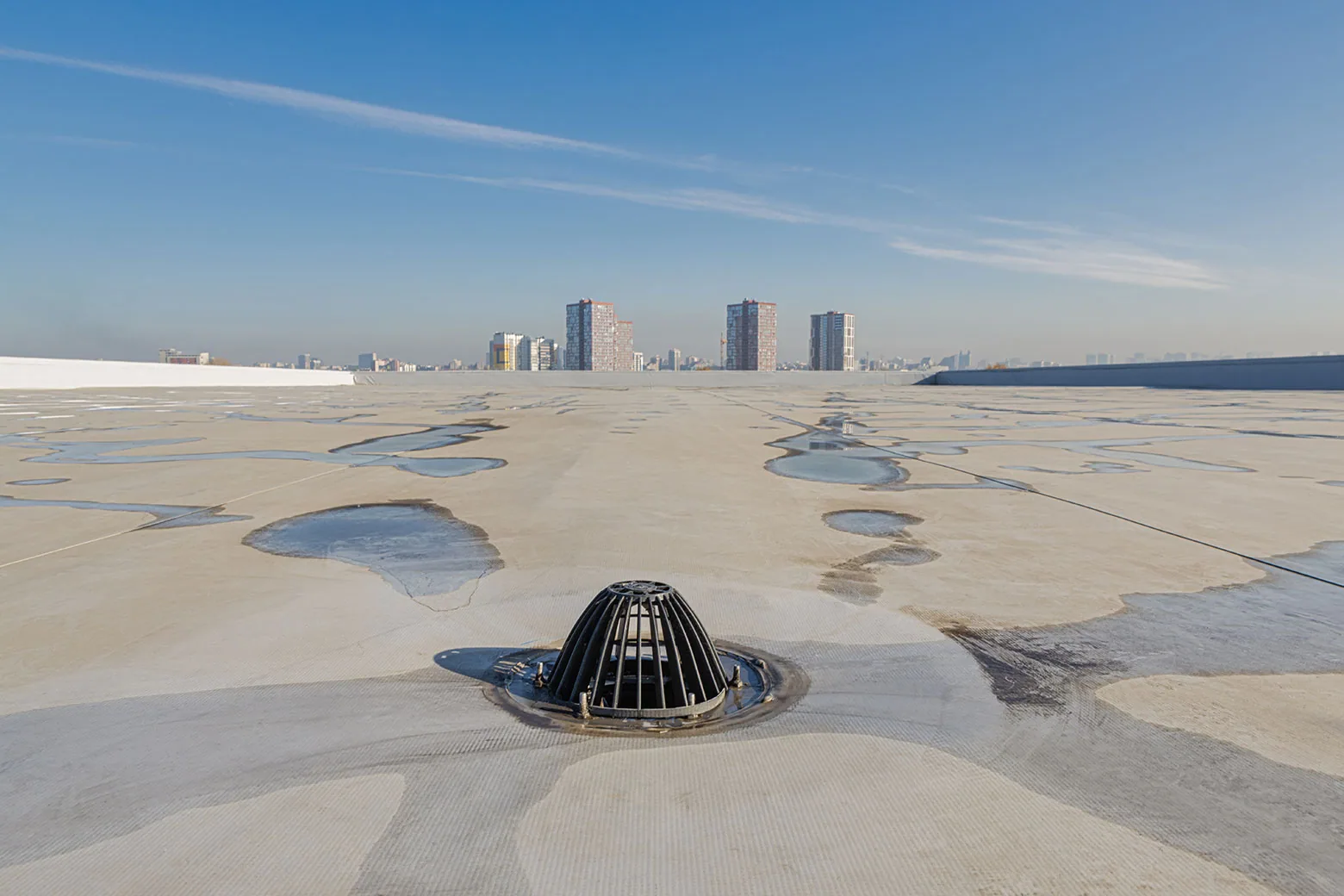
At a drain or scupper, the repair also has to preserve the outlet and overflow path. We check the bowl or opening, surrounding substrate, and nearby seams before closing the detail. The drain and scupper service can address an outlet connection when flashing and drainage are both involved. If the failure appears beside an open membrane lap, the seam-failure assessment keeps the cause and repair scope distinct.

Before work begins, we identify what can be seen and what may be hidden below the flashing. If removing the detail exposes wet insulation, deteriorated deck, or an incompatible prior patch, we document the finding and agree on the next scope step. This avoids closing over an unaddressed substrate issue.

Protect the Building While the Detail Is Open

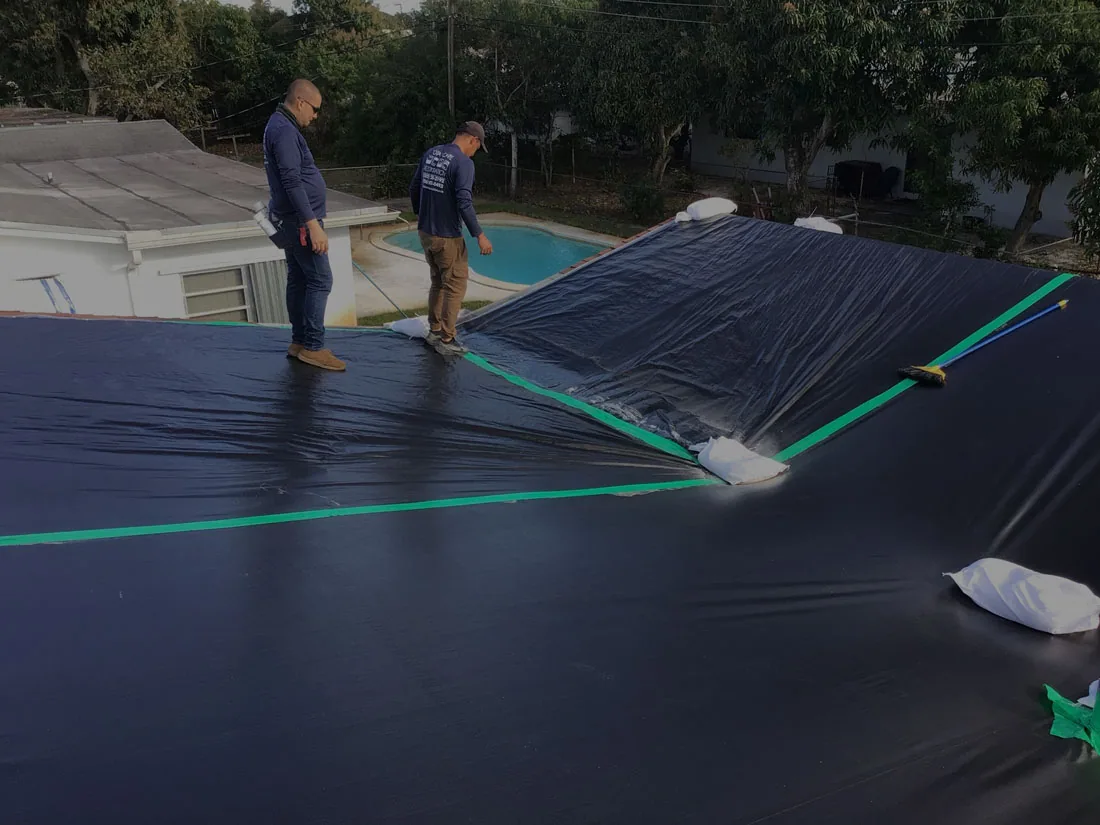
An active flashing leak needs water control while the permanent detail is prepared. We confirm safe roof access, protect the opening, and keep water from being directed into another part of the assembly. A wind-related perimeter inspection can check whether the edge and flashing failure share a repair boundary. Temporary material is secured for actual conditions and noted separately from completed flashing work. Emergency response is available at any hour, including weekends and holidays, when urgent roof conditions need attention.

We coordinate with the building contact on affected rooms, equipment, access, and any trade that must be present. If mechanical equipment needs to move, the scope includes the handoff and who is responsible for disconnecting and resetting the unit. The roofing crew completes the tie-in after the penetration or curb is ready. The emergency response service can handle an urgent opening, followed by a permanent repair scope once the surrounding material can be inspected.

In colder conditions, access and installation methods may be limited. We check the current forecast and product requirements before opening a large area. If the work cannot be completed in one shift, the temporary closure and next-step plan are documented so a manager knows what is protected and what remains.

Set Access Around the Property

Roof work in Downtown Rigby can involve storefront access and street-front services, while the River Commons district is a broader area where public infrastructure supports development near the Snake River Greenbelt. The property contact confirms roof type, operating rules, staging, deliveries, and entry conditions before the crew sequences a flashing repair. The owner or facility contact confirms staging, deliveries, escorts, and access restrictions.

Downtown and South Downtown Idaho Falls are one connected city-core area. A commercial property there may have a different work route from a building in an industrial or residential setting. We use the location to coordinate with the manager, then inspect the actual roof details and set a property-specific work zone. A River Commons roof visit can include the same detail documentation without assuming that adjacent properties share an assembly.

Cost and timing depend on the type of flashing, extent of separation, substrate condition, access, and whether equipment or interior protection is needed. The written scope states which transitions are included, what materials will be installed, and whether opening the assembly could change the work. The construction-team coordination can define trade responsibilities when flashing repairs occur during a larger renovation.

Confirm the Tie-In and Keep a Record

Once the flashing is repaired, we check the transition for continuity, secure attachment, and clear drainage. We photograph the finished detail and record any limit on what was visible. A follow-up visit may be appropriate if the repair was completed under restricted conditions or if moisture in adjacent materials needs monitoring.

For a repeated problem, a record of prior repairs helps determine whether the same detail failed again or a nearby condition has opened. We note the material, repair boundary, adjacent seams, and any equipment work that occurred later. The photo condition record gives facilities staff a practical reference for the next inspection and budget review.

If multiple flashing details have deteriorated or wet insulation extends beyond the repair area, we compare localized work with a broader restoration or replacement plan. The recommendation identifies evidence, options, and unresolved conditions. It does not treat one failed corner as proof that the full roof needs replacement.

Questions About Roof Flashing Failure Repair

Water can enter where flashing separates from the field membrane, wall, curb, or metal transition. We inspect the connection and adjacent material, then compare it with the interior sign. If the pathway remains uncertain, we identify testing before widening the repair boundary.

Sealant can be part of a compatible detail, but it may not correct loose metal, a failed membrane tie-in, or wet substrate. We identify the assembly and attachment first, then specify the materials and preparation needed for a lasting connection.

Some repairs can be made without moving equipment; others require a trade handoff. We inspect the curb and confirm the work area with the facility team. The scope names any mechanical coordination so the opening can be closed correctly after service.

We keep the opened area within the amount that can be prepared and closed under current conditions, and secure temporary protection if needed. The manager receives a clear record of what was stabilized and what permanent work remains.

A replacement review may make sense when flashing failure repeats across many roof zones, attachment is broadly weak, or moisture affects a wider assembly. We document the affected details and compare a localized repair with broader work before recommending a direction.

ServicesRoof SystemsIndustriesProperty TypesService AreasDamage RepairCapabilitiesManufacturersContactAboutRequest a Roof Assessment555-555-5555
Call us today555-555-5555