Commercial Ponding Water Roof Repair in Idaho Falls, ID Serving Idaho Falls & Eastern Idaho

Trace ponding water on Idaho Falls commercial roofs, inspect drainage and insulation, and define repair or correction scopes with photos.

Ponding Water Roof Repair in Idaho Falls, ID

Ponding Water Roof Repair

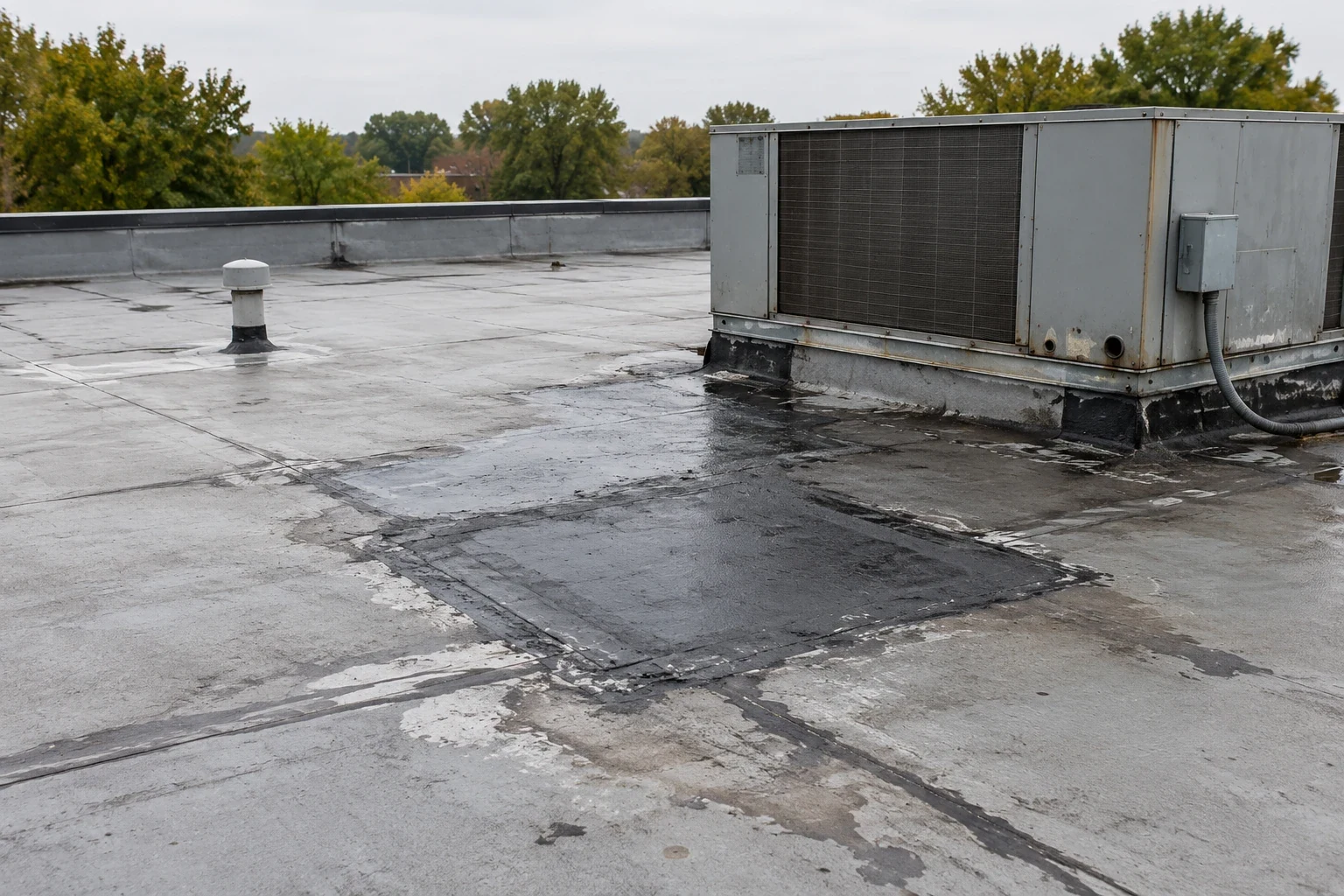
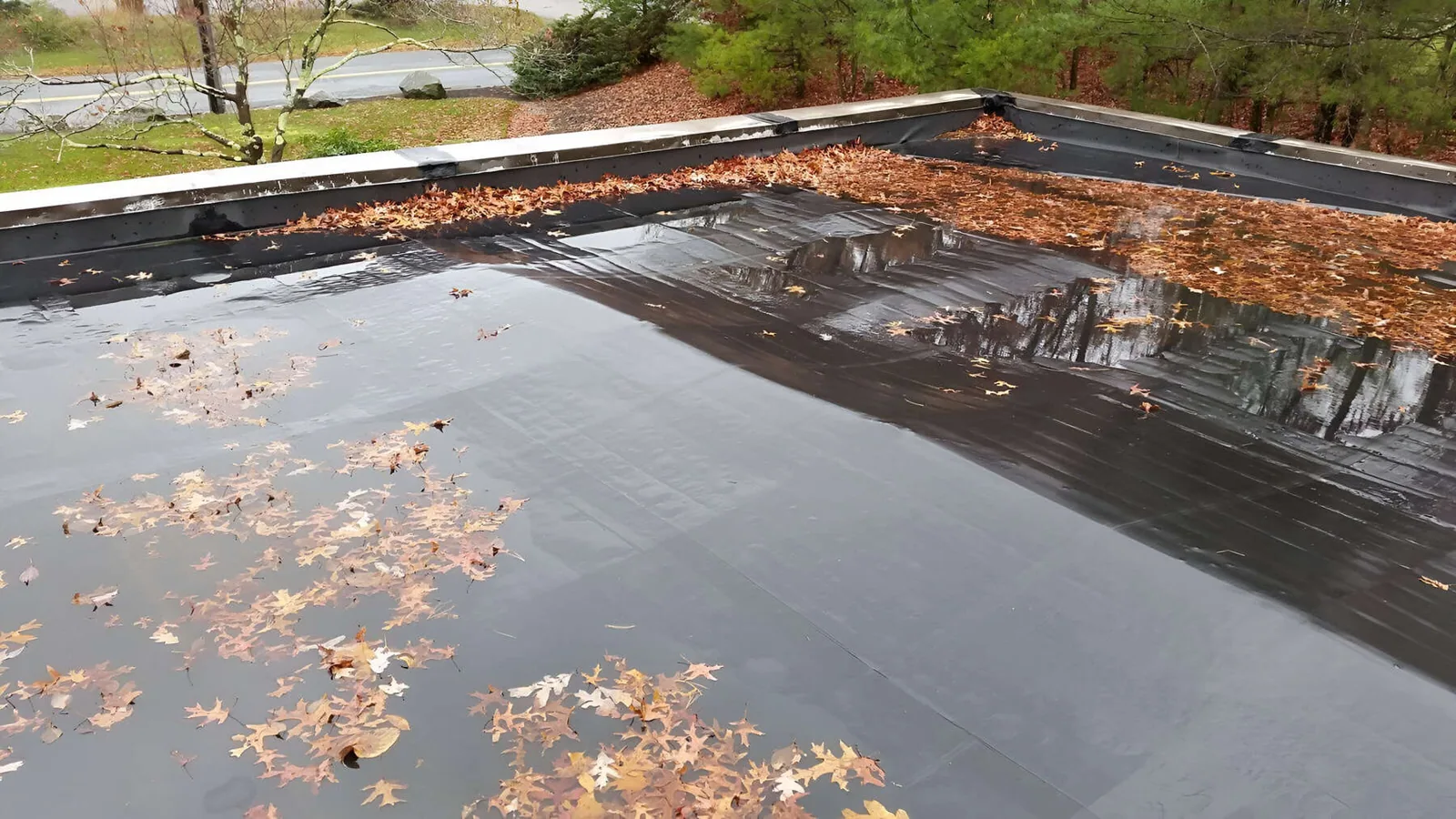
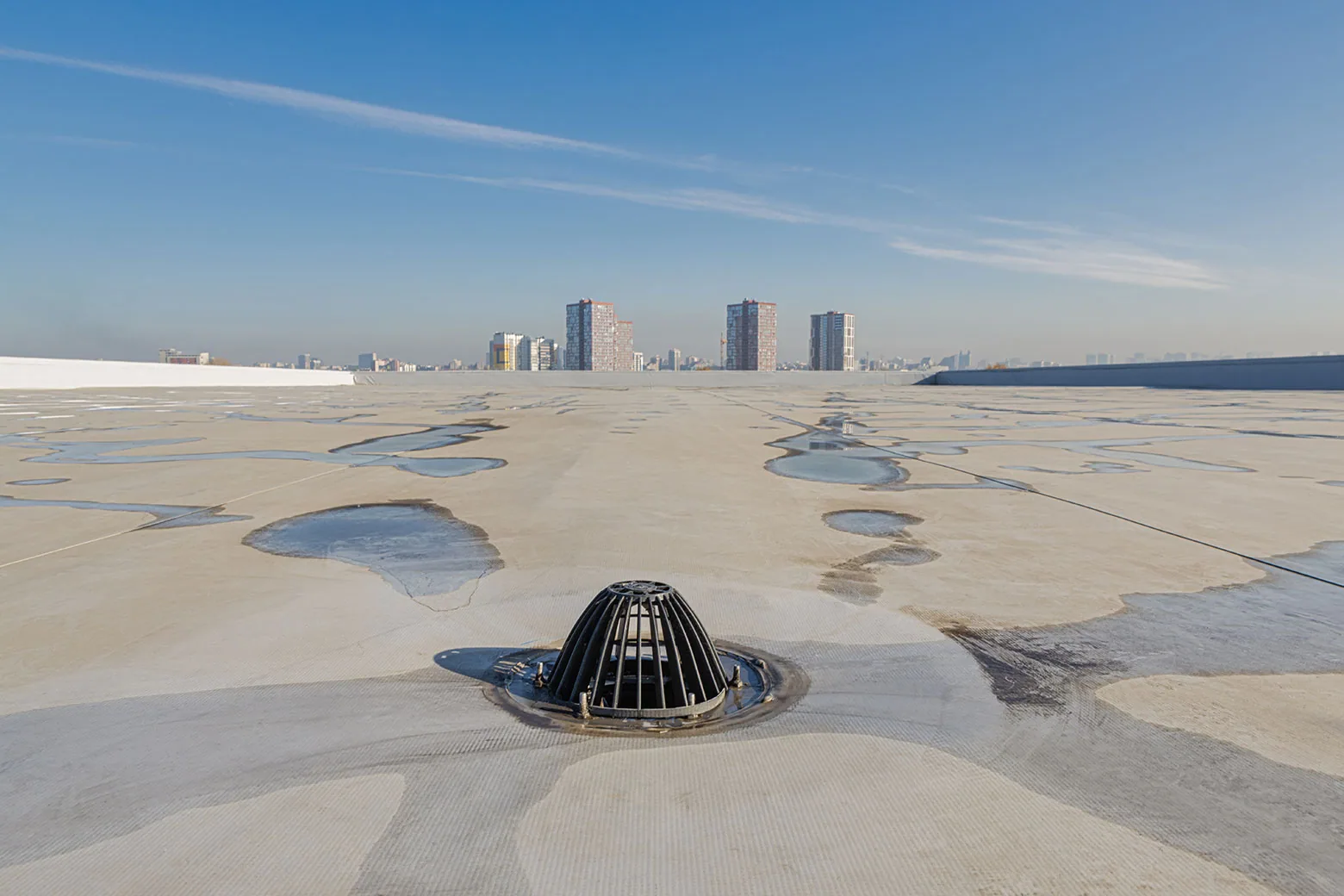
A low spot that stays wet after the surrounding roof dries deserves a closer look. Standing water can stress seams, expose weak flashing, and reveal a drainage or slope problem that a surface patch will not correct. Idaho Falls averages show 84.3 days each year with measurable precipitation, and May is the wettest month by Idaho Falls average, at 1.57 inches. Before opening the roof, check the active forecast, pond depth, outlet flow, and membrane condition at the property. We document where water remains, how it reaches the drains, and whether the roof surface or underlying assembly appears to hold moisture. The Warehouse District and Rexburg’s University Boulevard include varied commercial uses; inspect the actual roof and drainage layout before defining the repair scope.
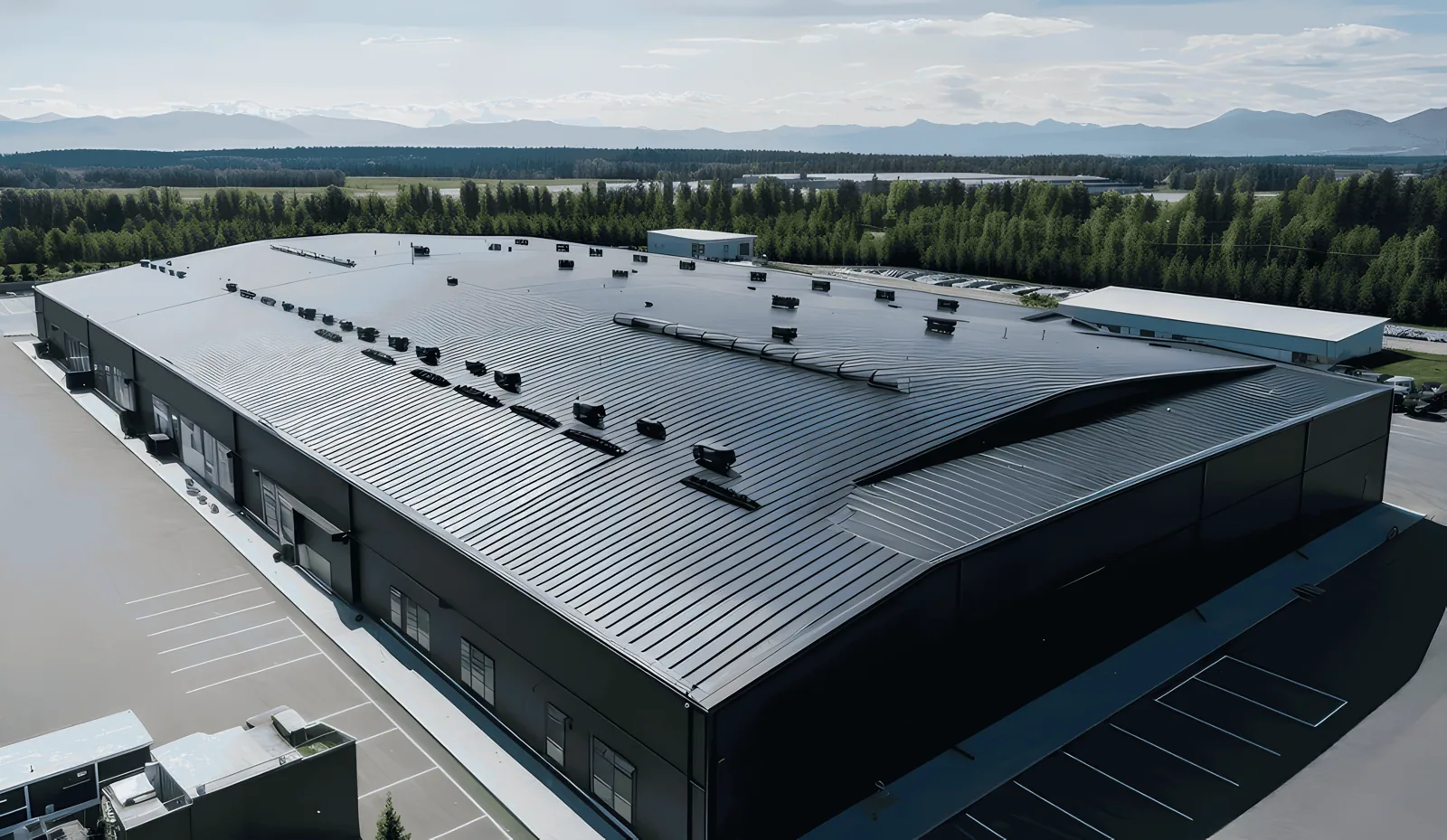
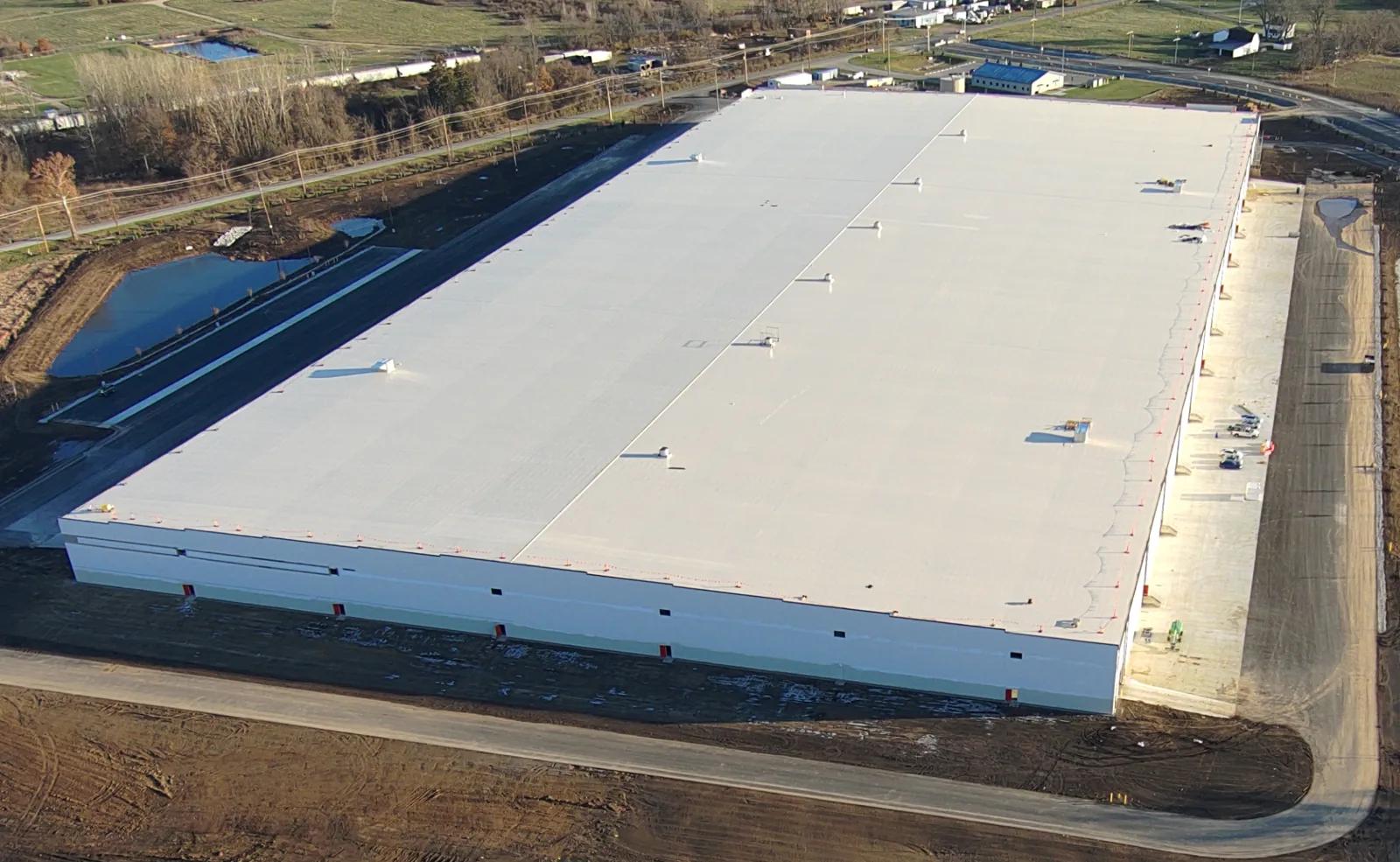
Ponding Water Roof Repair in Idaho Falls, ID

Map the Water Before Choosing a Fix

Start with the water path. We locate the low area, identify nearby drains or scuppers, check overflows, and note whether equipment, supports, or repairs interrupt the flow. A roof plan or field sketch can show the direction water should move and where it is collecting. We photograph the wet area after conditions permit and compare it with interior reports, previous repair locations, and the roof’s visible slope.

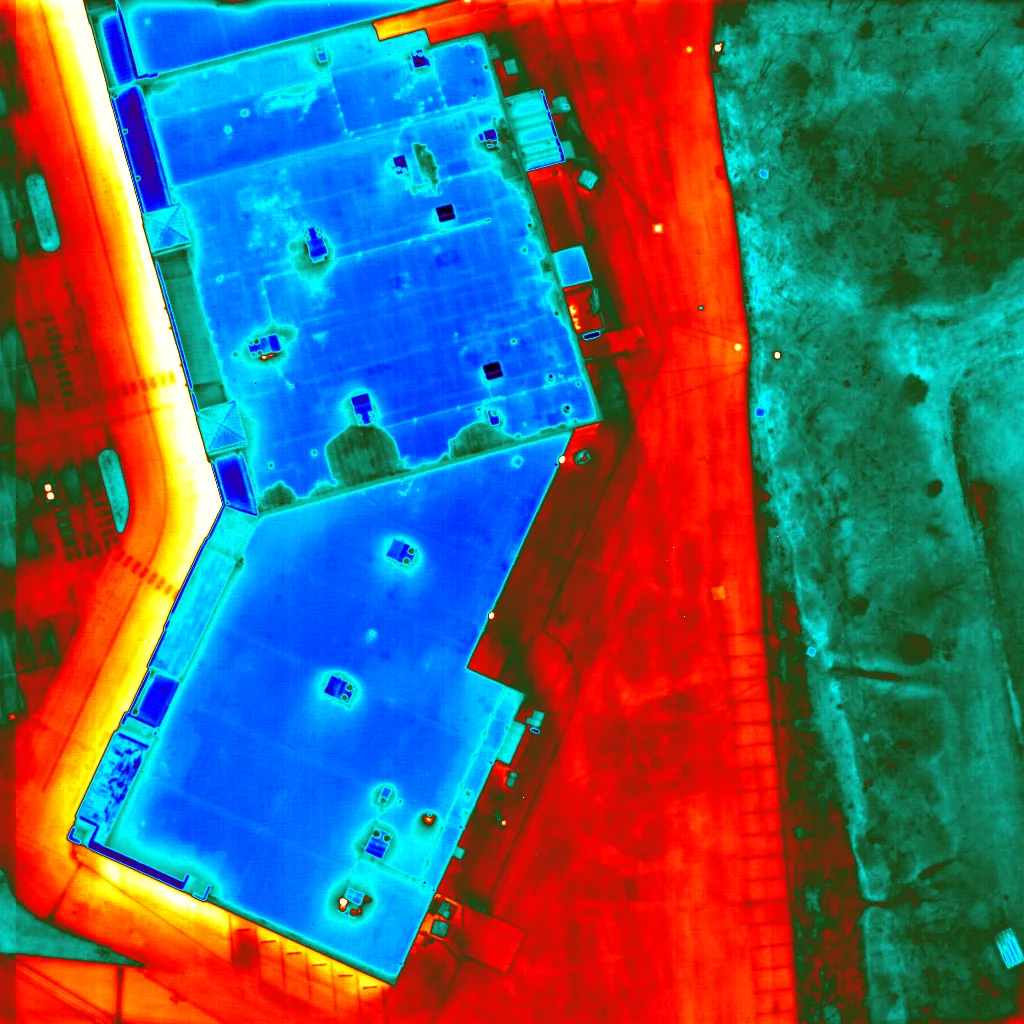
A blocked outlet may explain a temporary pool, but water that returns after cleaning can point to a different issue. Insulation may have compressed, a deck may deflect, or a drain may sit above the surrounding surface. We inspect the available evidence before selecting a remedy. The drain and scupper assessment checks the outlet and water path, while moisture mapping can help identify areas for selective verification when wet insulation is suspected.

The affected area may not match the interior stain. Water can travel below membrane layers or along the deck before appearing inside. We record both points and explain whether the connection is confirmed or still needs investigation. A leak trace can help compare the reported interior condition with roof details near the drainage zone.

Restore the Outlet and Overflow Path

Drain bowls, strainers, scuppers, and overflow routes need a clear path. We remove roofing debris where accessible, inspect connections, and note whether the outlet or surrounding flashing has separated. The outlet must remain functional at each stage of a repair. Materials and tools cannot be left in a way that obstructs flow when a shift ends.

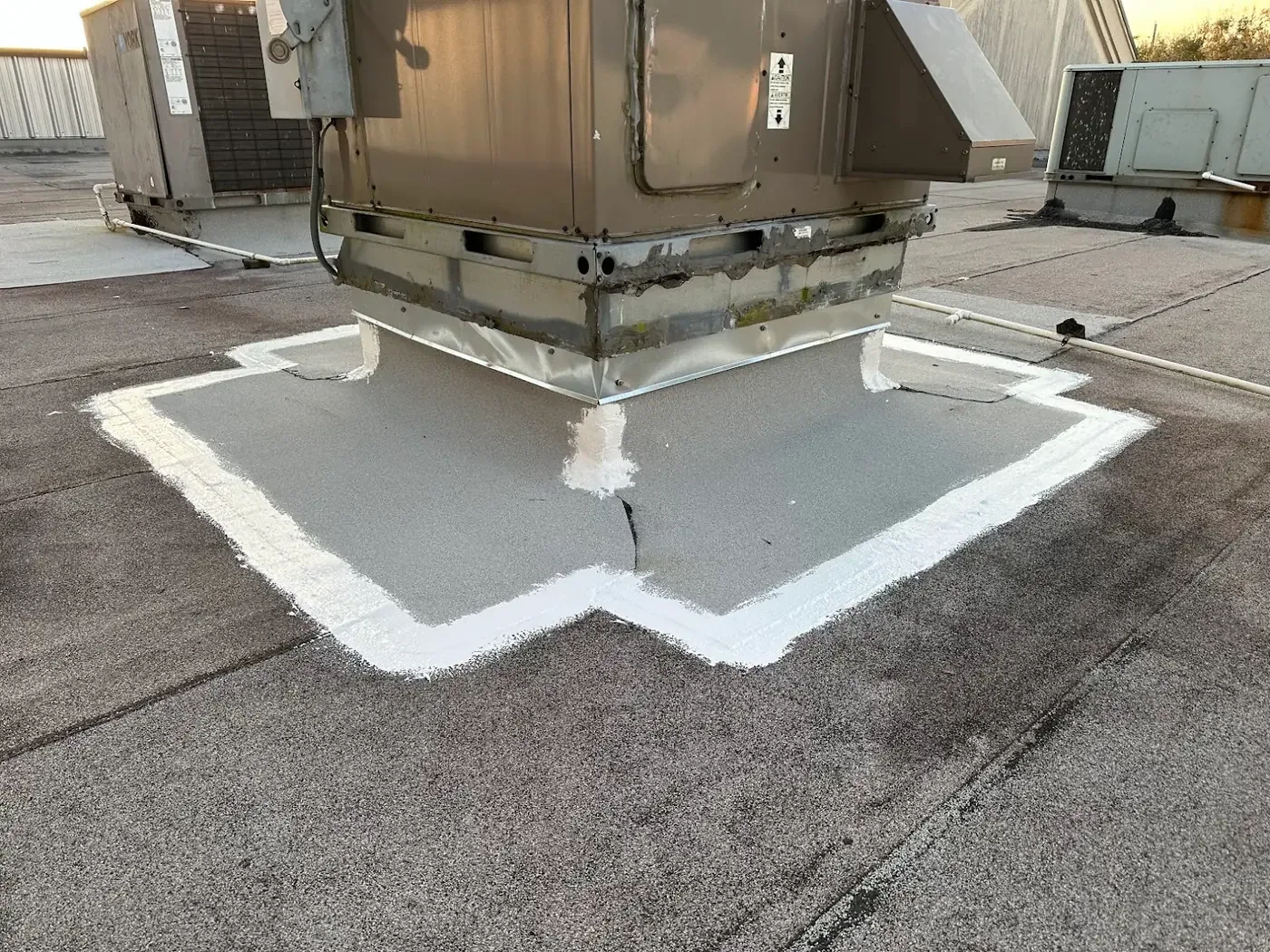
When the outlet is clear but the roof still holds water, we assess the slope and adjacent assembly. A drain may need resetting, the surrounding membrane may require new flashing, or the roof may have a broader low area. The flashing repair scope addresses a failed drain or wall transition when that is the documented defect. If the water path involves open laps, a seam repair can be tied into the broader drainage plan.

Idaho Falls has multiple mapped urban renewal areas near the Snake River, including River Commons, where public infrastructure has supported development in a broad area. We map slope, low areas, and outlet paths at the building before selecting a drainage correction. During inspection, we verify actual outlet locations and discuss whether roof access or interior use limits the work area.

Check What the Water Has Reached

Longer wetting can affect membrane seams, coating adhesion, insulation, cover board, and deck conditions. We look for soft spots, blistering, open laps, deteriorated flashing, corrosion, and signs of interior moisture. If moisture may extend beneath the membrane, we identify a test location and closure method before expanding the repair. If findings suggest wet insulation or concealed damage, we describe the area that may need testing and how the assembly can be restored after verification.

A repair may include outlet cleaning, localized membrane work, a flashing rebuild, insulation replacement, or a correction to the surrounding slope. Those are different scopes. We do not specify a broad re-slope from a photograph alone. The written proposal identifies the documented condition, the work needed to address it, and any decision that depends on a test cut or design input. The roof assembly inspection can establish a wider baseline when the water is not limited to one drain.

Surface coatings do not remove water trapped below the membrane or change a low point by themselves. If a coating is considered, the substrate and drainage condition must first support that choice. A coating evaluation should follow the moisture and surface review, not replace it.

Schedule the Work With the Property

The repair plan should account for roof access, occupied areas, deliveries, equipment, and where temporary water control is needed. Northgate Mile and 1st Street brings two business districts and nearby neighborhoods into one broad area, while Downtown and South Downtown make up a distinct connected core. The manager confirms access and staging while the crew traces drainage to each outlet. We confirm access and safe work zones with the property manager before bringing materials to the roof.

The Idaho Falls averages put January’s mean at 20.4 degrees and July’s average daily high at 86.6. These seasonal markers frame maintenance planning, while current conditions and the roof material guide when the surface can be prepared and closed. If the work cannot be completed in one visit, we identify what will be protected, what remains open, and when the next step is expected.

Where water has entered an occupied suite, coordination can include the facility contact and any restoration trade working inside. We note the affected area and keep roof work separate from interior drying or finish replacement. A portfolio roof record can preserve the drain history across a manager’s properties while keeping each building’s findings distinct.

Compare Repair With Broader Correction

A localized fix is useful when the cause is clear and the adjacent roof remains serviceable. If water returns after outlet cleaning, or multiple low areas show trapped moisture, the owner may need a broader evaluation. We compare the cost and disruption of repairs, selective insulation replacement, drain changes, or full replacement when the observed condition supports those options. Each alternative has a defined area and a clear assumption.

Work timing depends on access, material compatibility, moisture findings, and a suitable weather window. An active pool should not be ignored, but a rushed patch over a wet or unstable assembly can create more work later. We explain immediate water-control actions and planned corrections separately. A follow-up inspection can check whether the outlet remains open and whether the repaired area performs as intended after subsequent precipitation.

The project team confirms applicable building and energy requirements before work begins. A change to roof slope, insulation, or drainage may require project-specific review. We document the roof condition and coordinate with the owner’s construction team where the proposed correction changes the assembly or drainage design.

Questions About Ponding Water Roof Repair

The depth alone does not explain the condition. We check how long water remains, whether the outlet is clear, how the surface slopes, and whether there are signs of membrane or insulation damage. The inspection record gives the manager a basis to decide whether monitoring, cleaning, testing, or repair is appropriate.

It can help when debris blocks the outlet, but recurring water after cleaning calls for a slope and assembly review. We inspect the drain connection, overflow path, low area, and nearby seams before recommending a correction.

Not by itself. We look for interior signs and surface conditions that suggest trapped moisture, then identify where testing may be useful. If a test cut is proposed, we state the location and how the roof will be closed after the inspection.

A coating can renew a suitable surface, but it does not remove trapped moisture or change the slope. We verify substrate condition and water movement first. If drainage correction is still needed, we keep that scope separate from any coating work.

It should show the location of standing water, outlet and overflow condition, nearby penetrations, roof surface observations, interior signs, and any test limits. We also list the repair options that fit the documented assembly and identify what could change after opening the roof.

ServicesRoof SystemsIndustriesProperty TypesService AreasDamage RepairCapabilitiesManufacturersContactAboutRequest a Roof Assessment555-555-5555
Call us today555-555-5555