Commercial Fire-Damaged Roof Repair in Idaho Falls, ID Serving Idaho Falls & Eastern Idaho

Assess fire-affected commercial roofs in Idaho Falls, document heat and water conditions, protect openings, and define repair or replacement scopes.

Fire-Damaged Roof Repair in Idaho Falls, ID

Fire-Damaged Roof Repair

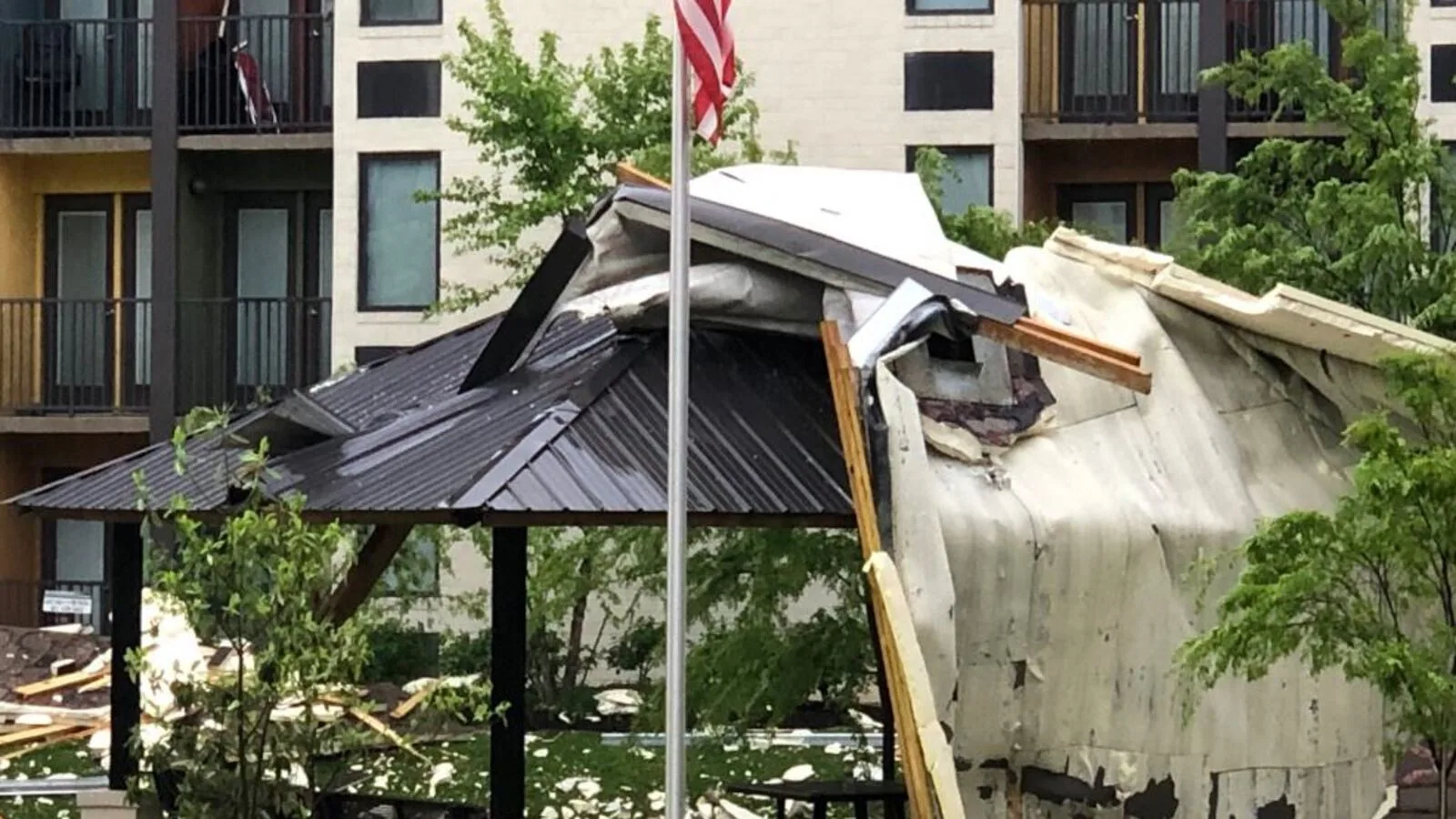
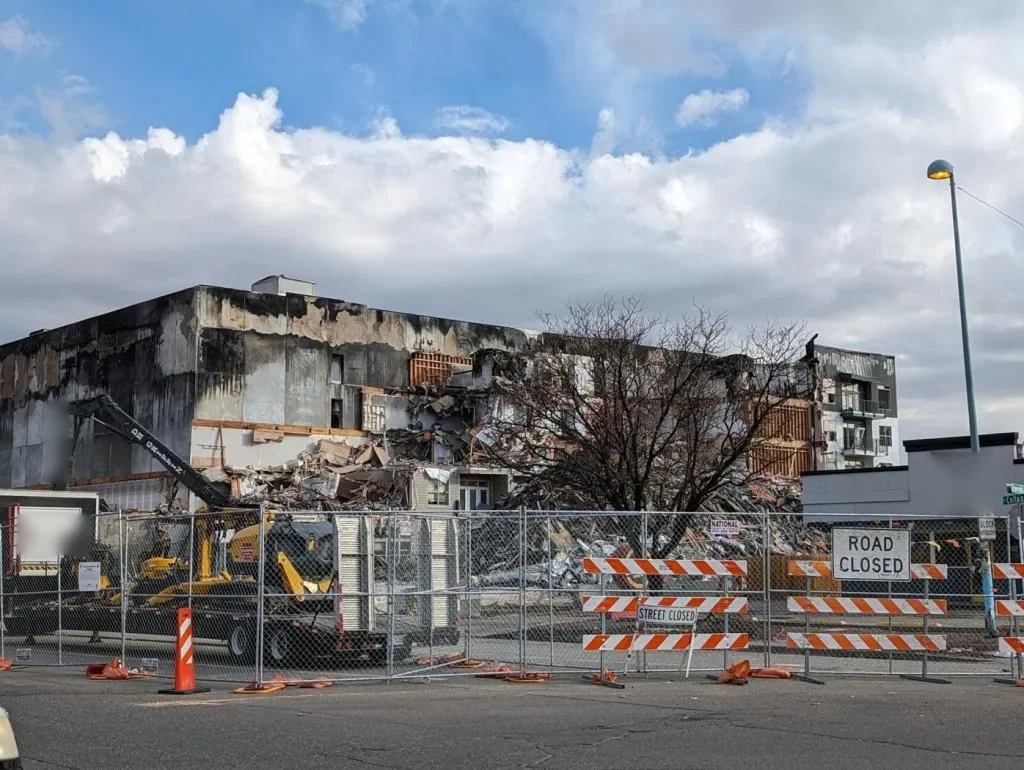
Heat from a roof-level fire can affect membrane, flashing, insulation, and the deck beyond the area where flames were visible. Firefighting water can add a separate moisture condition. Idaho Falls averages 14.7 days per year with overnight lows at or below zero degrees. That regional winter measure helps frame access planning, but it says nothing about the damage at an individual property or the conditions during a particular loss. We inspect only when the property team confirms the area is safe to access, then record visible heat effects, openings, water entry, and limits on what could be seen. A property near the Ammon Hitt Road corridor or Snake River Landing still needs a building-specific roof assessment. We do not infer damage boundaries from the district, tenant, or fire location alone.
Fire-Damaged Roof Repair in Idaho Falls, ID

Wait for a Safe Roof Assessment

After a fire, roof access may be limited by structural, electrical, air-quality, or fire-scene restrictions. The property owner and incident professionals determine when the roof can be entered. Once access is cleared, we review the route, surface stability, roof openings, and any temporary coverings before beginning the inspection. If an area cannot be reached safely, the report identifies that boundary and the follow-up needed.

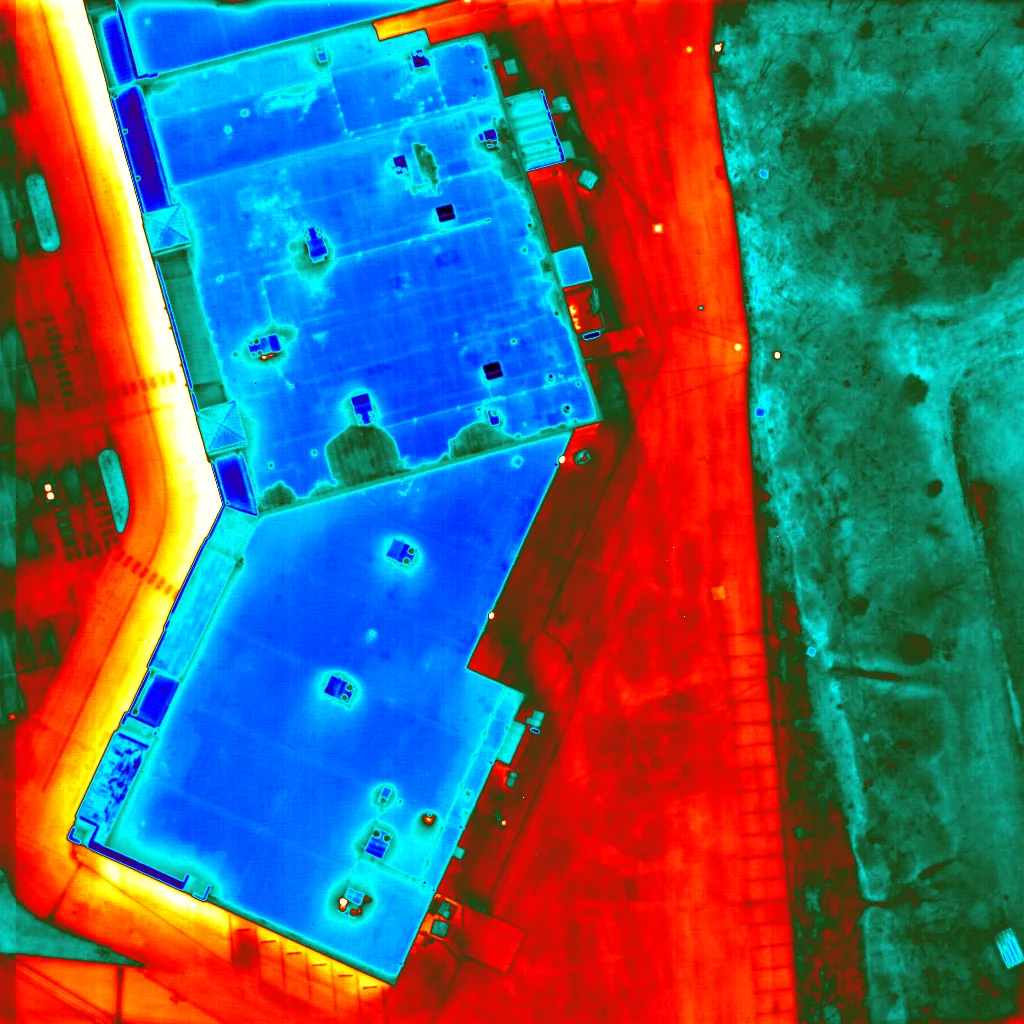
Heat can change membrane texture, distort metal, loosen an attachment, or expose insulation. Water used during suppression can travel through openings or pond in a low area. We map those observations separately because they require different repair steps. A roof inspection records the assembly and visible condition, while moisture testing can help focus further evaluation if water may have entered below the surface.

Emergency response is available around the clock, including weekends and holidays, for urgent roofing conditions after safe access is authorized. We can help secure an exposed opening and coordinate a temporary water-control measure. That step does not replace the property’s fire-safety clearance or a structural review.

Separate Heat, Smoke, and Water Findings

We record visible damage by roof zone: burned or softened membrane, blistering, distorted edge metal, loose flashing, exposed insulation, punctures, and water accumulation. Smoke residue can affect surface preparation, and soot or debris may need removal before a permanent patch bonds. We do not label hidden layers as damaged until testing or opening confirms their condition.

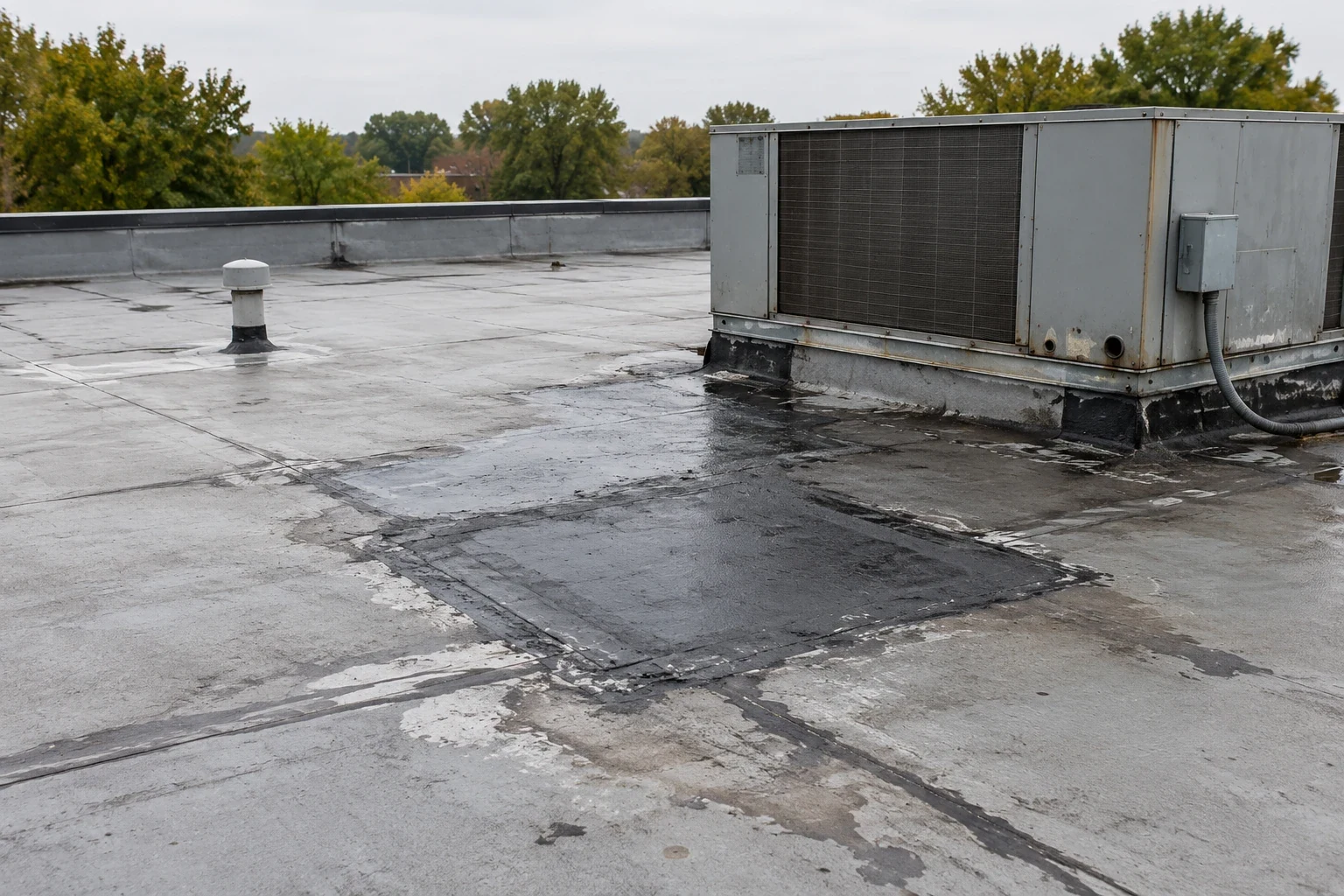
Fire-related water entry may appear far from the roof opening. We compare interior reports with drain locations, seams, curbs, and the fire-affected zone. We trace the leak area and mark any inaccessible section for follow-up before finalizing the permanent repair scope. The leak response service can address active water entry while the repair boundary is being established.

The property record can include photographs, areas inspected, materials visible, temporary work, and test locations. If the owner is organizing claim materials, our claim documentation scope describes roof findings and proposed work without making a coverage decision. The roofer documents roof conditions and completed work; the insurer applies policy terms, and the owner addresses liability questions.

Protect the Roof Without Hiding Conditions

Temporary protection should reduce exposure while leaving the repair boundary understandable. We secure covers and tie-ins to suit the roof and current conditions, keep drains open, and photograph the area before and after stabilization. If a tarp or other temporary layer is already in place, we document what it covers and which edges remain unverified before changing it.

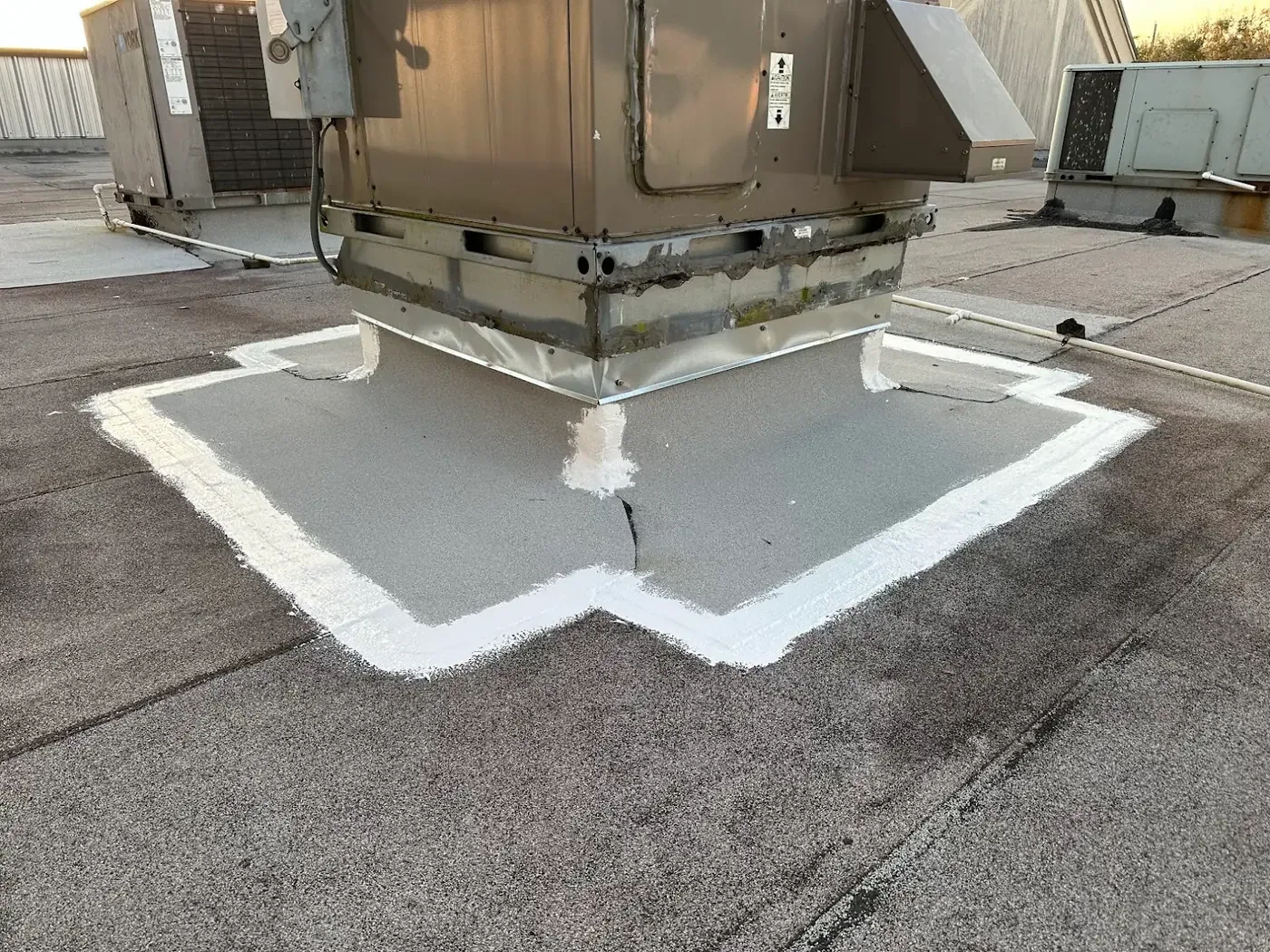
For a damaged membrane, the permanent work may require removal of affected material, substrate review, insulation replacement, and a compatible tie-in. If metal is distorted or displaced, the repair may include new sheet metal and secure attachment. We distinguish those options in the scope. A flashing repair can address a failed transition, and a membrane opening repair can define a localized breach once the assembly condition is known.

Water control continues during permanent work. We limit the opened area to what can be closed reliably and adjust the sequence if weather, access, or newly exposed damage changes the plan. The property manager receives the scope change before additional work proceeds.

Choose Repair, Restoration, or Replacement

A local repair may work when heat or water damage is confined and the surrounding materials remain suitable. Broader replacement may be appropriate when membrane, insulation, or deck damage extends across multiple roof zones. Coating is considered only if the substrate and attachment can support that assembly; it does not remove damaged material beneath the surface. We document the evidence behind each option and identify tests that could change the recommendation.

The project team should confirm applicable requirements before deciding how much of the assembly to remove. The project team confirms which permit or design reviews apply to a repair, assembly change, or replacement. We record roof conditions and coordinate with the owner’s contractor or design professional where the proposed scope changes the roof build-up.

Cost and schedule depend on the affected area, tear-off depth, substrate condition, material compatibility, interior protection, and coordination with other restoration trades. We separate temporary protection from the permanent roofing scope, and roof work from interior drying or finish replacement. The replacement evaluation can compare a broader project when the confirmed damage extends past a localized repair.

Coordinate Access Across the Site

Fire recovery may involve a facilities manager, restoration contractor, insurer, and other building trades. With the owner’s direction, we set one contact for roof access, safety requirements, temporary protection, and scope changes. Work areas below the roof may need to remain closed while other areas operate. The roofing sequence identifies where crews will work and when a temporary closure is in place.

Idaho Falls describes Downtown and South Downtown as an integrated planning area, and Ammon identifies Hitt Road, also called 25th South, as a major corridor. Downtown access and Ammon’s Hitt Road corridor can shape deliveries; the property contact confirms staging, escorts, and roof-entry rules. We confirm staging, escorts, roof hatches, and traffic controls with the property representative. A Hitt Road and 25th South service visit is scoped to the individual commercial roof.

At closeout, we record completed work, remaining limitations, and recommended follow-up. A later inspection can review repaired areas after the property returns to normal operations. If replacement was completed, the maintenance record should capture system information and rooftop changes that could affect the roof in the future.

Questions About Fire-Damaged Roof Repair

No. The property and incident professionals must confirm that roof access is safe and authorized. We can plan the scope and access questions in advance, then inspect once the restriction is lifted.

Heat, smoke, and suppression water can affect nearby materials or travel below the surface. We document visible conditions, compare them with interior signs, and identify where testing or a roof opening is needed to confirm the full boundary.

A cover may protect an exposed opening while permanent work is planned, but it does not assess insulation, deck, or smoke-affected material. We label temporary protection separately and identify what remains to be inspected.

We can provide photographs, roof observations, and a defined repair estimate. The record describes roofing conditions and proposed work; the insurer and policy determine coverage and claim handling.

Repair is an option when the affected area is limited and the adjoining assembly can support a tie-in. A broader removal may be needed when heat, water, or substrate damage continues beyond the visible opening. We document the evidence before defining the scope.

ServicesRoof SystemsIndustriesProperty TypesService AreasDamage RepairCapabilitiesManufacturersContactAboutRequest a Roof Assessment555-555-5555
Call us today555-555-5555