Commercial Snow and Ice Roof Damage Repair in Idaho Falls, ID Serving Idaho Falls & Eastern Idaho

Assess commercial snow and ice roof damage in Idaho Falls, check drainage and flashing, and document safe access, water control, and repair options.

Snow and Ice Roof Damage Repair in Idaho Falls, ID

Snow and Ice Roof Damage Repair

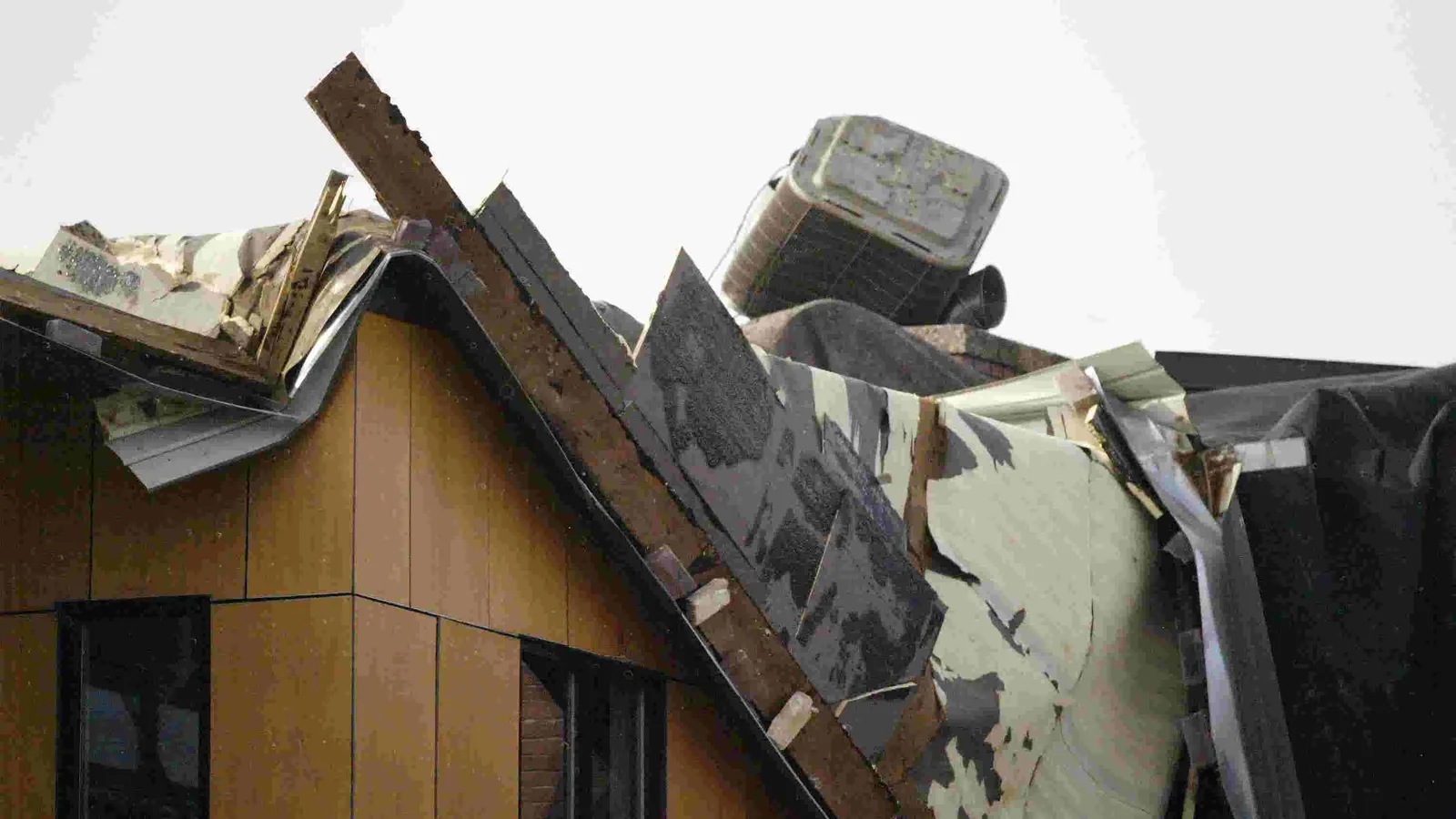
Ice at a drain, scupper, or roof edge can change where meltwater goes. Idaho Falls has a long winter cycle: At Idaho Falls, Idaho Falls average 14.7 days per year with nighttime lows at or below zero degrees. They do make winter access, drainage, and exposed details important parts of a roof plan. We inspect only when the surface can be reached safely, document ice-related conditions, and separate temporary water control from permanent repair. A building in the Rexburg North Interchange district has its own roof and access conditions, just as a property in Downtown Idaho Falls does. The inspection establishes what is present before a load, drainage, or flashing concern is assigned to the roof.
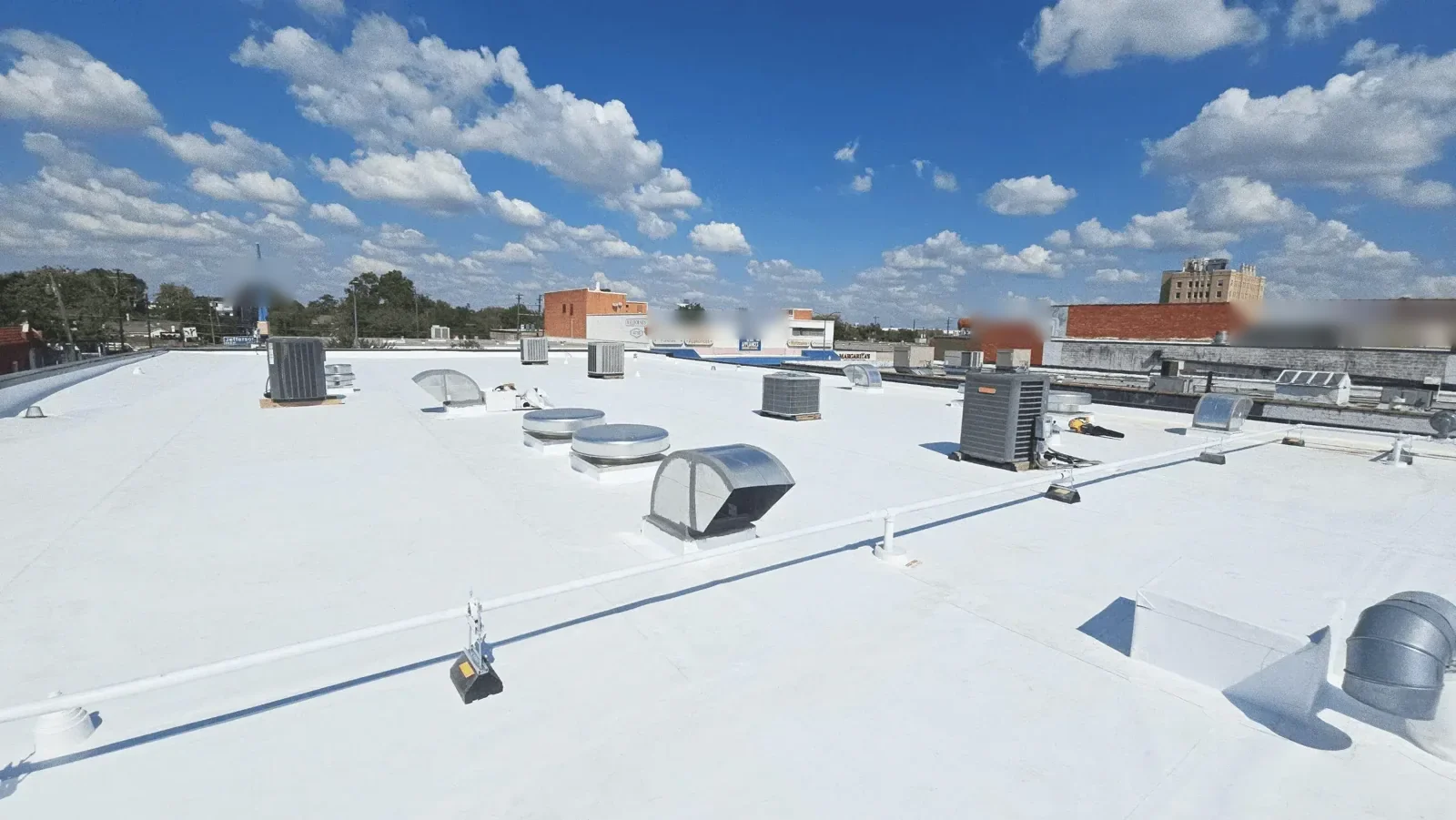
Snow and Ice Roof Damage Repair in Idaho Falls, ID

Confirm Access Before the Roof Visit

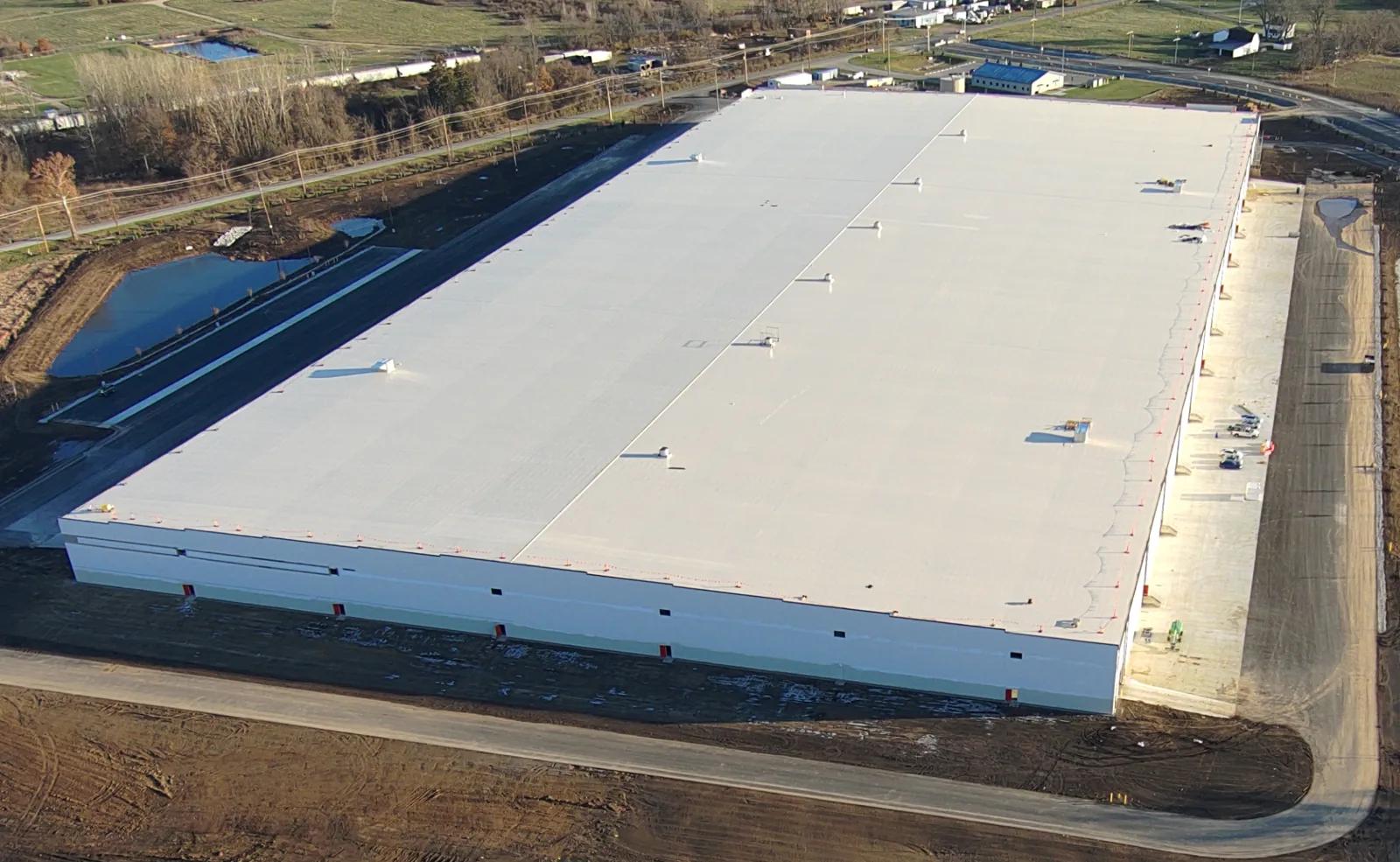
Snow and ice can make ladders, walk paths, roof edges, and metal surfaces unsafe. We confirm access conditions with the property contact and check the roof before bringing tools or materials onto it. If conditions do not permit safe entry, the inspection is delayed or limited and the report states what could not be reached. After safe access is available, we inspect attachment, drains, edges, and penetrations; the ground view helps prioritize that roof check.

Where snow remains, we do not assume that its presence proves structural distress. The building’s design, accumulation pattern, drift, and load information require the appropriate project professionals. We can document visible roof conditions and flag concerns for structural review. A reported sag, unusual movement, or interior change should be shared with the facility lead promptly; safe access and building safety take priority over a roof repair visit.

Idaho Falls averages indicate a January mean temperature of 20.4 degrees. We check current weather and product limits before planning temporary protection or permanent installation. A winter roof inspection can record accessible seams, edges, drains, and penetrations once conditions allow.

Check Drains, Scuppers, and Meltwater

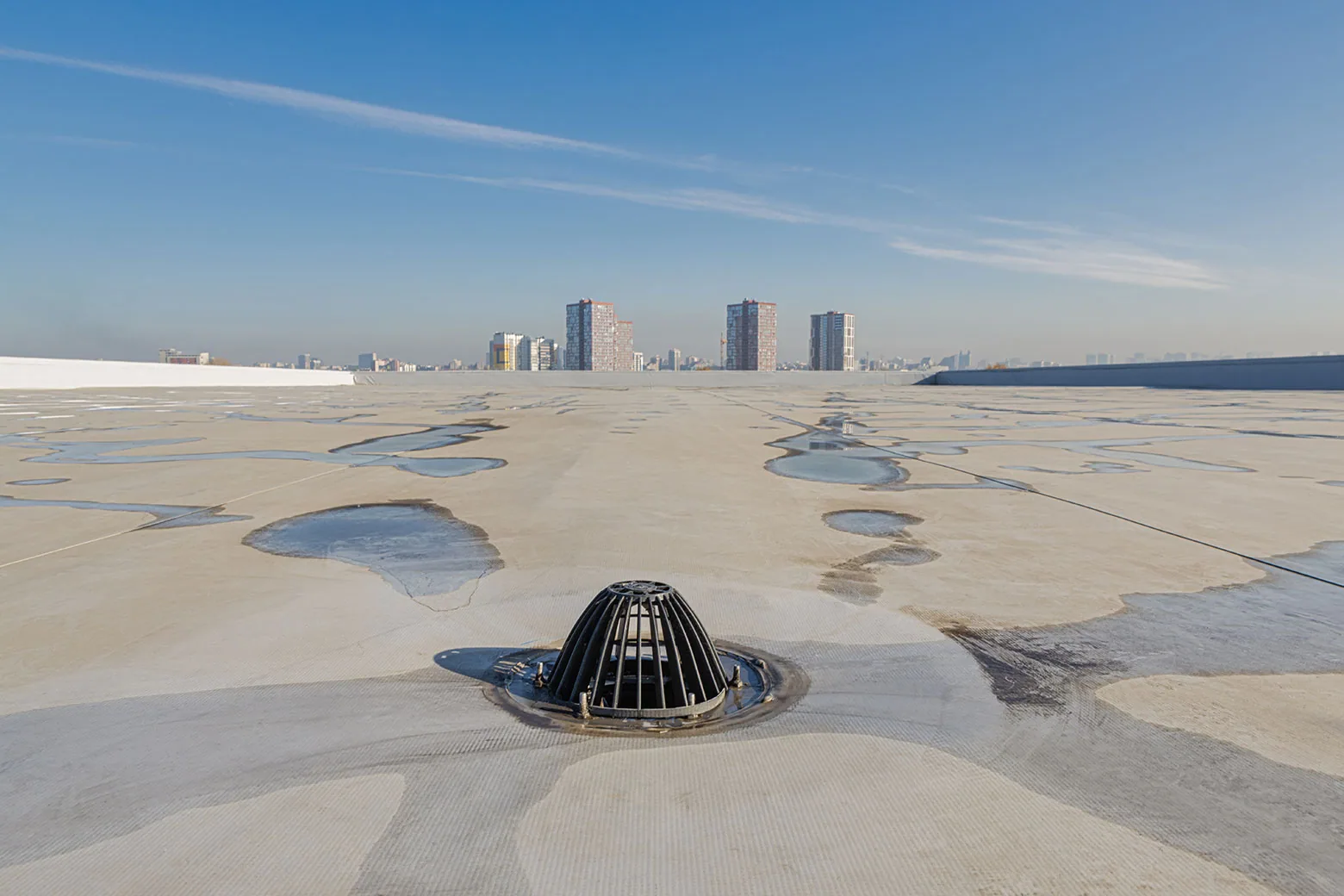
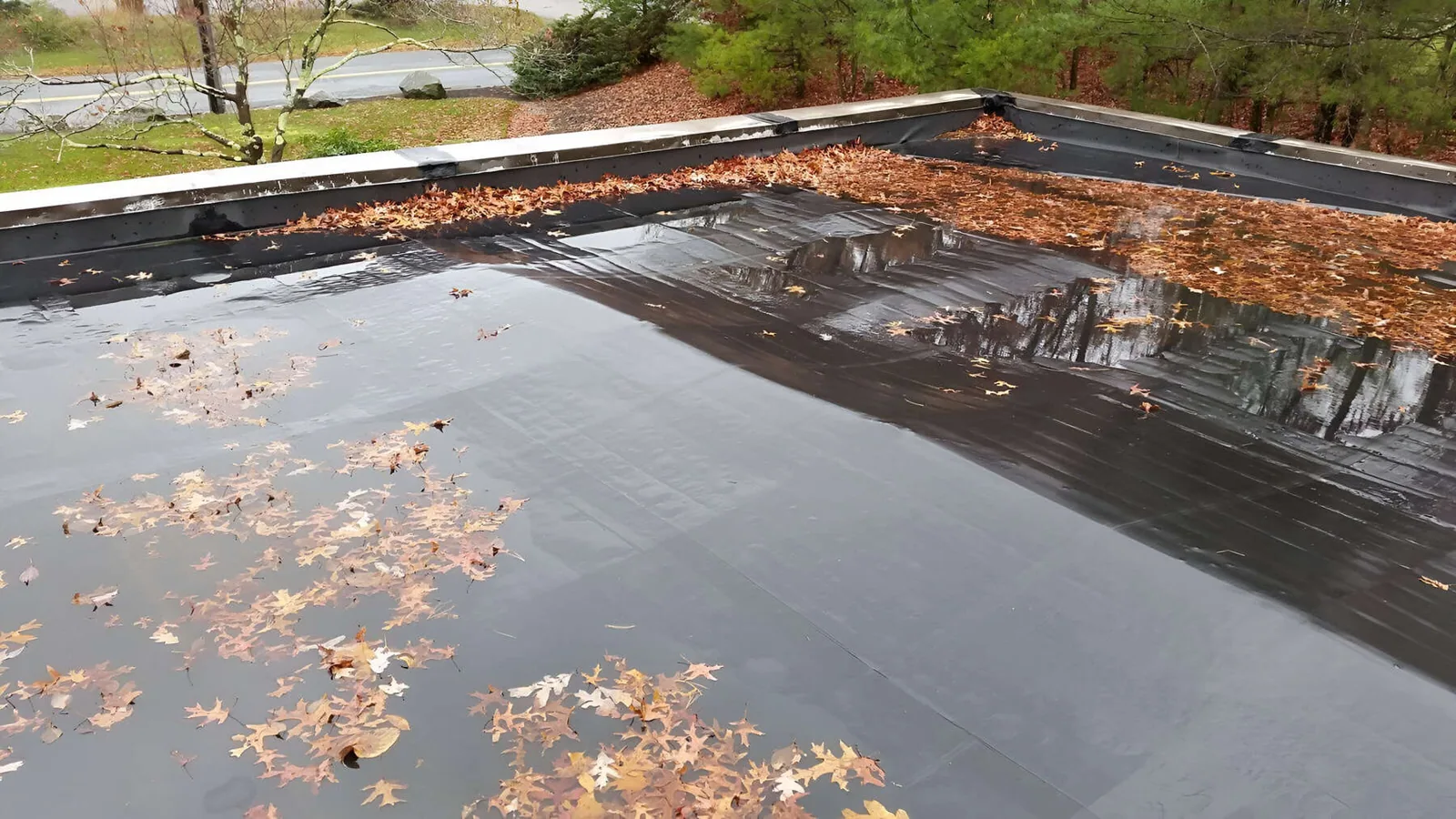
Ice near an outlet can slow drainage and send meltwater toward seams, curbs, or interior wall transitions. We identify primary drains, overflows, scuppers, low spots, and any obstruction that can be safely observed. The inspection record notes whether the water path is open and whether flashing at an outlet remains connected. We do not chip ice from a membrane or use a method that could cut or puncture the roof.

If the outlet is clear but water remains, the cause may involve slope, compressed insulation, or a low area. We distinguish that from a blocked strainer and explain whether additional testing is warranted. The drain and scupper service can address the drainage connection, while a ponding-water inspection can investigate a recurring low spot or delayed drainage after thaw.

Water can move under a membrane before it becomes visible inside. We compare interior reports with roof openings, seams, and drainage points. If the route remains uncertain, we identify a leak investigation or selective moisture check rather than assuming the stain directly below the roof marks the entry.

Inspect Details Through the Freeze Cycle

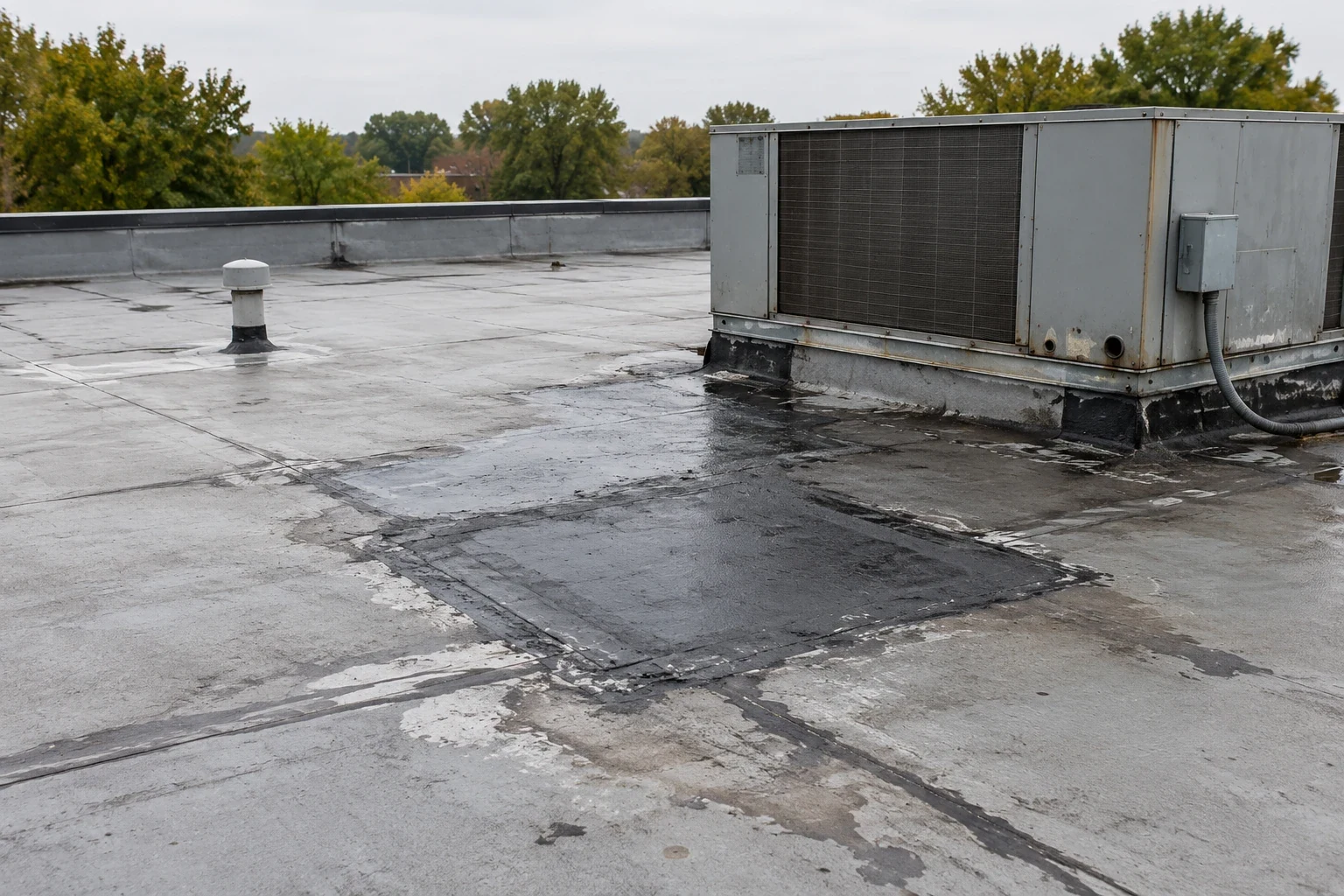
Cold and thawing conditions can expose a split at a seam, a lifted flashing edge, or a sealant joint that no longer closes. We inspect the transition and nearby material for movement, brittleness, and signs that water has entered. At a metal roof, panel laps, fasteners, and edge conditions need a different repair than single-ply membrane. We identify the assembly before selecting a compatible method.

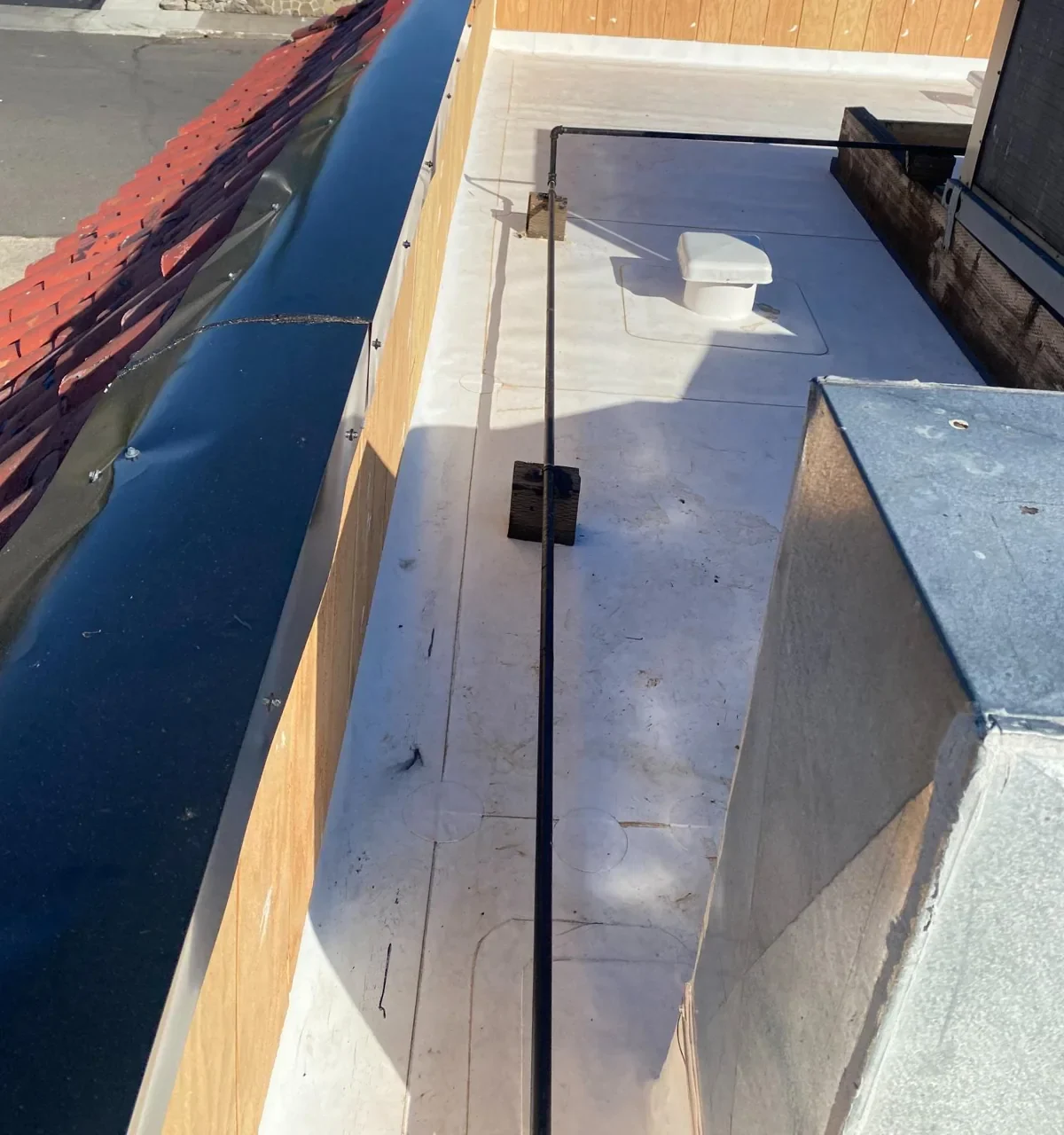
A curb or wall transition may need rebuilding if the flashing has separated from the field. An opening at a lap may call for seam work rather than a coating or cover patch. The flashing repair scope can address the interface, while seam repair can rejoin compatible membrane at a failed lap. The repair should include preparation, tie-in, and the condition of the substrate underneath.

If moisture is suspected beneath the membrane, a surface repair alone may not address the problem. We document what is visible and identify where a test or opening could confirm insulation and deck condition. Any new opening is closed using a defined repair detail before the crew leaves the area.

Plan Temporary Protection and Return Work

An active leak during winter calls for a safe assessment and a temporary measure that fits the surface and conditions. Winter roof emergencies can receive a response at any hour, with weekends and holidays included. We coordinate with the building contact, secure an exposed opening where possible, and record what the temporary protection can and cannot do. The permanent repair may need to wait until the roof can be prepared and materials can be installed within their requirements.

We keep drains open as work proceeds and protect each tie-in at the end of the shift. If snow, ice, or weather prevents full completion, the scope identifies the protected area, the exposed detail that remains, and the return condition needed. The emergency roof response can address urgent water entry before the full repair plan is completed.

Property access can matter as much as the roof detail. The Rexburg North Interchange service area spans multiple jurisdictions and includes planned industrial, commercial, residential, retail, and government uses. Downtown Idaho Falls and South Downtown form a connected core planning area. Those contexts do not define an individual building’s rules. We confirm roof access, staging, and affected interior space with the owner or facility contact.

Separate Roof Repair From Structural Review

A roofer can repair damaged membrane, flashing, edge metal, or drainage details after access is safe and the work area is known. A structural question about design capacity or snow loading belongs with the building’s structural professional. We identify that boundary clearly so a roof repair scope is not mistaken for a load assessment.

Cost depends on access, snow or ice clearance requirements, membrane or metal system, insulation condition, repair area, and whether a drain or curb needs rebuilding. Timing depends on safe weather and product requirements. We explain which work controls water now and which larger correction needs a separate scope. If repeated winter damage or broad deterioration is documented, a replacement evaluation can compare the assembly condition with localized repair.

The owner and project team should confirm permit and inspection requirements for the proposed scope. The owner’s design team determines whether a change to insulation, slope, drainage, or structural components requires added review. We document roofing observations and coordinate the roof work with the project team when the proposed scope changes the assembly.

Questions About Snow and Ice Roof Damage Repair

Compare reported sag or unusual movement with design and load information, and involve a structural professional when those conditions raise concern. Structural capacity and accumulation need review by the appropriate professional. We can document visible roofing conditions once access is safe, but we do not treat a roof repair inspection as a structural assessment.

We avoid methods that could puncture or cut the membrane. The outlet and surrounding flashing should be inspected safely, and the property team should use a qualified method appropriate for the roof. We record whether the water path is open and what repair may be needed.

Meltwater may have entered at a seam, curb, edge, or blocked outlet and traveled below the surface. We compare the interior symptom with roof details and moisture evidence, then identify whether a localized repair or further testing is appropriate.

Emergency response is available at any hour, including weekends and holidays, but roof access and repair methods depend on safe conditions. We assess what can be secured and provide a limited temporary measure if appropriate; permanent work follows when the roof can be prepared safely.

The building’s structural engineer or another qualified design professional evaluates capacity and load. The roofing team can inspect visible membrane, flashing, drainage, and water entry, then coordinate a repair after the building team establishes safe access.

ServicesRoof SystemsIndustriesProperty TypesService AreasDamage RepairCapabilitiesManufacturersContactAboutRequest a Roof Assessment555-555-5555
Call us today555-555-5555