Commercial Roof Seam Failure Repair in Idaho Falls, ID Serving Idaho Falls & Eastern Idaho

Repair open seams on commercial roofs in Idaho Falls with system-specific preparation, documented tie-ins, and clear moisture limits.

Roof Seam Failure Repair in Idaho Falls, ID

Roof Seam Failure Repair

Temperature swings in Idaho Falls can work at seams, terminations, and transitions before an opening is easy to see from the roof hatch. Cold nights and warmer afternoons put repeated movement on membrane laps through the winter cycle. The city averages a January temperature of 20.4 degrees, and winter lows reach freezing or below on many days. We inspect the seam, the material around it, nearby penetrations, and the substrate before deciding what can be repaired. A roof in the Rexburg Downtown District has its own assembly and history, just as a building in Idaho Falls’s Northgate Mile area does. We set the work boundary from what is documented at the property.
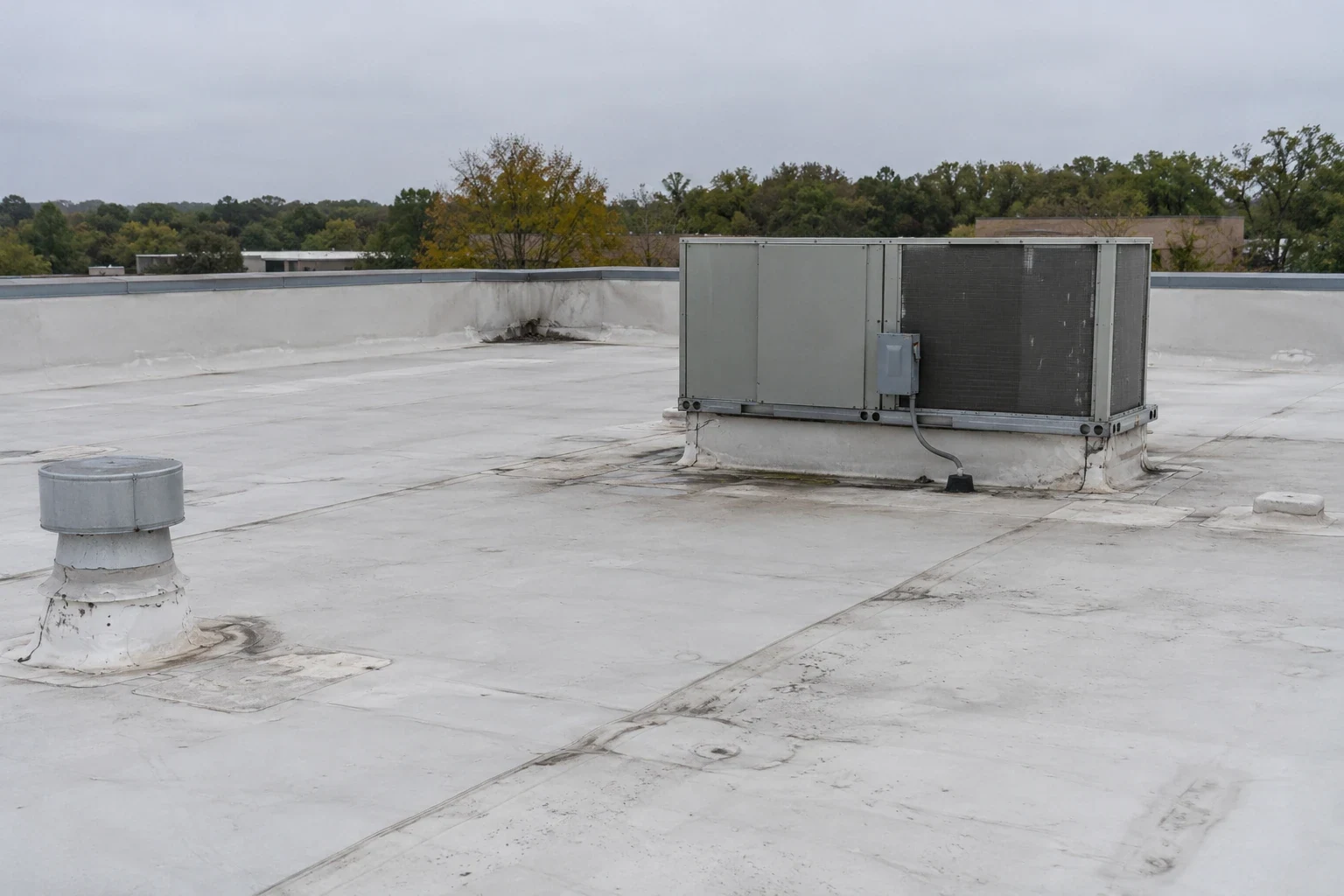
Roof Seam Failure Repair in Idaho Falls, ID

Find the Cause of the Open Lap

An open seam may follow poor adhesion, contamination, movement, incompatible prior work, or stress where roof geometry changes. We check the full length of the separation and compare it with adjacent laps, perimeter details, and equipment curbs. A short opening at one location may be repairable locally. Several loose seams on the same roof can point to a broader attachment or surface-preparation issue.

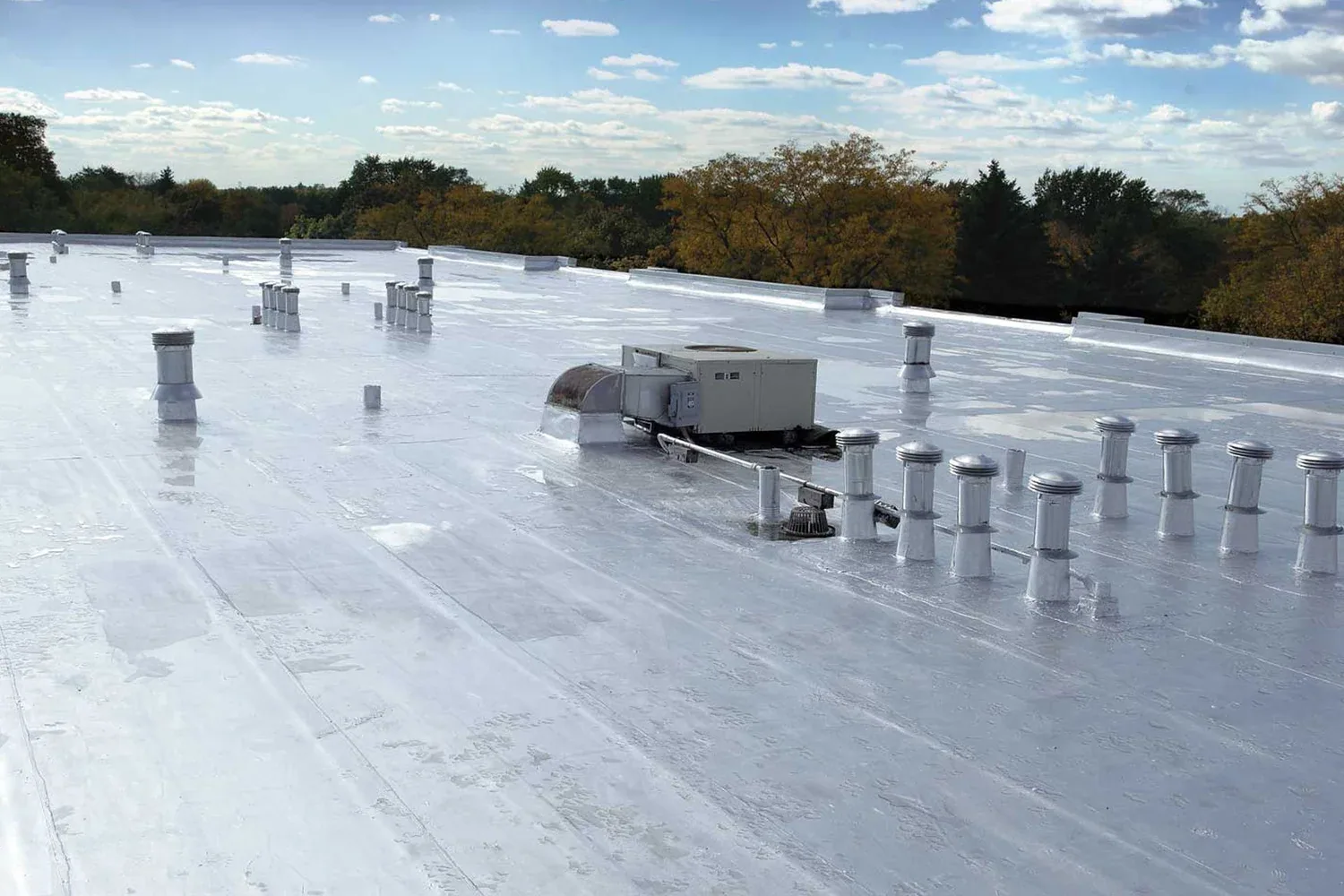
For thermoplastic membranes such as TPO or PVC, repair preparation and heat welding must fit the membrane type and condition. Other systems require different compatible materials and application methods. We identify the roof where possible and avoid applying a patch product that cannot bond to the existing surface. The TPO system review can support system-specific work planning, while an assembly inspection can determine whether more seams need attention.

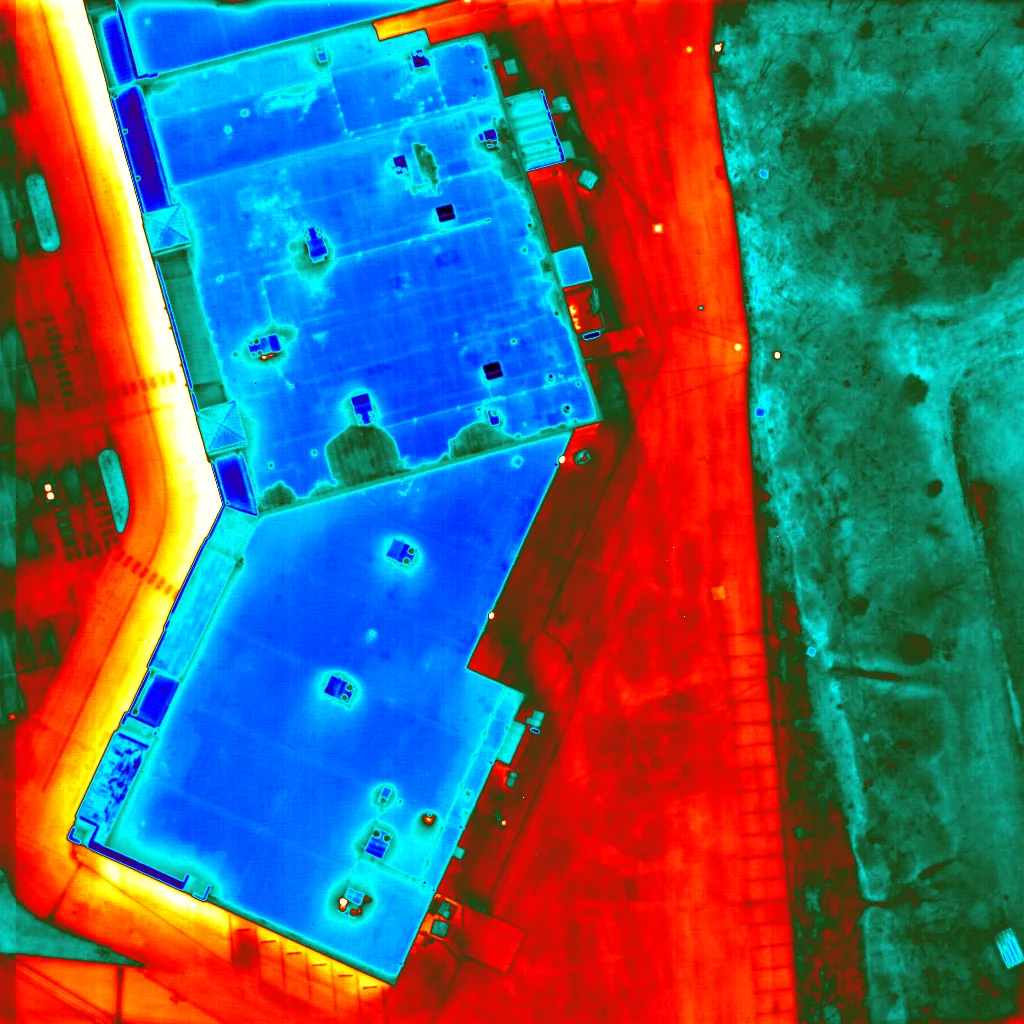
We inspect the surrounding roof zone and test suspect areas to define how far moisture may extend beneath the membrane. We compare it with interior signs, insulation condition where accessible, and deck or cover-board observations. If moisture may extend beyond the seam, we identify where testing could clarify the repair boundary. A moisture survey can help focus follow-up verification.

Prepare and Rejoin Compatible Material

A seam repair starts with a clean, dry, stable surface. The crew removes incompatible residue or failed material only as far as needed, then checks the adjoining membrane for brittleness, wrinkles, or damage. For a weldable membrane, the repair uses compatible sheet material and a continuous weld prepared to suit the surface. The finished detail should not leave a narrow unbonded edge beside the patch.

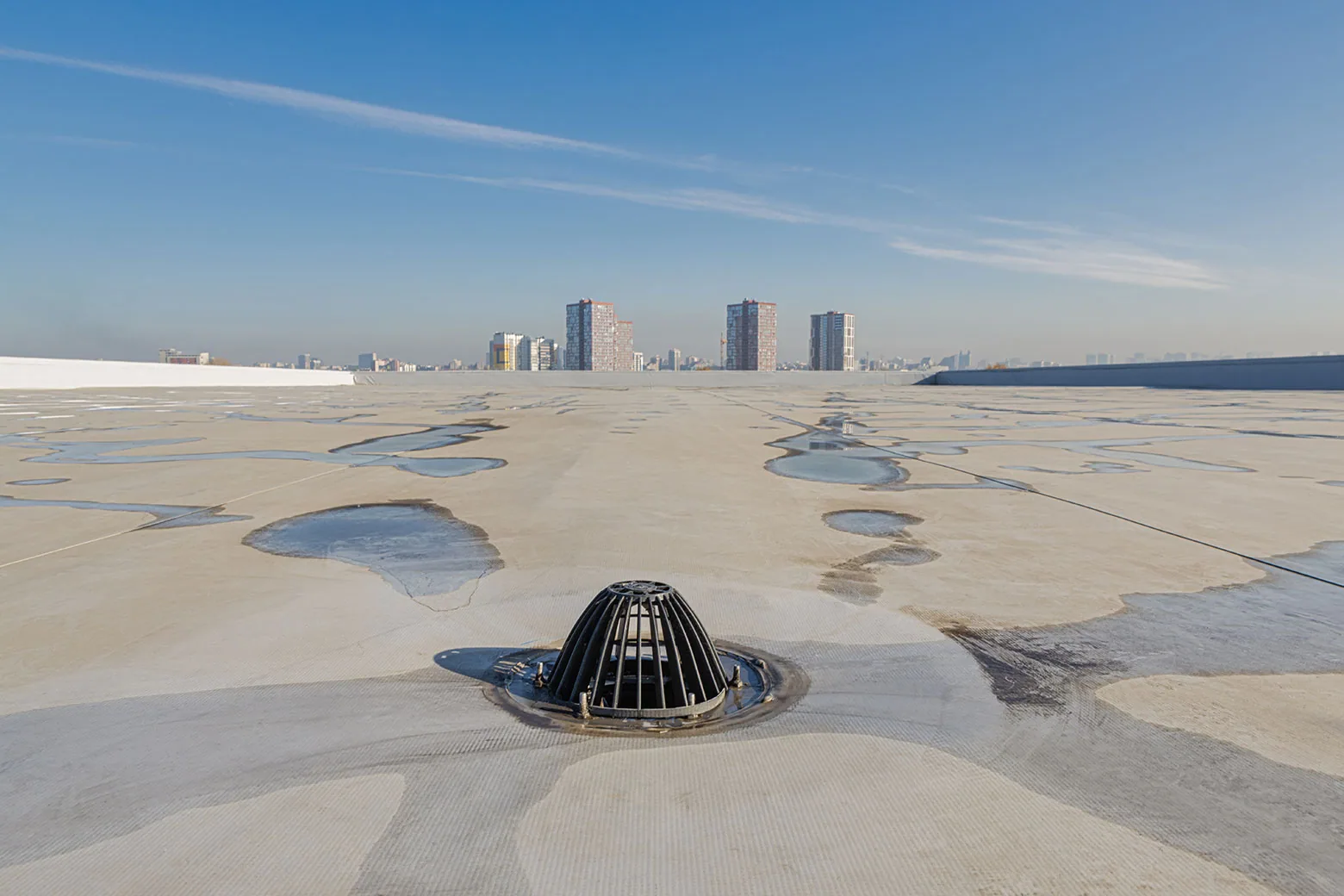
Where the seam is close to a wall, curb, drain, or penetration, the repair may need a transition detail rather than a field patch alone. The flashing failure inspection can address a nearby termination that has also separated. If water collects at the same roof zone, the ponding-water evaluation can assess drainage and low areas before the seam is closed.

We document the materials, preparation, seam length, and tie-in. If the existing membrane cannot support a reliable weld or bond, the scope should say so before work is expanded. A repair recommendation is stronger when it explains why the surrounding material is suitable, not just how the open area will be covered.

Check for Water Below the Surface

Moisture beneath a roof can soften cover board, reduce insulation performance, or affect the deck. Moisture can remain beneath a dry surface; we test suspect areas before closing a seam repair. We record interior signs and test findings separately from visible membrane conditions. If a test cut is needed, the proposed location and the closure method are included so the manager can approve the investigation.

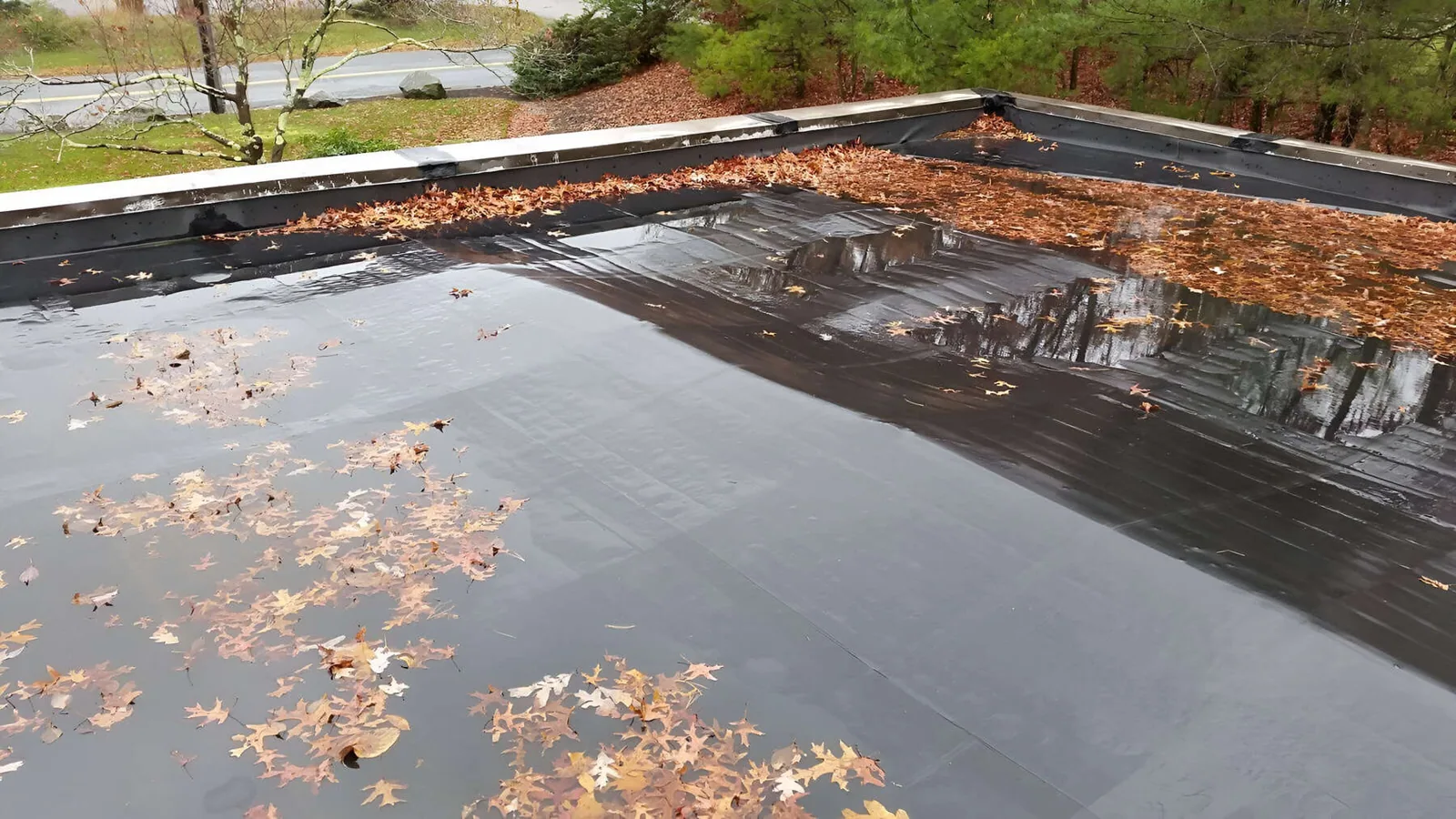
May is the wettest month in the Idaho Falls averages by average precipitation, at 1.57 inches. Before leaving an opened seam, we set temporary protection and confirm the next dry-in step against the current forecast. It is useful context for protecting an open repair and keeping drains clear while water-control work proceeds. The drainage path review checks nearby outlets that could direct water toward a repaired lap.

If wet insulation is confirmed, removal and replacement may be needed before the new membrane tie-in. The repair then becomes more than a surface weld. We define the affected square or roof zone from the available evidence and identify where hidden conditions could change the material quantity or schedule.

Sequence the Work for the Building

Repair access can affect tenants, mechanical service, deliveries, and interior operations. We agree on roof access, work hours, staging, and the safe boundary before materials are carried up. Where a building stays occupied, the crew limits the open area to a section that can be prepared and closed under the current conditions. If equipment must be moved, the scope records the mechanical handoff.

In the Idaho Falls Warehouse District, Broadway and Maple storefronts share an area with light industry and warehousing; Rexburg University Boulevard includes lodging, retail, office, commercial, industrial, and residential properties. Confirm access and staging at the building before mobilization. We confirm the actual property’s access needs and coordinate the repair around its operations. A Rexburg Downtown service visit still begins with roof access and assembly identification at the building.

Emergency response is available at any hour, including holidays and weekends, for urgent roof conditions. If an open seam is actively admitting water, we can coordinate temporary protection and then return to the permanent tie-in when the surface is ready. The emergency repair response records what was secured and what still needs a lasting repair.

Keep the Seam in the Maintenance Record

After repair, we photograph the finished seam and note where the tie-in begins and ends. The record includes system type, material used, conditions that limited inspection, and any recommendation for follow-up. A future roof visit can check the repaired area and adjacent transitions without assuming the patch proves the rest of the roof is sound.

Cost and timing depend on seam length, surface preparation, access, compatible material, moisture beneath the membrane, and whether equipment or interior protection is needed. We separate a localized repair from wider seam restoration and any replacement option. That gives the property manager a useful comparison instead of a single undefined line item.

When the same seam reopens, the next step is to revisit the cause. The issue may involve attachment, movement, moisture, or a prior repair that did not bond to the surface. We document the new evidence and revise the work area only when the roof condition supports a broader scope.

Questions About Roof Seam Failure Repair

Separation can come from surface contamination, loss of adhesion, movement, incompatible previous work, or stress at a transition. We inspect the lap and adjacent material to identify which factors are present before choosing a repair method.

No. The roof material must be weldable and in suitable condition. We identify the membrane, check surface preparation, and use a compatible repair. If the existing sheet is too brittle or contaminated, the proposal will explain another path or further testing.

It creates a possible entry path, but the assembly needs inspection to confirm whether moisture is present. We compare interior reports with roof conditions and identify where a survey or test opening may be useful.

Emergency response operates around the clock, holidays included. We coordinate safe access and temporary water control when conditions permit, then document the permanent seam work that remains.

The scope should name the roof system, affected seam length, preparation, compatible material, tie-in, access, and any moisture or substrate limits. We also explain how concealed conditions will be documented before additional work is authorized.

ServicesRoof SystemsIndustriesProperty TypesService AreasDamage RepairCapabilitiesManufacturersContactAboutRequest a Roof Assessment555-555-5555
Call us today555-555-5555