Commercial Wind Damage Roof Repair in Idaho Falls, ID Serving Idaho Falls & Eastern Idaho

Inspect wind-damaged commercial roofs in Idaho Falls, secure exposed areas, and document repair boundaries, flashing, edges, and follow-up work.

Wind Damage Roof Repair in Idaho Falls, ID

Wind Damage Roof Repair

Wind can loosen edge metal, lift flashing, or pull at a seam before a building manager sees water inside. In Idaho Falls, the repair starts with the roof assembly and the points where it changes direction: perimeter edges, parapets, curbs, drains, and penetrations. Idaho Falls moves from a hard winter into a warm summer roof season. We document what is displaced, compare the roof surface with the interior report, and decide how much area can be protected safely. Northgate Mile and 1st Street have a different access pattern from Downtown; we confirm site rules with the property contact.
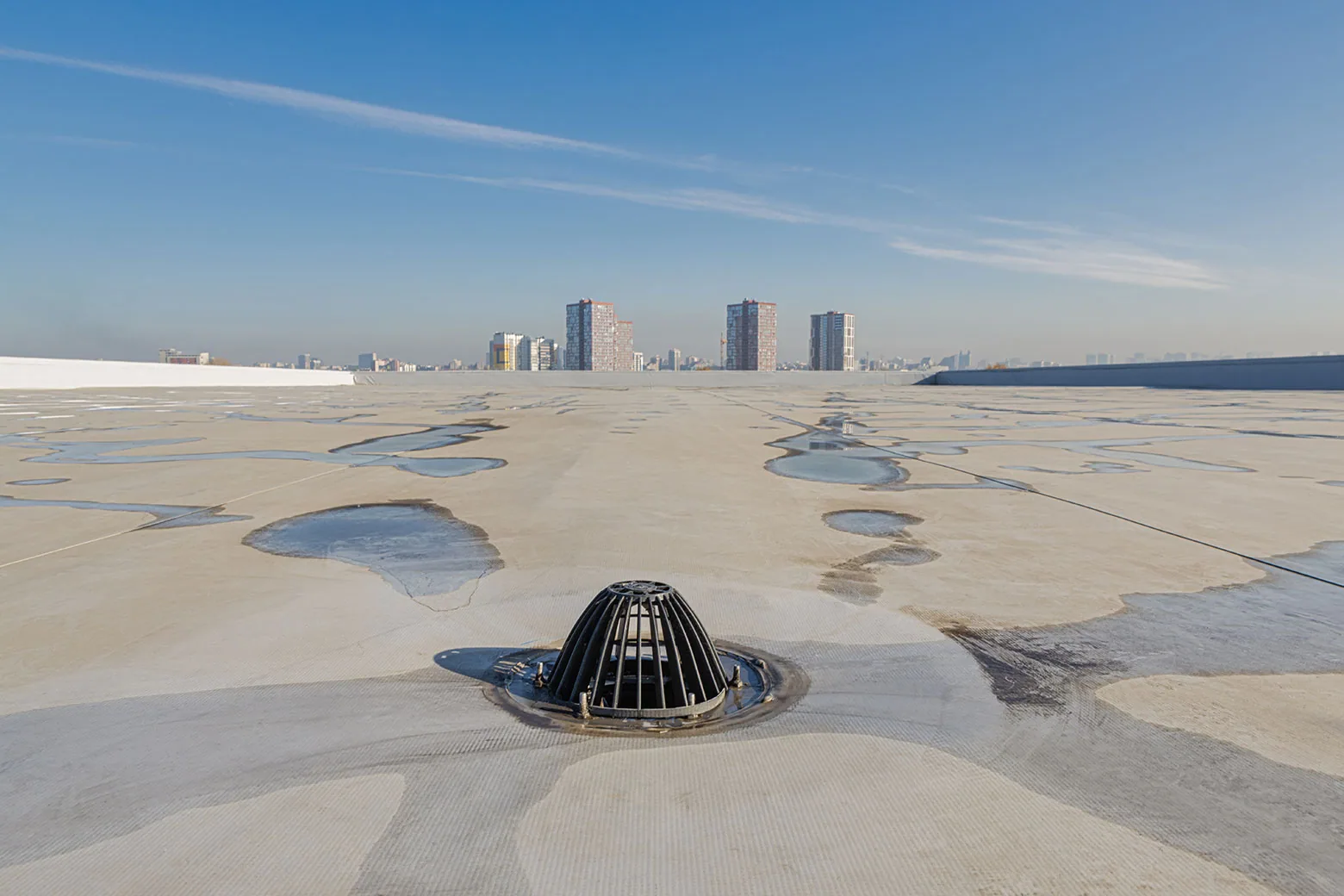
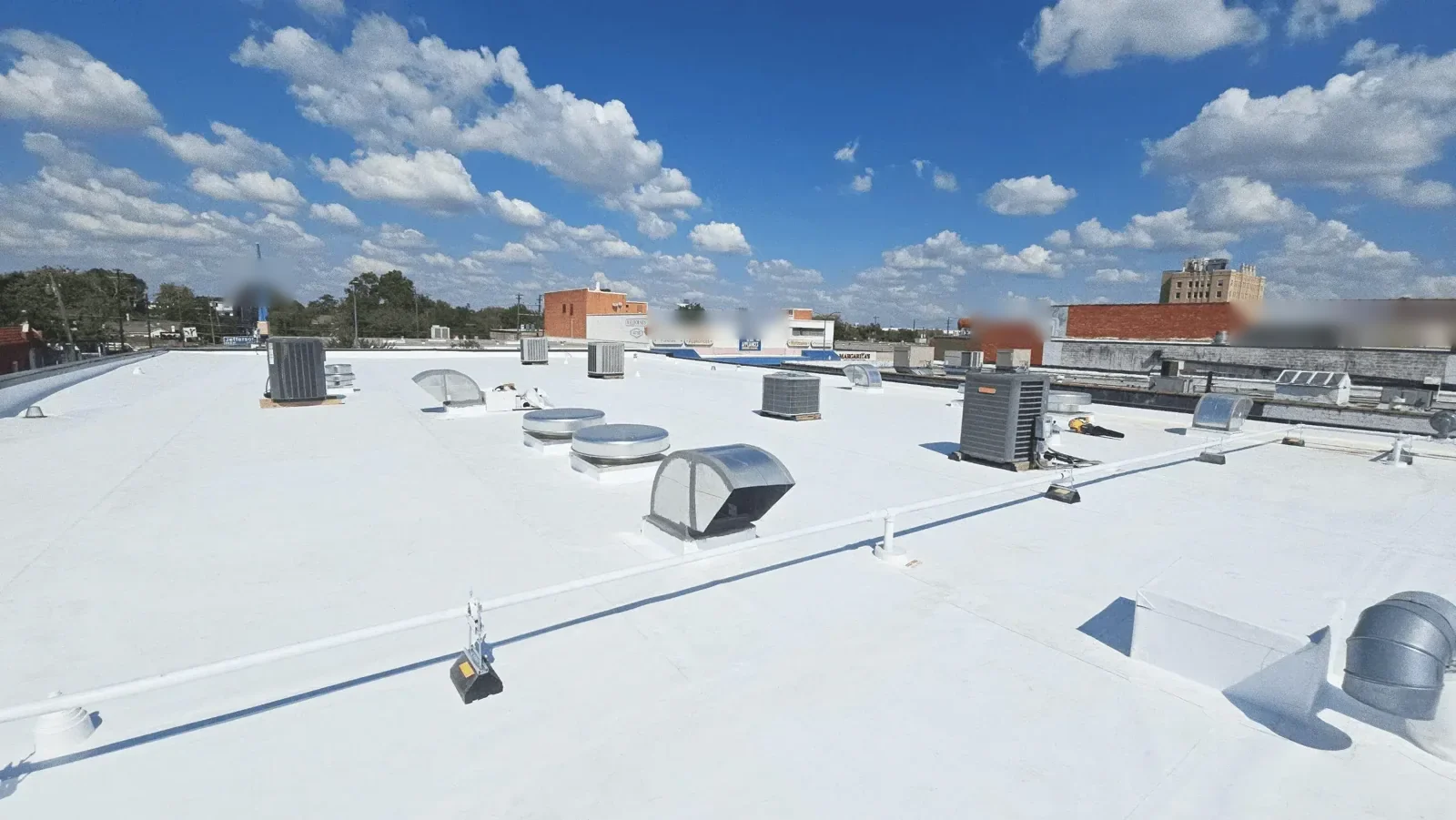
Wind Damage Roof Repair in Idaho Falls, ID

Check the Perimeter Before the Field

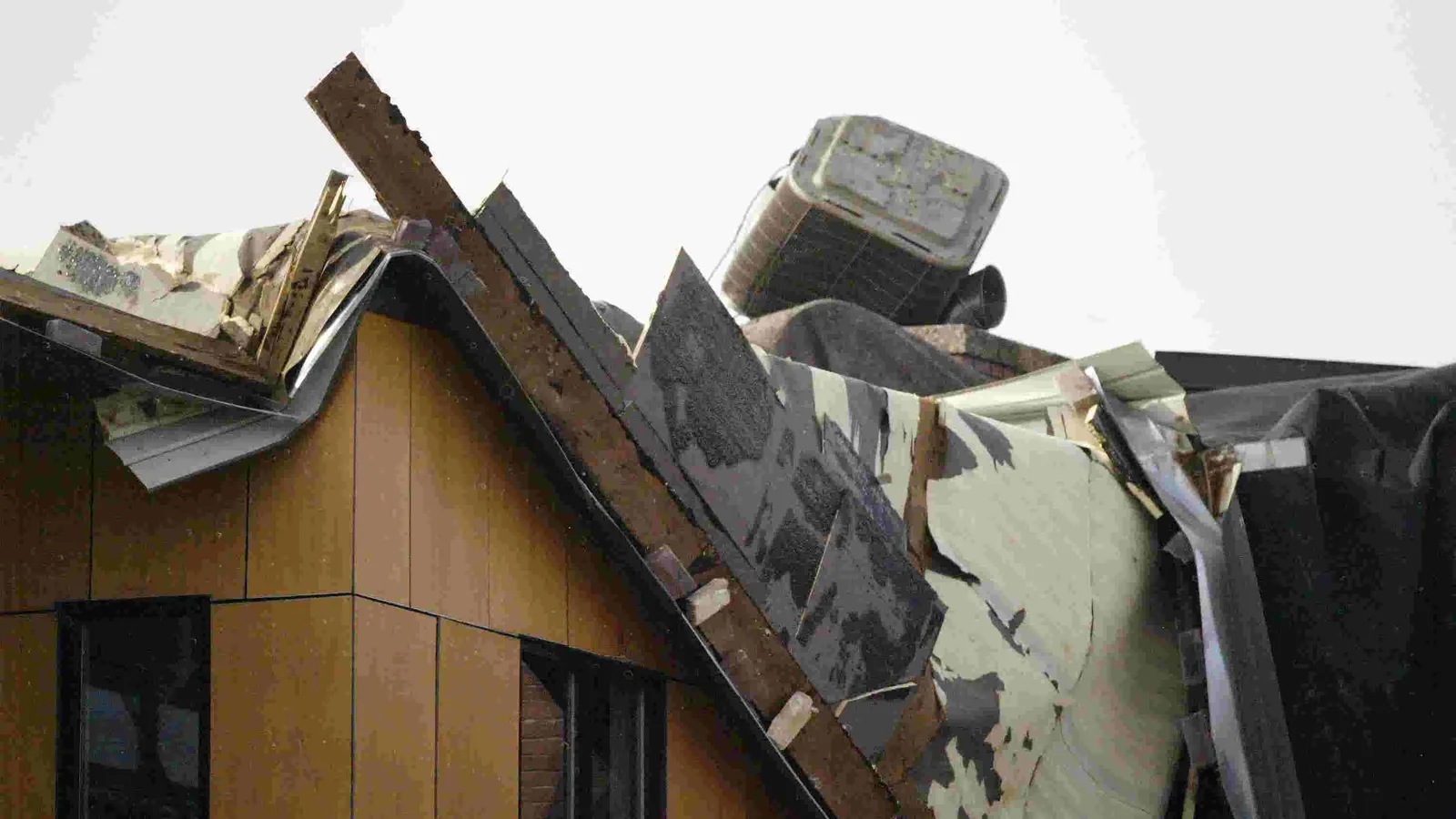
Wind damage often begins where a roof system meets a wall, coping, curb, or another material. We look for loose or missing fasteners, distorted metal, separated termination bars, lifted membrane, open corners, and sealant that has lost contact. A roof can look intact from the ground while one edge detail has begun to move. We inspect nearby details so the scope does not stop at the visible piece.

After checking the perimeter, we review field seams and penetrations. A loose membrane may have pulled away from a curb, while a damaged cover board or wet insulation can make a surface patch unreliable. We record roof type, observed layers where visible, drainage, and prior repairs. A roof condition inspection can extend the review beyond one reported edge when the manager needs a broader baseline.

Interior marks help direct the inspection but do not automatically identify the entry point. Water may travel along a deck or below insulation before appearing at a ceiling joint. We compare the reported location with the nearest roof transitions and note where more testing is needed. The leak investigation can connect that interior sign to a roof detail without treating the first visible stain as the repair boundary.

Secure Exposed Material Safely

If a roof edge or membrane is actively open, we first determine whether it can be reached safely and whether temporary work can hold under current conditions. We secure loose material where appropriate, protect the opening, and keep temporary measures from blocking a drain or directing water toward another seam. A temporary repair controls exposure for a defined period. After temporary protection, we inspect adjacent fasteners and membrane attachment to set the permanent repair boundary.

Emergency roofing crews can respond at any hour, including weekend and holiday calls. The property contact helps set safe access, escort needs, and any interior protection. We document the condition before and after temporary work, including any area that remained inaccessible. The permanent repair scope follows after the loose section, fasteners, membrane, or flashing can be examined and the amount of affected material is clear.

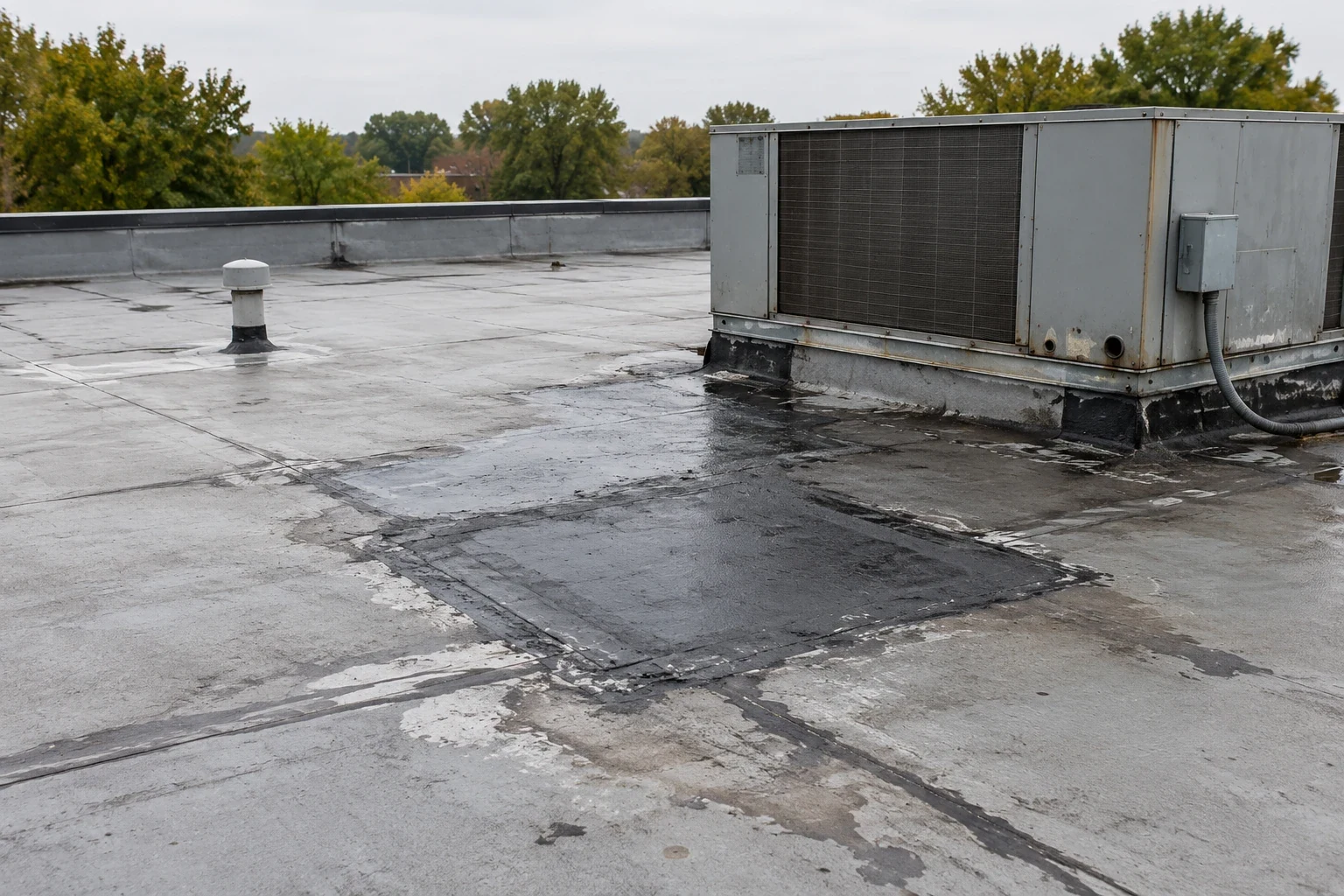
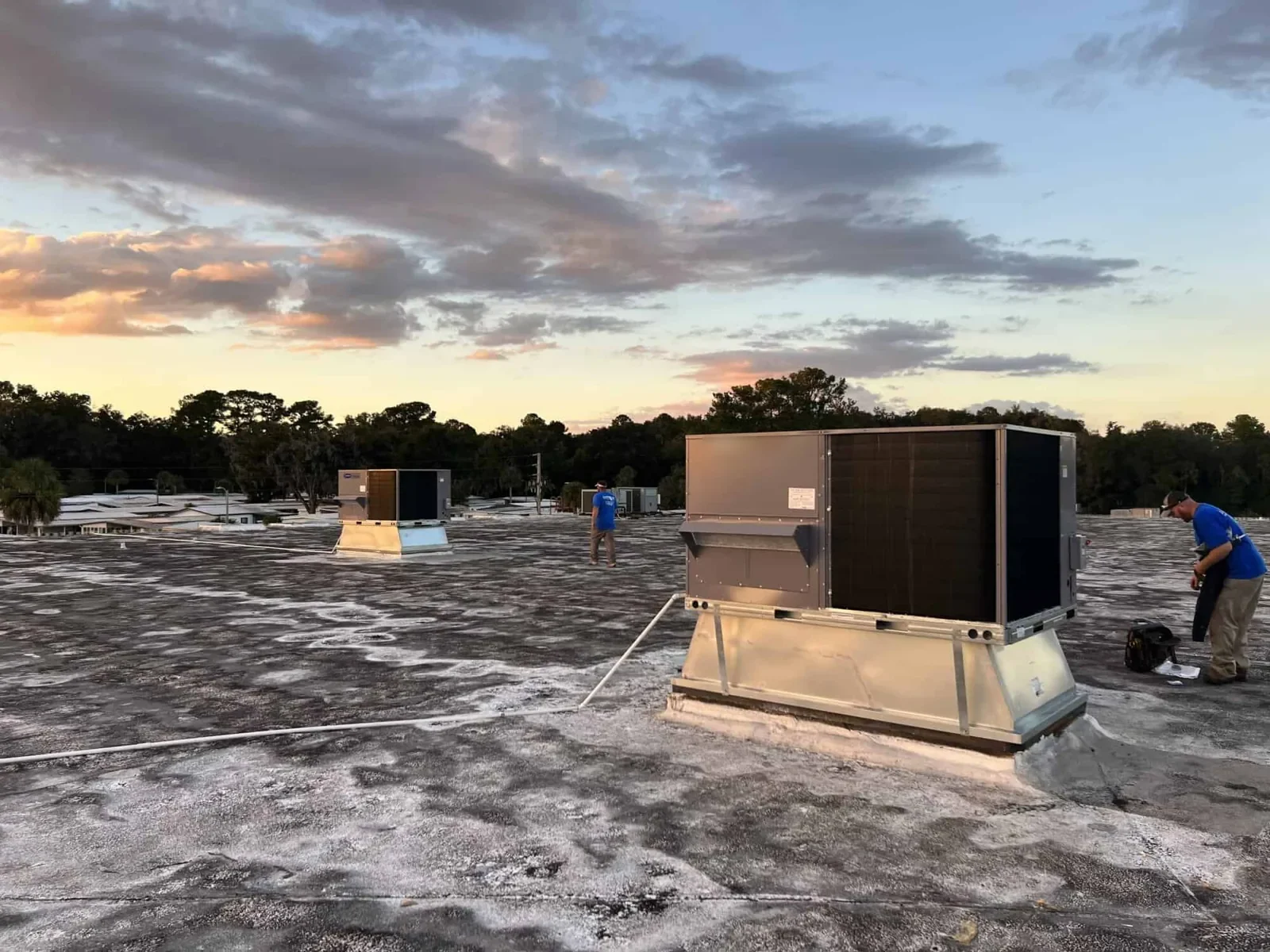
At a building with rooftop equipment, wind can expose flashing or movement around supports. The equipment-curb review can coordinate the roofing detail with the mechanical trade. We identify who will disconnect or reset equipment if needed and how the final membrane tie-in will be checked before the repair is closed.

Tie the Repair Into Sound Roofing

A durable repair depends on the existing roof type and how the material is attached. For membrane, the crew may remove a damaged section, examine the substrate, prepare the surface, and install compatible material with a sealed seam. Metal systems need attention to panel attachment, clips, fastener lines, laps, and edge transitions. If the field remains secure but the perimeter failed, replacing the entire roof may not be the first step. If movement, wet material, or failed attachment extends across multiple areas, a localized patch may not address the underlying issue.

We set the boundary from documented findings. The scope identifies the roof zone, affected detail, materials, access, and what is excluded. If opening the assembly reveals damaged deck or wet insulation beyond the anticipated area, the team documents it and obtains direction before extending work. A flashing repair or seam repair can address a specific failure mode, while the main wind-damage scope considers how those details connect to the rest of the roof.

Cost and schedule depend on roof height, access, system compatibility, damaged area, and whether mechanical equipment or interior operations need coordination. We separate urgent water control from permanent repair and any larger restoration option. This gives a manager a defined decision for the repair budget.

Plan Around Local Operations

Work planning changes with the property. Downtown and South Downtown share an integrated city core, while Jackson Hole Junction is a broad commercial area with multiple approved lots. Downtown traffic and Jackson Hole Junction’s commercial access call for property-specific staging, tenant notices, roof entry, and loading coordination. We confirm loading access, roof hatches, work zones, and any required notice with the property contact.

Ammon identifies 25th South, also called Hitt Road, as a major corridor serving the city. A commercial property along that corridor may have roadway or customer-access constraints that affect material delivery; the manager confirms the site rules. We keep the equipment, staging, and roof access plan specific to the building and schedule. If the repair can be phased, we close each area before moving to another section.

Idaho Falls receives both cold-season and warm-season conditions that can affect surface preparation and installation. We check the actual forecast and manufacturer instructions before opening the assembly. If weather narrows the workable area, we adjust the sequence and protect the tie-in. A Northgate Mile and 1st Street service visit follows the same roof-first assessment, with access details set by the property team.

Record What Changed

After permanent work, we photograph the repair, note the materials and roof location, and identify remaining observations. A follow-up inspection can check whether edge metal, seams, or flashings remain secure after the next weather cycle. The record also helps separate a new condition from the one already repaired if another report comes in later.

A manager with several buildings can compare findings across sites without assuming that the same weather produced the same damage everywhere. The photo condition report can keep locations, recommendations, and limits of inspection together. Preventive visits may also check drains, edges, and rooftop penetrations before the next repair call. Our maintenance review records those details as planned work rather than waiting for a leak to reveal them.

If damage appears widespread or prior repairs have not held, we can compare a larger repair with replacement planning. That decision should account for attachment, substrate, moisture, and the remaining roof assembly. We explain the evidence, cost drivers, and next check so the owner can set a practical order for work.

Questions About Wind Damage Roof Repair

Loose coping, displaced edge metal, lifted membrane, open seams, separated flashing, and new interior water are common signs worth reporting. A ground-level view is not enough to confirm attachment. We inspect the roof safely and record both the visible issue and nearby details that may have moved.

Only when conditions allow safe access and secure work. We evaluate the current conditions, roof surface, and material before setting a temporary boundary. If access or fastening would be unsafe, we wait for a suitable window and explain what protection can be provided in the meantime.

No single edge condition answers that question. We check how far the attachment issue extends, inspect adjacent seams and substrate, and compare the finding with the roof’s overall condition. A defined repair may be appropriate, while broader movement or moisture may justify more testing.

Yes. Emergency roof response is available at all hours, including weekends and holidays. We coordinate access with the building contact, secure an exposed area where conditions permit, and document what remains for permanent repair.

The record should show the affected roof zone, photographs, observed material and attachment, temporary measures, permanent work completed, and any limits on inspection. We also list conditions that could not be confirmed without opening the assembly so the next budget review has a clear basis.

ServicesRoof SystemsIndustriesProperty TypesService AreasDamage RepairCapabilitiesManufacturersContactAboutRequest a Roof Assessment555-555-5555
Call us today555-555-5555