Acrylic Roof Coatings in Idaho Falls, ID Serving Idaho Falls & Eastern Idaho

Evaluate acrylic roof coating in Idaho Falls through substrate condition, drainage, adhesion, weather limits, and repairs required before application.

Acrylic Roof Coatings in Idaho Falls, ID

Acrylic Roof Coatings

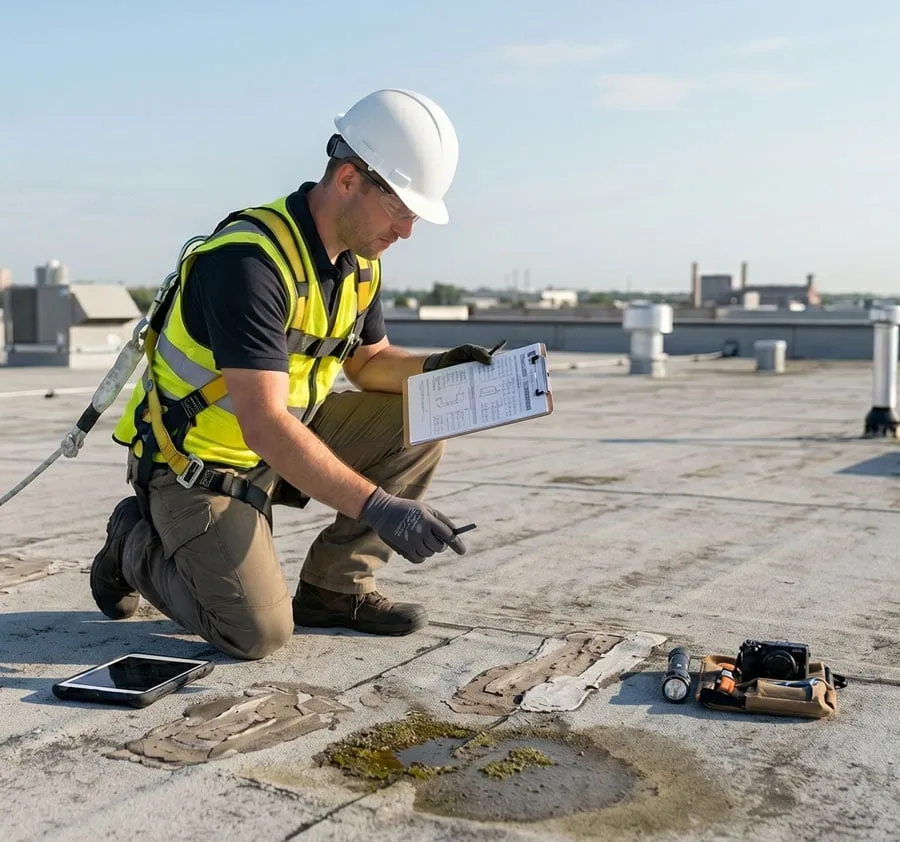
Idaho Falls spring showers can expose weak drainage before an acrylic roof coating is ready to be applied. At Idaho Falls, May has the highest monthly mean precipitation, 1.57 inches, and measurable precipitation occurs on 84.3 days per year. Those Idaho Falls averages make drainage and cure time central to planning. We inspect the existing membrane and determine whether the base is ready for coating or needs repair first.

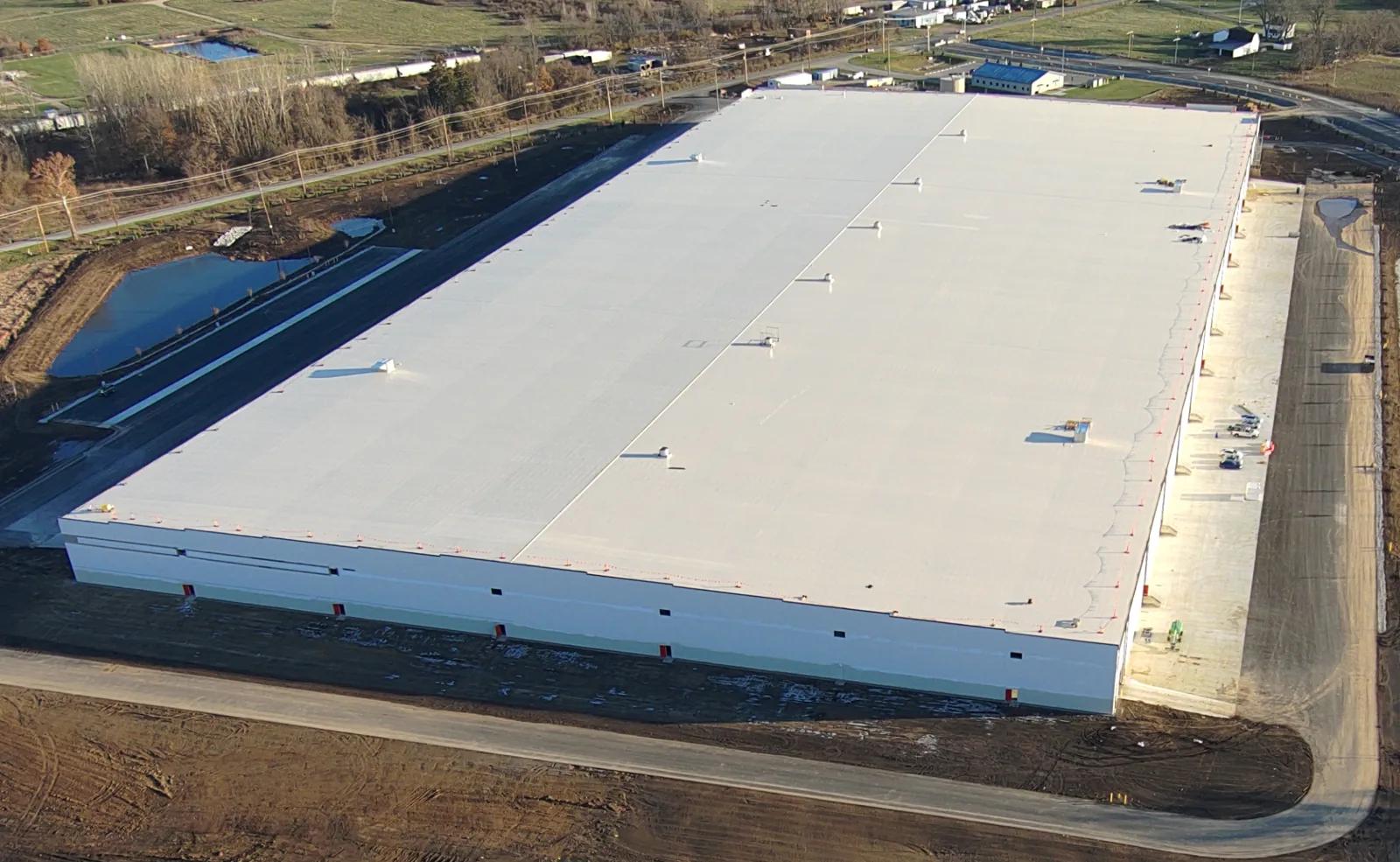
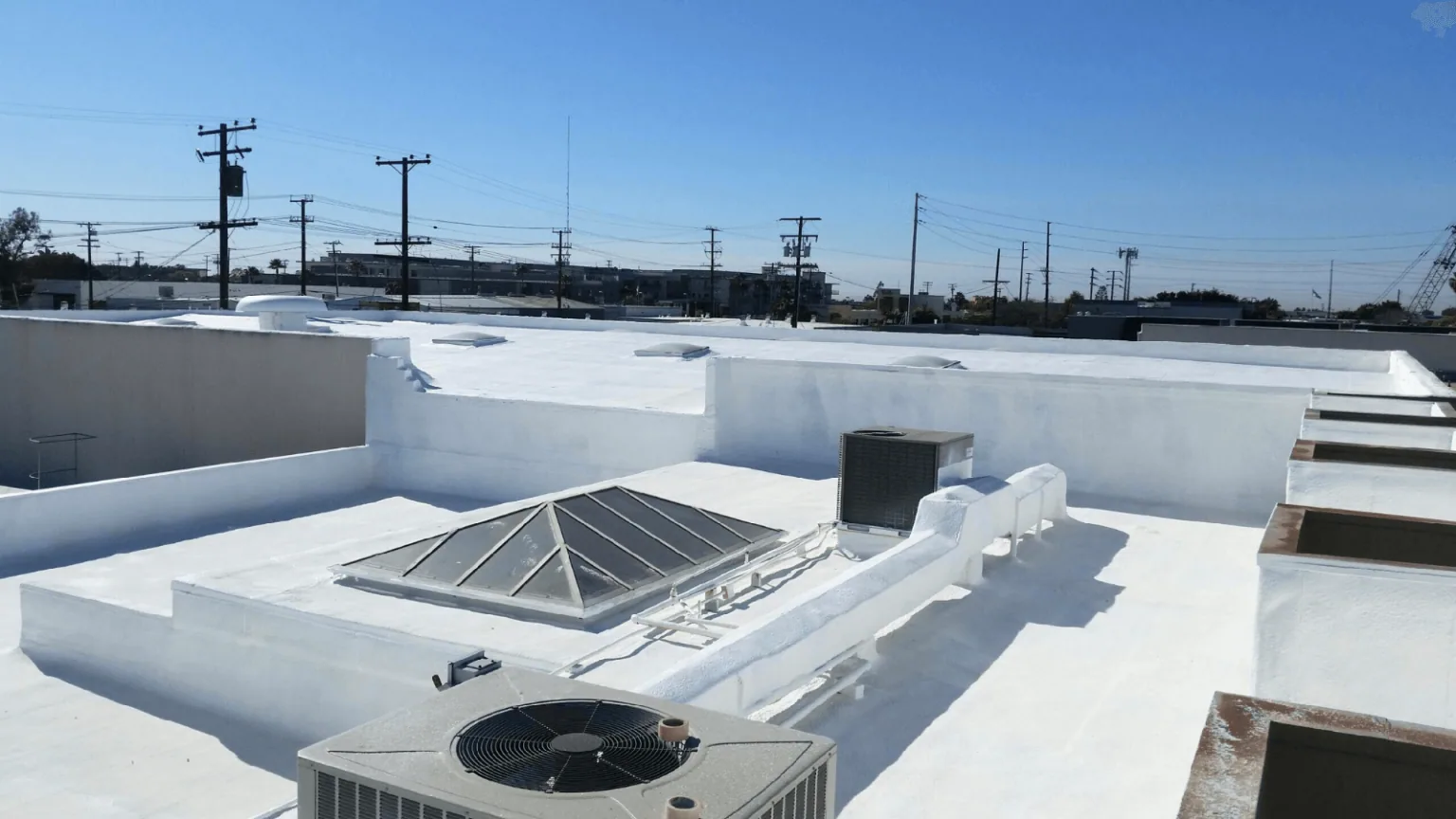
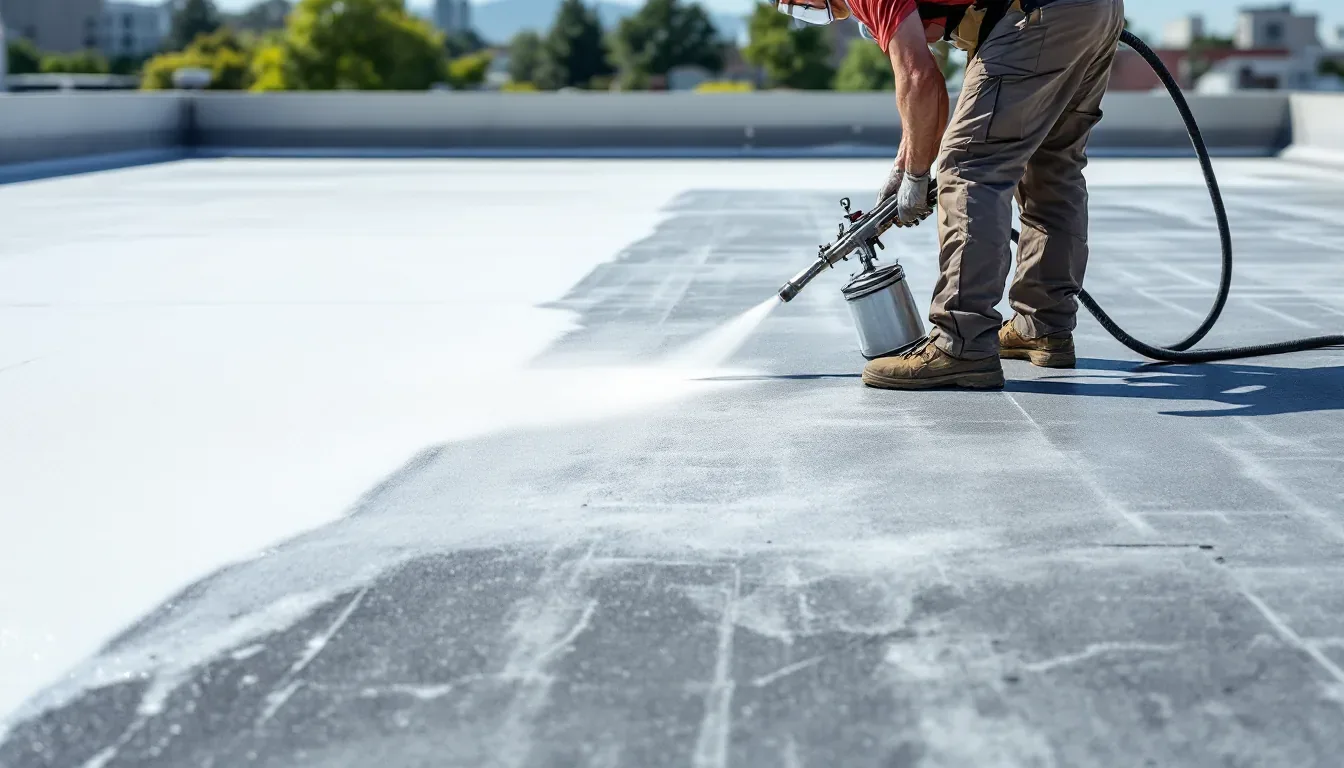
Acrylic coating is a liquid-applied protective layer used on compatible roofs. The surface must be sound, clean, and prepared for adhesion, while seams, penetrations, edges, and drains need separate detail work. Acrylic systems generally require positive drainage because long-term ponding can affect the coating. We check low areas and outlets rather than promise that a film will correct slope. That inspection tells the property manager whether a coating, targeted repair, or new assembly merits a budget review.
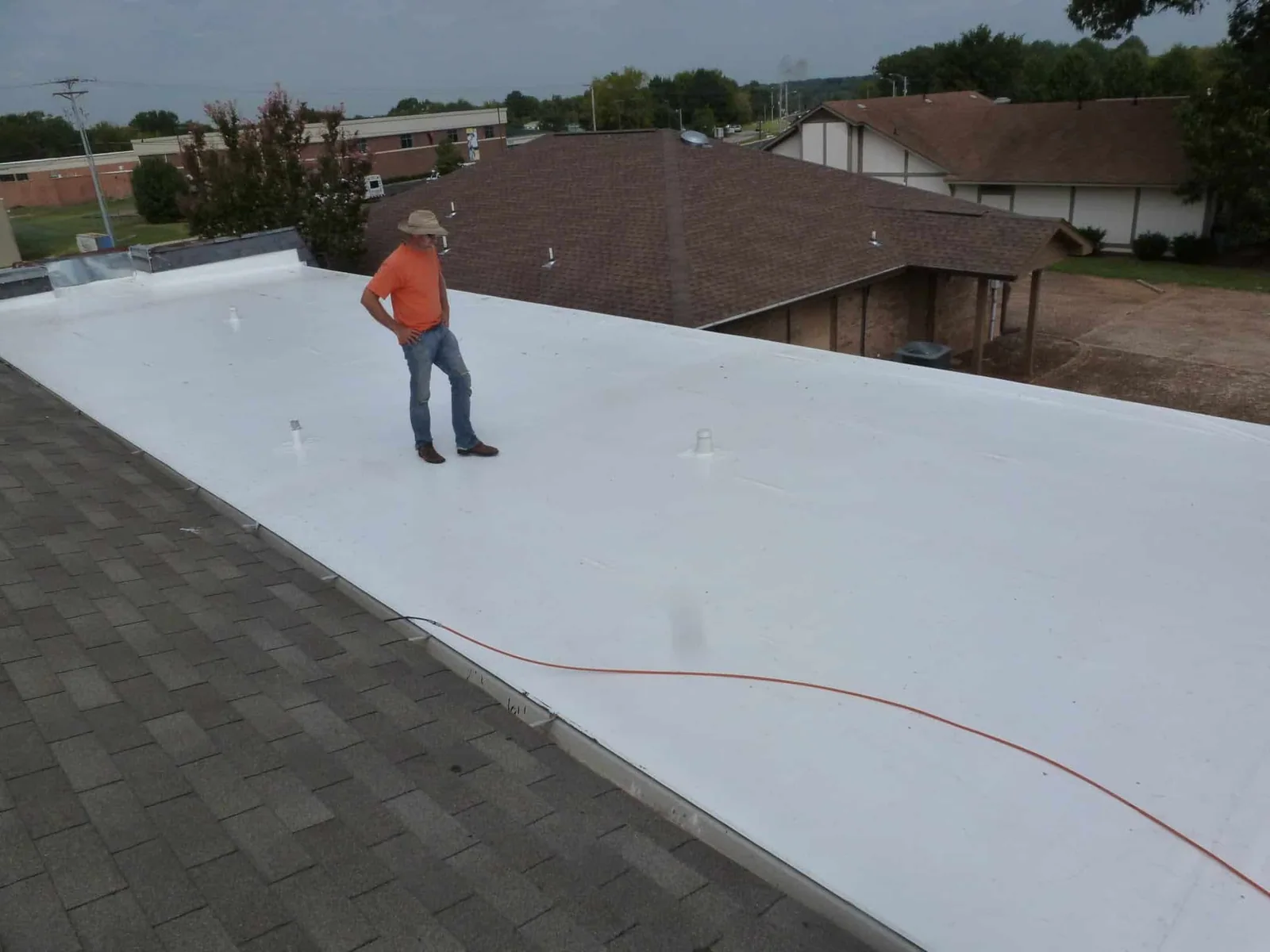
Acrylic Roof Coatings in Idaho Falls, ID

Confirm Surface and Compatibility

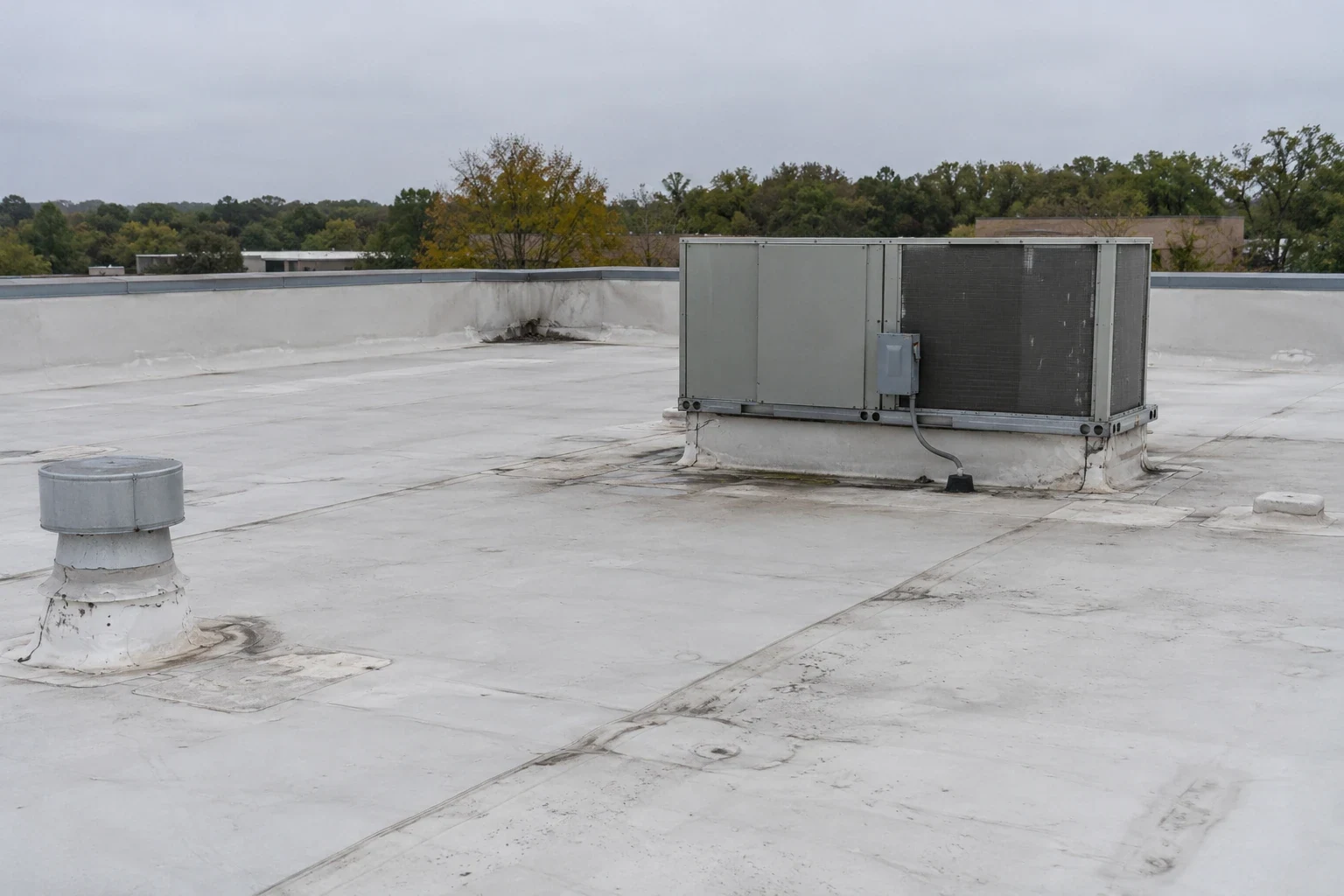
Before coating, we inspect the roof for loose granules, chalking, open seams, corrosion, blisters, moisture, and prior coating layers. A roof may need cleaning, primer, reinforced transitions, or removal of unstable material. When compatibility is uncertain, a test area can help determine whether the proposed coating adheres to the existing surface. We document the preparation rather than price only the visible application.

Different roof systems need different repair materials and surface treatments. Modified bitumen, metal, single-ply, and built-up assemblies should not be assumed to accept the same coating. We identify the membrane, test the surface where needed, and resolve defects that could undermine adhesion. If water has reached insulation or the deck, coating over it can hide rather than fix the issue. A roof coating assessment should state what repairs and preparation are included.

Correct Drainage Before the Finish

Acrylic coatings are not a substitute for drainage design. We examine roof slope, internal drains, scuppers, gutters, overflow paths, and areas where debris or equipment can hold water. Persistent ponding may require correction before coating, particularly where insulation has settled or the deck has deflected. The estimate separates drainage work from the field coating so the owner can see which item addresses the cause.

Idaho Falls experiences frequent freezing minimums and a hot summer period by Idaho Falls climate averages. Water retained at a roof detail can therefore face repeated seasonal changes, and the coating plan should not leave a weak transition in place. We verify outlets after preparation and ensure the new film does not block a drain or overflow. A drain and scupper repair may be needed before acrylic is applied. We also plan temporary water protection for each area in progress.

Apply Within the Product Limits

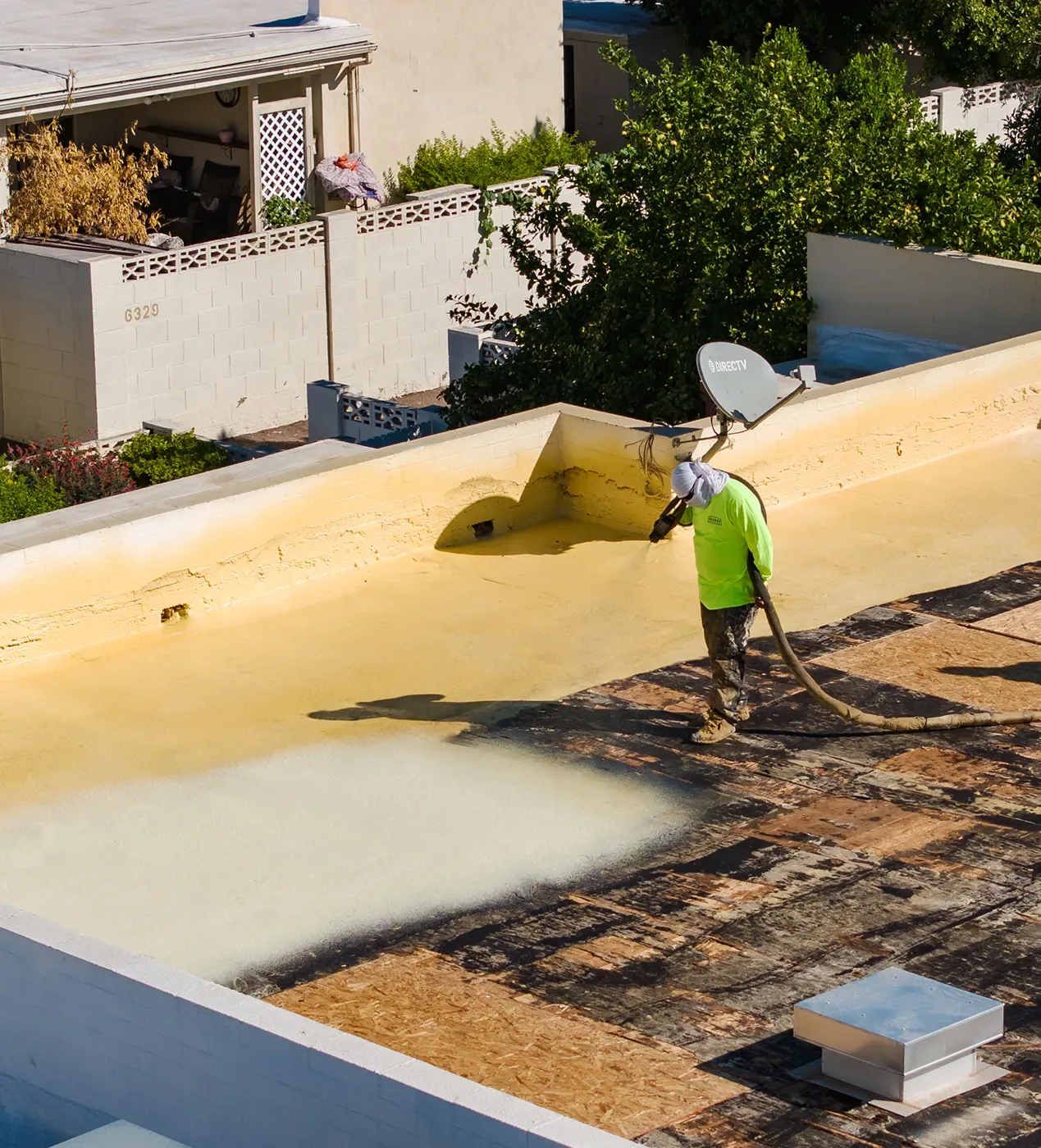
Coating application depends on surface temperature, air conditions, humidity, wind, and the chance of precipitation during cure. We follow the specified product requirements, mix and apply it as directed, and check coverage at the required rate. Overspray protection matters around mechanical equipment, air intakes, vehicles, sidewalks, and neighboring property. The work plan identifies how areas will be masked and how the crew will keep access clear.

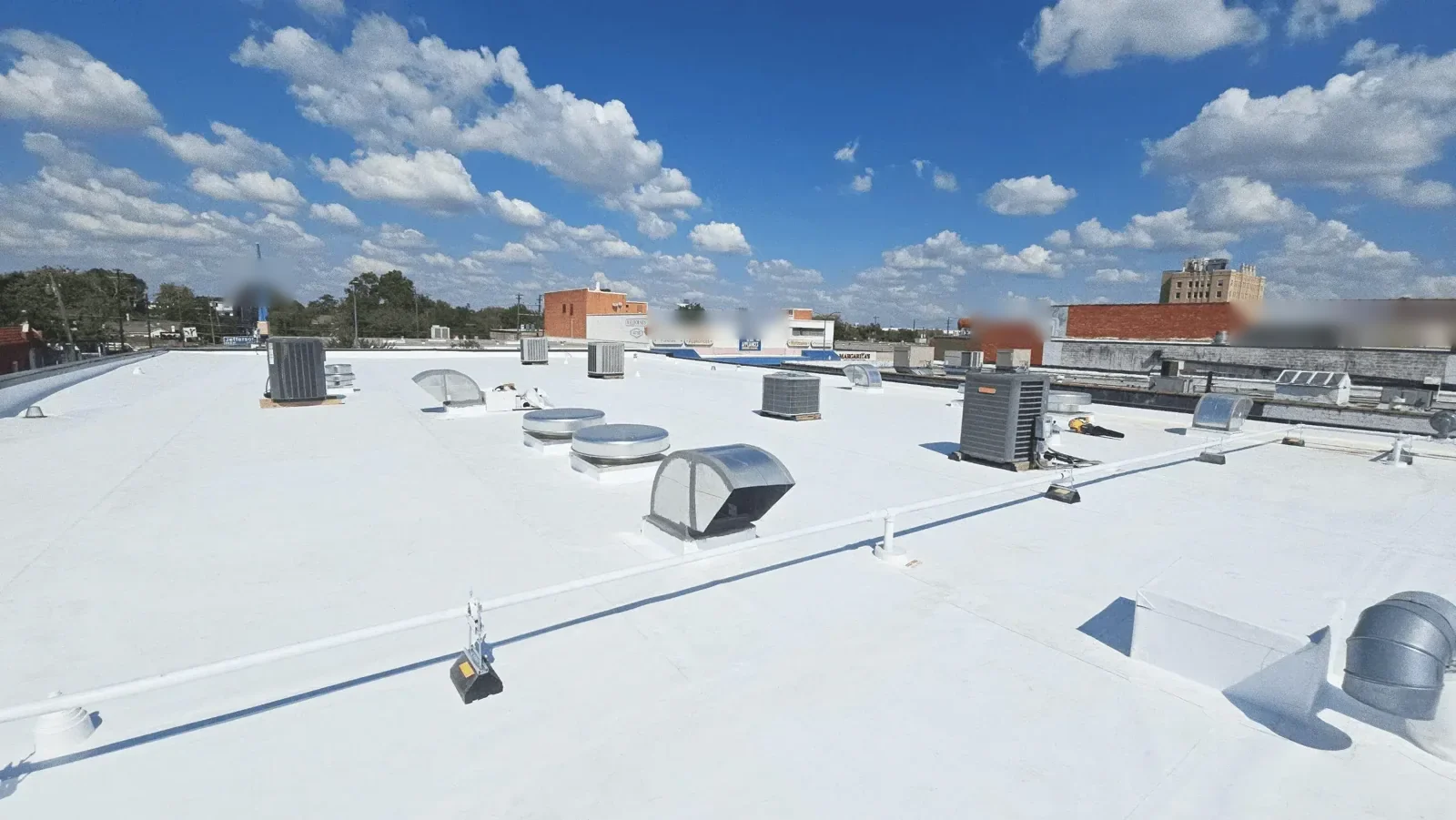
Idaho Falls averages include 26.5 days a year with highs of at least 90 degrees, alongside a long freeze season. We verify actual roof conditions before each application period, protect prepared surfaces from contamination, and pause if the cure window is not reliable. Edges, penetrations, drains, and patches need continuity equal to the field. A closeout should record material, coverage areas, repairs, and any weather-related limits.

Compare Acrylic and Silicone

Acrylic and silicone coatings differ in water exposure, substrate needs, application, and maintenance. Acrylic generally suits roofs with positive drainage; silicone may be considered where ponding persists. Neither eliminates the need to repair open seams, wet insulation, unstable metal, or blocked drains. We compare product requirements with inspection findings and explain when another roof system is a better fit.

At Sugar City Business Park, is a mapped multi-lot business area. Ammon’s commercial areas include retail, medical, research, and technology activity, bringing different access and occupancy needs. Those contexts can affect staging, but neither establishes an individual roof condition. A roof project in Ammon still starts with a building survey. Compare silicone coating or a new TPO membrane by drainage, substrate, and maintenance needs.

Repair Before Coating

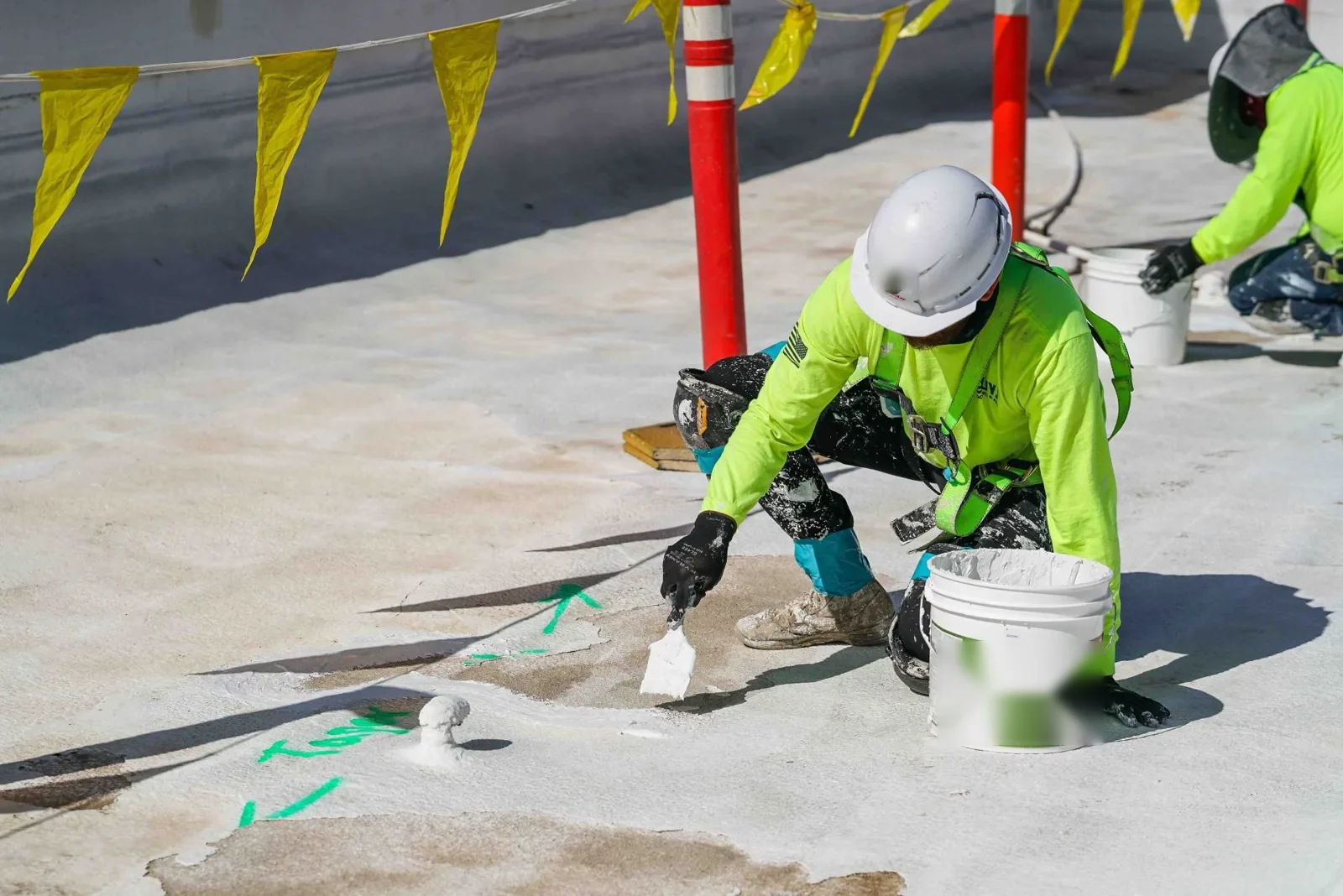
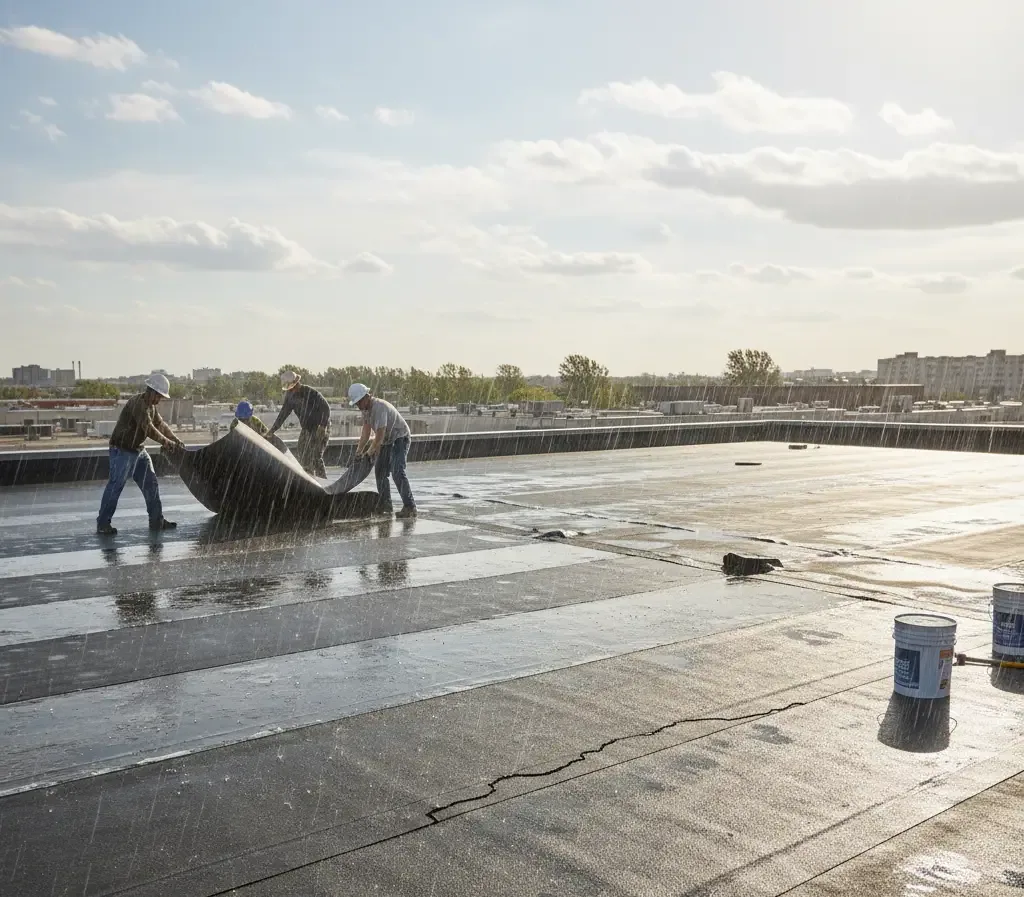
Coating should follow repairs to seams, flashing, drains, curbs, and edges. Reinforcing fabric can strengthen a compatible detail, but it cannot restore a failing curb or deck. We map every repair, confirm material compatibility, and define where a coating stops. If test openings find wet insulation, that area should be removed or replaced before the new finish covers it.

The Idaho Falls Warehouse District combines storefronts with light-industrial activity; manufacturing, processing, storage, and distribution also form part of the city’s commercial mix. These are broad land-use facts, not a statement about an individual roof. We coordinate deliveries, air-intake protection, pedestrian routes, and service access with the property contact. An occupied-building work plan can phase preparation, repairs, and coating so each area remains protected and usable.

Track Wear and Recoat Needs

Maintenance should check adhesion, surface wear, seams, penetrations, edges, drains, and areas that hold water. Keep the product, coverage limits, and repair locations in the roof file. Later trades should follow access rules and report cuts or equipment changes. Damage needs a compatible repair, not another layer without preparation.

Separate coating wear from signs of moisture or movement below the surface. If a roof no longer sheds water, recoat alone may not help. The assessment can recommend repair, drainage correction, recoating, or replacement. A regular visit can keep dated records, and a roof inspection can revisit stains or recurring leaks that suggest hidden moisture.

Make the Scope Comparable

Cost depends on cleaning, primer, repair quantity, reinforcement, coating type, coverage, access, masking, and weather protection. If the substrate needs removal or drainage correction, those items can change both price and schedule. We list them separately so the manager can compare a coating plan with other roof work and identify which decisions remain open.

The project team should confirm the building and energy requirements that apply to the proposed coating scope. The proposed work and authority review determine what applies. Closeout should identify the coating system, repairs, preparation, and areas that require follow-up. If the existing roof fails the substrate review, a replacement scope may be more appropriate than another film. The goal is a roof decision supported by condition, not a coating applied over unresolved problems.

Questions About Acrylic Roof Coatings

Only when the existing surface is sound, clean, dry, compatible, and able to support the coating. We inspect previous layers, seams, moisture, and drainage, then test adhesion if the history is unclear. Loose or wet material needs correction before application.

Acrylic systems generally need positive drainage, so persistent ponding should be addressed before coating. We inspect slope, outlets, low areas, and signs of deflection or wet insulation. If those conditions remain, the proposal should include correction or compare a different assembly rather than rely on the coating alone.

Open seams, failed flashing, loose edges, damaged penetrations, and unstable coating should be repaired with compatible materials. The scope also needs to address wet insulation, corrosion, or deck concerns found during inspection. Preparation and repair boundaries should be clear before the field coating begins.

The selected product sets the cure window, and temperature, humidity, and surface conditions affect it. We check current conditions and the forecast before application, then protect the roof until the coating reaches the required state.

Replacement becomes more relevant when the roof has widespread moisture, weak attachment, recurring leaks, unstable details, or a deck condition that coating cannot correct. We document what can be repaired and what lies below the surface, then compare preparation, drainage, and installation scopes with the same evidence.

ServicesRoof SystemsIndustriesProperty TypesService AreasDamage RepairCapabilitiesManufacturersContactAboutRequest a Roof Assessment555-555-5555
Call us today555-555-5555