Commercial Roof Recover in Idaho Falls, ID Serving Idaho Falls & Eastern Idaho

Assess a commercial roof recover in Idaho Falls with moisture checks, attachment review, drainage findings, and code conditions documented before work.

Roof Recover in Idaho Falls, ID

Roof Recover

A January mean of 20.4 degrees and regular summer heat make Idaho Falls roof-recover decisions about the whole assembly, not only the visible membrane. Cold cycling works at seams and penetrations; warm roof surfaces change installation conditions. Covering damp or poorly attached material hides the defect. We inspect layers, test suspect areas, and record drainage and edge details before recommending an overlay. That gives a property manager a basis to weigh less tear-off disruption against retaining a failed layer.

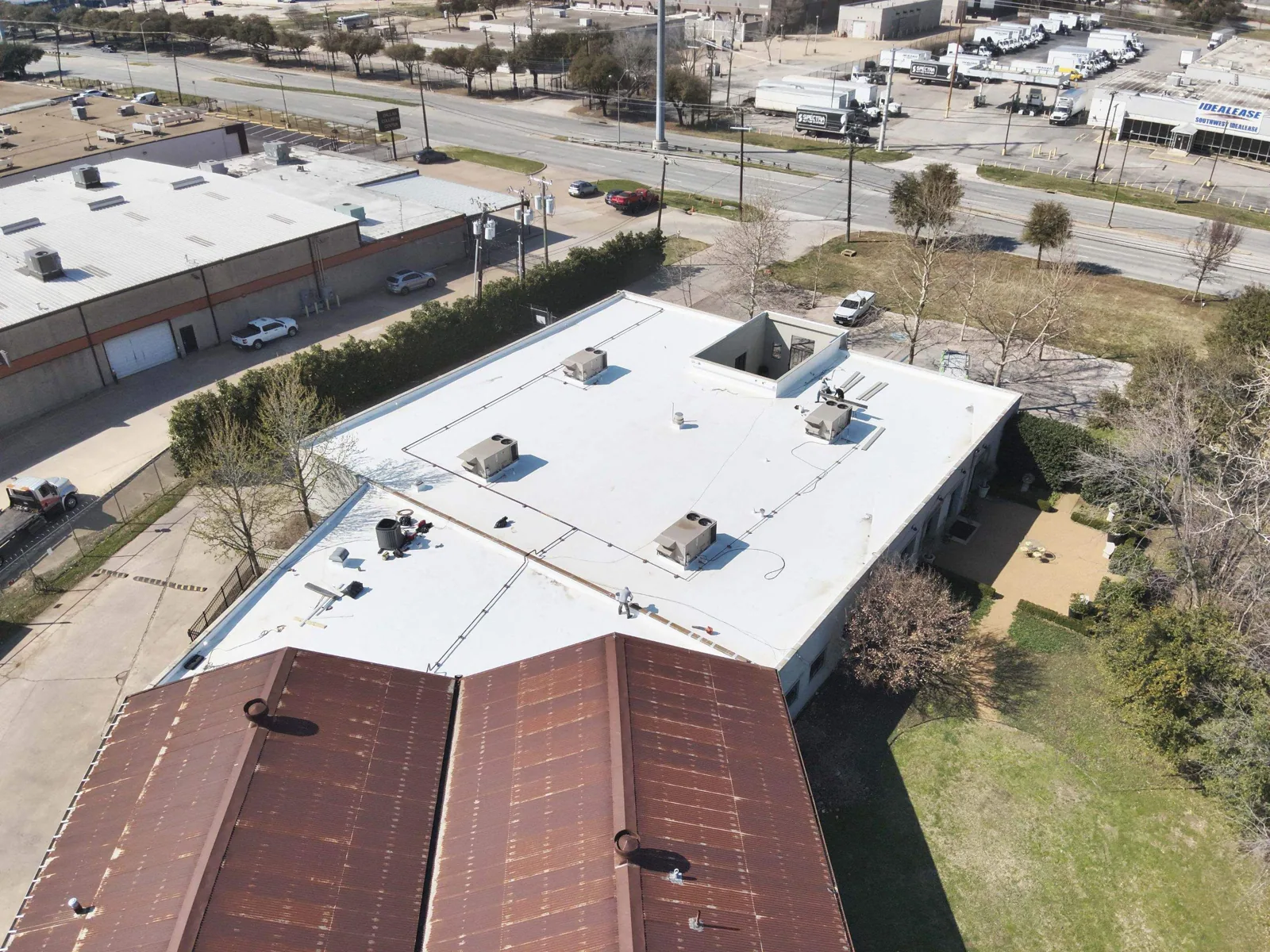
A recover is a new assembly over an existing roof only when substrate, moisture, attachment, and code limits allow it. It does not correct concealed decay or deck movement. We mark where testing is needed and explain the findings. At Snake River Landing, offices, dining, homes, and event venues make sequencing a useful planning example, though each roof requires its own review.
Roof Recover in Idaho Falls, ID

Check the Existing Layers

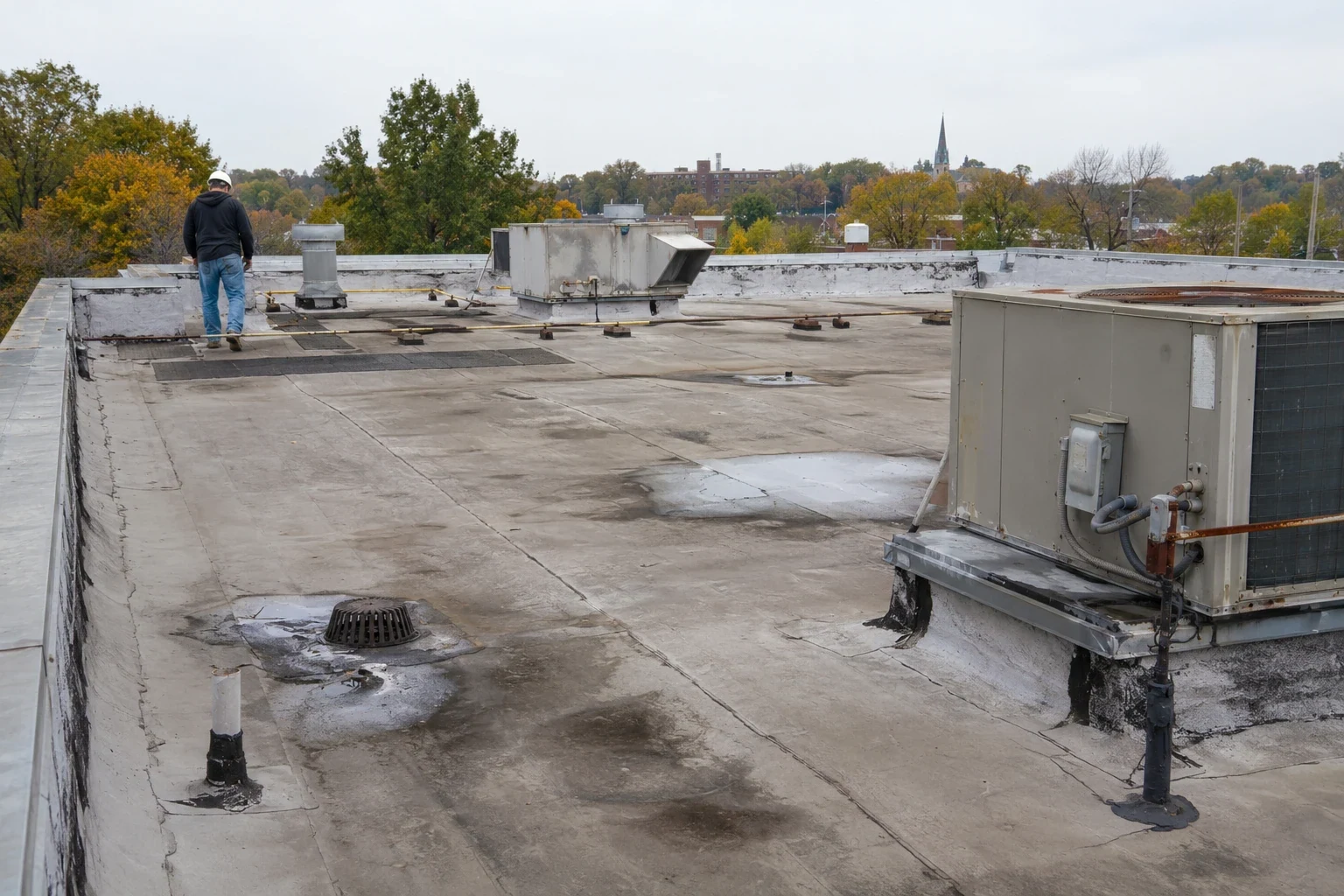
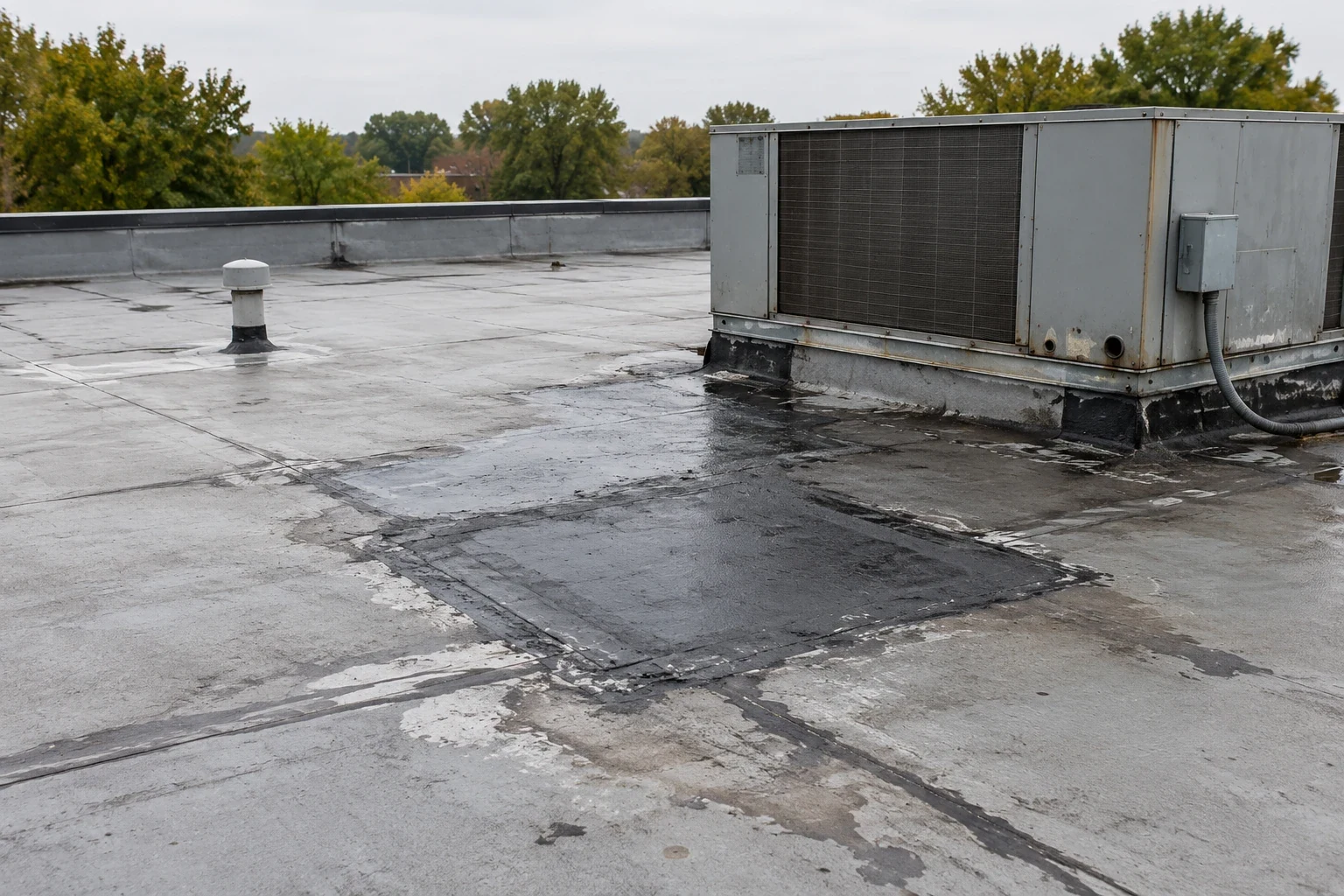
We identify membrane type, verifiable layer count, visible repairs, insulation build-up, and deck condition at accessible openings. Seams, flashing, drains, scuppers, parapets, and equipment curbs matter because a new field membrane cannot repair a weak transition underneath. Moisture readings or core cuts may be needed to separate dry insulation from a concealed wet area. We record the locations and findings, then mark areas that support a recover or need removal.

Attachment is another gate. Loose sheets, delamination, brittle surfacing, or deck movement can undermine an added layer. We check how edges and penetrations can tie into the new work and whether added height affects doors, drains, equipment, or flashing. A partial tear-off may be preferable if a sound transition cannot be made. The roof condition inspection records these constraints before material selection.

Account for Freeze and Thaw

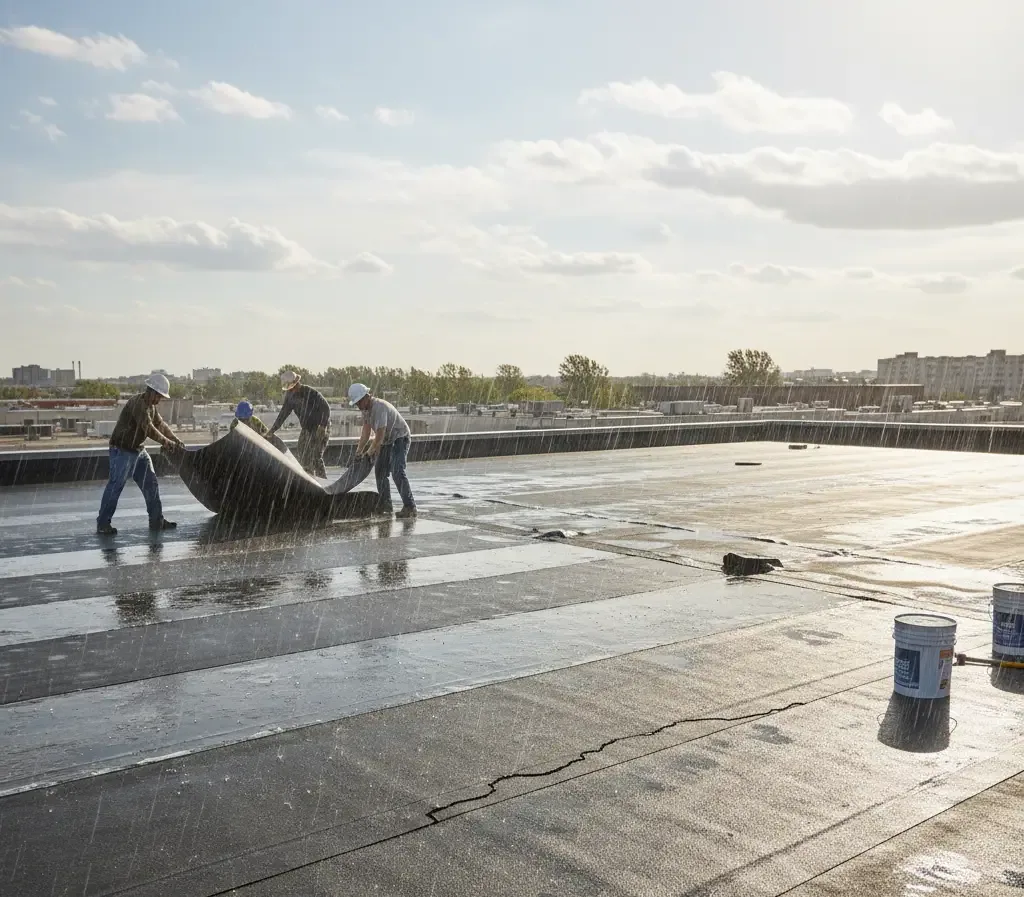
Idaho Falls averages show 182.2 days with minimum temperatures at or below freezing, 14.7 days at or below zero, and 26.5 days with highs of 90 or more. They still matter to material handling, adhesive conditions, safe access, snow removal, and temporary tie-ins. We phase overlay work to keep the exposed area small and close each section before changing conditions make water control uncertain.

Another layer can affect drainage. We check slope, debris at outlets, and the new height at drains and flashing. Northgate Mile and 1st Street include two business districts and nearby neighborhoods, where keeping entrances and tenant activity clear matters. If correction is needed, drain and scupper work belongs in the larger decision.

Confirm the Permit Path

Idaho Falls Building Division directs project applicants to adopted building, existing-building, and energy conservation requirements. A recover can affect roof height, fire classification, attachment, insulation, and existing-layer allowances. We identify the proposed assembly and conditions we can verify so the project team can determine the applicable review. The permit authority decides approval; a field inspection does not replace that decision.

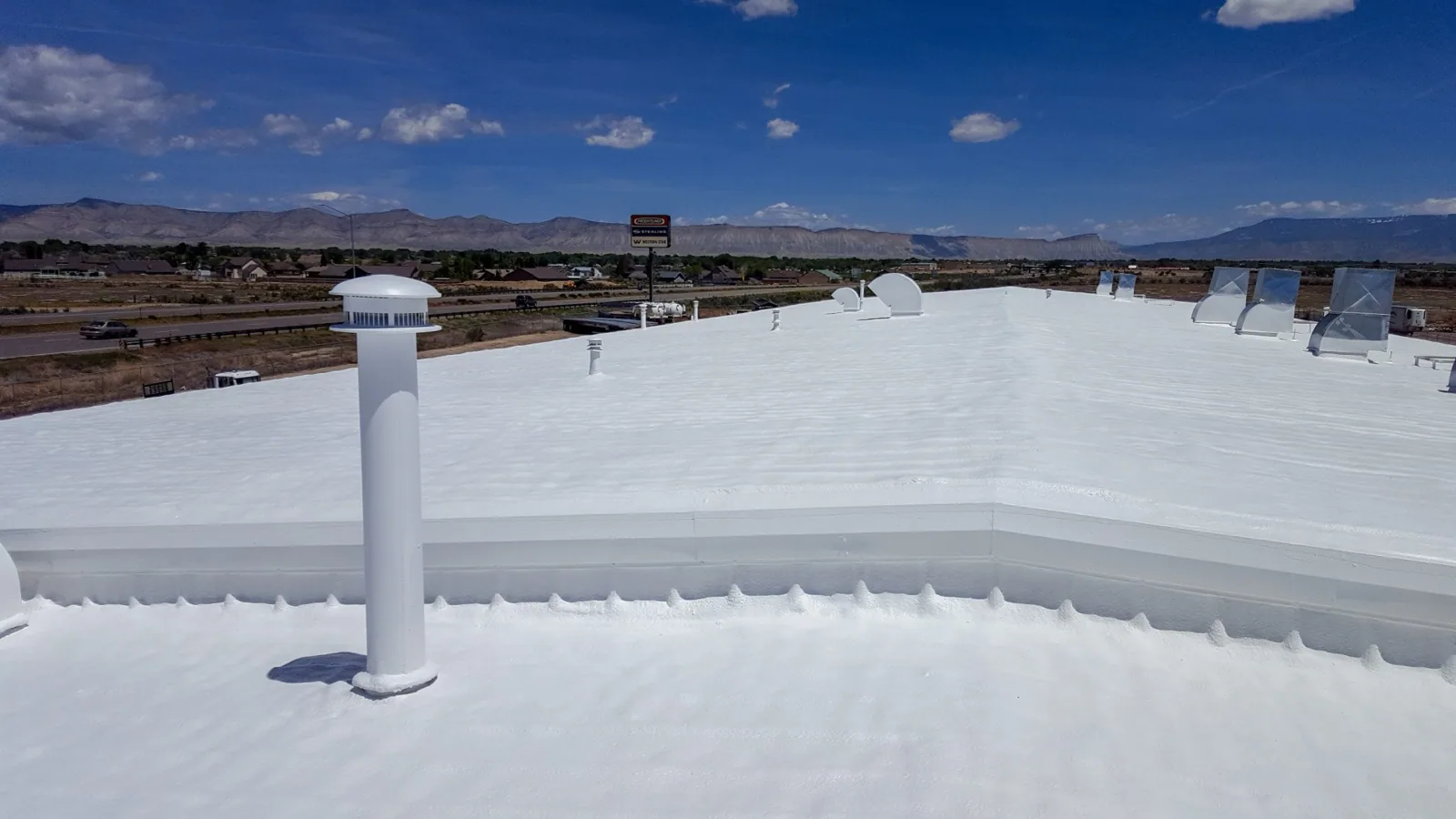
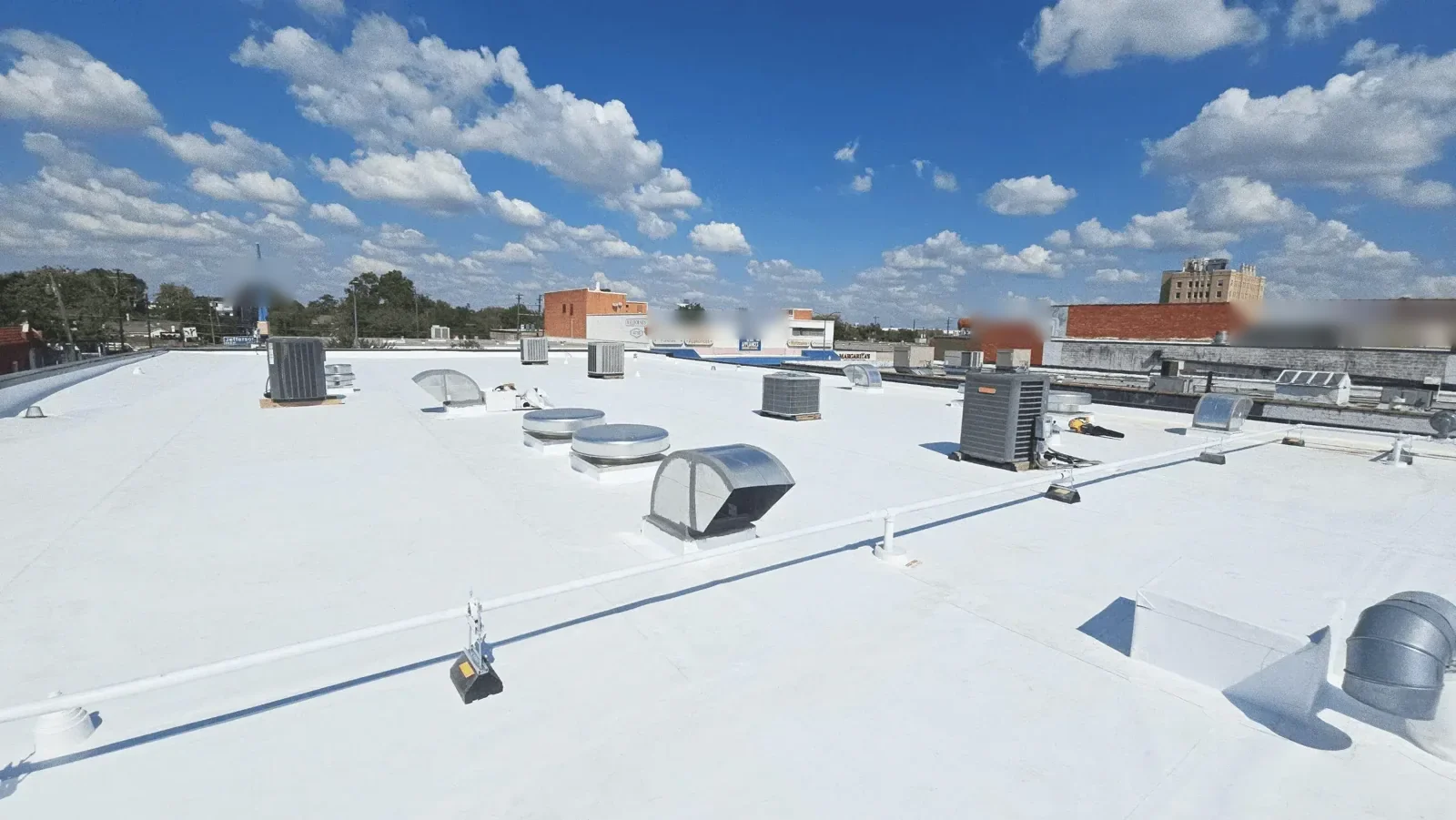
The specification describes preparation, cover board, new membrane, perimeter attachment, flashing, and penetration work, including how wet or loose material is removed. A rubber membrane assembly has different seam and flashing details from a thermoplastic system, so comparison stays tied to the actual roof.

Sequence Work Without Hiding Risk

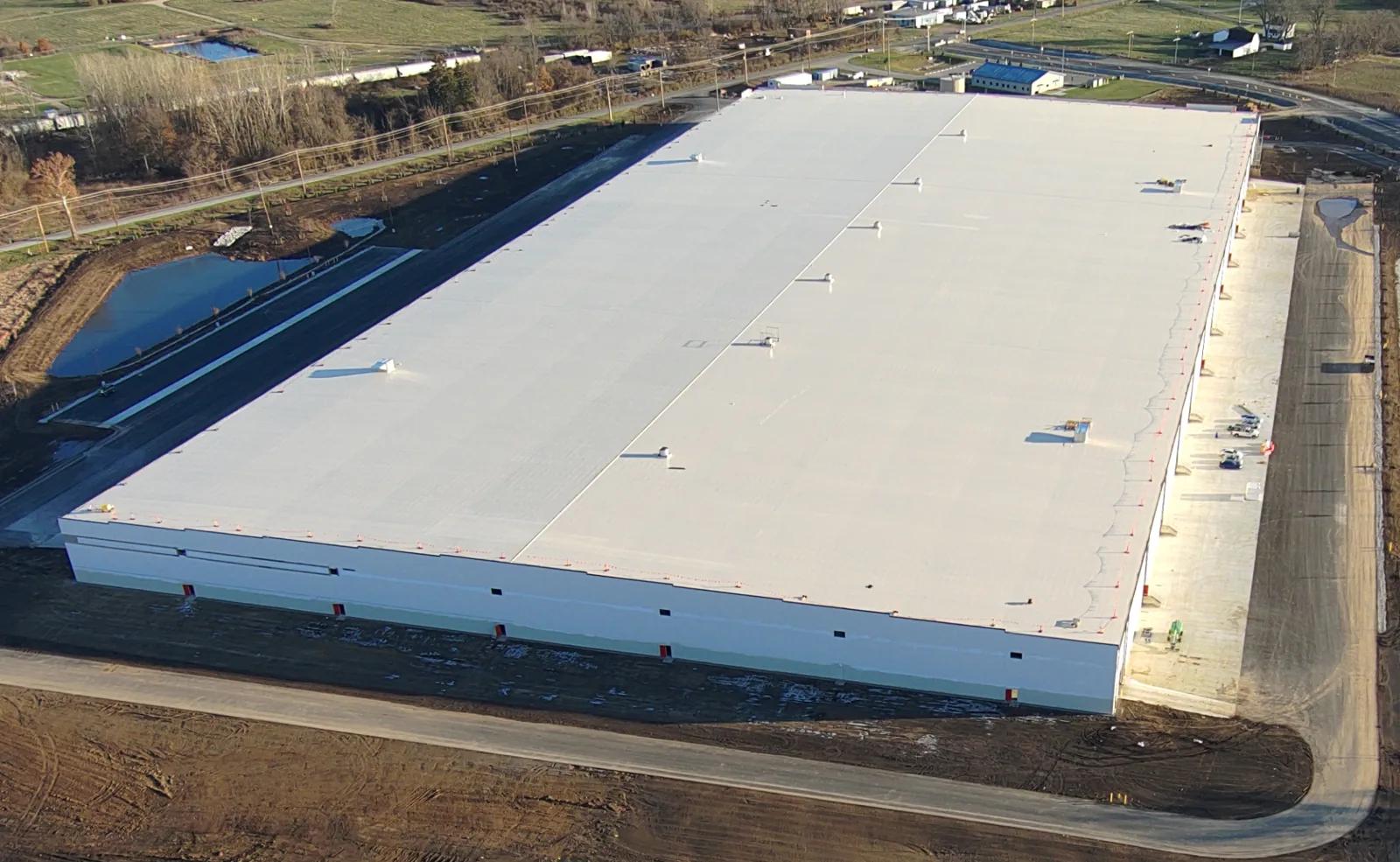
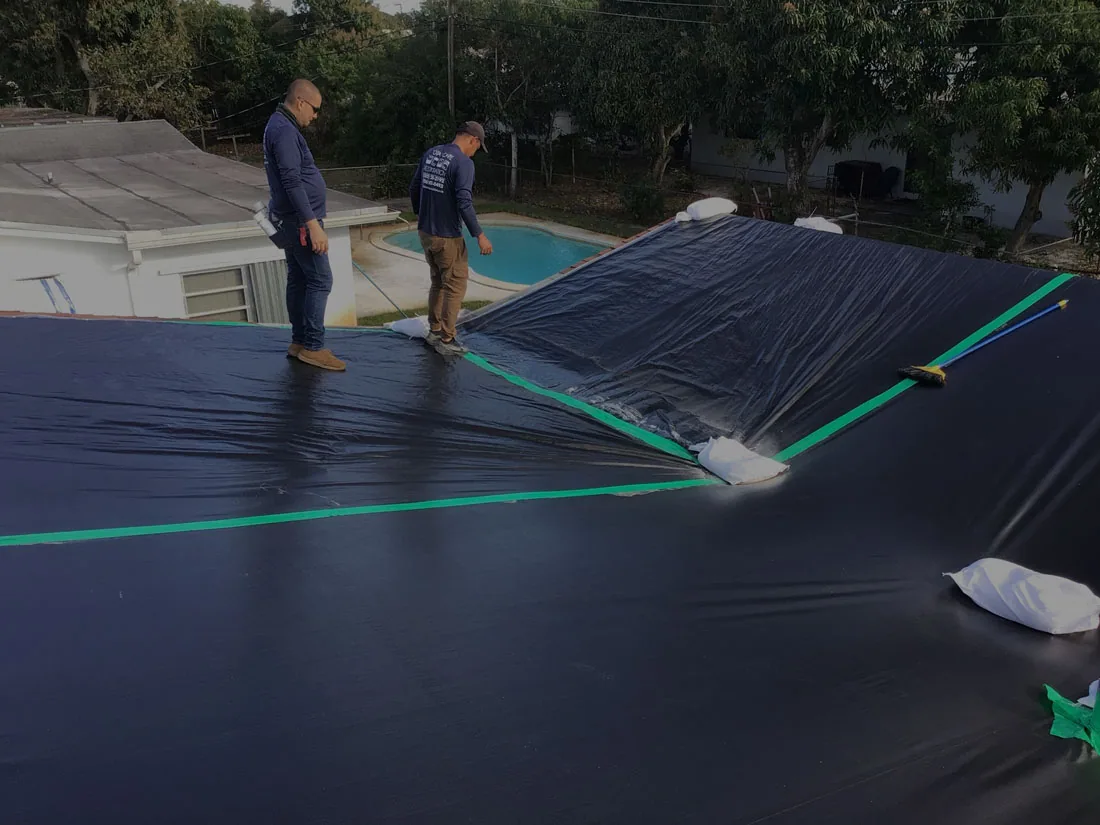
Overlay work may reduce demolition, but the daily plan still has to protect the building. We mark work zones, staging, lift access, occupied entrances, and areas where rooftop equipment must remain live. At an office or manufacturing property, the facility contact helps coordinate noisy work and access restrictions. Idaho Falls industrial and manufacturing areas connect with rail and street routes; confirm loading, lift placement, and material staging before the recover sequence begins. Our crew confirms those conditions before setting a tear-off or recover sequence, then records any adjustment when a roof condition changes the plan. Check curb fasteners at each equipment support.

Preparation includes removing loose material, making approved repairs, and bringing penetrations and edges to a sound condition. We do not leave a questionable layer under the new system simply because it is faster to cover. Tie-ins at the end of a shift must shed water and remain secure until work resumes. We track weather holds and tell the owner what portion is complete, what remains exposed, and what decision is needed next. A written condition report can preserve photos and marked findings for a later budget discussion, especially when the project has multiple zones or phases.

Compare the Whole Project

The recover estimate should show both the overlay scope and its limits. Cost drivers include surface preparation, moisture testing, attachment method, edge and curb details, drainage changes, protection, access, and any removal that testing identifies. A low initial number may leave unresolved wet areas or perimeter work outside the base. We separate these items, identify assumptions, and set a process for concealed conditions. That gives a property manager a fair way to compare an overlay against full replacement and budget for the roof's actual risks rather than an untested surface.

Timing also depends on permits, material delivery, temperature limits, building use, and repair findings. A dry assembly with straightforward transitions can be sequenced differently from a roof that needs deck corrections or multiple tie-ins. The city's Rexburg Downtown District includes retail, office, and mixed-use objectives; an active commercial setting illustrates why access and tenant coordination should appear in the schedule. If the inspection supports a recover, we state the preparation and verification steps. If it does not, we explain which finding makes removal the better control for future water entry.

Questions About Roof Recover

We inspect roof layers, attachment, edges, penetrations, and drainage, then test suspect areas where concealed moisture could change the recover decision. A recover needs a stable, sufficiently dry base and a workable tie-in for the new system. Findings that indicate wet insulation, loose material, deck damage, or unresolved movement can point toward removal. We document the evidence and identify any additional test needed before the owner selects a scope.

No. The existing assembly, applicable code provisions, deck capacity, fire and wind requirements, and resulting roof height all matter. The building official determines the permit requirements. We describe the existing conditions we can verify and the proposed assembly, so the project review starts with useful information instead of an assumption that overlay is automatically allowed.

A recover alone does not correct a low area or blocked outlet. We trace the drainage path, inspect drains and scuppers, and determine whether the new thickness changes outlet or flashing elevations. Where slope or outlet work is needed, that correction belongs in the scope. Leaving a drainage defect under another layer can preserve the same wet condition after the work is complete.

It should identify test locations, affected areas, the removal and replacement method, and the approval step for concealed findings. We distinguish known work from an allowance and explain how a change could affect daily dry-in or the schedule. That way a wet core result changes the documented plan rather than disappearing beneath the overlay.

The estimate has to include preparation, testing, repairs, attachment, flashing, edge work, drainage, and any required removal. A recover may reduce demolition, but widespread moisture or complicated tie-ins can change the total. We compare complete scopes and note the assumptions, so the budget review reflects the same work on both sides.

ServicesRoof SystemsIndustriesProperty TypesService AreasDamage RepairCapabilitiesManufacturersContactAboutRequest a Roof Assessment555-555-5555
Call us today555-555-5555