Built-Up Roofing in Idaho Falls, ID Serving Idaho Falls & Eastern Idaho

Inspect built-up roofing in Idaho Falls by surfacing, plies, flashing, and drainage, then compare a targeted repair with recover or replacement.

Built-Up Roofing in Idaho Falls, ID

Built-Up Roofing

Spring moisture can expose a weak point in a built-up roof before the next Idaho Falls freeze cycle. Idaho Falls averages show precipitation at Idaho Falls on 84.3 days annually, with May averaging the most by month. Idaho Falls averages makes drains, laps, and exposed surfacing useful inspection points. We document the layers and water path before recommending a repair.

A built-up roof, or BUR, uses bitumen and reinforcing plies with a protective surface such as aggregate or a cap sheet. An intact surface can conceal moisture or weak attachment. We check blisters, alligatoring, displaced surfacing, open seams, and details at parapets, curbs, and drains. College of Eastern Idaho has mechanical, technical, classroom-laboratory, healthcare education, and industry/trades buildings, each with its own access plan.
Built-Up Roofing in Idaho Falls, ID

Read the Surface Without Guessing

Aggregate can shield asphalt from sunlight and foot traffic, but loose or displaced stone may reveal wear or a repair boundary. A smooth cap sheet presents different signs, including splits, ridges, blisters, or exposed reinforcing. We record what is visible and avoid treating one surface symptom as proof of the entire assembly's age or condition. At selected openings or test areas, the survey can identify how many plies remain and whether the substrate is wet or deteriorated.

Blisters can form when air or moisture is trapped between layers, but not every raised area needs the same repair. We inspect whether it is active, whether the membrane has split, and whether water has reached below. A patch that traps moisture or fails to bond can add another problem. We identify the defect, its perimeter, and the matching repair method before work begins. A photo-based roof inspection records findings in a way an owner can compare with later visits.

Understand the Layer Stack

BUR is built in stages. The base sheet connects the system to the substrate, reinforcing plies add continuity, and bitumen bonds the layers; the selected surface protects the assembly. The roof record should identify known layers, approximate boundaries, and any areas where testing remains necessary. If another roof system was added above the BUR, the current assembly may differ across sections, so we map transitions before specifying removal or recover.

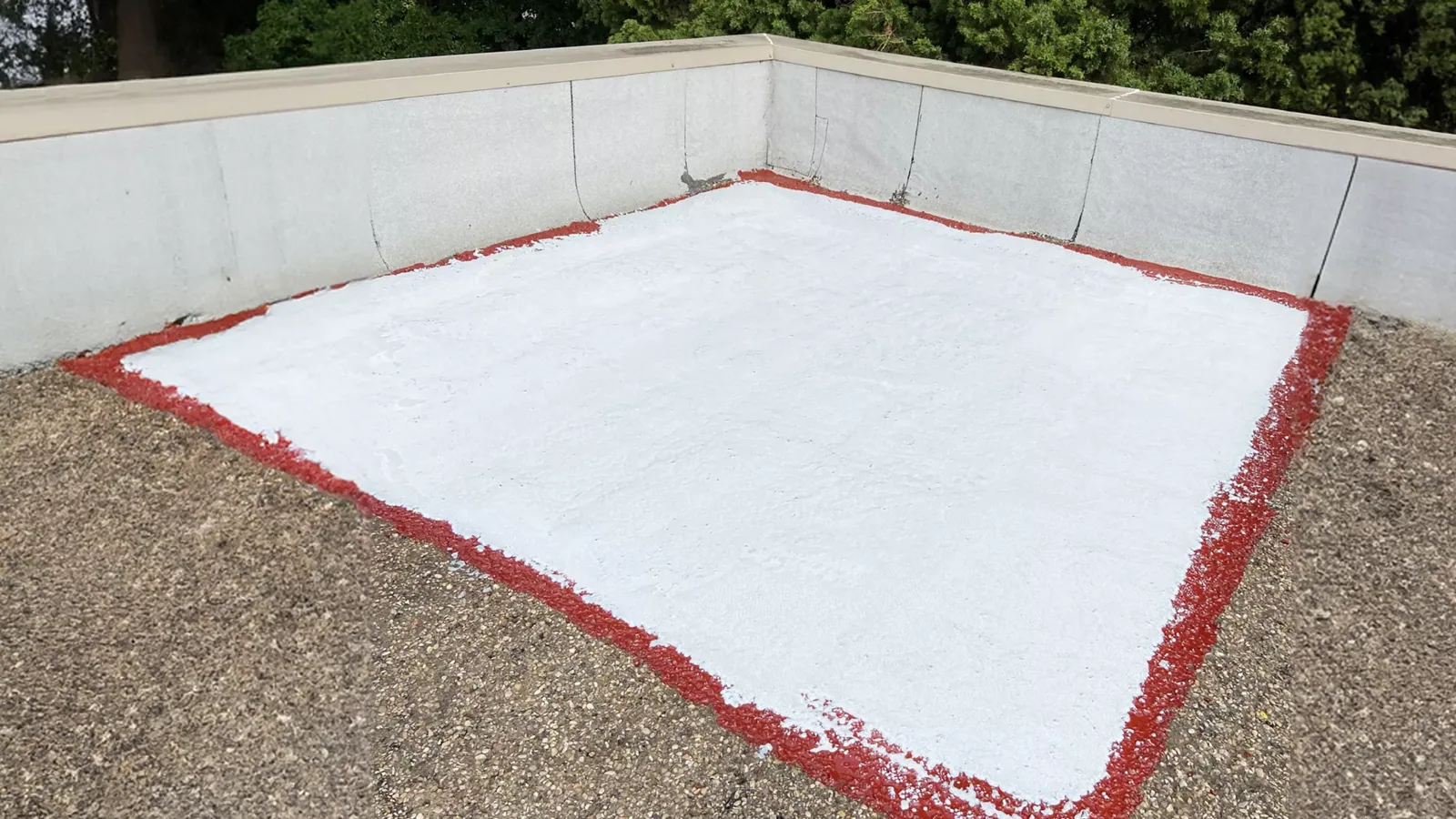
Repair material should join sound existing layers and restore the surface protection. For a localized split, the crew may expose a clean area, rebuild the plies, and replace aggregate or cap material to match the detail. If moisture is widespread or deck attachment is weak, a surface patch will not correct the assembly. We write the limits into the scope and explain which opening, moisture test, or deck review could change them. An insulation and cover-board assessment can help when the concern extends below the bitumen plies.

Protect the Roof at the Edges

Parapets, drains, equipment curbs, skylights, and roof edges interrupt the field and need dedicated flashing. We inspect corner transitions, counterflashing, termination bars, drain bowls, and overflow paths. A recurring leak near a wall can result from the flashing detail, adjacent masonry, or a movement joint, so the roof scope should identify the responsible interface. The site walk records access, attachment, and any work that requires coordination with another trade.

Idaho Falls’ industrial areas support fabrication, processing, storage, warehousing, and wholesale distribution. That broad property mix can involve different rooftop equipment and operating constraints. We plan the work area to protect active operations, define equipment shutdowns, and keep water control intact as layers are opened. A drain and scupper repair scope can be scheduled with the BUR work when outlet defects are part of the finding. Phased reroofing can also be considered where the building must remain in use.

Compare Repair With a New Assembly

When the BUR has isolated damage and most of the surrounding plies remain sound, repair may preserve useful service. A recover can be considered only after the moisture, attachment, structural capacity, layer count, drainage, and code requirements are reviewed. Tear-off is more direct when deterioration is widespread or the existing layers prevent a reliable new system. We document those differences rather than recommend a material based on the surface alone.

The design team should confirm which building requirements apply when the existing assembly changes. The project team still needs to confirm the provisions applicable to the building and scope. We describe removal, substrate correction, insulation, attachment, flashing, and edge work separately. Compare BUR with modified bitumen, which uses factory-made sheets, or TPO, a single-ply system with welded seams. A replacement scope should note how the selected assembly addresses drainage and future service access.

Schedule Around the Property

The Idaho Falls Warehouse District combines storefronts, warehousing, and light industrial uses, with activity along Broadway, Maple Street, Yellowstone Avenue, and Pancheri Drive. Delivery, lift placement, and access must be confirmed at the property. We set a manageable work area, protect entrances, and leave a secure tie-in at the end of each shift.

Snake River Landing mixes event, office, dining, and residential uses that can affect which entrances need protection. The site manager identifies restricted times and service routes before mobilization. We coordinate deliveries, document weather holds, and protect each open area. Seasonal planning also considers cold-sensitive materials and precipitation risk. Work still begins with the individual building's condition.

Keep Condition Records Current

Keep photos, material data, test-area locations, and remaining concerns with the repair record. Maintenance can revisit surfacing, drains, flashing, edges, and equipment penetrations, then compare conditions with the original survey. Keep traffic on practical paths and protect the plies during later rooftop work.

Idaho Falls combines a long freeze season with warm summer afternoons. We note whether an area needs urgent water control, planned repair, or monitoring. A scheduled maintenance inspection provides a repeatable record, though it does not test hidden layers. If a condition worsens, the next scope can start from the documented location and repair history.

Questions About Built-Up Roofing

Sometimes. The decision depends on where moisture has reached, how well the layers are attached, the condition of the deck, and whether the repair can tie into sound material. We map representative areas and state where testing is needed. If wet insulation or broad separation appears, covering the surface may leave the cause in place.

A cracked pattern in the asphalt surface signals aging or exposure, but it does not alone tell us the condition of every ply below. We inspect the cap, seams, flashing, and any openings, then determine whether cracks are superficial or connected to water entry. The resulting scope should show repairable boundaries and any area requiring a deeper test.

The repair detail and selected assembly set that requirement. Some work needs a clean bonding surface or removal of loose stone, while other portions may remain if they are secure and compatible. We identify the preparation area, handling, protection, and cleanup in the scope so the owner can see how the surface will be restored.

A recover requires a dry, stable existing system, acceptable layer count, suitable deck capacity, and a design that resolves drainage and attachment. Tear-off allows more direct inspection of hidden layers and substrate. We document moisture, existing plies, and repair history, then compare the work sequence and risks of concealed conditions.

It can influence the work window and temporary protection plan. Idaho Falls averages show May as the wettest month by average at Idaho Falls, but the forecast and roof conditions on the scheduled dates control the daily sequence. We keep exposed work within a manageable area and leave each section protected before the crew finishes.

ServicesRoof SystemsIndustriesProperty TypesService AreasDamage RepairCapabilitiesManufacturersContactAboutRequest a Roof Assessment555-555-5555
Call us today555-555-5555