Spray Polyurethane Foam Roofing in Idaho Falls, ID Serving Idaho Falls & Eastern Idaho

Assess spray polyurethane foam roofing in Idaho Falls by substrate dryness, foam profile, protective coating, drainage, and the conditions for application.

Spray Polyurethane Foam Roofing in Idaho Falls, ID

Spray Polyurethane Foam Roofing

A warm Idaho Falls afternoon can support spray work, but surface and air still have to meet application limits. Idaho Falls averages show a hot summer interval as well as a prolonged season of freezing minimums. We set the SPF repair boundary from the substrate, coating condition, drainage, and forecast at the property. We inspect moisture, slope, penetrations, and access before deciding whether SPF work fits the actual conditions.

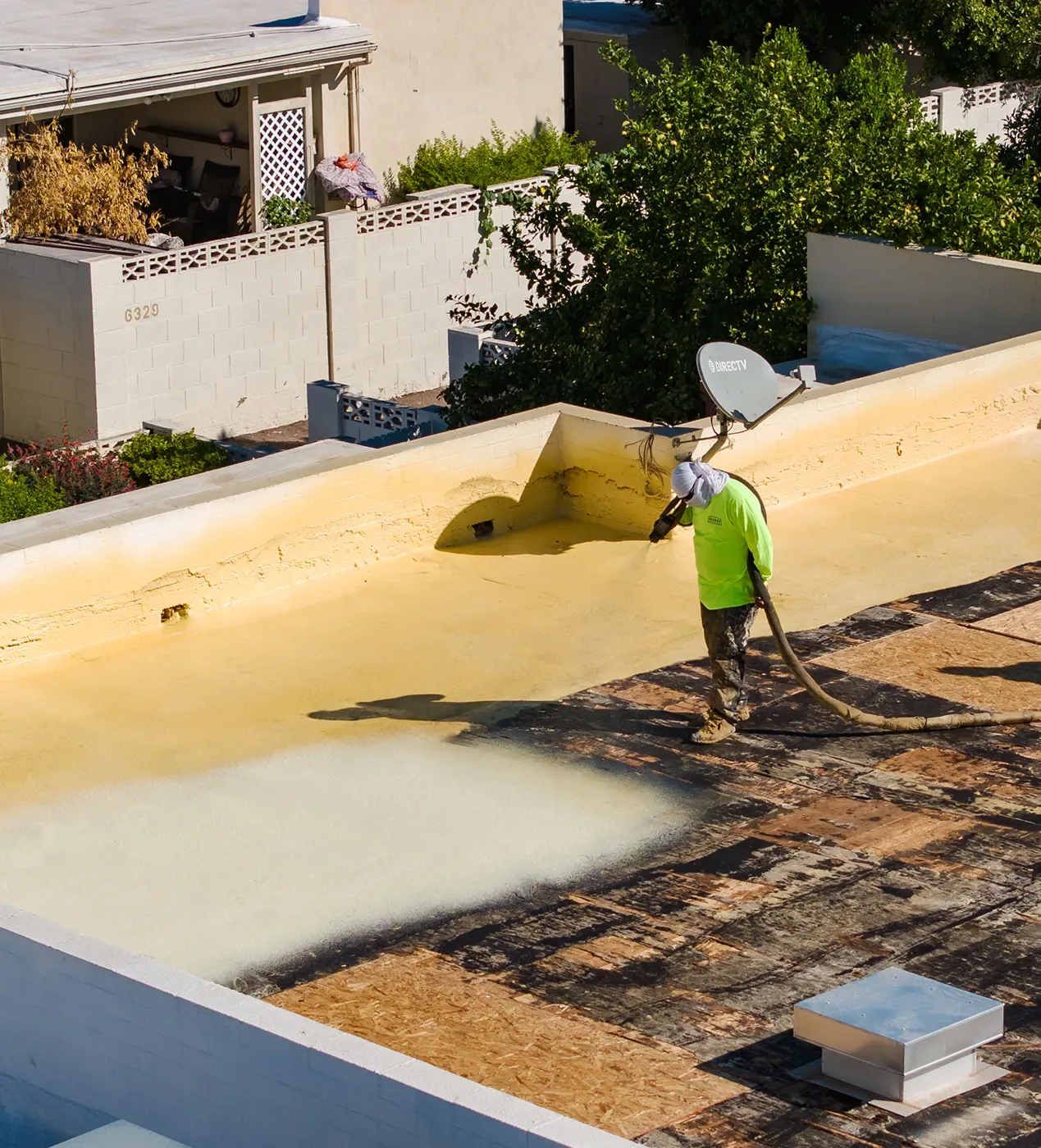
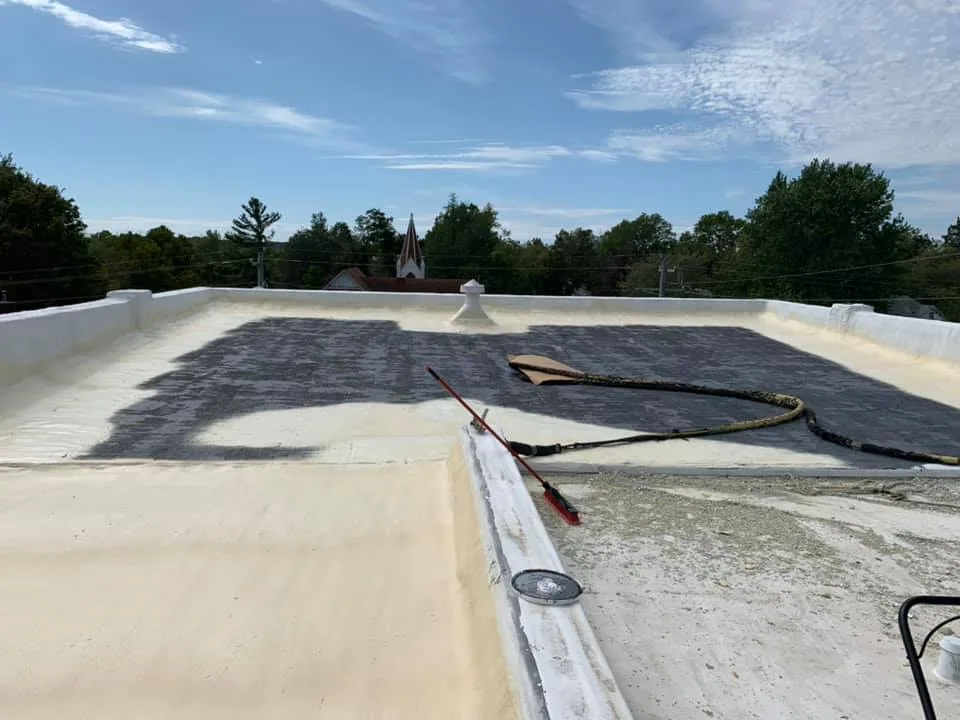
SPF combines sprayed foam with a protective coating. The foam forms a continuous layer over a prepared base; the coating shields it from weather and ultraviolet exposure. Preparation, lift uniformity, drainage shaping, and coverage affect the assembly. We test the existing roof and identify material to remove. College of Eastern Idaho has mechanical, healthcare education, technical, and industry/trades buildings, making staging and protection part of an occupied-site plan.
Spray Polyurethane Foam Roofing in Idaho Falls, ID

Start With a Dry, Stable Base

Foam should not go over loose, wet, contaminated, or unstable material. We check moisture, adhesion, corrosion, and surfacing that could release. If the substrate is unsound, removal or correction precedes spray work. Use a core or moisture test when surface signs point to concealed wet insulation or a change in the foam substrate.

Preparation includes cleaning and masking equipment, air intakes, vehicles, and nearby property. We coordinate wind limits and access with the facility contact. Before application, document substrate repairs, restricted roof zones, and equipment moves that affect access or coating continuity. A roof inspection can document the existing assembly before foam is considered.

Build a Consistent Foam Surface

SPF is placed in controlled lifts so it expands and cures to the intended profile. Mix ratio, pressure, travel speed, temperature, and pass overlap affect adhesion and thickness. We check the surface as work advances and correct voids, ridges, or thin areas. The scope states how coverage will be checked against product instructions.

Foam can be shaped to improve drainage, but outlets must remain open. We inspect low areas, curbs, parapets, and scuppers before spraying. Drain or deck corrections should be complete before the new layer hides them. The finish check looks for pinholes, exposed foam, incomplete transitions, and gaps in coating. A drain and scupper review can be coordinated with the roof work.

Protect the Foam From Exposure

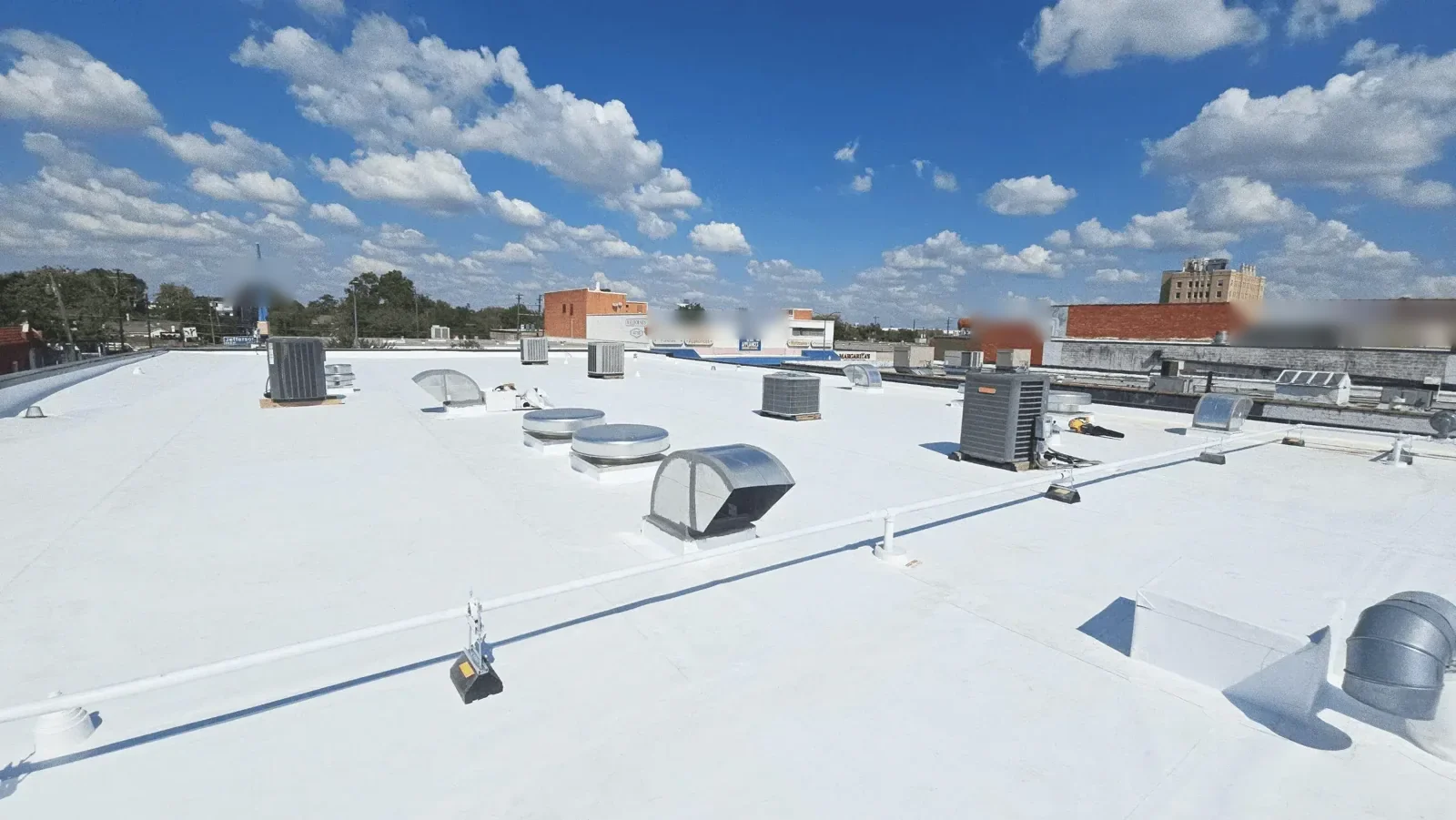
The coating shields SPF from ultraviolet exposure and weather. Type, coverage, adhesion, and recoat timing follow the specified product and surface condition. We confirm the foam is cured, dry, and prepared before coating. If foam is exposed after a coating failure, water may travel below the visible area and needs evaluation.

May carries the highest monthly precipitation average in the Idaho Falls averages tables. The application plan uses current conditions and product limits. We inspect coating continuity at edges, drains, curbs, and repairs. Recoat may fit if foam is sound and dry; wet or damaged foam may need removal. A silicone system or acrylic coating must match the existing assembly and exposure.

Measure the Repair Boundary

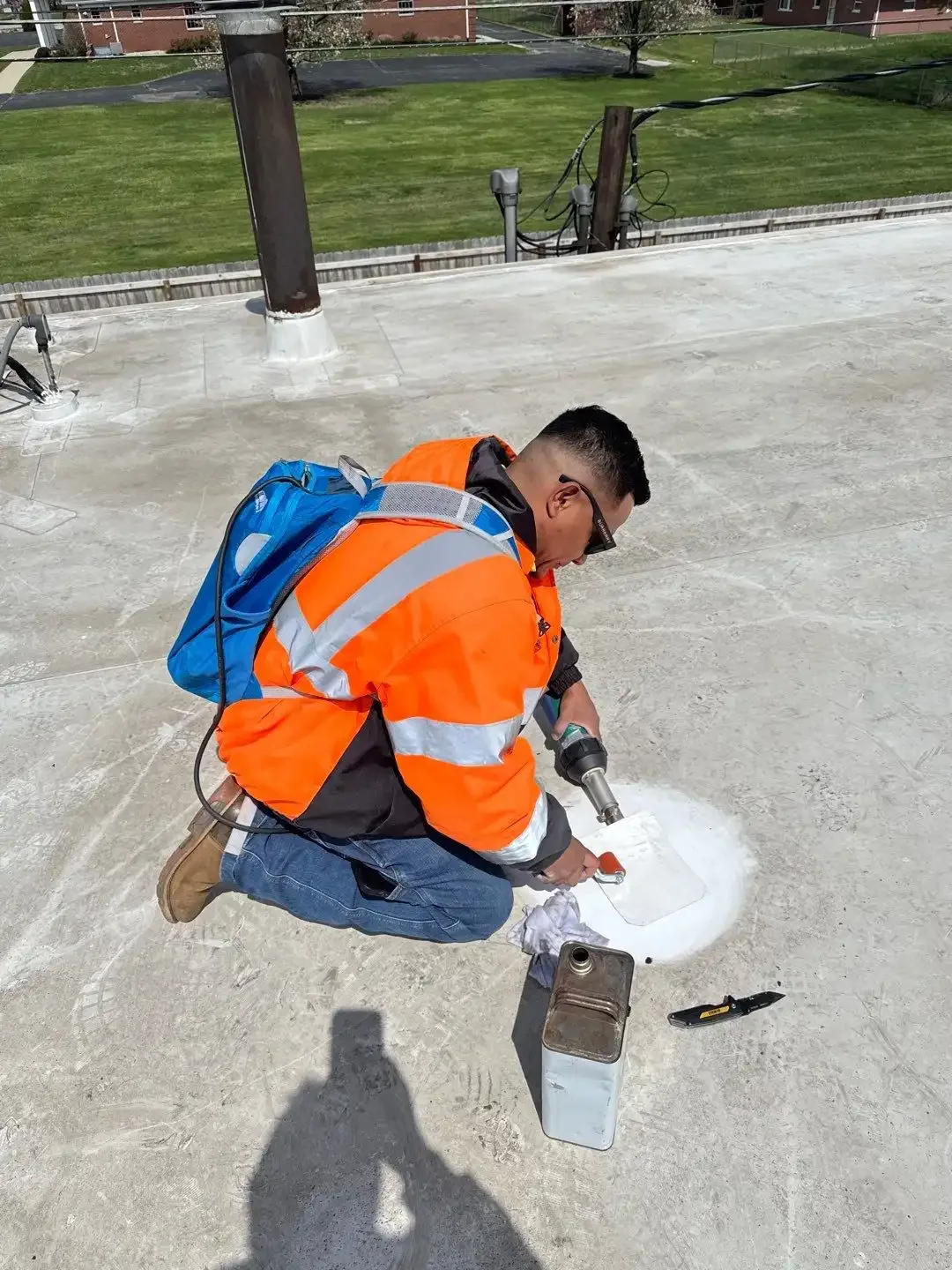
A puncture or gouge can reach beyond its visible mark. We check coating, foam profile, adhesion, and moisture, then remove material only to sound foam and substrate. New foam ties into prepared material, and coating restores the protective layer. Closeout photos show the opening and repair limits.

Maintenance notes coating wear, exposed foam, impact damage, drains, and recurring ponding. Keep trade access on approved paths and report penetrations before they are sealed. If equipment moves, the roof detail needs compatible restoration. Track coating condition and recoat needs, then confirm that underlying foam remains suitable.

Choose the Application Window

Cold can affect foam reaction, substrate temperature, and coating cure. Heat and direct sun change the surface and work pace. We follow air, surface, humidity, wind, and precipitation limits rather than rely on a monthly average. Each day begins with a roof and forecast check; areas that cannot be finished within the application window stay protected.

Idaho Falls has frequent freezing minimums and a hot summer period. Spray and coating need dry conditions and time to cure before weather exposure. The property manager should account for equipment access and interior operations. An occupied-building sequence sets work zones and overspray controls. If the roof cannot be prepared within a suitable window, repair or another assembly may be more practical.

Compare SPF With Other Roof Paths

SPF can create a continuous insulated layer over a suitable substrate, but it is not automatically the right answer for every low-slope roof. The condition of the base, expected foot traffic, drainage geometry, access for future equipment, coating upkeep, and project requirements all matter. We state those tradeoffs and what recurring inspection the coating needs, rather than price only the spray step.

Idaho's adopted schedule sets 2018 building standards and amended energy provisions; project officials determine how they apply. The approved design determines the applicable assembly requirements. If the substrate is too wet or unstable, a tear-off and new membrane may provide a better starting point. Compare SPF with a TPO assembly or modified bitumen system based on conditions and maintenance demands. Idaho Falls includes warehousing, processing, and wholesale distribution; survey the roof system and coordinate production access before scheduling foam work.

Document Coating and Foam Work

Cost depends on substrate preparation, foam removal, slope correction, edges, coating type, passes, overspray protection, access, and equipment masking. Repairs also depend on moisture in the foam or deck. We separate those items so a manager can compare initial work with future inspection and recoating needs.

Closeout records the substrate, foam, coating, transitions, and remaining limitations. The manager should know how to control roof access after trades leave. The Idaho Falls Warehouse District includes storefronts and light industrial activity, while Snake River Landing has offices, dining, residences, and event venues. Rexburg's University Boulevard district plans commercial and industrial uses alongside housing and retail. These distinct settings make site-specific staging and protection necessary. A written roof file gives future maintenance a reliable starting point.

Questions About Spray Polyurethane Foam Roofing

Only if the existing substrate is dry, clean, stable, and compatible with the new foam. We inspect adhesion, moisture, surface contamination, and structural condition, then include needed removal or preparation. A roof with wet insulation or loose material should not be sealed under a new foam layer without correction.

A specified protective coating covers the cured foam and shields it from ultraviolet exposure and weather. We check coating continuity, adhesion, and the conditions at drains, edges, and penetrations. Exposed foam needs evaluation, and a repair should restore both the foam profile and its protective layer.

We inspect the coating and foam around the interior sign, then trace water across slopes, drains, curbs, and penetrations. Moisture may move below the surface before it appears inside. Testing or a small opening can define whether water is in the coating, foam, substrate, or another roof interface.

Recoating may fit when the foam remains dry, attached, and structurally sound and the existing coating can be prepared for another layer. We check adhesion, thickness, wear, drainage, and compatibility before recommending it. Wet or deteriorated foam needs repair or removal, not simply another topcoat.

The product's temperature, substrate, wind, moisture, and cure requirements set the work window. Idaho Falls moves from a long freeze season to hot summer roof conditions; check surface temperature, moisture, wind, and product limits before spraying. We verify the surface and forecast and protect each section until its coating is ready for exposure.

ServicesRoof SystemsIndustriesProperty TypesService AreasDamage RepairCapabilitiesManufacturersContactAboutRequest a Roof Assessment555-555-5555
Call us today555-555-5555