Infrared Moisture Survey in Idaho Falls, ID Serving Idaho Falls & Eastern Idaho

Find moisture patterns in commercial roofs in Idaho Falls with infrared imaging and core cuts, then mark test results and limits for repair planning.

Infrared Moisture Survey in Idaho Falls, ID

Infrared Moisture Survey

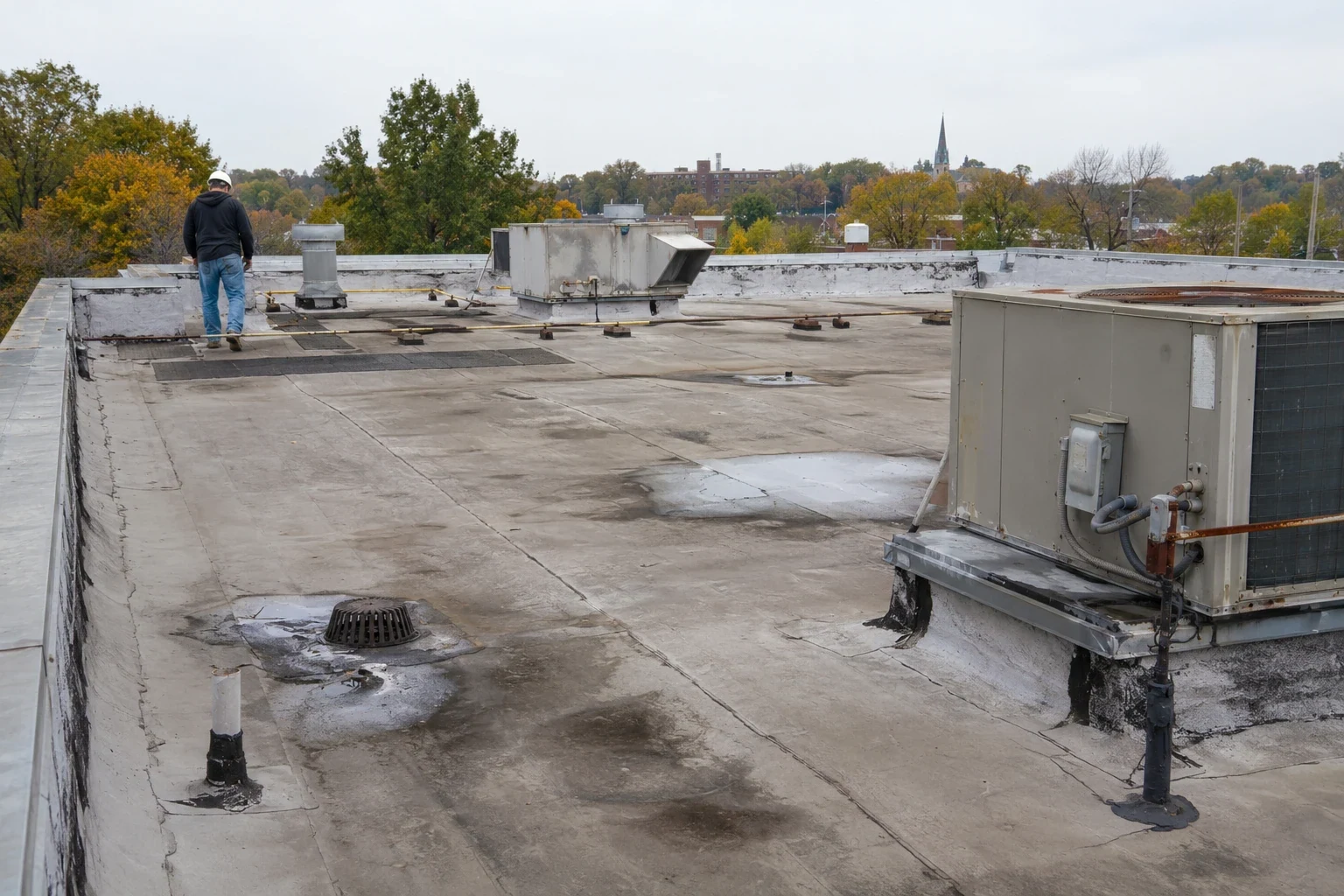
A roof can look intact while water sits below the membrane. Idaho Falls climate averages show an annual mean temperature of 44.2 degrees and 10.07 inches of annual precipitation. We inspect drains, low points, and roof layers where seasonal moisture or ponding can affect the survey boundary. An infrared moisture survey uses temperature patterns to select areas for closer testing, then core cuts can confirm what the roof assembly contains.

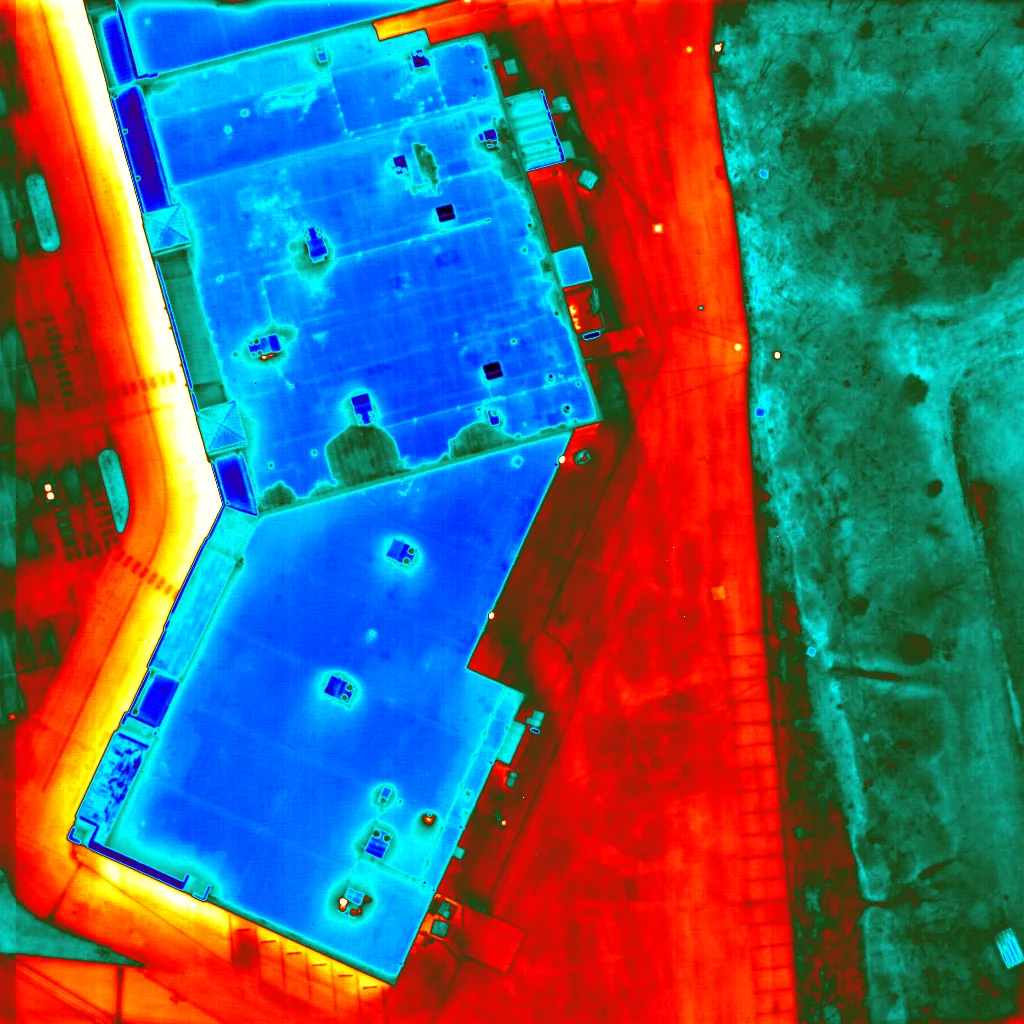
Thermal imaging is a screening tool, not a diagnosis by itself. Surface readings may reflect shade, equipment, wet material, insulation variation, or other conditions. We plan the survey for suitable weather and roof conditions, capture the thermal and corresponding visual views, and mark areas that warrant a test. Core cuts can expose the layers and verify moisture at selected locations. The property manager receives a map or marked plan, test locations, photographs, and a description of what is confirmed and what remains uncertain. In Rexburg North Interchange, a broad area planned for industrial, commercial, residential, retail, and government uses, roof assemblies could vary widely; survey results must stay specific to each building.
Infrared Moisture Survey in Idaho Falls, ID

Use Imaging to Guide the Test

We begin with roof history and the question the owner needs answered. Prior leaks, repair zones, suspected wet insulation, or a replacement decision can shape the survey area. We note the system type, roof geometry, drainage, equipment, and areas where thermal readings could be misleading. Imaging records a temperature pattern across the surface; it does not see through the membrane or measure water content directly. We compare suspicious areas with reference locations and use core cuts or another suitable test where verification is necessary.

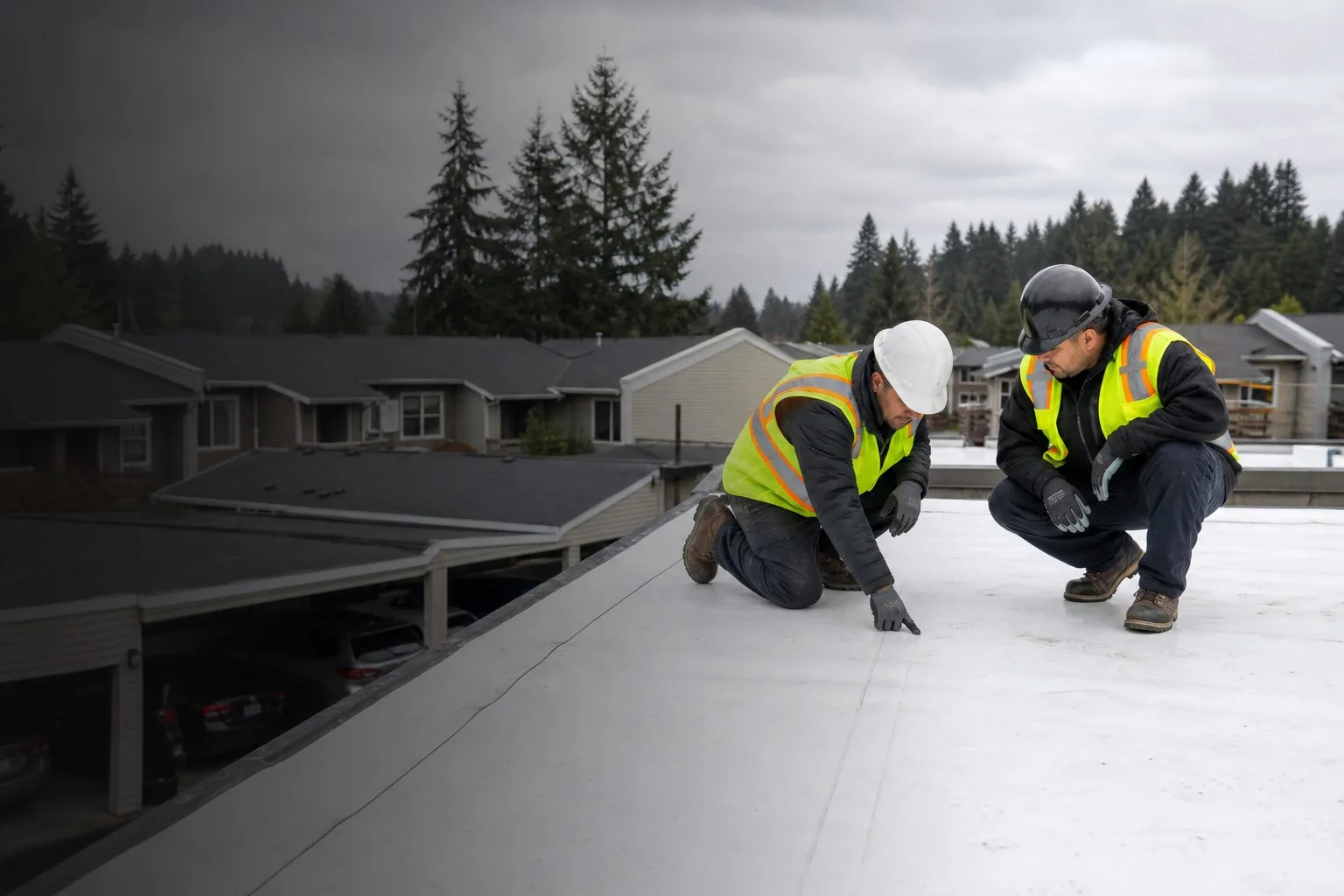
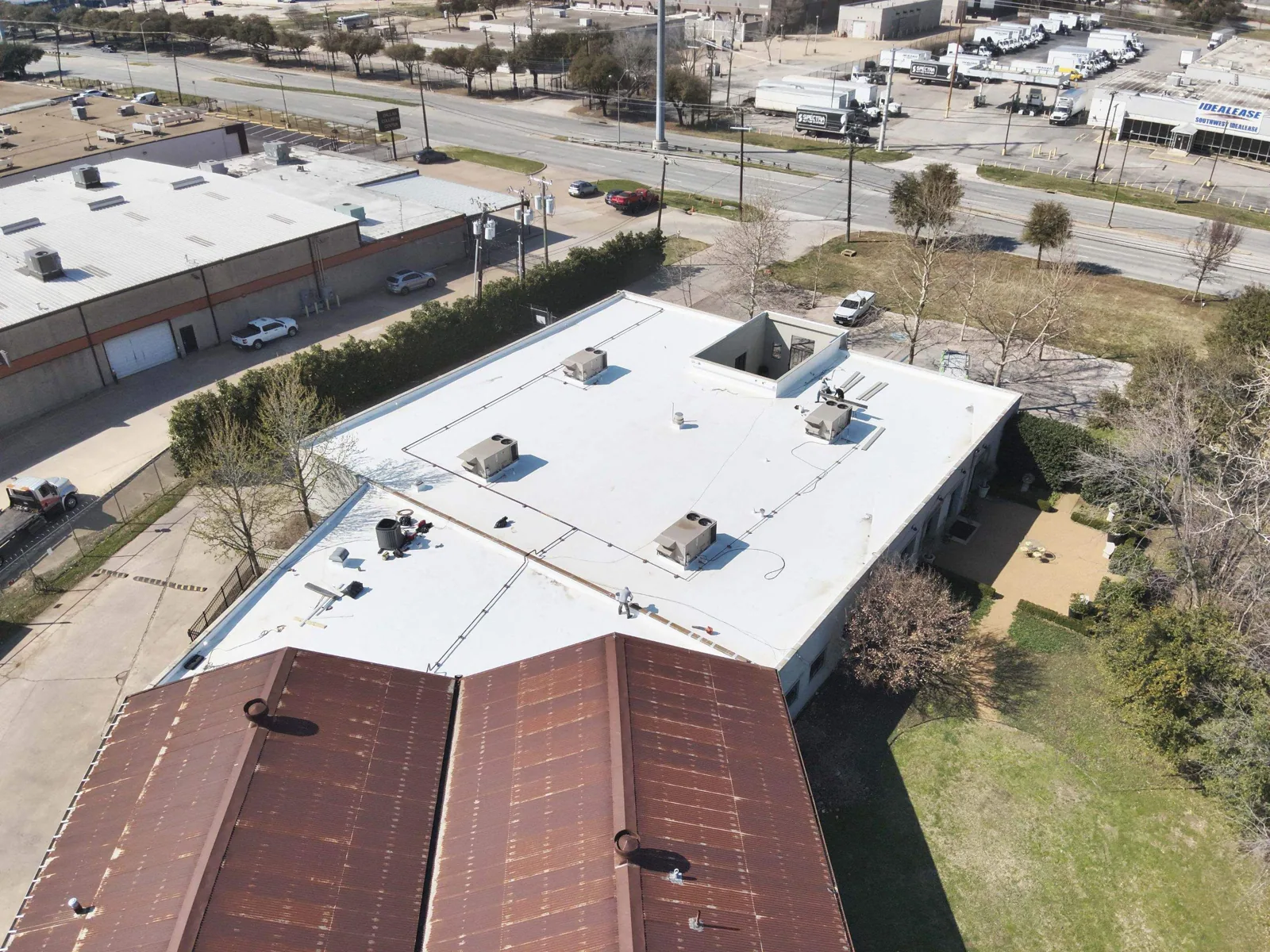
Test locations are selected to compare suspected areas with apparently dry sections and to check changes across the roof assembly. A core can show membrane, cover board, insulation, and deck condition at the cut, but it represents that location alone. We mark the opening and describe the materials and moisture observed, then arrange a compatible repair to restore the roof. If the survey has several thermal anomalies, each one needs interpretation in relation to its surroundings before removal is scoped. Our drone imaging service can help document broad roof areas, while a hands-on survey verifies what lies within the assembly.

Choose Conditions That Support Readable Data

Thermal contrast changes with sun, wind, recent precipitation, surface temperature, and the materials in the assembly. We schedule a survey when conditions are likely to make useful comparisons and record relevant weather and access limits. Idaho Falls climate averages show May as the wettest month by average precipitation, at 1.57 inches, and July's mean daily high is 86.6 degrees. Those values describe long-term patterns, not a day-of-survey threshold. The survey plan considers the actual forecast, roof shade, and when the surface is likely to provide a meaningful temperature pattern.

Snow or standing water can block areas or distort readings; a roof with heavy equipment and varied shading may also need additional visual checks. We state those limits in the report, rather than implying every square foot was tested. The Idaho Falls Warehouse District combines storefront areas and light industrial uses, while the industrial and manufacturing zone includes processing, warehousing, distribution, and railroad-related activity. Access, equipment, and work hours may vary by site. We coordinate the route and test locations with the building contact before bringing instruments onto the roof.

Separate a Pattern From a Confirmed Finding

A thermal anomaly is a place to investigate, not a final moisture count. We compare it with roof details, surface condition, interior leak history, and test results. A warm or cool patch can have more than one explanation; core cuts help verify whether insulation is wet and how far the condition extends. We show the location and result for each cut and avoid projecting one sample across the whole field without evidence. If a core finds dry material, that result applies to the test point, not every nearby area.

When testing confirms moisture, the next scope depends on depth, area, deck condition, and the roof system. We outline the removal boundary, replacement layers, tie-ins, and repair method, then explain whether additional samples are needed before the owner chooses broader work. A condition report preserves the map and findings for a capital review. If confirmed wet areas need removal, a targeted repair can define how to restore the assembly. Where moisture is widespread, an overlay should not be proposed without evaluating whether the existing layers can remain.

Plan Core Cuts and Restoration

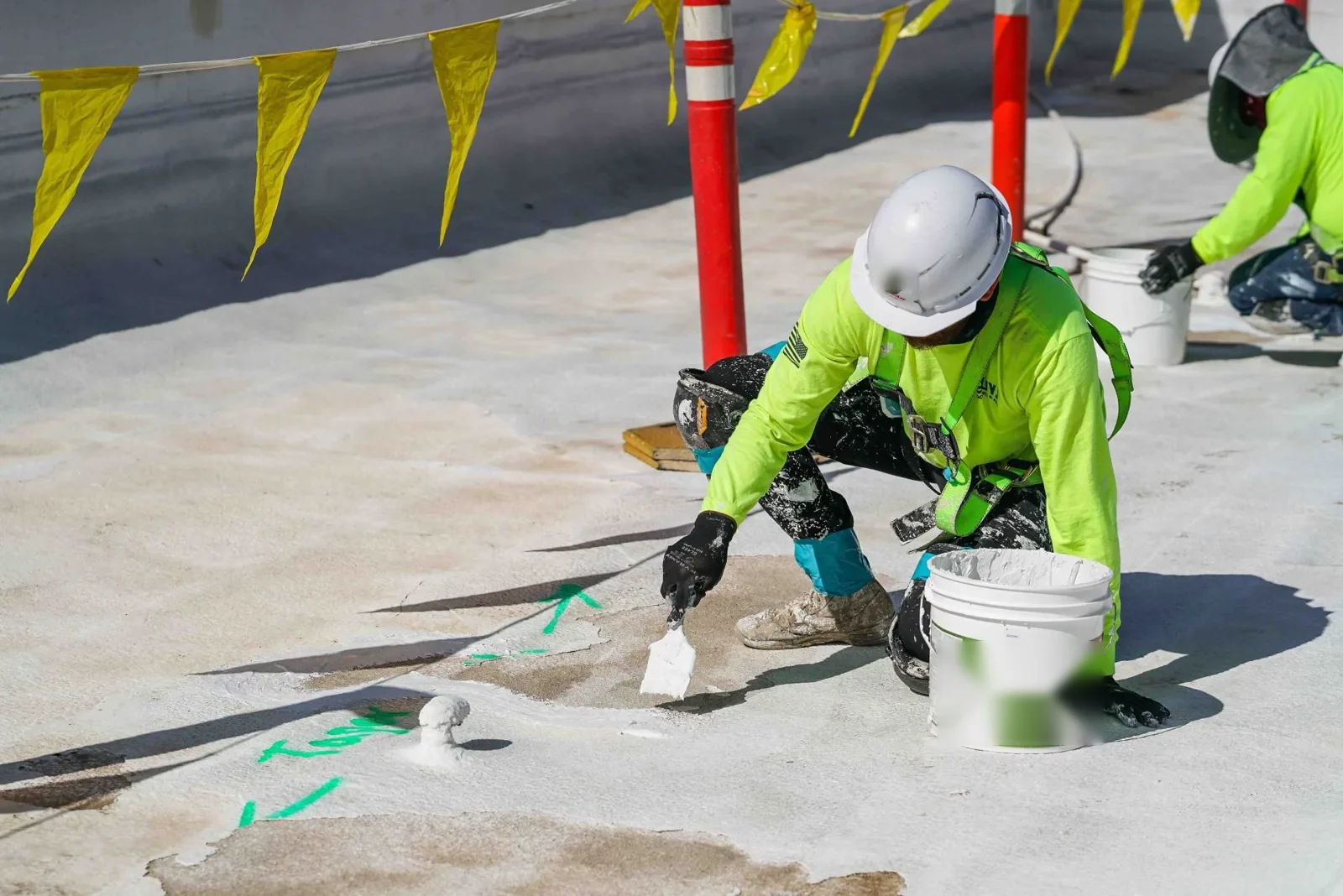
A test opening provides useful information but must be located and restored with care. We agree on sample locations, check for equipment concerns, and protect the opening while layers are reviewed. After inspection, we rebuild the test point with compatible materials and a watertight tie-in. The report identifies each cut, materials found, moisture evidence, and conditions limiting the reading. If a location cannot be opened safely, we document the alternative.

Cost varies with roof area, access, survey conditions, number of test cuts, restoration detail, and whether follow-up repair is requested. The owner should understand what the fee includes: image collection, interpretation, core sampling, marked locations, and restoration. We can price additional cuts or repair as separate work when the first results show broader moisture. That structure allows the property manager to approve the survey in stages and understand how findings affect the next decision. It also keeps thermal observations distinct from confirmed materials or moisture conditions.

Use Results to Compare Repair and Replacement

Survey results can inform a repair, recover, or replacement discussion, but they do not decide it alone. The roof's age, attachment, existing layers, deck, drainage, and future building plans matter alongside moisture distribution. We state the confirmed wet areas, the areas that were not tested, and what additional review could reduce uncertainty. For example, a few isolated wet sections may support targeted removal, while widespread moisture can make retaining the old assembly impractical. The report helps compare those options using the same mapped evidence.

Idaho Falls directs building applicants to the current adopted building, existing-building, and energy conservation codes. Use moisture findings with the assembly, test openings, and project requirements when setting the repair or replacement scope. Our recover evaluation reviews whether the existing assembly can remain, while a replacement assessment can document full removal and restoration needs. An inspection can then preserve the condition after work and support future maintenance decisions.

Questions About Infrared Moisture Survey

No. Infrared identifies temperature patterns that may warrant testing, but heat can be influenced by shade, equipment, surface materials, and weather. We compare the pattern with visible roof conditions and confirm selected areas with core cuts or another appropriate test. The report distinguishes a thermal observation from a verified moisture finding.

The number follows roof size, anomaly patterns, assembly changes, and the decision the owner needs to make. Samples compare suspicious areas with reference points and help define the limits of confirmed moisture. We agree on locations and scope before opening the roof, then restore each test point with compatible materials.

Compare several representative cores with thermal patterns and visible conditions to assess moisture across the affected roof zones. It documents the materials at its exact test location. We use several samples when patterns or changes in assembly call for more evidence, and identify any areas that remain untested. The property manager can then decide whether the remaining uncertainty matters to the planned repair or capital scope.

The surface and weather need to support useful comparison. Recent rain, snow, shade, wind, and temperature changes can affect readings. We review the forecast and roof conditions before scheduling, then note limits in the report if conditions prevent complete coverage or make a pattern inconclusive.

The record includes the survey area, visual and thermal images, marked anomaly locations, core-cut results, restoration details, and areas not covered. It explains which findings are confirmed and which remain observations. That gives the owner a basis for targeted repair, additional testing, or a larger roof review.

ServicesRoof SystemsIndustriesProperty TypesService AreasDamage RepairCapabilitiesManufacturersContactAboutRequest a Roof Assessment555-555-5555
Call us today555-555-5555