Commercial Roof Drain and Scupper Repair in Idaho Falls, ID Serving Idaho Falls & Eastern Idaho

Correct commercial roof drains, scuppers, crickets, and ponding in Idaho Falls with a documented review of slope, outlets, flashing, and water paths.

Roof Drain and Scupper Repair in Idaho Falls, ID

Roof Drain and Scupper Repair

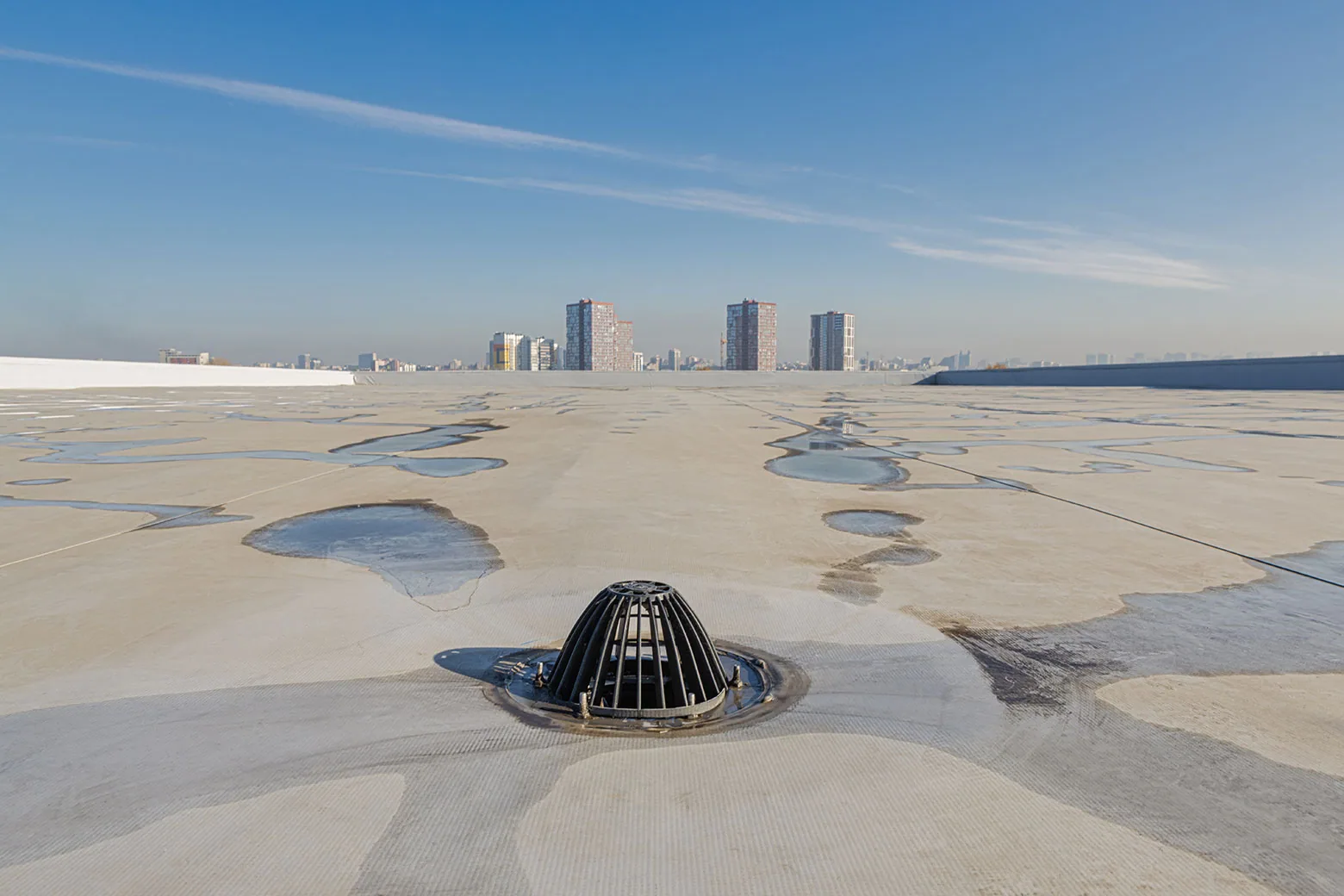
May is the wettest month by average precipitation in the Idaho Falls averages, at 1.57 inches. Before a roof is opened for drainage work, we trace where water should travel and where it is holding now. A ponded area can come from a blocked outlet, a low spot, an undersized or damaged connection, or a slope that does not lead to the drain. We inspect the complete path, including scuppers and overflow routes, then recommend the correction the observed condition supports. A drain replacement by itself does not fix water that cannot reach it.

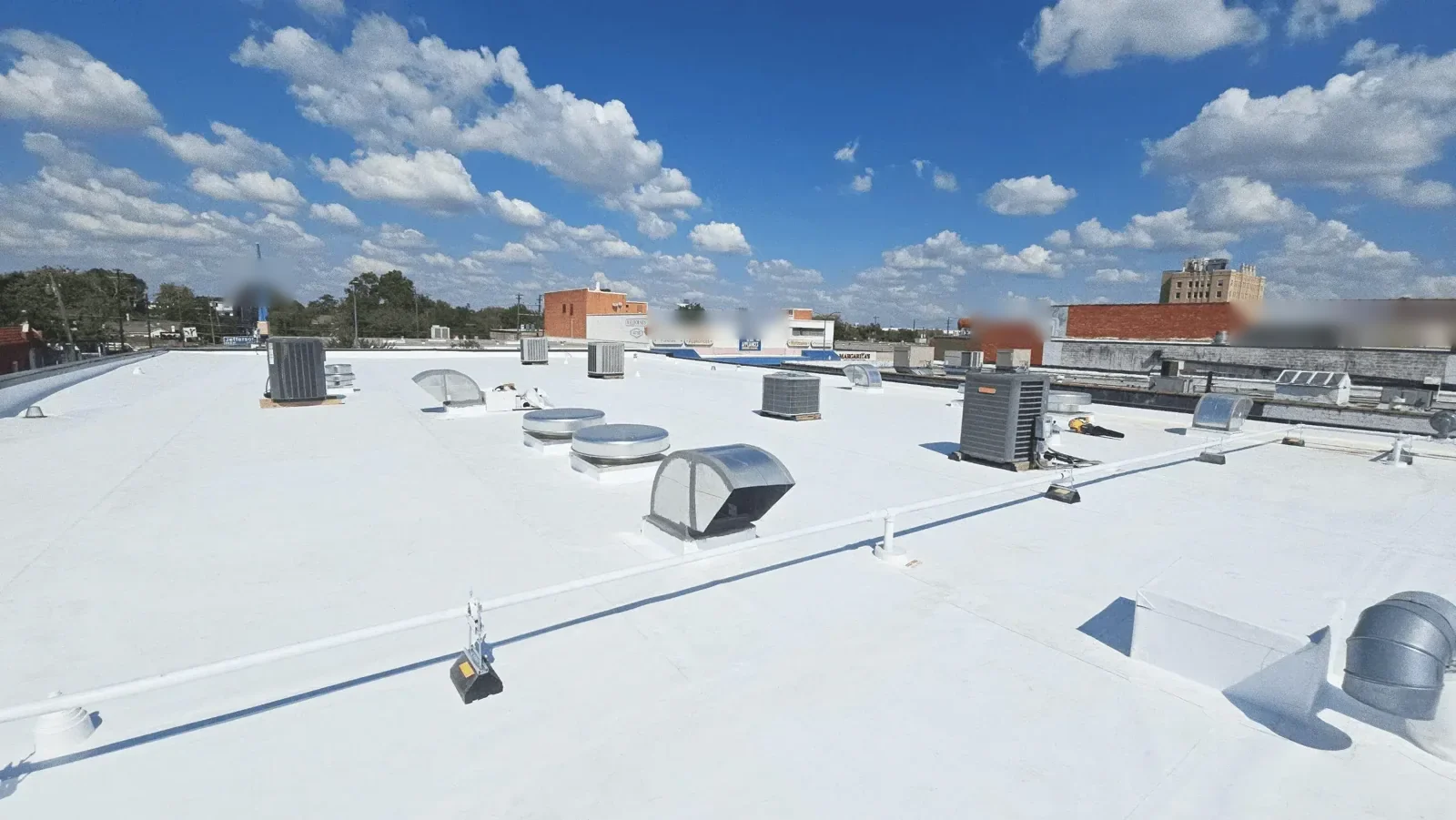
On a low-slope roof, water moves across the membrane toward an internal drain or through a scupper at the perimeter. Crickets can direct flow around curbs or toward an outlet; a failed transition or settled insulation can interrupt that route. We check drain bowls, strainers, clamping rings, piping connection visible from the roof, sump condition, scupper throat, and adjacent flashing. At Idaho Falls Warehouse District, storefronts and light-industrial uses sit in the same broad area, while each roof still needs a condition-specific water-control plan.
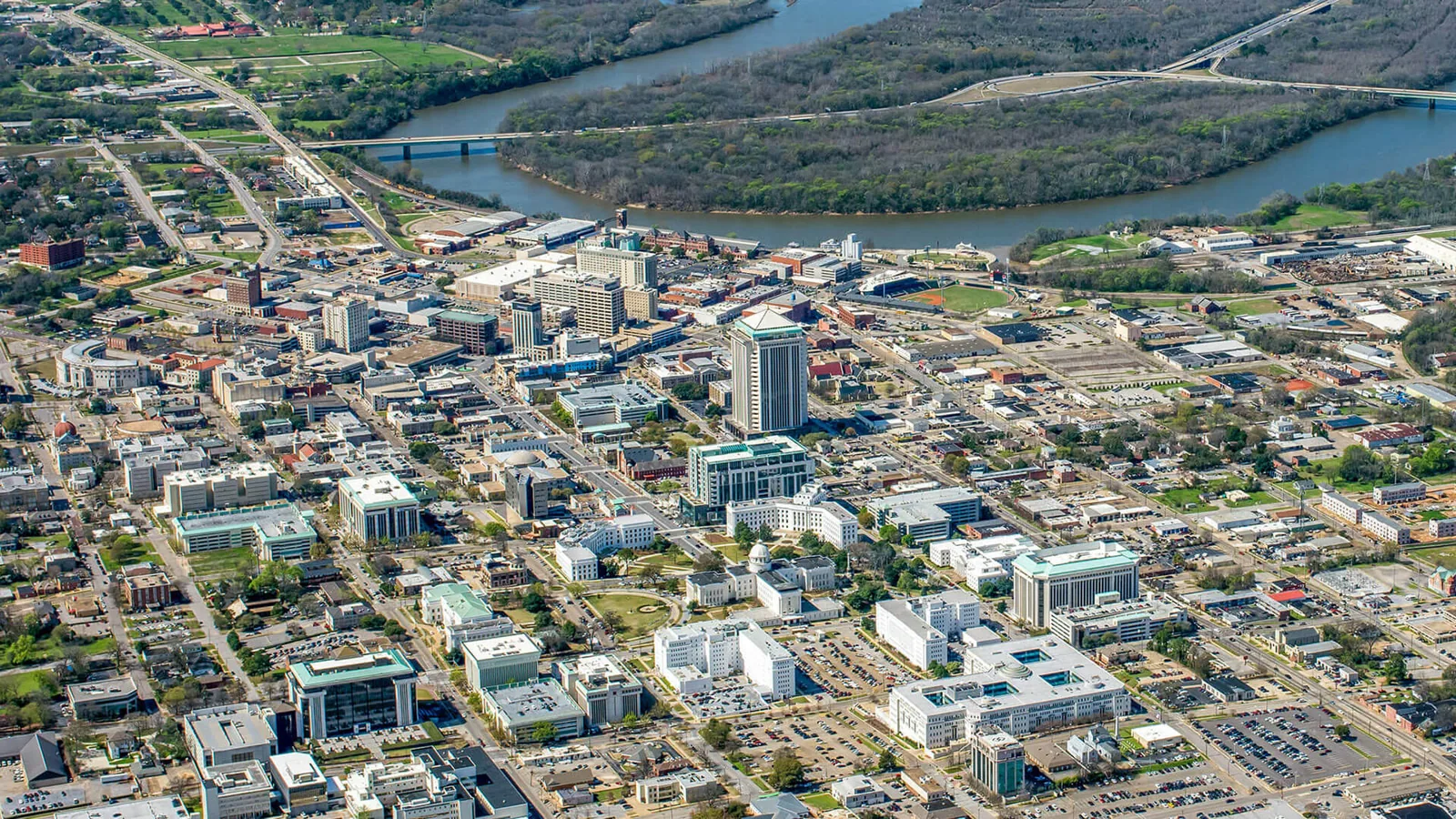
Roof Drain and Scupper Repair in Idaho Falls, ID

Map the Drainage Path

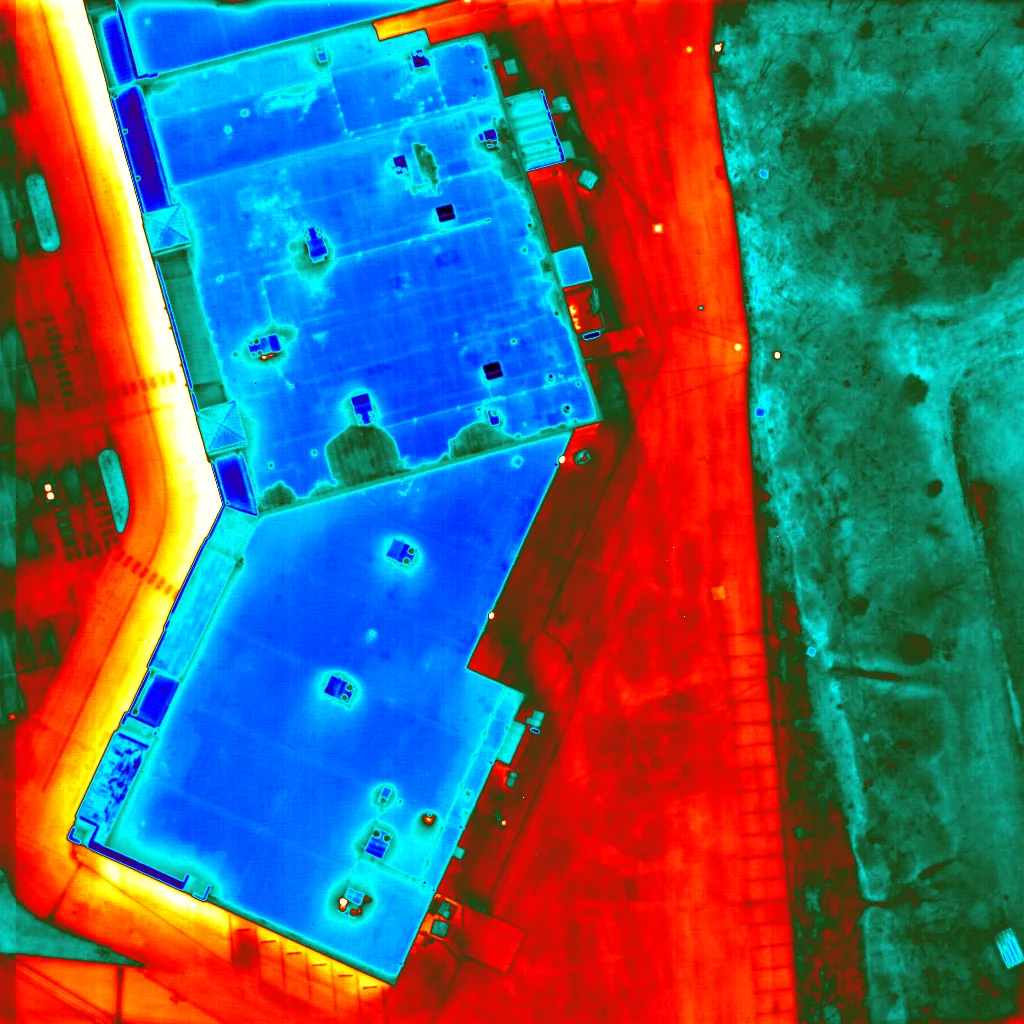
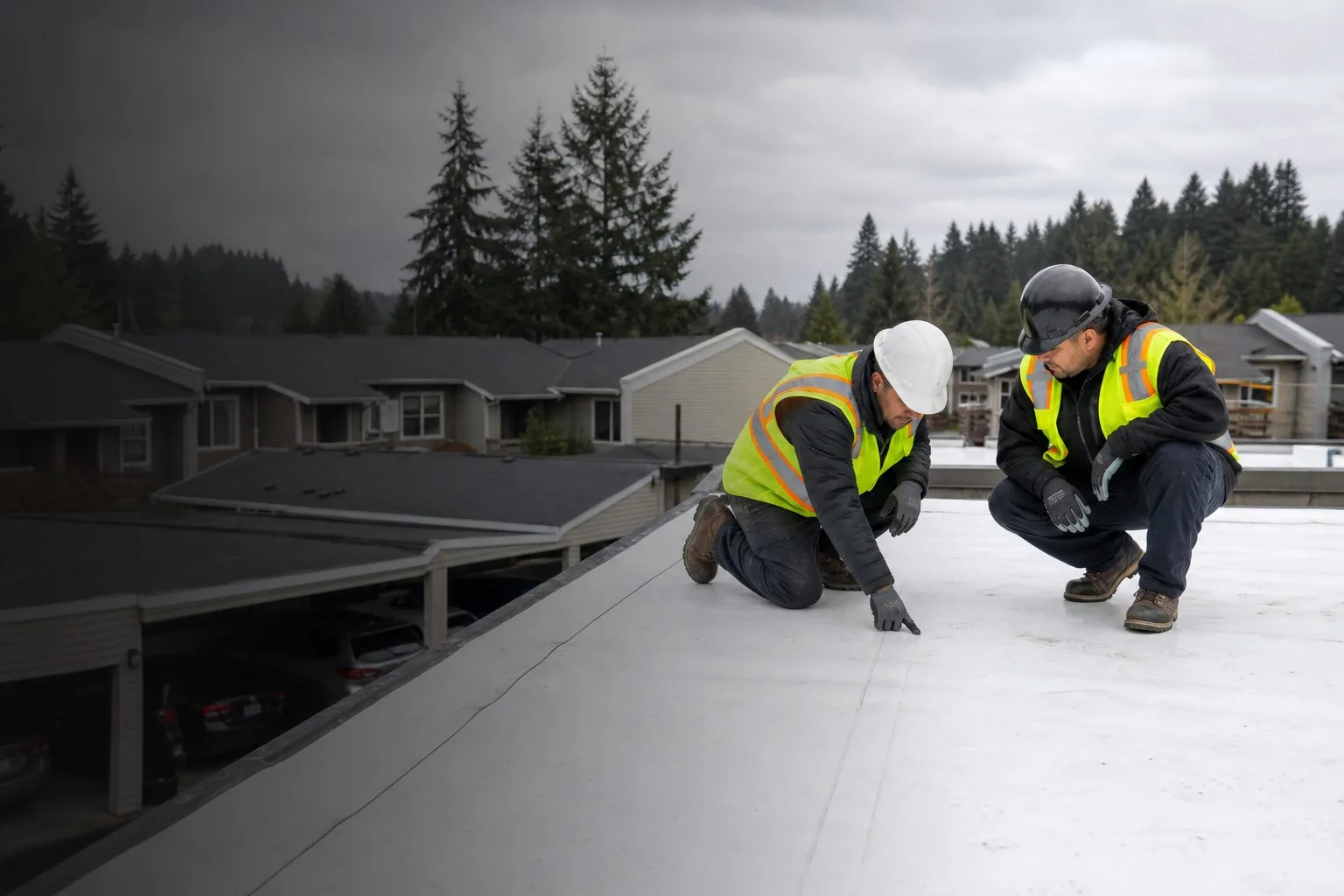
We begin at the water's highest point and follow the surface toward each outlet. The inspection notes slope direction, ponding boundaries, debris, drain locations, scuppers, and overflow paths. A level or other field measurement may help distinguish a shallow depression from a wider slope problem. We look for membrane wrinkling or movement around the sump and check whether the outlet flashing remains secure. Photographs and a marked roof plan help the property manager understand which area feeds each drain and whether the issue is isolated or connected to several roof zones.

A blocked strainer may need cleaning, but repeated ponding after cleaning calls for more diagnosis. The outlet could be partially restricted below the visible opening, or the roof surface may not direct water toward it. We inspect the surrounding flashing and nearby seams because standing water can remain against a weak detail. If moisture is suspected below the surface, testing can help locate affected insulation. A moisture survey can supplement the drainage inspection, while a full roof condition check identifies related edges and penetrations.

Repair the Outlet and Its Surroundings

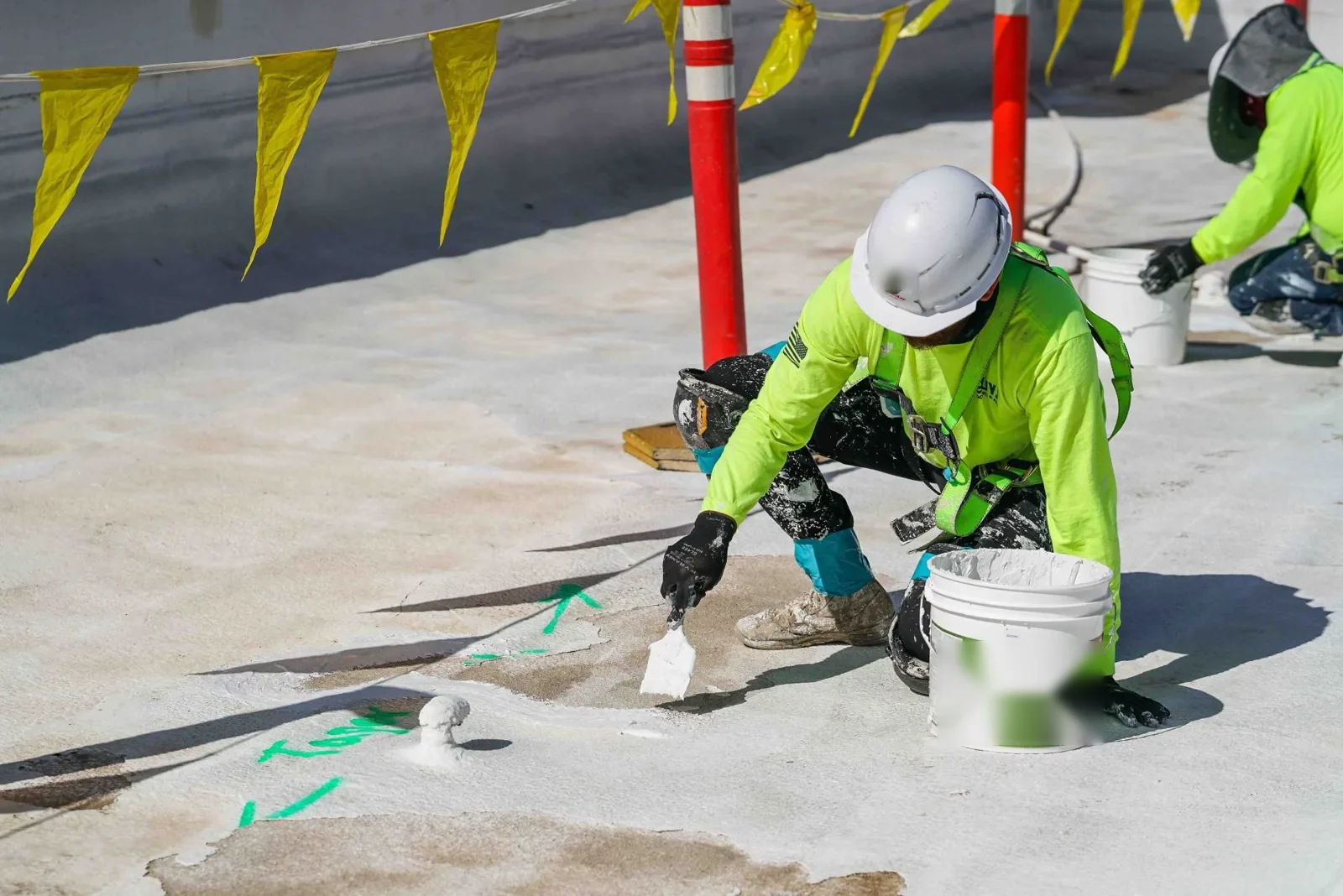
An internal drain repair may involve the bowl, clamping ring, membrane termination, or connection that can be inspected from the roof. We identify the assembly and prepare a compatible tie-in instead of sealing over a loose or deteriorated connection. A scupper repair checks the opening, throat, sleeve, flashing, and discharge side for damage or blockage. If an overflow outlet is part of the design, we confirm that it is visible and clear. The scope states what is accessible and whether plumbing below the deck needs a separate evaluation.

Crickets and tapered insulation can correct a water path when the roof assembly and elevations allow it. Their layout has to work around curbs, pipes, roof edges, and existing drains. We check the deck and membrane condition before recommending a slope correction, because added build-up may alter flashing height or equipment clearance. Idaho Falls applicants are directed to the 2018 International Building Code, Existing Building Code, and Energy Conservation Code. The project team should review code and permit needs for the specific work. We document the proposed slope, drain elevations, and flashing interfaces in the scope.

Account for Freeze and Thaw

In Idaho Falls, a long freeze season can hold water at a drain or scupper, then expose a weak connection as thaw begins. Regional climate patterns make seasonal access relevant, while the roof surface shows whether ice or water has affected this outlet. We inspect the current water path and access before working, and we do not assume that seasonal ice explains a persistent low spot. The repair plan should leave the outlet clear and the membrane connection intact as conditions change.

Snake River Landing includes offices, dining, housing, and event venues in a large mixed-use district. The work may need to avoid busy entrances, event schedules, or occupied space below, depending on the building. We coordinate staging and temporary water control with the facility contact before removing an outlet or changing a roof section. If the drain has to remain out of service during repair, the scope should state how water is managed until it is returned to service. That decision is part of safe sequencing and belongs in the scope before material is removed.

Keep Ponding From Becoming a Guess

Repair cost depends on the number and type of outlets, roof access, membrane compatibility, amount of flashing, insulation or deck work, and whether a slope correction is required. A visible puddle alone cannot price the work. We separate cleaning, drain or scupper repair, tapered insulation, membrane replacement, and plumbing work so the manager can see the scope. If opening the roof reveals wet material, we document its boundary and seek approval before extending removal.

A written closeout notes the repaired drain or scupper, photos, water path, and any limitations that remain. Where ponding persists after repair, follow-up review can measure whether the drainage change worked and whether another area is still holding water. Ponding-water repair can address a broader surface problem, and edge and gutter work can correct perimeter drainage components. We leave the building team with a record of which outlet serves each area and what maintenance should keep it clear.

Coordinate Work With Building Use

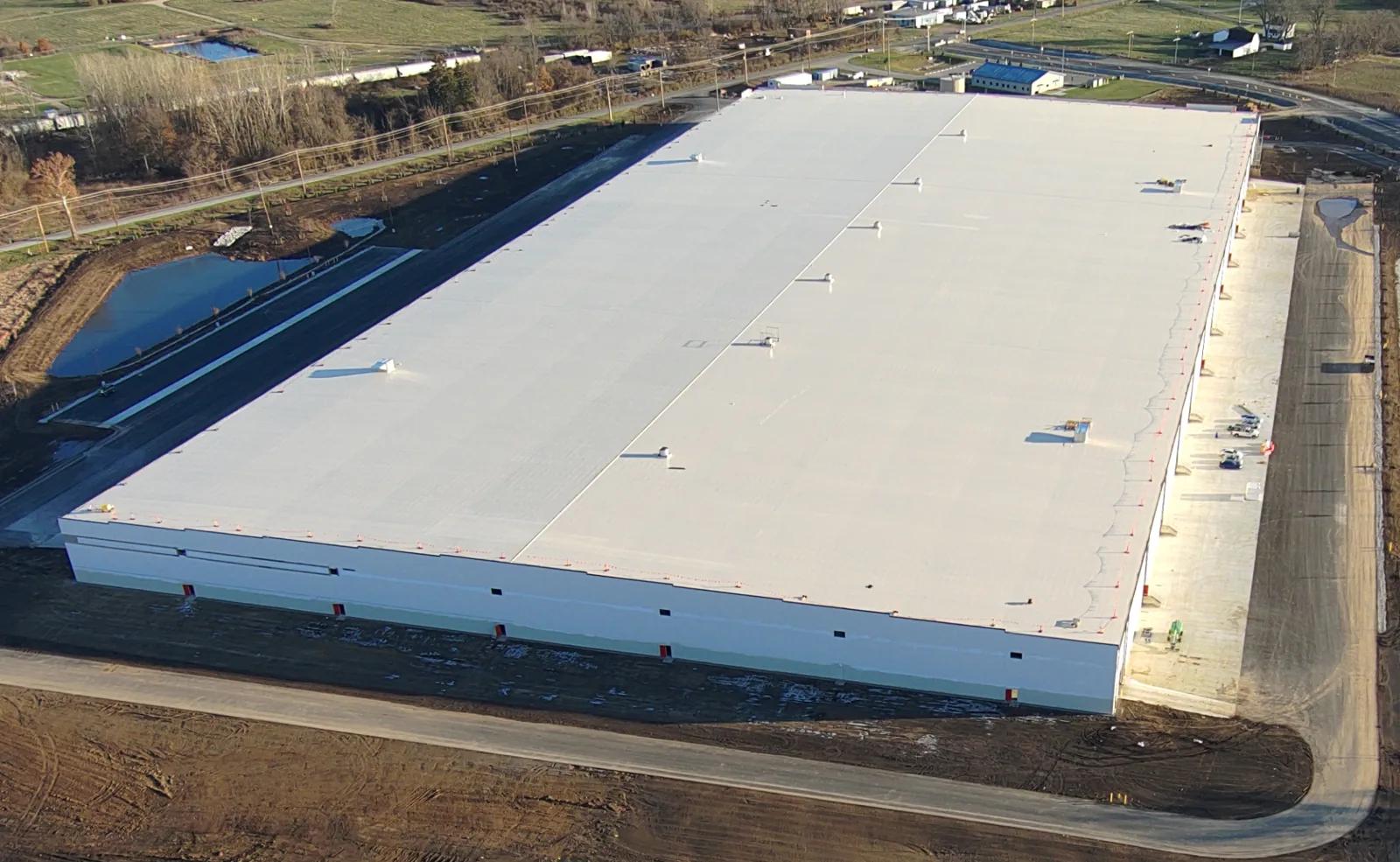
Drainage repairs can affect roof access, interior piping, and water management while an outlet is open. We coordinate the work area and interior access with the building contact, protect occupied rooms, and identify equipment near the repair. In an industrial or warehouse setting, loading activity and rail-side operations can constrain material staging. Downtown or mixed-use properties may need another approach for pedestrian access. We confirm the conditions before mobilizing and include the relevant access details in the estimate.

Routine maintenance can reduce debris at strainers and help identify changes in ponding before they become interior leaks. It cannot correct a settled deck or failed drain connection by itself. A maintenance visit can document outlets between larger repairs, and Snake River Landing service can be scheduled with the property’s use and access needs in mind. Photos and inspection notes give the manager a baseline for deciding whether to clean, repair, or rework a drainage path.

Questions About Roof Drain and Scupper Repair

The drain may be open while the roof surface still holds water in a low area. We trace slope toward the outlet, inspect the sump and membrane connection, and check whether insulation or deck conditions have changed the path. If cleaning does not restore drainage, the repair may need a slope correction, tapered insulation, or further testing.

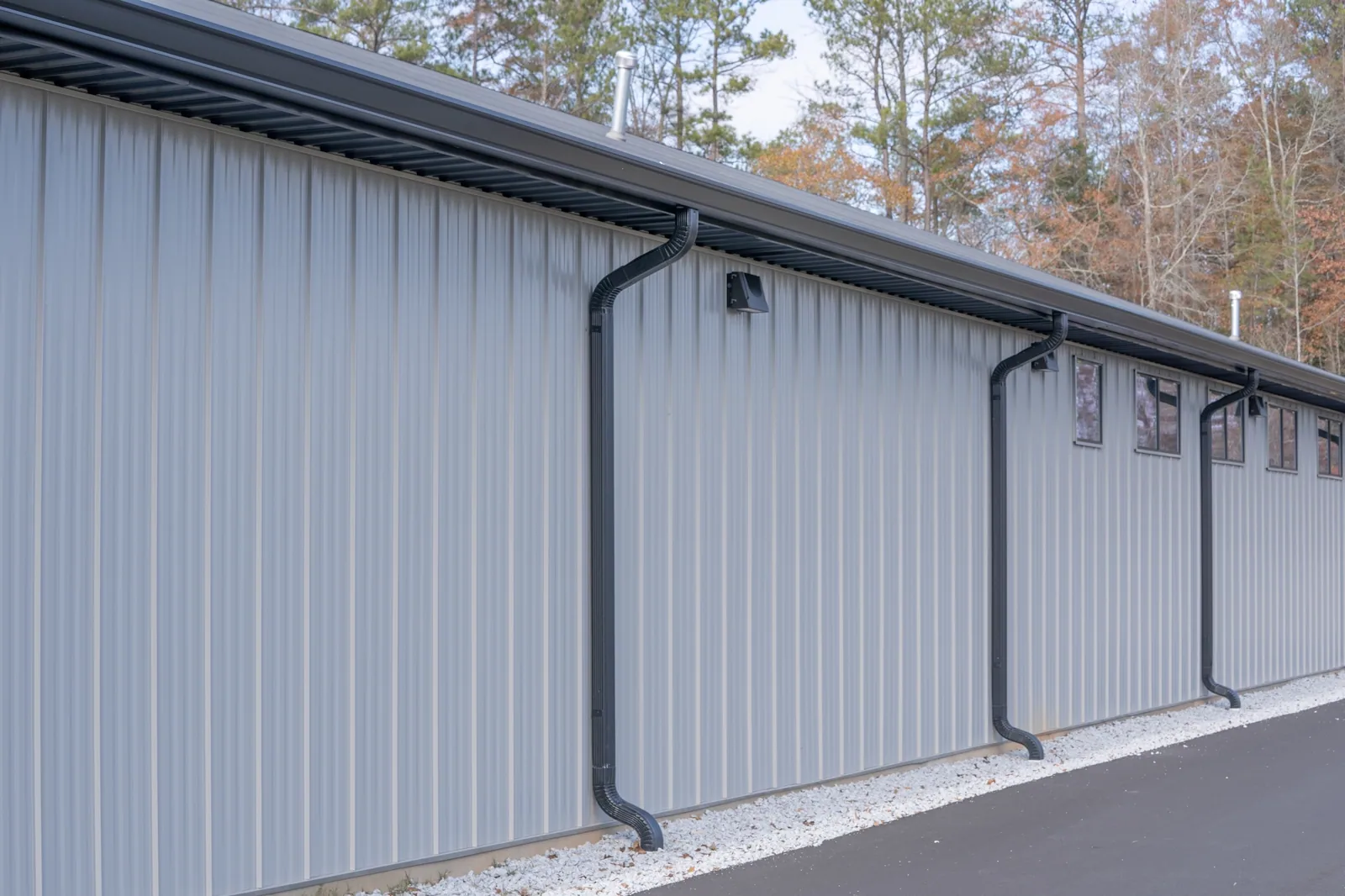
A roof drain passes water through an opening in the roof into a drain connection, while a scupper moves water through a parapet or edge opening. Both need sound flashing and a clear path. We inspect the outlet and surrounding membrane, and identify whether overflow drainage also needs attention.

A cricket can redirect water around an obstruction or toward an outlet when the roof elevations and assembly allow it. We check the deck, insulation, curbs, drain heights, and flashing clearances before proposing one. It will not correct a structural problem or a failed outlet, so the full path has to be understood first.

No. A blocked drain, localized low area, or failed connection may support a focused correction. Persistent ponding across a larger field or wet insulation may require broader testing and capital planning. We document the affected area and explain whether cleaning, repair, slope work, or replacement should be considered.

We inspect roof-side components and accessible connections. Plumbing concealed below the deck may require a separate plumbing contractor or diagnostic method. The report identifies what was visible, what was tested, and what additional access is needed before deciding on underground or interior piping work.

ServicesRoof SystemsIndustriesProperty TypesService AreasDamage RepairCapabilitiesManufacturersContactAboutRequest a Roof Assessment555-555-5555
Call us today555-555-5555