Carlisle SynTec Commercial Roofing in Idaho Falls, ID Serving Idaho Falls & Eastern Idaho

Install, inspect, or repair Carlisle SynTec commercial roofing in Idaho Falls with material verification, seam checks, and assembly-specific planning.

Carlisle SynTec Commercial Roofing in Idaho Falls, ID

Carlisle SynTec Commercial Roofing

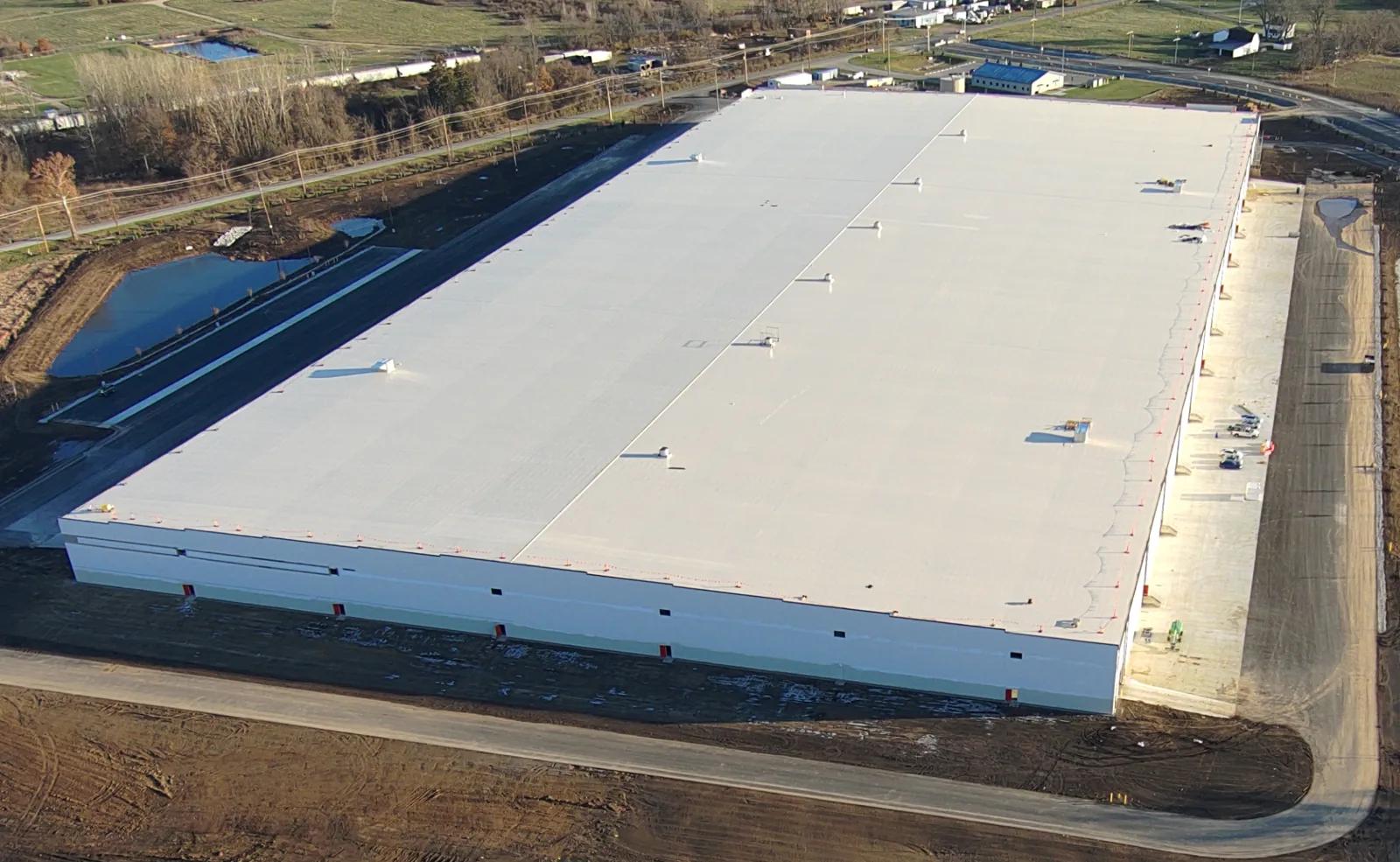
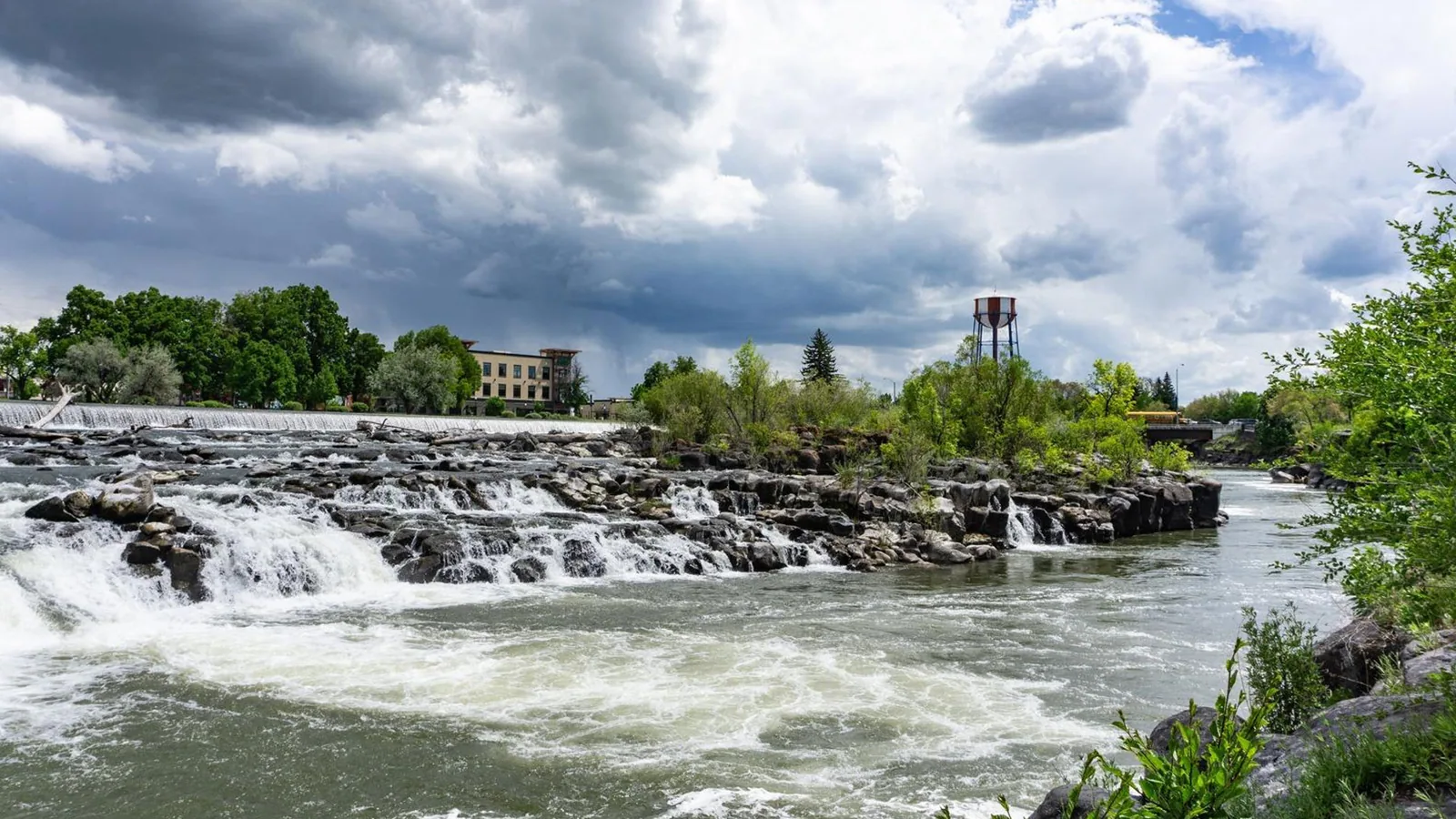
The Idaho Falls freeze cycle puts attention on membrane seams, curb flashings, and drainage transitions before roof work is scheduled. The Idaho Falls averages record places annual lows at freezing or below on 182.2 days; its July daily high averages 86.6 degrees. Carlisle SynTec systems can include TPO, PVC, EPDM, and KEE membranes, with assembly and attachment selected for the project. We inspect the actual roof, verify what is installed, and use the project documents to set compatible repair or replacement details. A building near Downtown Idaho Falls or the Rexburg University Boulevard district may have different access needs, but the property record determines the work.
Carlisle SynTec Commercial Roofing in Idaho Falls, ID

Identify the Carlisle Assembly

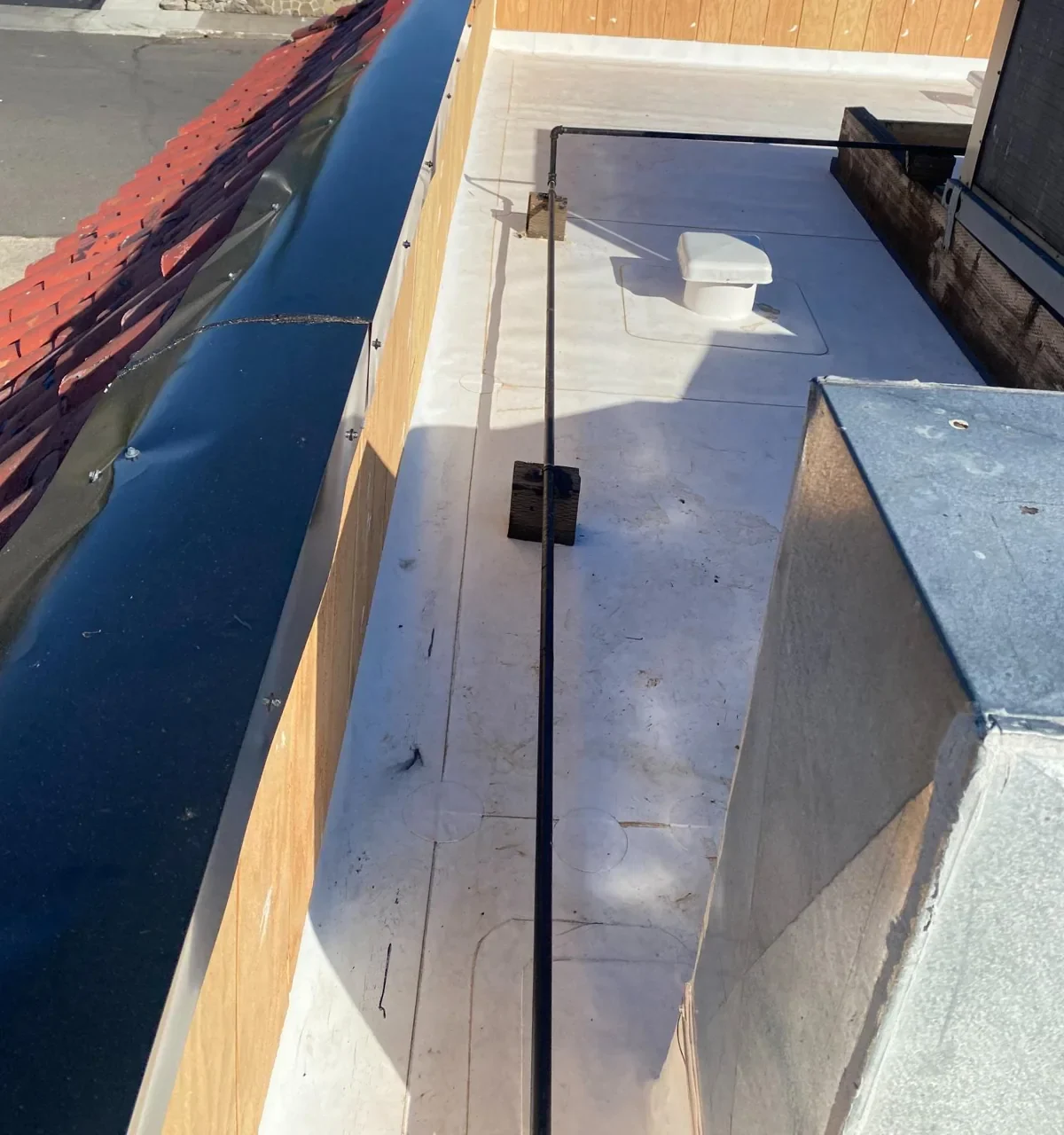
The visible membrane is only one part of the roof. We review the field sheet, seams, flashing, insulation, cover board, attachment, edge metal, and penetrations. The installed membrane may be thermoplastic or EPDM, and the repair method depends on which material is present. Prior patches or additions can change the original assembly, so we record the conditions we can verify instead of relying on an old invoice alone.

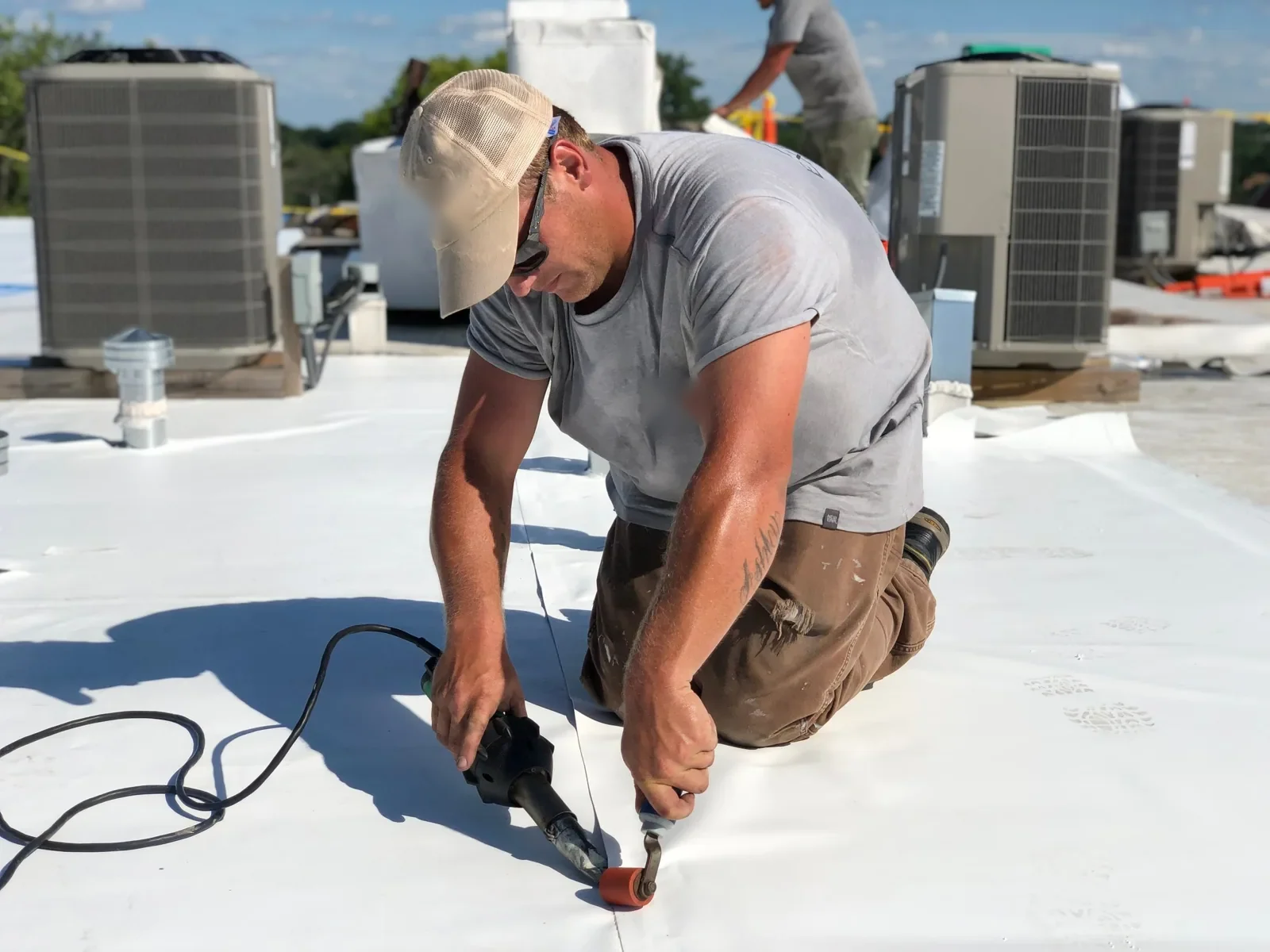
A thermoplastic seam may be heat welded, while an EPDM repair can rely on different compatible materials and preparation. We keep the repair method tied to the membrane and system instructions. Carlisle documents and project records help identify the specified assembly, but the property inspection still checks whether that is what remains on the roof. The roof inspection can establish visible condition and access limits.

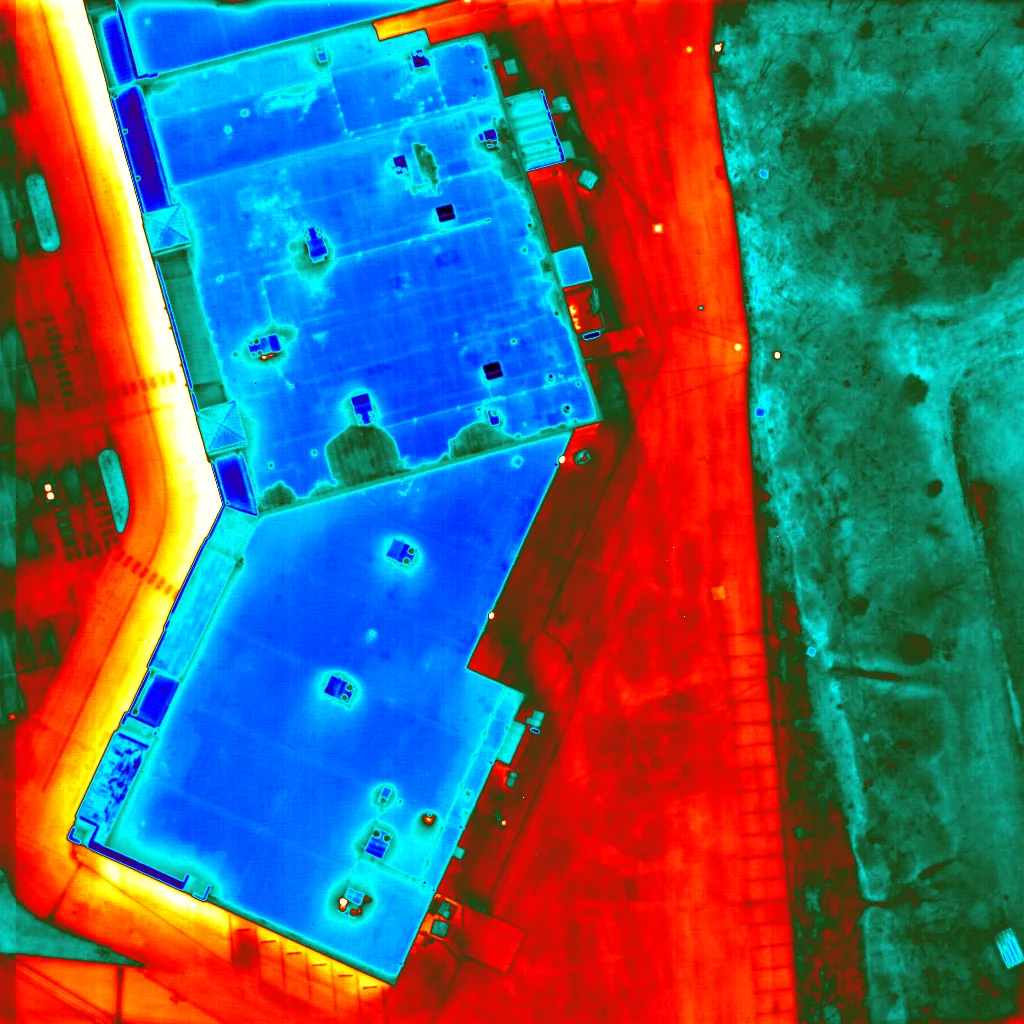
Where the roof has several materials or prior recover layers, we note transitions and unknowns. A test opening may be useful if moisture, attachment, or layer count changes the repair decision. The moisture survey can help target areas for direct verification when the evidence warrants it.

Build the Assembly From the Substrate Up

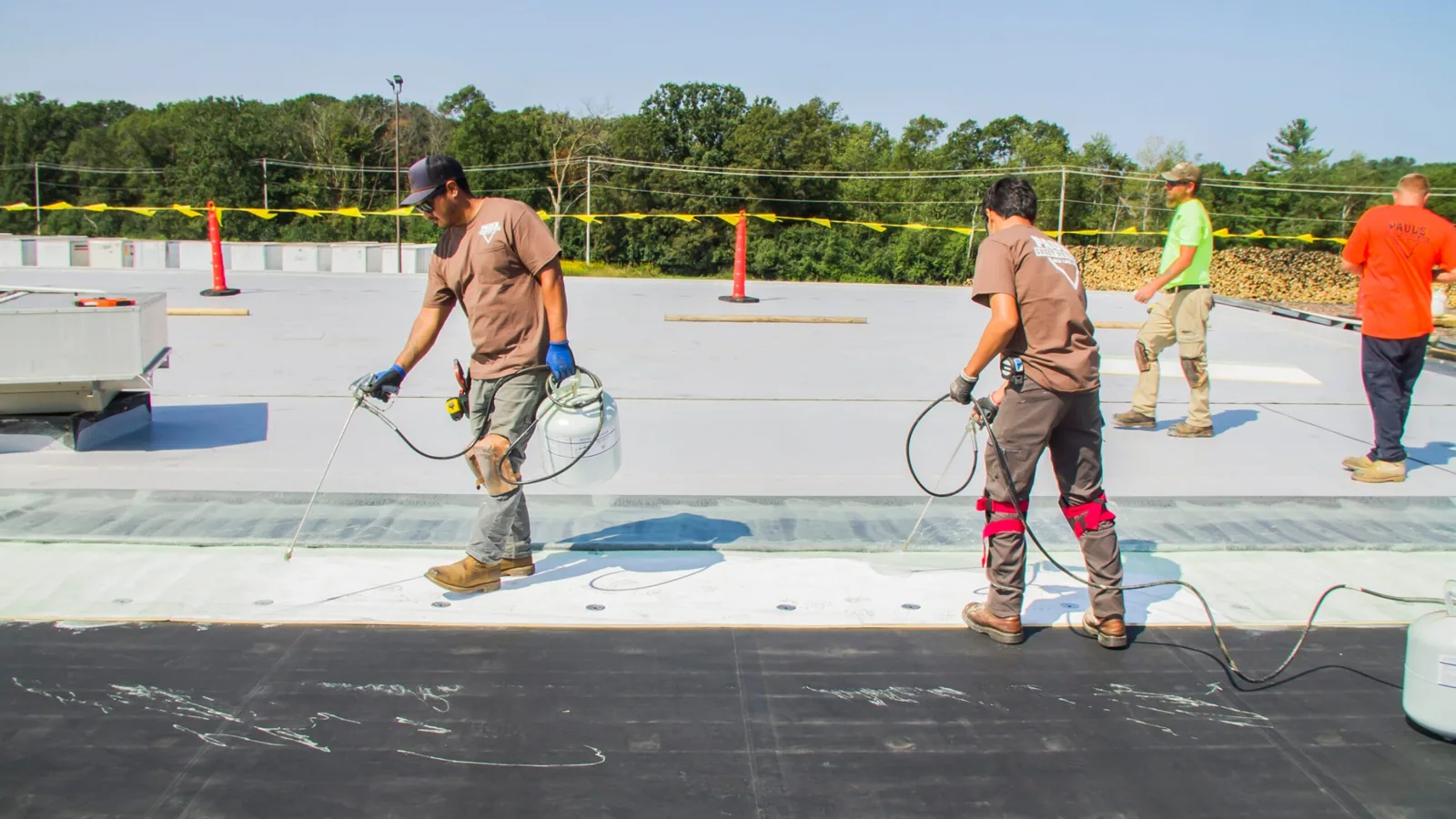
A sound installation starts with a dry, stable substrate and a plan for drainage, roof edges, curbs, and penetrations. We confirm tear-off or recover limits, inspect the deck where exposed, and identify insulation or cover-board repairs before membrane placement. Attachment method and system details should follow the design documents and the manufacturer’s requirements for that assembly.

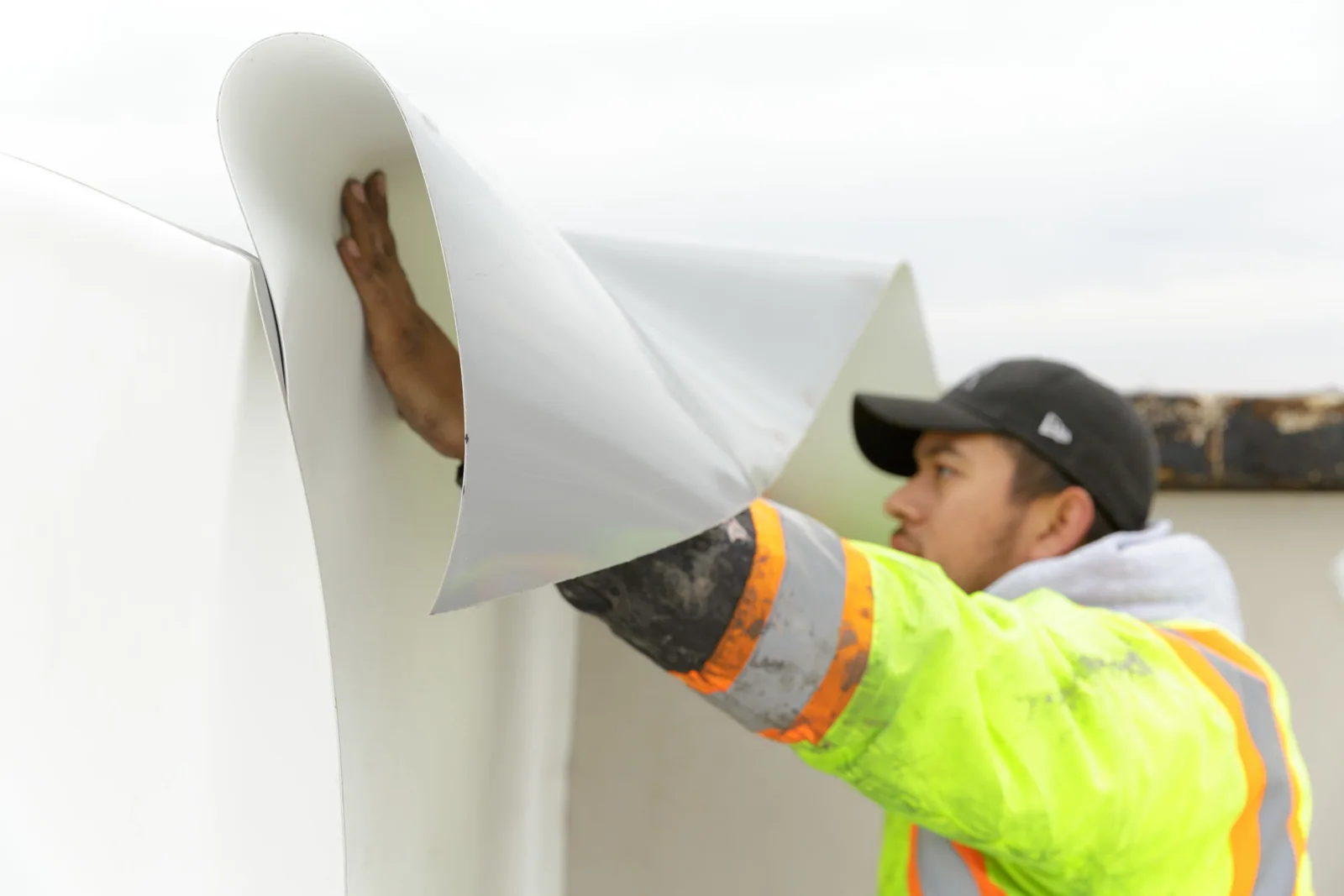
At field seams, the crew prepares the surface and makes the specified bond or weld. At perimeters, the membrane and edge metal need a secure termination that sheds water. Drains and scuppers must remain open, while curbs need a continuous tie-in after equipment is installed. A drainage review can coordinate outlet details, and a curb and equipment scope can set the handoff between roofing and mechanical trades.

The local Idaho Falls 90-degree threshold is reached on an average of 26.5 days a year. Actual membrane temperature, current weather, and system instructions still control the work window. We limit the opened area to what can be prepared and closed safely.

Repair Within the Specified Material

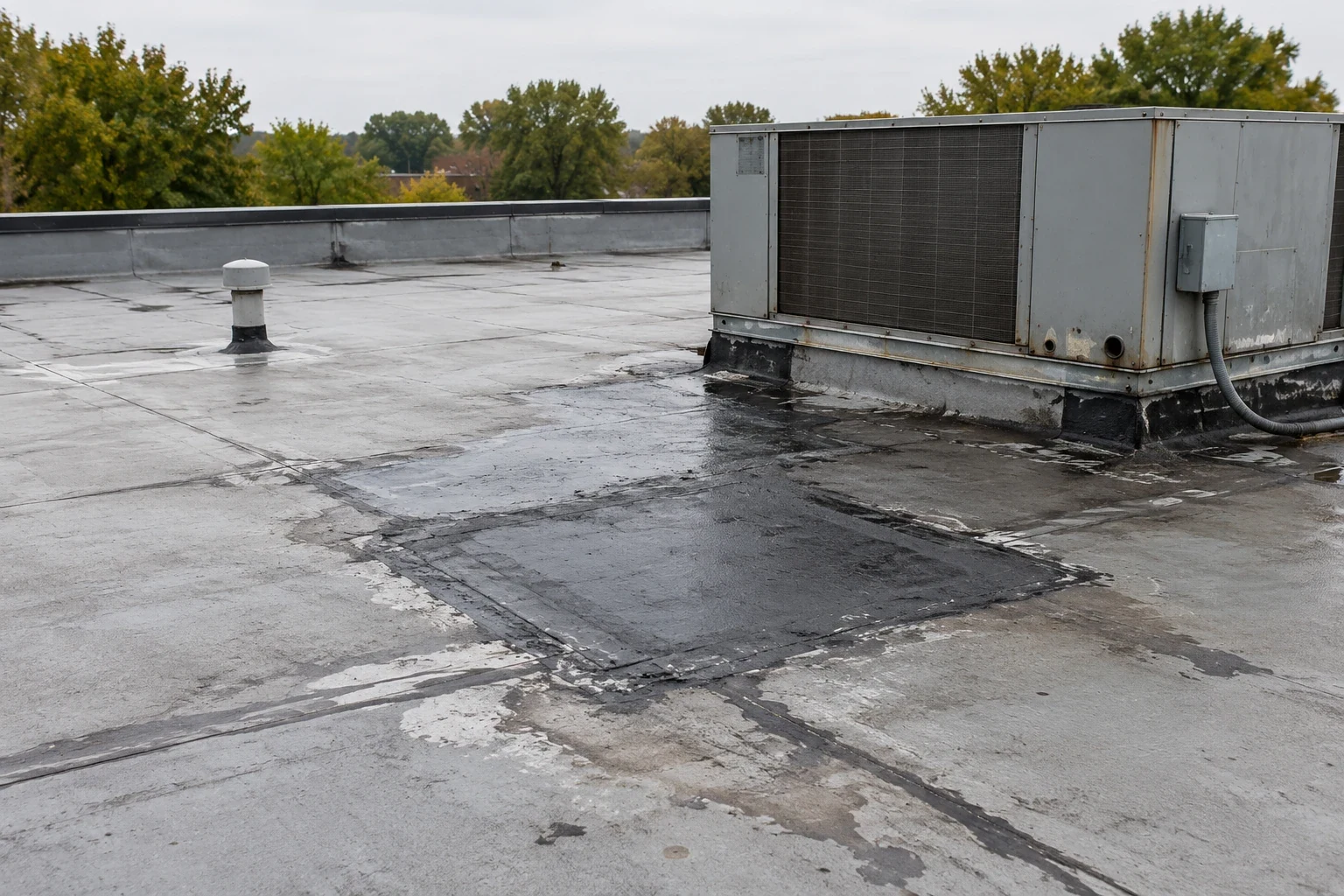
A local failure may involve a split seam, puncture, loose flashing, or damage from later roof traffic. We inspect the affected detail and surrounding sheet for brittleness, poor bond, contamination, and moisture. A patch should extend onto material that can support a compatible tie-in. Applying a new layer over a wet, unstable, or contaminated surface can conceal the problem without correcting it.

If water appears inside, we compare the stain with the roof slope, seams, drains, and equipment curbs. Water can travel beneath insulation or along the deck. The leak investigation can help identify the entry path, and the flashing assessment can address a failed transition where the roof changes plane.

When a test opening reveals wet insulation or damaged deck, we document the material and review the change in repair boundary with the owner. Emergency response is available around the clock, including weekends and holidays, for urgent roof conditions. We record immediate water control separately from the permanent repair.

A product family does not make every accessory or prior patch compatible with the installed sheet. We check the membrane surface, repair material, seam construction, and surrounding layers before preparing a tie-in. When the record is incomplete, a small test area or opening can settle the material question before a larger repair is priced.

Plan Around the Building’s Use

Downtown and South Downtown share an integrated Idaho Falls core area; Rexburg’s University Boulevard district includes lodging, retail, office, commercial, industrial, and residential uses. Downtown and the Warehouse District have different delivery and roof-entry needs; confirm the installed system and facility access before selecting a Carlisle assembly. We confirm roof access, delivery routes, escorts, and affected interior areas with the property team.

For a repair or reroof, the manager should share equipment schedules, roof hatch procedures, staging limits, and any occupied areas that require protection. If HVAC work follows the membrane installation, the contractor handoff needs to include the final flashing detail. The Downtown Idaho Falls service area refers to the broad commercial core, not a particular property.

Cost depends on membrane type, attachment, substrate condition, removal depth, access, equipment movement, and the amount of detail work. We identify those drivers in the scope and note which concealed conditions could change the estimate.

Keep the Roof Record Current

After installation or repair, the closeout record can list membrane type, completed roof zones, photographs, known limits, and maintenance tasks. Later visits should check seams, flashings, drains, edge metal, and rooftop changes. If another trade adds equipment or service lines, the owner can keep the roofing tie-in and any return work in the property file.

A repair history helps the manager distinguish a recurring seam issue from a new puncture or later equipment disturbance. We record which areas were included in each service visit and whether temporary work was followed by a permanent tie-in. That makes later inspection more efficient and helps ownership avoid carrying a closed repair as an open condition. The roof condition report can preserve observations and images. Project documents may also specify GAF or Versico materials. Each assembly must be evaluated against that building’s design and roof conditions. The project scope records the assumptions and details that will be checked before closeout.

If the existing assembly has broad moisture, weak attachment, or repeated failures, localized repair may not be the most useful investment. We compare repair, recover, and replacement options using the documented condition, then state what testing could change the recommendation. The owner receives a defined scope and a record of the assumptions behind the choice.

Questions About Carlisle SynTec Commercial Roofing

We review the project records and inspect the visible roof material, seams, and repairs. Carlisle systems include several membrane types, and the building’s actual assembly must be verified before repair work is specified.

No. The surface preparation and compatible materials differ. We identify the membrane first, then use the specified repair detail for the system and condition. A prior patch may also affect how the area should be prepared.

The owner should review the project’s warranty and manufacturer documents for stated requirements. We can inspect seams, drainage, flashing, and rooftop changes, then record findings without inventing a frequency or coverage term.

A recover is considered only after checking moisture, attachment, substrate, system compatibility, drainage, and project requirements. We inspect the layers that can be seen and identify where testing is needed before recommending retention.

It should identify the affected area, material, preparation, tie-in, access, and assumptions about concealed conditions. If opening the roof reveals wet insulation or damaged deck, we document the finding and obtain direction before adding work.

ServicesRoof SystemsIndustriesProperty TypesService AreasDamage RepairCapabilitiesManufacturersContactAboutRequest a Roof Assessment555-555-5555
Call us today555-555-5555