GAF Commercial Roofing in Idaho Falls, ID Serving Idaho Falls & Eastern Idaho

Install, repair, or maintain GAF commercial roofing in Idaho Falls with assembly checks, seam review, drainage details, and documented scopes.

GAF Commercial Roofing in Idaho Falls, ID

GAF Commercial Roofing

Cold nights and warm summer roof surfaces put different demands on membrane seams, flashing, and application timing in Idaho Falls. Idaho Falls averages put January’s average at 20.4 degrees and July’s average daily maximum at 86.6 degrees. Those Idaho Falls patterns guide seasonal planning; an inspection still establishes the roof assembly. GAF commercial roofing can include single-ply membrane systems such as TPO and PVC, along with other roof assemblies specified for a project. We identify the installed membrane, attachment, substrate, and details before recommending repair or new work. A building in the Idaho Falls Warehouse District may need a different access plan from one near Snake River Landing, but neither location establishes what roofing is installed. The scope follows the property record.
GAF Commercial Roofing in Idaho Falls, ID

Confirm the System Before Touching the Roof

Brand names do not replace an assembly check. We review project records and inspect exposed material, seams, flashings, and attachment to determine what is present. A thermoplastic membrane has seams that may be heat welded; other systems require a different preparation and compatible repair. Where the roof includes several layers or earlier repairs, we record that condition instead of assuming the original system remains unchanged.

A GAF project should follow the specified system documents for membrane, insulation, cover board, fasteners, adhesives, and flashing accessories. We confirm substrate condition and roof slope before selecting a work method. If the property has a leak, the repair should identify whether the opening is at a field seam, curb, drain, or edge transition. The roof inspection can establish what is visible; the moisture survey can help focus follow-up testing when evidence indicates concealed water.

Confirm warranty status through the project documents and the installed system details before planning covered repairs. The owner’s project documents govern the system details and requirements. We can document installation or repair observations without implying manufacturer authorization or a coverage outcome.

Prepare the Roof Before Membrane Work

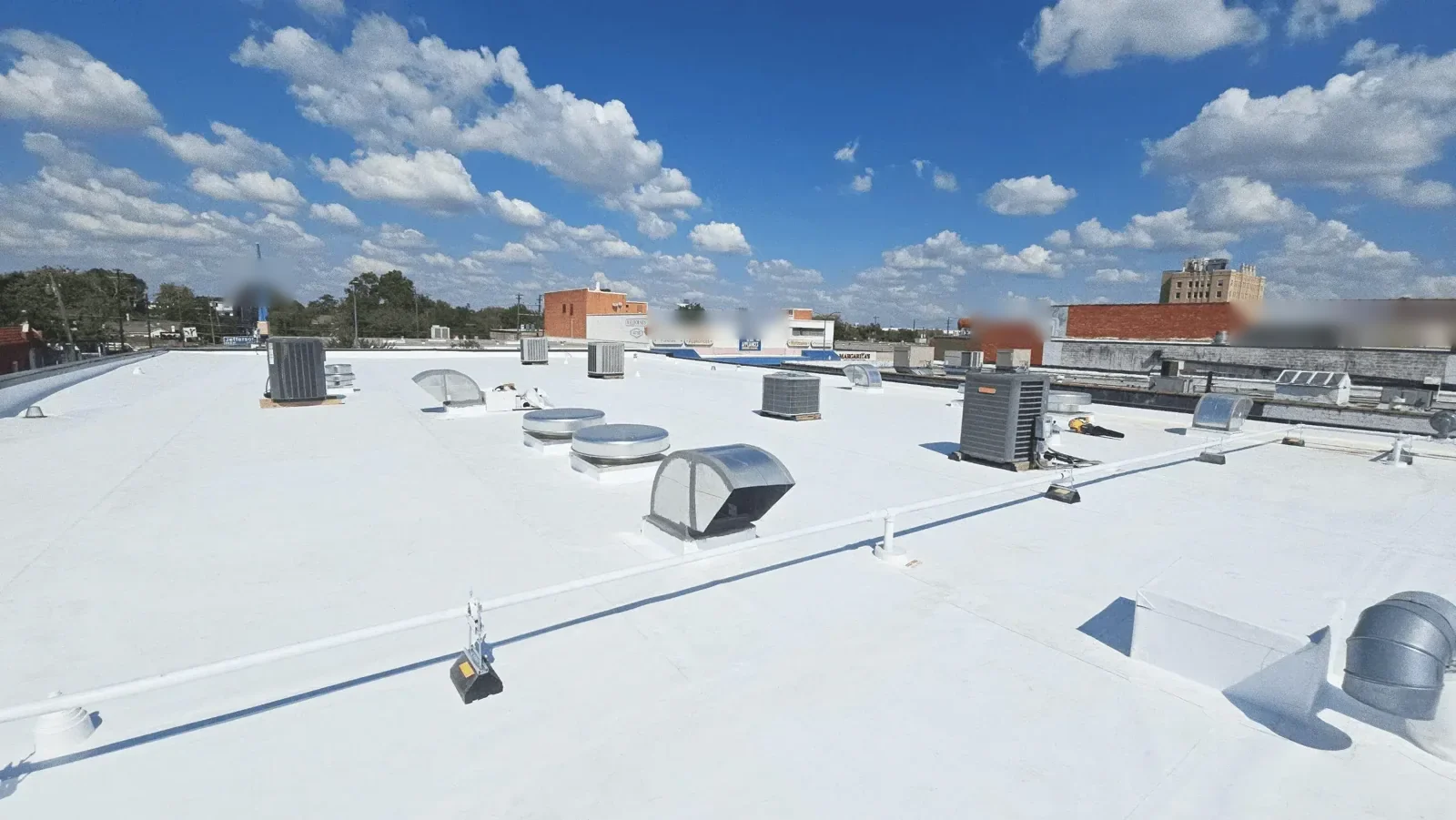
Installation starts with a sound, dry substrate and a plan for drains, roof edges, curbs, and penetrations. We confirm the tear-off or recover limits, identify damaged deck or wet insulation, and set how each opening will be closed at the end of the work period. A membrane field can be installed correctly while a weak transition still admits water, so the detail work belongs in the scope from the beginning.

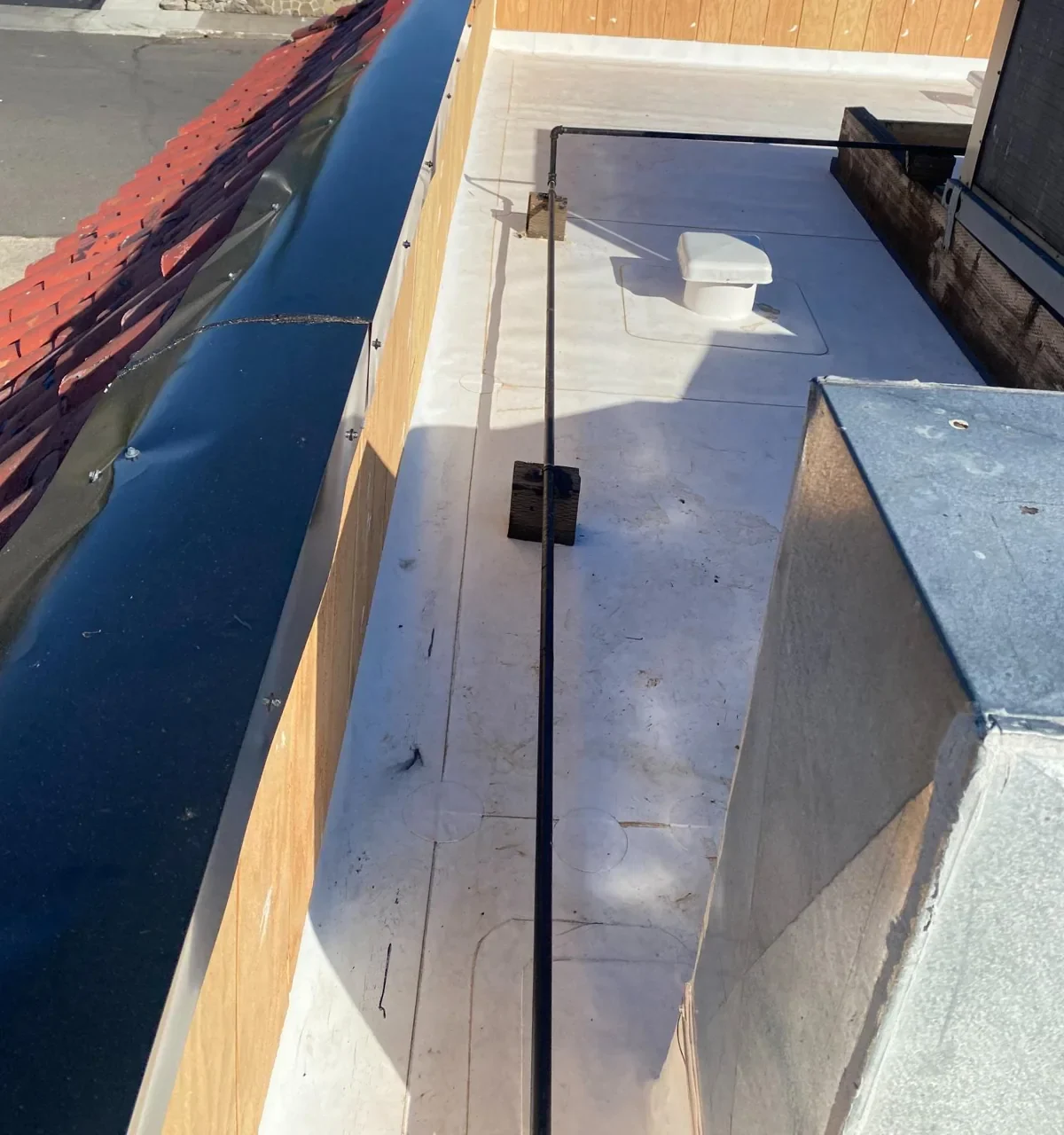
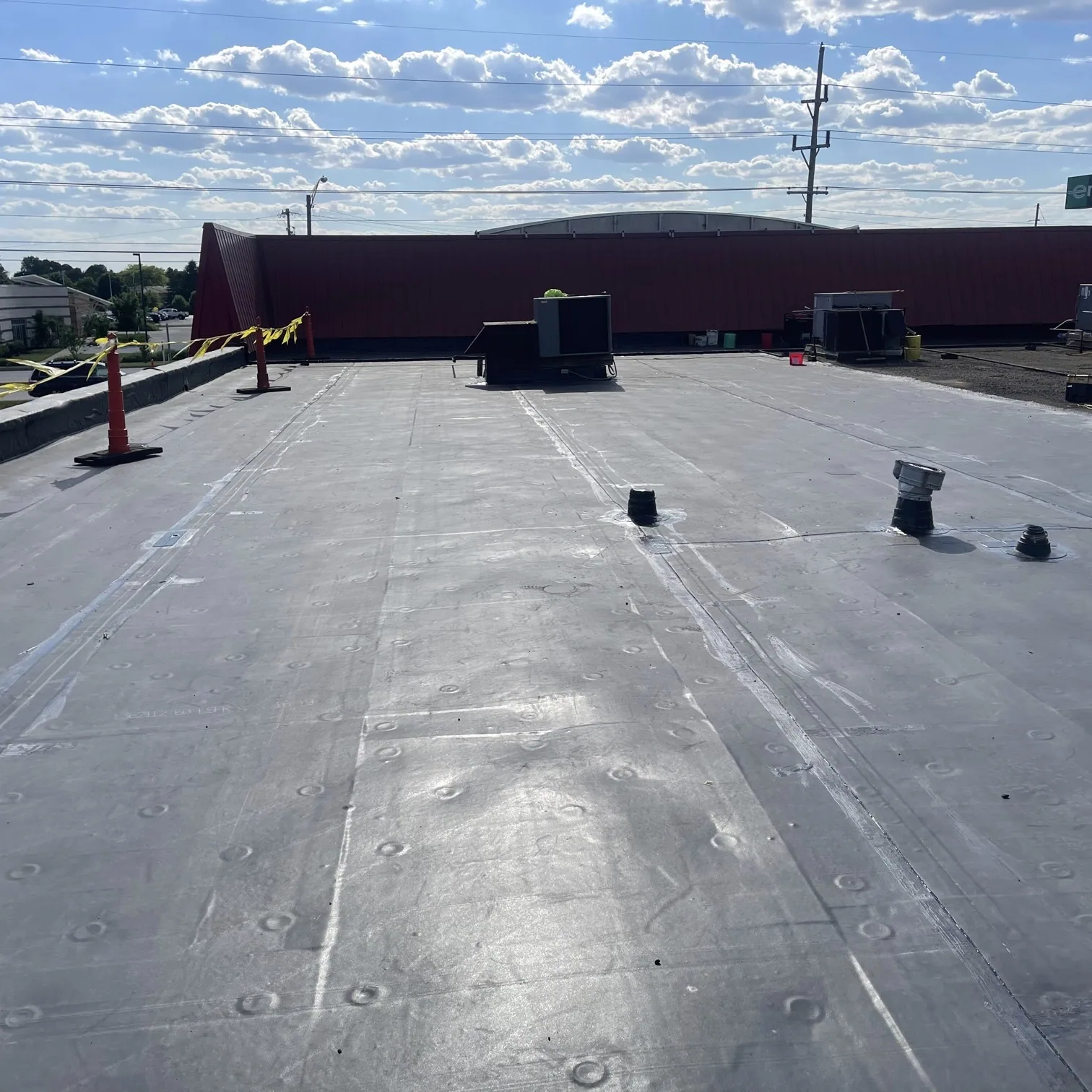
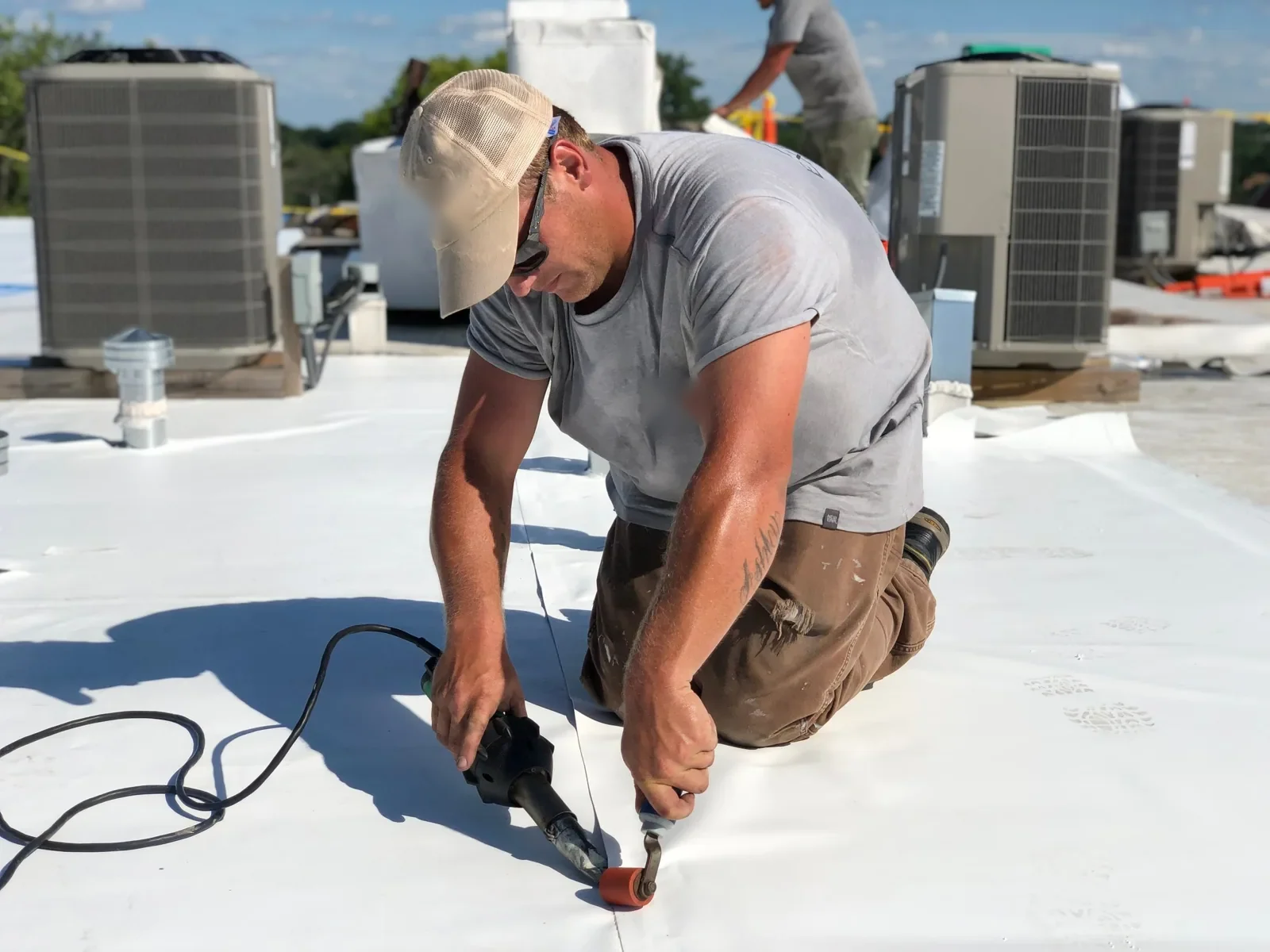
For a single-ply system, seam preparation and welding depend on material, surface condition, temperature, and manufacturer instructions. We verify the material before selecting equipment and test the seam where the work method calls for it. At parapets, drains, skylights, and mechanical curbs, the membrane must connect to the surrounding assembly in a way that preserves water movement. The drain and scupper service can coordinate outlet condition with membrane work, while curb and equipment detailing can establish the trade handoff for rooftop units.

Idaho Falls Long-term Idaho Falls data count 26.5 annual days with a high reaching 90 degrees or more. We use current conditions and specified instructions to set the amount of roof that can be prepared and closed in a shift.

Repair the Failure, Not Just the Visible Mark

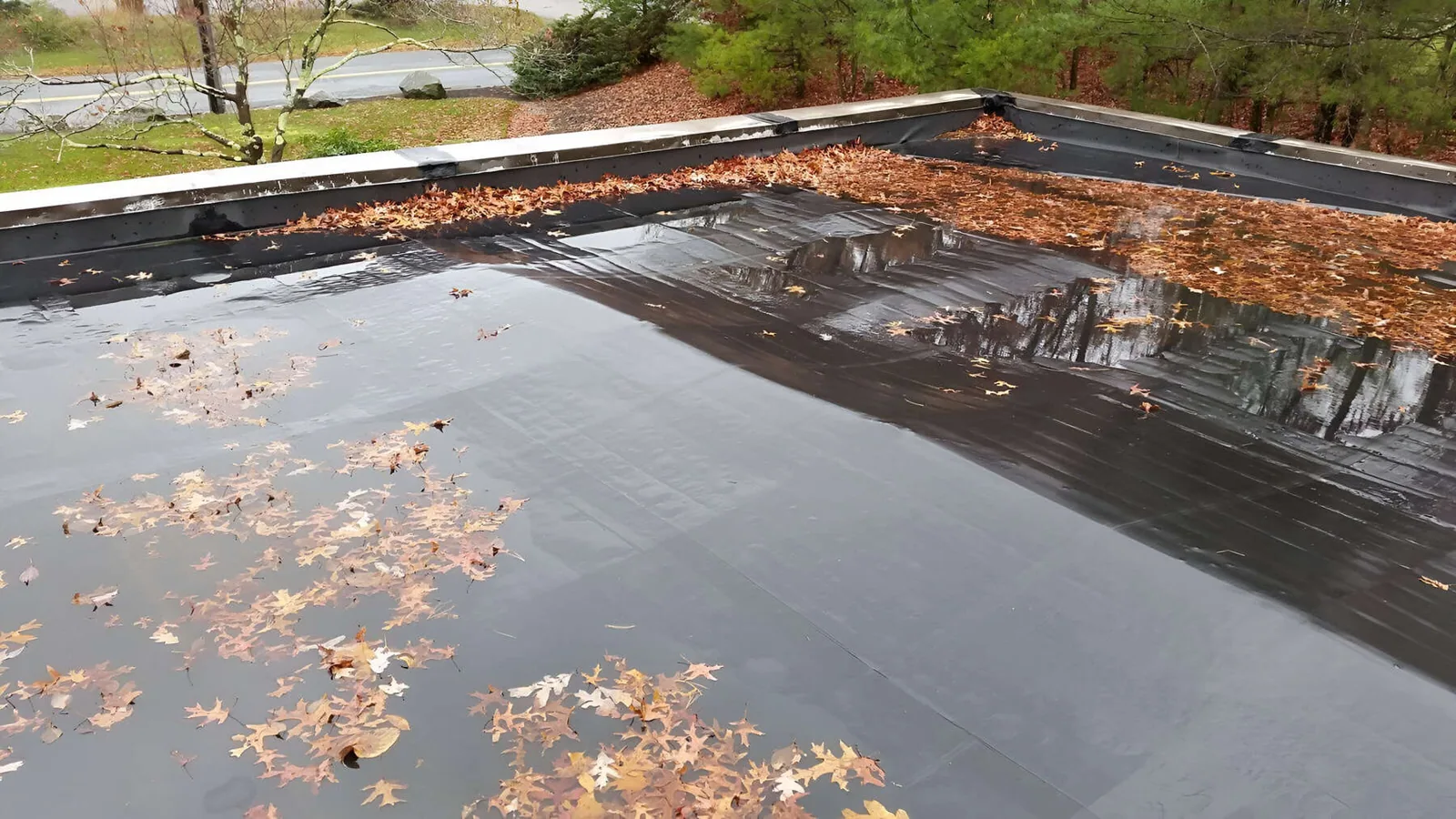
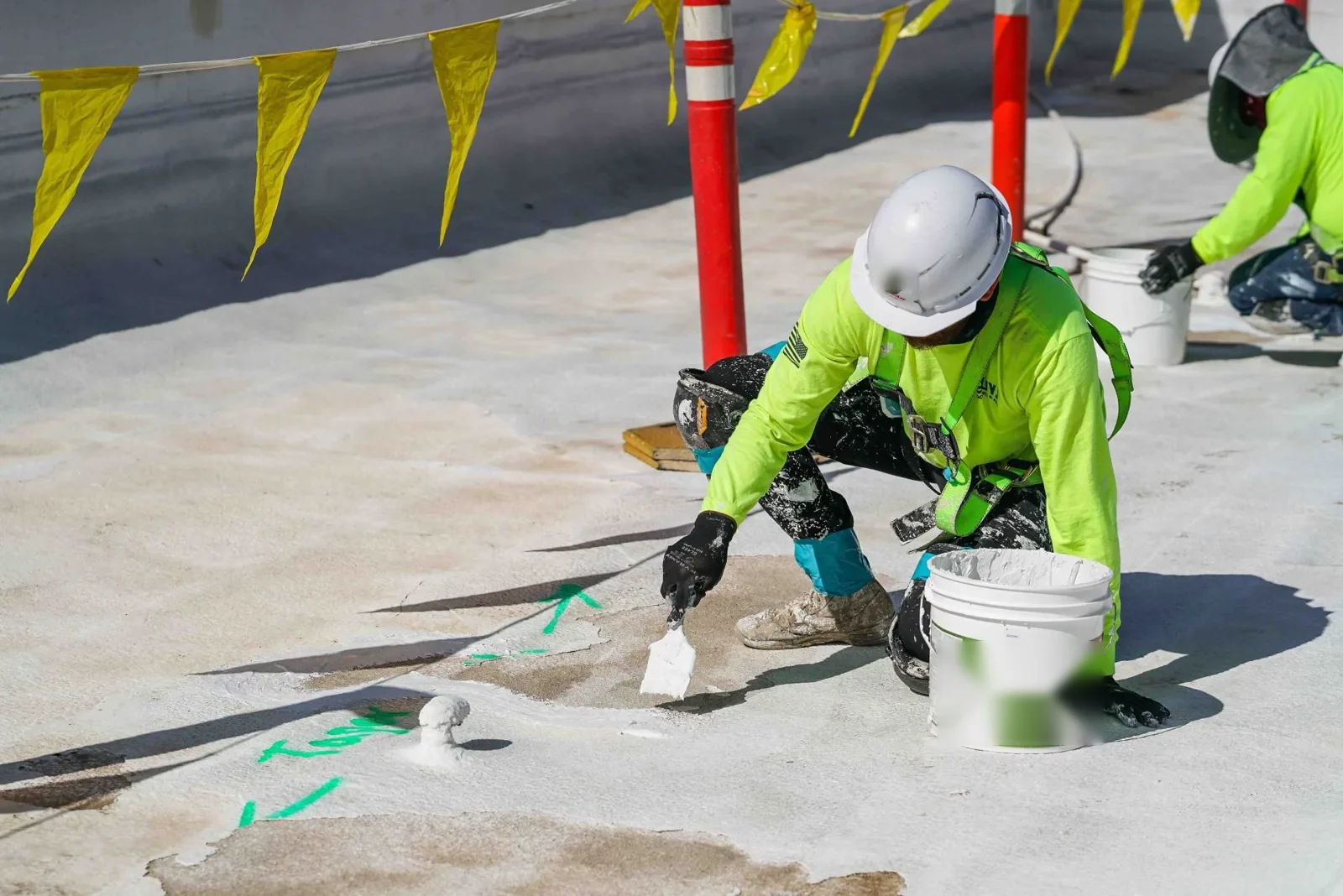
When a GAF membrane is already in place, repair material and method must match the existing system and surface condition. We inspect for open seams, punctures, loose flashing, deterioration around curbs, and signs of moisture below the field. A patch needs clean, stable material around it. Covering over dirt, water, or a loose edge can leave the underlying failure in place.

Water can move under the membrane before it appears at an interior ceiling. We compare the reported stain with drains, seams, equipment, and the roof slope, then note what is confirmed and what needs testing. If an opening reveals wet insulation or damaged deck, we document it and review the changed boundary with the owner before proceeding. The seam repair assessment can address an open lap; a flashing repair scope can address a curb, edge, or wall transition.

For urgent roof conditions, the company offers around-the-clock emergency response, with weekends and holidays included. We coordinate safe access, temporary water control, and permanent work separately so the manager knows what was secured and what still needs repair.

Preserve Drainage and Service Access

Routine maintenance checks exposed membrane, edge metal, drains, seams, and rooftop equipment transitions. We remove accessible debris without damaging the roof and document any condition that needs repair. If HVAC or electrical work takes place after installation, the manager should preserve the roofing handoff and have the roof tie-in checked before the area is closed.

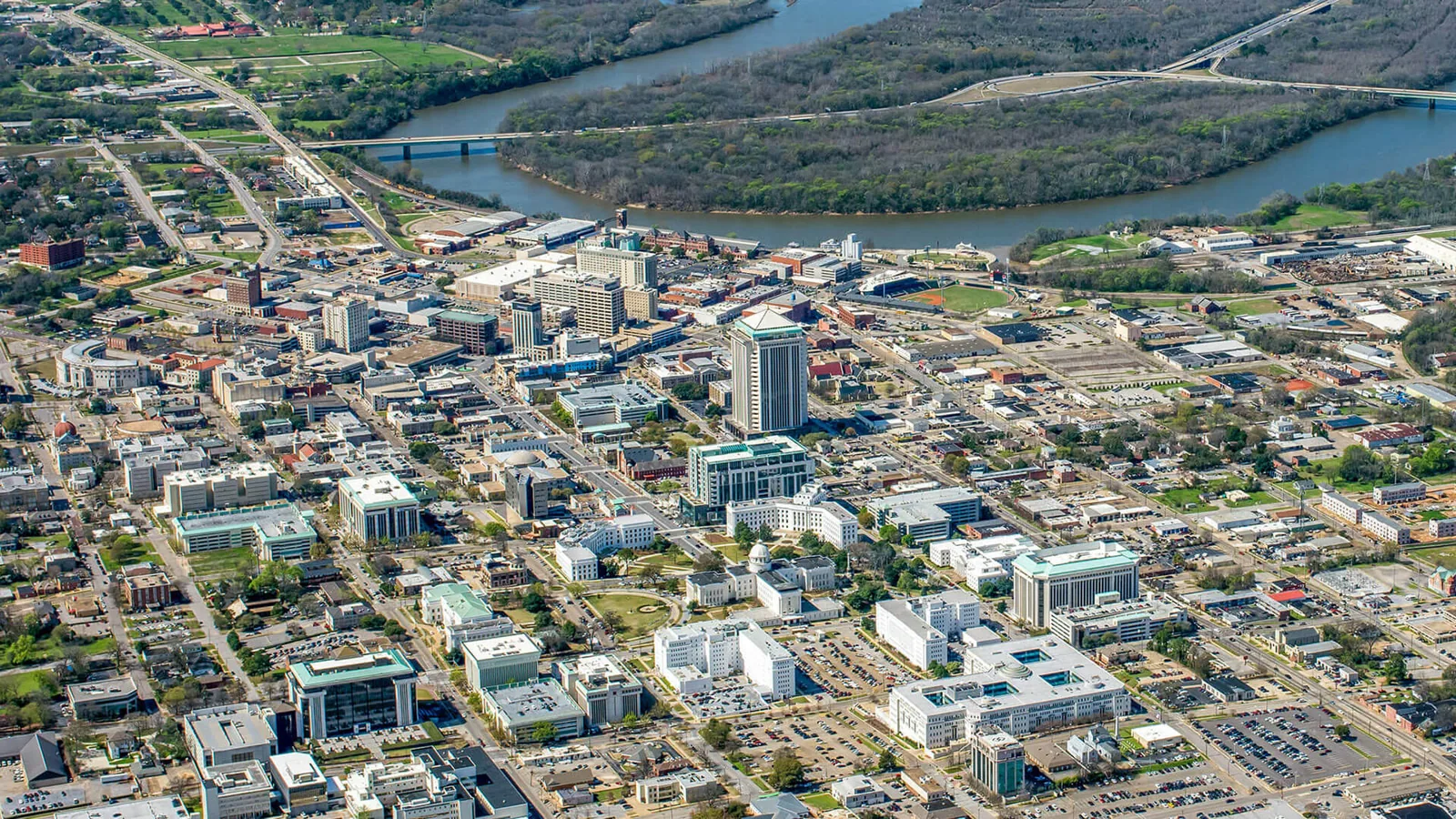
The published Snake River Landing mix spans workplaces, homes, dining, and event uses; the Warehouse District has storefronts as well as warehouse and light-industrial activity. Those local areas may bring different staging and occupied-building constraints. A field inspection checks membrane markings, seam construction, flashing, and owner records to identify the installed assembly. We verify material and access at the property. The Warehouse District service area and Snake River Landing service area refer to broad locations rather than one building.

A maintenance file can include roof zones, photos, repairs, and next action. The preventive maintenance visit can review exposed details between larger projects.

Compare Repair With a New System

Localized repair may be appropriate when the surrounding assembly remains sound and the failure is confined to a defined area. Replacement or recover planning becomes relevant when moisture, brittle material, repeated seam issues, or poor attachment affects a broader section. A recover is not selected only because it avoids tear-off; moisture, capacity, compatibility, and details still need review. We document the evidence and identify what additional testing could change the recommendation.

Cost depends on roof area, access, removal depth, insulation, substrate, perimeter metal, equipment movement, and occupied spaces. Schedule depends on weather, material delivery, and the owner’s operating calendar. A replacement evaluation can define a broader scope, while project specifications may also call for Carlisle SynTec or Versico products. The selected assembly still has to meet the building requirements and approved design.

The City Building Division maintains references for standard construction, existing buildings, and energy-code reviews. The design team determines which requirements apply to a repair or an assembly change. We document roof conditions and bring the appropriate design professionals into any discussion that changes the specified roof build-up.

Questions About GAF Commercial Roofing

We review the building records and inspect visible membrane, seams, edges, and repair materials. Labels or past invoices can help, but we verify the roof that is on the building before selecting a repair or replacement detail.

A local repair may fit when the failure is defined and adjacent material remains suitable. We inspect seams, moisture, attachment, and substrate, then identify whether a compatible patch or broader work is appropriate.

Current surface temperature, forecast, and product instructions guide each installation. Freezing winters and hot summer surfaces shape seasonal planning in Idaho Falls; we check the live forecast and roof condition before setting the work window.

The written warranty and project documents govern required methods and notices. We document the work performed and can provide the owner with repair details, but the warranty issuer determines any coverage question.

Review seams, perimeter flashing, drains, curbs, penetrations, prior repairs, and areas affected by later trade work. We record visible conditions and recommend testing when moisture below the membrane is suspected.

ServicesRoof SystemsIndustriesProperty TypesService AreasDamage RepairCapabilitiesManufacturersContactAboutRequest a Roof Assessment555-555-5555
Call us today555-555-5555