Versico Commercial Roofing Serving Idaho Falls & Eastern Idaho

Review a Versico commercial roof in Idaho Falls with assembly identification, seam and flashing checks, drainage planning, and documented repair options.

Versico Commercial Roofing in Idaho Falls, ID

Versico Commercial Roofing

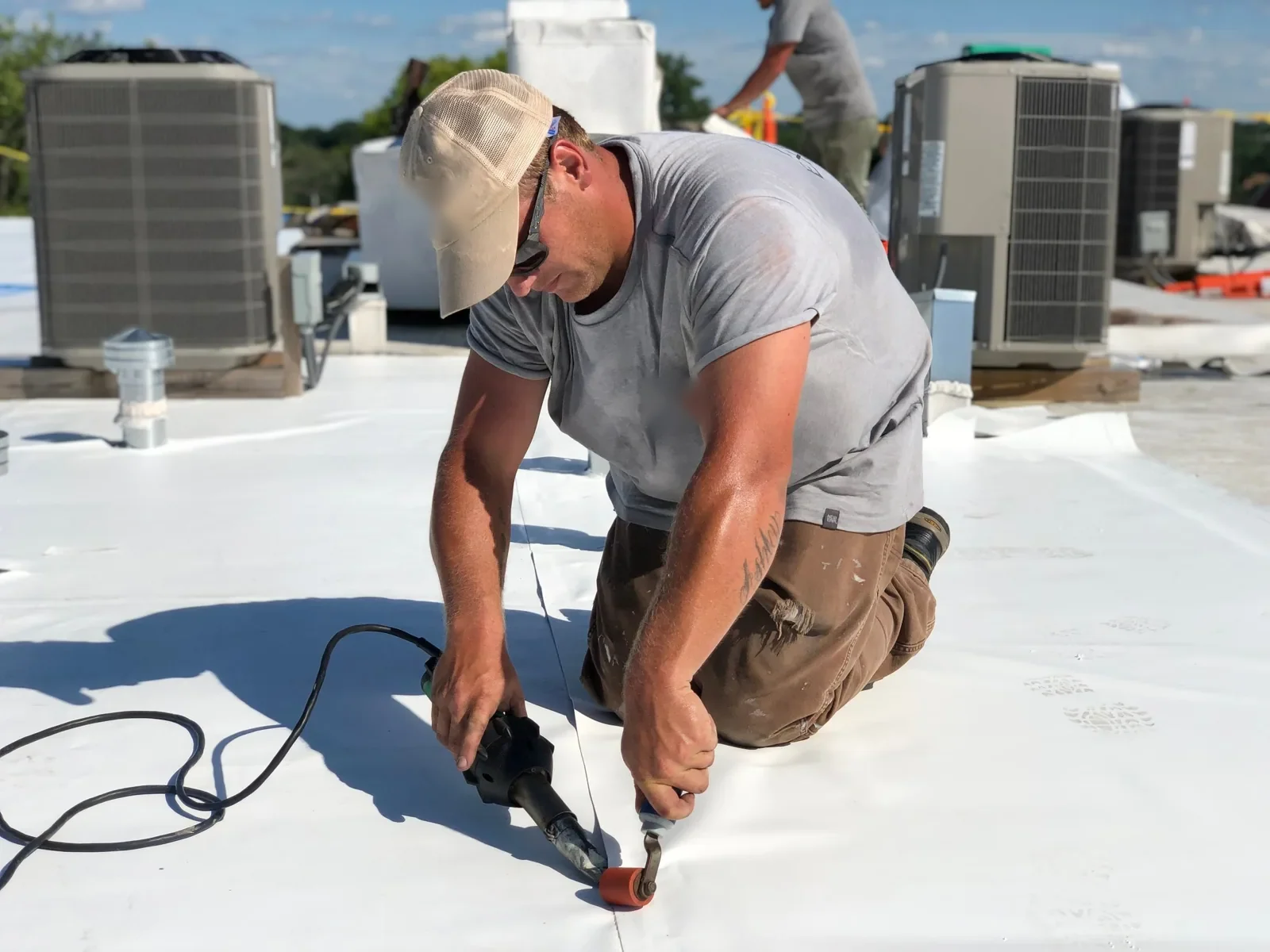
A membrane roof needs a diagnosis that reaches beyond the visible field sheet. A Versico system assessment confirms the installed membrane, roof layers, seam condition, attachment, perimeter, penetrations, and drainage. Later additions and repairs can leave more than one assembly on a property, so we inspect each roof zone and explain what is visible and what testing could change the scope. Recurring winter freezes in Idaho Falls make temperature, surface dryness, and end-of-shift closure part of each membrane workday. In Downtown Idaho Falls or Snake River Landing, we coordinate access and staging with the property contact, then base material decisions on the roof in front of us.
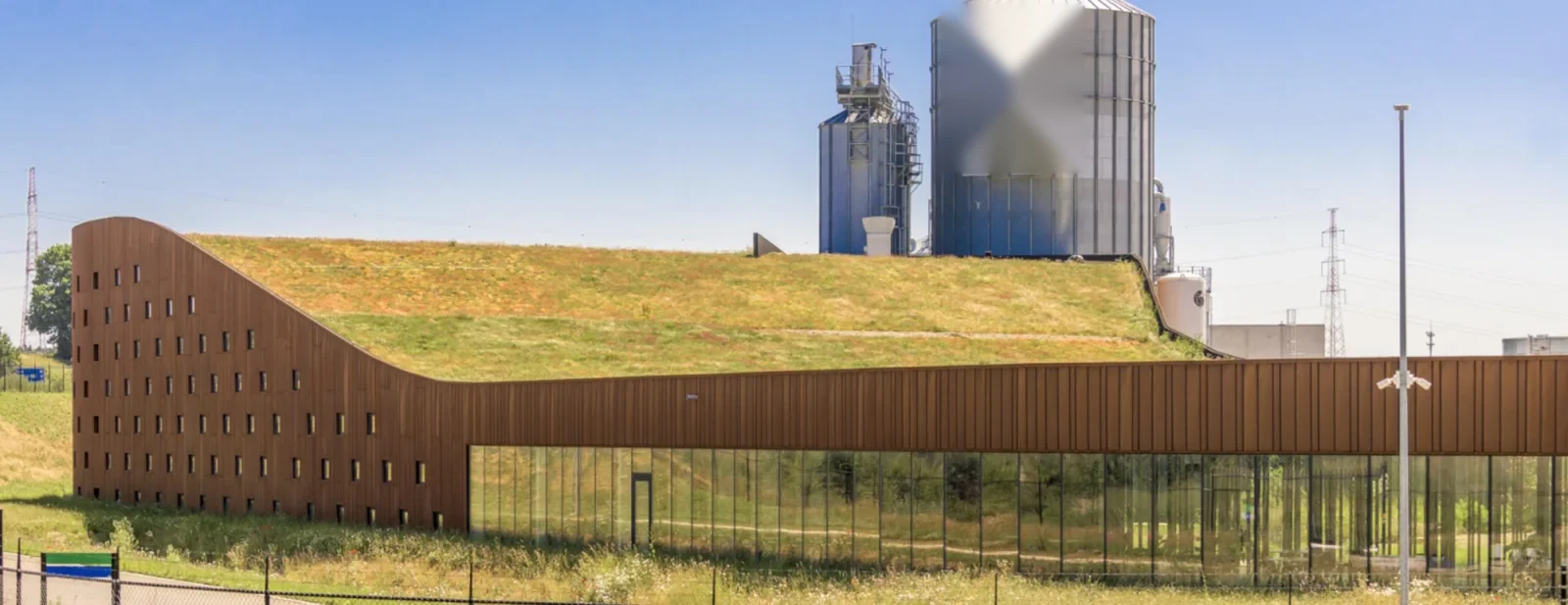
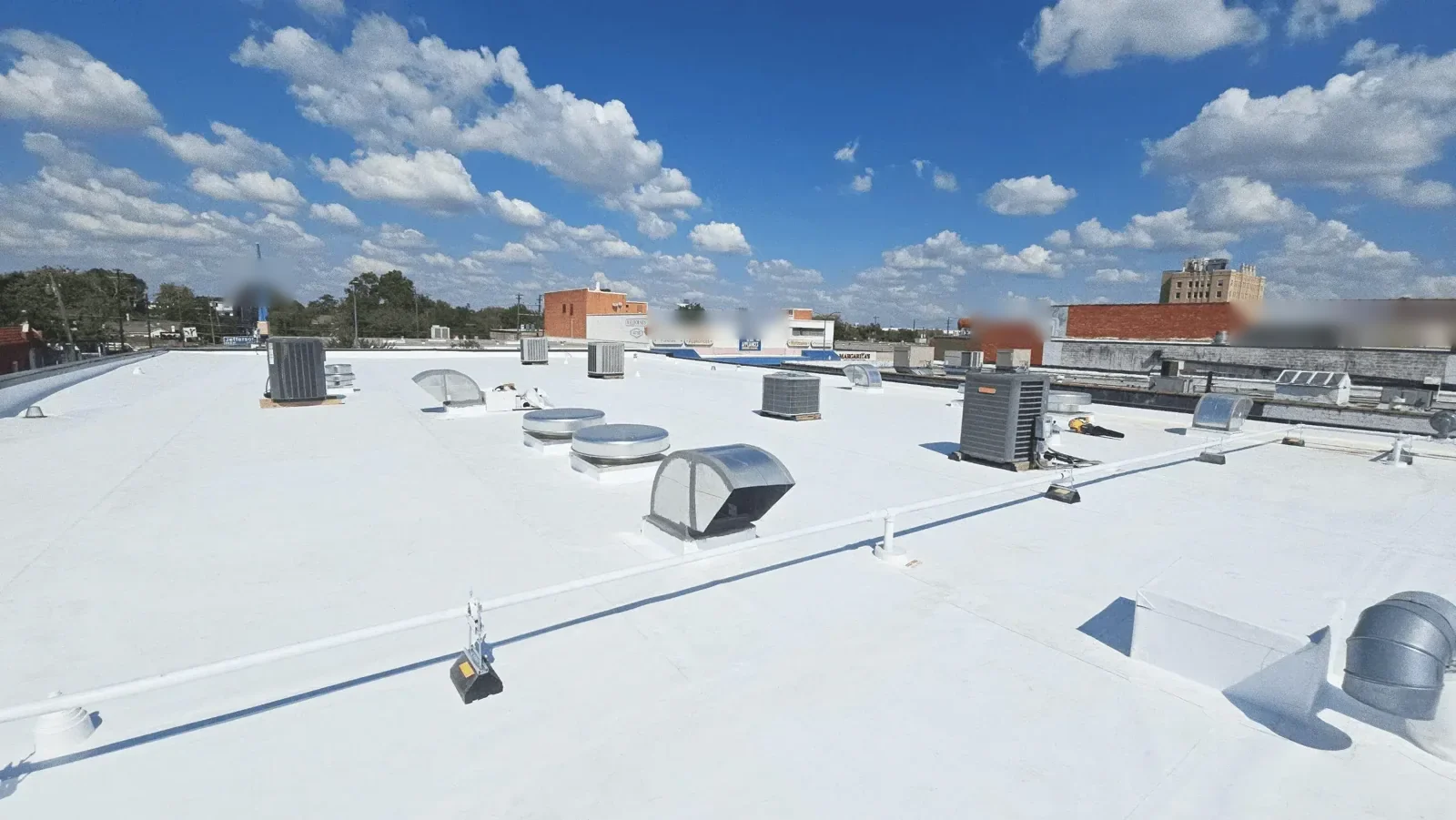
Versico Commercial Roofing in Idaho Falls, ID

Confirm Each Roof Zone Before Choosing a Repair

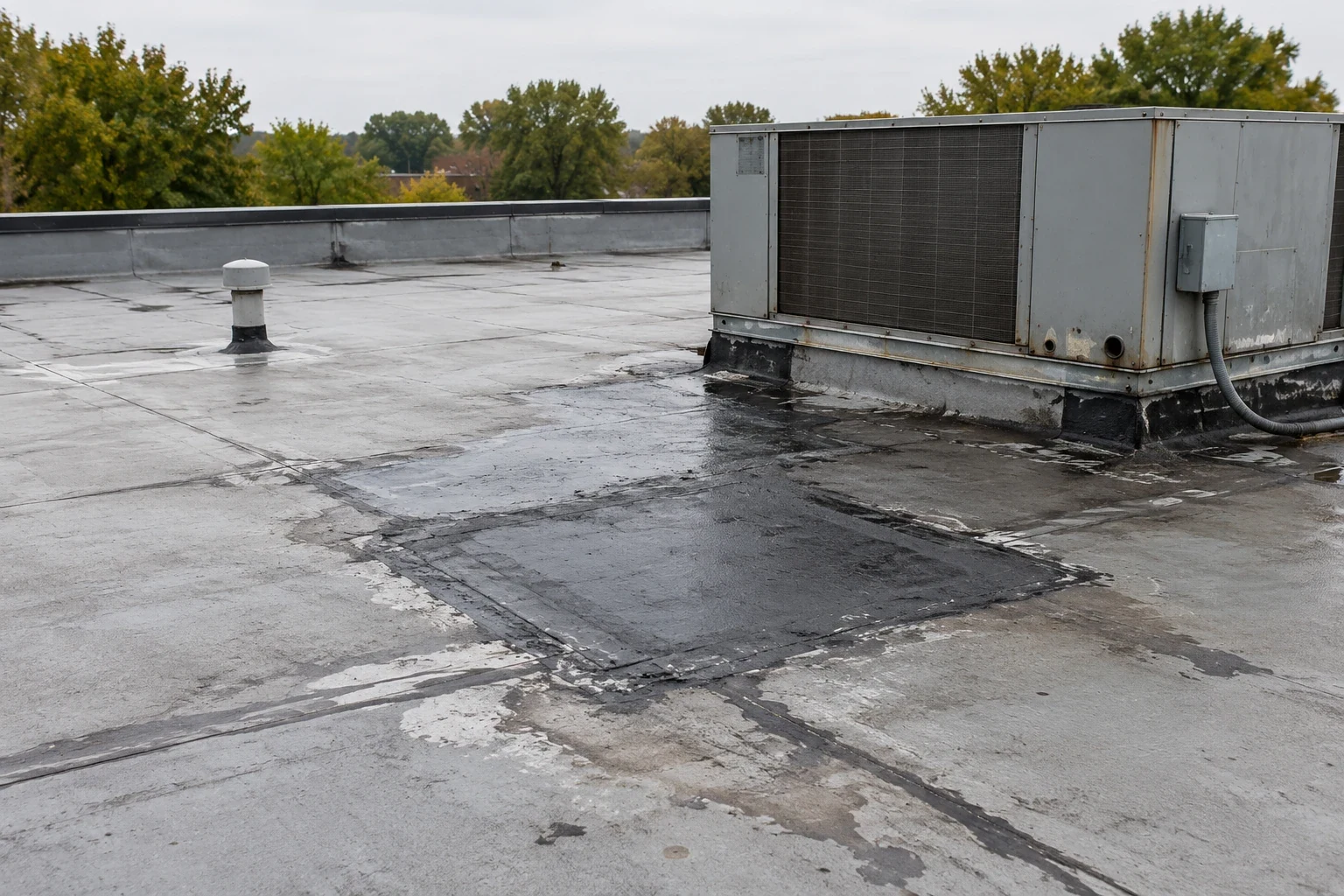
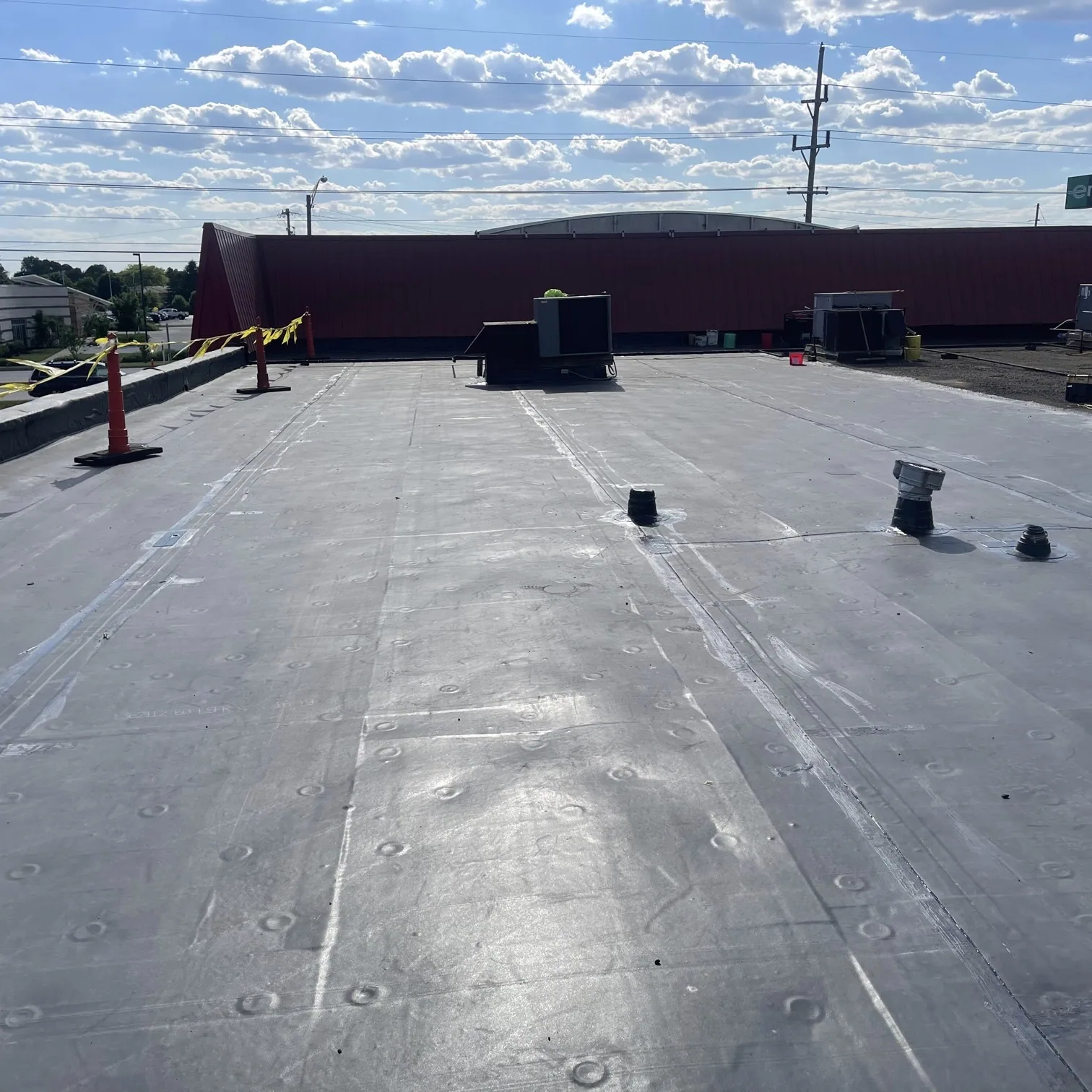
Begin with the project record and then inspect the assembly that is present today. Check exposed edges, membrane laps, flashings, curbs, penetrations, drains, and transitions to walls or other roof sections. Note patch materials and signs of earlier work. If separate additions have different membrane types or attachment methods, keep those findings distinct. That helps prevent an old record or one visible sample from being treated as proof for the entire building.

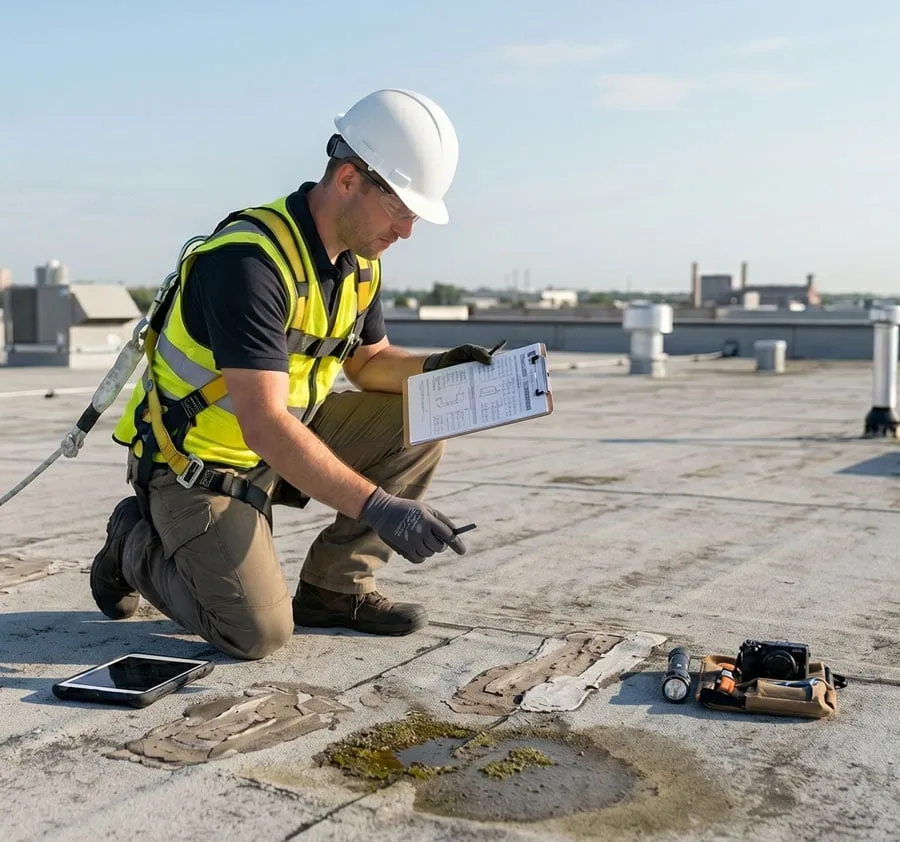
The commercial roof inspection can document accessible roof areas, visible wear, drainage conditions, and limitations. If insulation moisture is a concern, an infrared moisture survey may help identify places for selective testing. A scan does not expose every layer or establish a final repair plan by itself. We interpret findings with the roof construction and confirm details as required before recommending a recover or replacement.

Attachment and substrate also matter. A sheet can look serviceable while the material below it is damp, compressed, or moving. Those conditions can affect the bond or fastener pattern required for a repair. We record whether the issue appears isolated or extends beyond the visible area and explain any opening needed to confirm its limits. The owner then has a specific basis for deciding whether to authorize more investigation.

Treat Field Seams and Perimeter Details as One Assembly

Installation scope should follow the approved assembly from the deck through the insulation and membrane. The roof plan needs to identify removals, substrate corrections, insulation or cover-board layers, and attachment. We check the roof as work progresses and flag deteriorated material before it is covered. Retaining an existing roof may be possible only when moisture, attachment, substrate strength, and drainage support the proposed design.

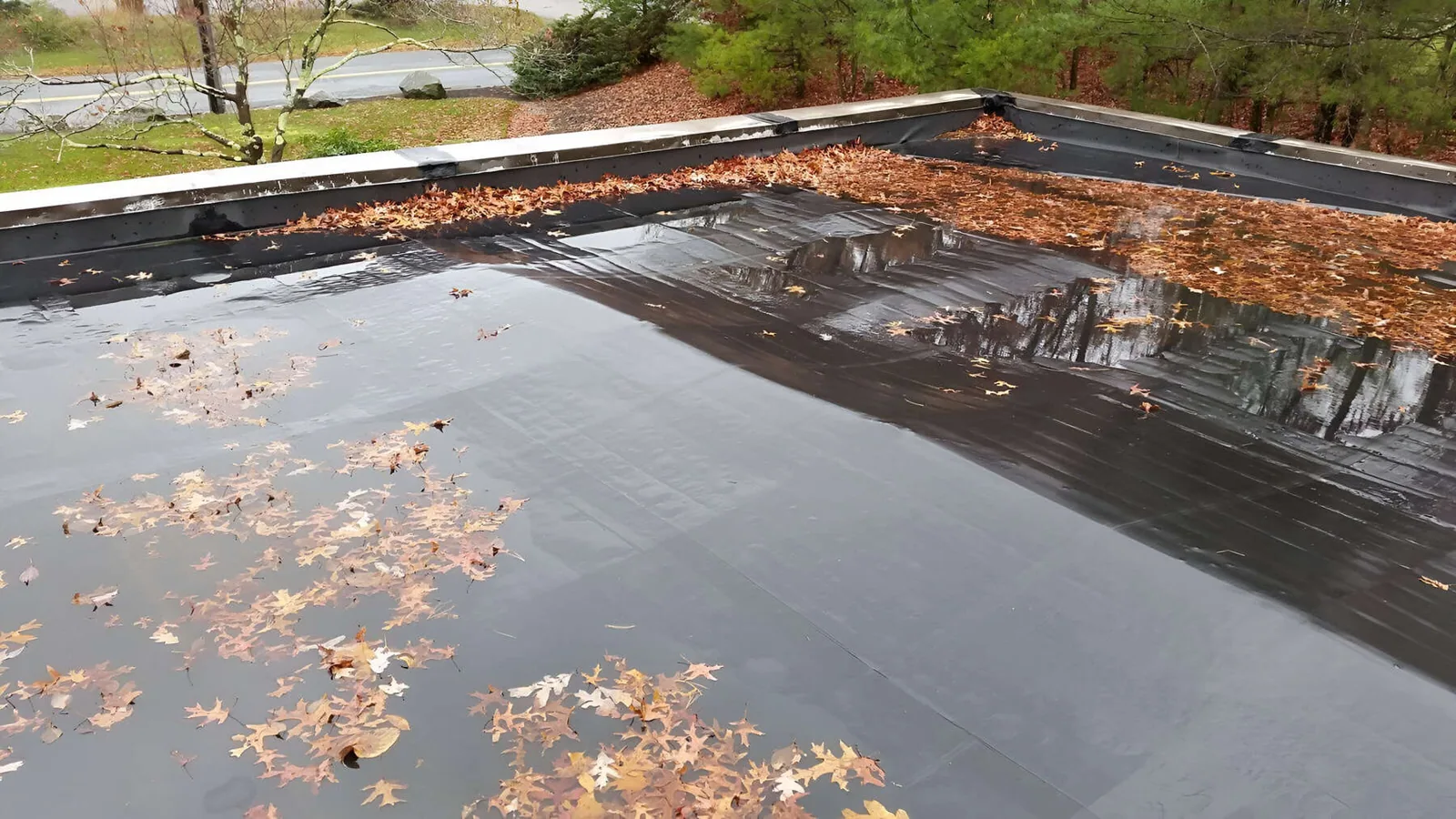
Field seams, corners, curbs, walls, penetrations, and edge metal form connected parts of the weather line. A strong field area cannot make up for a poorly tied-in curb or loose perimeter. We include each transition in the work scope and plan how completed details will be protected before moving to the next zone. Drains and scuppers are checked as well, since insulation layout or debris can affect the path water takes off the roof.

Idaho Falls averages a July daily high of 86.6°F and 26.5 days each year with highs of at least 90°F. The crew checks current roof temperature, surface moisture, wind, and project requirements before preparing or placing membrane. If conditions change, the open area is secured and the next work step is made clear to the property team.

Separate Temporary Water Control From Permanent Repair

A reported leak should be checked against roof details rather than assigned to the nearest visible seam without inspection. Water can travel beneath roof layers. We compare interior evidence with roof conditions at laps, drains, parapets, penetrations, and equipment curbs. The commercial leak investigation records the evidence and any limits that prevent a definitive conclusion .

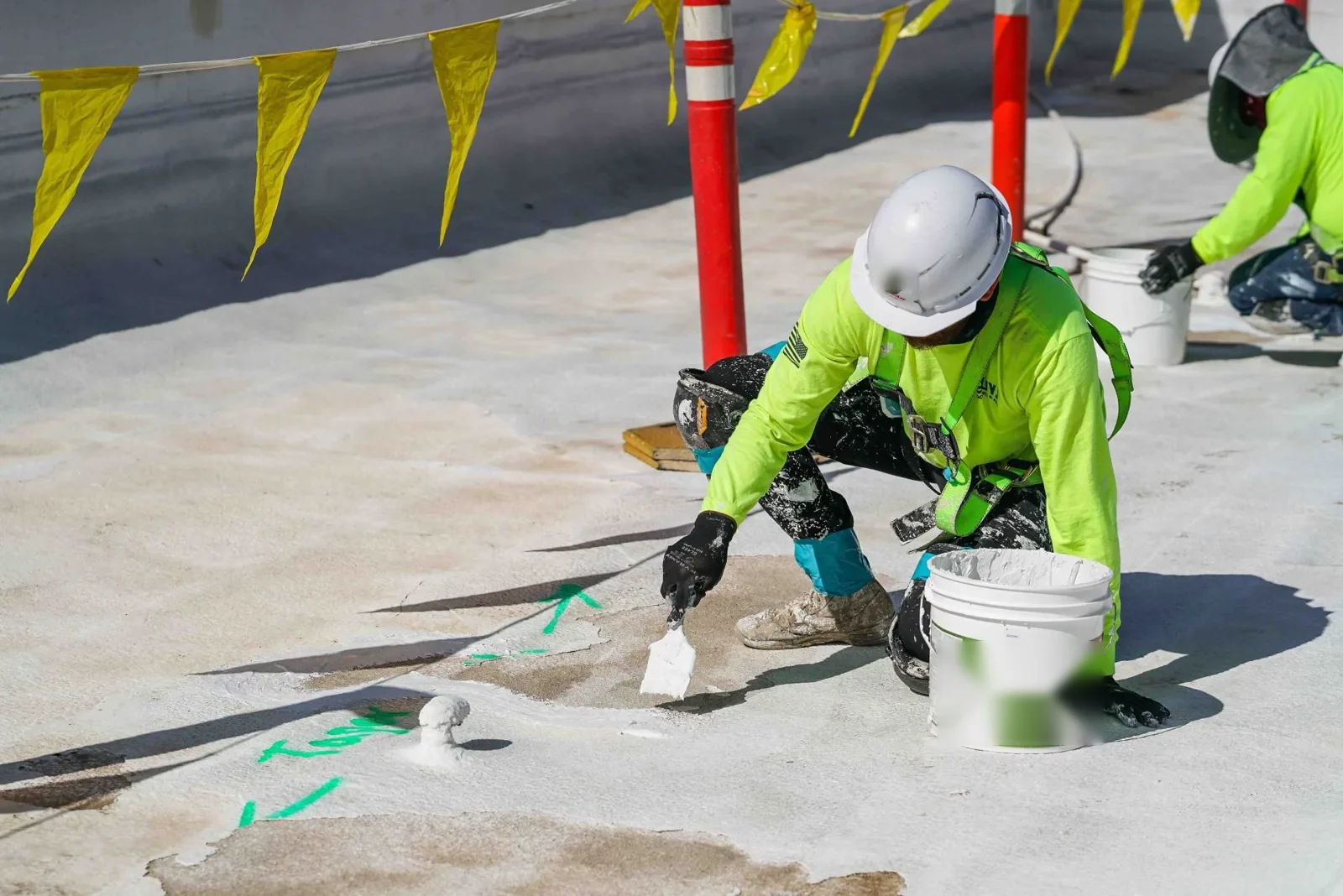
If a seam is involved, a repair must account for the surrounding sheet, surface preparation, seam condition, and attachment. The seam repair assessment can define the affected area. For walls, curbs, or penetrations, the flashing repair review focuses on how the membrane meets the adjoining construction. Where water is getting through near a drain, the drainage failure review helps separate a blocked outlet from a roof-detail failure.

Urgent water entry can receive a roofing emergency response at any hour, including weekends and holidays. After a temporary seal, inspect adjacent seams and insulation, then use moisture testing where it can define the lasting repair boundary. We state what was protected, what remains unconfirmed, and whether the area needs drying or testing before permanent work. That record helps the owner avoid confusing emergency stabilization with a completed repair.

Coordinate Roof Work With People and Equipment

Downtown and South Downtown form Idaho Falls’ connected city core. Snake River Landing has offices, dining, residences, and event venues. These active areas can have different operating patterns, so before mobilization we confirm roof access, escorts, staging, deliveries, rooftop equipment, and the interior locations that need protection. Building staff can flag business hours, sensitive operations, and tenant coordination needs.

When a roof project overlaps mechanical or electrical work, the responsible trades and sequence need to be clear. A unit may need to be shut down or lifted before its curb can be repaired. The written scope should identify who handles disconnection, support, reconnection, and final inspection of the roofing tie-in. The occupied-building reroof plan can sequence work so the property team knows which zone will be open and what access will be affected.

We also plan material movement and protection. A designated staging point keeps tools and rolls from blocking service routes. The crew identifies how debris will be contained and where occupants should avoid the work zone. If weather requires a pause, the team secures exposed material and communicates which roof areas are complete, temporarily protected, or awaiting a return visit. The property contact receives a clear update on access and the next work step.

Build a Record That Supports Future Decisions

Closeout information should be useful after the crew leaves. Record the roof zones inspected, assembly observed, materials installed, seams or flashings repaired, photographs, access limits, and unresolved conditions. If a property has several roof sections, consistent labels make later reviews easier. We distinguish a confirmed detail failure from a suspected water path and record any testing that remains necessary.

Maintenance visits can revisit patched areas, perimeter edges, drains, scuppers, penetrations, and roof equipment transitions. They can also note new work by other trades that may affect membrane details. A preventive maintenance visit gives the owner a recurring record, and a roof condition report can preserve findings and images for the property file. Widespread moisture, repeated leaks, or failing attachment may call for a broader replacement evaluation.

We serve Downtown Idaho Falls and Snake River Landing, but verify roof construction at each property. We verify each roof independently. Specifications for other projects may name Carlisle SynTec or Sika Sarnafil. The installed assembly and property requirements remain the basis for this scope. The final scope should identify work included, work excluded, assumptions, testing, access arrangements, and the documentation the owner will receive. That makes the next maintenance review more useful and helps staff compare the completed work with the original authorization.

Questions About Versico Commercial Roofing

We compare available records with exposed roof edges, seams, and details. If sections differ or documentation is incomplete, we identify uncertainty and inspect the relevant zones before recommending a repair.

A recover review considers moisture, attachment, substrate, drainage, and the new assembly design. We identify what is known and what testing or openings are needed before making a recommendation.

We assess the seam and surrounding sheet, confirm the material, and define the preparation and tie-in area. Nearby flashing, perimeter, or substrate problems may need separate work.

Not by themselves. The crew checks current surface conditions, forecast, and product requirements. We limit exposed work to an area that can be prepared and secured under the conditions on the roof that day.

Keep the assembly description, work scope, materials, zone notes, photos, access limits, and remaining maintenance items. Record conditions that could not be exposed or confirmed during the project.

ServicesRoof SystemsIndustriesProperty TypesService AreasDamage RepairCapabilitiesManufacturersContactAboutRequest a Roof Assessment555-555-5555
Call us today555-555-5555