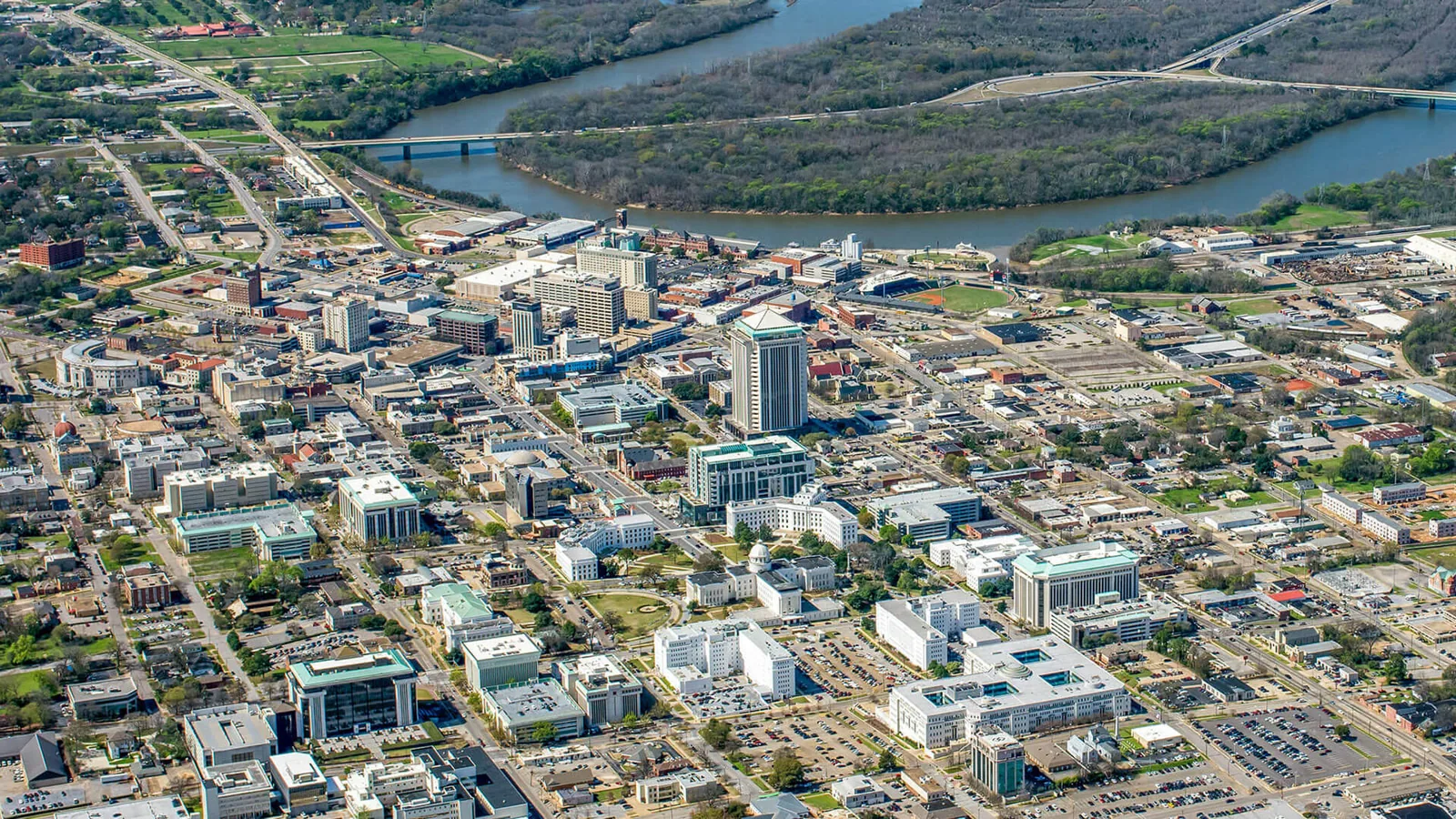
Commercial Roof Due Diligence Surveys in Idaho Falls, ID Serving Idaho Falls & Eastern Idaho

Review Idaho Falls commercial roofs before acquisition or refinancing with documented condition, visible moisture concerns, and repair planning.

Roof Due Diligence Surveys in Idaho Falls, ID

Roof Due Diligence Surveys

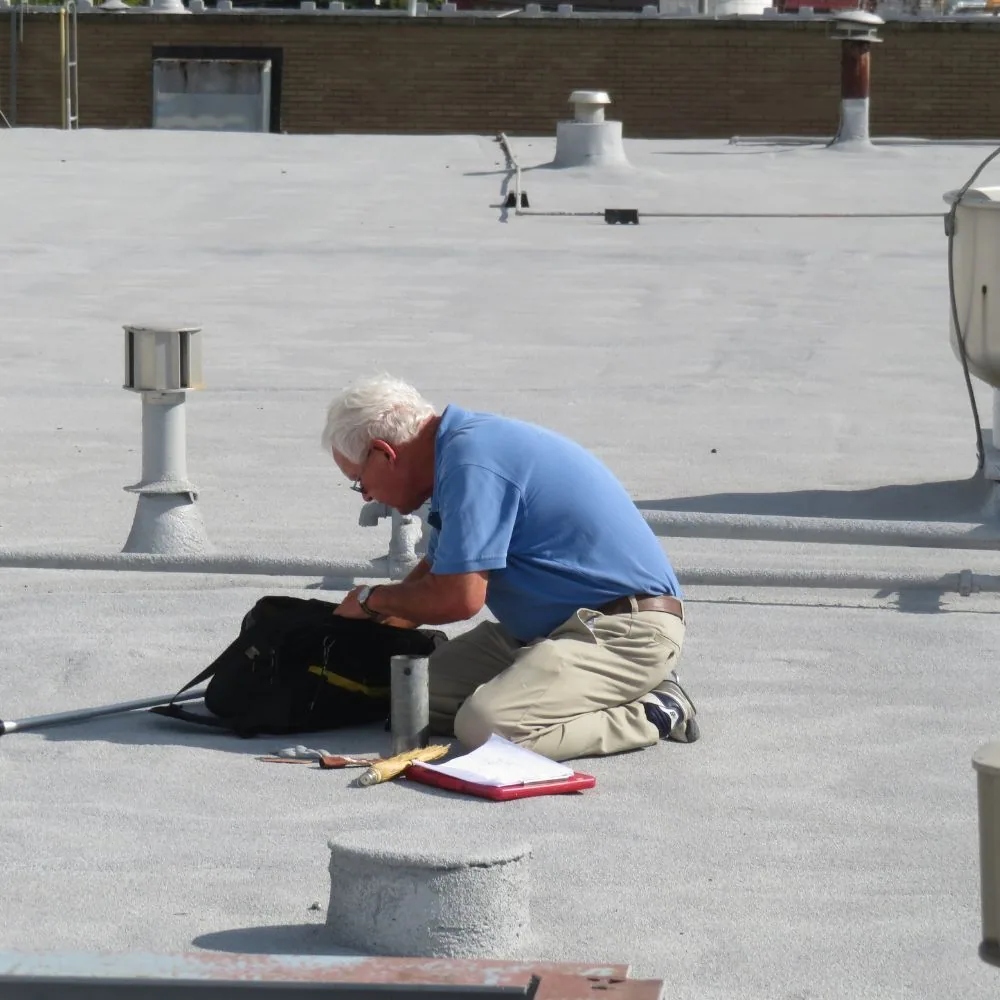
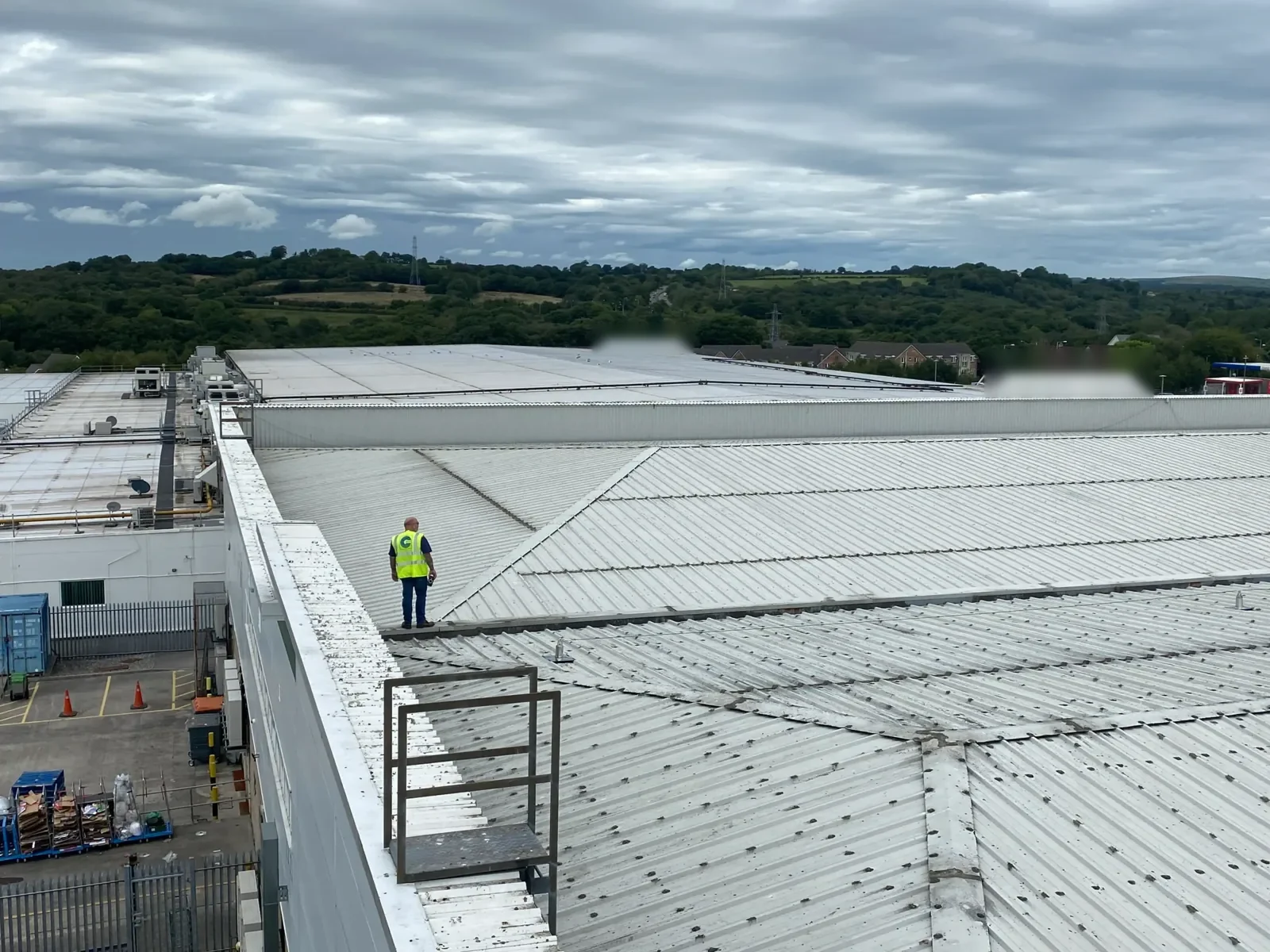
Before an acquisition or refinancing, a roof survey should identify the conditions that could affect near-term work and the information still needed to price it. Idaho Falls has a winter freeze cycle and a warm summer roof season. We assess each assembly through visible condition, moisture, attachment, drainage, and repair history rather than assigning service life from age alone. Idaho Falls averages 182.2 days a year with lows at or below freezing, and January averages 20.4 degrees. We schedule inspection access around current weather and record any roof area that cannot be reached safely. We inspect visible roof areas, drainage, penetrations, edges, repairs, and reported interior signs, then distinguish observation from assumptions. A building in the Idaho Falls Warehouse District may have different access and operating details from a property in Rexburg’s North Interchange area. Each survey remains tied to the actual asset and transaction question.

Roof Due Diligence Surveys in Idaho Falls, ID

Set the Survey Boundary

Before the site visit, we confirm which buildings and roof sections are included, what records are available, and how the buyer or lender will use the findings. Plans, prior inspections, warranty documents, repair invoices, and known leaks can make the visit more focused. If records are missing, we mark that gap rather than fill it with an assumed system, installation date, or roof condition.

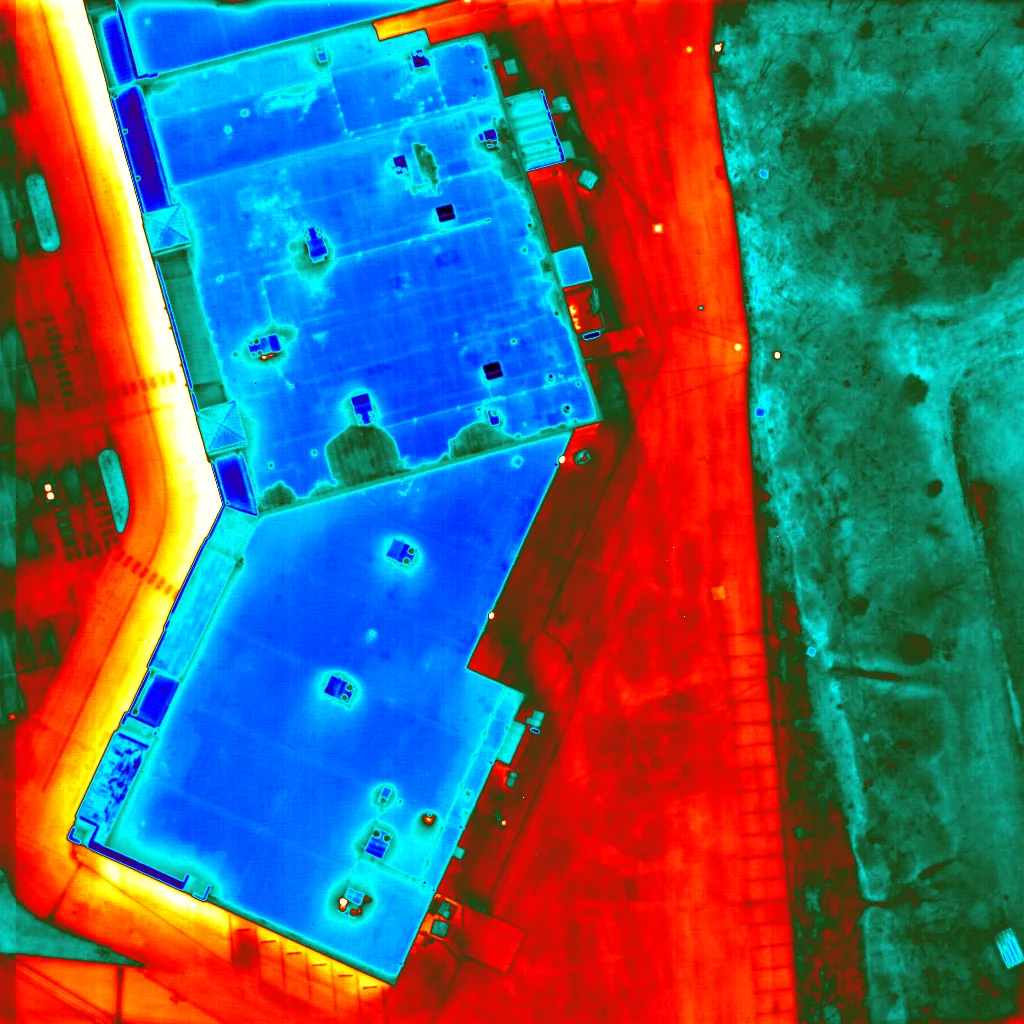
The survey states inspection date, areas accessed, methods used, weather limits, and any section that could not be reached. A visual review is not the same as a test cut or moisture survey. If concealed conditions matter to the decision, the report identifies a targeted test and the roof closure required afterward. The commercial roof inspection establishes accessible conditions, and moisture testing can help focus selective verification.

The roof survey records visible assembly details and identifies potential project questions. It does not replace permit or design review by the appropriate project professionals, who determine the requirements for a proposed scope. We keep that distinction clear for transaction decisions.

Inspect the Roof Components That Drive Cost

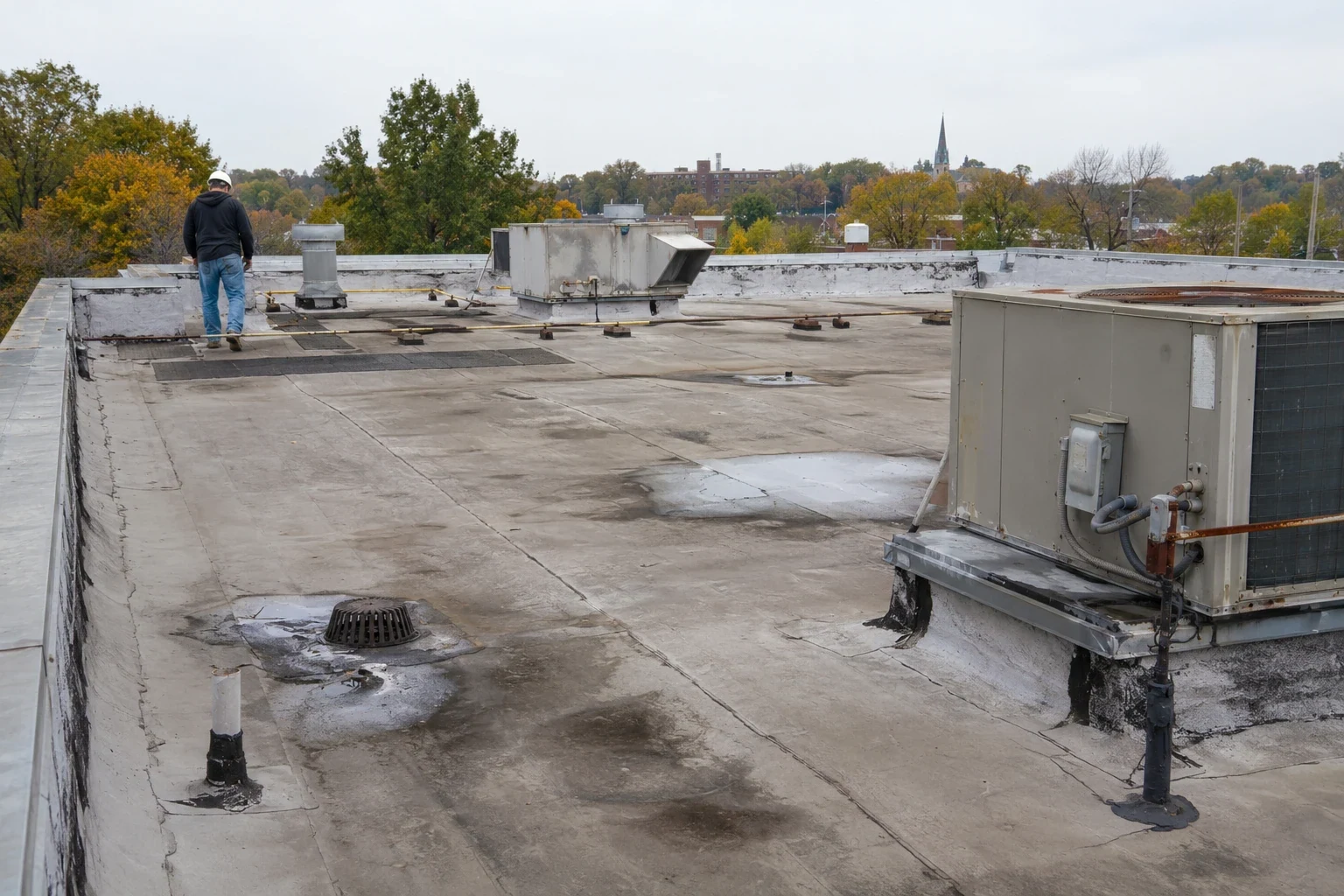
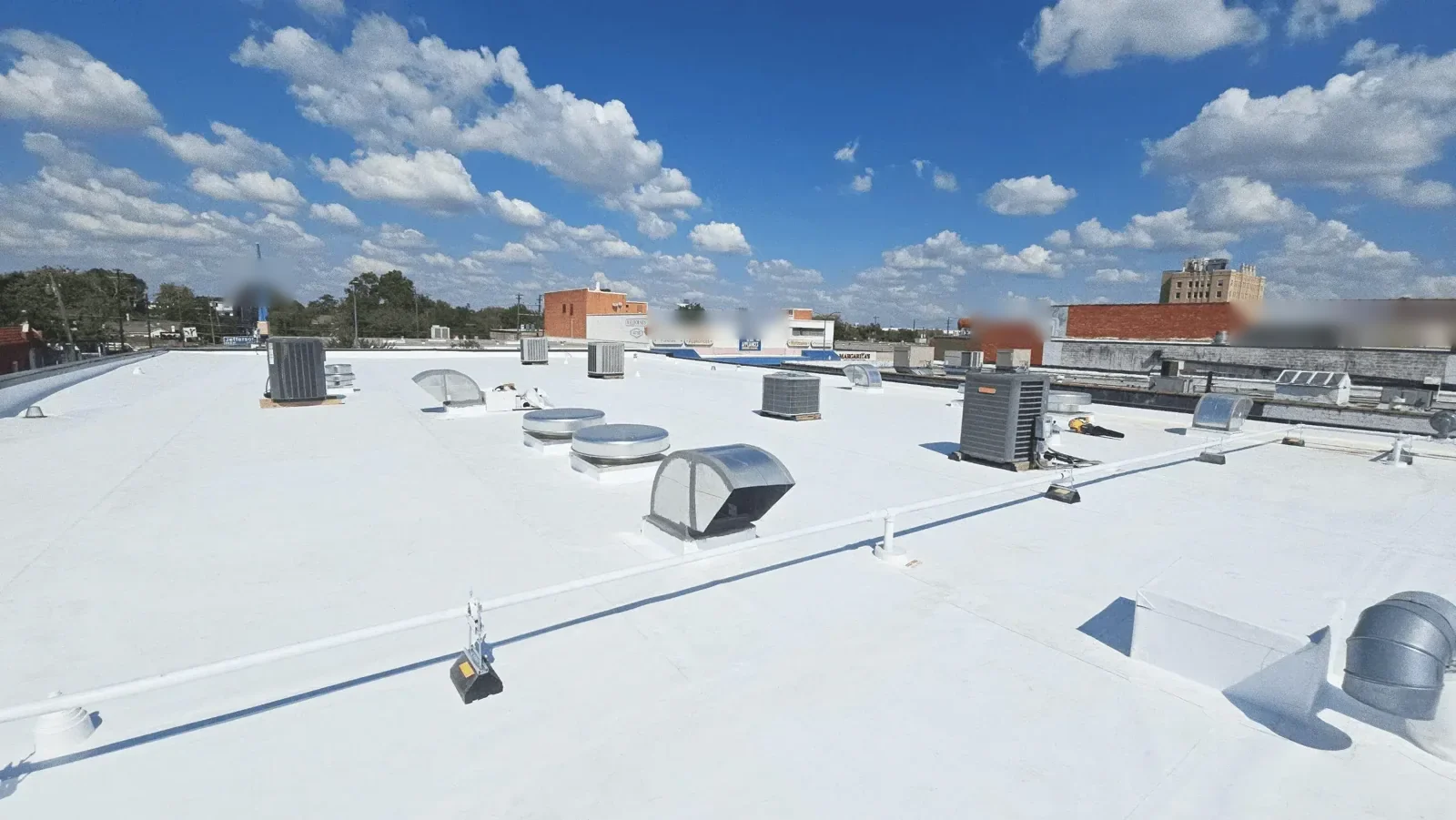
We examine seams, membrane condition, flashing, drains, scuppers, edge metal, rooftop equipment, penetrations, access points, and visible repair history. The survey notes whether drainage paths are open and whether surface water appears to remain in low areas. At accessible edges or penetrations, we look for separation, loose attachment, brittle material, or failed sealant that may need repair.

A ceiling stain can appear away from the entry point, so we compare interior signs with roof details above and upslope. Water may move below the membrane before becoming visible. If moisture is suspected, the report states which condition supports additional testing and what it could establish. The roof condition report can preserve labeled photographs and each finding by roof zone.

Idaho Falls has industrial and manufacturing areas alongside healthcare, retail, business, restaurants, and travel. An asset may operate in a different setting, so we note property-specific access and use only when provided by the owner. A survey records roof construction, access, and current condition separately for each building.

Translate Findings Into Transaction Questions

For each observed issue, we describe the likely work, urgency, and what remains uncertain. The report can separate active water control, localized repair, preventive maintenance, further testing, and replacement planning. A buyer can then decide whether to request a repair proposal or investigate a concealed condition before finalizing the transaction.

Cost depends on roof type, access, preparation, repair area, moisture beneath the surface, material compatibility, drainage, and equipment coordination. A visible opening may be a local repair; wet insulation or broad attachment problems can expand the scope. We identify which assumptions drive the preliminary recommendation and what a test could change. The repair service can price a defined condition, while a replacement evaluation can compare a broader project when the assembly’s condition supports it.

The survey is not an appraisal, structural certification, code approval, or assurance of future performance. It is a dated roofing assessment of accessible conditions. If the transaction depends on load capacity or a design question, the report identifies that issue for the appropriate professional.

Account for Access and Operating Context

Snake River Landing is a large mixed-use district between the river and Interstate 15, while Rexburg North Interchange spans several jurisdictions and contemplates commercial, industrial, residential, retail, and government uses. Those areas show the range of settings around Idaho Falls; they do not substitute for the asset’s operating rules. We confirm escort needs, occupied areas, staging restrictions, roof hatch access, and any tenant coordination before the survey.

A property near the Idaho Falls Warehouse District may have delivery or storefront access needs. The Rexburg North Interchange district covers a broad planned area across city and county boundaries. If several buildings are part of the transaction, each roof receives a separate observation record even if the seller provides a portfolio summary.

Cold or wet conditions can restrict access and hide details. We document those limits, schedule a follow-up where needed, and avoid representing an inaccessible section as inspected. Idaho Falls averages measurable precipitation on 84.3 days annually.

Give the Buyer a Usable Roof Record

The final report should support a decision after the site visit. We include a concise summary, roof-area findings, photos, access limits, recommended actions, and assumptions. Where records show previous work, we compare the location and visible condition but do not treat an invoice as proof that every nearby detail was repaired.

For a buyer retaining the asset, the findings can become the first entry in a roof history. The roof asset management record can track open items and later inspections, while the capital planning review can group repair and replacement decisions by budget period. Each property keeps a separate condition file for follow-up.

A transaction team can then distinguish confirmed repair needs from questions that remain open. For a multi-building acquisition, map roof zones, access limits, and occupied areas that may restrict the inspection. The buyer can assign responsibility for each follow-up and retain the survey date with the closing records. If access to a section was unavailable during due diligence, the report can identify a post-close inspection as an open action instead of implying that the area was reviewed. That is the purpose of a due-diligence roof survey: make the evidence and next step clear before the owner commits to a larger scope.

Questions About Roof Due Diligence Surveys

No. The survey documents current accessible conditions and any records provided. We identify factors affecting repair or replacement planning, but concealed conditions, future weather, and maintenance can change the roof’s performance.

We can price a defined scope or provide a planning recommendation with stated assumptions. The survey identifies access, assembly, moisture, and removal questions that could change quantities. Testing may be needed before a firm scope is appropriate.

We inspect accessible areas, record visible materials and conditions, and label unknown installation or repair history as unknown. If a concealed issue affects the transaction, we can identify a targeted test rather than infer it from age or appearance.

Yes. We confirm the property list and scope before the visit, then prepare a separate roof record for each building or roof section. Portfolio summary can compare findings, but it does not combine condition assumptions.

A roofing survey is not a code approval or structural certification. We describe observed roofing conditions and flag where the owner should obtain design, structural, or permit review from the appropriate professional.

ServicesRoof SystemsIndustriesProperty TypesService AreasDamage RepairCapabilitiesManufacturersContactAboutRequest a Roof Assessment555-555-5555
Call us today555-555-5555