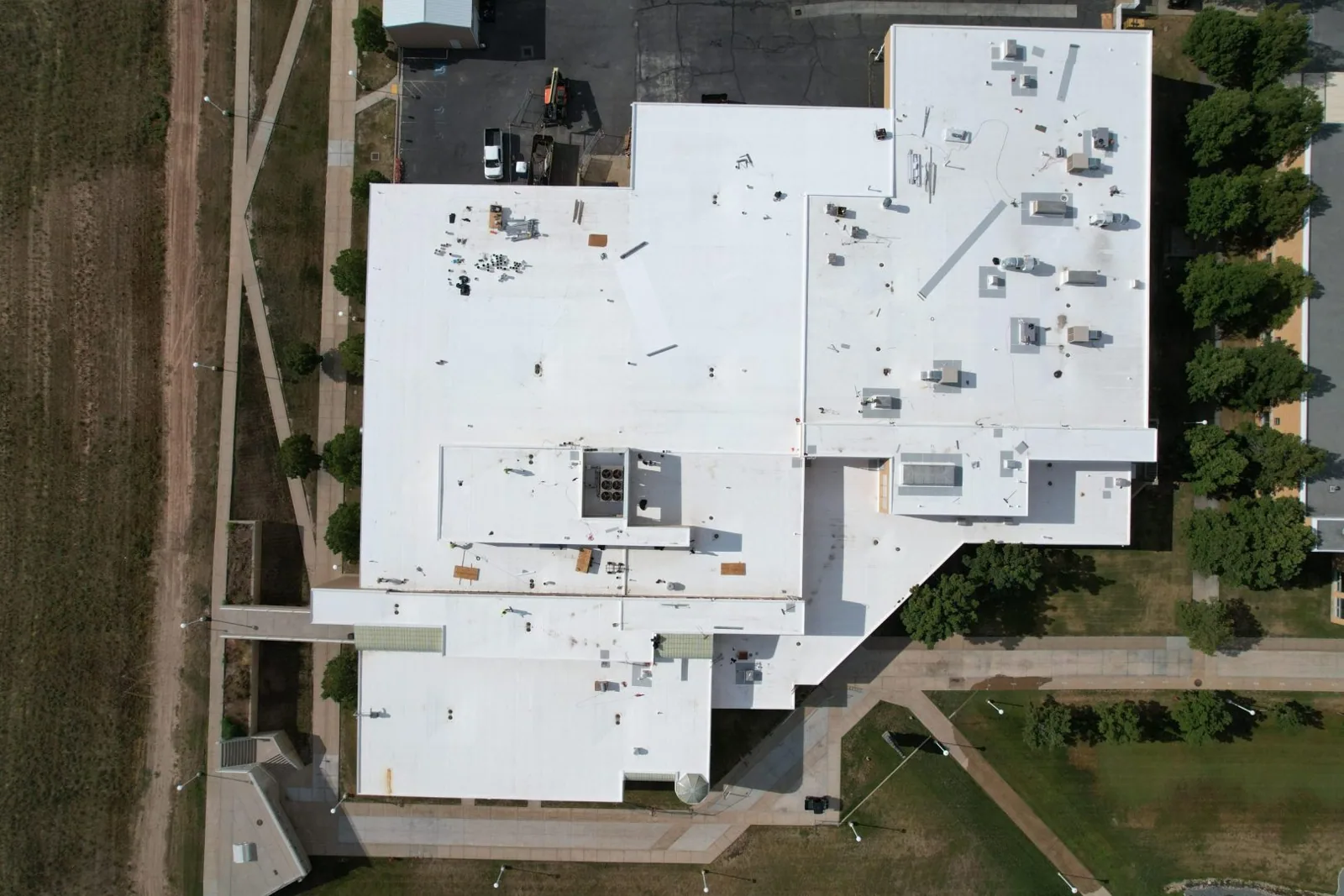
Commercial Roof Capital Planning in Idaho Falls, ID Serving Idaho Falls & Eastern Idaho

Plan Idaho Falls commercial roof budgets with documented condition, timing assumptions, repair alternatives, and property-level replacement priorities.

Roof Capital Planning in Idaho Falls, ID

Roof Capital Planning

A roof budget is more useful when it explains what needs attention, what can wait, and what evidence would change the timing. Idaho Falls has a long winter season that can affect roof access. Set the schedule from the inspected roof condition, required repairs, and current weather window. We inspect the building, record the condition, and separate immediate water control from planned repair, further testing, and replacement. For assets in Downtown Idaho Falls or the Rexburg North Interchange district, each owner still needs a property-specific cost and sequence. A capital plan should make those differences visible rather than assigning one date to every roof.
Roof Capital Planning in Idaho Falls, ID

Start With a Condition Baseline

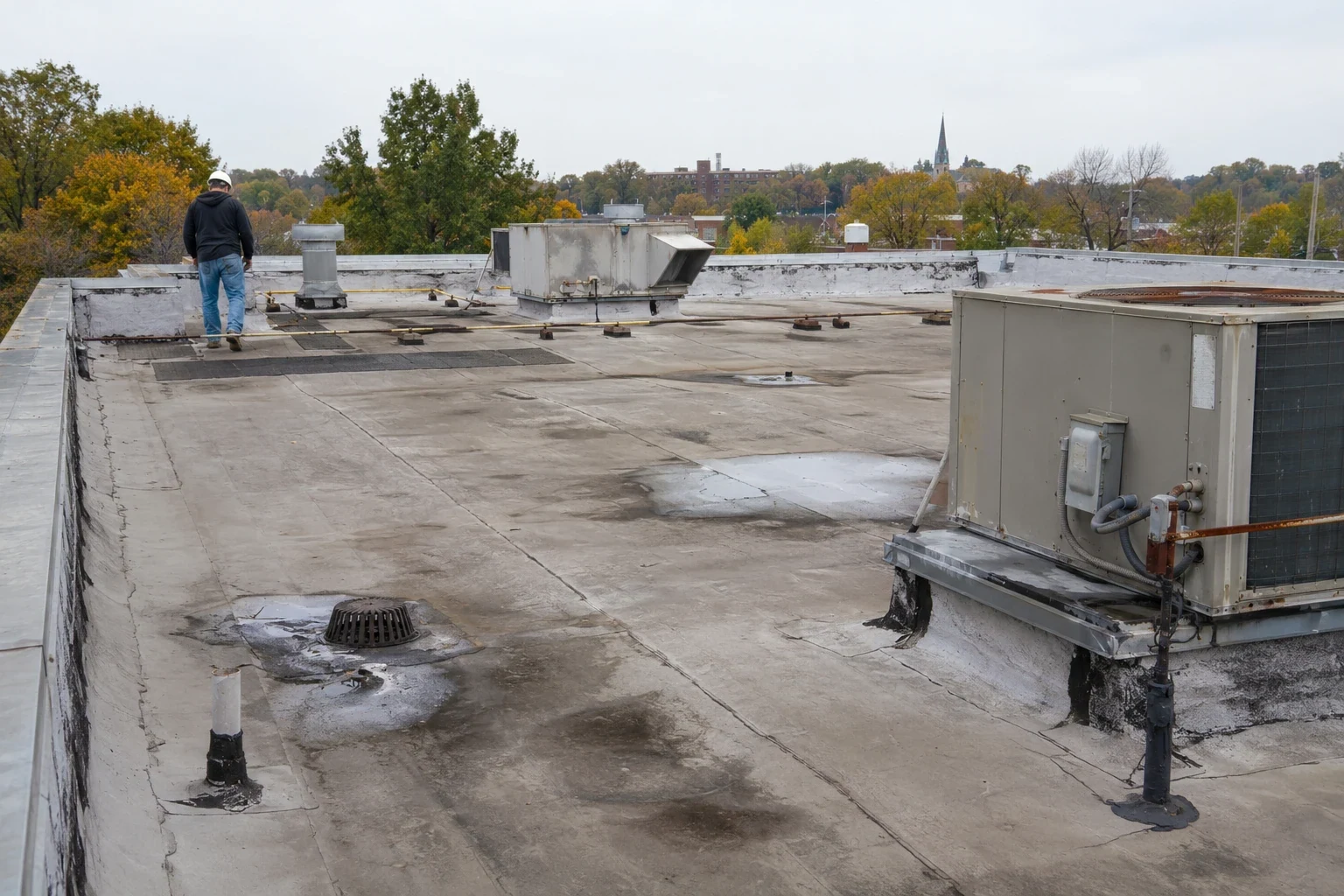
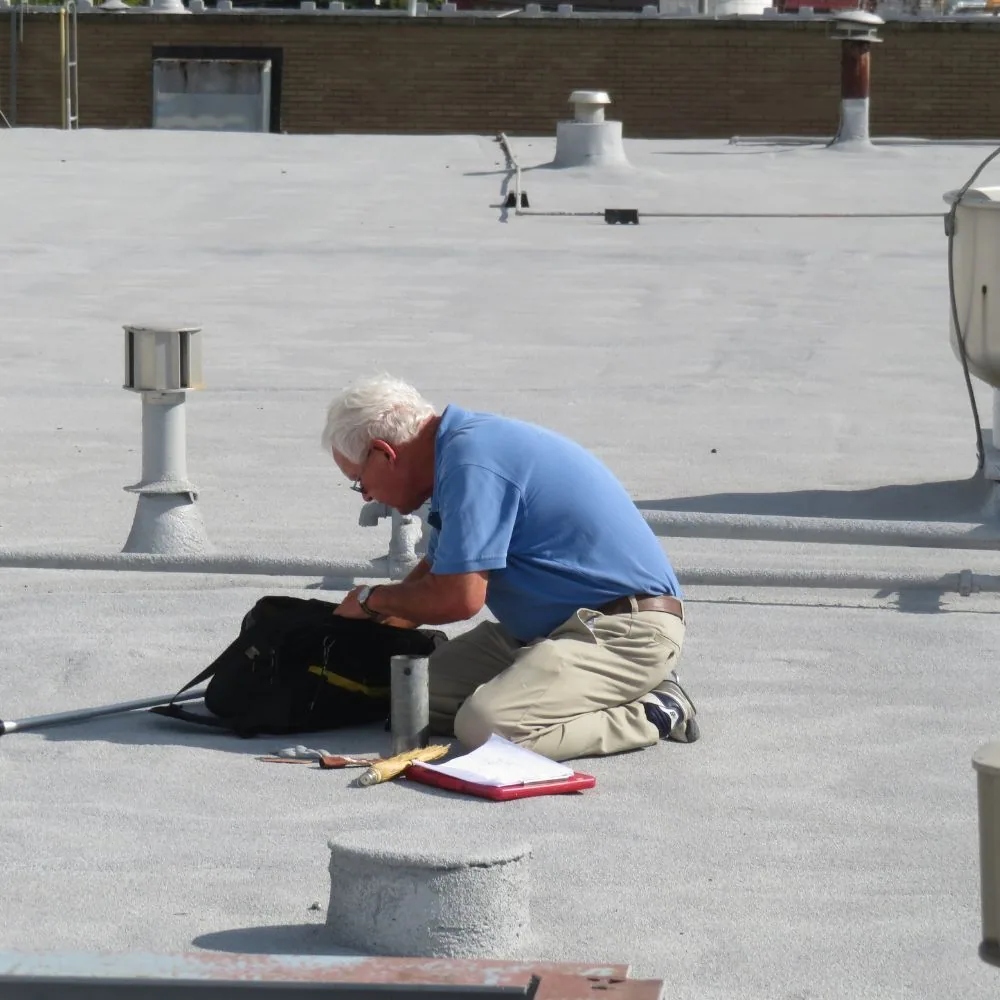
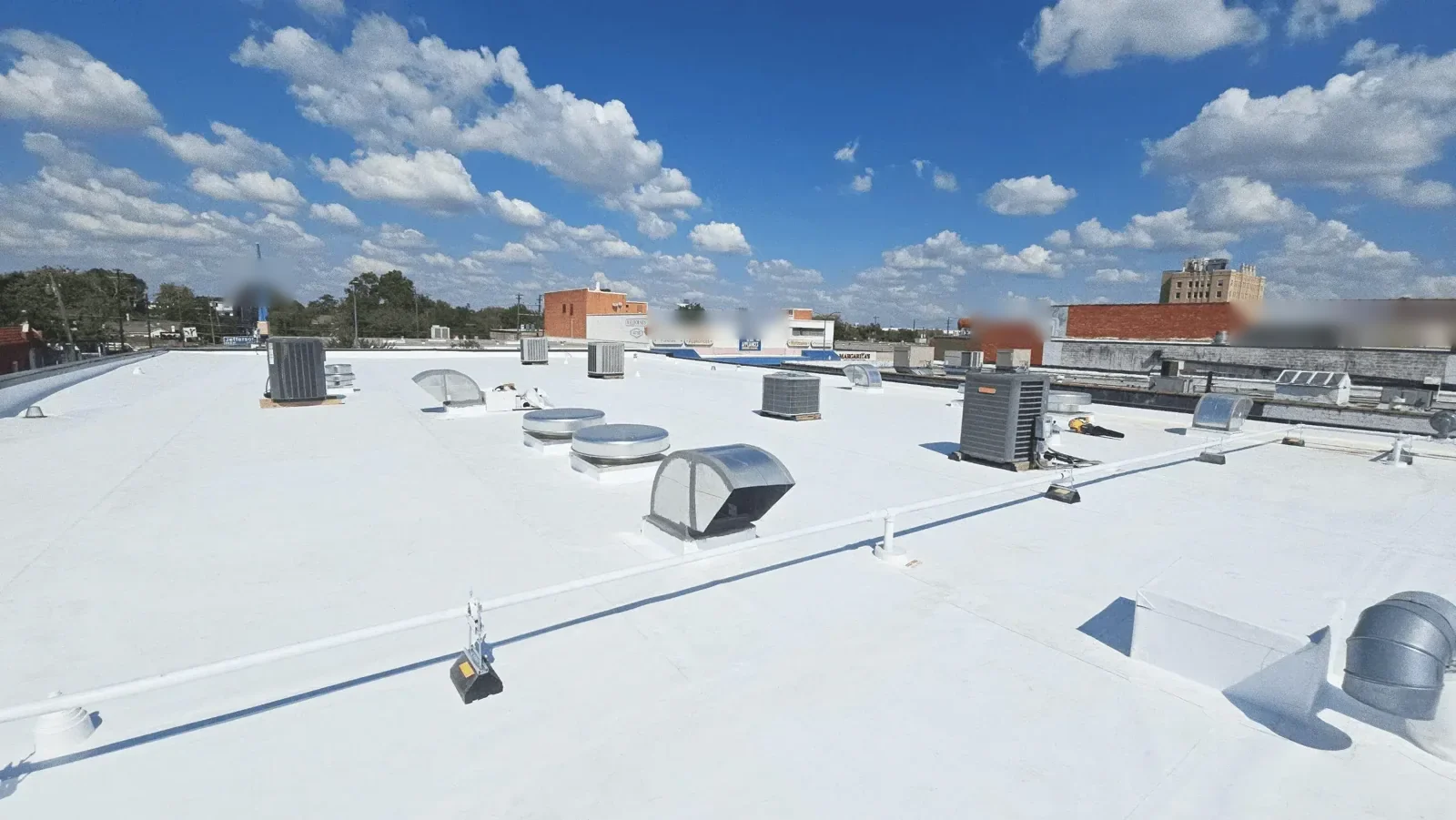
Before setting a budget year, confirm the roof type, visible layers, drainage, penetrations, equipment, repairs, and access limits. We identify which findings are confirmed and which require moisture testing or an opening in the assembly. Age may help frame a review when records exist, but it does not substitute for current condition. The roof inspection gives the owner a documented starting point.

A capital record should state the roof area involved, observed defect, photos, recommendation, and cost assumptions. If the roof has wet insulation or a damaged deck, the budget range can change after selective removal. We call out those conditions before the owner compares alternatives. The condition report can keep findings and follow-up needs in one property record.

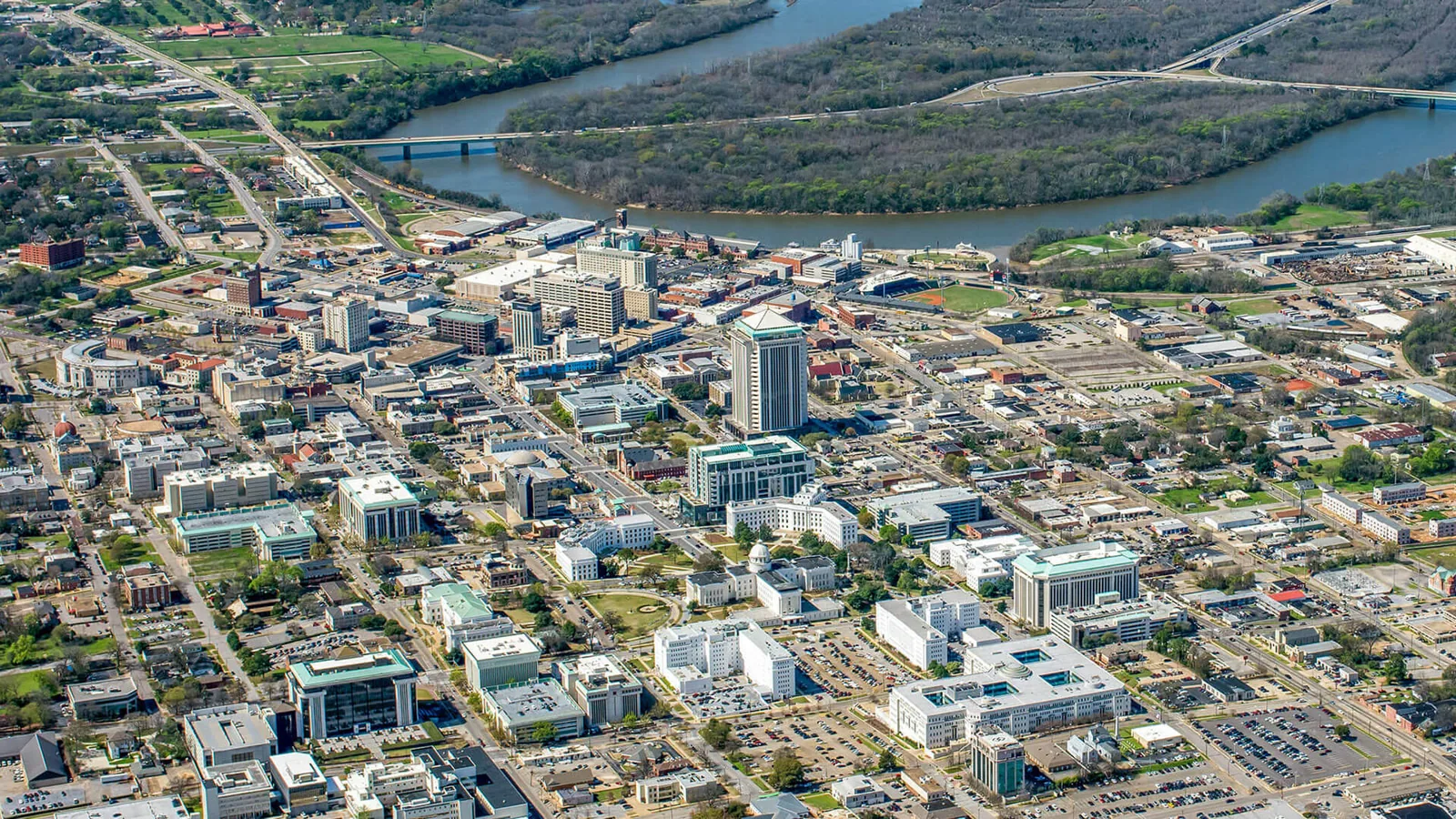
Local settings may affect coordination. Idaho Falls plans Downtown and South Downtown as one connected core, while Snake River Landing is a large mixed-use district with office, dining, residence, and event activity. These district facts can inform access planning, but no district description establishes roof age, construction, or system. We inspect the asset itself and confirm property operating requirements with its manager.

Separate Urgent Work From Budgeted Work

A capital schedule should not hide active water entry inside a future replacement line. We identify temporary protection and permanent repair separately, then show what remaining life or uncertainty applies to the broader roof. An exposed opening over occupied space may need immediate attention even when replacement is years away. A dry area with surface wear may remain a planning item while testing continues elsewhere.

Priorities can account for failure consequence as well as observed condition. A leak above electrical systems, inventory, or a critical operating area may call for a different sequence from an exposed detail in an unused zone. The scope describes the building use and work boundary without assuming one repair solves every roof area. A roof asset record can keep those priorities updated as inspections and repair closeouts are added.

Emergency response is available around the clock, including weekends and holidays, when urgent roof conditions require it. That response can control one event and create a repair record; the capital plan still needs a later review of the assembly and remaining recommendations.

Compare Repair, Recover, and Replacement

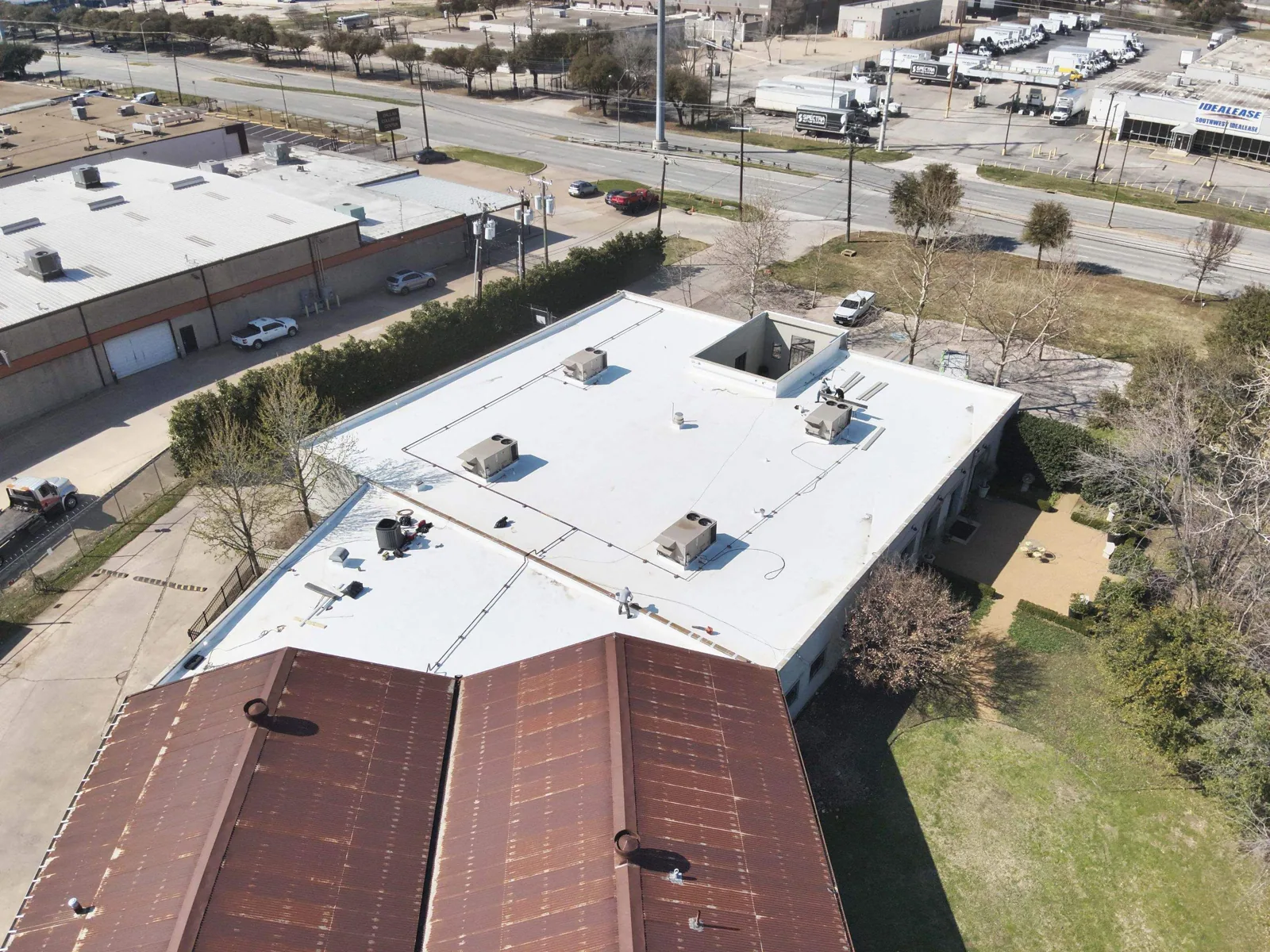
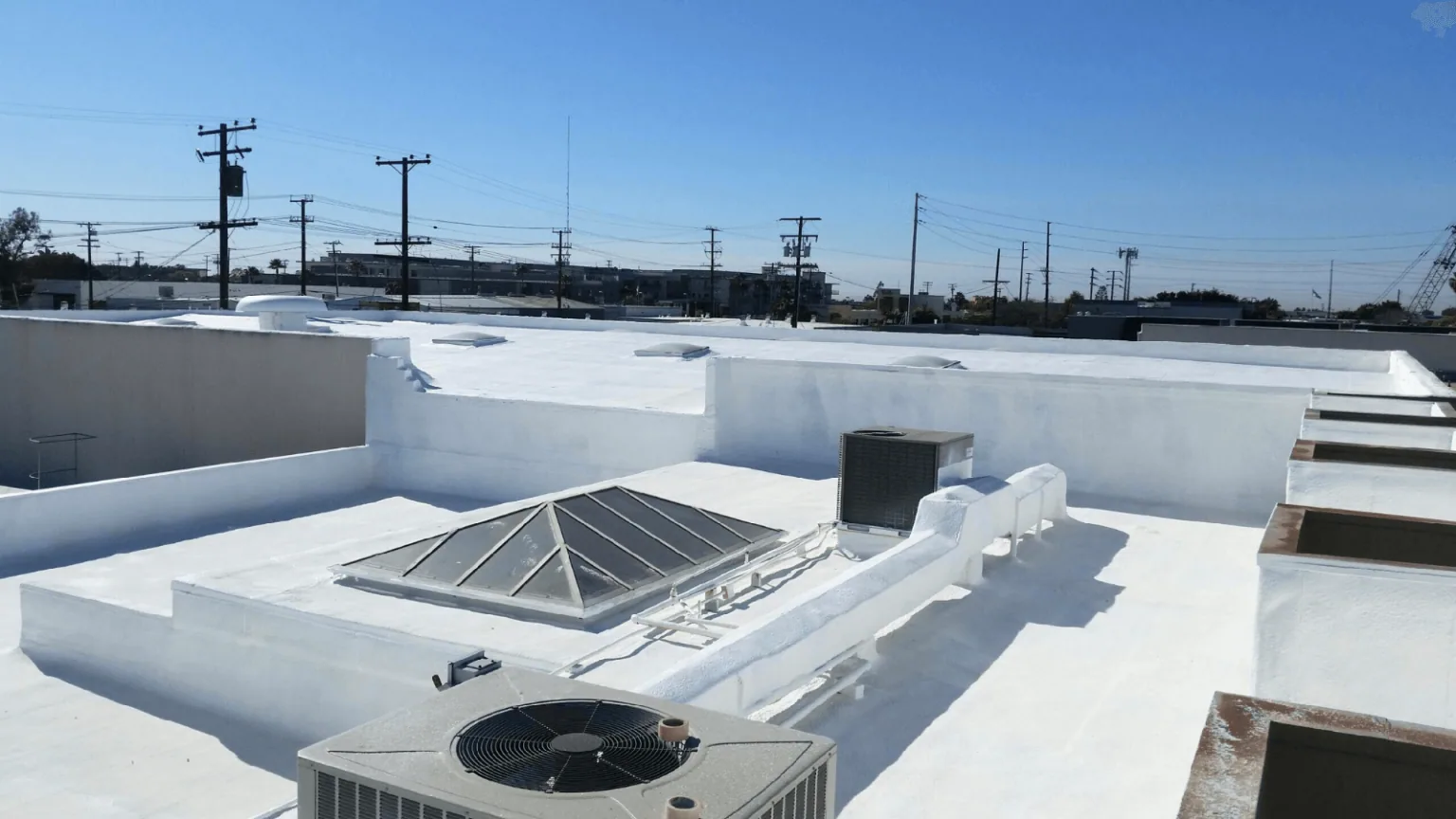
A local repair may be the right use of funds when the failure is isolated and the surrounding material remains attached and dry. A recover can sometimes retain existing layers, but moisture, attachment, deck capacity, drainage, and system compatibility need review first. Replacement removes more material and can address wider assembly conditions, but carries greater access and operational demands. We describe the evidence behind each alternative and list what must be verified before a final decision.

Cost changes with tear-off depth, substrate repair, insulation, edge metal, equipment movement, access, and disposal. Timing also depends on material availability, weather window, tenant coordination, and whether operations can accommodate phased work. The recover evaluation and replacement scope can give the owner distinct options when condition supports both. We keep assumptions visible so a proposal does not present an unverified assembly as a fixed quantity.

For a property in the Idaho Falls Warehouse District, the schedule may need to account for deliveries or storefront activity. The site team confirms actual access and staging. A capital calendar groups work only after those property constraints have been reviewed.

Use Local Conditions as Planning Context

Idaho Falls averages 26.5 days per year with maximum temperatures of at least 90 degrees. The number helps explain why some summer roof work needs attention to surface conditions and product installation limits. Idaho Falls averages also show measurable precipitation on 84.3 days annually. Neither figure predicts a particular project week. We use the current forecast, roof temperature, and manufacturer instructions to set when each area can be opened and closed.

A plan can list a target budget year with the condition that would move the work earlier: recurring leaks, additional wet insulation, failed attachment, or damage to a perimeter detail. It can also identify what evidence would support deferral, such as a stable repair and dry surrounding assembly. This makes the annual review a decision point rather than a calendar-only exercise.

The Downtown Idaho Falls service area is a broad commercial location, not a uniform building type. Each site’s roof condition and operating schedule remain separate inputs to the sequence.

Keep Assumptions Current

Capital recommendations should be updated after a repair, renovation, equipment installation, or new inspection. A rooftop unit can change drainage, access, and flashing conditions. A patch can resolve one leak without changing the remaining roof risk. We revise the affected area and leave unrelated findings in place so the owner can see what changed.

For multi-property owners, a shared format helps compare costs and priorities while preserving each roof’s specific history. The multi-site roof program can combine property schedules, repair status, photos, and next decisions. The facilities team can then assign an annual budget without treating a single roof estimate as a portfolio price.

Every recommendation should say what is known, what remains uncertain, and what step will reduce that uncertainty. We identify whether the next action is a repair, moisture check, test cut, design review, or replacement proposal. That gives ownership enough detail to approve a useful next step without asking a reserve number to stand in for an inspection.

A capital worksheet should also name the decision owner, the next inspection or test, and the condition that would change the planned year. Keep those triggers beside the estimate rather than buried in a note. At the next review, the manager can compare the updated roof evidence with the original budget basis.

Questions About Roof Capital Planning

Use current assembly condition, repair history, moisture, attachment, drainage, operating consequence, and the findings from any testing. We state the evidence and what could move the timing earlier, then separate replacement planning from immediate water control.

Yes, with clear assumptions. We identify visible conditions and list concealed items that could change quantities or price if a test opening confirms them. The owner can use a planning range while deciding whether further investigation is worth completing first.

No. Local climate helps frame access and work windows, while inspection shows the condition of the actual roof. We use current conditions and product requirements to plan installation and identify materials that need attention.

Compare active water, substrate and moisture findings, repair frequency, building consequence, access, and cost drivers. A common report format supports sorting, but each property keeps its own condition basis and scope.

We update the record with the repaired area, materials, photos, and remaining observations. That may close one budget item while leaving other roof findings unchanged. The next capital review uses the updated condition rather than the earlier estimate alone.

ServicesRoof SystemsIndustriesProperty TypesService AreasDamage RepairCapabilitiesManufacturersContactAboutRequest a Roof Assessment555-555-5555
Call us today555-555-5555