Commercial Rooftop Equipment Curb and Support Repair in Idaho Falls, ID Serving Idaho Falls & Eastern Idaho

Inspect rooftop equipment curbs, pipe supports, and unit bases in Idaho Falls with checks for attachment, flashing, drainage, and membrane movement.

Rooftop Equipment Curb and Support Repair in Idaho Falls, ID

Rooftop Equipment Curb and Support Repair

Summer heat and winter freezing put pressure on rooftop equipment details in Idaho Falls. Idaho Falls averages show a July mean high of 86.6 degrees and 182.2 freezing-minimum days. Curbs, pipe supports, and service paths interrupt the membrane, so loose attachment or a weak flashing corner can become a water path. We inspect each connection before equipment work proceeds. Check curb height and equipment service clearances.

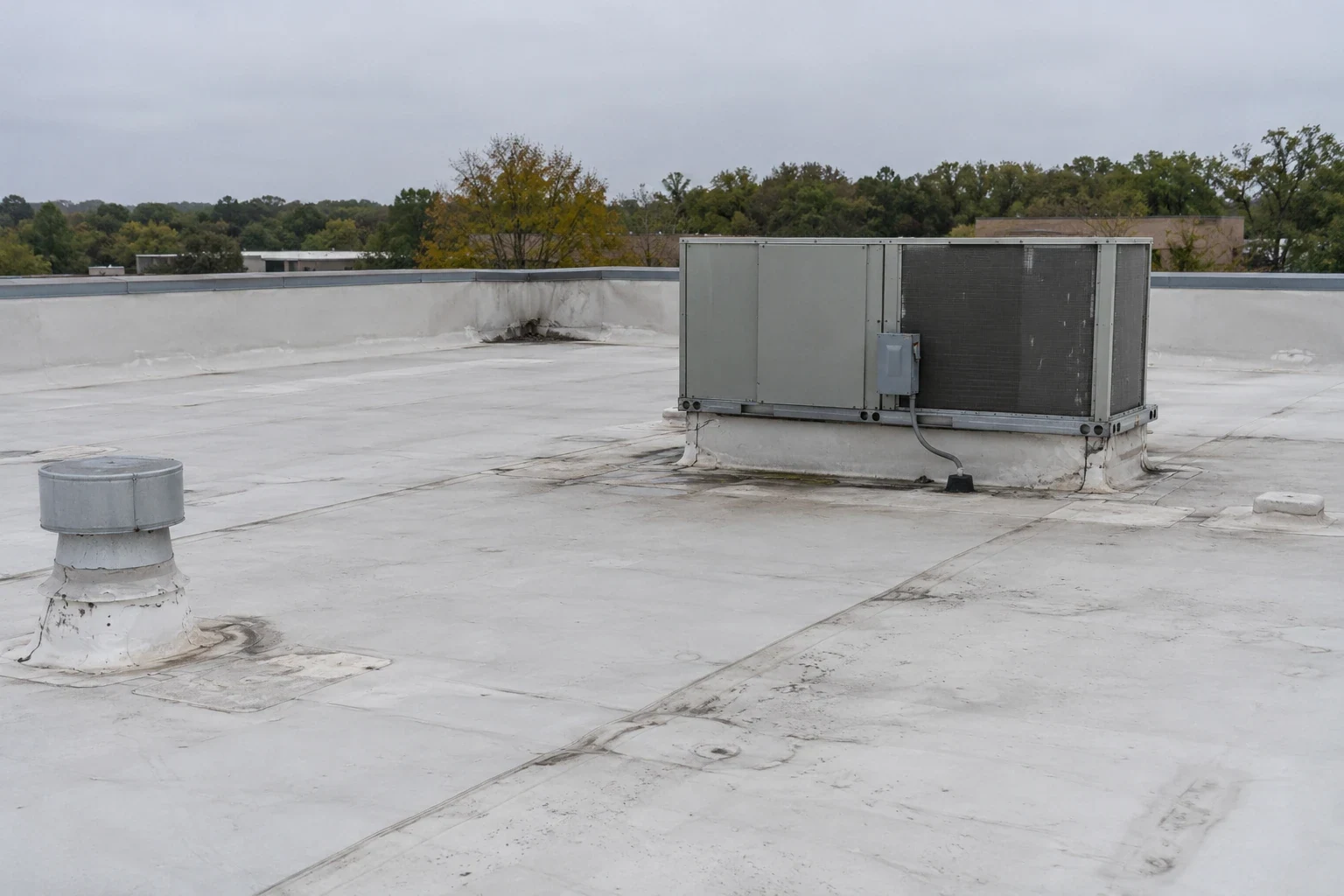
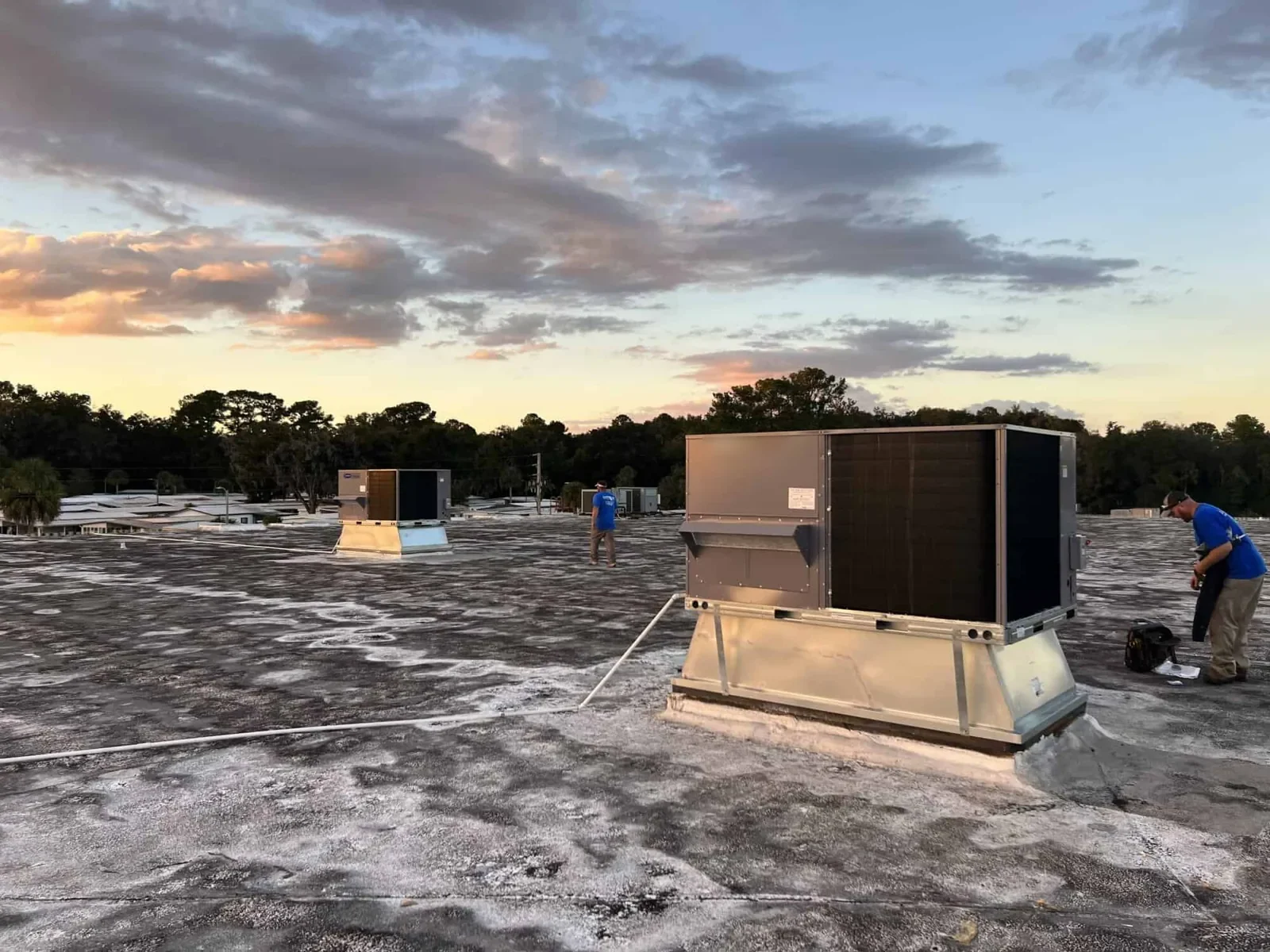
Our review starts with the support and the roof around it. We check curb seams, fasteners, flashing, membrane attachment, pipe penetrations, equipment vibration, drainage, and signs of prior service traffic. The unit itself may need HVAC service, but the roof tie-in is our concern. College of Eastern Idaho includes mechanical, laboratory, technical, and industry/trades buildings; Idaho Falls also supports manufacturing, processing, warehousing, and distribution activity. Those building contexts may involve different unit access and shutdown coordination; the roof plan follows the conditions at the actual property.
Rooftop Equipment Curb and Support Repair in Idaho Falls, ID

Check the Curb and Its Membrane Tie-In

A curb needs a stable surface for flashing. We inspect corners, cap, joints, and deck attachment for movement or a gap behind the membrane. If the base is loose or deteriorated, sealant on top will not correct it. We identify what can stay, what needs removal, and whether the equipment requires support before rebuilding the roof detail.

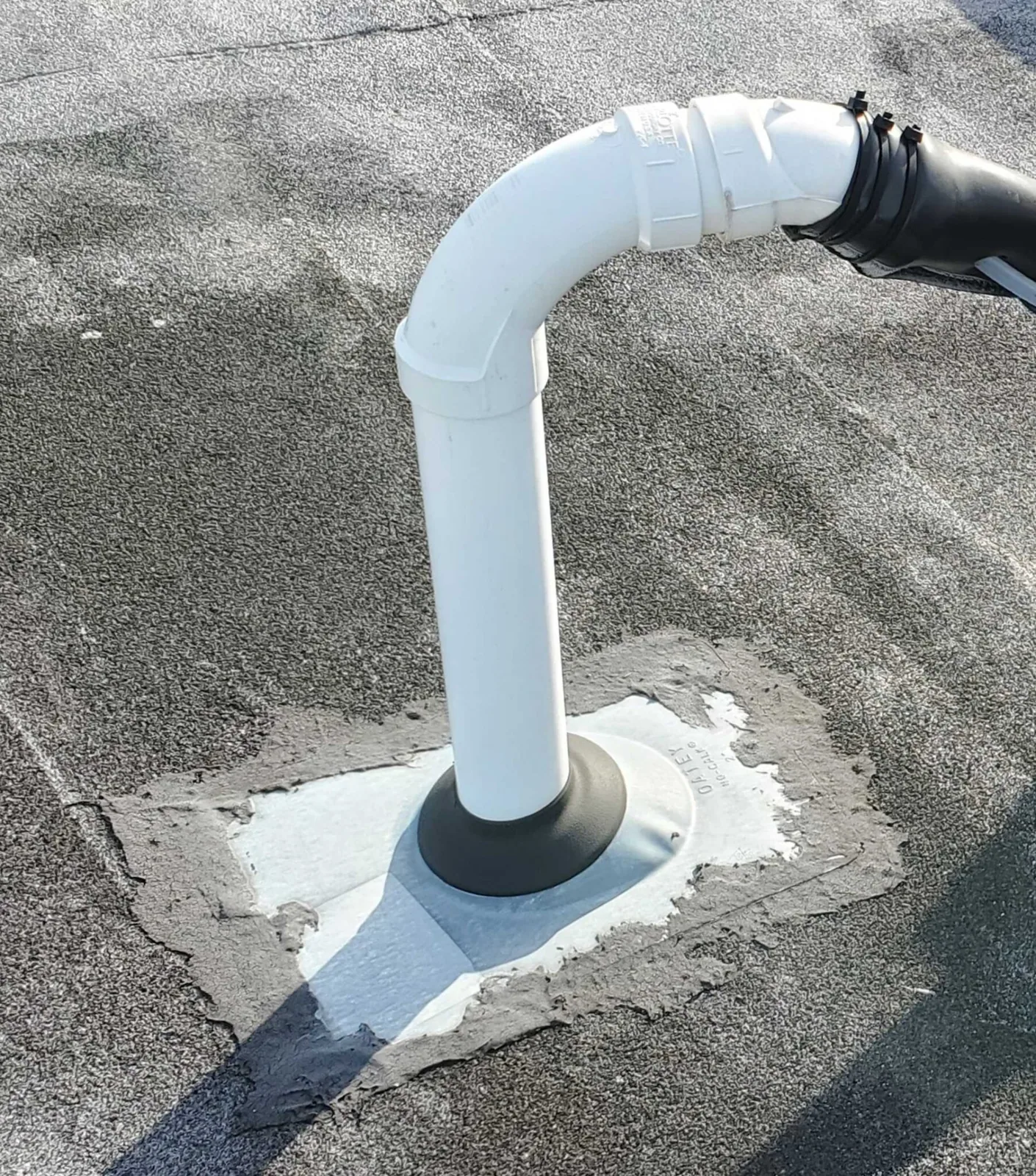
Pipe supports and conduit legs can abrade a membrane when equipment shifts or service work takes place. We inspect stability, protective boots, flashing, and surrounding wear. Nearby drains matter because a curb can hold water against a seam. Our drainage work can be coordinated with curb repair. We mark which equipment belongs to another trade before the roof is opened.

Coordinate the Roof and Equipment Work

Replacing or moving a rooftop unit can disturb flashing, membrane, and insulation. We coordinate with the mechanical contractor and facility contact to confirm lift access, shutdown windows, equipment weight and placement plans, and when the roof can be closed. We do not assume the unit can be moved without a mechanical plan. The roofing scope describes removal and restoration of the membrane tie-in, while the equipment contractor handles its equipment work. This separation gives the owner a clear sequence and a decision point if concealed deck or curb damage appears.

At the Idaho Falls Warehouse District, the district includes storefronts and light-industrial uses. A repair in an active warehouse or business needs a safe material route and coordination around deliveries. In downtown or at a classroom building, pedestrian access and sensitive rooms below may matter more. We confirm roof access, keep staging out of critical paths, and plan temporary dry-in so equipment service does not leave an open transition overnight.

Use a Compatible Roof Detail

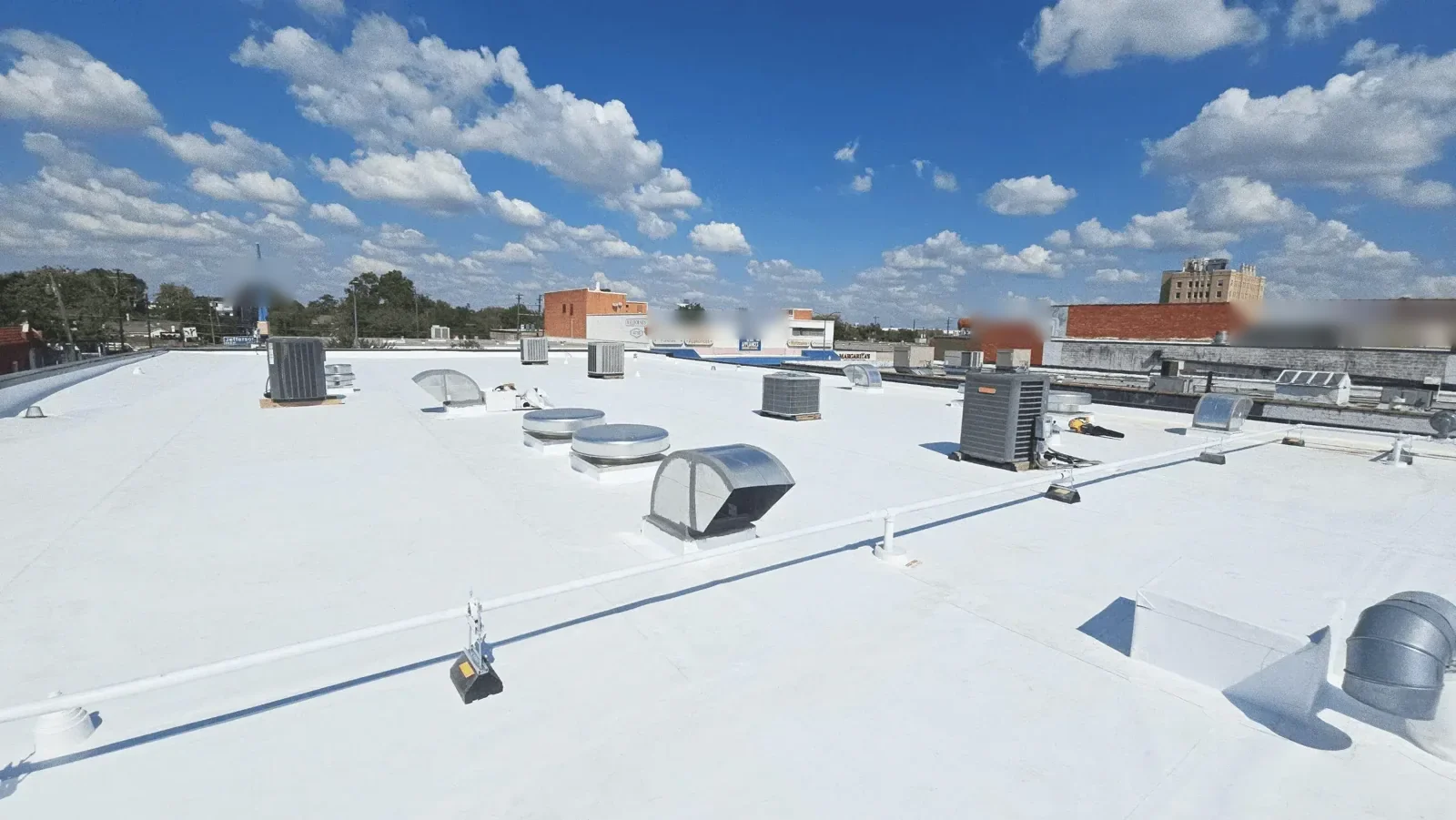
Flashing materials and joining methods depend on the roof assembly. A thermoplastic membrane may be welded to compatible flashing sheet; EPDM and modified bitumen use different seam and curb details. Coating systems require a prepared substrate and compatible reinforcement. We identify the existing material, test or review it where needed, then specify how the field membrane turns up the curb and terminates under its cap. If the equipment base cannot support a proper flashing height, we explain the limit and discuss what curb modification the project requires.

The written scope should identify equipment and pipe locations, curb dimensions, repair limits, material, preparation, attachment, and how the field membrane is restored. It should also state whether insulation or deck work is included. A TPO curb tie-in and an EPDM pipe support detail are not interchangeable. We record the roof system and connect the proposed material to that system. We identify the membrane and flashing materials, check surface condition, and select a compatible tie-in before sealing the curb.

Account for Temperature and Drainage

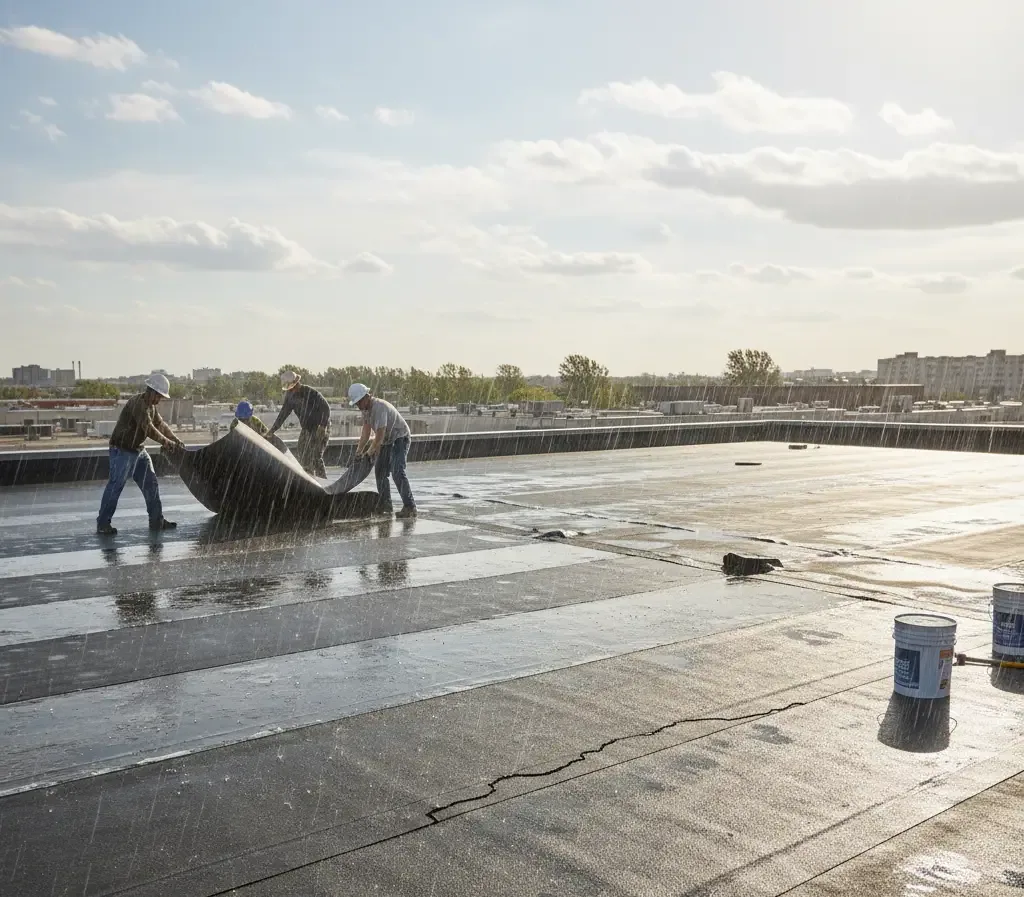
Idaho Falls averages show 26.5 days a year with maximum readings at or above 90 degrees, as well as 14.7 days with minimums at or below zero. Those extremes describe Idaho Falls, not a unit curb's surface temperature, but they make seasonal material limits part of the repair plan. Snow can hide flashing at a curb base, and thaw can send water toward a weak penetration. We inspect the actual detail and plan work for suitable access and installation conditions rather than relying on a seasonal average.

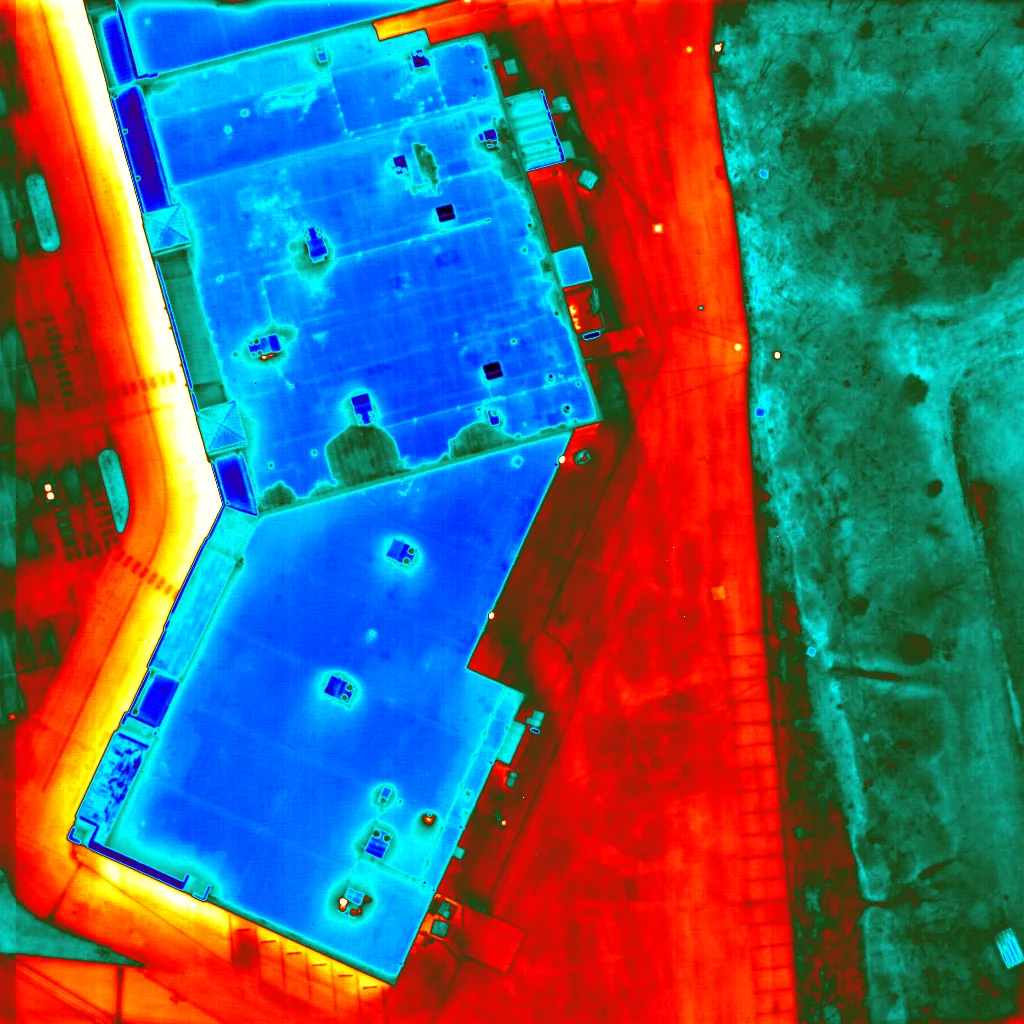
Snake River Landing has offices, dining, housing, and event venues, so tenant schedules can shape access and equipment shutdowns. We keep a temporary water-control plan for each roof section and check nearby drains before disturbing the membrane. If moisture appears beyond the curb, an infrared and core-cut survey can help define the affected area. The test record distinguishes suspected moisture from material confirmed at a cut.

Set the Repair Boundary

Cost depends on curb size, number of penetrations, membrane type, equipment access, support stability, insulation, and whether the mechanical unit must be moved. A small flashing repair differs from rebuilding a deteriorated curb or replacing wet insulation underneath it. We itemize those conditions and identify what requires approval if discovered after opening. The manager can compare the defined base scope with alternatives without mixing roofing and mechanical work into one unclear allowance.

Timing follows coordination with the equipment contractor, weather, access, and any testing. If the unit remains in service, we plan a sequence that protects its operation while allowing proper roof access. If a shutdown is required, the owner can confirm the window before material is removed. A hands-on roof inspection can record related curbs and penetrations across the building, and a building phasing plan can coordinate broader reroofing around active equipment.

Keep Equipment Details in the Roof Record

After repair, the record identifies each curb or pipe support, the observed issue, materials used, photographs, and any condition left for monitoring. We note where another trade changed a support or equipment location so a future leak can be compared with the work history. If the repair is part of a larger reroof, marked locations help the project team preserve flashing continuity when new equipment is installed. This record gives facility staff a clear reference before the next HVAC service call.

Planned maintenance can revisit flashing edges, support pads, nearby seams, and drainage after service work. A maintenance visit can document loose details before they become an interior water issue. College of Eastern Idaho's education, lab, and industry/trades buildings show why equipment access and work schedules differ by facility; the inspection plan remains specific to each roof.

Questions About Rooftop Equipment Curb and Support Repair

Moving a unit can disturb curb flashing, membrane, or insulation, so the roof tie-in should be inspected and restored as part of the equipment sequence. We coordinate with the mechanical contractor to define who moves the unit and who rebuilds the roof detail. The scope records shutdown, access, and temporary protection needs before work begins.

A support can shift, rub against the membrane, or have a boot that has split or separated. Water may also be held nearby by a curb or drain path. We inspect the support, flashing, attachment, and adjacent field, then document whether a localized repair or broader moisture check is needed.

Not always. Existing curb height, membrane build-up, flashing termination, and equipment clearance determine whether a change is needed. We measure the actual conditions and identify a curb modification if a reliable tie-in cannot be made with the proposed assembly. That decision belongs in the reroof scope before equipment work is scheduled.

We coordinate when the unit is lifted, inspect the exposed curb and deck, and prepare a compatible tie-in before the area is left unprotected. The work sequence states how temporary water control will be maintained if roofing and mechanical work happen on different days. Any concealed damage is photographed and presented for approval.

Yes, when the membrane and adjacent assembly remain sound and the support can be stabilized without leaving a weak detail. We inspect attachment, flashing, and moisture around the base. Widespread deterioration or wet insulation can require a larger repair, which we explain before recommending a localized patch.

ServicesRoof SystemsIndustriesProperty TypesService AreasDamage RepairCapabilitiesManufacturersContactAboutRequest a Roof Assessment555-555-5555
Call us today555-555-5555