Military Installation Roofing in Idaho Falls, ID Serving Idaho Falls & Eastern Idaho

Plan military roofing in Idaho Falls with documented roof conditions, access coordination, UFC criteria review, and work sequencing around facility operations.

Military Installation Roofing in Idaho Falls, ID

Military Installation Roofing

Idaho Falls winter conditions make access, temporary protection, and material timing part of a military roof scope. The local climate includes an extended freeze cycle that can affect safe access to exposed roof details. At each installation, we check the current forecast, roof surface, and access conditions before setting the work window. We document the roof assembly, identify water-control needs, and build the work sequence around facility access, security requirements, and mission schedules that the installation contact provides.

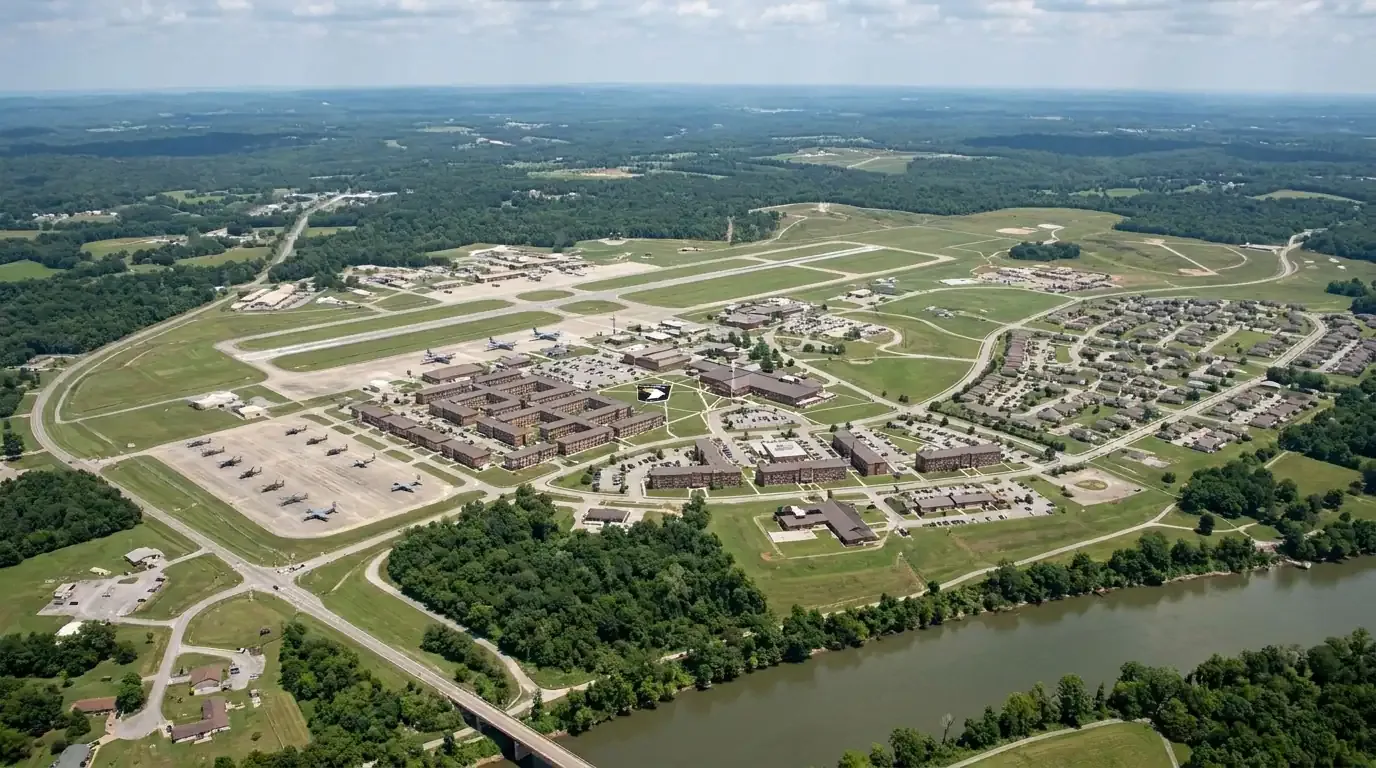
The Idaho Military Division lists an Idaho Falls Readiness Center and identifies Idaho Falls Armory as a Guard event venue. Its facility guidance describes Army National Guard readiness centers as state-owned and operated primarily for Guard use. We do not infer the roof system or condition from a facility name. The project starts with the specific building, approved access path, and scope requirements. Nearby Rigby and Rexburg also have listed readiness centers, which underscores that each site needs its own access and coordination plan.
Military Installation Roofing in Idaho Falls, ID

Confirm Access Before Mobilization

Work at a controlled installation requires the roofing plan to fit its entry rules. The project team should establish badging, escort requirements, vehicle screening, material inspection, tool control, photography restrictions, and approved hours before delivery. We coordinate the roof scope with the authorized facility contact and identify who can approve access changes. No crew should assume a gate, rooftop route, or staging location is available until the installation confirms it.

Security steps affect schedule and material handling. Deliveries may need advance rosters, limited tools, designated routes, or an escort from entry to the work area. We prepare a crew and equipment list for the approved process and plan how debris leaves the site. If an access restriction changes, we record its effect on the work sequence rather than leave material or an open roof waiting for an unapproved route. The estimate should state known access assumptions and identify the agency or prime contractor decisions that remain pending.

Read the Roof Against the Project Criteria

Military roofing specifications may invoke the Unified Facilities Criteria, including UFC requirements for roofing, as well as project drawings, submittals, and agency standards. We review the applicable criteria in the contract documents and identify the assembly, attachment, fire, drainage, and edge details they require. The project-specific documents govern. A general reference to UFC is not a substitute for reading the stated edition, amendments, drawings, and submittal requirements for that job.

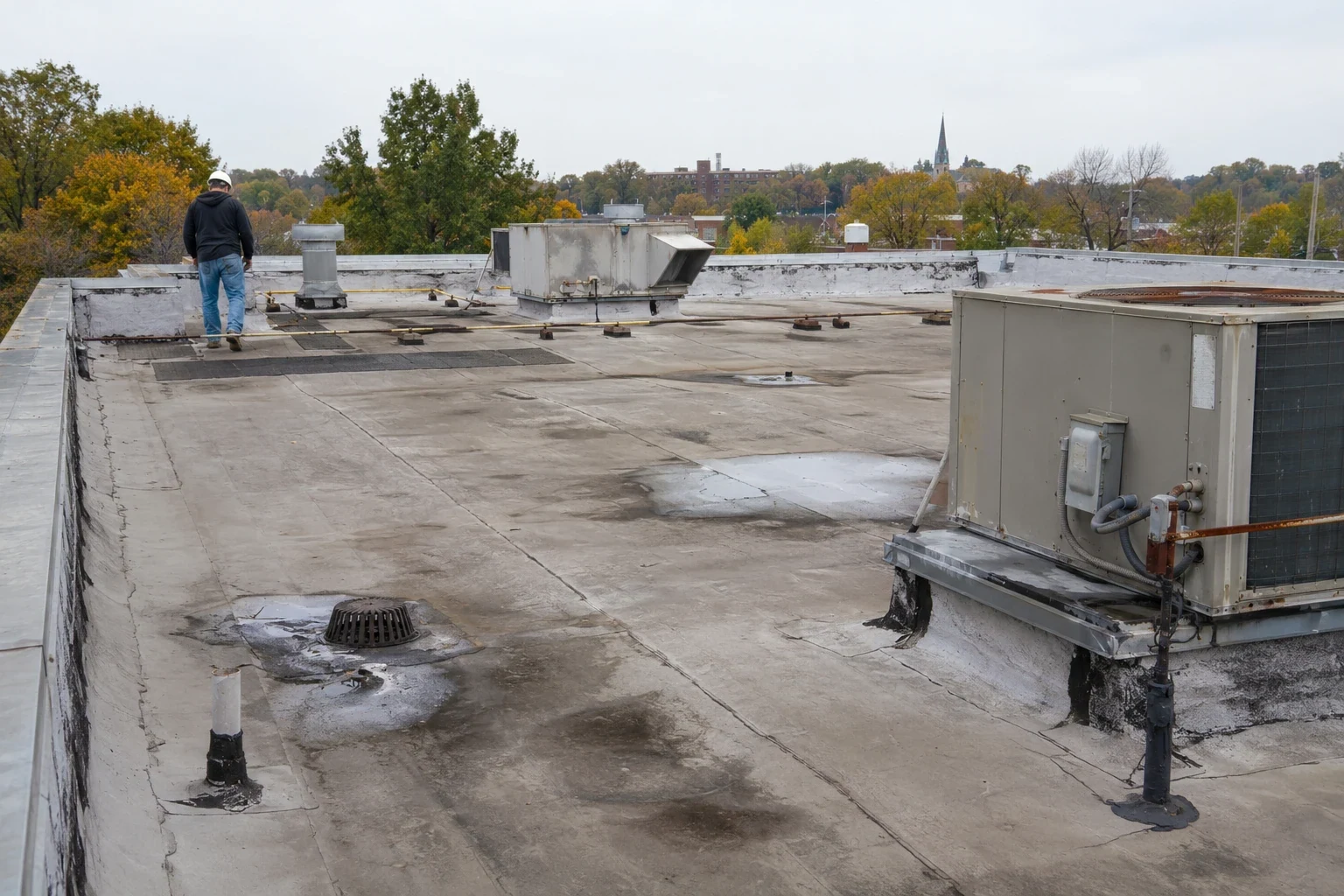
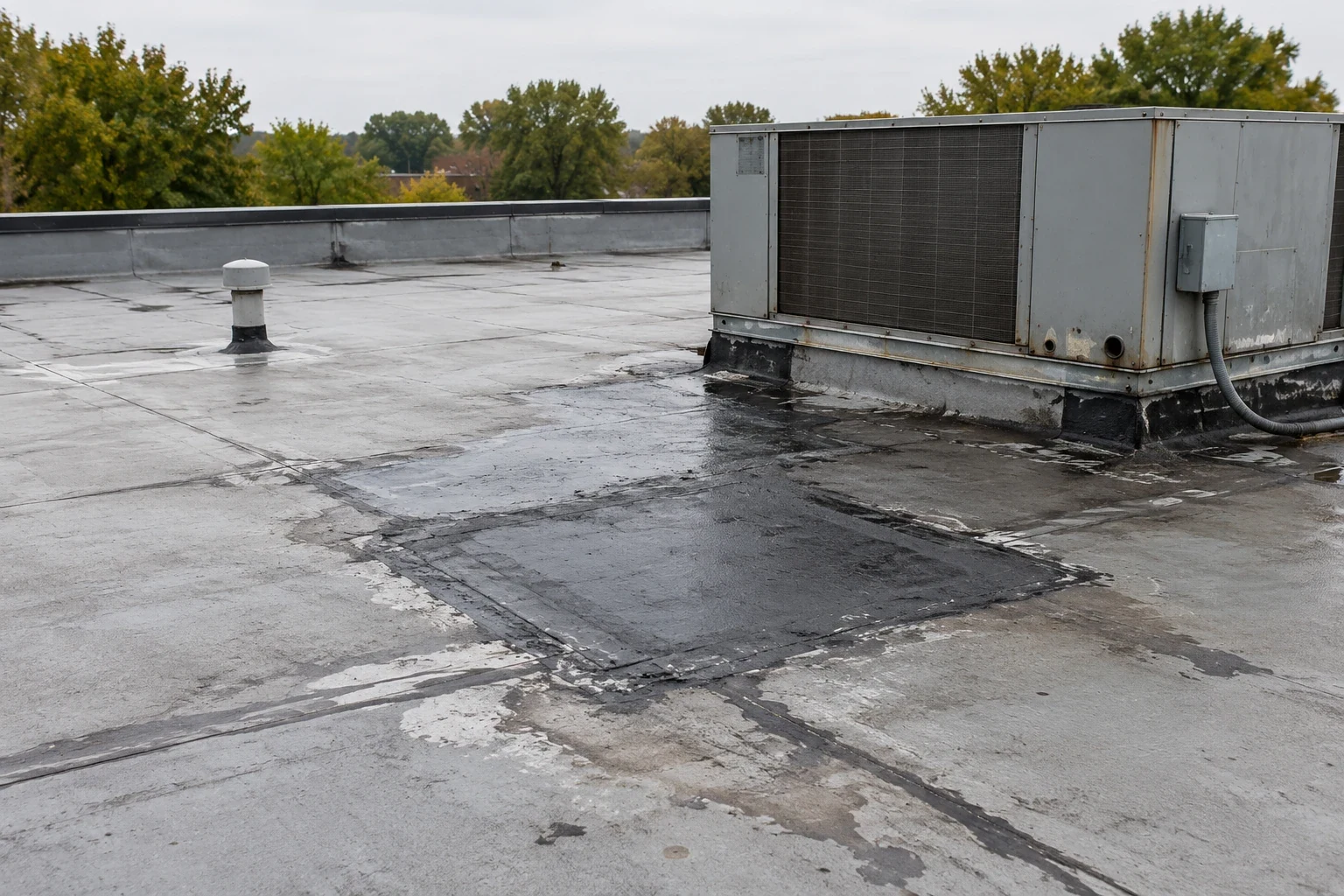
The roof inspection documents membrane or metal type, existing layers, seams, flashing, penetrations, drains, edge conditions, and access limits. We note any moisture tests, core cuts, or deck openings and restore them with compatible materials. A hands-on condition inspection can establish the visible baseline, while a photo report records locations and repair recommendations. If the procurement requires specific formats, test reports, safety plans, or submittals, those deliverables should be listed before work begins.

Keep Water Control and Mission Needs Aligned

Occupied readiness facilities can have scheduled training, equipment storage, administrative activity, or emergency-response functions. The Idaho Army National Guard states its mission includes combat readiness and domestic emergency response. We coordinate with the installation to identify mission-sensitive areas and avoid making assumptions about when a building can be interrupted. The work plan should list no-access zones, operating periods, equipment that must remain available, and the person responsible for approving a shutdown or schedule shift.

Each day's roofing work should protect the building before the crew leaves. We limit tear-off to an area that can be prepared and dried in under the approved weather and access conditions, then document the temporary termination. Idaho Falls experiences long freezing periods, so a weather hold can affect when a roof can be safely reopened. If concealed wet insulation or deck damage appears, we photograph it and request direction before changing the scope. Our occupied-building sequence can organize phases and protection for a facility that remains in use.

Specify the Roof and Its Interfaces

Military roofs still rely on sound field seams, penetrations, curbs, drains, parapets, and edge attachment. The selected membrane or metal system must match project criteria and the existing substrate. We identify insulation, cover board, attachment, flashing, and termination requirements, then coordinate openings with mechanical or electrical work. If equipment has to move, the schedule names which trade handles the unit and which scope restores the roof membrane. A field patch cannot resolve a weak curb or support below it.

Drainage and roof access affect future maintenance. We mark scuppers, internal drains, overflow paths, roof hatches, and planned service routes so new assemblies do not block them. Where a drain connection or penetration needs correction, the work appears as a separate scope item. A drainage repair can be coordinated with insulation and cover-board work when both are in the project. The written closeout should identify tests, photos, accepted materials, and any remaining condition for the facility record.

Plan Deliveries, Safety, and Closeout

Access planning covers laydown, lifting, vehicle routes, barricades, fall protection, hot-work controls, debris, and emergency routes. The contract may require briefings, escorts, and safety documents. We follow the approved process and record restrictions that affect production; installation leadership controls access and mission operations.

Closeout packages can include photographs, test results, material data, field changes, inspection notes, and a map of completed areas, according to the contract requirements. We distinguish installed work from open items and identify any temporary protection still in place. If the project requires warranty documents or government forms, the submittal list should name them and define who reviews each item. A roof documentation file supports clear condition records, and Idaho Falls service coordination helps locate the market context without exposing protected site details.

Set a Scope the Team Can Schedule

Cost and duration depend on roof size and condition, system, security procedures, material screening, escort availability, testing, and the number of phased areas. A straightforward repair and a full reroof may require different submittals, equipment, staging, or access approval. We identify these drivers in the estimate and separate base work from alternates for concealed damage. The contracting authority can then compare the technical scope with the installation's schedule and access constraints.

Before mobilization, confirm procurement documents, site access, required insurance, and project contacts. The proposal defines the roof work and coordinates under the terms established for that project. Closeout leaves the facility manager with repair locations, photos, and any remaining decisions.

Questions About Military Installation Roofing

The project team should confirm badging, escort rules, vehicle entry, tool and material screening, photography restrictions, work hours, safety plans, and staging locations. We coordinate our crew and equipment list with the authorized contact. The installation's rules govern access, and the roof sequence should reflect them before mobilization.

We review the Unified Facilities Criteria and project documents identified for the job, then build the scope around their stated assembly and submittal requirements. The governing edition, amendments, drawings, and contract provisions must be confirmed for each project. A general UFC reference does not replace that review.

The installation determines operating limits and any mission-sensitive periods. We coordinate phases, access, noise, equipment shutdowns, and daily dry-in with the facility contact. The work plan identifies areas that must remain open and who can approve a change in the sequence.

The Idaho Military Division lists an Idaho Falls Readiness Center and identifies an Idaho Falls Armory event venue. Its facility guide also lists readiness centers in Rigby, Rexburg, Blackfoot, St. Anthony, and Pocatello. A project scope still needs to verify the exact site, building, access, and roof conditions through the authorized project documents.

We can organize photos, test results, repair locations, material records, and remaining items in the closeout format required by the contract. The submittal list should state required forms and reviewers. We identify what work is complete and what requires follow-up, then deliver the record through the approved project channel.

ServicesRoof SystemsIndustriesProperty TypesService AreasDamage RepairCapabilitiesManufacturersContactAboutRequest a Roof Assessment555-555-5555
Call us today555-555-5555