Commercial Roof Insurance Claim Assistance in Idaho Falls, ID Serving Idaho Falls & Eastern Idaho

Organize an Idaho Falls commercial roof claim with dated photos, condition findings, repair scopes, and separate records for temporary and permanent work.

Roof Insurance Claim Assistance in Idaho Falls, ID

Roof Insurance Claim Assistance

Idaho Falls has a 44.2-degree annual temperature mean and 10.07 inches of annual precipitation in the long-term Idaho Falls climate averages. When a building reports a roof event, we inspect the assembly, photograph observed conditions, and write a repair scope that distinguishes current damage from existing defects where the evidence allows. The building owner remains responsible for claim notice and coverage decisions.

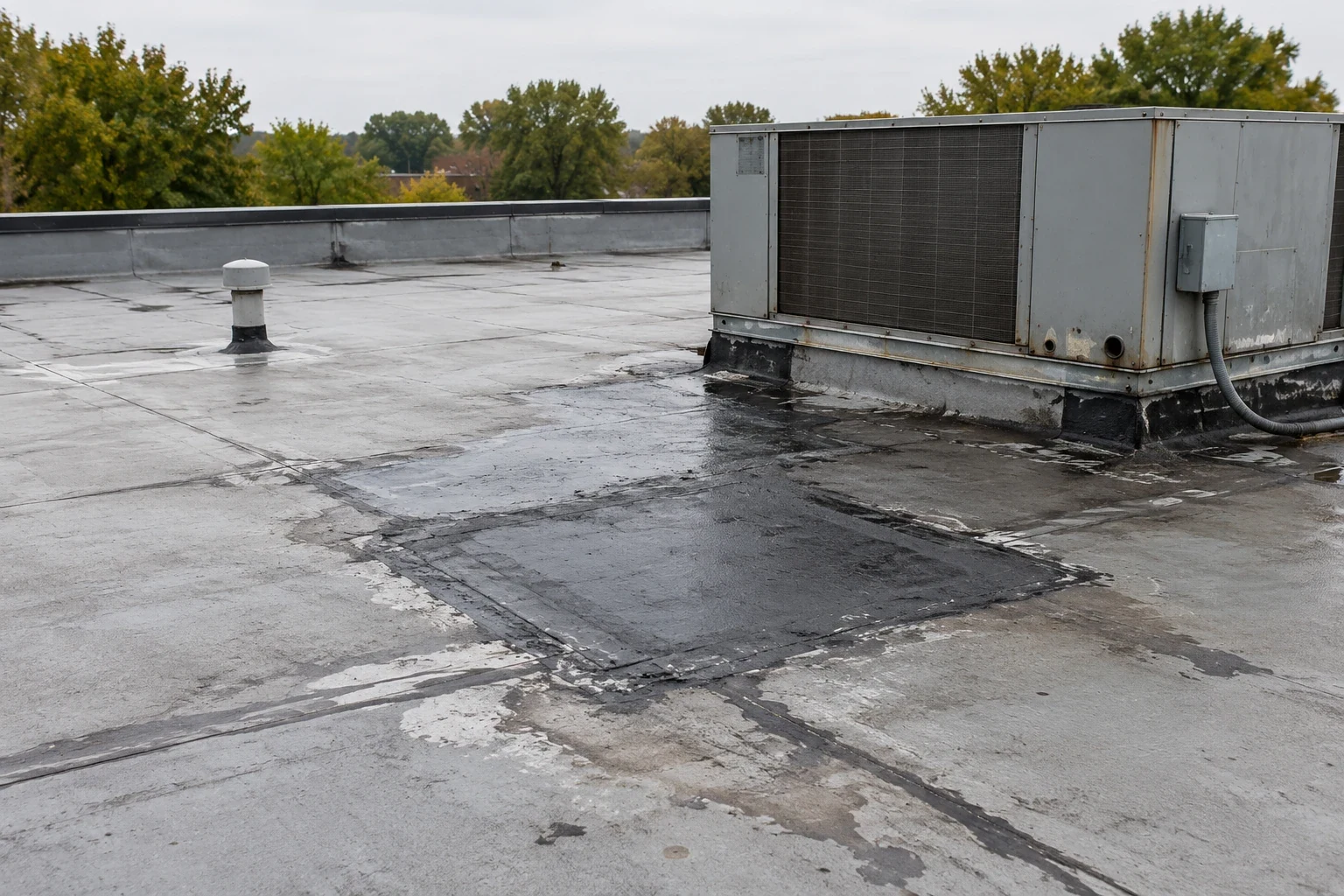
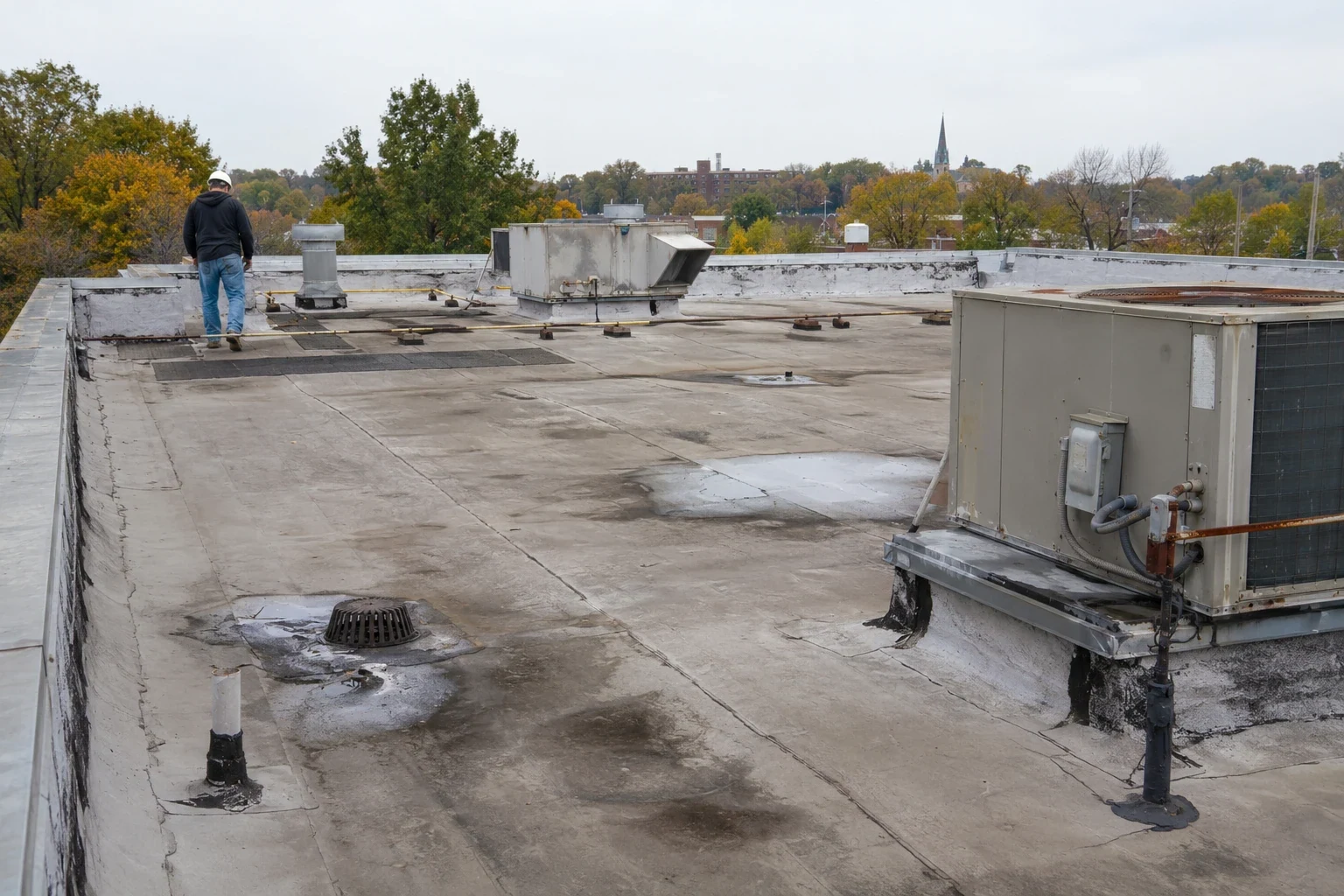
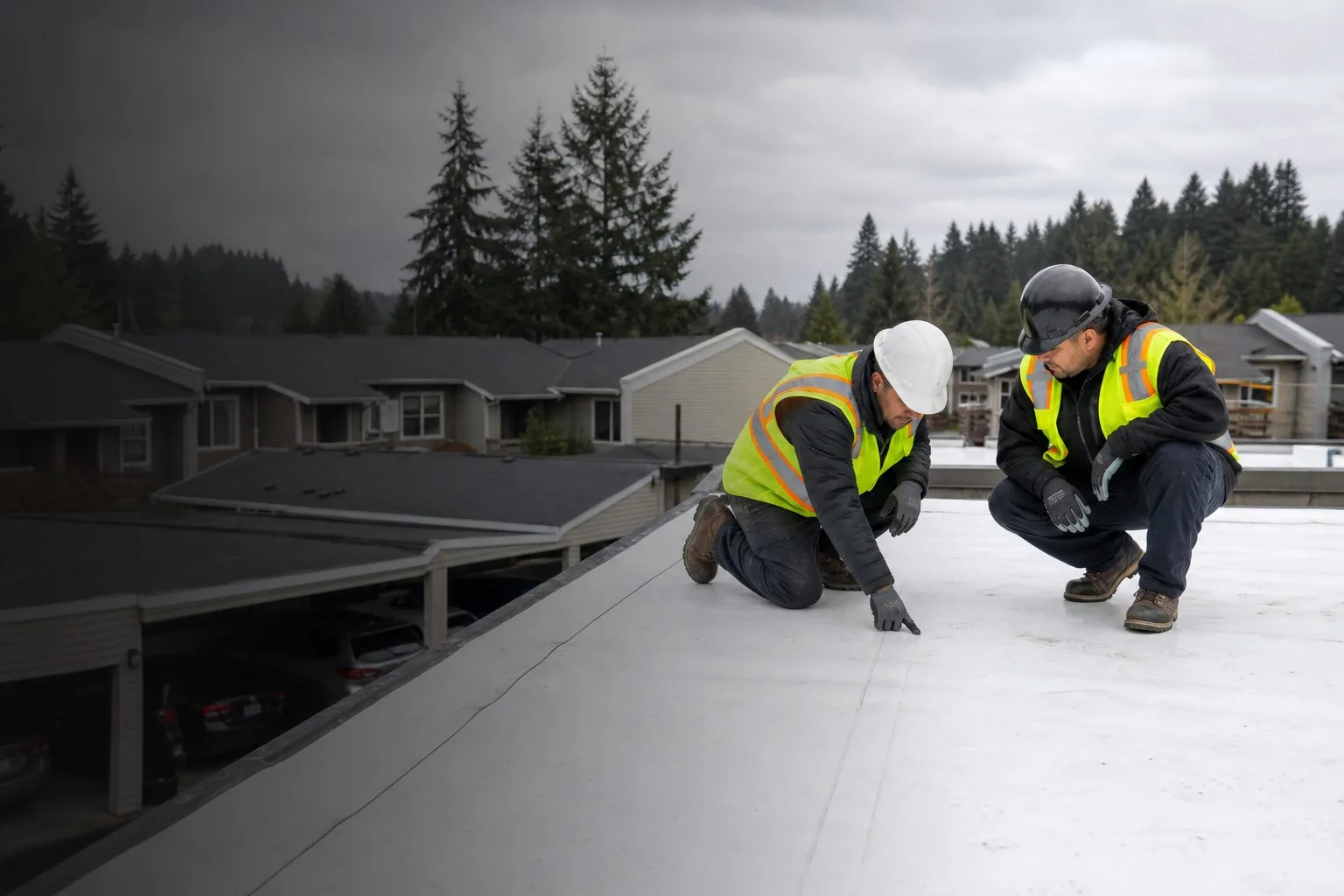
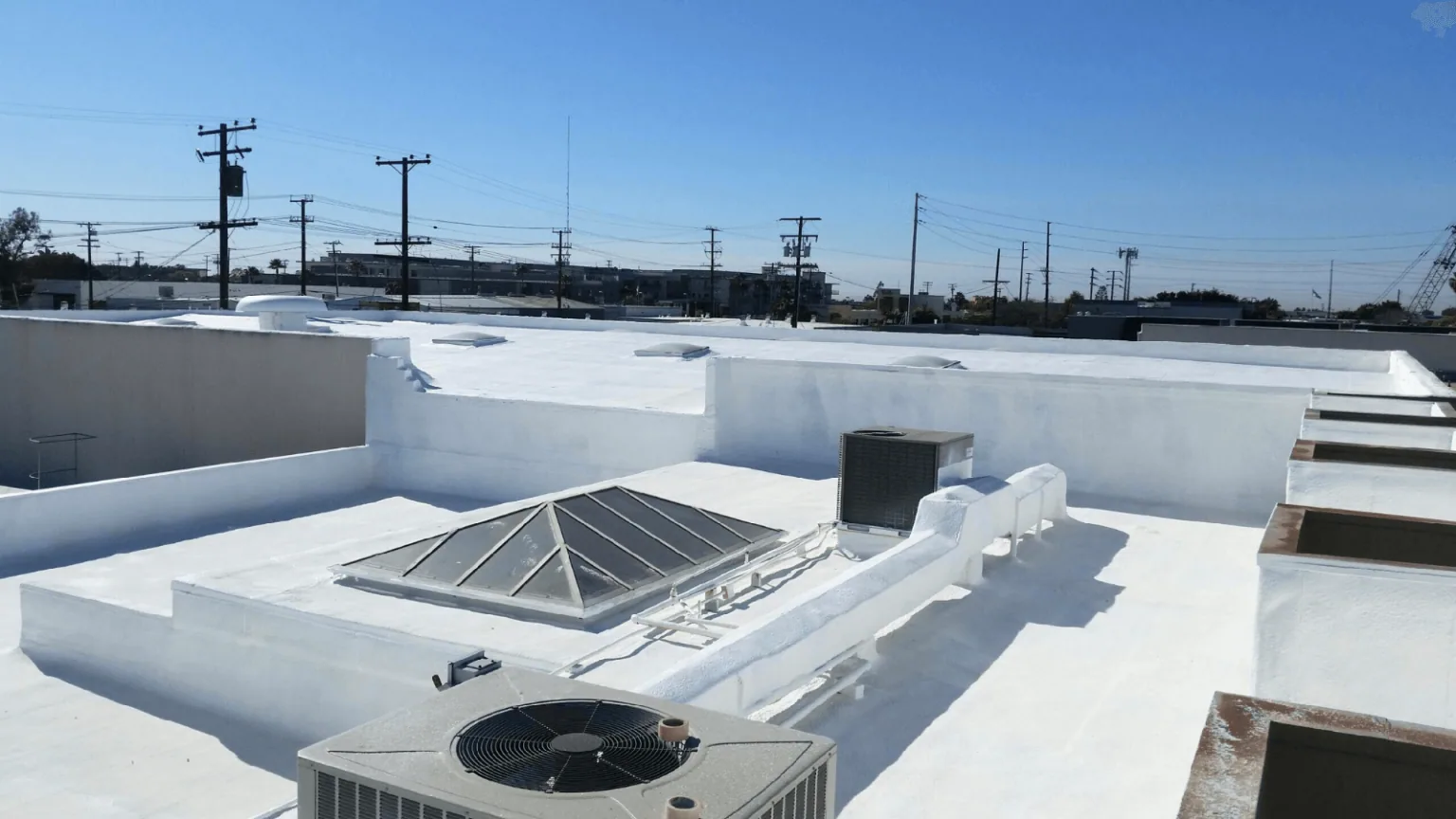
Good documentation begins with a consistent record. We note when the condition was reported, what the site contact observed, which roof areas were accessible, and what our inspection confirmed. Photos show the detail and a wider location view; moisture tests or core cuts are identified with their exact test points. A separate estimate states temporary water control, permanent repair, and unresolved conditions. For properties in River Commons or other Idaho Falls districts, the claim record still needs to describe the actual building and roof assembly rather than rely on a district name.
Roof Insurance Claim Assistance in Idaho Falls, ID

Build a Clear Record

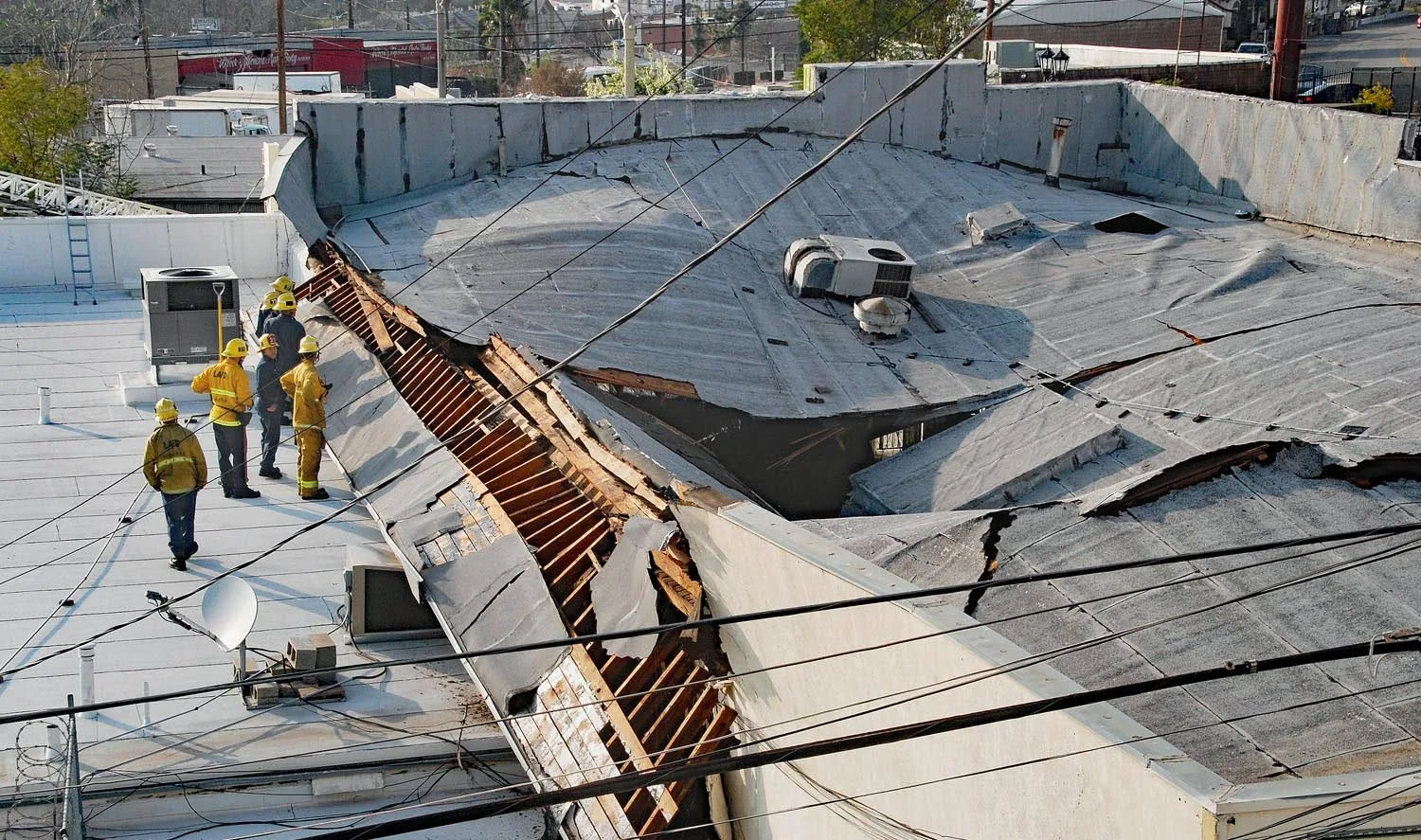
We organize roof findings so the property manager can share them with the insurer or adjuster. The record can include date-stamped photographs, the reported area, roof type where identifiable, damaged details, moisture test locations, temporary protection, and recommended repair. We describe what we observed and distinguish it from information supplied by the owner or another party. If a roof area was unsafe or inaccessible, that limit is stated. A clear boundary helps the reviewer understand which work addresses active damage and which work concerns broader maintenance.

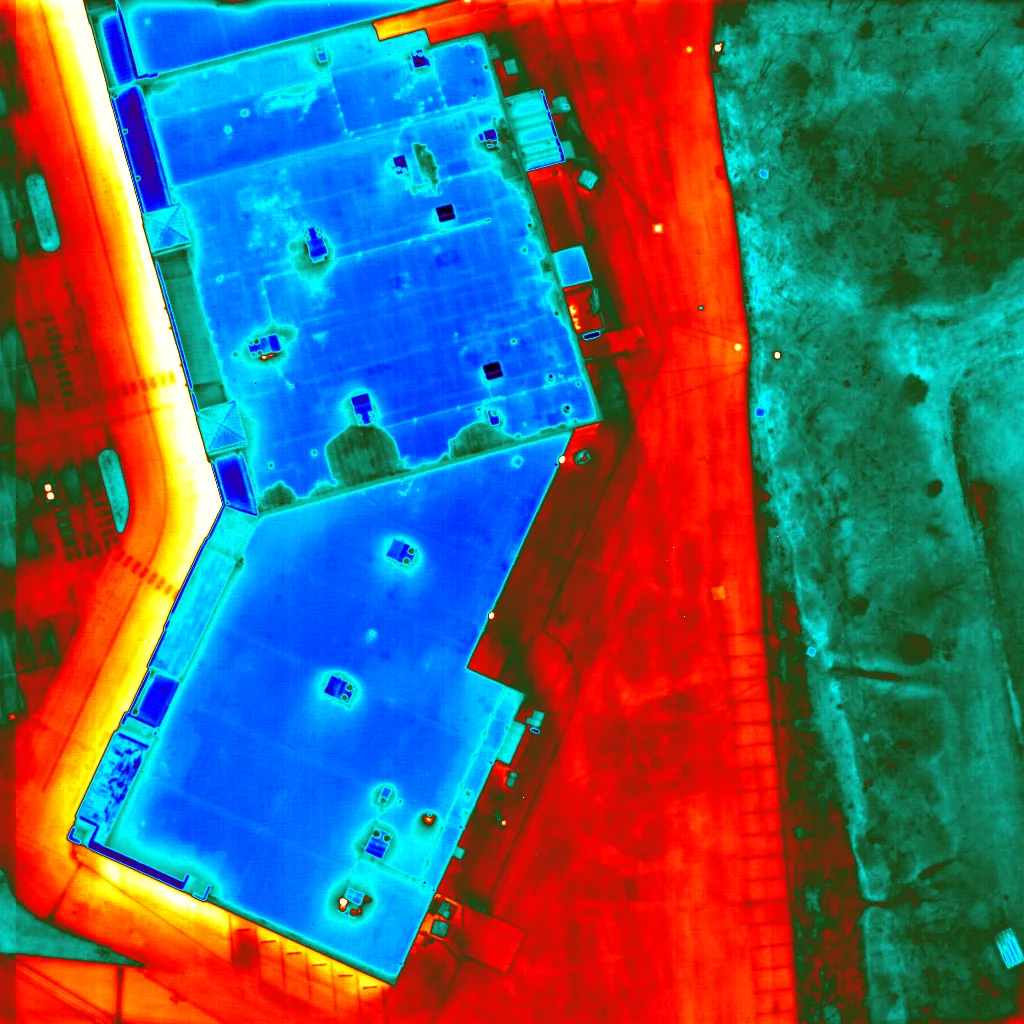
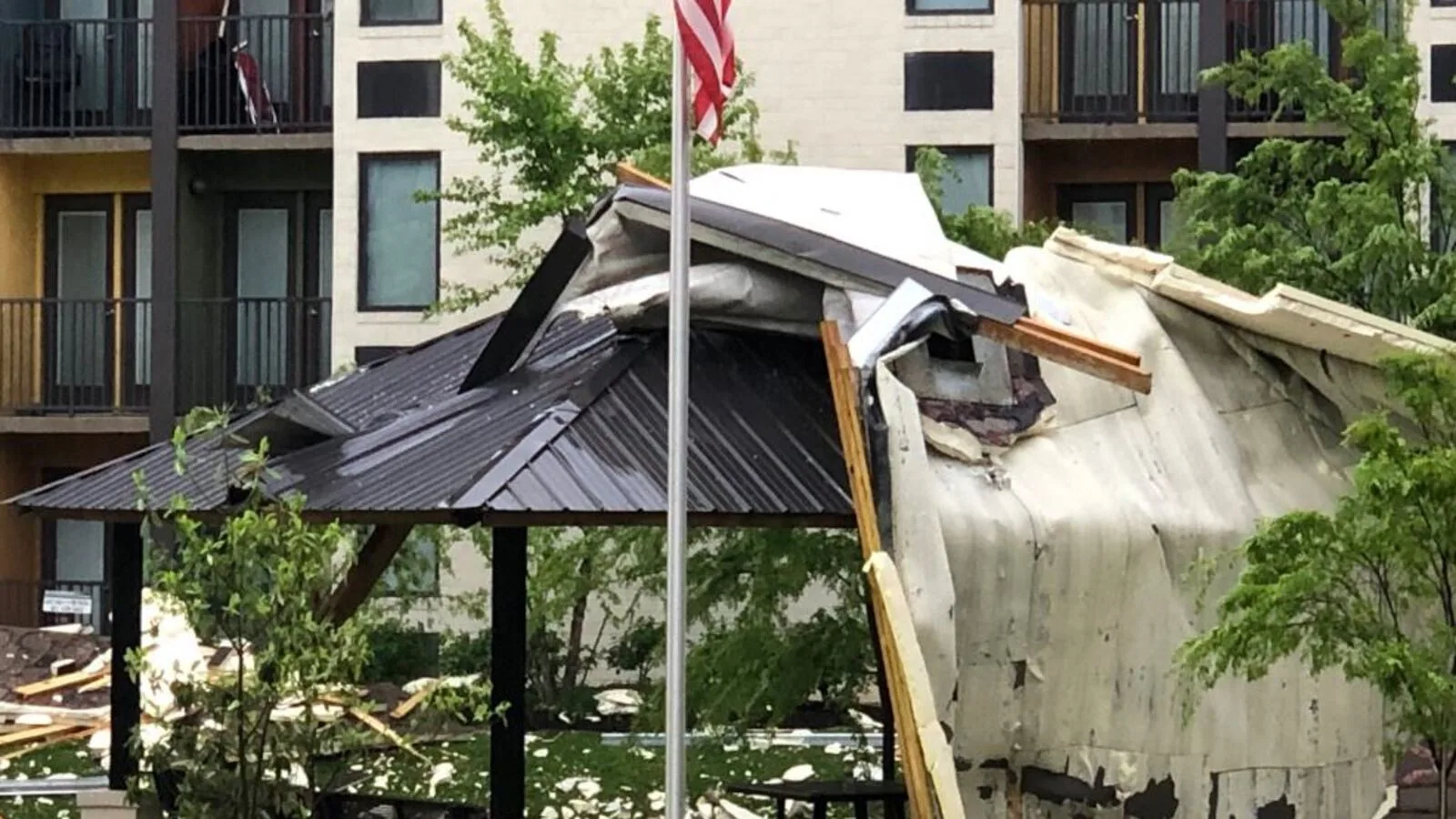
Rain can enter at one point and appear inside somewhere else. We trace the likely path, inspect nearby seams and transitions, and note whether the opening or moisture extent has been confirmed. A leak investigation can help identify the entry path, while a storm damage assessment records the full reported area. If thermal review or core sampling is needed, a moisture survey can add test evidence to the file.

Separate Temporary Protection From Permanent Repair

Temporary protection is useful when water is active, but it is not the same as a completed repair. We record what material was installed, which opening it covers, and what condition remains. The permanent scope may require membrane work, flashing replacement, removal of wet insulation, deck repair, or corrected drainage. We price and describe those items separately when needed. If the initial protection cannot safely cover the full affected area, the record identifies that limitation and the follow-up needed to restore the assembly.

Repair pricing should state roof area, access, materials, preparation, and any allowance for concealed conditions. It should also show whether a repair addresses only the event-related opening or includes adjacent worn details. The insurer or policy determines what is covered; our role is to document roof condition and the work required. A photo condition report can preserve observations independently of the estimate so the property manager has a useful record for later maintenance and budgeting.

Account for Idaho Falls Buildings

Idaho Falls includes healthcare, retail, offices, restaurants, education, and industrial uses. The city's industrial and manufacturing district allows manufacturing, fabrication, processing, storage, warehousing, wholesale distribution, and railroad-related facilities. Those uses may affect the way we stage work, protect inventory, and keep loading paths open. We coordinate with the property contact and document access or operating constraints that influence the repair estimate. This matters when comparing a temporary water-control line with the permanent labor and material scope.

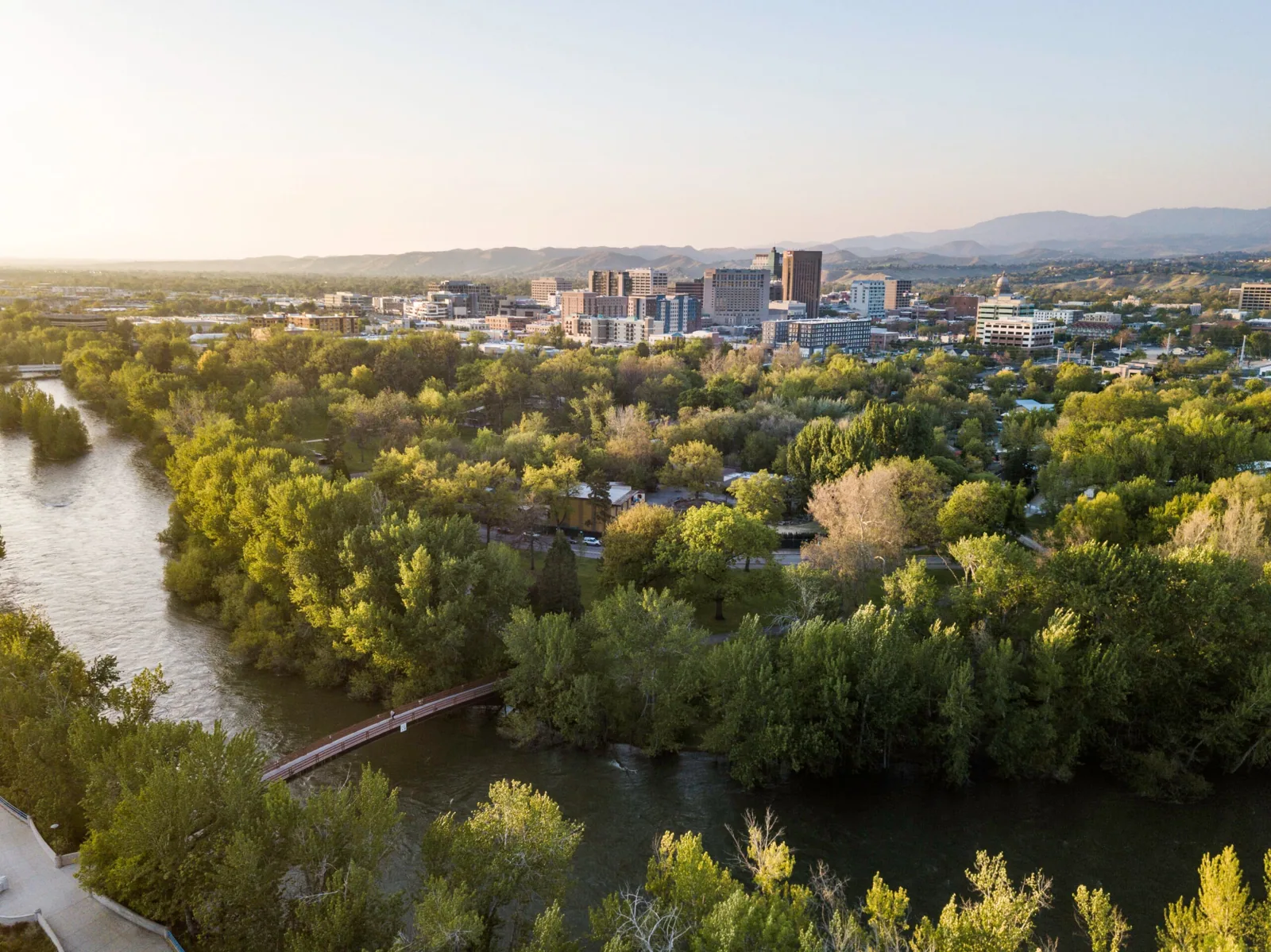
River Commons is a broad renewal district near the Snake River Greenbelt, and its infrastructure work has supported development across the surrounding area. Downtown Idaho Falls and South Downtown form an integrated core area. These places illustrate varied building contexts, but an insurer needs evidence from the actual property. We photograph the specific roof conditions, note the affected building area, and avoid inferring damage from a district or from regional weather averages. The scope stays tied to what inspection and testing establish.

Coordinate the Review

We can coordinate a roof inspection with the owner, property manager, adjuster, or general contractor when access and scheduling are agreed. Before the visit, the site contact can share the reported date, interior signs, any prior repair record, and restrictions for roof entry. During inspection, we map findings, take photographs, and identify any test that needs approval. We can then answer questions about the repair method and explain what an estimate includes. The insurer applies policy terms; our report documents roof damage, temporary protection, and proposed repairs for the claim file.

The owner and project team should confirm the review required for the approved repair scope before work proceeds. A repair's extent or a replacement scope may raise code and permit questions that the project team should review with the building authority. We describe the proposed work and known assembly; the claim decision and code determination belong to their respective parties. If the roof needs broader work, our repair scope or replacement estimate can describe the construction required without stating how an insurer will treat it.

Leave the Owner With Next Steps

After the inspection, the property manager should have a record that says what was found, what is still unknown, what was protected, and what repair is recommended. We can separate a prompt correction from a scheduled scope and identify the test needed to close an open question. Photos and itemized descriptions support a clearer conversation among the owner, facility staff, and insurer. They also make the roof's maintenance record more useful after the claim review is complete.

Idaho Falls averages show May as the wettest month by average precipitation at Idaho Falls. We set a weather window from current conditions and material requirements, then phase work to preserve water control. A follow-up inspection can confirm completed repairs, while scheduled maintenance can check adjacent details. For the owner, the final file should include repair photos, closeout notes, and any remaining recommendation.

Questions About Roof Insurance Claim Assistance

No. The insurer and policy determine coverage and claim decisions. We inspect the roof, document conditions, and describe the work needed to repair or protect the building. The owner should send claim notices and policy questions to the insurer, then use the roof record to discuss the observed damage and scope.

We can prepare photographs, condition notes, test locations and results, an estimate, and a description of temporary and permanent work. The record states what was inspected, what remains uncertain, and any access limits. That helps the owner organize evidence without confusing a reported event with a confirmed roof condition.

Active water should be controlled safely to protect the building. We document temporary materials and affected areas before covering them when conditions allow, then identify the permanent repair still needed. The owner can coordinate claim requirements with the insurer while keeping a record of steps taken to limit further damage.

Yes, when the inspection can distinguish the conditions. We identify observed event-related damage, existing wear, and any areas that require more testing. The estimate can separate temporary water control, permanent correction, and unrelated maintenance recommendations. It does not decide which items an insurer will pay for.

We map the confirmed test points and explain whether additional sampling is needed to set the affected boundary. A test result applies to its location, so we avoid treating one core as proof of the entire roof. The repair scope can then distinguish the confirmed removal area from uncertain conditions requiring owner review.

ServicesRoof SystemsIndustriesProperty TypesService AreasDamage RepairCapabilitiesManufacturersContactAboutRequest a Roof Assessment555-555-5555
Call us today555-555-5555