Johns Manville Commercial Roofing in Idaho Falls, ID Serving Idaho Falls & Eastern Idaho

Inspect, repair, or install Johns Manville commercial roofing in Idaho Falls with system verification, insulation review, drainage checks, and clear scopes.

Johns Manville Commercial Roofing in Idaho Falls, ID

Johns Manville Commercial Roofing

Roof insulation and membrane details both matter when cold weather and a hot summer season occur in the same Idaho Falls maintenance calendar. Freezing winter nights and hot summer roof surfaces both affect membrane work in Idaho Falls. Inspect the assembly and confirm product limits before scheduling exposed work. Johns Manville commercial roofing can involve membrane systems, modified bitumen, built-up assemblies, and insulation products. We inspect the installed assembly and project records before recommending work, then keep moisture, attachment, flashing, and drainage findings tied to the building. Sugar City Business Park is a mapped multi-lot business area; system identification and roof access are confirmed at each property.
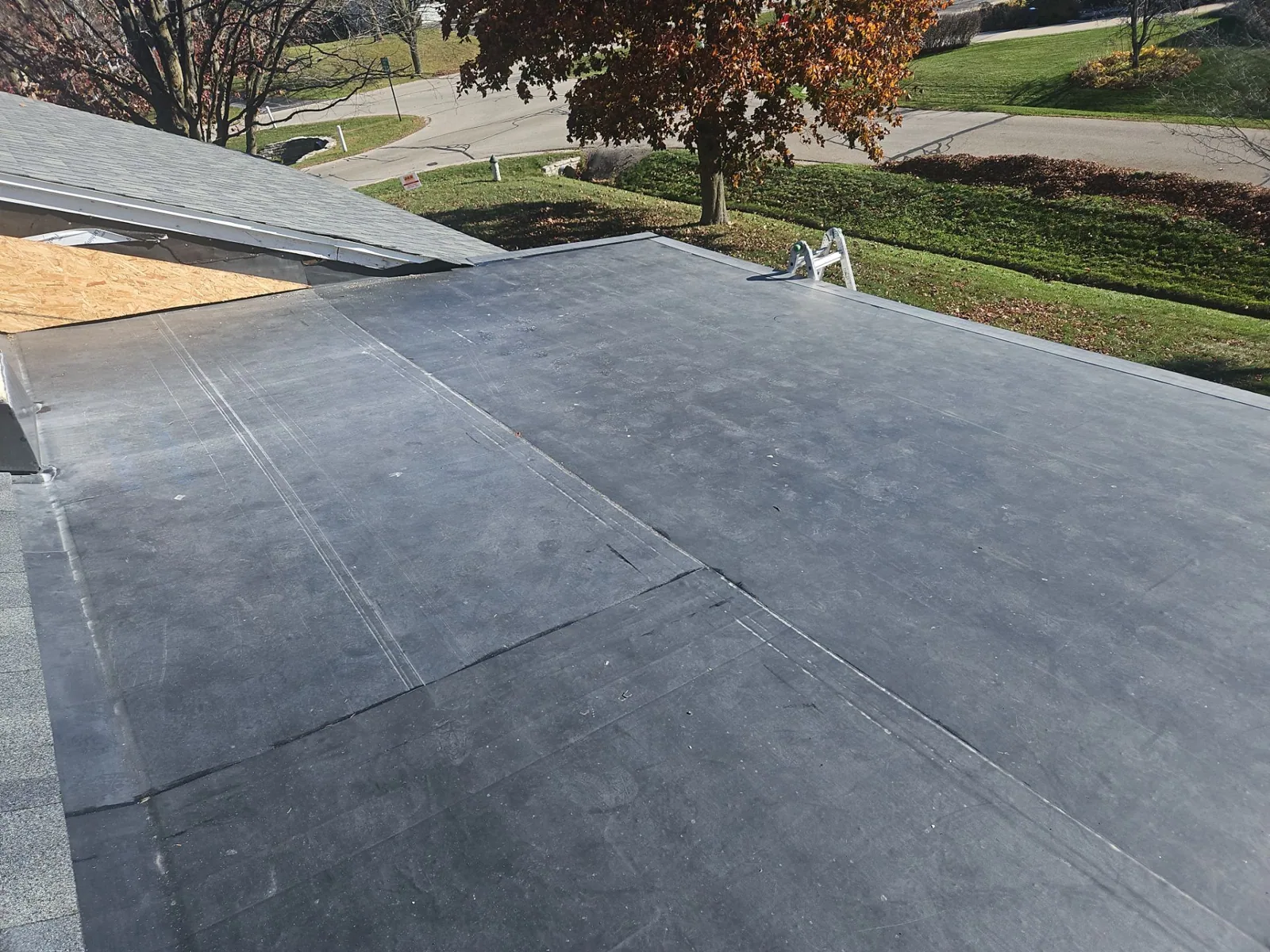
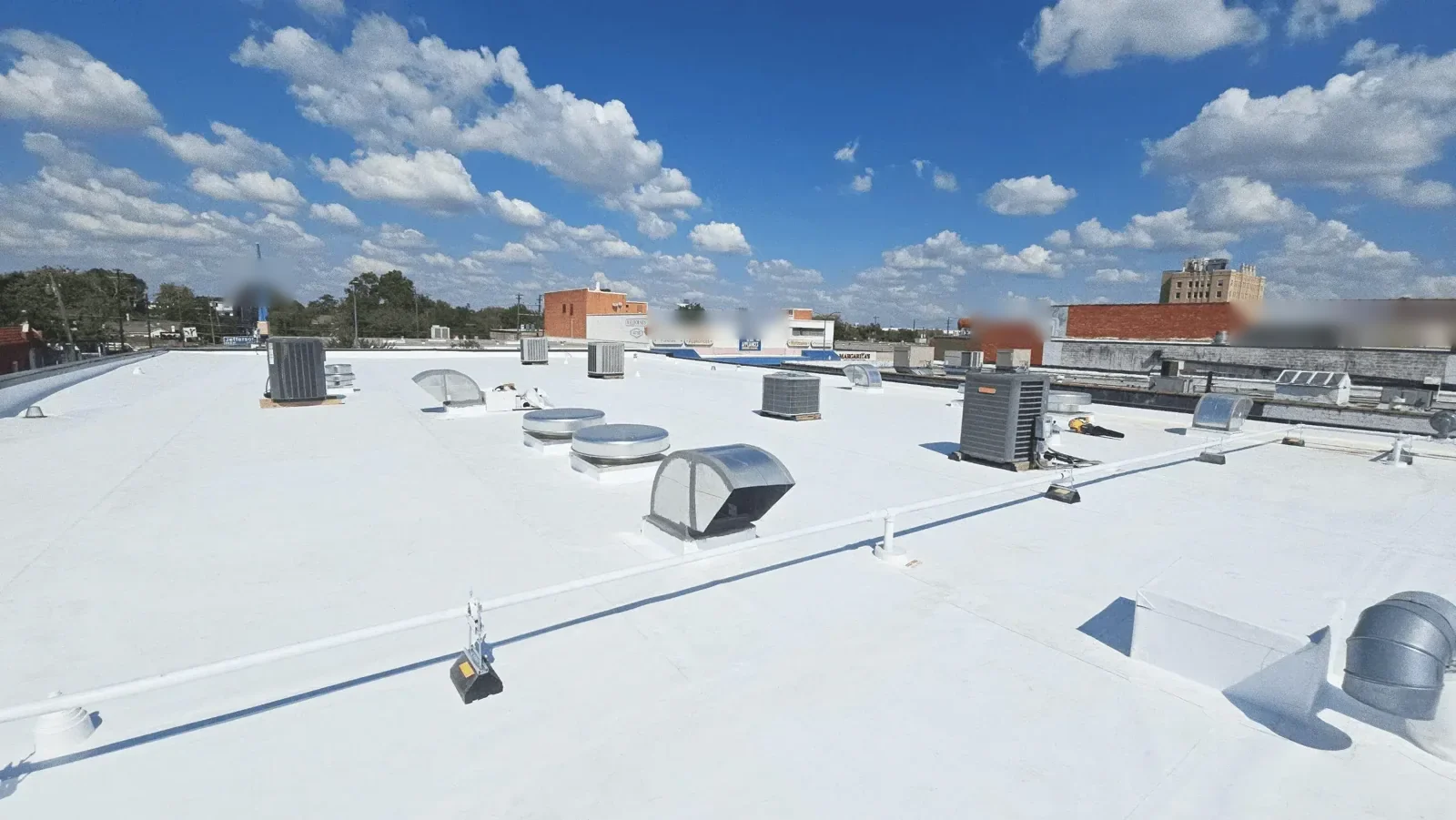
Johns Manville Commercial Roofing in Idaho Falls, ID

Read the Existing Assembly

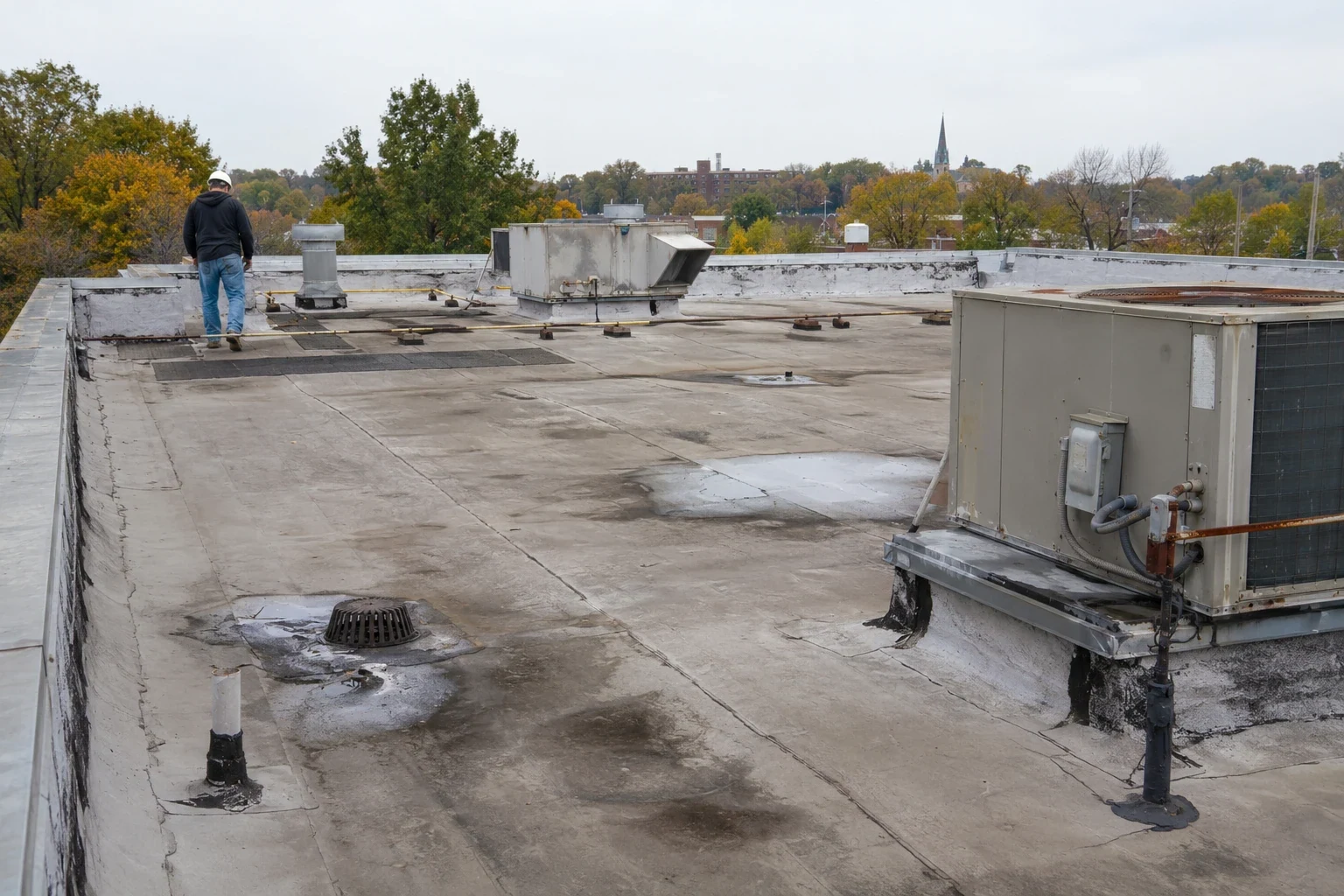
Johns Manville products can appear in more than one part of a roof build-up. We identify the field membrane or surfacing, insulation layers, cover board, attachment, and flashing where records or exposed edges allow. A modified-bitumen roof uses a different seam and repair method from a single-ply membrane; built-up roofing also has its own surfacing and layer history. We confirm what is installed before planning a tie-in.

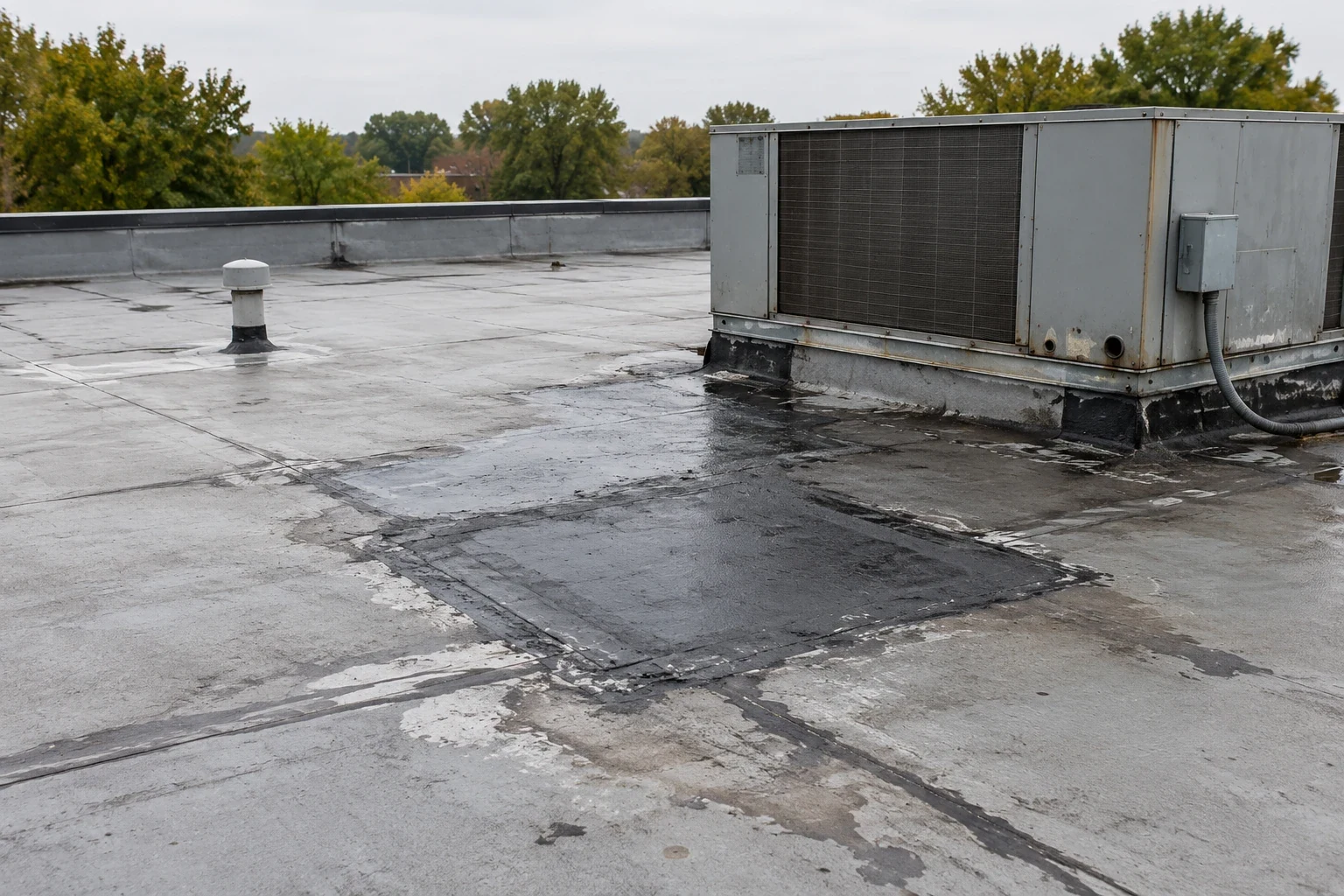
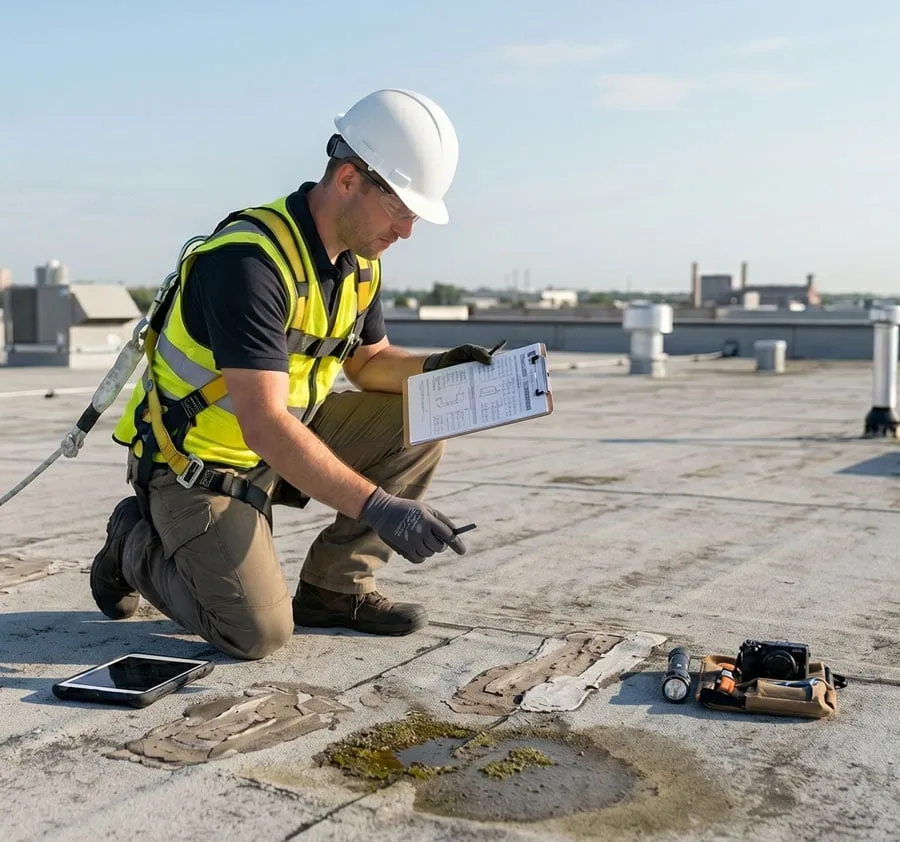
Insulation condition affects more than thermal performance. Wet or compressed boards can alter the roof plane, affect drainage, and change the substrate available for membrane work. We inspect visible transitions and review any test information the owner provides. A moisture survey can help focus selective checks, while the roof inspection records accessible components and the limits of the visit.

Insulation selection and attachment affect the roof’s thermal performance and the support available under the membrane. We check whether boards are secure, whether joints are offset as specified, and whether the surface is suitable for the next layer. If the roof has been recovered or repaired before, the current layers may differ from the original specification. We note visible changes and avoid treating old submittals as proof of the present condition. The project scope follows the field evidence and the applicable manufacturer instructions for the material identified.

Coordinate Insulation, Membrane, and Details

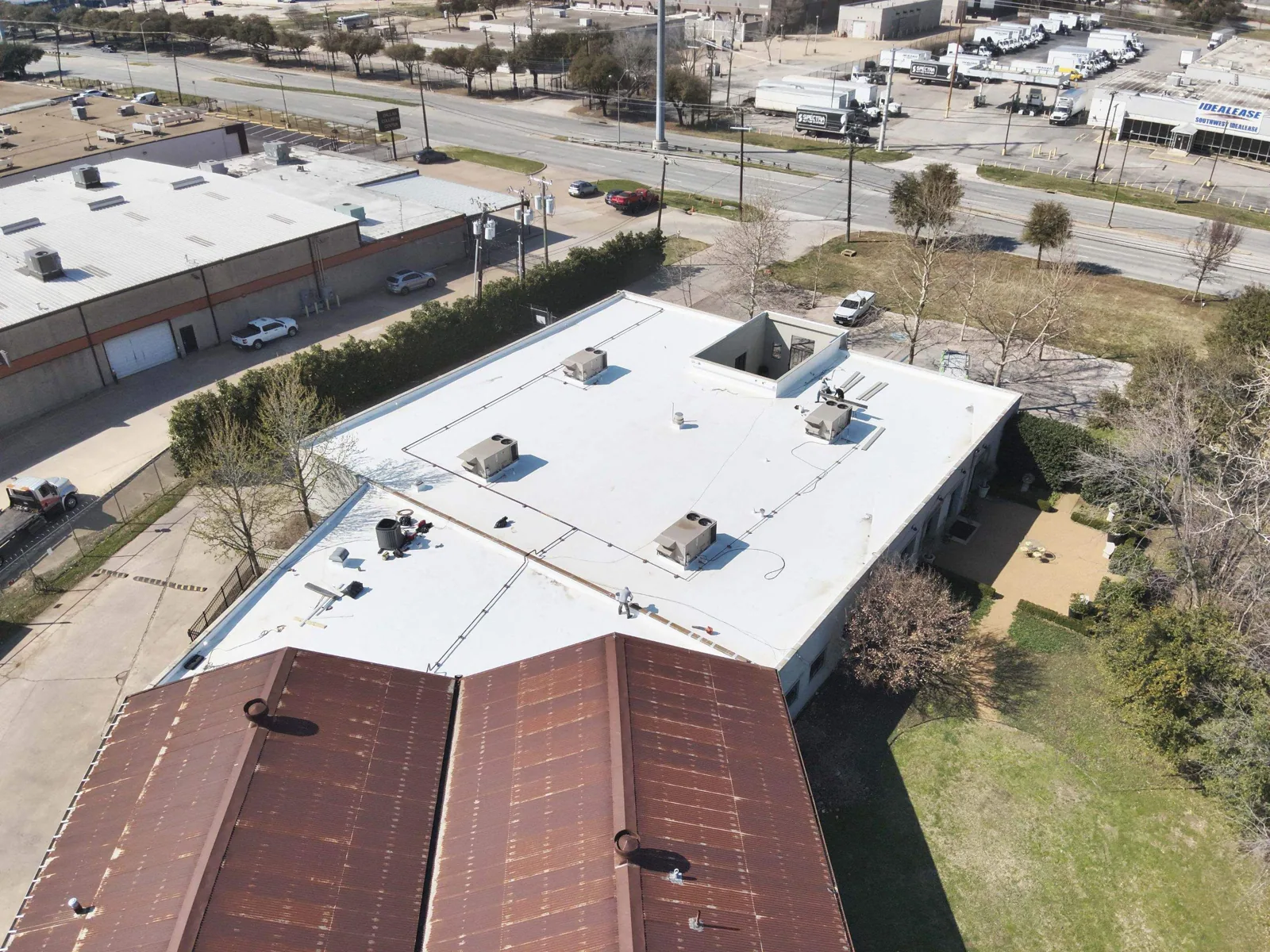
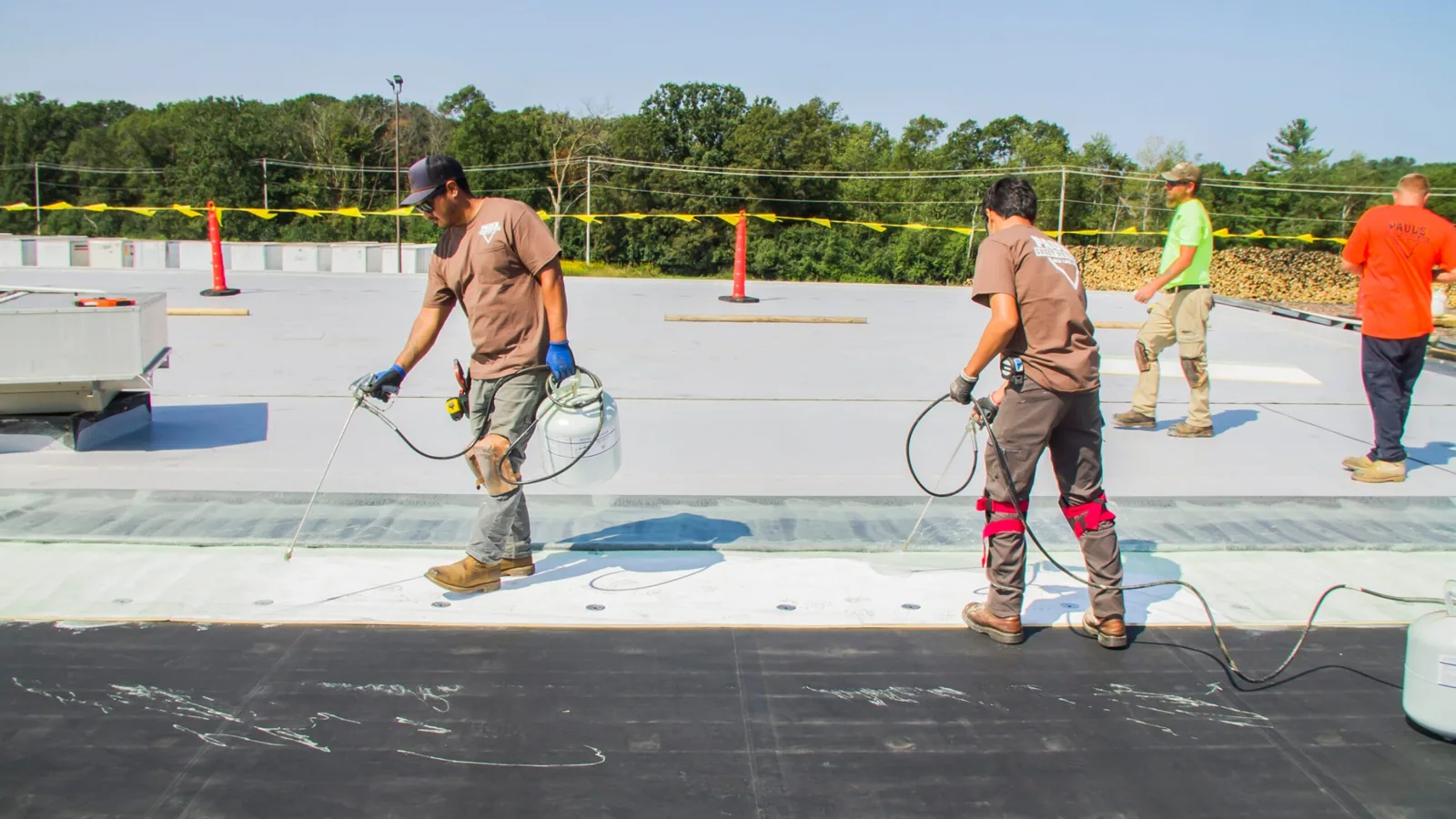
Installation sequencing begins with the deck and substrate. We confirm what must be removed, check for deterioration, and identify insulation or cover-board replacement before new roofing is placed. The assembly design sets the insulation layout and attachment method; the roof crew verifies the surface and follows project documents at the field level.

Seams, perimeter conditions, drains, curbs, and penetrations need deliberate tie-ins. A membrane seam can be continuous while a curb flashing remains loose; both details belong in the scope. The drainage review can coordinate drains and scuppers, and flashing repair can address transitions where the roof meets a wall, curb, or outlet.

Idaho Falls averages 26.5 days per year with highs of at least 90 degrees. That long-term temperature count is useful context for surface preparation, but current roof temperature and material instructions set the work window. We limit open areas to what can be installed and protected at the end of the shift.

Repair the System That Is Actually There

A leak report should be traced to a roof detail before a material is selected. We inspect seams, penetrations, wall transitions, edge metal, and drains near the suspected path. Water may move beneath the surface and appear inside at a different point. The leak investigation can compare interior signs with roof conditions and document what is confirmed.

For modified bitumen, the repair must fit the existing surfacing and layer condition. For a built-up assembly, we assess the surface and visible layer buildup before specifying patch work. For single-ply, membrane compatibility and seam preparation govern the tie-in. A seam repair assessment can address a split lap, while a recover review can assess retention only after moisture, attachment, and substrate questions are answered.

For a roof opening that needs urgent attention, emergency crews remain available day and night, including holiday and weekend periods. We separate temporary water control from permanent repair and document any concealed condition that changes the scope.

During a repair, we note the limits of the exposed area and whether the surrounding membrane remains bonded or secure. A patch that looks sound from above may still leave an unresolved edge, wet layer, or disconnected flashing outside its perimeter. The closeout should distinguish confirmed work from conditions that could not be opened or tested, so the next inspection starts with a clear record.

Set Access and Work Timing

Sugar City has a multi-lot business park that serves as a broad commercial area rather than a single property. That geographic designation does not describe any building’s roof. We confirm roof hatches, escorts, staging, delivery windows, and interior protection with the property team before work starts. The Sugar City Business Park area can be included as a geographic service location. The Blackfoot US Highway 91 Corridor provides another regional service area; verify each property’s delivery route, staging space, and roof access before mobilization. The inspection remains specific to the property.

For occupied buildings, we identify who controls rooftop equipment, what areas below need protection, and which trade must be present before a curb or opening is closed. If the crew cannot complete a detail in the available weather window, we define temporary protection and a return step. The occupied-building reroof plan can sequence work with building operations.

Cost depends on removal depth, insulation, substrate repairs, roof access, penetrations, drains, and the specified membrane or built-up assembly. We identify these factors and note which concealed conditions could change the work quantity.

Keep the System Record With the Building

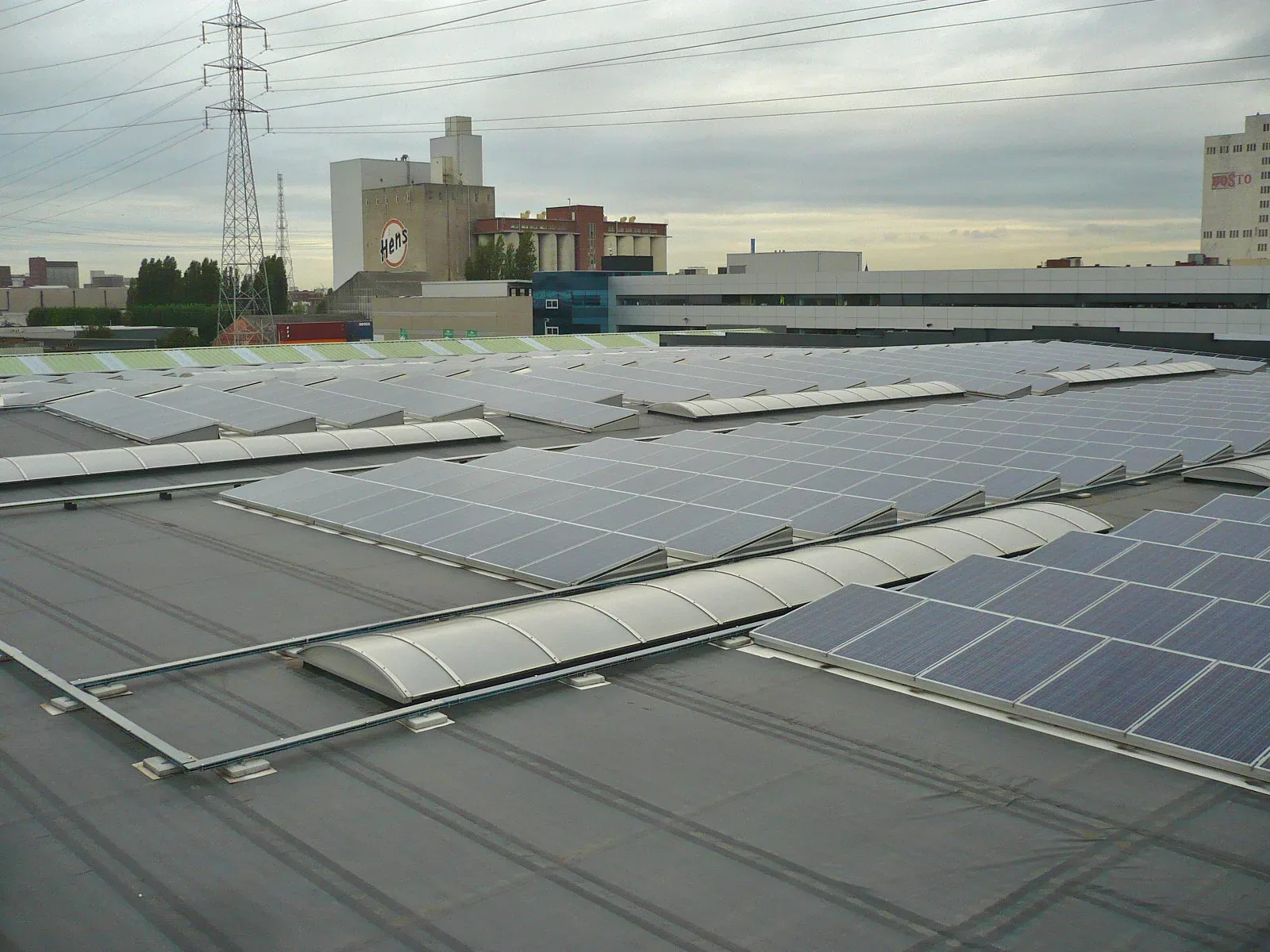
After repair or installation, the owner should keep the system description, photographs, roof-zone notes, materials, and remaining maintenance items with the property file. Later visits can compare the same seams, insulation transitions, edge details, and drainage. If another contractor installs rooftop equipment, the roofing tie-in should be checked and recorded after that work.

A roof record also helps when a property changes hands or staff. The condition report can preserve findings and images, while project specifications may also call for Carlisle SynTec or Duro-Last products. The property file and inspection identify which system is present.

If the assembly shows widespread moisture, repeated failures, or weak attachment, we compare local repair with restoration or replacement planning. The written scope explains the evidence and any testing needed before the owner makes a larger commitment.

Questions About Johns Manville Commercial Roofing

The company makes products used in several roof assembly types, including single-ply, modified-bitumen, built-up, and insulation systems. We identify the material installed at the property before specifying a repair or new system.

A recover suitability review considers moisture, attachment, assembly design, and project requirements. We document visible conditions and recommend testing where hidden moisture could change the scope. A recover should not be selected from a surface appearance alone.

Seam-repair steps vary by membrane type and existing surface. We confirm the material, prepare the area, and use a compatible detail. If the roof is modified bitumen or built-up, the repair approach differs from a thermoplastic sheet.

Current temperature, roof-surface condition, and product instructions affect the work window. Idaho Falls averages provide seasonal context, but the crew checks actual conditions and closes each work area safely.

Include the installed assembly description, roof zones, materials, photographs, access limits, warranty paperwork where provided, and maintenance recommendations. We document completed roofing work without promising a coverage decision.

ServicesRoof SystemsIndustriesProperty TypesService AreasDamage RepairCapabilitiesManufacturersContactAboutRequest a Roof Assessment555-555-5555
Call us today555-555-5555