Duro-Last Commercial Roofing Serving Idaho Falls & Eastern Idaho

Assess a Duro-Last commercial roof in Idaho Falls with PVC membrane, seam, penetration, flashing, drainage, and substrate checks tied to the actual roof.

Duro-Last Commercial Roofing in Idaho Falls, ID

Duro-Last Commercial Roofing

Duro-Last is associated with commercial PVC roofing, but a building’s current roof still needs inspection before a repair method is chosen. We verify the material and review seams, flashings, penetrations, edge conditions, drainage, attachment, and underlying layers. A roof may include additions or later repairs that do not match the original specification. We identify each zone and record what the available evidence supports. Idaho Falls averages for 1991 to 2020 counts freezing-or-colder overnight minimums on 182.2 days per year. This informs the regional schedule; crews check actual roof conditions before work. Downtown Idaho Falls and Snake River Landing are broad service locations, not evidence that a specific property has this system.
Duro-Last Commercial Roofing in Idaho Falls, ID

Inspect Sheet, Seams, and Roof Transitions

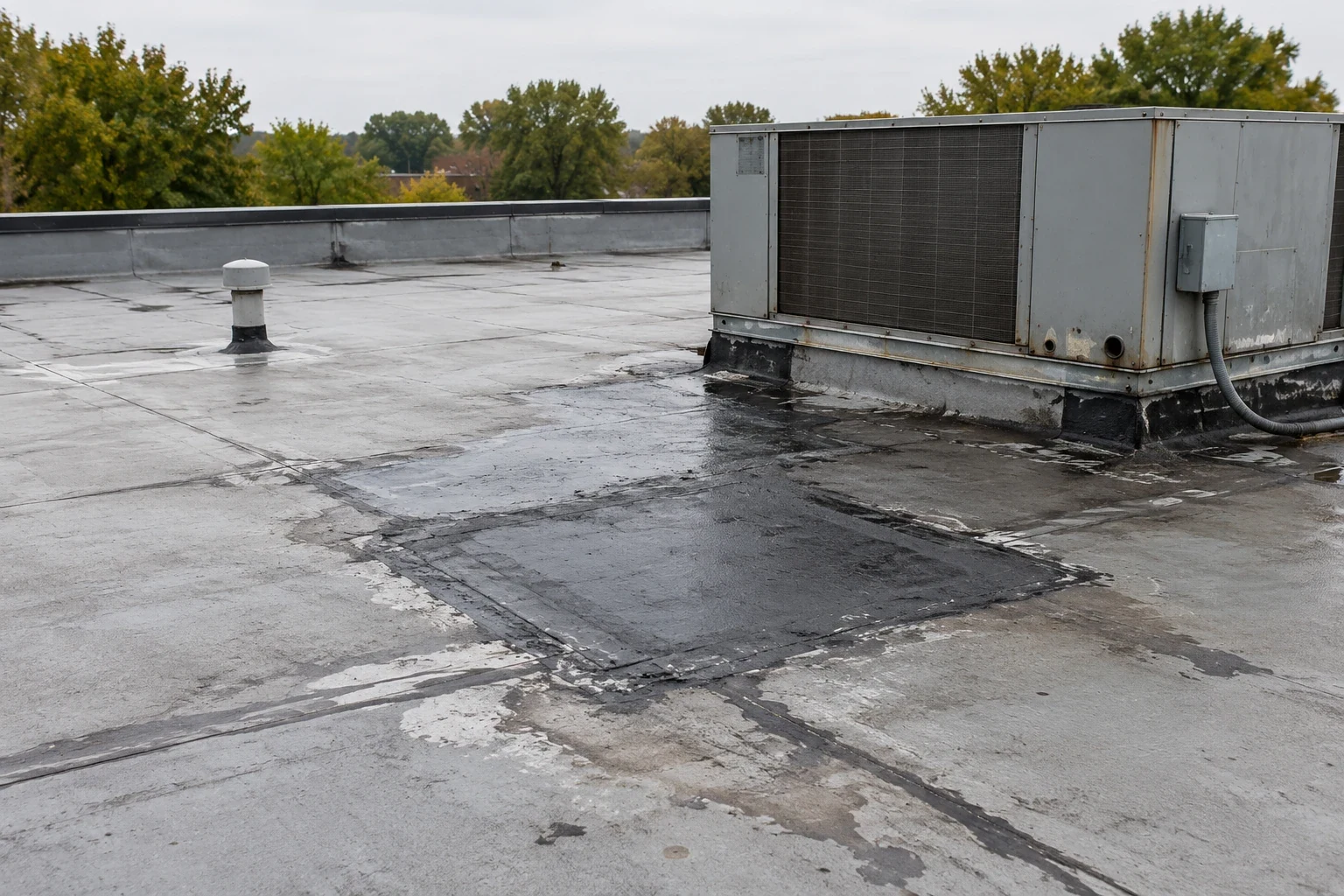
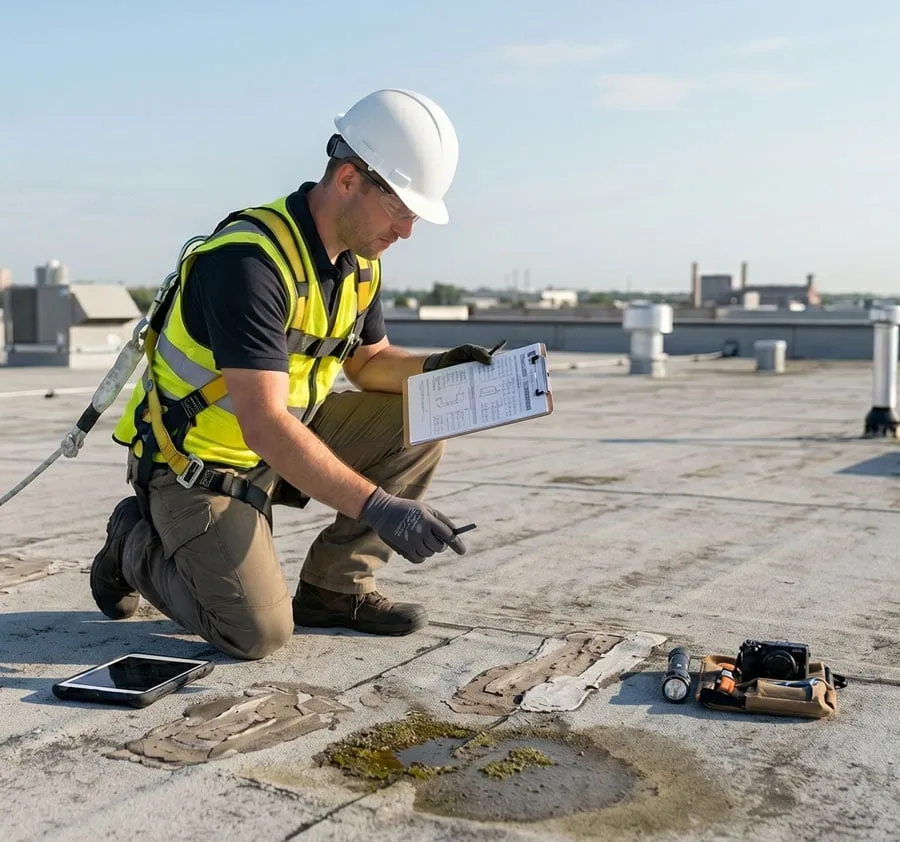
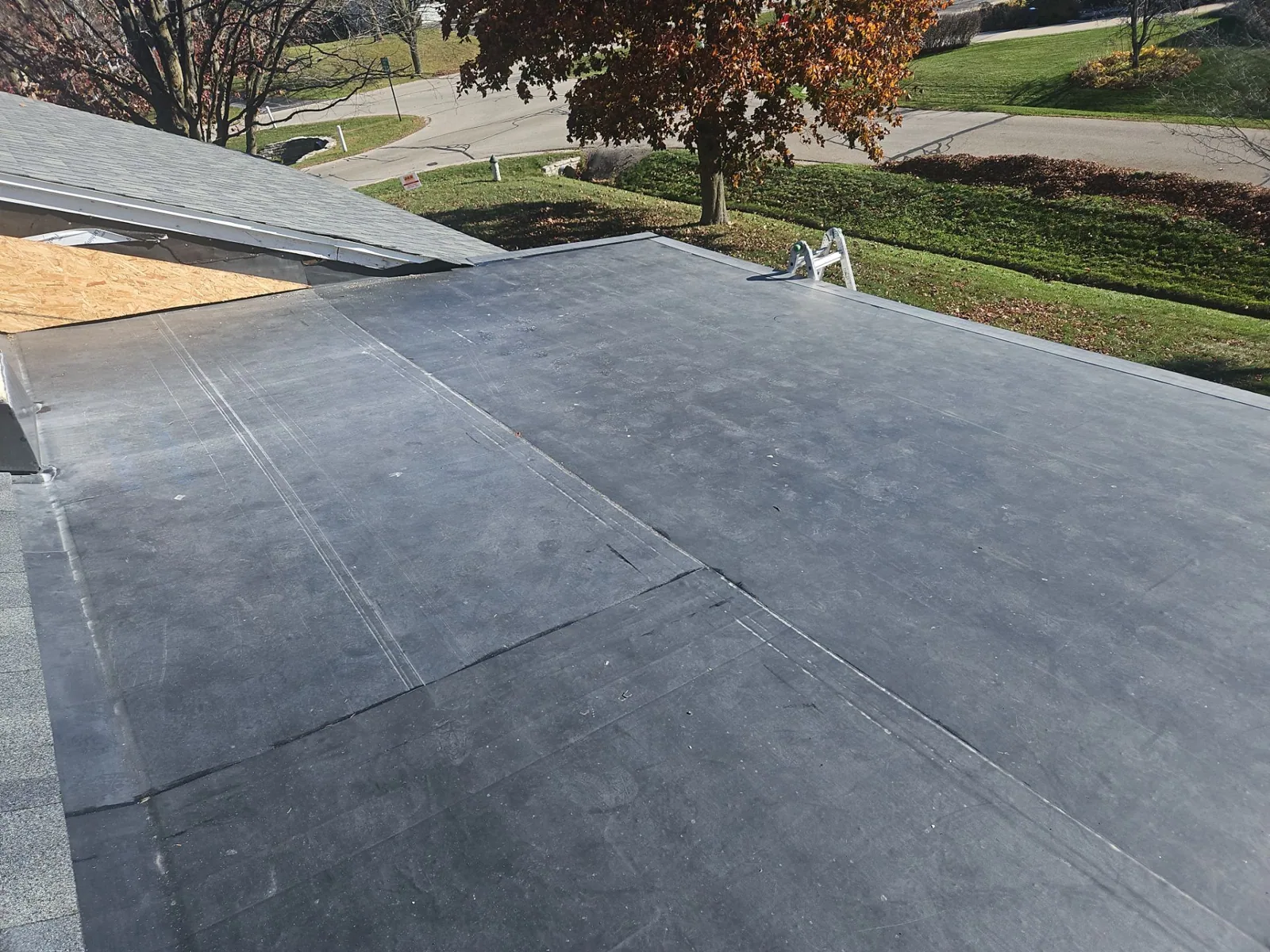
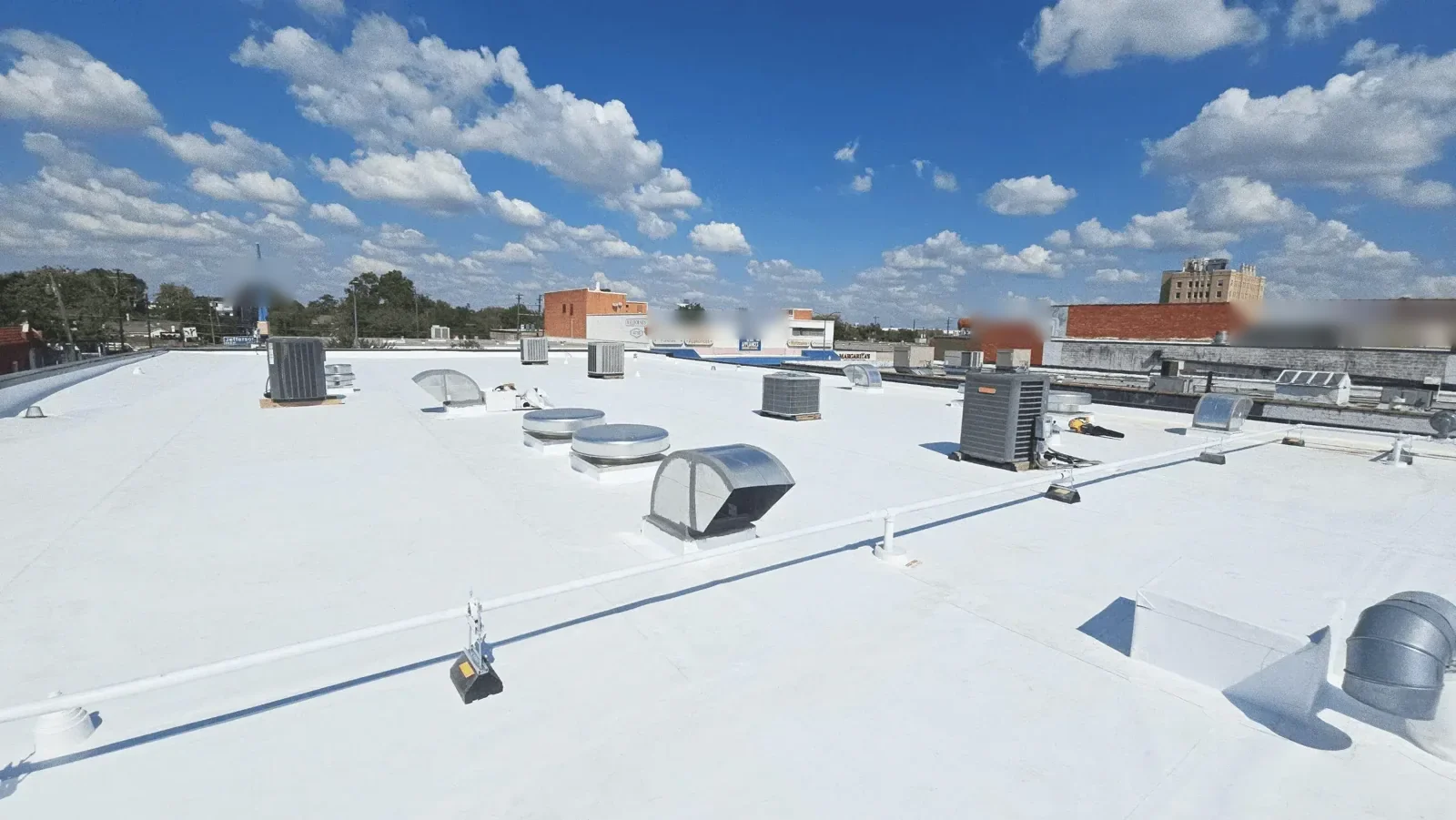
A PVC membrane assessment begins by checking the roof records against what is visible. Look at exposed material at edges, field seams, corners, parapets, equipment curbs, vents, and drains. Note prior patches and any sections where another assembly meets the membrane. If documents are missing, we state that limitation and avoid assuming the entire roof is Duro-Last based on one label or one exposed area.

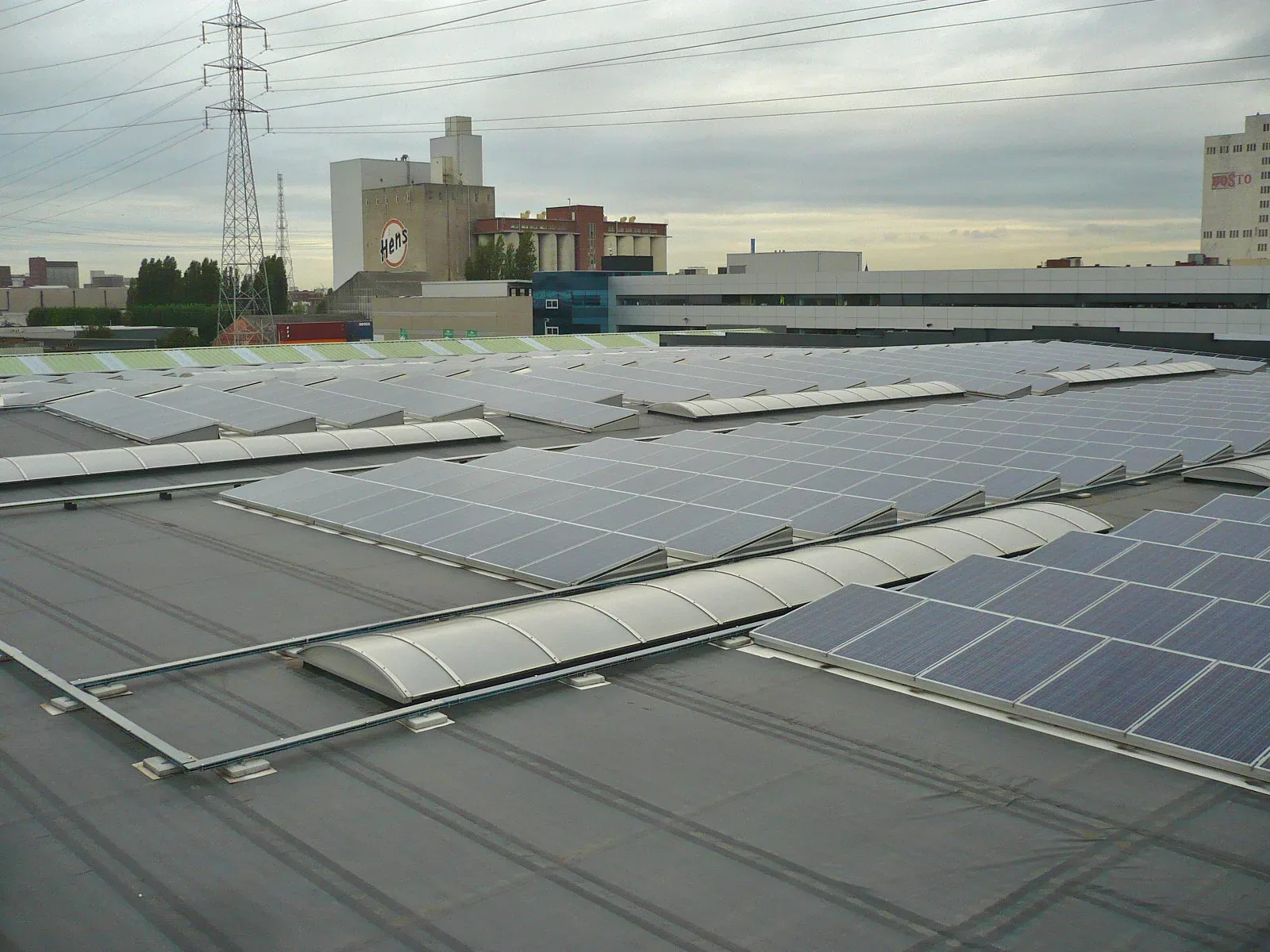
Seams are only one part of the system. The substrate and attachment affect how a repair will hold, while wall and curb flashings keep transitions closed. Rooftop equipment work can introduce new penetrations that need a compatible tie-in. The commercial roof inspection records accessible details and condition by roof zone. If there may be moisture below the sheet, an infrared moisture survey can help direct selective checks; a scan does not replace openings or tests where those are needed.

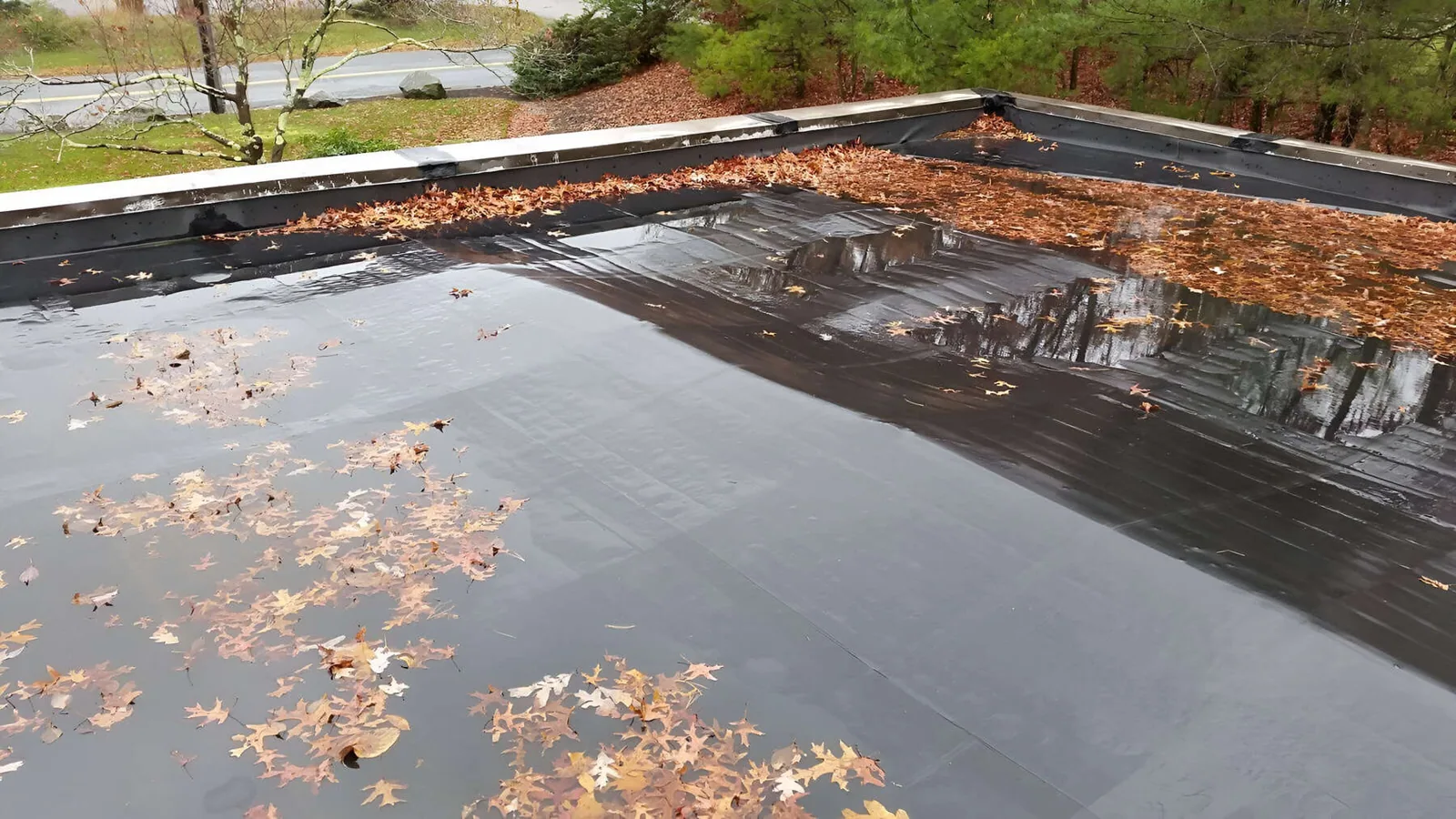
We also check how water leaves the roof. Debris or a restricted outlet can cause ponding and add stress around seams and details. Low areas may reflect insulation layout or substrate movement. Recording the drainage path alongside membrane condition helps the owner distinguish a localized sheet defect from a broader condition that needs more than a patch.

Prepare and Close Each Work Area

Before new membrane is installed, the project team confirms what existing material will be removed and what remains. The substrate needs inspection, and damaged or wet layers must be addressed according to the approved design. We identify insulation or cover-board work and verify attachment as the assembly is built. If the existing roof is considered for recovery, moisture, securement, drainage, and structural limits need review first.

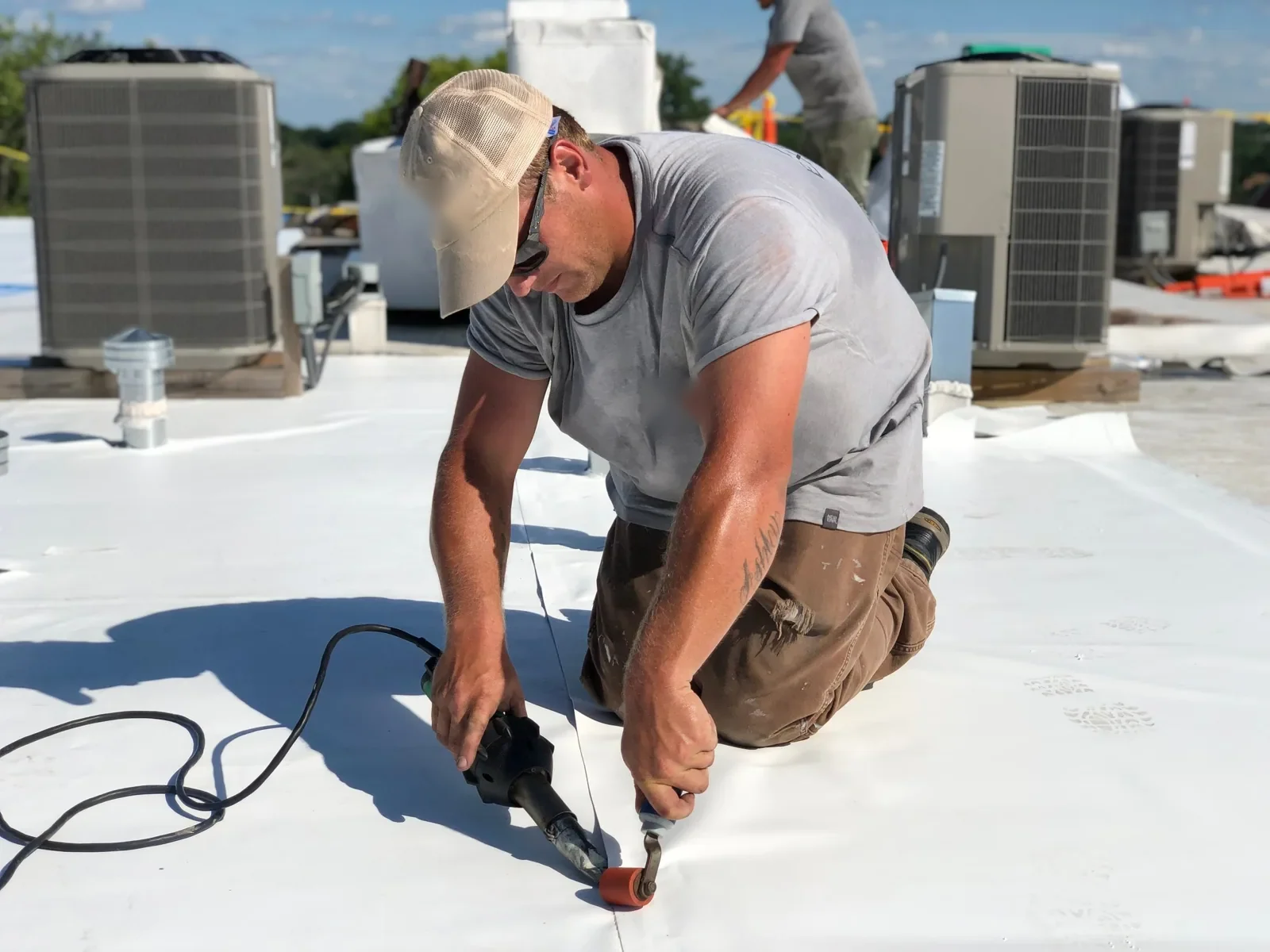
Factory-prepared membrane components can affect how field work is organized, but the installation still depends on accurate roof measurements, field conditions, and detail completion. Seams and perimeter edges must connect to compatible flashings at walls, curbs, drains, and penetrations. We coordinate equipment curbs and other trades so a rooftop unit does not block access to a detail or leave a transition unfinished. Completed areas are protected while adjacent work proceeds.

Warm summer roof surfaces can affect membrane handling; check temperature, moisture, and product requirements before installation. Surface temperature, wind, moisture, and manufacturer instructions guide the daily sequence. We keep open areas sized to the work that can be completed and protected, then identify the temporary covering method if a delay prevents final closure.

Make Repairs Compatible With the Existing Sheet

A leak can show up far from the point of entry. Water may travel below a membrane or along a roof deck before reaching an interior ceiling. We compare the report with seams, curbs, wall transitions, penetrations, roof edges, and outlets. The commercial leak investigation records the evidence and distinguishes confirmed openings from possible paths that need additional access.

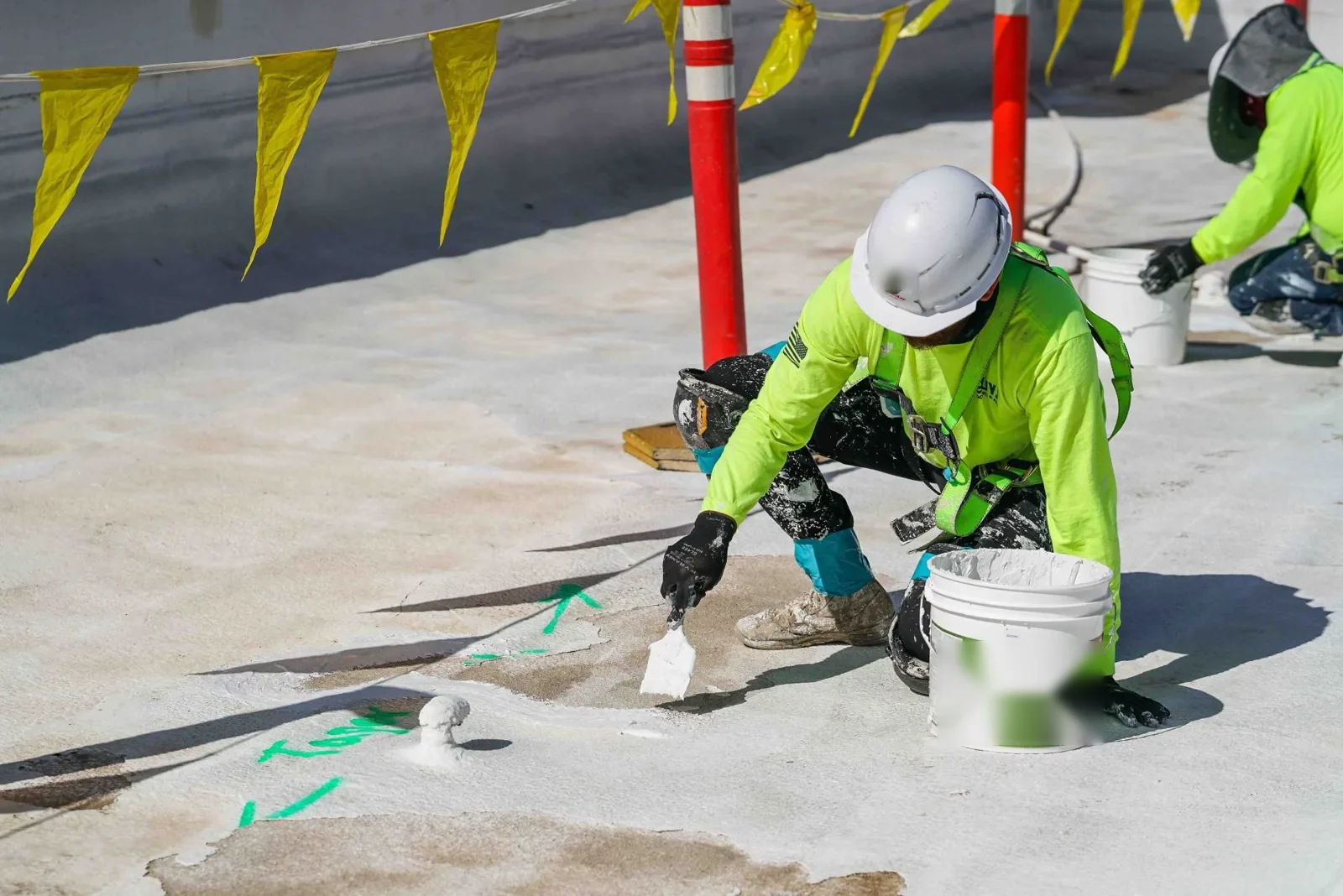
Repair preparation needs to match the membrane surface and surrounding conditions. A patch over a contaminated or poorly bonded area may fail to address the cause. We inspect the nearby sheet and attachment, define the repair boundary, and determine whether insulation or substrate work is also needed. The seam repair assessment focuses on a split or open lap. If water may be entering at a curb or wall, the flashing repair review looks at the transition rather than treating the field membrane as the only possible source.

Emergency roofing response for urgent conditions is available any hour of the day, through weekends and holidays. Temporary protection can help control immediate water entry, but it is not a substitute for permanent repairs or a full moisture assessment. We record what was covered, note whether the surface was dry enough for a permanent tie-in, and explain which areas need to be revisited. Owners can then distinguish urgent stabilization from the remaining project scope.

Make Access and Trade Responsibilities Clear

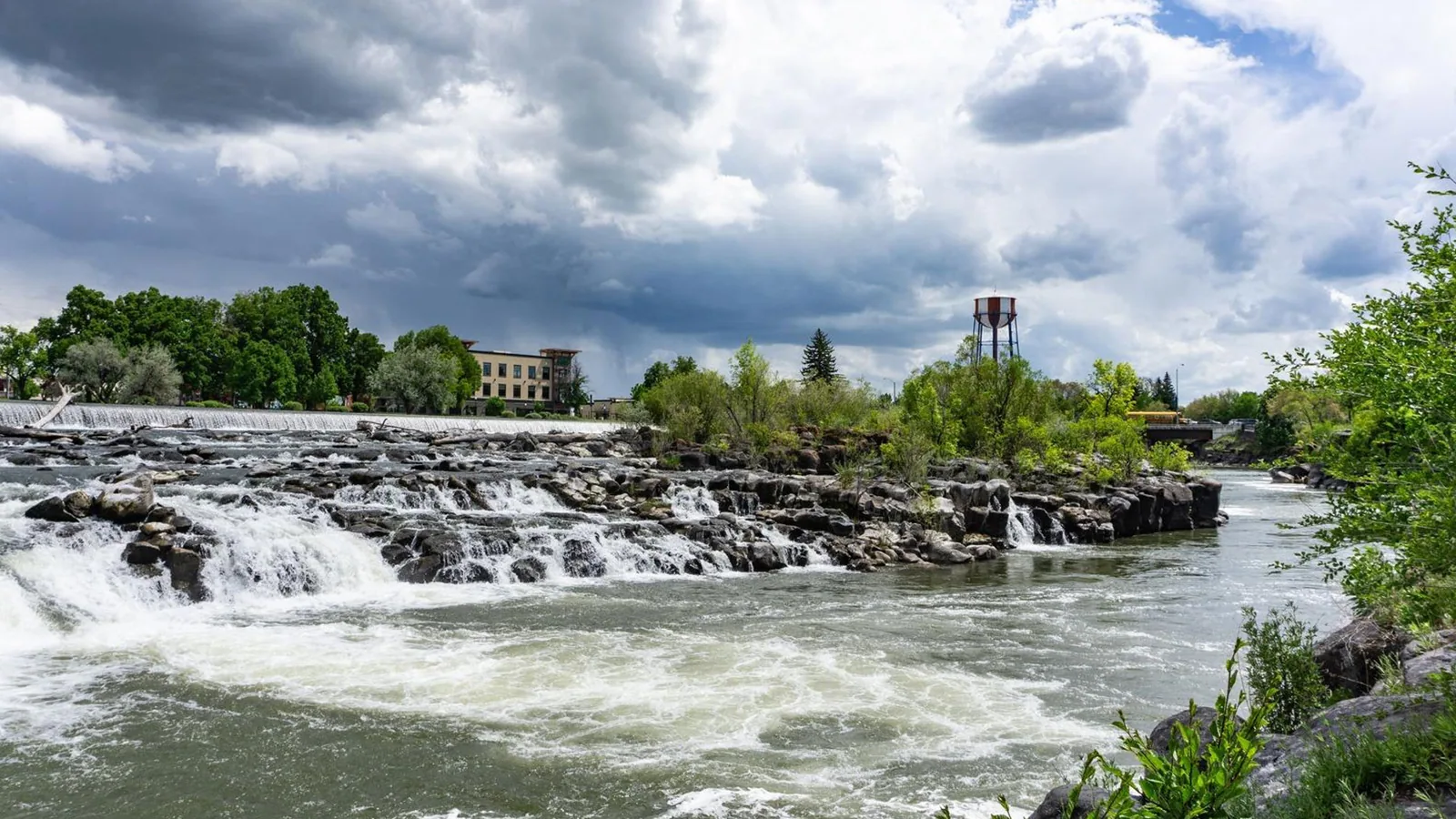
Downtown and South Downtown share a city Core Plan, while Snake River Landing has its own mixed-use district identity. Idaho Falls and surrounding communities are within the service area; a roof survey identifies the membrane and assembly at each property. For a Duro-Last repair, match the field membrane, welded seam, flashing details, and available product records before specifying material. A property assessment still needs building-specific access coordination and assembly verification.

We establish rooftop entry, a material laydown zone, any escort process, mechanical controls, and safeguards for rooms below active work. On an occupied building, staff can identify sensitive spaces, noise limits, and work periods that affect tenants or operations. The scope should identify who handles mechanical disconnection, lifting or support, and reconnection when units interfere with roofing. An occupied-building reroof plan can sequence roof zones with business needs.

Daily communication should cover which area will be open and when temporary weather protection is expected. The property team should know where materials are stored, how debris is managed, and what area is restricted. If weather causes a pause, the crew protects exposed work and communicates whether an inspection is needed before the next layer or another trade proceeds. Clear handoffs matter where rooftop equipment and membrane details meet.

Track Repairs and Conditions by Roof Zone

Closeout records should include the system observed, materials used, repaired seams and transitions, photographs, roof-zone notes, access limits, and any unresolved items. If a property includes an older addition or a separate roof level, label the observations so future inspections compare the same areas. Record any test that was performed and any condition that could not be confirmed.

Maintenance checks can revisit seams, flashings, penetrations, drains, edge conditions, and work completed by other trades. A preventive maintenance visit provides a recurring record of those details. When broad deterioration, wet insulation, or repeated repairs point to a larger need, a replacement evaluation can compare the repair history with a new-system scope.

The Downtown Idaho Falls service area and Snake River Landing service area are geographic references for commercial roofing work. They do not imply that every building in those areas has a Duro-Last assembly. The property record and inspection determine what is present. A written proposal should state the material assumptions, repairs included, access arrangements, testing, limitations, and closeout information before the owner approves the work.

Other assemblies may specify Soprema or Sika Sarnafil products. The roof layout, substrate, and project requirements determine the work. The final selection depends on the project design, roof geometry, drainage, substrate, operations, and owner requirements, rather than a product name alone.

Questions About Duro-Last Commercial Roofing

We review available project documents and compare them with visible membrane, seam, and flashing details. If multiple roof zones differ or records are incomplete, we document that before choosing a repair method.

A patch may be appropriate when the material, surface preparation, attachment, and surrounding sheet are suitable. We inspect the affected area and nearby details before defining the repair boundary.

The repair plan must account for the affected insulation or substrate. We identify areas for confirmation and distinguish water control from the permanent work needed to address concealed conditions.

That question involves the extent of deterioration, moisture, attachment, recurring leaks, drainage, and remaining service needs. We compare evidence and document what supports a repair or broader project.

Arrange roof access, identify equipment contacts, share available roof records, and point out leak history or work by other trades. We confirm access and protection needs before starting.

ServicesRoof SystemsIndustriesProperty TypesService AreasDamage RepairCapabilitiesManufacturersContactAboutRequest a Roof Assessment555-555-5555
Call us today555-555-5555