Holcim Elevate Commercial Roofing Serving Idaho Falls & Eastern Idaho

Plan Holcim Elevate commercial roofing work in Idaho Falls with assembly verification, seam and flashing review, drainage checks, and clear closeout records.

Holcim Elevate Commercial Roofing in Idaho Falls, ID

Holcim Elevate Commercial Roofing

A roof labeled with a manufacturer name still needs an assembly-level inspection before anyone selects a repair. Holcim Elevate products include single-ply membranes, modified bitumen, metal systems, and insulation, but one label may not cover every roof zone. We record the membrane or surfacing, attachment, insulation, flashing, and drainage before proposing work. Recurring subfreezing nights in Idaho Falls put seams, edges, and exposed tie-ins on the winter repair checklist. Snake River Landing and the Warehouse District have different operating patterns; we coordinate roof access and staging with each property contact.
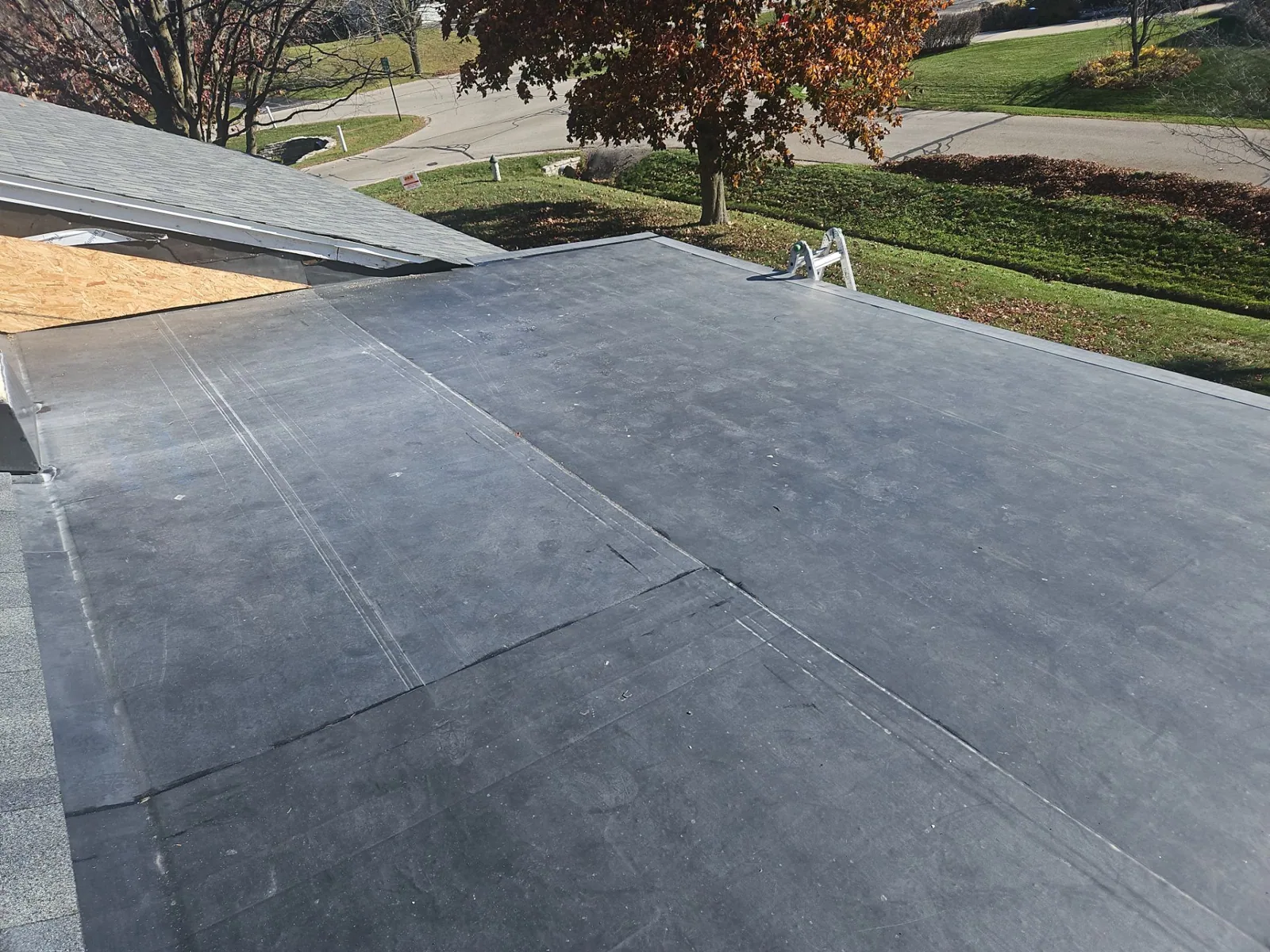
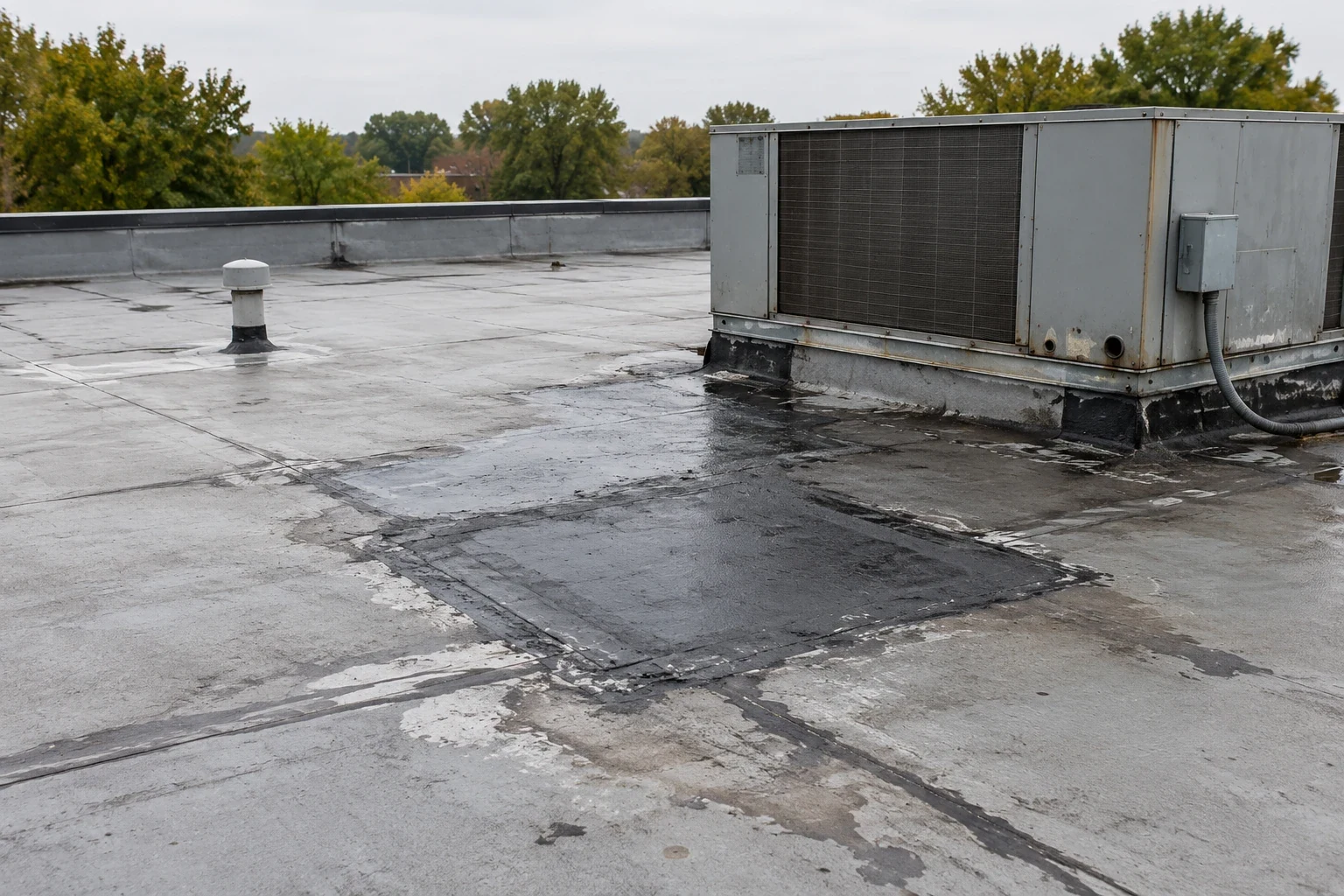
Holcim Elevate Commercial Roofing in Idaho Falls, ID

Identify the Installed Roof Before Specifying Work

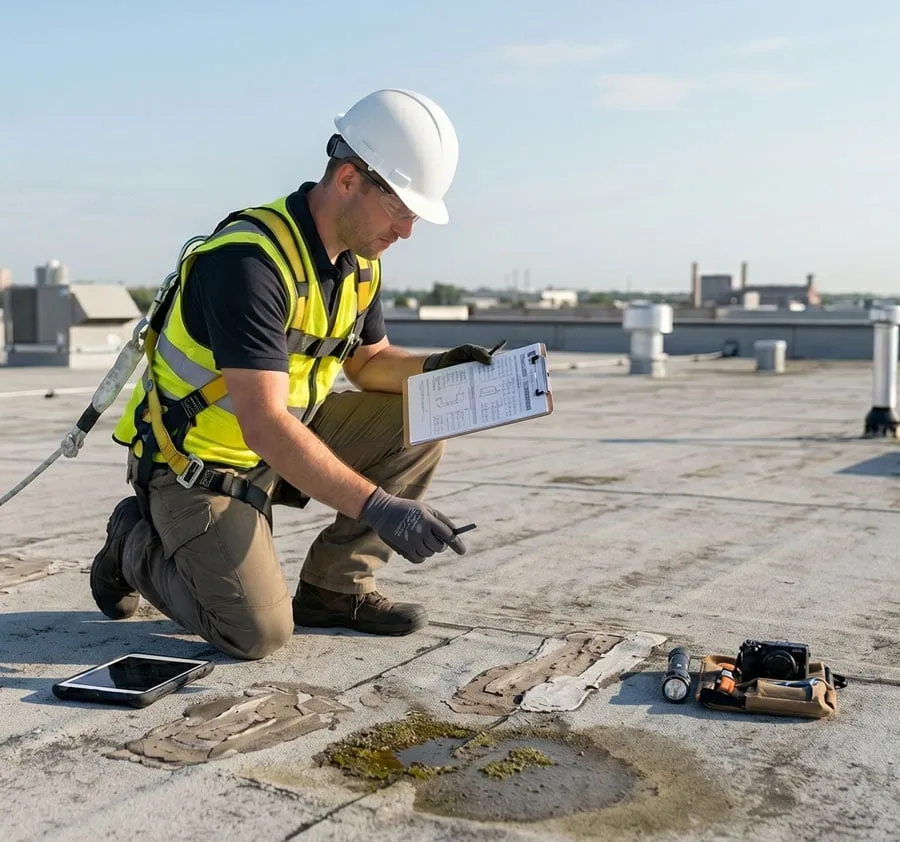
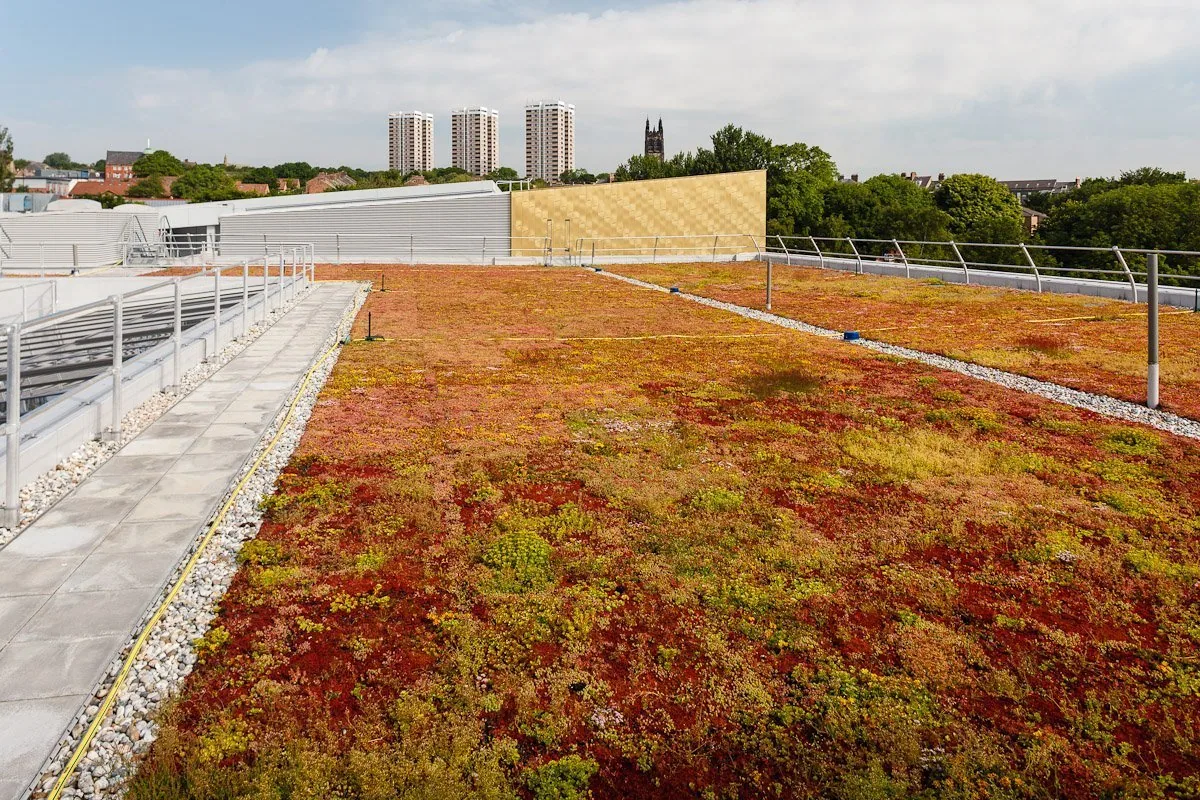
Start with the project file, then compare it with what can be seen at the roof. Records may identify a membrane family or insulation package, but later repairs and equipment work can change details. We inspect accessible field areas, seams, perimeter edges, penetrations, drains, and transitions. Where an edge or opening provides a view of the roof build-up, we note the layers and substrate without assuming the entire roof matches one exposed location.

That distinction matters when a property has several additions or roof zones. One section may use a thermoplastic sheet while an older wing retains a different system. A commercial roof inspection records the observable condition and the limits of the visit. If moisture could be concealed, an infrared moisture survey may help direct follow-up checks; it does not replace confirmation by opening or testing when the scope requires it.

We also note attachment and substrate conditions. A membrane can appear intact while insulation below it is wet, compressed, or poorly secured. That can affect repair bonding, drainage, and the suitability of a recover. Our recommendations separate visible evidence from assumptions and identify any test or destructive evaluation needed to answer an unresolved question.

Coordinate Membrane, Insulation, and Details

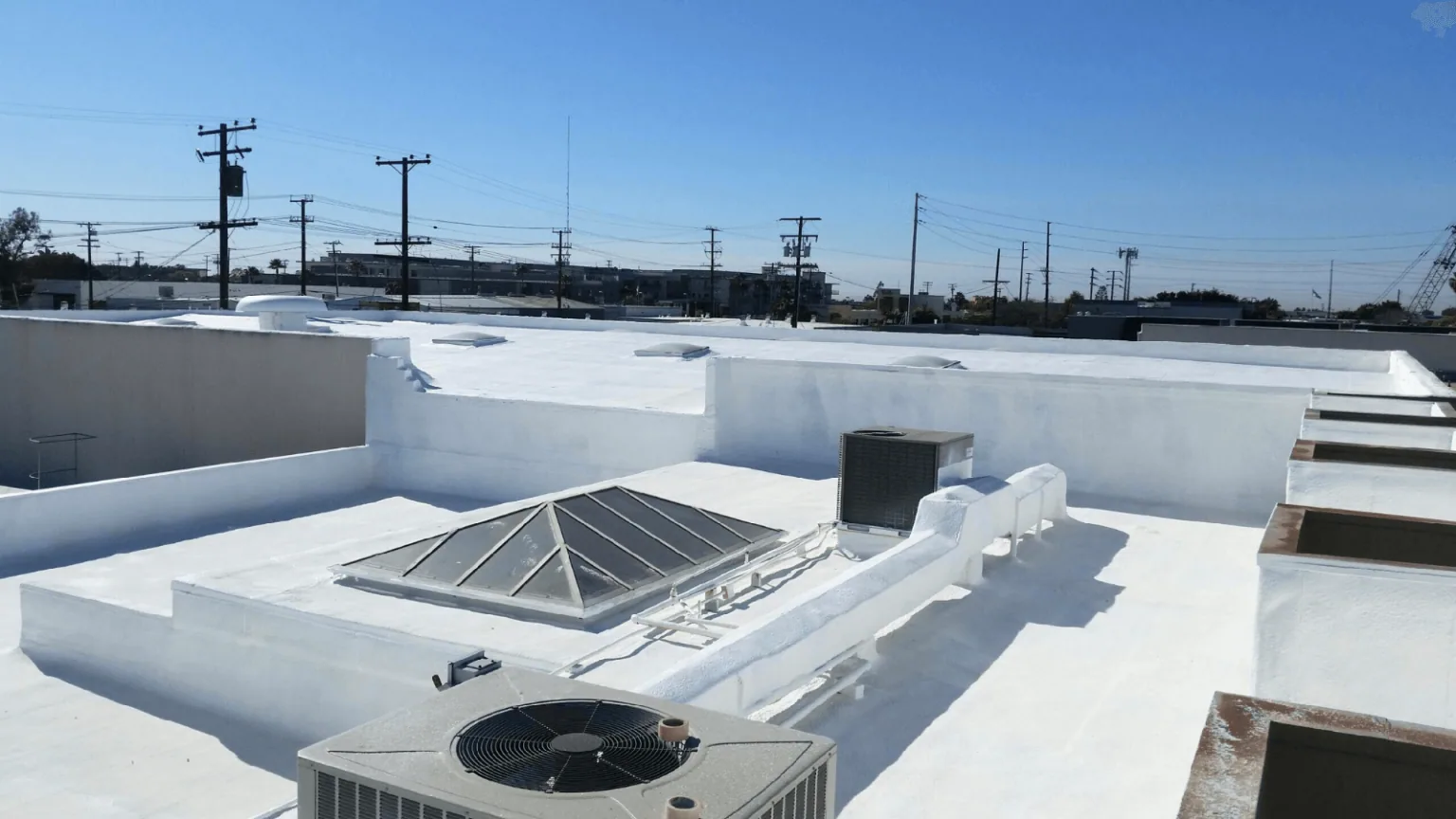
Installation planning begins with the deck and existing layers. The project team needs to decide what remains, what comes off, and whether damaged insulation or cover board must be replaced. We review the specified assembly, verify the substrate as work proceeds, and keep material transitions consistent across the roof area. The correct fastening or bonding approach depends on the approved design and actual conditions rather than a general product label.

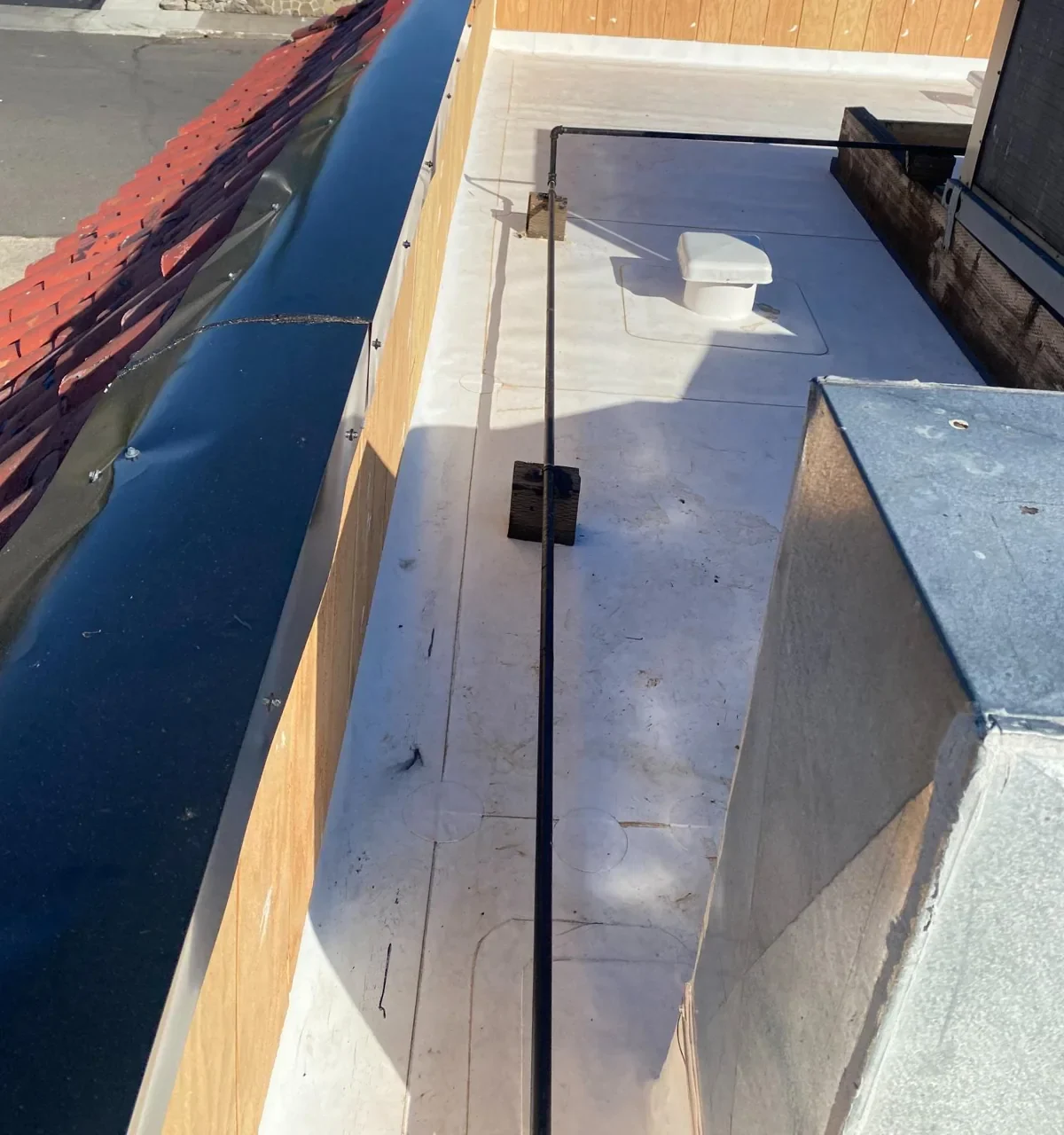
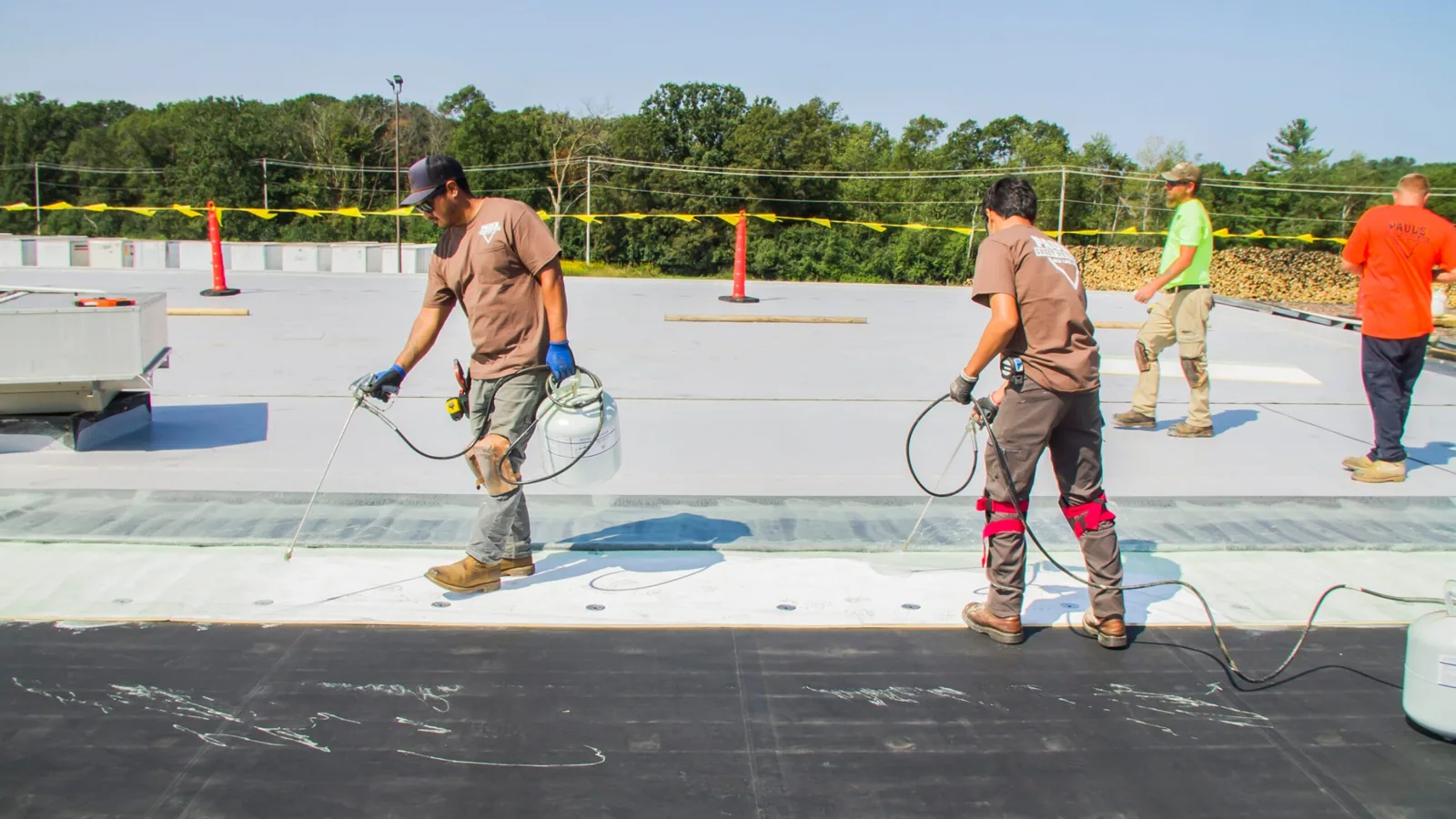
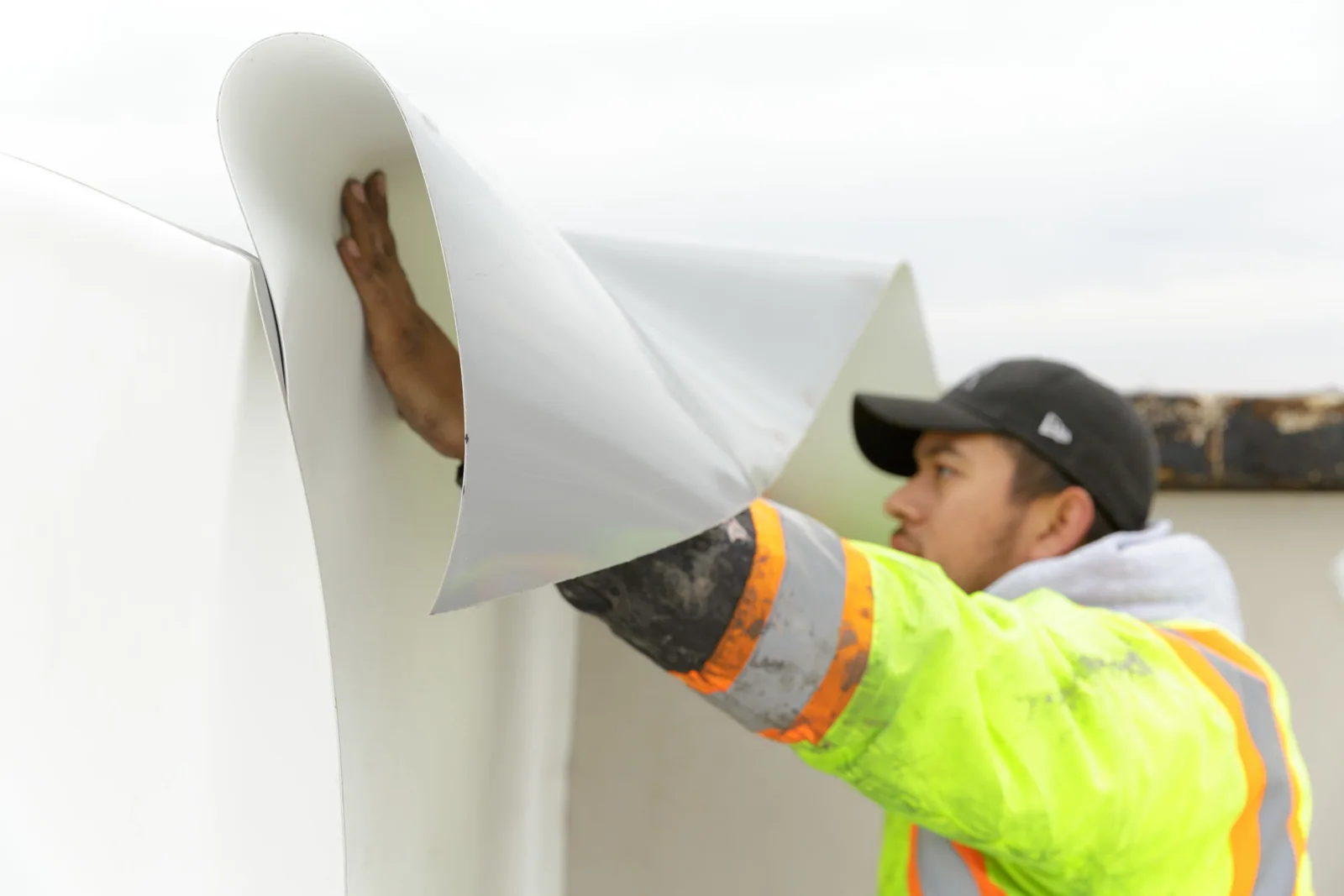
Seams and details deserve their own checks. Field laps, corners, curbs, pipes, wall transitions, and edge metal each need a compatible tie-in. A sound field membrane does not compensate for a loose curb flashing or an open perimeter detail. We coordinate drains and scuppers before work begins so water has a clear route off the roof and completed areas can be protected as the shift closes.

Hot summer conditions can raise Idaho Falls roof-surface temperatures above 90°F. We check safe handling and product limits before starting, then limit open areas to what can be completed and protected within the planned shift.

Trace Leaks to a Specific Roof Condition

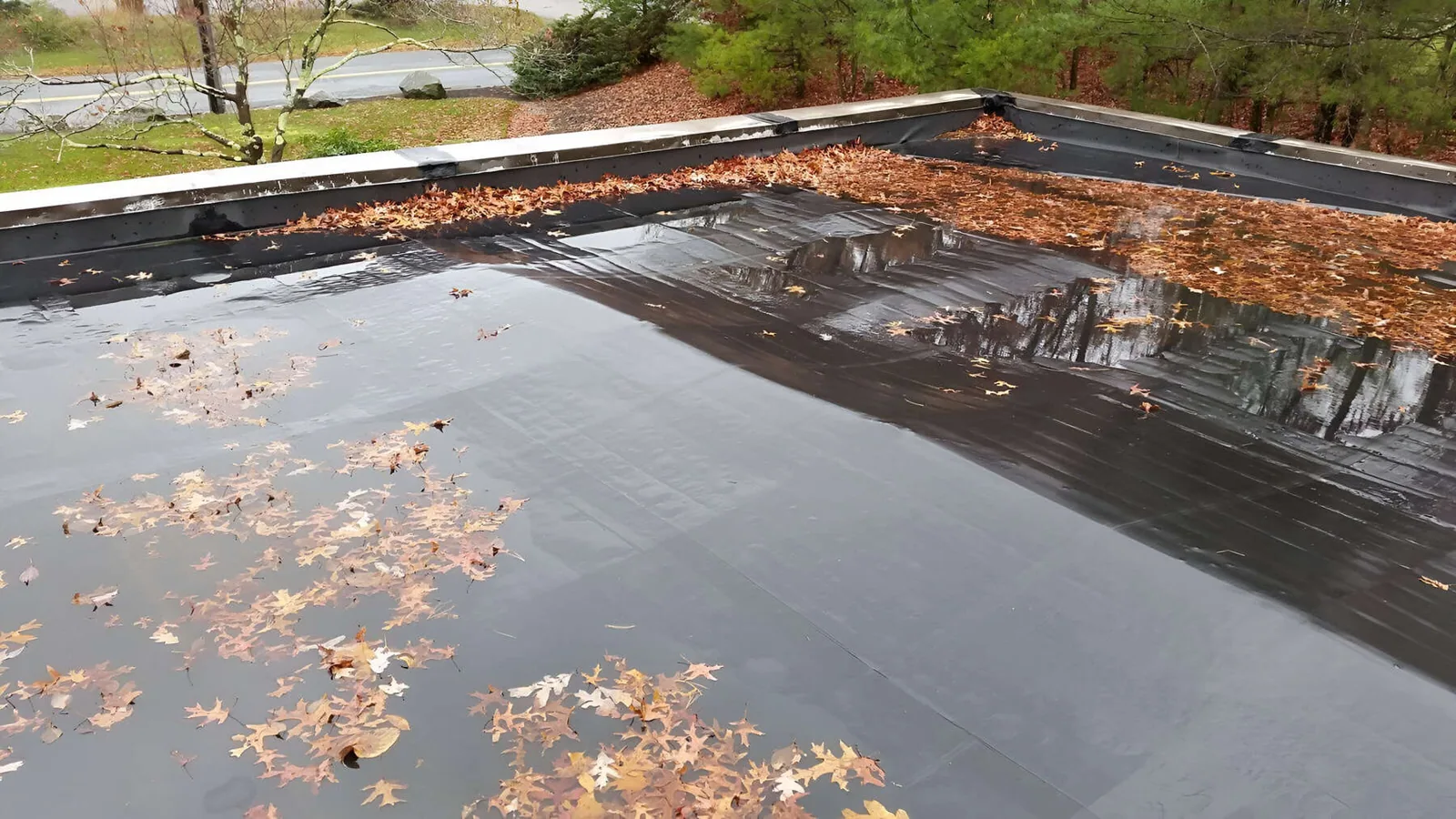
Interior water does not always appear directly below the roof defect. It can travel along a deck, insulation joint, or structural member before showing up inside. We compare the reported location with roof seams, penetrations, transitions, drainage points, and accessible interior evidence. The commercial leak investigation documents what is confirmed and separates a likely path from a proven opening.

Repair material and preparation must fit the installed surface. Thermoplastic seams need the right preparation and compatible detailing; asphaltic systems require a different repair approach. Coatings also need a suitable substrate and cannot be treated as a universal fix for wet insulation, loose membrane, or active drainage problems. If an edge is split, the seam repair assessment can define the repair area. A flashing failure review covers wall, curb, and penetration details where water may enter.

When urgent water entry threatens interior operations, emergency response is available at any hour, including weekends and holidays. The first step is to control active water where conditions allow and protect affected contents. Temporary measures are recorded separately from permanent repairs, which may require dry conditions, material confirmation, or additional access. We explain when a follow-up inspection is needed and avoid presenting an emergency covering as a completed roof restoration.

Plan Access Around the Property

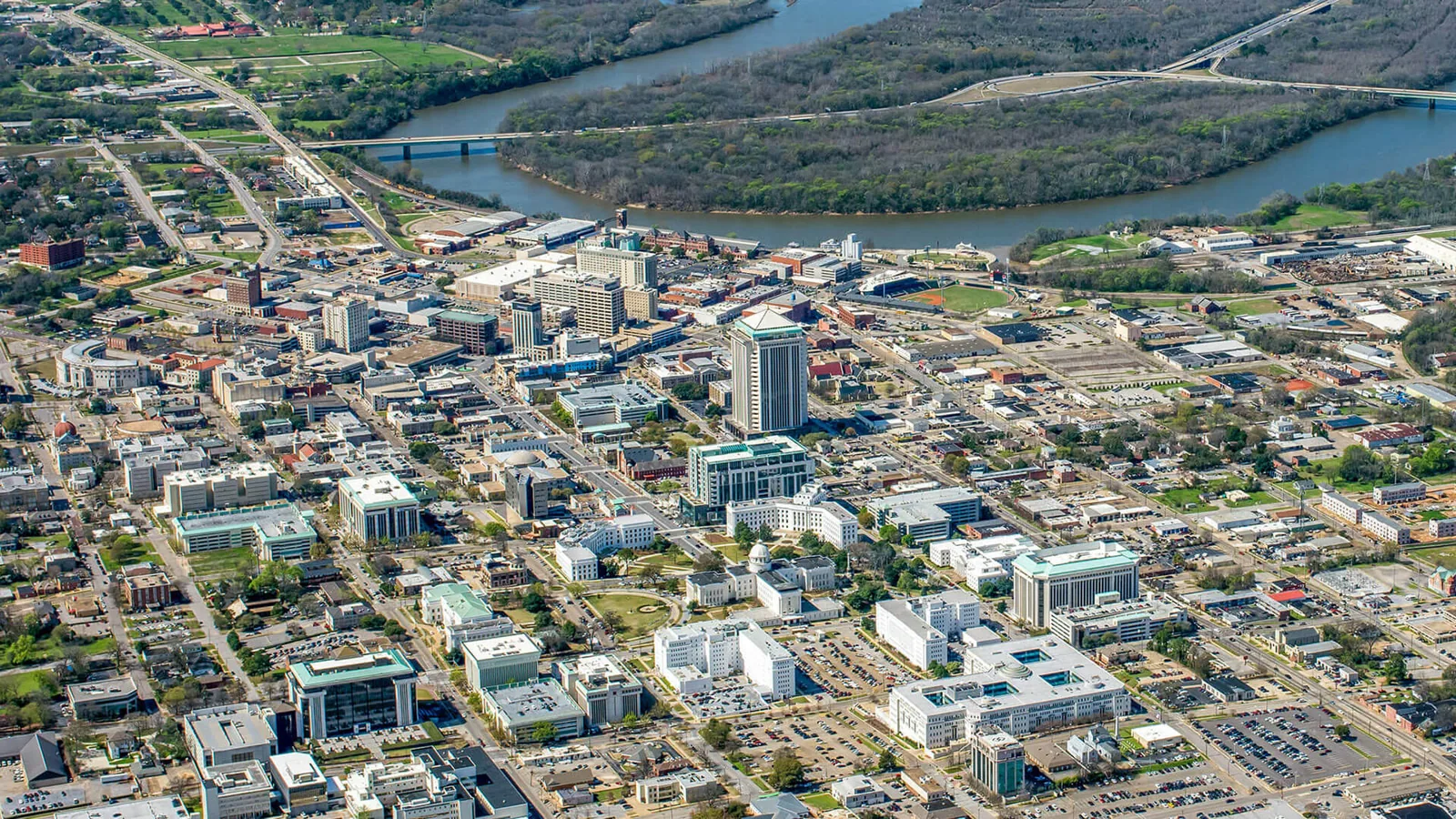
The Warehouse District combines storefronts with warehouse and light-industrial uses. Snake River Landing has offices, dining, residences, and event venues. In either area, we confirm roof entry, a material laydown point, any escort process, equipment coordination, and protection for occupied spaces with the property contact before work begins.

For an occupied property, the owner or manager can identify operating constraints, tenants affected by noise, and equipment that must remain online. We use that information to sequence tear-off, material movement, and installation. If a curb or rooftop unit needs another trade, the scope should identify who disconnects, supports, and reconnects it, along with how the roofing tie-in will be inspected. The occupied-building reroof plan helps organize these decisions before a roof area is opened.

Weather planning is part of access planning. Wind can affect sheet handling and rooftop material control, while low temperatures or moisture can affect preparation. We review current conditions and the manufacturer's project requirements before proceeding. If work must pause, the open area needs a defined protection step and a clear point for resuming. That keeps building staff informed and reduces confusion about which roof zones are complete, covered, or awaiting inspection.

Keep Records Useful for the Next Visit

A useful closeout records the system observed, the work completed, repaired details, materials used, photographs, and any remaining maintenance items. Roof-zone notes make later comparisons easier, especially when a building has additions or more than one assembly. We also document access limits and any area that could not be tested. Clear records help the next property manager distinguish a confirmed repair from a condition that still needs investigation.

Maintenance visits can revisit seams, flashings, penetrations, drains, and roof edges instead of treating the roof as a single undifferentiated surface. Debris removal and drainage observations belong in the record, as do new equipment penetrations or other trade work that may affect the membrane. A preventive roof maintenance visit gives the owner a repeatable way to track those conditions. If records point to widespread moisture or recurring failures, a replacement evaluation can compare repair, restoration, and replacement based on the evidence.

Our work includes the Idaho Falls Warehouse District, with storefront, warehouse, and light-industrial uses, and Snake River Landing, where office, dining, residential, and event activity affects circulation. We coordinate roof access and staging with the property contact, then identify the installed system before selecting compatible materials. If a specification names GAF or Carlisle SynTec components, we keep those requirements distinct. The written scope states the condition, proposed work, access needs, and exclusions.

Questions About Holcim Elevate Commercial Roofing

The product family can include single-ply membranes, modified bitumen, metal roofing, and insulation. We verify the materials at the property and do not infer the complete assembly from a label or an old record.

A recover review needs information about moisture, attachment, substrate condition, drainage, and the proposed assembly. We document known conditions and identify testing or openings needed before recommending that approach.

We inspect the reported area and nearby transitions, edges, penetrations, and drainage points. Water can travel beneath insulation before a stain appears; inspect seams, drains, curbs, and penetrations above and upslope of the interior mark.

Low temperatures and surface moisture can affect preparation, bonding, and seam work. We check current roof conditions and the applicable product instructions before starting, and keep the open area within a reliable dry-in limit.

Keep the assembly description, roof-zone notes, completed details, material records, photos, access limits, and remaining maintenance items together. We identify any condition that could not be confirmed during the work.

ServicesRoof SystemsIndustriesProperty TypesService AreasDamage RepairCapabilitiesManufacturersContactAboutRequest a Roof Assessment555-555-5555
Call us today555-555-5555