Solar-Ready Commercial Roofing in Idaho Falls, ID Serving Idaho Falls & Eastern Idaho

Prepare an Idaho Falls commercial roof for a future solar array with checks of membrane condition, structure, attachment, drainage, and electrical coordination.

Solar-Ready Commercial Roofing in Idaho Falls, ID

Solar-Ready Commercial Roofing

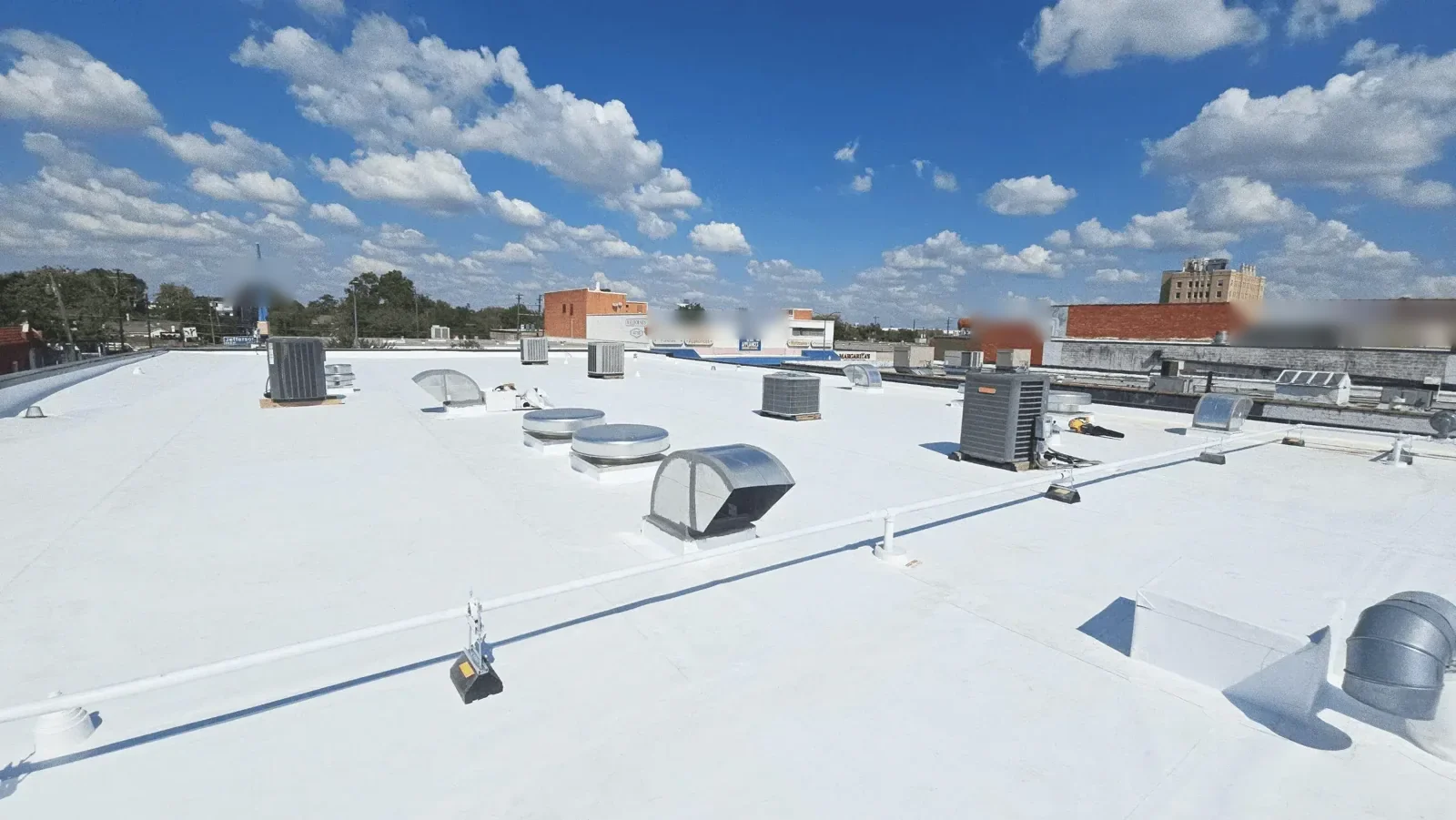
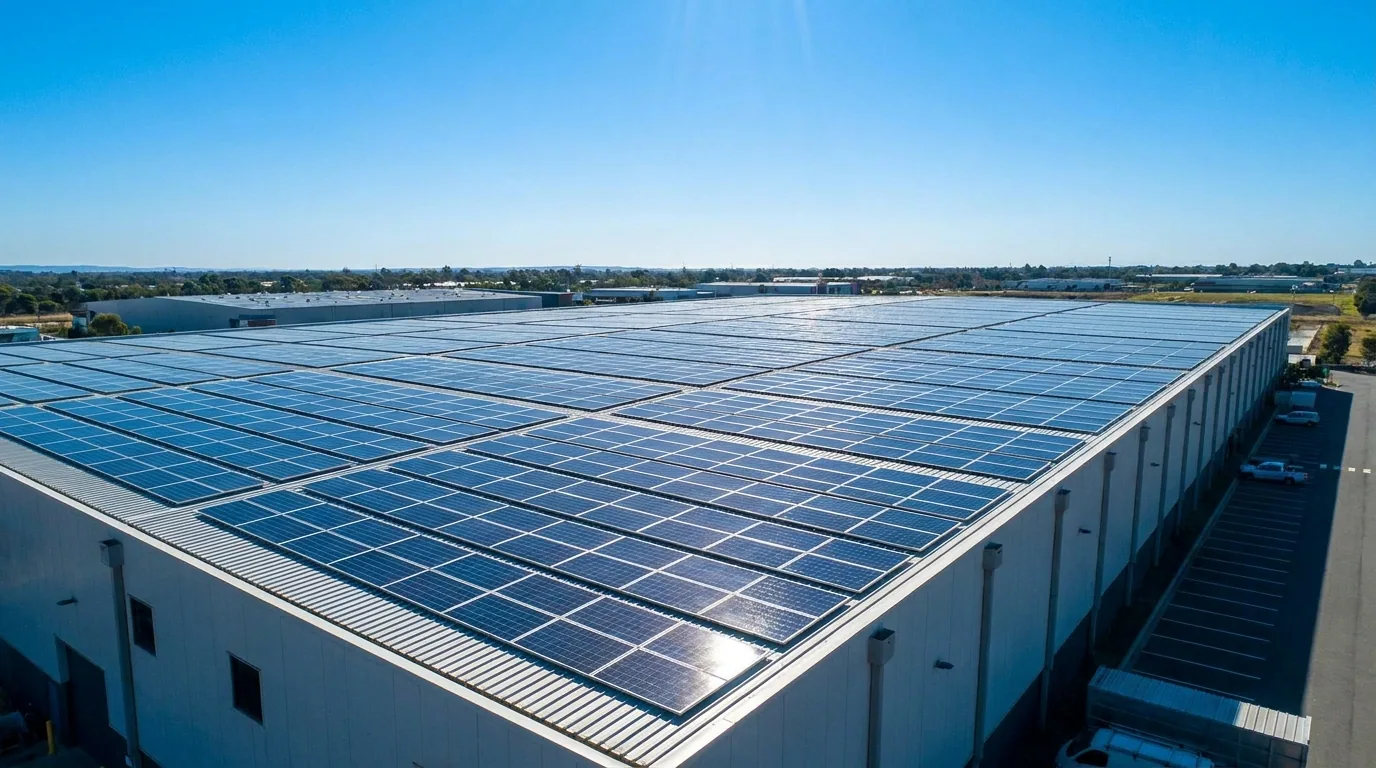
A solar-ready roof in Idaho Falls has to control water through freeze and thaw before it can support future equipment. Idaho Falls averages reflect an extended freeze season and recurring hot afternoons. We inspect membrane condition, attachment, and access before the design team evaluates a solar array for the building. We inspect the roof assembly and document what must be repaired, replaced, or structurally reviewed before an array layout moves ahead.

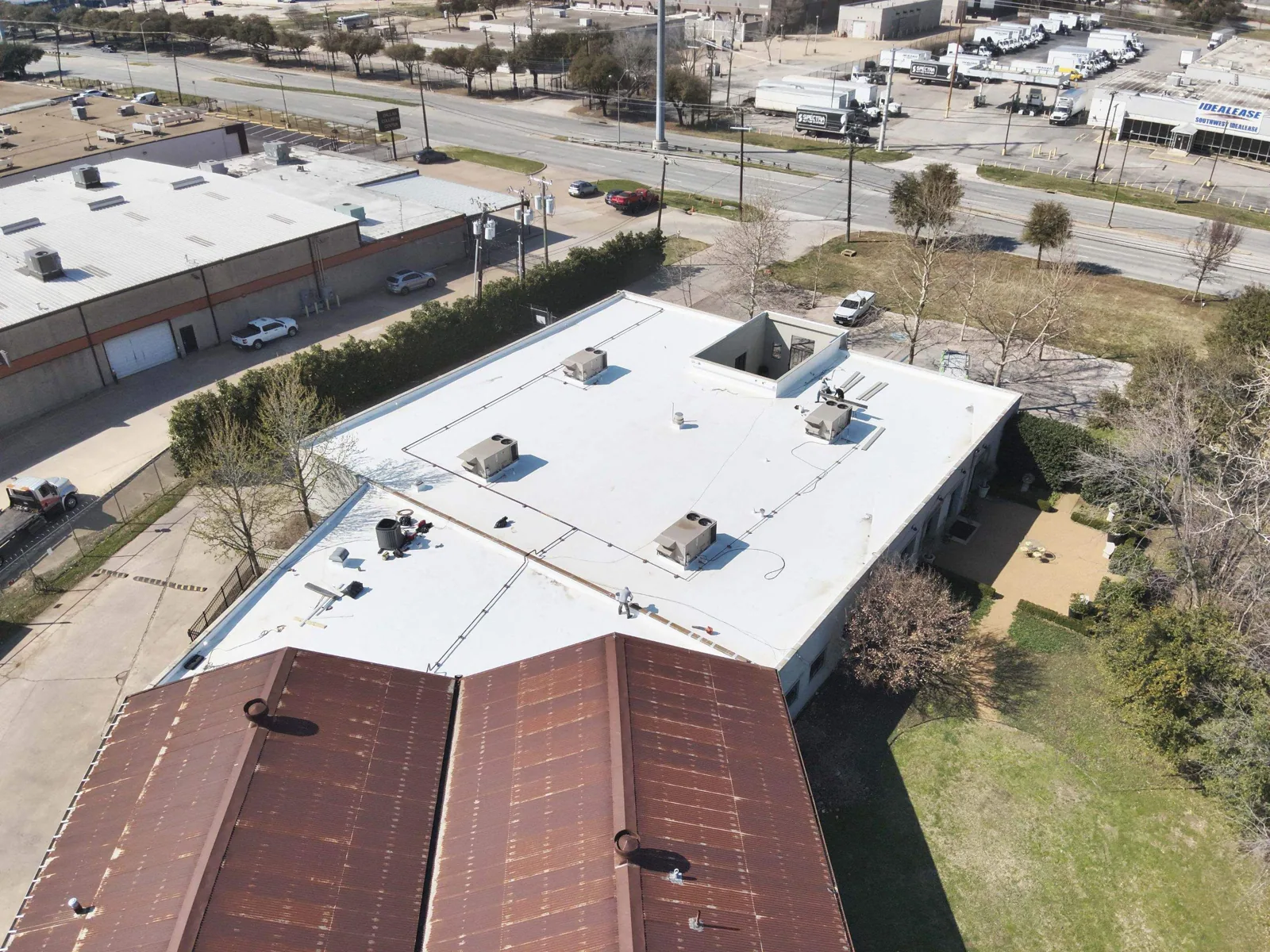
A solar-ready scope begins with roof condition, structural review, attachment details, and service access for future work. The roofing scope checks membrane, insulation, drainage, flashing, and existing penetrations; a qualified design professional evaluates structural loading, and the solar contractor handles array design and electrical work. At Snake River Landing, offices, dining, housing, and event venues share a broad mixed-use district. That kind of varied use makes roof access and future maintenance worth considering early, while decisions remain tied to each building's measured conditions.

Solar-Ready Commercial Roofing in Idaho Falls, ID

Check the Roof Before Adding Equipment

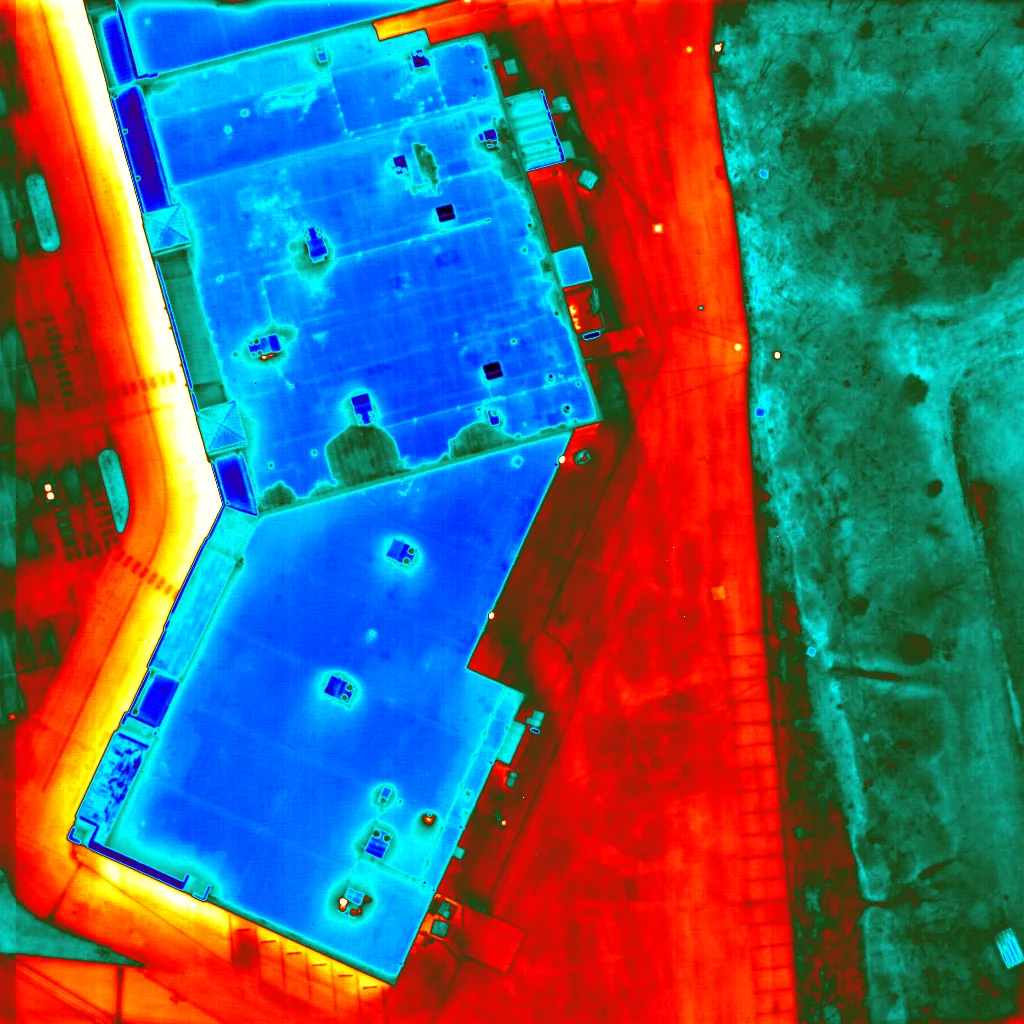
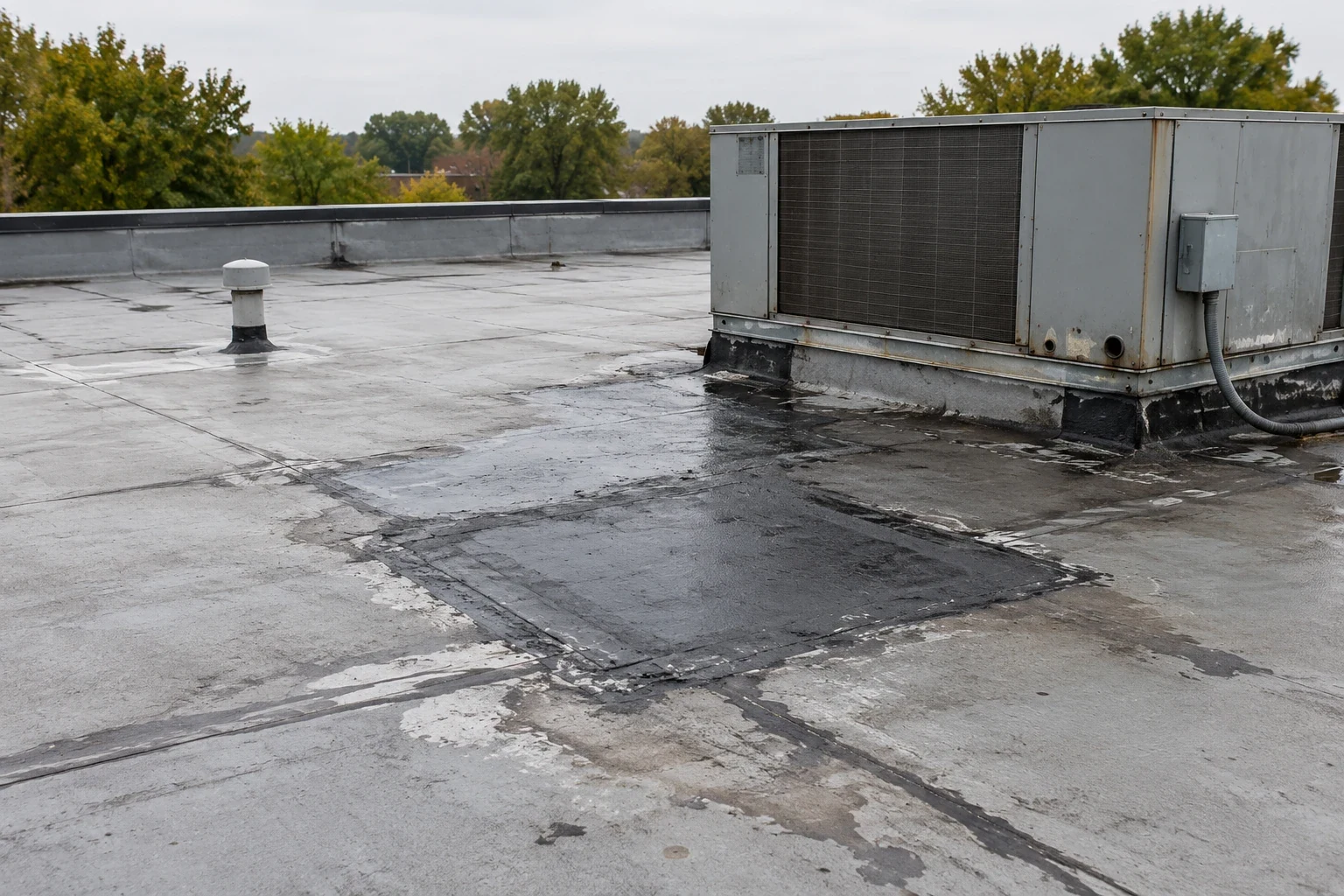
We establish the existing assembly, remaining condition, and repair history before an array layout is finalized. Open seams, wet insulation, loose attachment, damaged edge metal, or recurring leaks should be addressed before future mounts make the surface harder to reach. We note the roof areas available for maintenance paths and examine drains, scuppers, curbs, skylights, and parapets that could conflict with equipment placement. Where moisture is uncertain, testing can help define whether the roof should be repaired or replaced before adding new load and penetrations.

The roof condition record should distinguish observations from engineering conclusions. We can document membrane type, visible damage, attachment details, drainage, and access, but a structural engineer must evaluate the building's capacity for the proposed array. A hands-on roof inspection establishes the surface condition, while an infrared and core-cut survey can investigate suspected wet areas. We coordinate the timing with the project team so a test opening is restored before solar construction proceeds.

Before the array is installed, keep the roof plan current with attachment locations, walk paths, drains, curbs, and service clearances. If later maintenance requires a panel or walkway to move, the record should identify who approves that work and who restores the membrane. A coordinated drawing reduces uncertainty at future roof repairs.

Preserve Service and Drainage Access

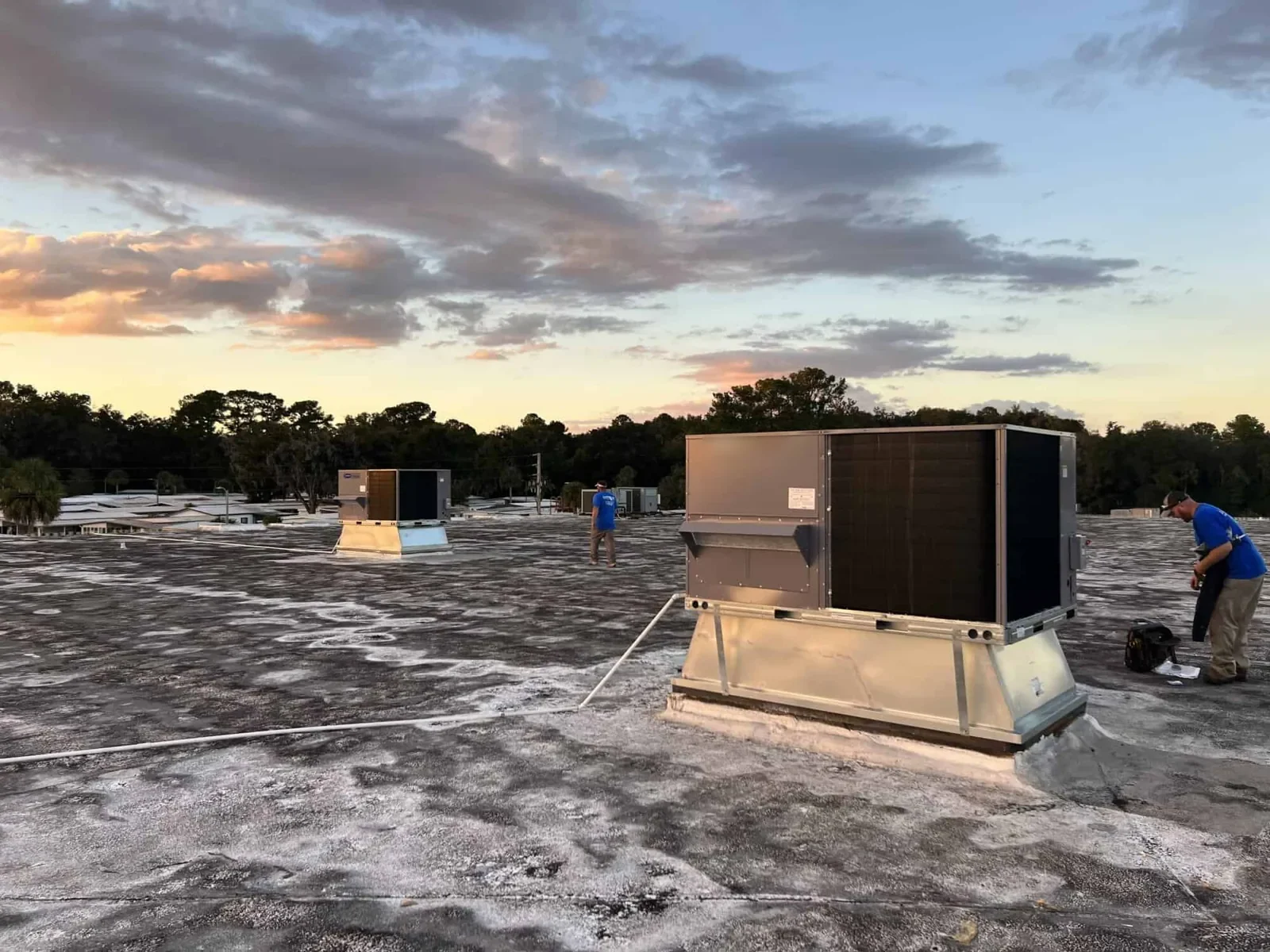
Array placement affects more than the panel field. Mounts, conduit, inverters, and service walkways can compete with drains, scuppers, curbs, skylights, and access to rooftop equipment. We compare the proposed layout with roof water paths and show where flashing or maintenance clearance needs to remain. The roof plan should identify who maintains the array, who maintains the roof, and how either trade reaches a detail beneath or beside equipment. A future service call should not require disturbing the entire membrane to clear an outlet.

Idaho Falls industrial areas include warehousing and distribution near rail, streets, and utilities. At those properties, loading and equipment access can be part of the roof and staging plan. College of Eastern Idaho's campus has classrooms, labs, healthcare education, technical facilities, and industry/trades buildings; its 2026 Future Tech Building adds classroom, laboratory, and collaborative space. These public building contexts illustrate the value of coordinating roof, electrical, and facility plans early, without assuming what any roof currently contains.

Coordinate the Roof and Solar Scopes

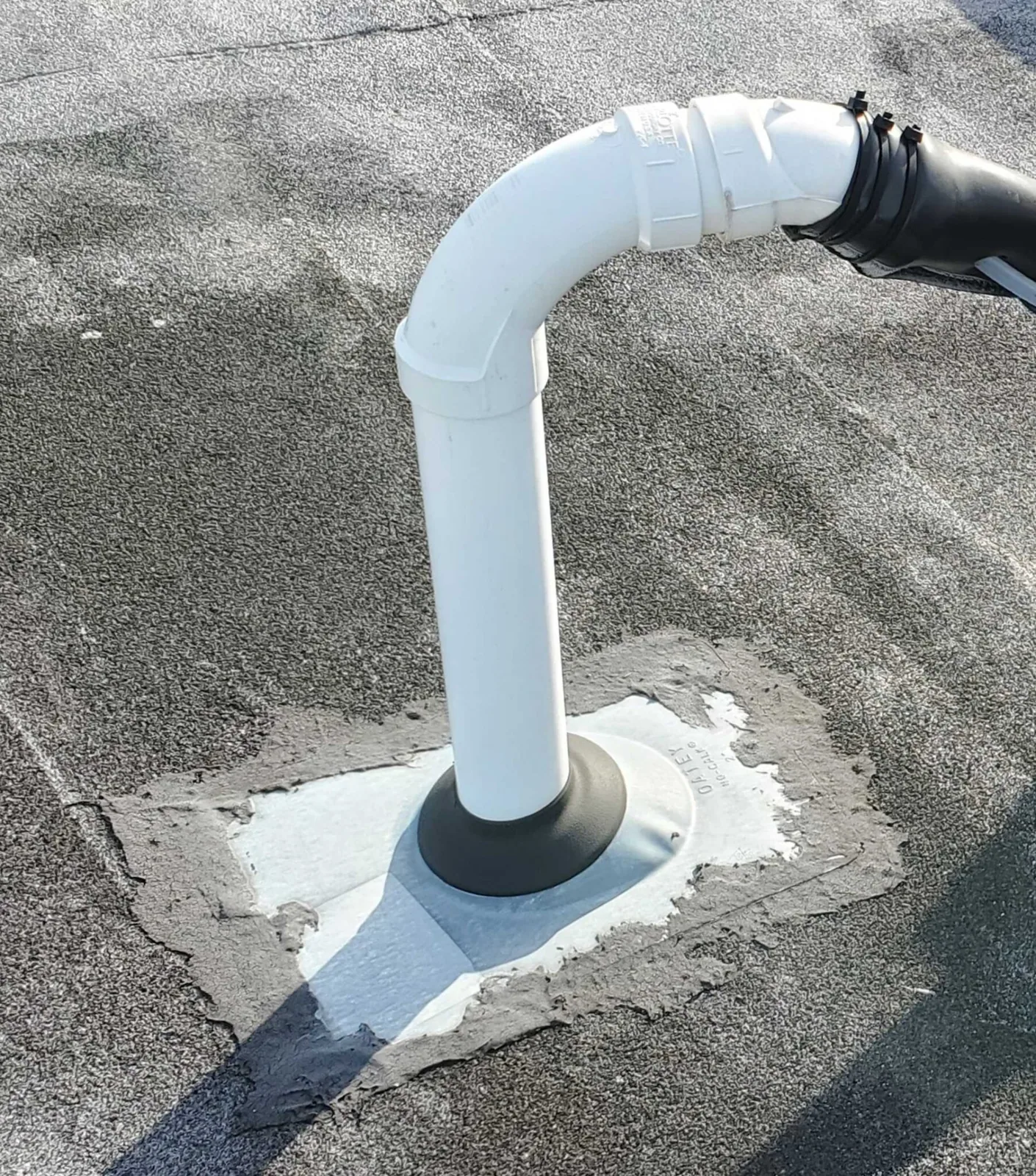
The roofing and solar scopes need clear handoffs. The project team should decide who designs structural attachments, who penetrates or seals the roof, who repairs existing defects, and who protects exposed material during array installation. We can document compatible flashing and membrane restoration at approved attachment points, but the solar design and electrical connections remain with their respective professionals. The estimate states the roof work included and identifies scope boundaries before material is removed.

Roof type matters. A membrane system may require a specific curb or penetration flashing, while a metal roof uses different attachment and sealing details. We identify the material and connect the proposed detail to its requirements. A curb and support repair can correct existing equipment bases before new work, and penetration flashing can address openings that need to remain. New attachments should not be installed through an unresolved leak or wet area.

Plan Around Idaho Falls Conditions

The local climate affects when crews can inspect, repair, and restore the roof. Winter freezing and summer heat affect safe access and application limits, while snow can cover drains and mounting locations. We sequence roofing work so membrane repairs and flashings can be completed under suitable conditions before equipment blocks access to them.

Snow removal, wind exposure, and future panel service also belong in the operations plan. We review where walkways or access routes can avoid seams and drains, and identify where future maintenance may require lifting or removing a component. A solar-ready roof scope needs structural, electrical, and roofing details coordinated before equipment is attached. A roof assessment supplies documented roof conditions but does not replace engineering or permitting review.

Decide Whether to Repair or Reroof First

If the roof has sound attachment, dry insulation, reliable drainage, and repairable details, the project team may be able to coordinate future solar work with planned roof maintenance. When the assembly is near the end of its serviceable condition, reroofing before installation can avoid working around an array later. We compare repair, recover, and replacement based on observed roof conditions, not a panel vendor's preferred timeline. The owner receives a list of roof items that must be resolved before the solar scope advances.

Project cost changes with structural review, mounting design, membrane condition, access, electrical coordination, and how much roofing must be replaced or reinforced. Timing depends on design decisions, permits, material availability, and weather. Our replacement assessment can document a new roof assembly, while a maintenance plan can preserve access and record conditions around existing equipment. A capital planning review can compare roof work with the building's longer project schedule.

Questions About Solar-Ready Commercial Roofing

The roof needs a documented condition, adequate structure for the designed array, a compatible attachment and flashing plan, and access to drains, equipment, and future roof repairs. Structural capacity is an engineering question. We inspect and record the roofing assembly so the owner can coordinate the roof scope with solar design.

The answer depends on condition, remaining service needs, moisture, attachment, and the proposed equipment load. We inspect seams, flashing, drainage, and insulation, then identify repair or replacement work that should precede the array. A structural engineer evaluates capacity; roof age alone does not answer either question.

The project team should define responsibility before installation. The solar contractor designs and installs its array components, while a roofing contractor addresses membrane and flashing work within the agreed scope. We coordinate the roof tie-in and document material, preparation, and repair limits so an attachment does not leave an unclear water-control responsibility.

They can restrict access to areas beneath and around the array. The layout should preserve routes to drains, curbs, and equipment and identify who can remove components if roofing work is needed. We review access during planning so the owner understands how the roof will be inspected and maintained after installation.

When the existing assembly has widespread wear, wet insulation, failing attachment, or repeated leaks, it can be practical to address the roof before adding equipment. We document condition and compare repair, recover, or replacement. The owner and design team can then align the roof schedule with structural and electrical planning.

ServicesRoof SystemsIndustriesProperty TypesService AreasDamage RepairCapabilitiesManufacturersContactAboutRequest a Roof Assessment555-555-5555
Call us today555-555-5555