Commercial Skylight and Penetration Flashing in Idaho Falls, ID Serving Idaho Falls & Eastern Idaho

Repair commercial skylight and penetration flashing in Idaho Falls with a review of curbs, seals, membrane tie-ins, drainage, and interior water signs.

Skylight and Penetration Flashing in Idaho Falls, ID

Skylight and Penetration Flashing

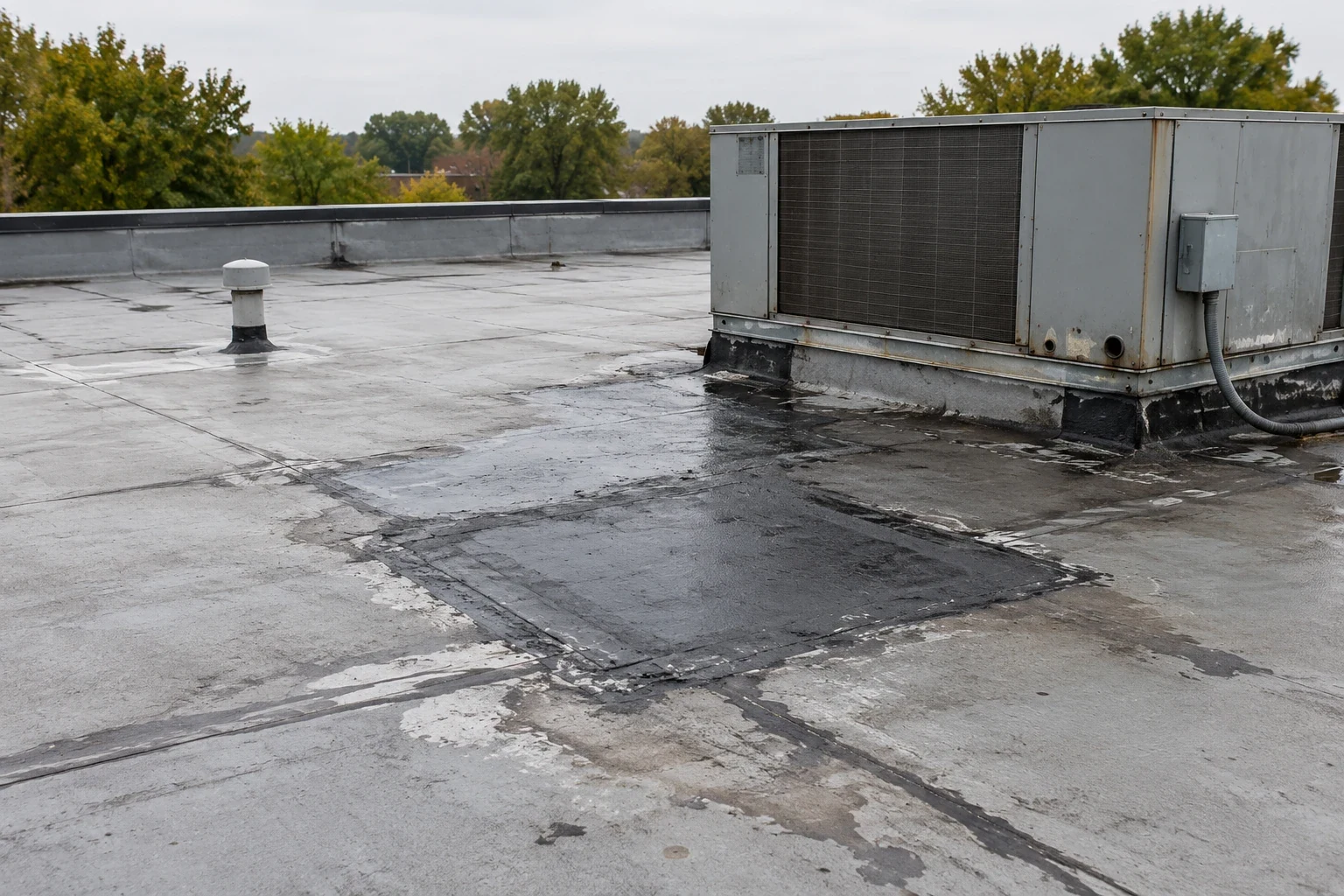
Ice at a skylight curb or pipe penetration can keep water against a roof detail through Idaho Falls' long winter cycle. Idaho Falls averages record 182.2 days each year when minimum temperatures reach freezing or below, followed by a hot summer season. Those regional values do not describe a specific curb, but they help explain why transitions deserve inspection as the seasons change. We check the opening, curb, flashing, membrane tie-in, and drainage around it, then document whether the repair needs surface work or reconstruction down to sound material.

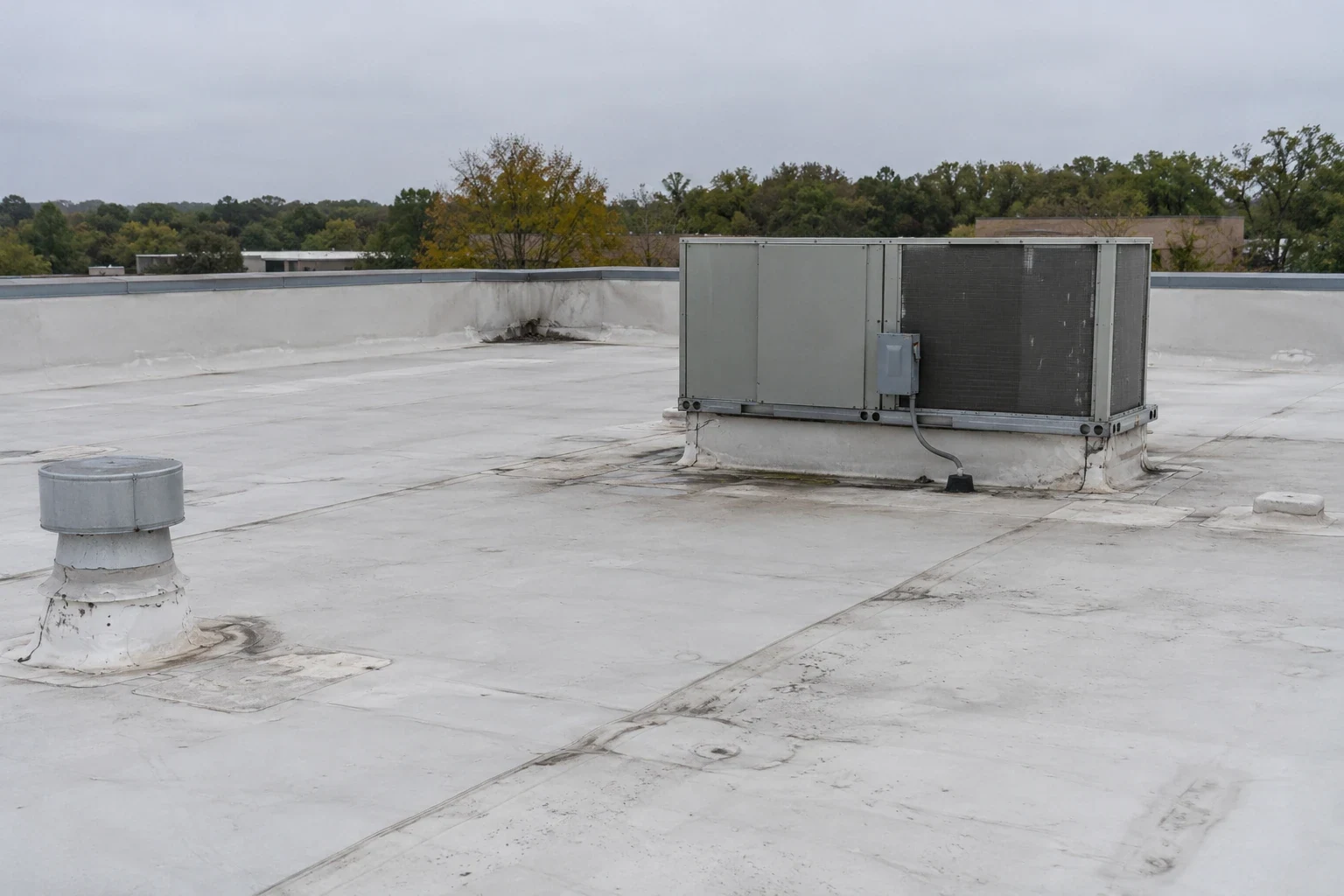
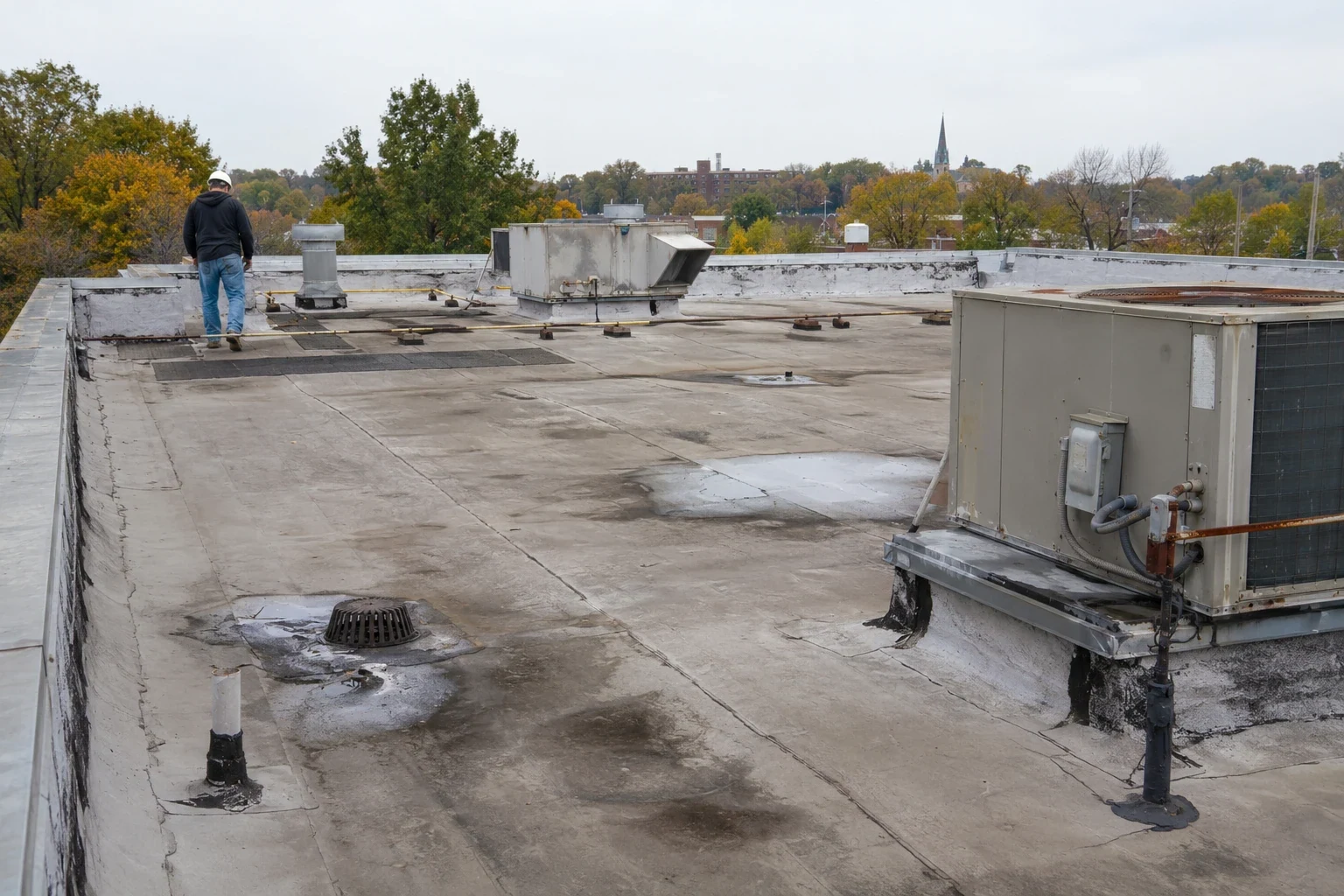
Skylights, vents, conduit, pipe boots, and equipment curbs interrupt the roof field. Each opening creates a point where water control depends on compatible flashing, secure attachment, and a sound connection to the membrane. The roof may leak at a curb corner, a split boot, a deteriorated seal, or the membrane itself. We compare interior signs with the roof detail above, look for related openings, and mark any moisture testing needed. At Shelley's commercial core and Spud Alley, storefront activity and food-processing employment give context for occupied properties, but the roof inspection remains specific to the building being serviced.
Skylight and Penetration Flashing in Idaho Falls, ID

Inspect Every Side of the Opening

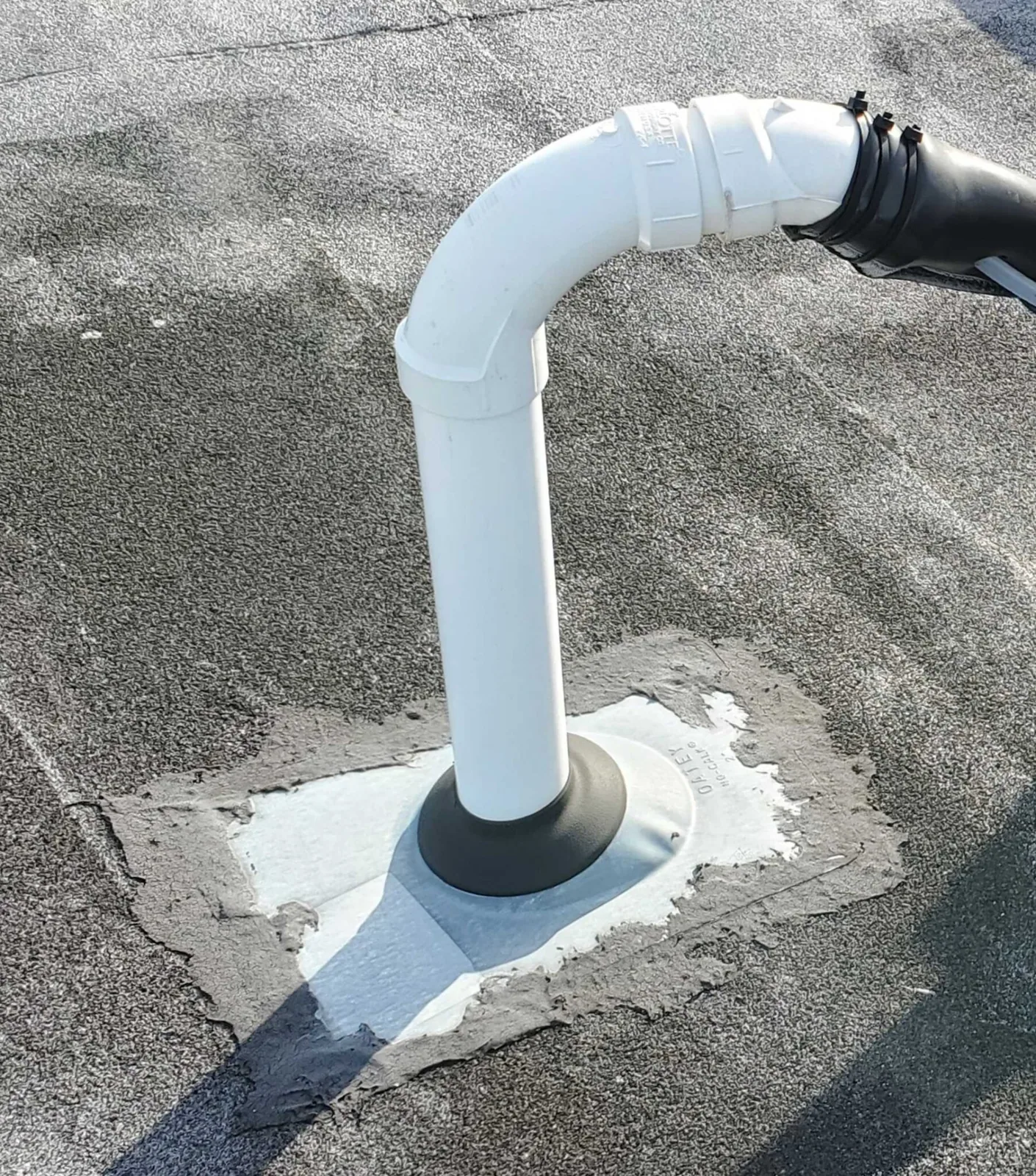
We examine curb height, corners, cap flashing, counterflashing, fasteners, sealant, membrane attachment, and the condition of the adjacent roof. Skylight glazing and frame condition may also matter when water appears near the opening; we record what is visible and separate glazing concerns from roof flashing. For pipe penetrations, we inspect the boot, collar, clamp, and connection into the field system. The repair method depends on membrane type and the state of the substrate, not on a generic caulk line.

Water can travel from one side of a curb before appearing on another interior surface. We check seams, nearby drains, and the slope leading away from the opening. If several penetrations share a problem, we map them and distinguish common material wear from separate failures. A leak tracing inspection can connect an interior mark to the likely entry point, while drainage corrections can address water that sits against the curb. Each recommendation states whether more testing is needed before repair begins.

Rebuild the Water-Shedding Detail

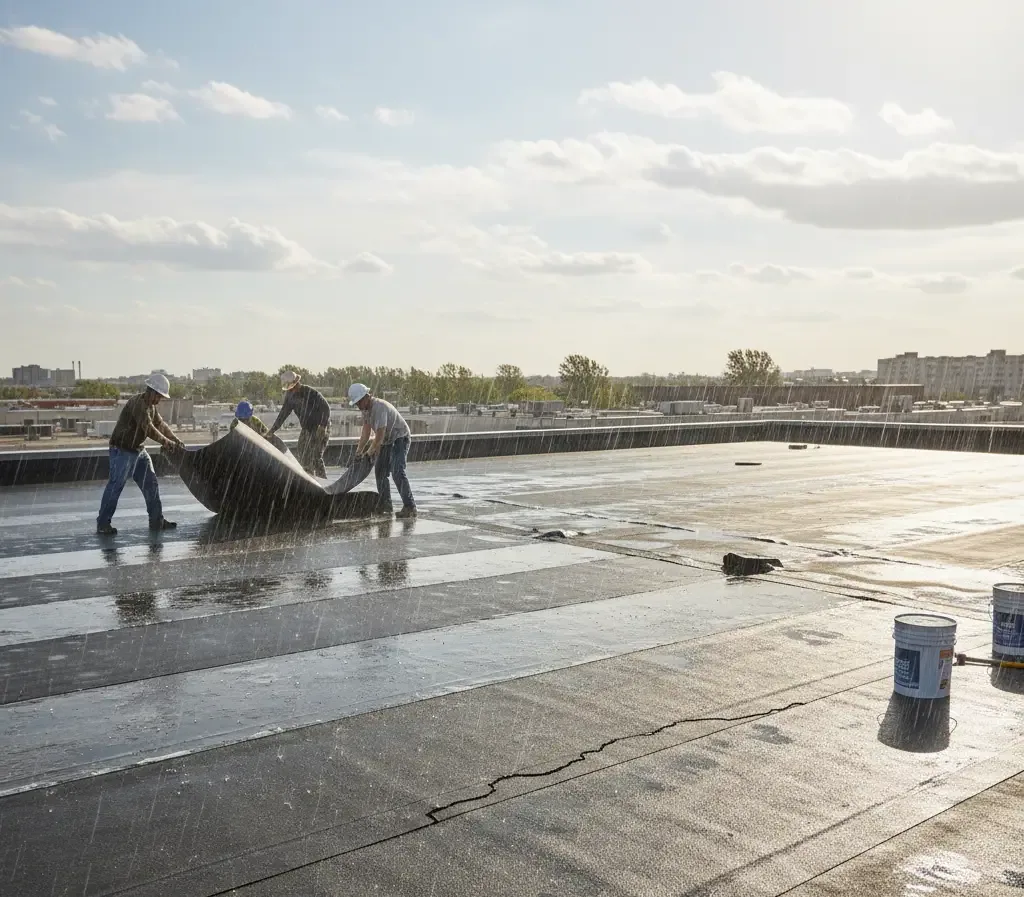
Sound flashing turns up the curb or penetration, joins securely to the roof membrane, and sheds water back onto the field. Repair may require removing failed sealant or membrane, preparing the surface, and installing compatible flashing with reinforced corners. If the curb or nailer has moved, a surface patch may not stay attached. We inspect the substrate and specify any framing or deck repair separately. The scope should define the tie-in, material, edge, and test or closeout step rather than simply call for resealing.

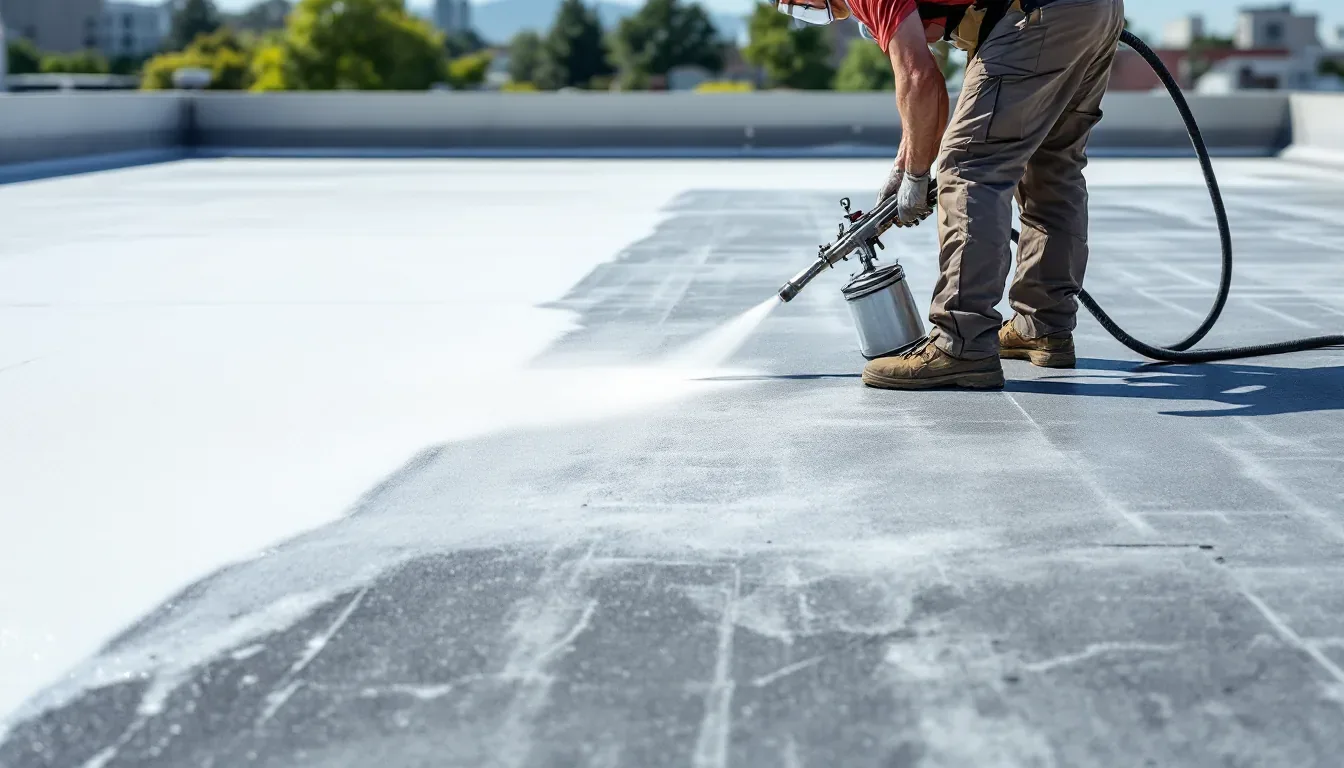
Thermoplastic membranes, EPDM, modified bitumen, coatings, and metal each use different joining methods. We identify the assembly before selecting adhesives, welds, flashing sheet, or liquid-applied detail material. A TPO curb detail will not use the same repair as an EPDM penetration. We confirm the compatible method and prep requirements, then tie the repair into sound field material. Where skylight replacement is part of the work, the curb and membrane connection need to be coordinated with the new unit.

Fit the Work to Seasonal Conditions

Idaho Falls averages show a January mean of 20.4 degrees and a July mean daily high of 86.6 degrees. Temperature affects safe access, surface condition, and product installation limits, while snow or thaw may obscure a curb or hold water beside it. Check current temperature, wind, precipitation, surface condition, and the selected flashing product’s requirements before opening a curb. We review current conditions, material requirements, and the exposed detail before opening the roof. A weather hold is preferable to leaving a transition unprotected or using a repair outside its application limits.

Idaho Falls roof work spans a long winter freeze cycle and a warm summer application season. We inspect corners, loose boots, and blocked drains before opening a curb; after rain or thaw, interior signs can help locate an active path. At Snake River Landing, offices, dining, residences, and event venues operate across a broad mixed-use area, making staging and interior protection a property-specific decision. We coordinate lift access, room restrictions, equipment below, and temporary water control with the facility contact.

Protect Occupied Space

A skylight repair can place tools and materials above occupied rooms, and a curb opening may require temporary protection while flashing is rebuilt. We identify the area below the repair, discuss whether daylight or interior access will change, and protect equipment and finishes where necessary. On an operating warehouse or production property, we plan around service routes and active machinery. At a retail or education building, entrances and room schedules may shape the sequence. The building contact should know when an opening is exposed and when the tie-in is closed.

We document the opening before repair and photograph the completed flashing. If moisture has affected insulation or the deck, we identify those conditions and seek approval for added removal. A photo record can preserve the detail for future inspections. A maintenance check can later review the curb, nearby seams, and outlet path. That follow-up is particularly useful after equipment or skylight work has disturbed the roof surface.

Price the Detail, Not Just the Sealant

Repair cost depends on opening size, curb condition, membrane type, access, interior protection, and whether wet substrate or framing needs correction. Several similar penetrations may be repaired together, but each opening needs its own condition check. We separate flashing work from skylight or plumbing work that belongs to another trade. The estimate states preparation, reinforcement, material, tie-in, and any concealed condition allowance so the manager can compare the proposed scope with the observed roof.

Timing depends on weather, access, material compatibility, and coordination with the work happening below. If the curb or deck needs rebuilding, the repair may involve a longer sequence than replacing a boot. We identify each decision point and keep the opening protected during pauses. For a larger roof review in Snake River Landing or elsewhere in the service area, a hands-on inspection can record other transitions and drainage concerns found during the visit.

Questions About Skylight and Penetration Flashing

Water may enter at the curb, corner flashing, membrane tie-in, fastener, or glazing seal and travel before appearing inside. We inspect the frame and roof detail separately, then compare the interior sign with the likely path. The repair scope identifies whether roof flashing, glazing, or both need attention.

That depends on the boot material, condition, connection, and compatibility with the roof system. A split or loose boot may need replacement and a membrane tie-in rather than additional sealant. We inspect the collar, clamp, and surrounding field, then document the method that restores a continuous water-shedding detail.

No. Curb construction, height, membrane type, corner condition, and water exposure all affect the detail. We inspect each side and the adjacent field, note movement or wet substrate, and specify compatible materials. A repeat detail can guide the method, but it does not replace checking the actual curb.

We document the condition and explain whether framing or deck repair is needed before the flashing can be rebuilt. The work sequence protects the opening, repairs the base, and reconnects the membrane and curb detail. Concealed work is approved separately so the owner can see what changed from the visible repair estimate.

Often the work can be planned around building operations, but the roof access, interior location, equipment, and duration matter. We coordinate any temporary opening, noise, protection, or room restriction with the facility contact. The written sequence says how the opening will be secured during each work period.

ServicesRoof SystemsIndustriesProperty TypesService AreasDamage RepairCapabilitiesManufacturersContactAboutRequest a Roof Assessment555-555-5555
Call us today555-555-5555