Commercial Roof Edge Metal, Coping and Gutter Repair in Idaho Falls, ID Serving Idaho Falls & Eastern Idaho

Repair commercial roof edge metal, coping, gutters, and downspouts in Idaho Falls with a review of attachment, flashing, drainage, and safe access.

Roof Edge Metal, Coping and Gutter Repair in Idaho Falls, ID

Roof Edge Metal, Coping and Gutter Repair

January averages near 20 degrees at Idaho Falls, and winter cycling can expose movement at a roof's edge. Coping, fascia, gutters, and edge metal complete the perimeter where the membrane turns, terminates, or drains away. A loose cap can admit water behind the flashing; a gutter that has lost slope can spill against the wall or hold ice. We inspect the full perimeter and trace where water should leave the roof before proposing repair. The detail, attachment, and drainage path matter more than a bead of sealant at the visible joint.

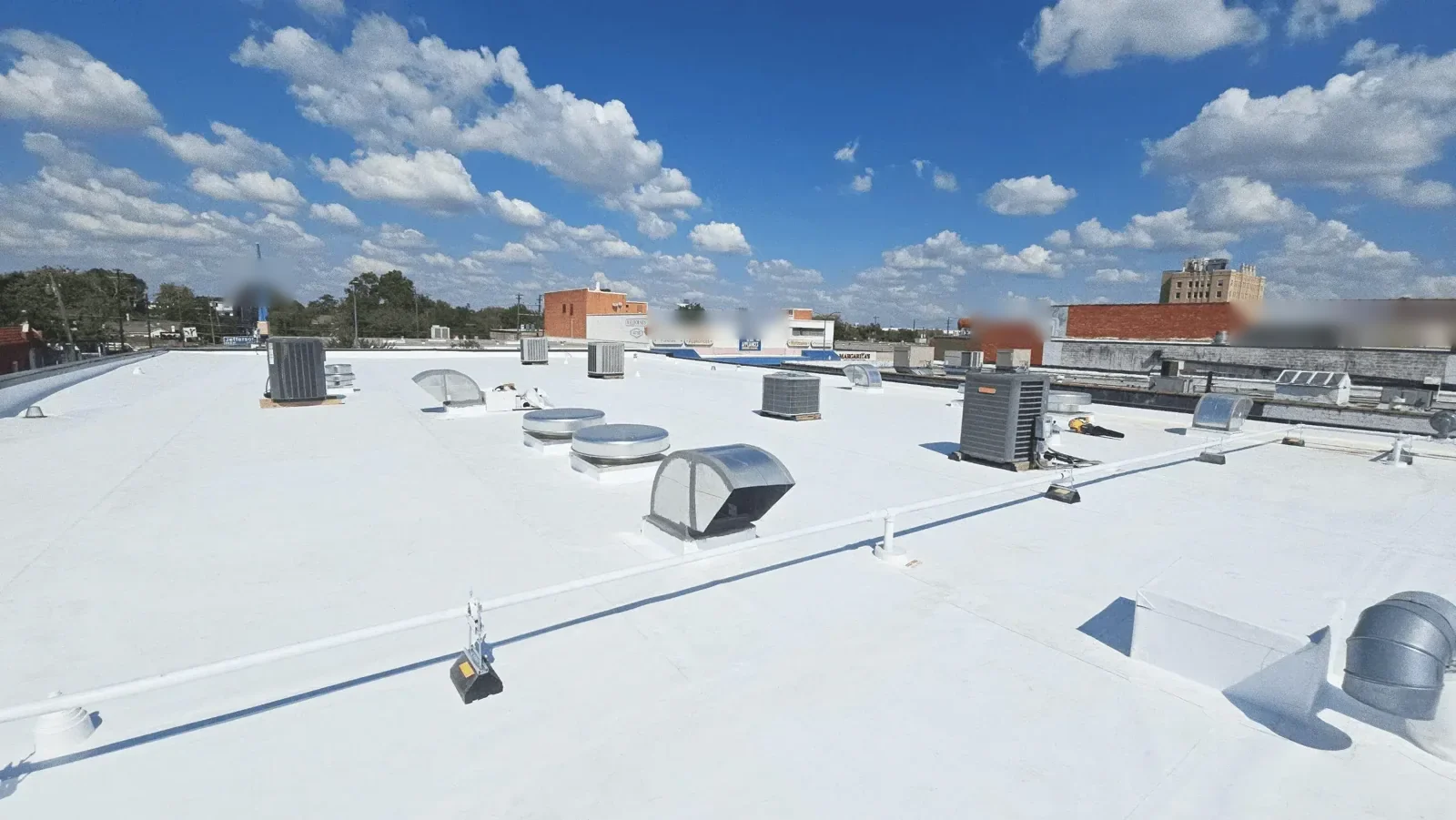
Idaho Falls includes industrial, manufacturing, office, health-care, retail, and education properties, each with different roof geometry and access. We note the edge condition, substrate, existing membrane tie-in, fasteners, joints, and discharge points. At Anderson Bush, Anderson Bush is a broad district near Anderson Street and US-20, with several multifamily buildings completed in the area during 2024 and 2025. We inspect the actual roof-to-wall transition, edge securement, coping joints, and gutter connection before defining the repair.
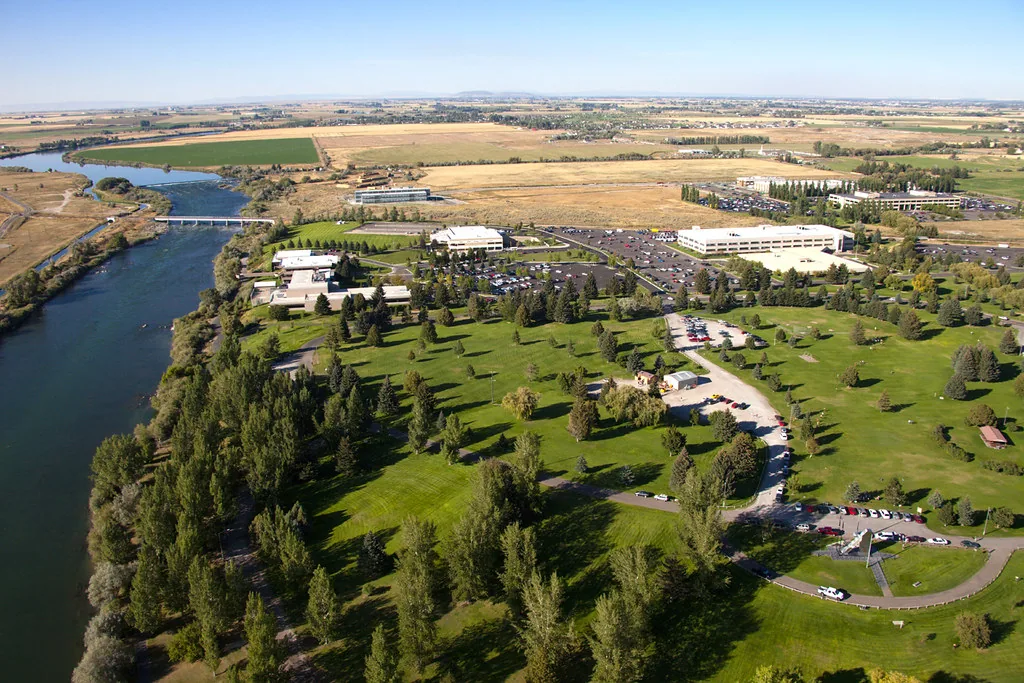
Roof Edge Metal, Coping and Gutter Repair in Idaho Falls, ID

Inspect the Termination

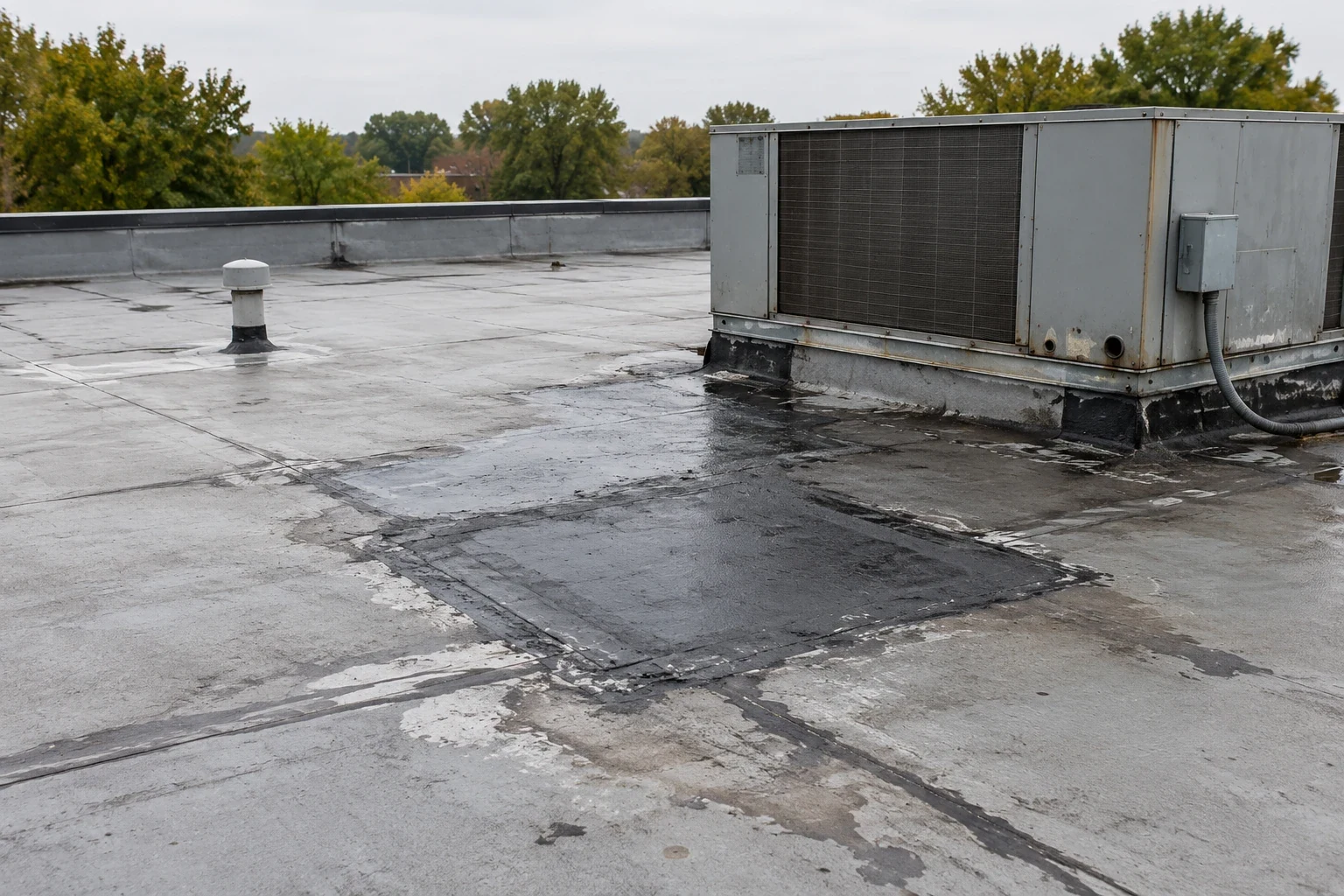
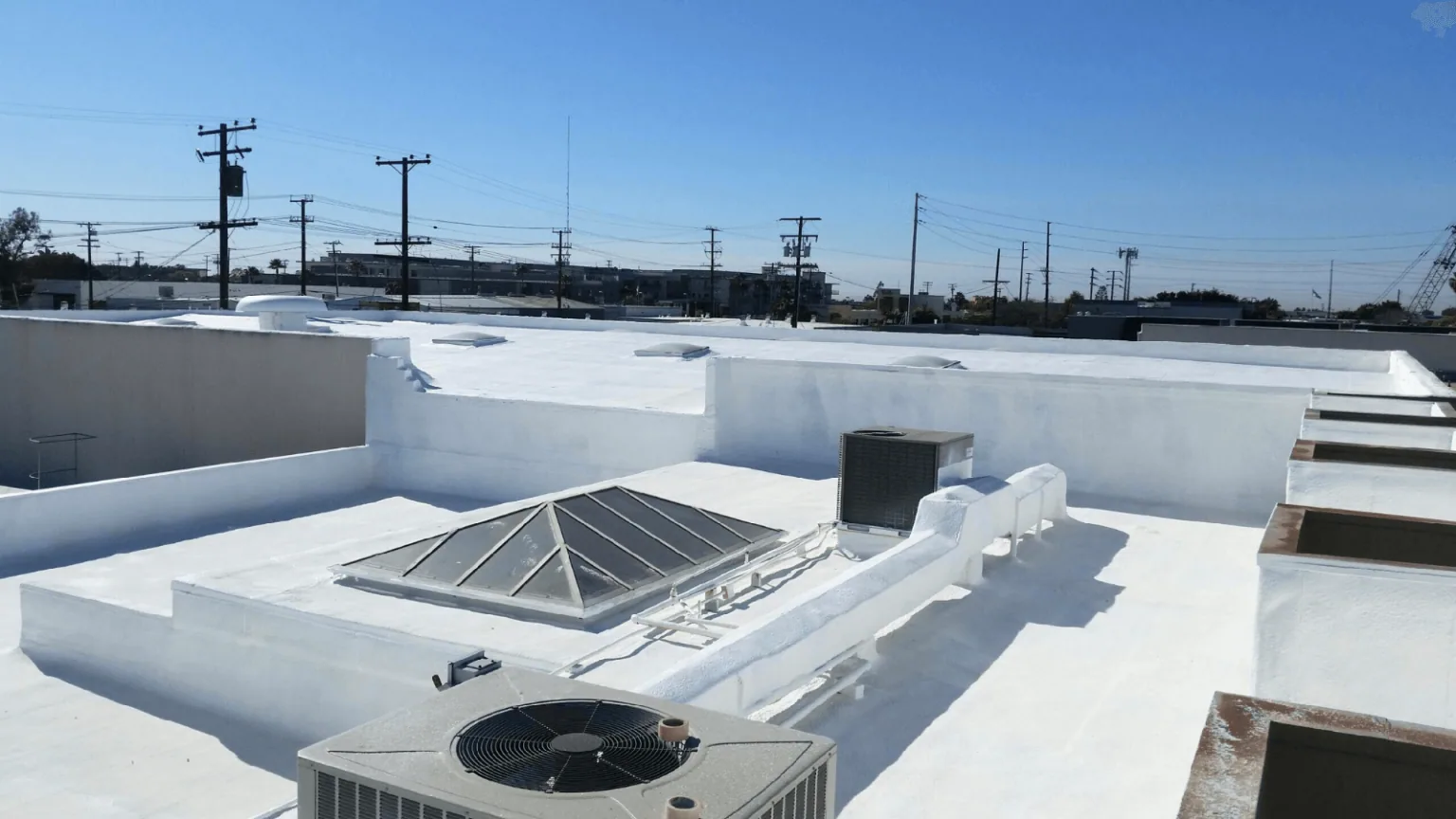
At a parapet, coping has to cover the wall top and remain secured while the roof membrane turns up beneath it. We check laps, joints, corners, cleats, fasteners, corrosion, movement, and the membrane termination. On an exposed edge, metal profile and attachment need to work with the deck and roof assembly. Loose components, open seams, or water stains below a joint may point to a connection that needs to be rebuilt rather than resealed. We record which components can stay and where removal is needed to reach sound material.

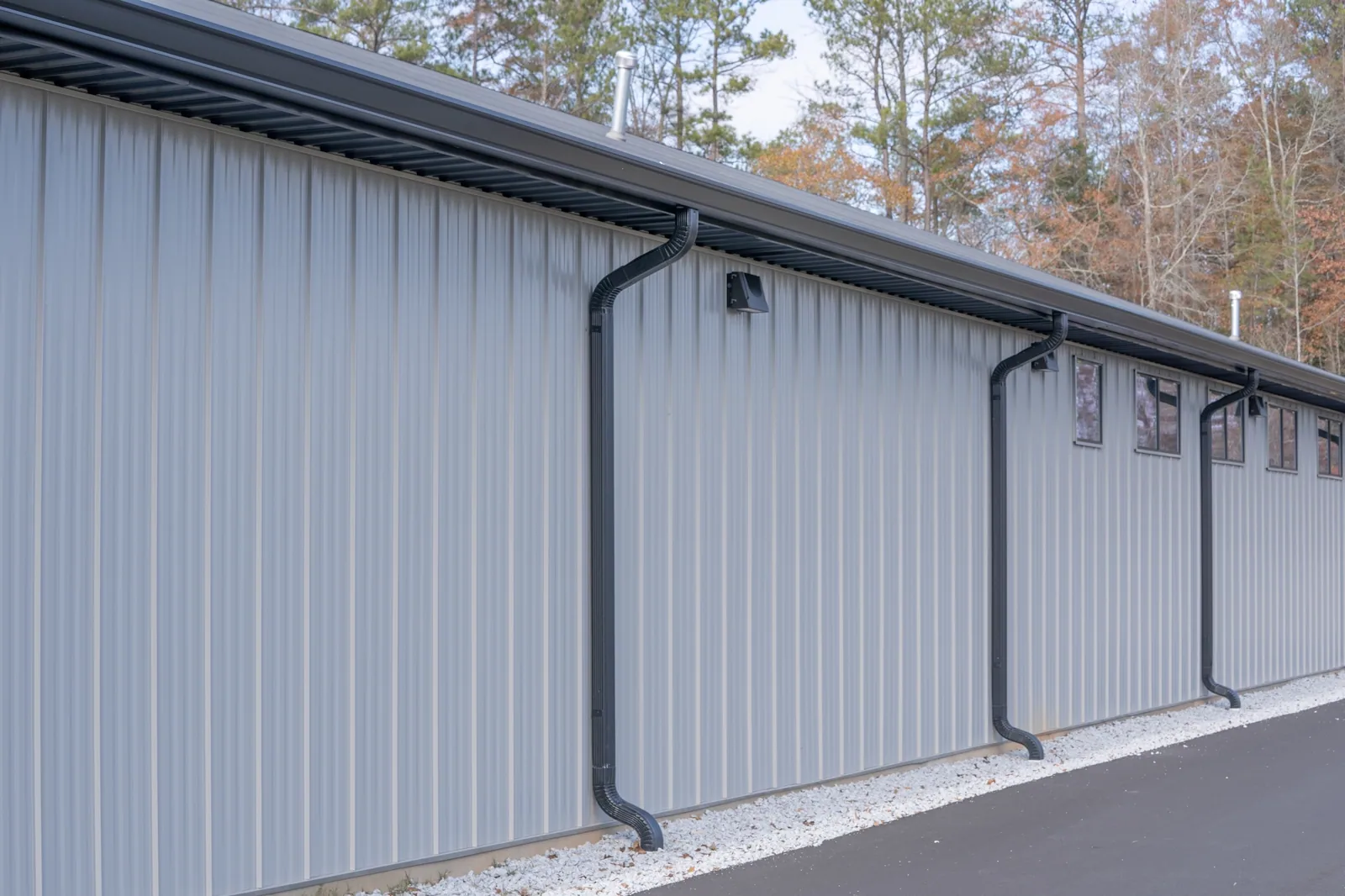
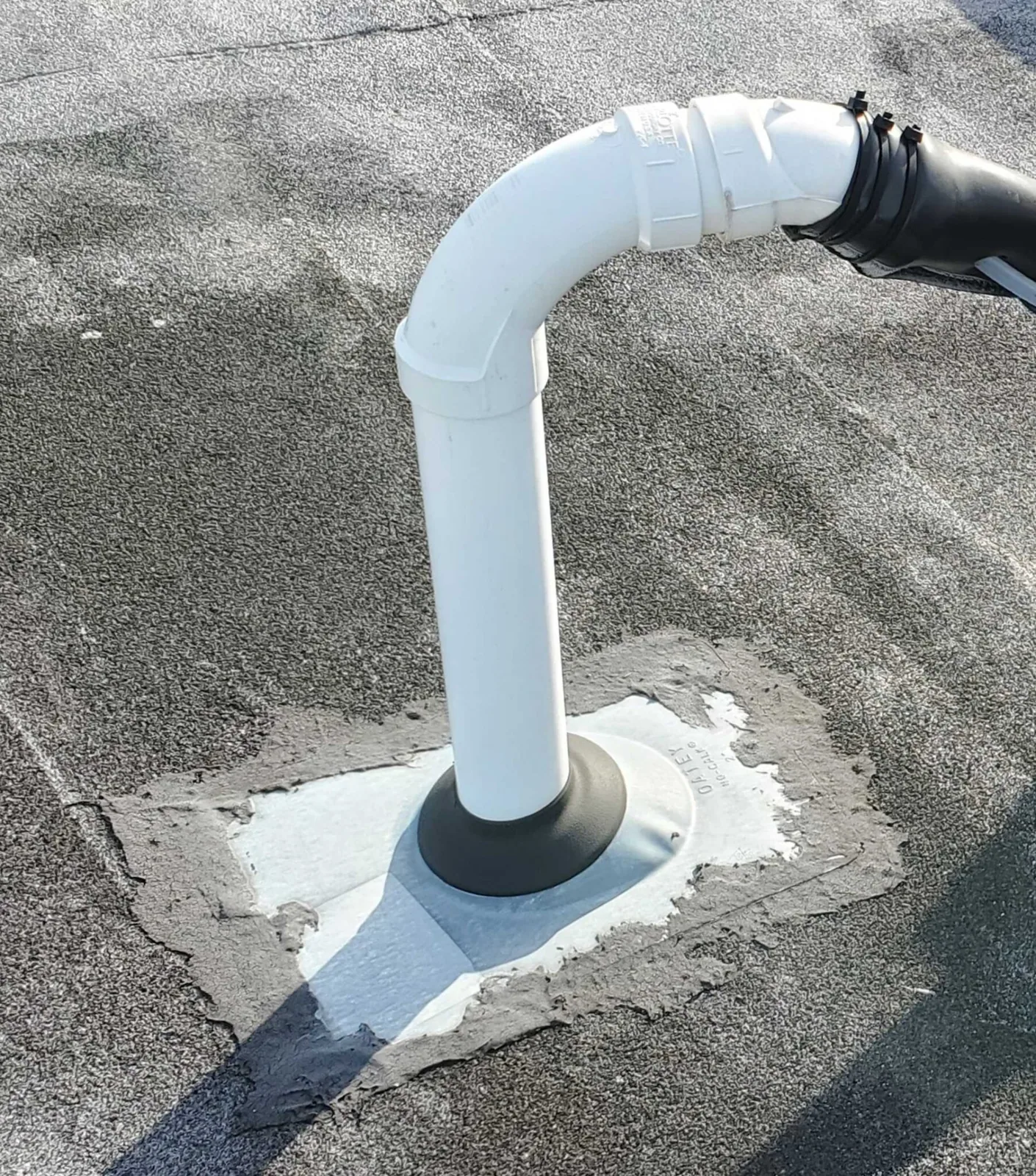
At gutters, we check hanger attachment, seam condition, slope, end caps, outlets, and downspouts. Debris may block flow, while sagging sections can hold water near the fascia. Discharge should move away from the building and connect to its intended route. We also inspect the membrane or edge flashing that feeds the gutter; replacing the metal without repairing a failed roof transition can leave the entry path open. A drainage review can address outlets and scuppers that connect with the larger water path.

Protect the Wall and Roof Edge

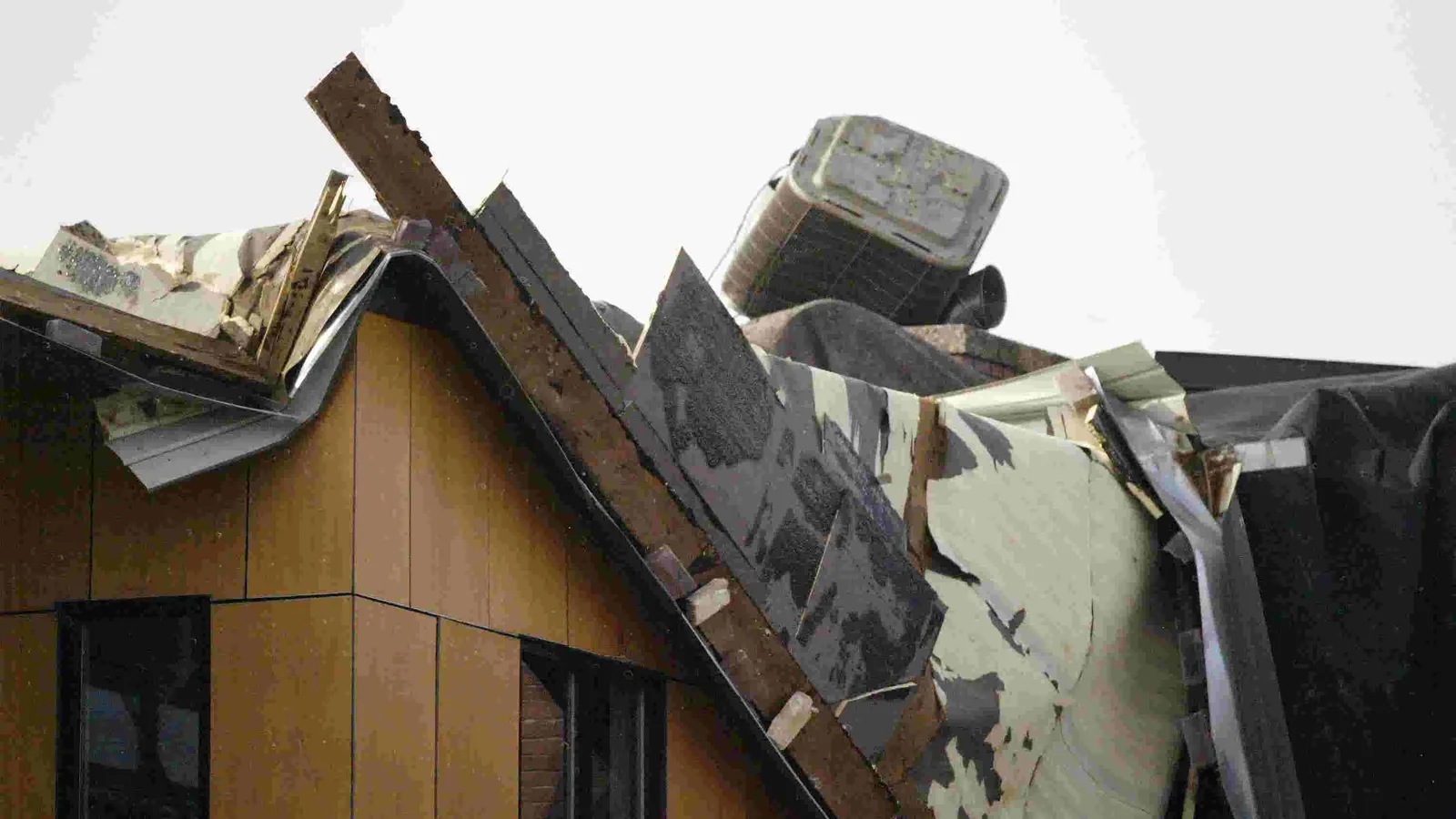
Roof edges take wind exposure and collect runoff from the field. General roofing practice calls for secure attachment and a continuous water-shedding transition; the exact detail depends on roof type, deck, parapet, and existing construction. We inspect corners and transitions where forces and water paths change, then specify fastening and flashing work suited to the assembly. Idaho Falls code applicants are directed to the 2018 International Building Code and existing-building code. A project team should review the applicable details and permit needs for its actual scope rather than assume the old perimeter can be reused.

Snow and ice can collect near a gutter or scupper and stress a loose connection as conditions shift. Idaho Falls averages show 14.7 days annually with minimum temperatures at or below zero. We look for the actual movement, corrosion, blocked drainage, and water staining. If a roof-edge opening is allowing active water entry, a leak repair assessment can locate the interior path and document temporary protection.

Make a Complete Perimeter Repair

The repair scope identifies the metal type, profile, attachment, joint treatment, membrane connection, and replacement boundaries. We remove failed or corroded components as needed, prepare the base, and secure new material to the roof or wall structure. Corners and end conditions receive the same attention as straight runs, since a small gap at a transition can undo otherwise sound work. If the deck or nailer beneath the metal is damaged, we document that condition and define the additional repair before installing a new edge.

At a parapet, membrane flashing and coping need compatible terminations. At a gutter, the roof edge must discharge into the trough without leaving an exposed gap. We review downspouts and their discharge, then note whether cleaning, replacement, or a change in drainage route is part of the project. Our scupper and drain work can be coordinated when perimeter drainage connects to roof outlets. A wind-damage inspection can document other lifted or displaced components after a reported event.

Plan Access and Water Control

Perimeter work may need lifts, ladders, protected sidewalks, or temporary changes to loading access. We agree on staging and pedestrian protection with the facility contact, then plan sections so exposed transitions can be closed before weather changes. At an office or retail property, door access can be the main constraint. In industrial areas, loading and rail-related activity may take priority. Idaho Falls has commercial and manufacturing areas with different operating needs, so the estimate states access assumptions for the property.

We coordinate noisy work, debris handling, and any change to a downspout or outlet before proceeding. If a gutter must be removed, the water-control plan should say how roof runoff is managed until replacement. Weather can affect metal handling and sealant or coating work, so the schedule accounts for surface conditions and the product's application limits. A building operations plan can organize work zones for tenants or production areas while roof details are repaired.

Leave a Clear Edge Record

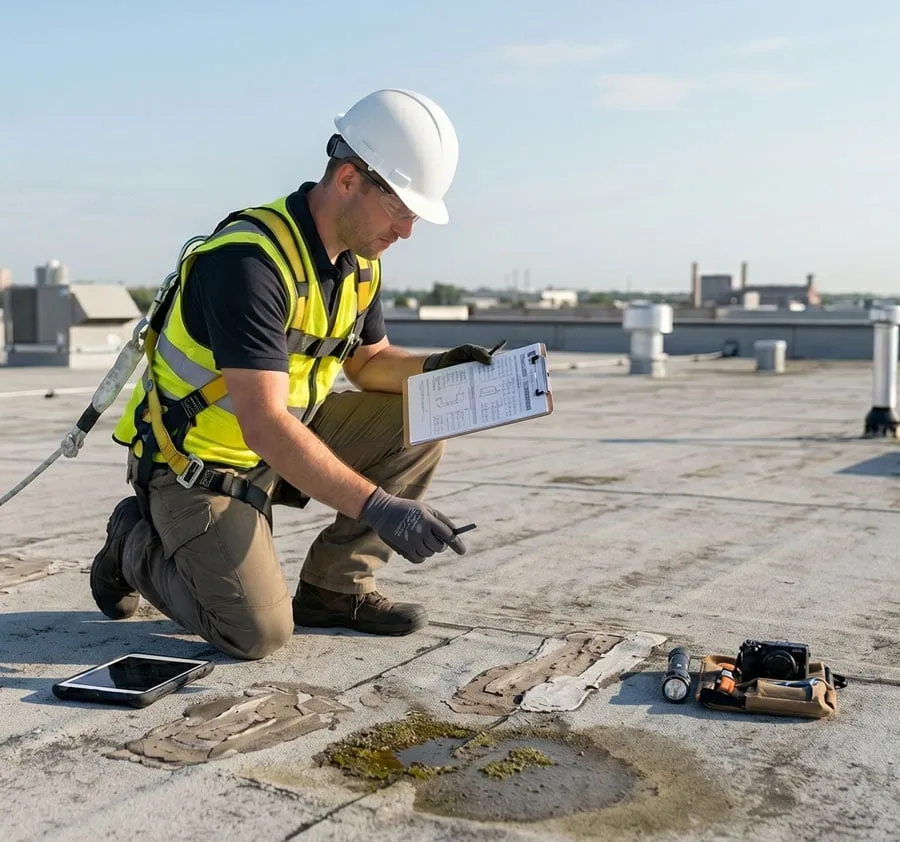
Photographs and notes should identify each edge section, loose or failed connection, and the way water leaves the roof. We record the adjacent membrane condition, coping or gutter work completed, and any deck or substrate issue that was not included. That creates a reference for later inspections and makes the repair boundary clear. If staining continues after the perimeter work, the record helps determine whether another opening or interior path should be investigated.

Cost depends on roof height, metal profile, length and number of transitions, access equipment, substrate condition, and the need to reroute water. A simple straight run is different from a corner, parapet return, or equipment-heavy edge. We list those drivers and separate cleaning from replacement and membrane repair. In Sugar City Business Park, Sugar City Business Park is a multi-lot planned area with a warehouse-use application; broad commercial settings like this still require a roof-specific assessment of loading, access, and perimeter details. The written estimate gives the owner a scope to budget and schedule.

Questions About Roof Edge Metal, Coping and Gutter Repair

An open joint, loose cleat, failed membrane termination, or damaged wall substrate can let water pass behind the metal. We inspect the cap and roof-to-wall transition together, then remove enough material to reach a sound base. A surface seal is not a durable correction if the underlying attachment or flashing has separated.

Sometimes. We check the gutter, hangers, slope, outlet, and membrane transition first. A stable edge may allow a localized gutter repair, while failed roof flashing or damaged fascia needs a broader detail scope. The estimate identifies which components remain and how the new gutter connects to the roof assembly.

Blocked outlets, low sections, cold conditions, and water flow can contribute, but the cause needs a site check. We inspect slope, debris, downspouts, and roof drainage before proposing work. Clearing a gutter may restore flow; a sagging run or failed connection requires repair to keep water away from the wall.

The replacement has to fit the roof assembly and connect securely at corners, joints, and membrane terminations. We identify the existing profile and support conditions before specifying metal. A different configuration may be appropriate when the old detail has failed, but the transitions and attachment need to be designed for that roof.

Cost reflects metal type, runs and transitions, attachment condition, roof access, substrate repair, and water-discharge changes. We separate straight lengths from corners or returns and identify any concealed deck or nailer work as an alternate. That makes the scope easier to compare and gives the property manager a clear approval point.

ServicesRoof SystemsIndustriesProperty TypesService AreasDamage RepairCapabilitiesManufacturersContactAboutRequest a Roof Assessment555-555-5555
Call us today555-555-5555