Sika Sarnafil Commercial Roofing Serving Idaho Falls & Eastern Idaho

Evaluate a Sika Sarnafil commercial roof in Idaho Falls with membrane, seam, flashing, drainage, and substrate checks before repair or replacement.

Sika Sarnafil Commercial Roofing in Idaho Falls, ID

Sika Sarnafil Commercial Roofing

A single-ply roof is a connected assembly, not only a sheet across the field. A Sika Sarnafil system review should consider membrane condition, seams, edge details, penetrations, drainage, substrate, and previous repairs. We confirm the material at the property instead of relying on a project label, then document what can be observed and what still needs testing. Long-term Idaho Falls observations record 182.2 days annually with freezing or colder overnight minimums. That pattern shapes the seasonal calendar; roof temperature and current weather guide each work window. Snake River Landing and Downtown Idaho Falls are distinct service locations with different surrounding uses, yet the inspection remains focused on the individual roof and its actual assembly.
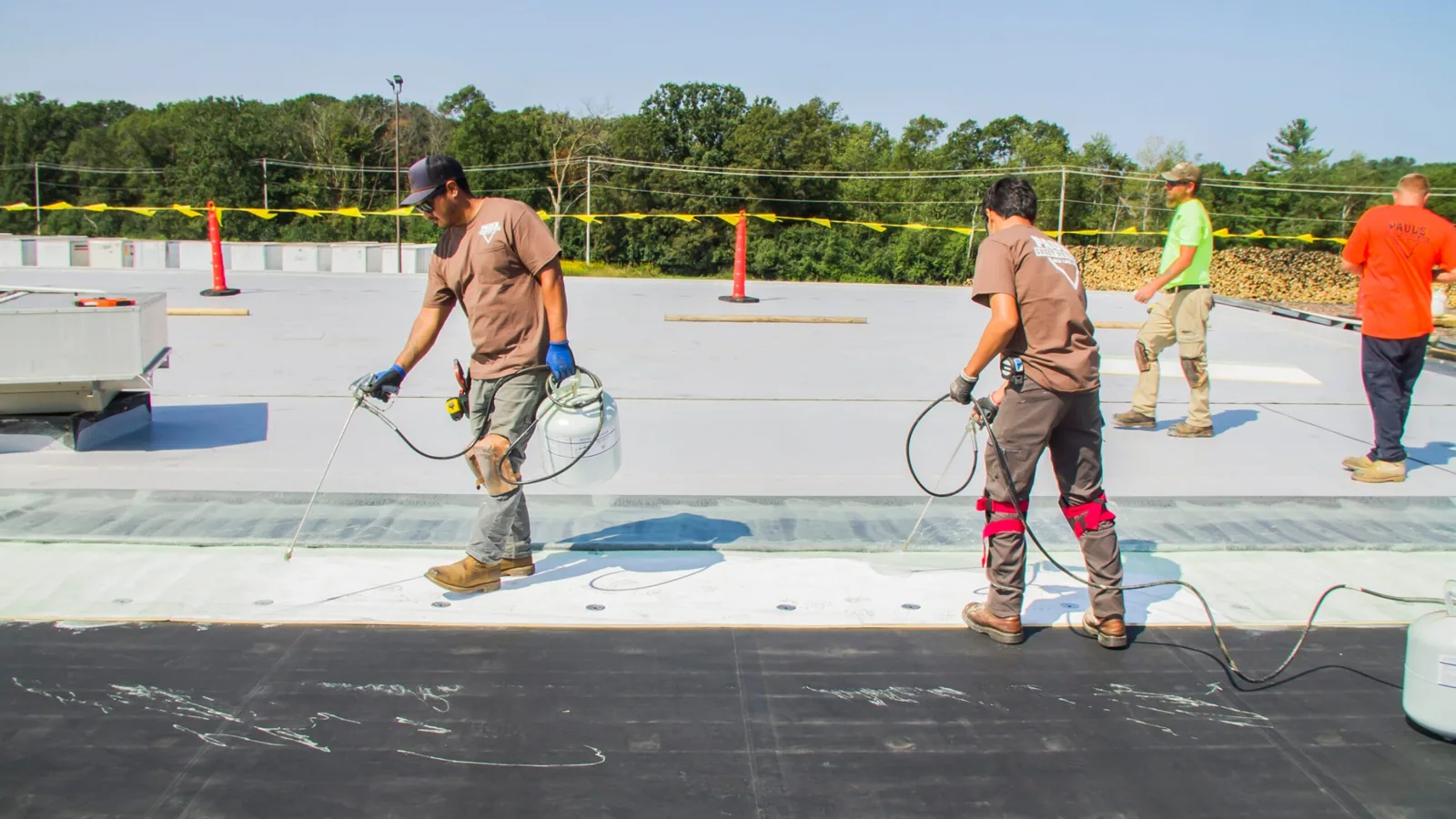
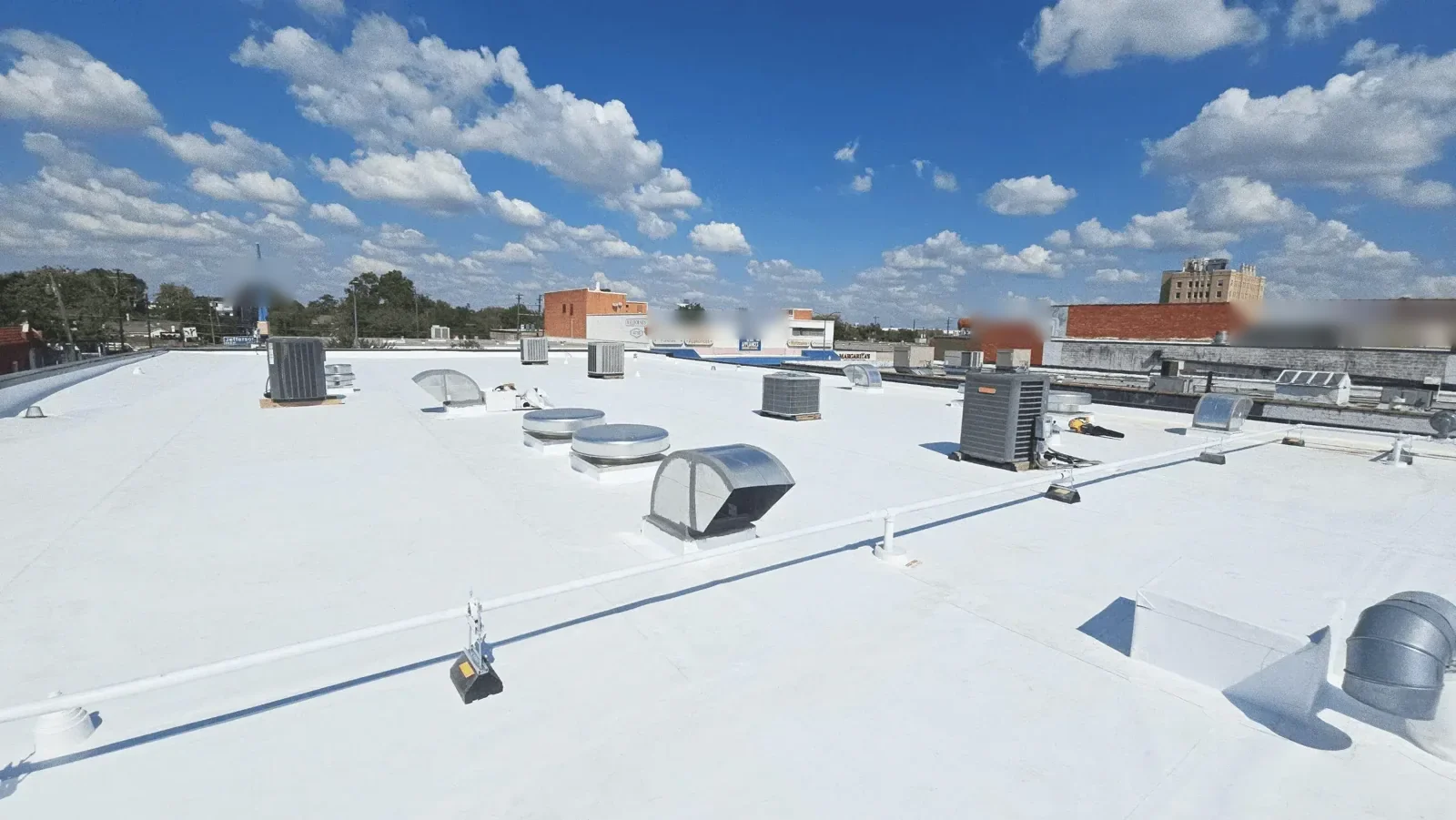
Sika Sarnafil Commercial Roofing in Idaho Falls, ID

Verify the Membrane and Its Details

Before specifying a seam repair or a new roof, we identify the sheet and inspect its condition. Look at exposed edges where available, review records, and compare the field membrane with details at walls, curbs, drains, pipes, skylights, and the perimeter. A property may have several roof sections from different projects. We keep findings separated by zone rather than assuming one installation date or material applies throughout the building.

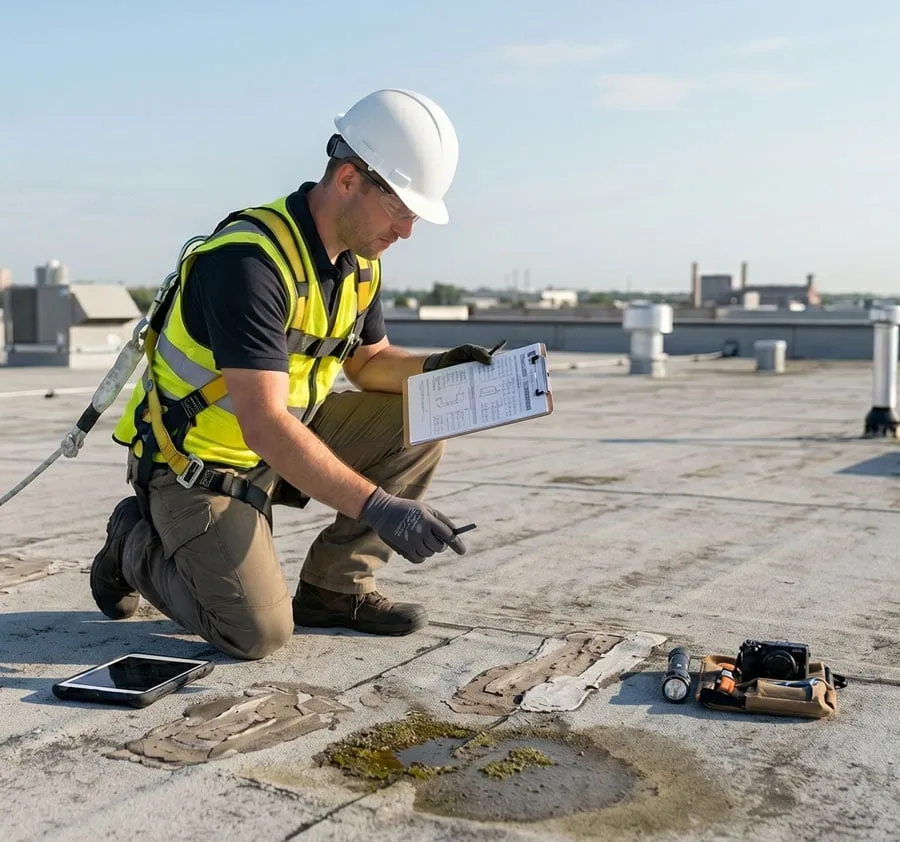
When the surface points to possible trapped moisture, use a targeted survey or test opening to check the layers below. Insulation may be wet, compressed, or loosely attached even when the top surface looks serviceable. The commercial roof inspection documents visible conditions and limitations. If moisture is suspected, an infrared moisture survey can guide selective verification; any instrument readings should be interpreted with the roof build-up and confirmed where the scope requires openings or testing.

We record seam condition, membrane movement, patches, surface contamination, and transitions around rooftop equipment. That record helps distinguish a localized detail failure from broader deterioration. It also gives the owner a practical starting point for comparing repair, restoration, and replacement without treating a brand name as proof of current condition or future performance.

Prepare the Surface and Sequence the Work

Installation planning starts with the approved assembly and the substrate that will receive it. The design determines whether existing material is removed, what insulation or cover board is included, and how components are attached. We inspect the deck and roof layers as work proceeds, report deteriorated areas, and avoid covering a condition that has not been resolved. Any proposed recover needs a separate review of moisture, attachment, drainage, and the condition of the existing roof.

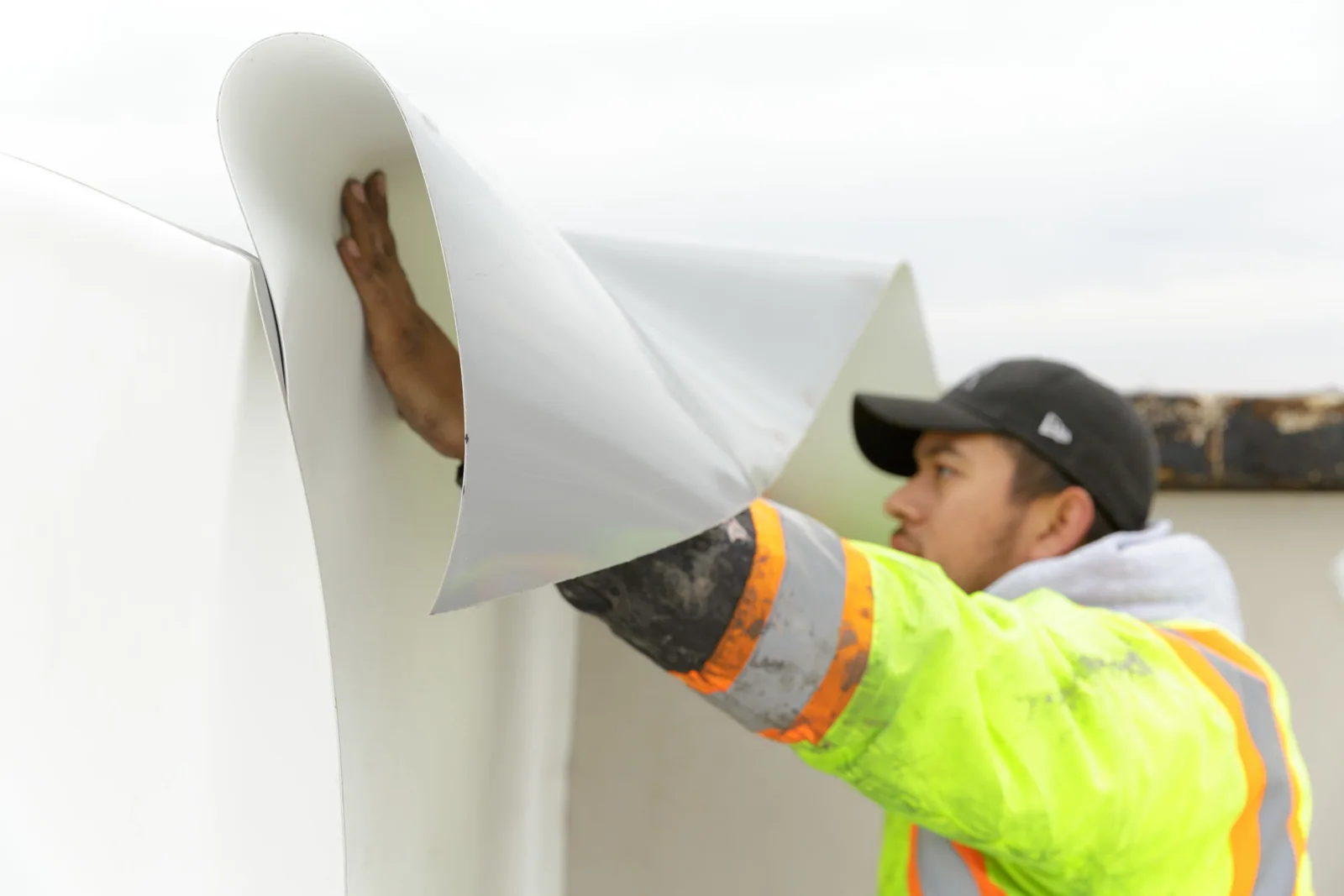
For a membrane system, field seams and flashing details have different roles. The installer must prepare the material correctly and complete corners, curb transitions, penetrations, and perimeter edges as part of one coordinated scope. A continuous-looking field does not correct a loose termination. We also confirm the drain and scupper paths before roofing closes around them, so water management remains part of the work plan rather than a final afterthought.

Idaho Falls freeze-day count is one reason crews plan membrane work carefully during colder months; the daily decision still follows actual surface conditions and project requirements. Current surface moisture, temperature, wind, and product instructions inform the decision to proceed. We define how exposed areas will be protected before work begins and limit the opened area to what the crew can complete safely.

Investigate Seams, Flashings, and Water Paths

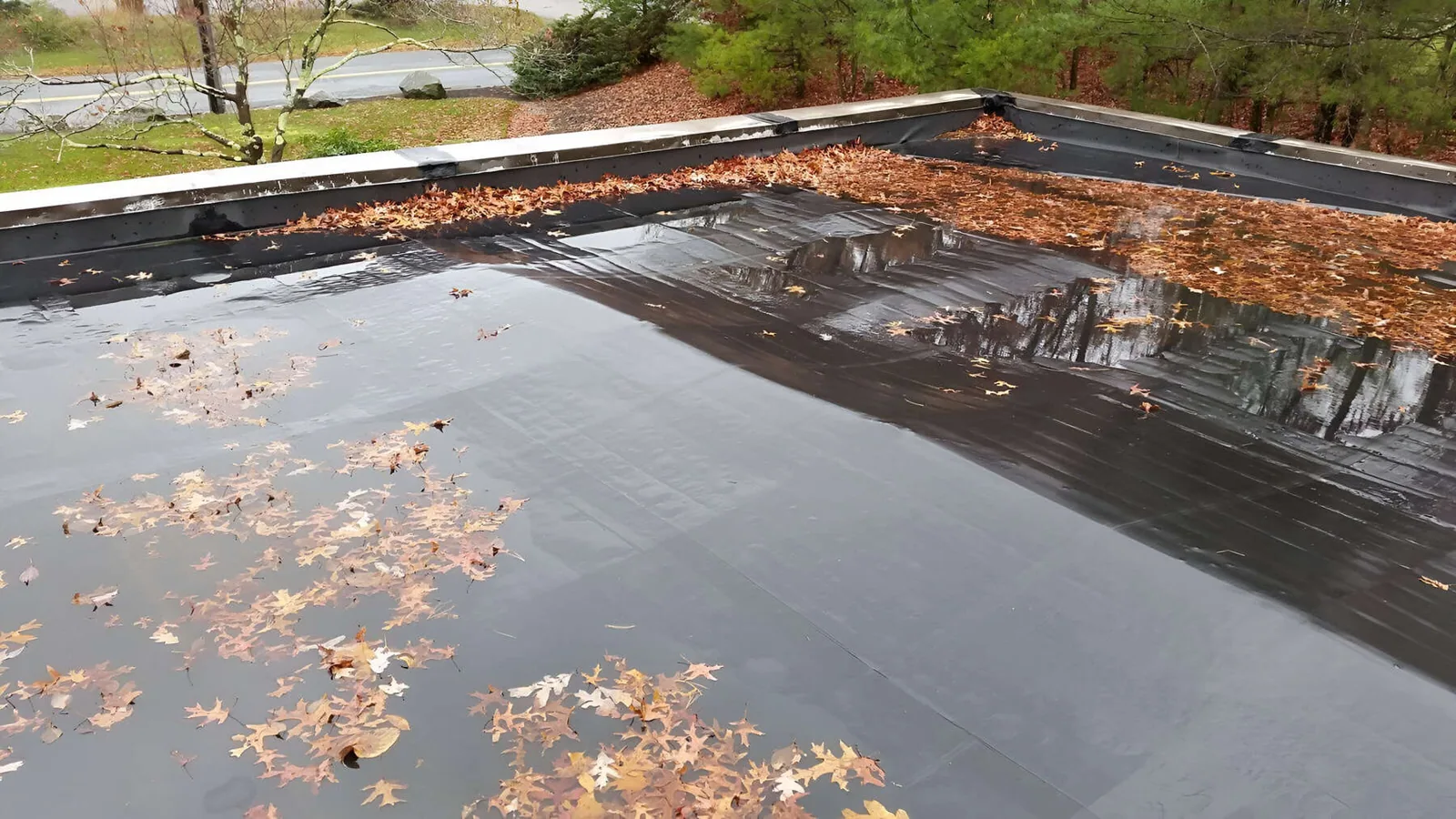
When water appears indoors, the opening may be some distance away. It can move across insulation, along a deck, or around a penetration before staining a ceiling. We compare the report with roof-level evidence at seams, drains, parapets, curbs, and penetrations. The commercial leak investigation records the likely path and what has actually been confirmed, which keeps repair scope tied to evidence rather than guesswork.

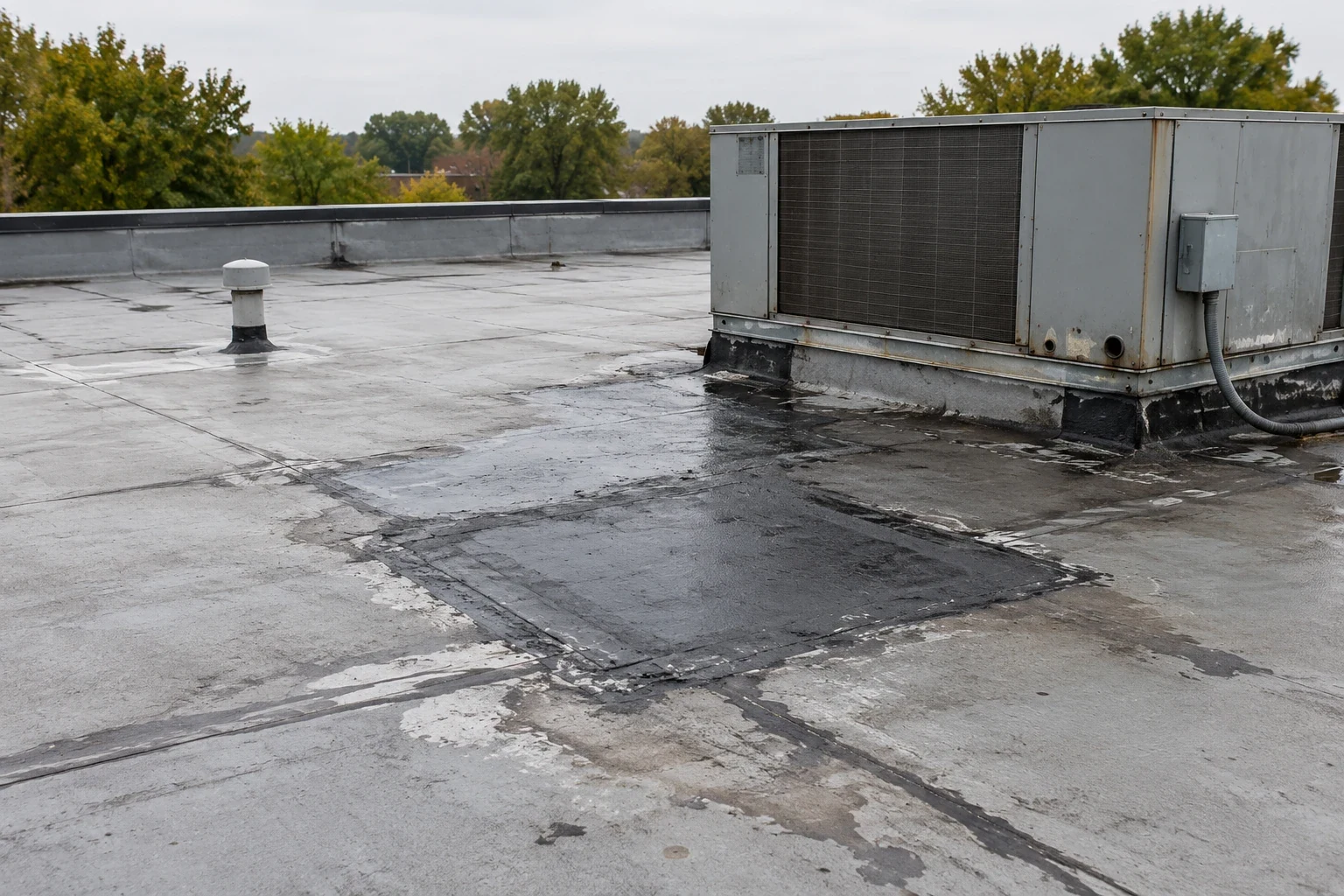
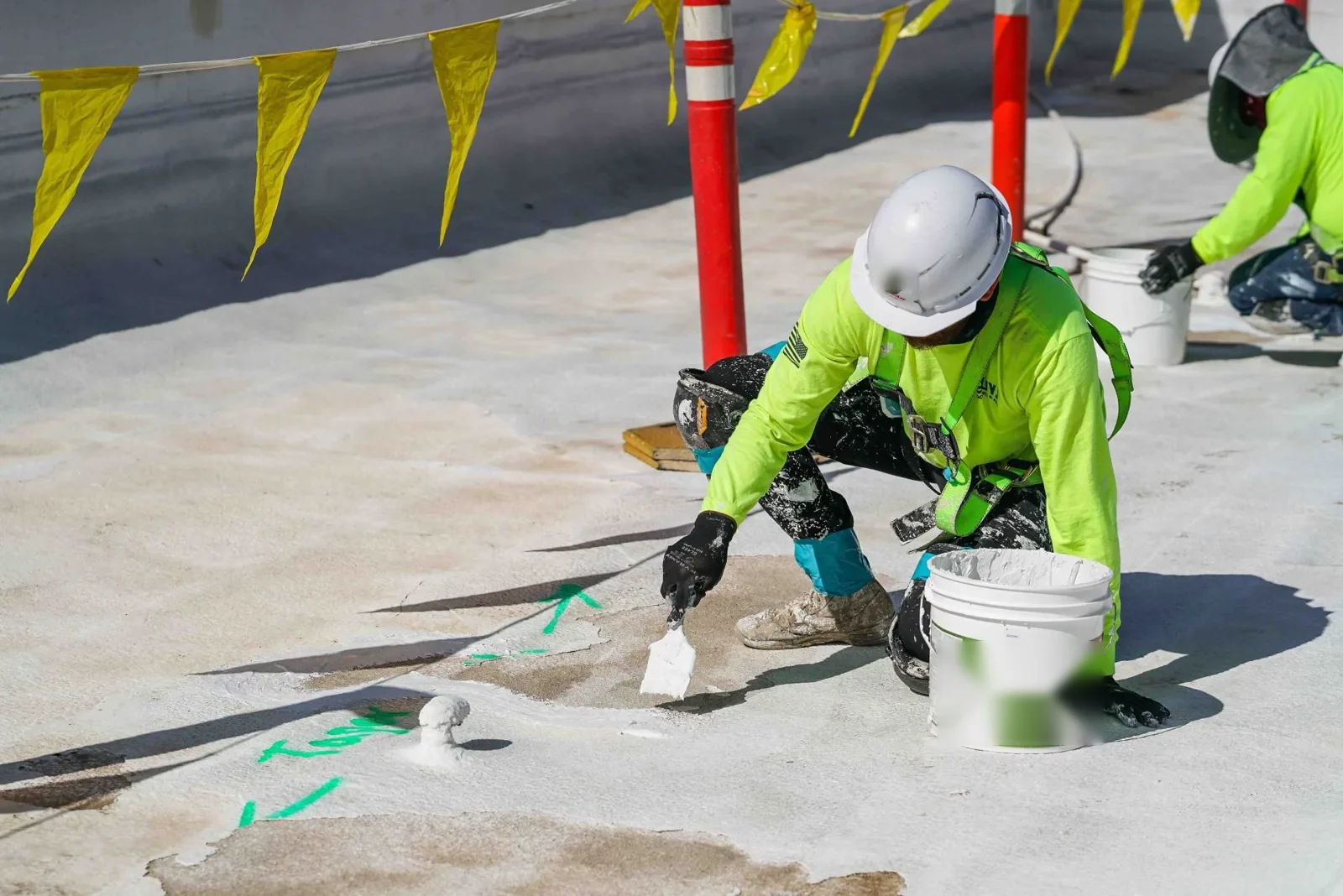
A membrane patch must be compatible with the installed material and the roof’s condition. Surface preparation, seam access, and the surrounding sheet all affect the detail. If the condition centers on a lap, the seam repair assessment can define the area and tie-in. If a wall or equipment curb is involved, the flashing failure review considers how the membrane meets that transition. Loose or wet insulation may require more than a surface patch.

Around-the-clock emergency response is available for urgent roofing conditions, including holiday and weekend calls. Immediate water control and permanent repair are separate steps. After temporary protection, inspect adjacent membrane and insulation and define any test area before permanent repair. We document the temporary work, explain the follow-up needed, and set out any access or drying conditions that affect the permanent repair plan.

Coordinate the Roof With Building Operations

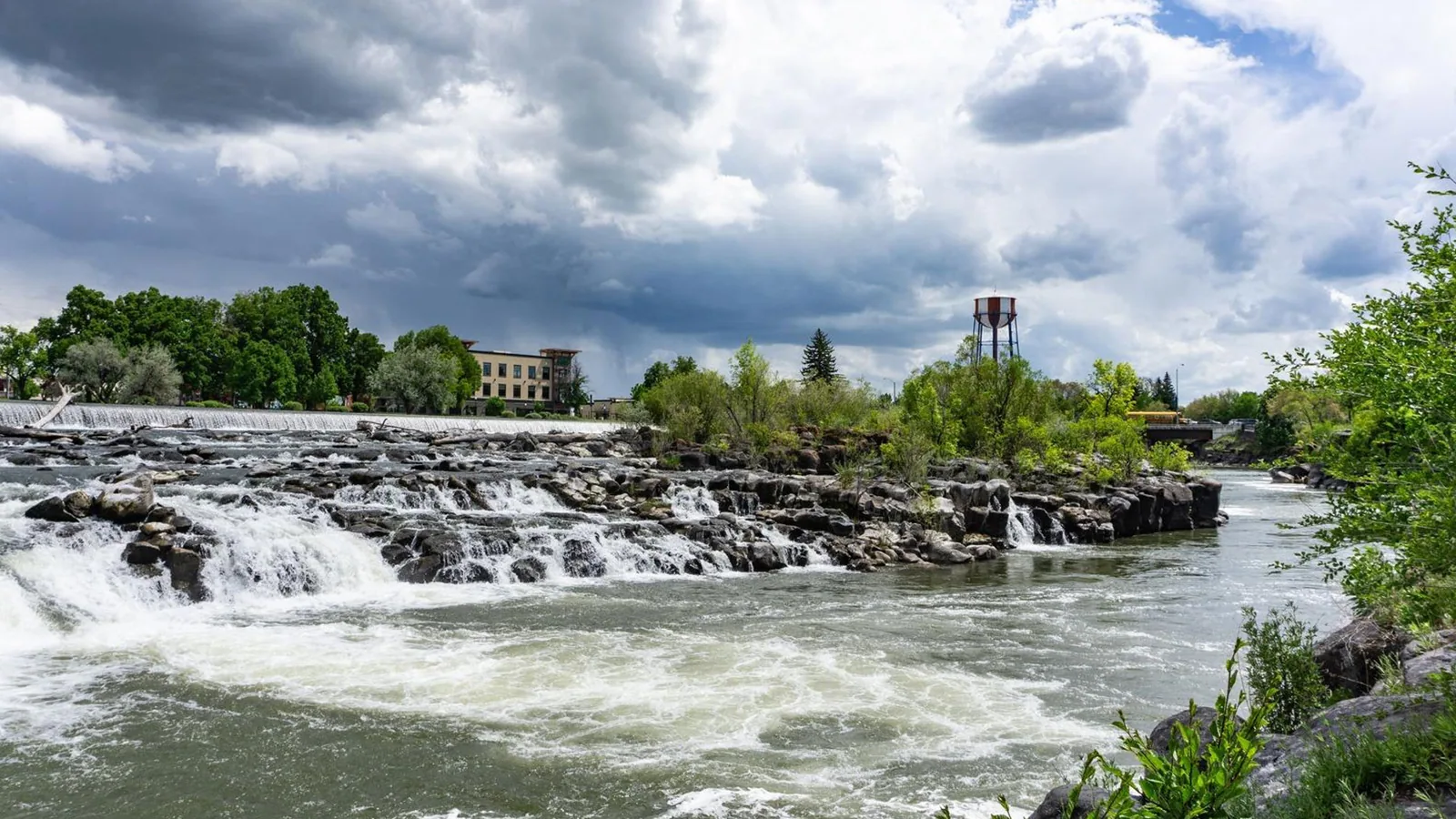
Downtown Idaho Falls and Snake River Landing are broad service locations with distinct surrounding activity. The City Core Plan treats Downtown and South Downtown as an integrated planning area, while Snake River Landing is a mixed-use district with offices, dining, residences, and event venues. The service area includes Downtown Idaho Falls and Snake River Landing; inspection and owner records identify the membrane at each building. Before a job, we confirm the building’s roof access, escort rules, staging area, delivery timing, equipment controls, and interior protection needs.

Occupied properties may need work staged to keep entrances and rooftop equipment available. The owner or facility lead can identify sensitive operations, noise constraints, and areas where dust or falling debris must be controlled. If mechanical or electrical work overlaps the roof project, the scope should say who coordinates disconnection, curb support, and reconnection. An occupied-building reroof plan organizes those tasks alongside membrane installation and inspection.

Weather adds another coordination point. A crew may need a dry surface for preparation, a protected route for rolls and tools, and a defined stop point if wind or precipitation changes the plan. We review current conditions, protect completed details, and communicate whether an area is ready for the next trade. The project record should identify what is finished, what remains temporarily covered, and which detail needs inspection before equipment or access restrictions are removed.

Use Inspection Records to Guide Future Work

A practical roof record includes the assembly observed, zones inspected, repaired seams, flashing details, material notes, photographs, access limitations, and maintenance items still open. That gives the next visit a useful baseline. If a roof has multiple sections, zone labels let the owner compare conditions over time rather than mixing observations from unlike systems.

Routine maintenance can revisit drains, scuppers, penetrations, edge metal, and patched areas. It should also note new rooftop equipment or trade work that may have altered a flashing detail. A preventive maintenance visit can track those observations, while a roof condition report can retain the supporting photos and findings. If repeated failures or broad moisture indicate a larger issue, a replacement evaluation can compare repair and replacement scope.

Idaho Falls’ Warehouse District and the South Downtown area are other broad service locations; neither name describes a single customer property. Project specifications may also identify GAF or Holcim Elevate products; design and roof conditions still guide the selection. The work is based on the roof that is actually present. Before authorization, the written scope should identify material assumptions, access needs, protection measures, tests, repair boundaries, and exclusions. That gives the property team a clear basis for approving work and for reviewing the completed roof record afterward.

Questions About Sika Sarnafil Commercial Roofing

We compare available project records with the membrane and details visible at the property. If records are incomplete or roof areas differ, we note that uncertainty and verify each relevant zone before specifying work.

A localized repair may be appropriate when the surrounding material and substrate remain suitable. We inspect the seam, adjacent sheet, attachment, and nearby transitions before defining the repair boundary.

It can help identify areas for follow-up when moisture below the membrane is a concern. Readings need interpretation and selective confirmation; they do not by themselves establish the exact assembly or repair scope.

Long-term averages show frequent freezing conditions, but the crew checks current roof and weather conditions. Surface preparation and installation proceed only when the project requirements can be met.

Keep a roof-zone description, materials, completed details, photographs, access limits, and remaining maintenance tasks. We distinguish confirmed repairs from any concealed condition that still needs evaluation.

ServicesRoof SystemsIndustriesProperty TypesService AreasDamage RepairCapabilitiesManufacturersContactAboutRequest a Roof Assessment555-555-5555
Call us today555-555-5555