Soprema Commercial Roofing Serving Idaho Falls & Eastern Idaho

Evaluate Soprema commercial roofing assemblies in Idaho Falls with layer, surfacing, drainage, and transition checks before repair or replacement.

Soprema Commercial Roofing in Idaho Falls, ID

Soprema Commercial Roofing

Soprema products can be used across different roofing and waterproofing assemblies, so the right starting point is the roof that is actually installed. We identify the membrane or surfacing, visible layer build-up, insulation, attachment, flashings, and drainage before recommending repair or replacement. Survey each roof zone separately and compare membrane markings, visible layer build-up, flashing, and product records before a repair. Idaho Falls has a broad seasonal range: The local Idaho Falls climate averages records a high of 90 degrees or greater on 26.5 days per year. Snake River Landing and the Warehouse District are broad service locations with different surrounding uses; neither one substitutes for a property-specific roof assessment.
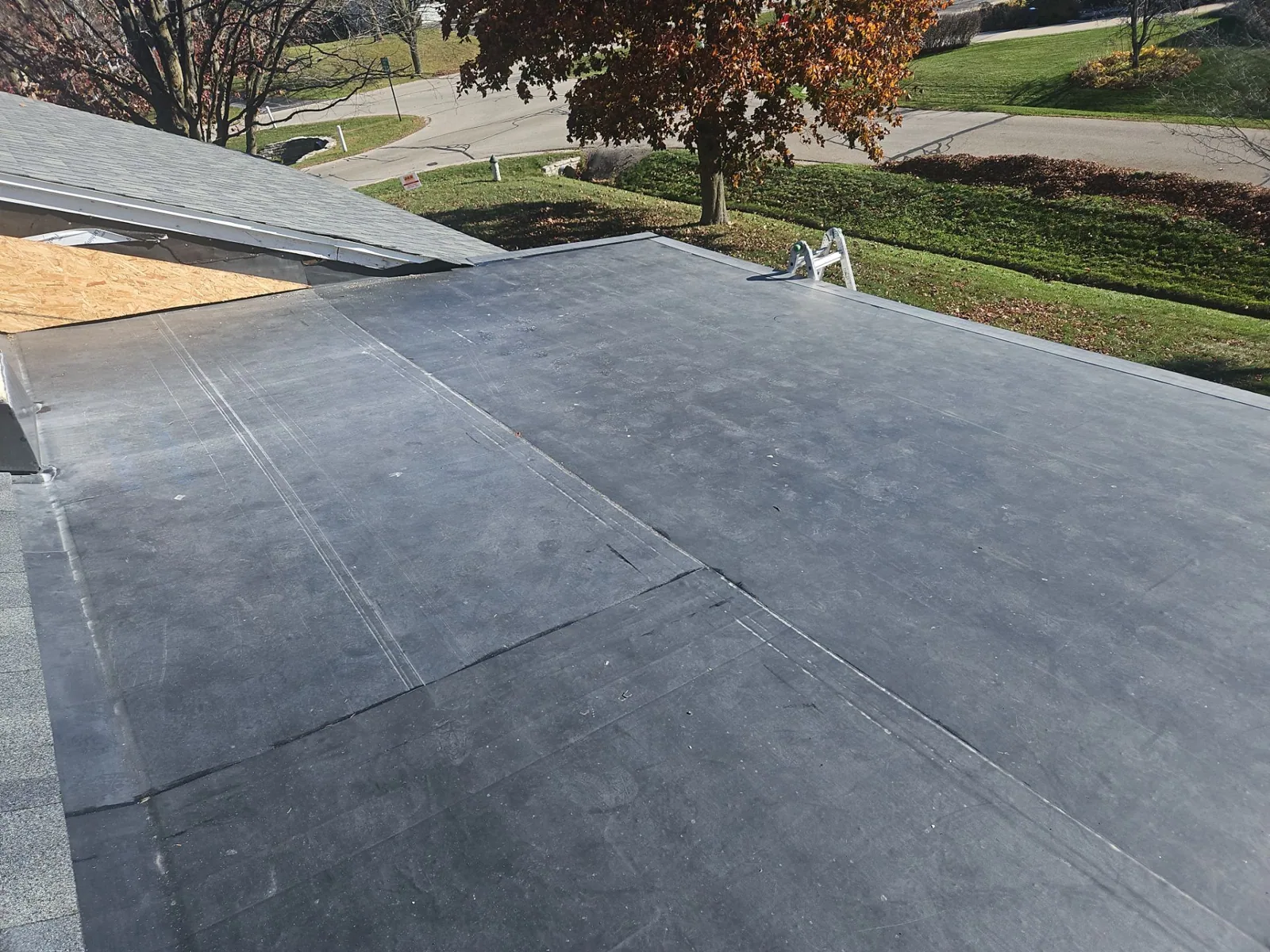
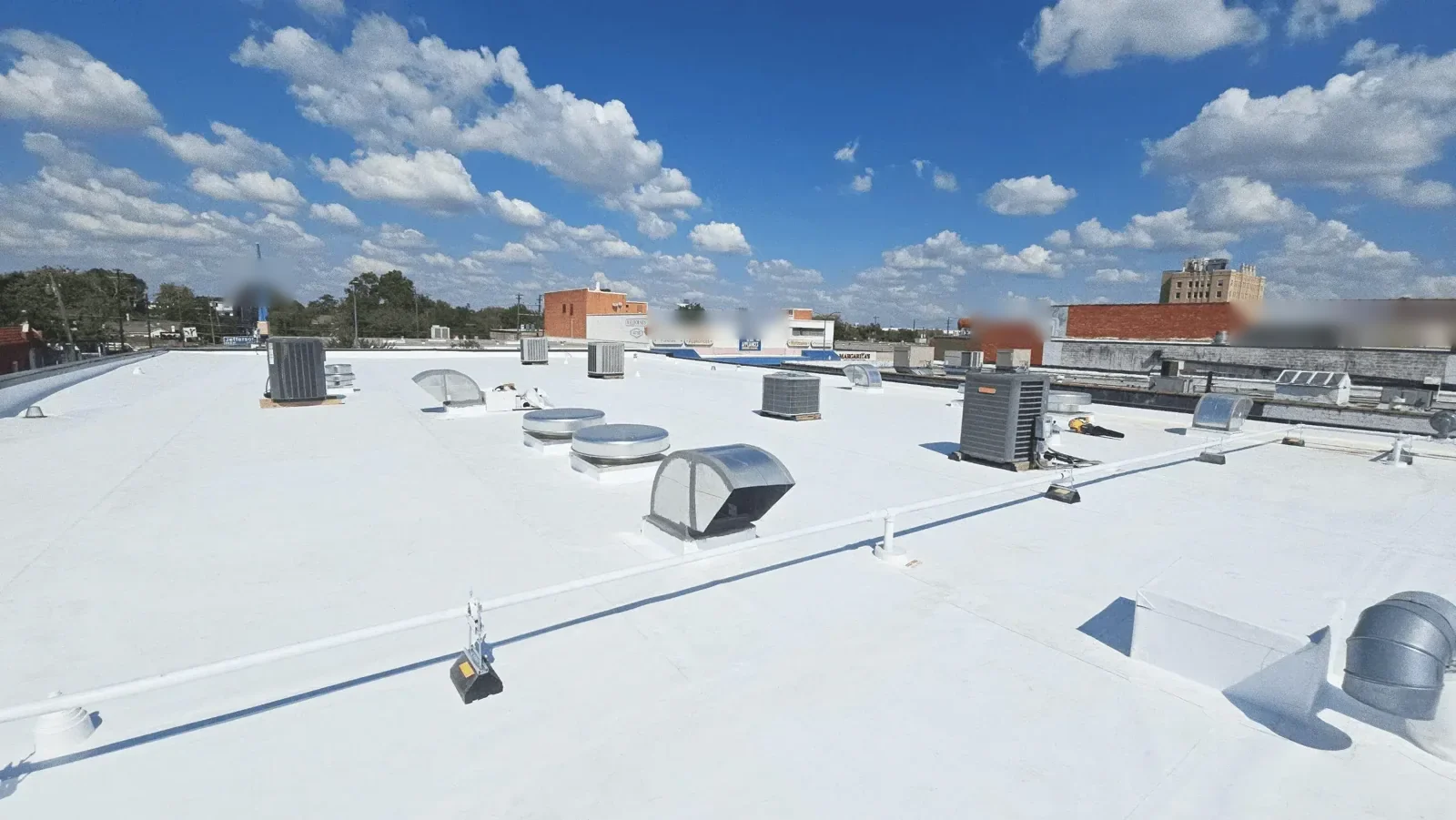
Soprema Commercial Roofing in Idaho Falls, ID

Read Layers and Surfacing Before Repair

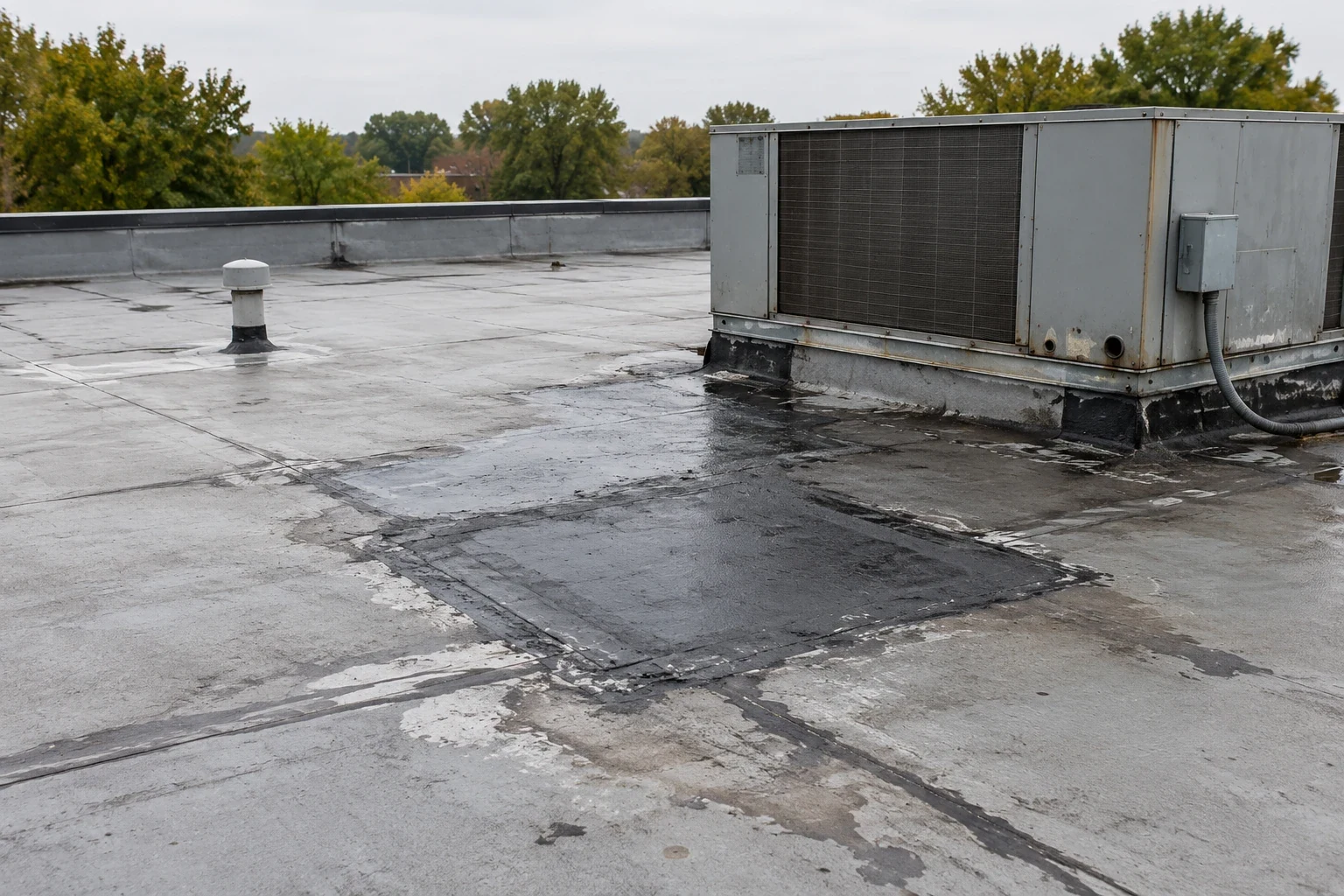
Roof records may identify a modified-bitumen, built-up, single-ply, or insulation component. We compare those records with exposed edges and visible conditions. Check how the roof meets walls, curbs, drains, penetrations, and perimeter edges. An addition may have a newer assembly beside an older section, and a patch may conceal a previous repair. We document those areas separately so the recommended work does not assume one material across the whole property.

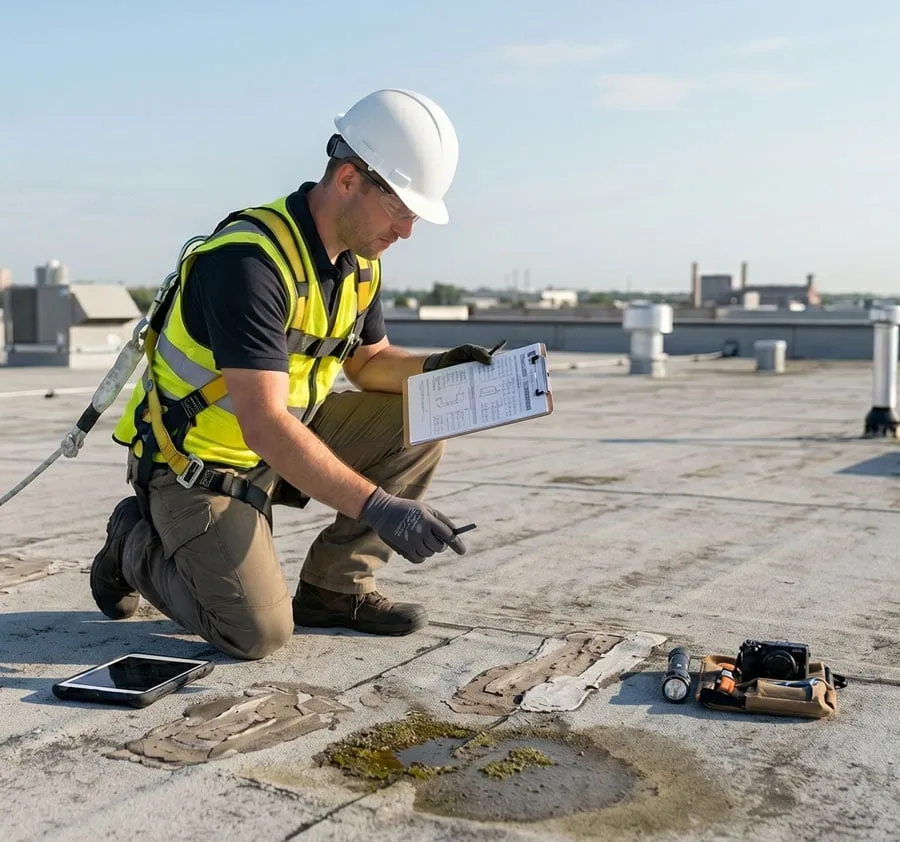
Layer condition affects what can be retained. If insulation is wet or compressed, the roof plane and drainage may be affected, and a new surface layer will not resolve that problem. The commercial roof inspection records accessible conditions and limitations. An infrared moisture survey can help focus follow-up checks, but readings should be interpreted with assembly information and confirmed when the proposed scope requires testing or openings.

Surfacing also guides repair preparation. Asphaltic systems, single-ply sheets, and coatings do not use interchangeable repair steps. We note the condition of the exposed surface, identify compatible repair materials, and define any area that needs more evaluation. If the existing layers are not sufficiently bonded or the substrate is deteriorated, the scope should address that before a new membrane or coating is considered.

Plan the Build-Up and Water Path

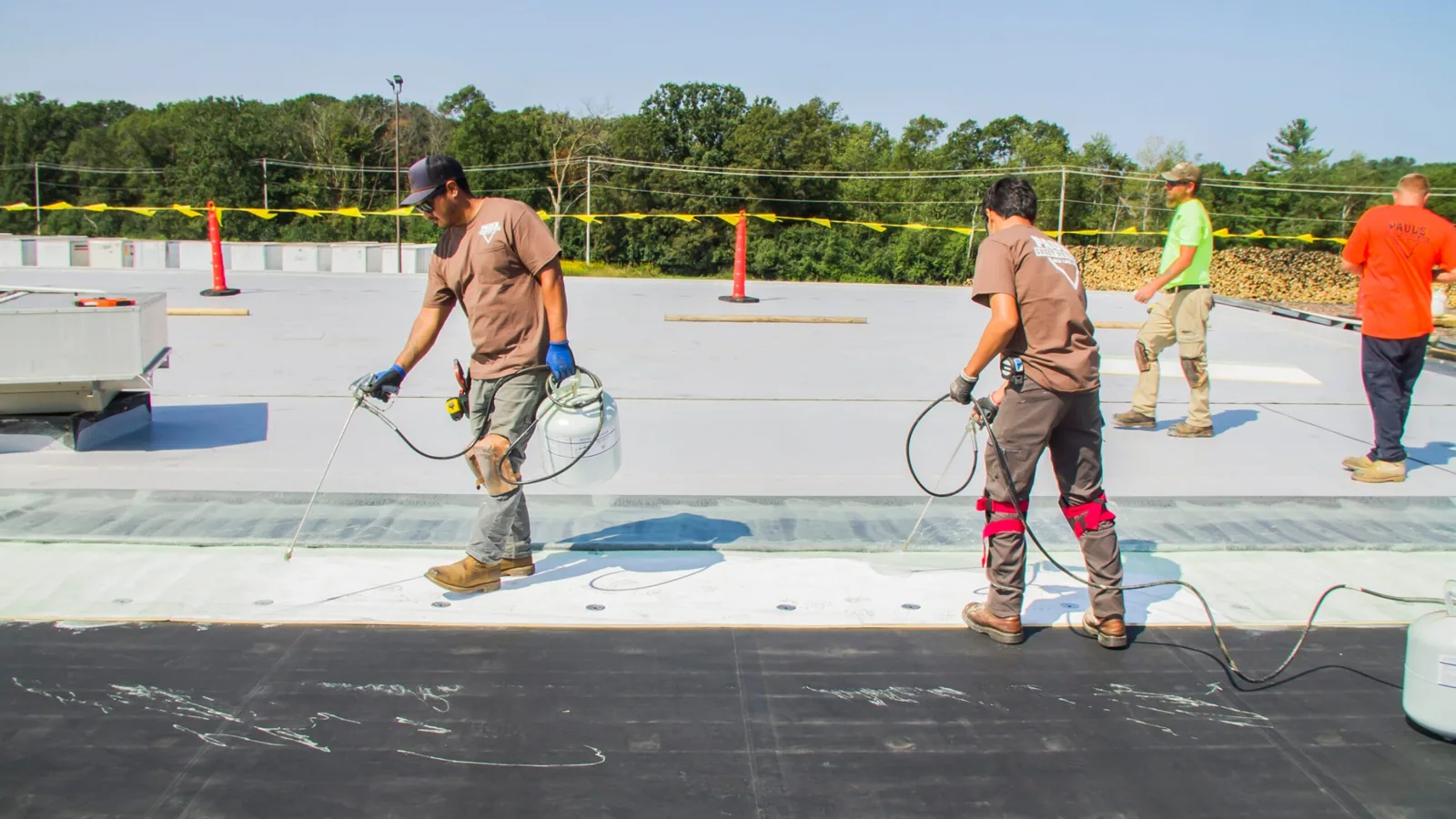
Installation planning sets the sequence from deck inspection through finished membrane and flashings. The assembly design establishes what is removed, which insulation or cover board is used, and how the layers are secured. As material comes off, we check the substrate and report conditions that differ from the visible surface. Any change to the design should be documented before work continues, with the owner able to understand the reason and the affected roof zone.

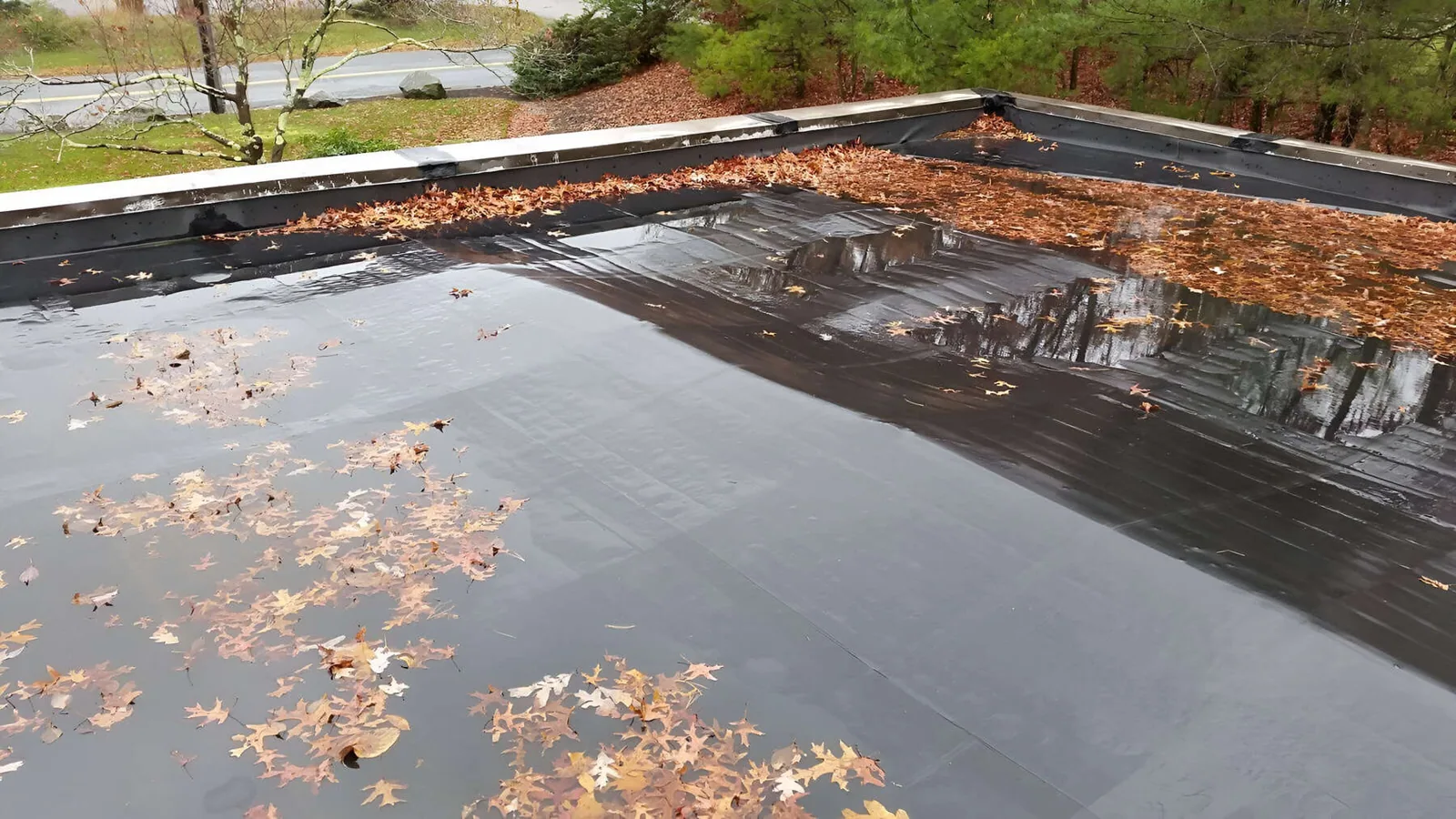
Details require a coordinated plan. Seams, wall transitions, drains, scuppers, penetrations, rooftop units, and edge metal all need to connect with the selected assembly. Water must have a route off the roof, and insulation layout should not create a low area that holds water. We inspect completed details as work advances and keep the protection step clear at the end of each shift. For a recover, moisture and attachment questions must be answered before deciding the existing roof can remain.

Idaho Falls averages 44.2 degrees annually with 10.07 inches of precipitation. Inspect substrate condition and confirm product limits before work. This annual count informs scheduling, while the crew checks current surface moisture, temperature, wind, and product instructions. The crew checks surface moisture, temperature, wind, and product instructions. We plan the size of each open work area around what can be completed and protected, and note what happens if conditions interrupt the planned sequence.

Match the Repair to the Assembly

Interior water can travel before becoming visible. We compare the reported location with roof details, interior staining, drainage, penetrations, and transitions. The commercial leak investigation records the suspected path and confirmed findings, while noting areas that could not be accessed. This distinction matters when the first visible sign is far from a seam or drain.

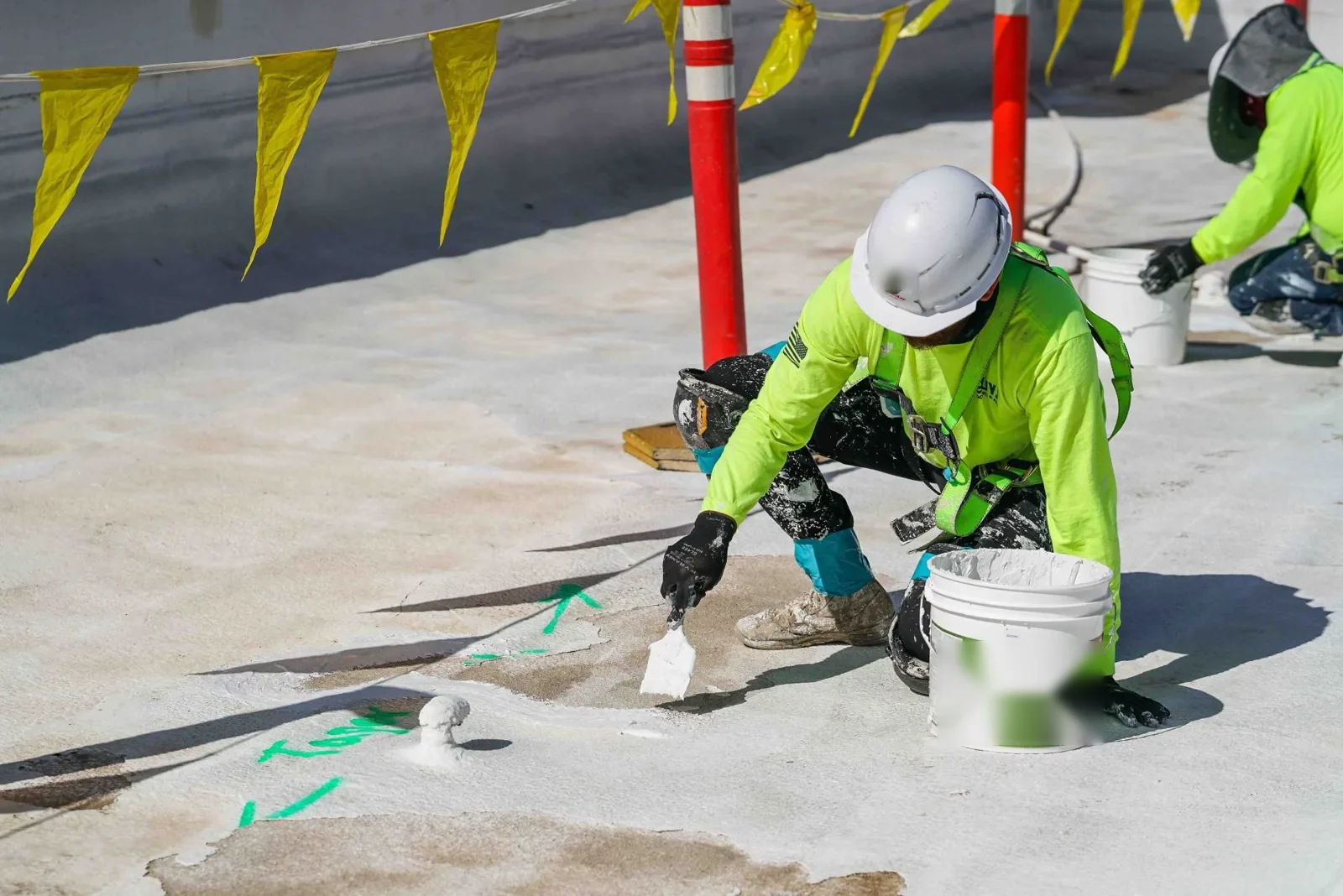
A modified-bitumen repair needs preparation compatible with the existing surface and layer condition. A built-up roof requires attention to the exposed surfacing and layers, while single-ply work depends on membrane identification and the tie-in detail. The seam repair assessment can define an affected lap. For curbs and walls, a flashing repair review checks the transition. Where a drain or scupper contributes to ponding, the separate drainage failure review looks at outlet condition and water flow.

Emergency roofing help is offered around the clock for urgent conditions, including on weekends and holidays. Temporary water control is distinct from permanent repair. A cover or patch may limit exposure, but concealed moisture, loose layers, and damaged insulation can require further investigation. We document the area protected, the materials used, and any return work needed once conditions permit. That record helps owners understand what was stabilized and what remains unresolved.

Set a Work Sequence for Occupied Properties

Snake River Landing includes commercial and residential activity, while the Warehouse District combines storefronts with warehousing and light-industrial uses. Those broad places do not stand in for a roof inspection. These are broad Idaho Falls settings rather than single-building targets. Before mobilization, we coordinate roof access, staging, deliveries, escorts, equipment controls, and protection for areas below the work.

An occupied building may need phased work around entrances, loading areas, tenants, or active equipment. The property lead can identify noise constraints and sensitive interior operations. If rooftop units or electrical components need attention, the project should name the responsible trade and sequence for shutdown, support, and reconnection. The occupied-building reroof plan can map the work zones and make the expected access changes clear.

Material handling and daily closeout also need coordination. The crew should know where rolls and tools can be staged and how debris will be managed. At the end of the shift, the open section needs weather protection and the completed work needs a clear inspection point. If conditions force a pause, the owner should know which areas are watertight, which are temporarily covered, and what must be revisited before the next trade proceeds.

Keep a Record of the Roof as Built

Closeout should capture the actual assembly, materials, roof zones, repaired details, photos, access limitations, and remaining maintenance items. If the work uncovered different layers from those expected, note that change. The record helps owners compare later conditions and prevents a future repair team from assuming every section has the same history.

A preventive maintenance visit can revisit drains, scuppers, seams, flashings, penetrations, and edge details. A roof condition report can retain photographs and observations by zone. If leaks recur or moisture extends beyond one detail, a replacement evaluation can compare repair with a broader project using the inspection findings.

The Snake River Landing service area and Warehouse District service area describe locations where commercial roofing work may be requested. Confirm the installed product from roof markings and owner documentation before specifying compatible Soprema materials. Project documents may specify Duro-Last or Carlisle SynTec assemblies; the roof design and property conditions still shape the scope. The actual membrane, layers, substrate, and project requirements determine the work. A written proposal should identify the observed assembly, repair boundary, access plan, testing, exclusions, and closeout items before authorization.

Questions About Soprema Commercial Roofing

Products can serve different membrane, modified-bitumen, built-up, insulation, and waterproofing applications. We identify what is installed at the property before describing a repair or project scope.

That depends on the surface, attachment, moisture, drainage, and compatibility of the proposed coating. We inspect the assembly and identify testing needed before recommending a restoration approach.

It records membrane or surfacing, seams, flashings, penetrations, drainage, visible substrate conditions, and prior repairs. We also note access limits and conditions that require additional testing.

We examine the outlet, surrounding membrane, flashing, water path, and interior evidence. A blocked drain and a failed roof detail require different corrective work.

Keep the scope, system description, materials, photographs, roof-zone notes, access limitations, and any open maintenance items. Document whether a condition was observed directly or still needs confirmation.

ServicesRoof SystemsIndustriesProperty TypesService AreasDamage RepairCapabilitiesManufacturersContactAboutRequest a Roof Assessment555-555-5555
Call us today555-555-5555