Commercial Roof Asset Management in Idaho Falls, ID Serving Idaho Falls & Eastern Idaho

Manage commercial roof condition in Idaho Falls with property-level records, repair priorities, inspection history, and practical capital planning.

Roof Asset Management in Idaho Falls, ID

Roof Asset Management

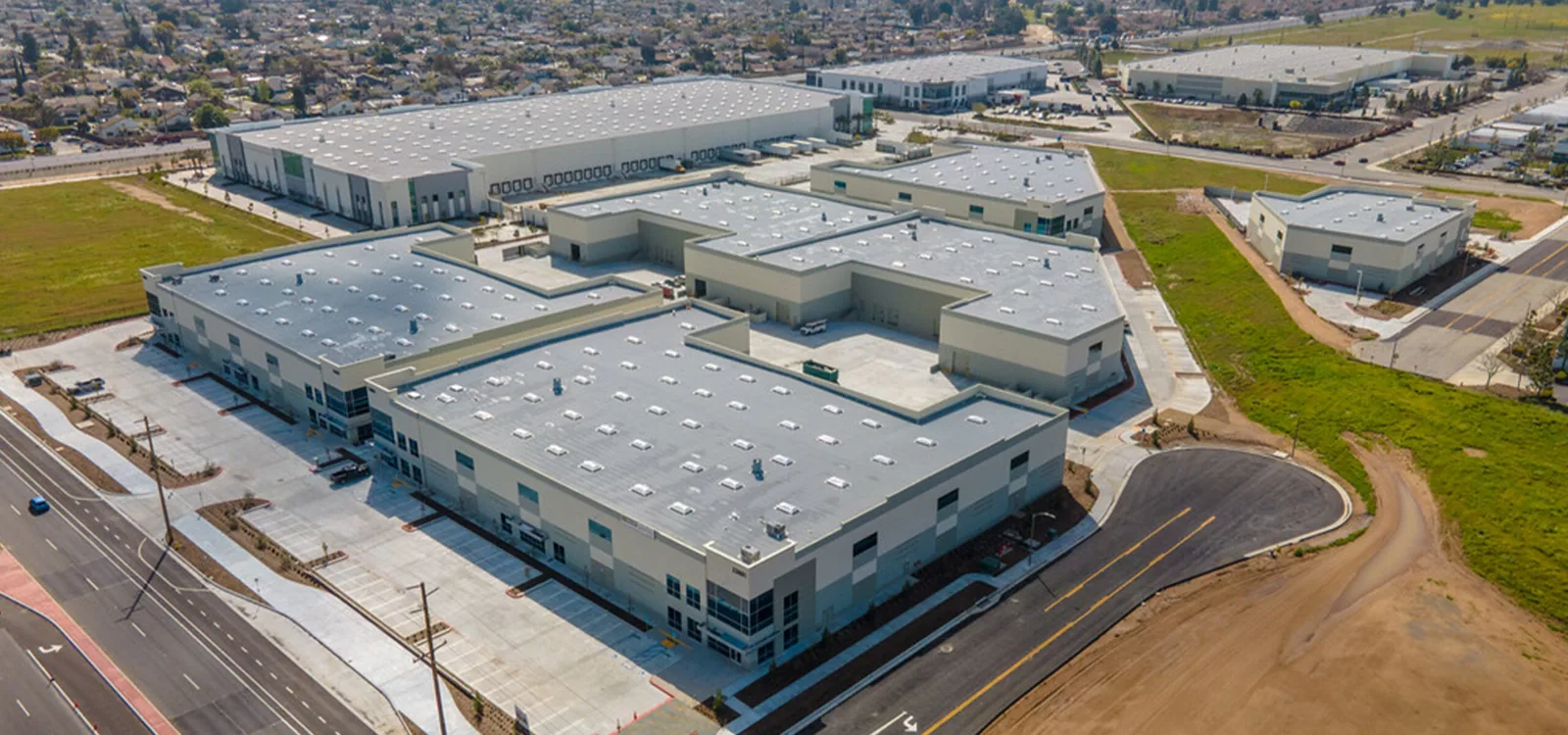
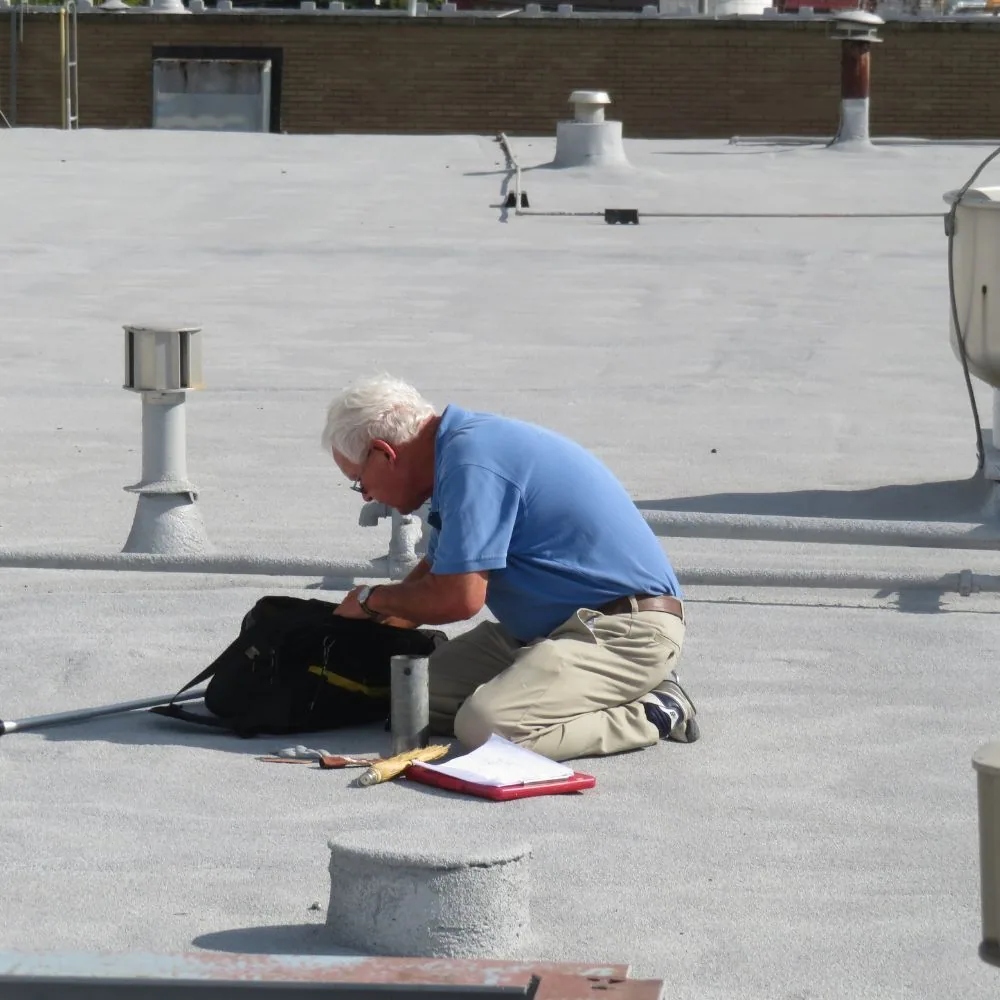
A roof portfolio becomes easier to manage when each building has a current condition record, an owner for the next action, and a clear place in the budget. Idaho Falls has a winter freeze cycle and warm-season roof work, so maintenance records should include the seams, drainage, edges, and equipment details affected at each property. Local climate frames the inspection calendar, while the roof record establishes the condition. We inspect each roof, record system and access details, and connect findings to repair, maintenance, or replacement planning. A manager overseeing sites near Snake River Landing and the Warehouse District may have different operating constraints, even when the reporting method is shared. The asset record keeps each property’s findings separate while giving ownership a useful view across the portfolio.

Roof Asset Management in Idaho Falls, ID

Build a Reliable Roof Inventory

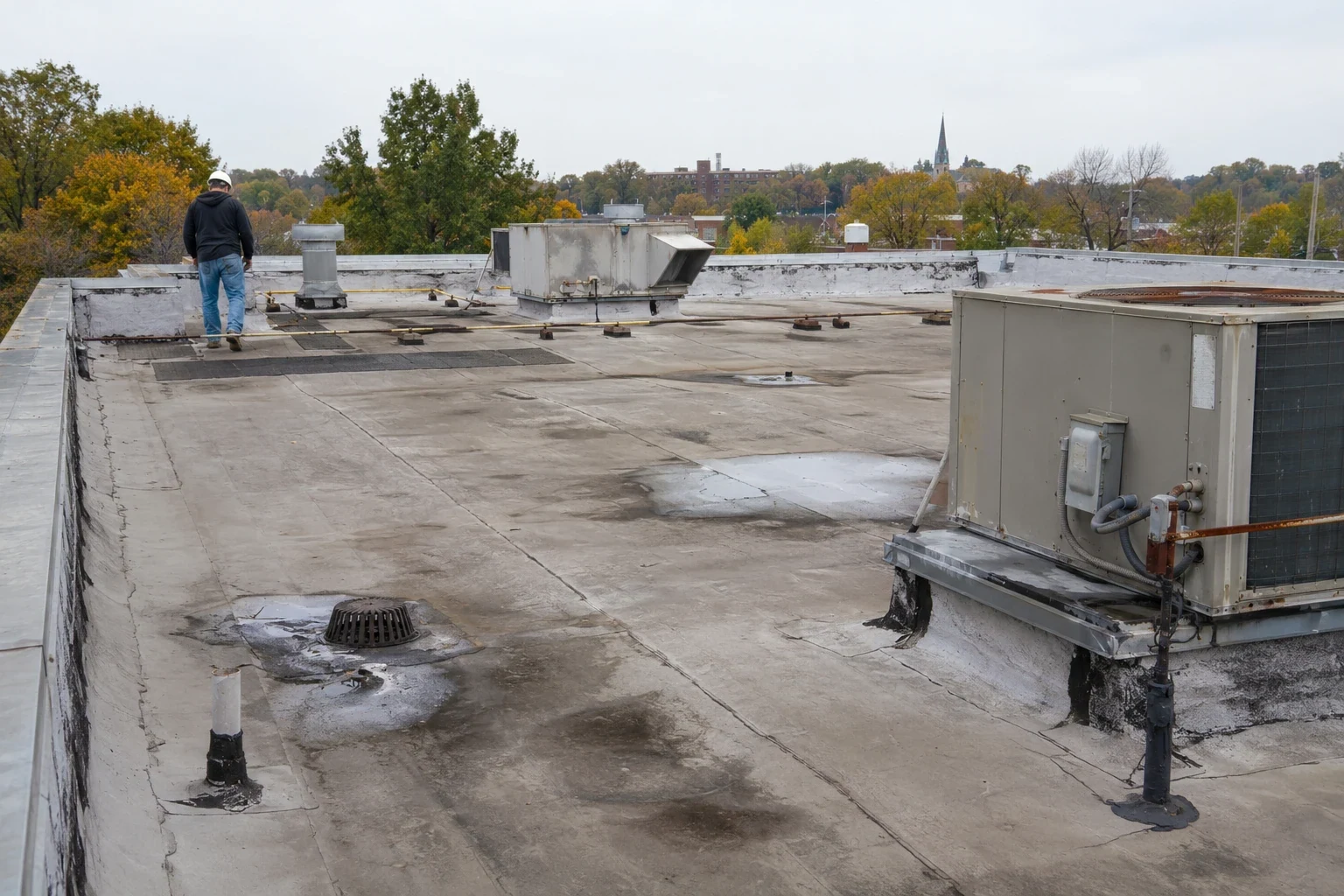
Begin with a building list that identifies the roof areas, system type where known, approximate age if documented by the owner, access conditions, drainage layout, equipment, and prior repairs. Unknowns stay labeled as unknown until an inspection or record confirms them. The inventory records each assembly from a field inspection or documented owner records. We verify visible details and keep photos tied to a roof zone so the manager can return to the same location at the next visit.

The Northgate Mile and 1st Street area combines two business districts, neighboring homes, and room for infill and redevelopment. River Commons is a separate renewal area near the Snake River Greenbelt, where public infrastructure supports broader development. Those planning contexts help explain the range of commercial settings, but the inventory remains building-specific. The Northgate Mile and 1st Street area and River Commons area can be grouped for reporting without combining roof findings.

A complete inventory also tracks roof hatches, escorts, restricted areas, contacts, and any seasonal access limits. A list of properties without access details can slow down a leak call or routine inspection. We also record whether each finding is open, under review, scheduled, or closed, along with the person responsible for the next action. Photos should identify roof zone and inspection date, not stand alone without context. That structure lets a facilities team distinguish a completed repair from a recommendation that still needs approval. If a roof system or access procedure changes, we update the inventory at the next visit or handoff rather than carrying stale details into a response. Managers can also record whether photos show a baseline condition, completed repair, or a later change. That small distinction improves comparisons over time and prevents an old image from being mistaken for the current roof state. The condition report process can record the observations and images that update each asset entry.

Rank Work by Condition and Consequence

Age alone is not enough to set the priority. We compare active water entry, wet materials, open seams, failing flashing, blocked drainage, repeated repairs, and the consequences of service disruption. A small defect above sensitive equipment may need faster action than a larger wear area that remains dry and stable. We document both the roof condition and the property’s operating needs so a manager can explain why one task comes first.

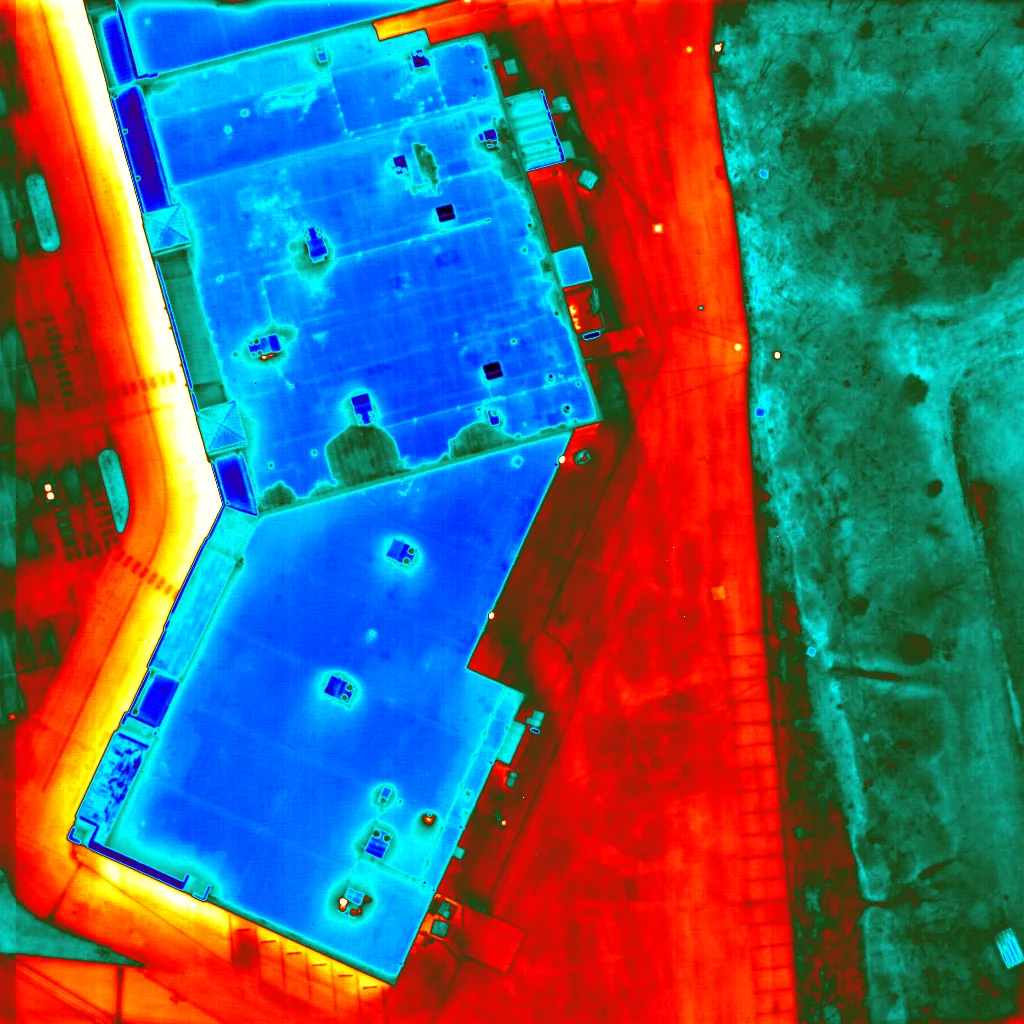
Priorities should distinguish urgent water control, planned repair, further testing, and capital work. One score can help sort a list, but the report should preserve the reason behind the score. If a low area has ponding, the next step may be drainage assessment. If moisture is suspected below the membrane, the team may need a survey or test cut before pricing a broad repair. Our roof inspection establishes visible condition, and moisture evaluation can focus follow-up testing where evidence supports it.

When an active opening threatens interior space, emergency response is available around the clock, including weekends and holidays. That visit controls a specific event and does not replace the planned portfolio review. We record the temporary measure, the permanent repair required, and which asset record needs updating.

Keep Service History Useful

Each repair or maintenance visit should update the roof record with date, location, work performed, materials, photographs, and any remaining observation. If a contractor later adds a curb or service line, the next visit should know that the roof was disturbed. Tracking the history helps distinguish a recurring failure from a new opening and shows whether earlier recommendations were completed.

The warm summer roof season can affect access and some application limits. Current conditions and product requirements govern the work. A manager can use the asset calendar to schedule inspections, drain reviews, and planned repair before a major project window closes. The manager can use the asset calendar to schedule inspections, drain reviews, and planned repair before a major project window closes. A preventive roof maintenance visit can revisit exposed details and drainage between larger capital decisions.

Ownership changes also make continuity important. A concise condition file gives a new manager the roof type, known concerns, past work, access constraints, and next action without relying on informal handoff notes. For acquisition work, a roof due-diligence survey can establish an inspection baseline before the operating record begins.

Connect Roof Facts to Capital Planning

A useful roof asset program makes future work visible while keeping estimates grounded in inspection findings. We identify repairs that can be scheduled, roofs that need testing, and assemblies that may require replacement planning. Cost drivers include access, removal depth, wet insulation, deck condition, material compatibility, equipment, and occupied spaces. The record should state whether a recommendation is based on a visual inspection or a confirmed condition below the surface.

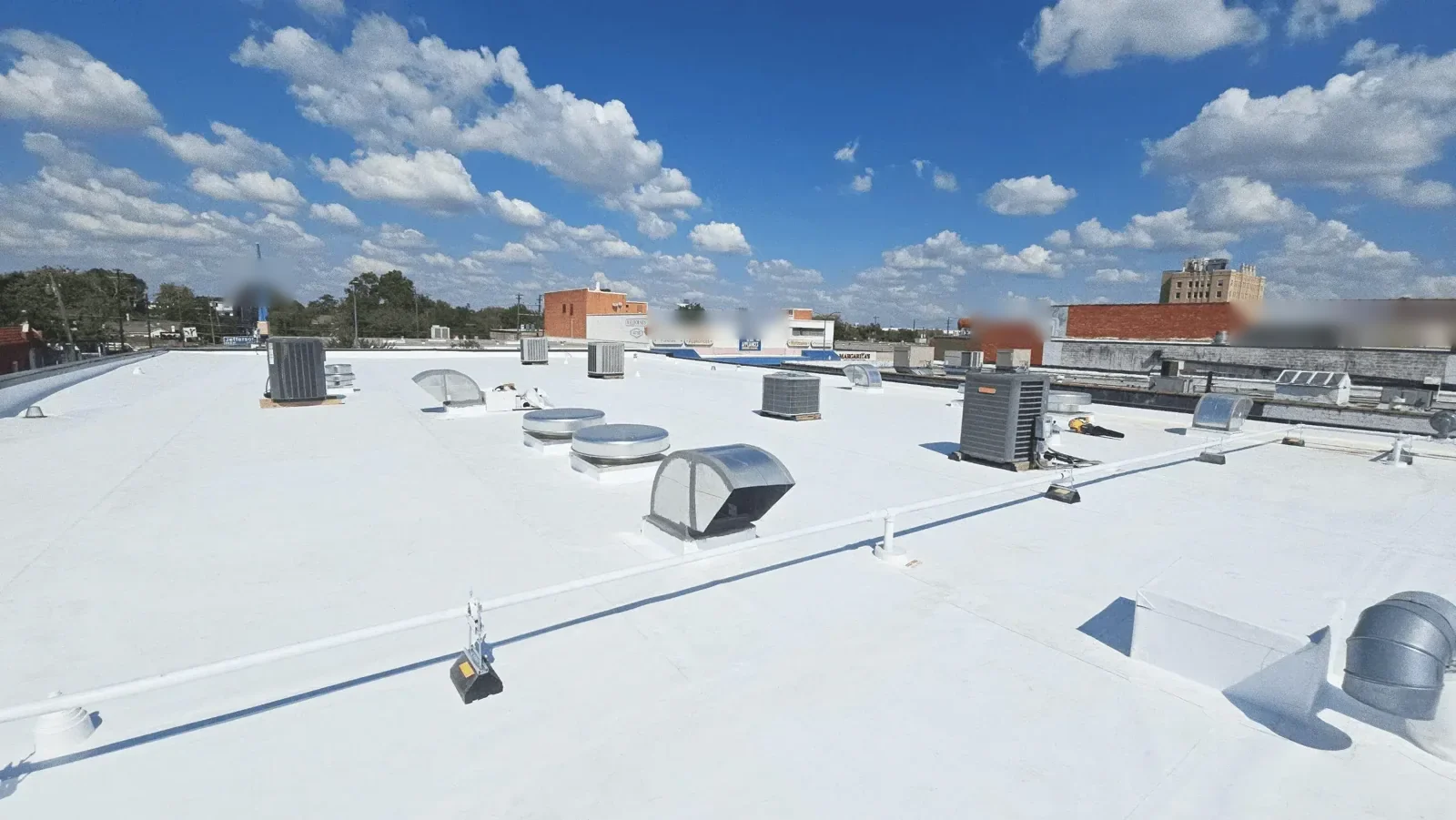
Budget comparisons are more useful when they separate immediate water control from work that can be scheduled with other building projects. If a roof is being replaced, the manager can compare system options and sequence the work around tenant or production needs. The capital planning review can organize the next inspection, repair, and replacement decisions by property and budget period.

We update priorities when conditions change, not just when the calendar reaches a new year. New equipment, construction, water entry, or a failed patch may change the next action. A written record leaves ownership with clear findings, a defined decision, and a practical date or condition for follow-up.

Questions About Roof Asset Management

Track the building and roof zones, system where known, access instructions, drainage, equipment, repairs, inspection photos, open recommendations, and next action. We label unverified items so a manager can see what still needs inspection or testing.

A consistent score can help sort work, but it should not erase the reason for a priority. We keep the underlying finding, operating consequence, and recommended action with each roof so an owner can compare assets without assuming they are alike.

Update it after inspections, repairs, equipment work, leak events, and capital decisions. A regular maintenance cycle can check open items, but new conditions should prompt an earlier update when the building’s risk changes.

Yes. We can use a consistent format while recording each building’s assembly, access, tenant or production needs, and repair history separately. Snake River Landing and the Warehouse District illustrate varied area settings, but the property inspection determines each roof entry.

No. The record organizes inspection findings and work history; a roof inspection establishes current visible condition. Testing or opening the assembly may still be needed when moisture or concealed damage is suspected.

ServicesRoof SystemsIndustriesProperty TypesService AreasDamage RepairCapabilitiesManufacturersContactAboutRequest a Roof Assessment555-555-5555
Call us today555-555-5555