Storm Damage Roof Repair in Idaho Falls, ID Serving Idaho Falls & Eastern Idaho

Assess storm damage on commercial roofs in Idaho Falls with photos, water control, and repair scopes tied to observed conditions and building operations.

Storm Damage Roof Repair in Idaho Falls, ID

Storm Damage Roof Repair

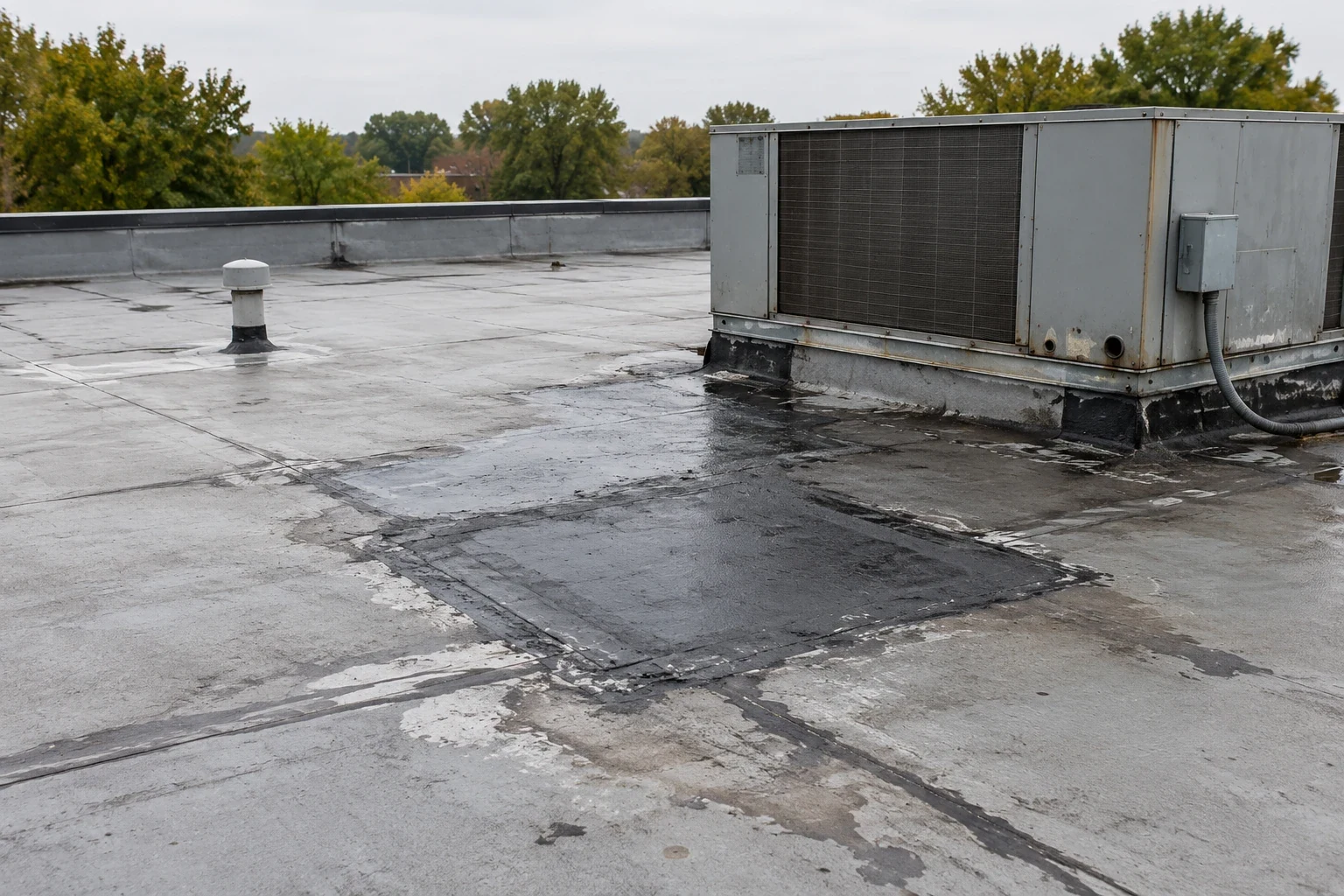
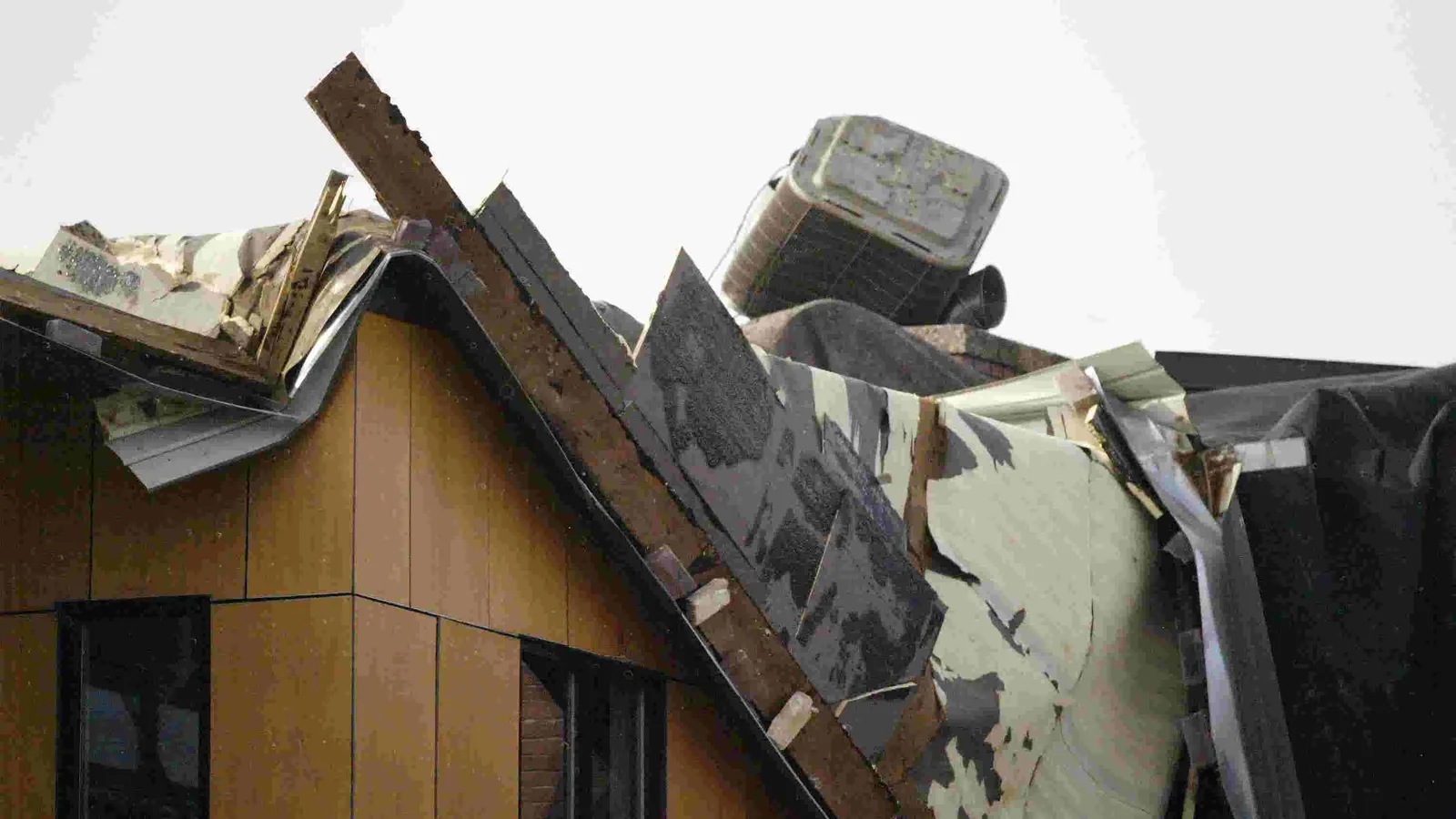
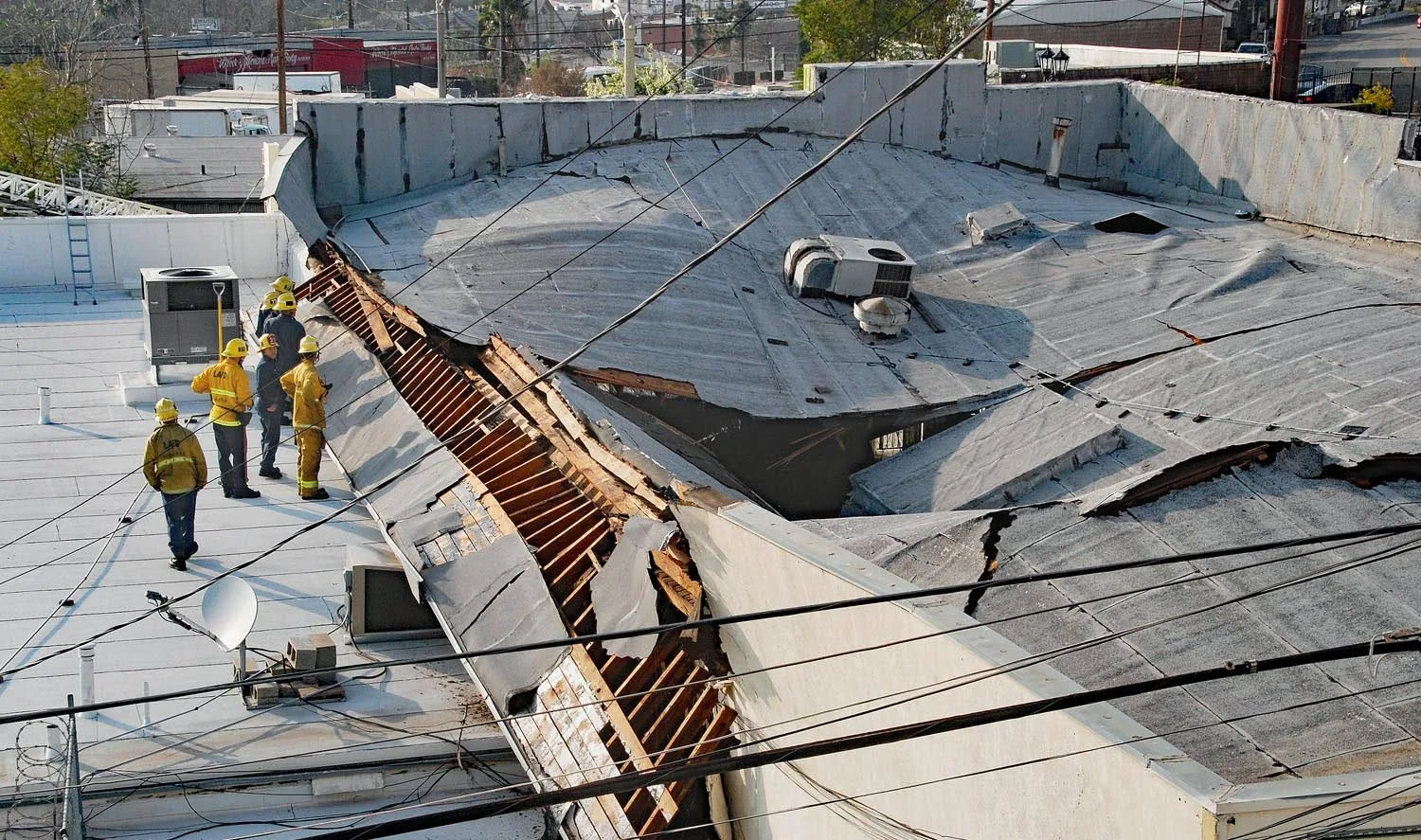
A sudden weather shift can leave Idaho Falls roofs with displaced edge metal, damaged flashing, punctures, or water entering through a weak seam. Idaho Falls averages record measurable precipitation on 84.3 days annually and a long freeze season, so storm review needs to consider both the opening and how water moves through the assembly. We inspect the reported damage, protect active exposure where safe, and document what is confirmed before a repair or replacement scope is set.

Start by noting when the damage was found, what conditions were observed, where water is entering, and which rooms or equipment are affected. Preserve photographs and any temporary steps already taken. On the roof, we examine seams, penetrations, drains, curbs, edges, and the surrounding field for related damage. A problem may extend beyond the place where material appears loose. Near Northgate Mile and 1st Street, two business districts and nearby neighborhoods create varied access needs; at any occupied property, our protection sequence follows the building's operations.
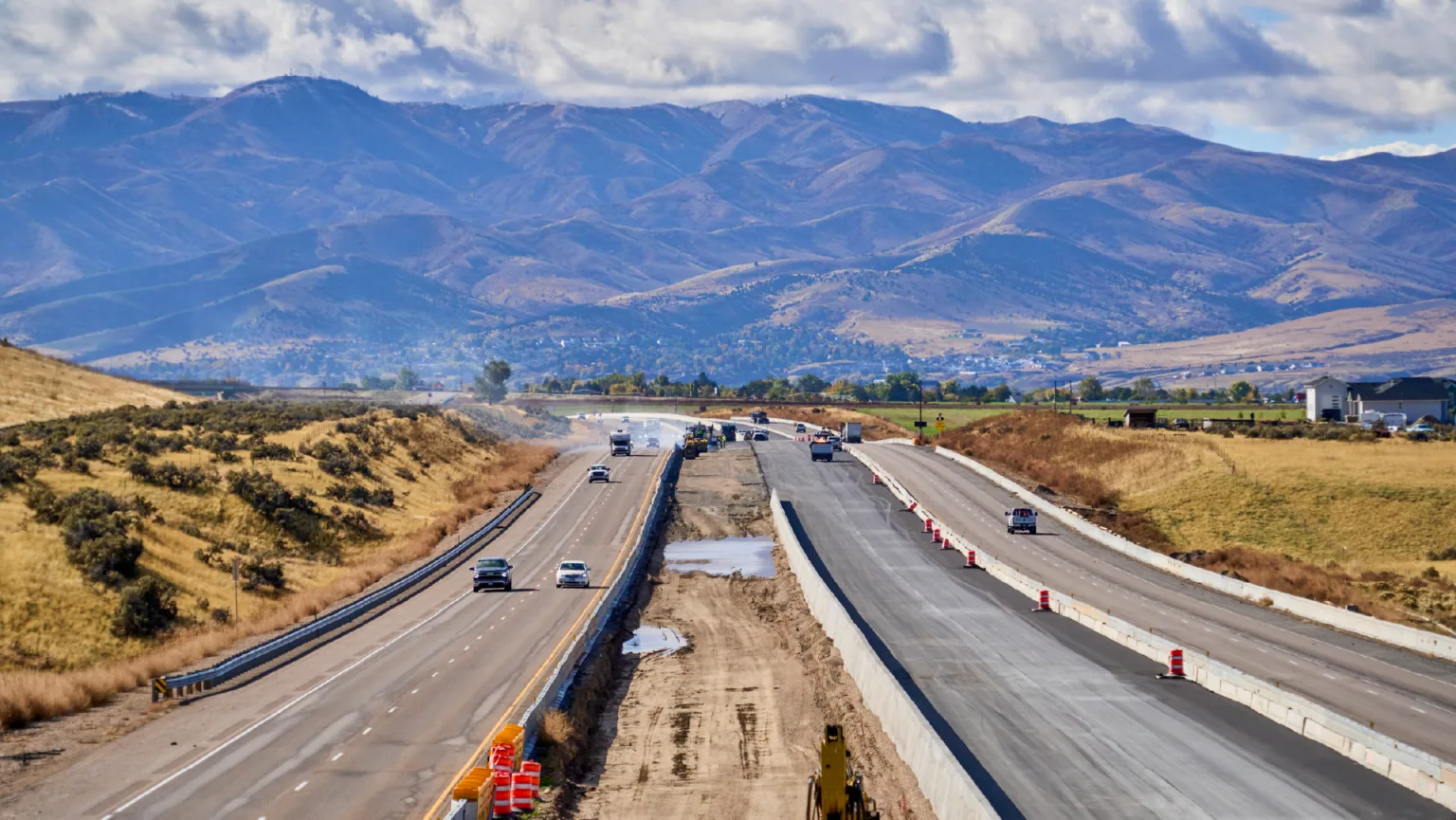
Storm Damage Roof Repair in Idaho Falls, ID

Separate Event Damage From Existing Wear

Not every roof defect starts with a single storm. We look for fresh tears, lifted flashing, displaced coping, punctures, impact marks, clogged outlets, and water paths that are consistent with the reported event. We compare those observations with prior repair records and surrounding material. Existing aging or deferred maintenance may be present beside new damage, and the scope should distinguish them. Photographs, location notes, and test results help describe what changed without assigning a cause that the inspection cannot support.

Water can enter at one opening and travel through insulation or along the deck. We compare interior signs with roof slopes, seams, equipment curbs, and drains. If moisture has spread or the entry point is unclear, testing may be needed before removal is priced. Our leak tracing work connects interior reports with roof conditions, while hands-on inspection checks the broader assembly. We identify any area that could not be reached and state how that limits the conclusion.

Protect the Opening

Active water calls for controlled protection. We determine whether roof access is safe, locate the opening, and choose a temporary measure suited to the surface and conditions. Temporary covering or a compatible patch can limit additional water, but it must be secure and arranged so it does not direct water into another detail. We document the protection and its limits, then set the permanent repair needed. If a building has wet insulation or deck damage, a surface patch alone will leave that condition unresolved.

Idaho Falls averages include 14.7 days annually with minimum temperatures at or below zero, and snow or ice can change access or conceal a damaged detail. The actual roof and current forecast guide work; long-term averages do not substitute for a site assessment. A snow and ice damage assessment can check whether a seasonal load, thaw, or blocked drain contributed to the observed condition. Where the affected outlet is part of the water path, drain and scupper work may need to accompany membrane repair.

Define What Must Be Repaired

The permanent scope follows roof type and damage boundary. We identify membrane or metal, remove failed material as needed, inspect the substrate, and tie the replacement area into sound surrounding components. Edge metal needs secure attachment; flashing at a curb or penetration must connect to the field system. If moisture extends beyond the visible opening, test cuts can define removal limits. The written repair should say what is included, what remains, and how concealed conditions will be approved before additional work is performed.

Cost changes with access, roof height, system compatibility, amount of wet material, interior protection, and whether equipment or operations must be interrupted. Schedule depends on safe weather, material availability, and access. We separate emergency water control from planned restoration so a manager can authorize each step. If the damage reaches multiple areas, an replacement evaluation can compare broad removal with localized repairs. For damage that leaves the membrane sound but surface worn, a coating review may be discussed only after moisture and substrate conditions are checked.

Preserve a Clear Damage Record

A useful job record includes date reported, observed weather context provided by the owner, roof and interior photographs, test locations, temporary measures, and permanent repair recommendations. We distinguish direct observations from reported history and list areas that remain unconfirmed. The record supports maintenance and budget decisions even when an insurer or other reviewer later needs separate documentation. It should not promise that a claim will be accepted or that a policy covers a specific repair.

Idaho Falls includes healthcare, retail, restaurants, industrial activity, education, and business offices. Snake River Landing is a broad mixed-use district with offices, dining, residences, and event venues, while the Warehouse District includes storefront and industrial uses. Those contexts illustrate why storm work may need tenant notices, protected entrances, or a loading plan. We coordinate with the property contact and record access limits before work begins. A photo condition report can keep the evidence and next steps together for the facility and asset teams.

Choose Repair or Larger Work

A localized repair may be enough when the event damaged a defined area and the surrounding assembly remains sound. Multiple openings, widespread wet insulation, failing attachment, or repeated water entry can justify broader testing or replacement planning. We show the affected boundary, explain the evidence, and identify the work still needed. If the roof is safe after temporary protection, the manager can review the permanent scope without treating urgency as a reason to skip diagnosis.

Project timing also has to account for tenant schedules, deliveries, equipment, and the weather window. We coordinate work zones and temporary tie-ins so the building remains protected as repairs progress. A follow-up maintenance visit can check repaired edges, seams, and drains after completion. When storm concerns affect a property in Idaho Falls, the report should leave its owner with clear photos, scope boundaries, and a practical order for any remaining work.

Questions About Storm Damage Roof Repair

Record when the issue was found, take safe interior photographs, note active water and affected equipment, and preserve any temporary protection details. Do not enter a roof area that is wet, icy, or otherwise unsafe. We will coordinate access with the facility contact and document what can be inspected under the current conditions.

We document visible conditions and compare them with reported timing and existing repair history. A fresh opening may be clear, while older wear beside it can require separate treatment. The report states what the roof shows and avoids assigning a cause beyond the available evidence.

We identify temporary protection separately and explain what it controls. Permanent work may require removing wet insulation, rebuilding flashing, replacing membrane, or repairing a deck. The written scope should show which step is complete and which remains, so temporary protection is not mistaken for finished restoration.

Photos, dates, location notes, observed conditions, test results, and a clear repair estimate can help the property owner organize a review. We document roof findings and scope without deciding coverage or claim acceptance. The insurer and policy determine those questions.

We compare damage area with the surrounding roof condition, moisture, attachment, and system compatibility. A defined opening in otherwise sound material may support a repair; widespread or repeated failure may call for broader testing or replacement. We explain the basis for each option and identify any condition that remains uncertain.

ServicesRoof SystemsIndustriesProperty TypesService AreasDamage RepairCapabilitiesManufacturersContactAboutRequest a Roof Assessment555-555-5555
Call us today555-555-5555