Drone Roof Inspection in Idaho Falls, ID Serving Idaho Falls & Eastern Idaho

Use drone roof inspection in Idaho Falls to document large or hard-to-access roof areas, then pair imagery with hands-on checks where details need testing.

Drone Roof Inspection in Idaho Falls, ID

Drone Roof Inspection

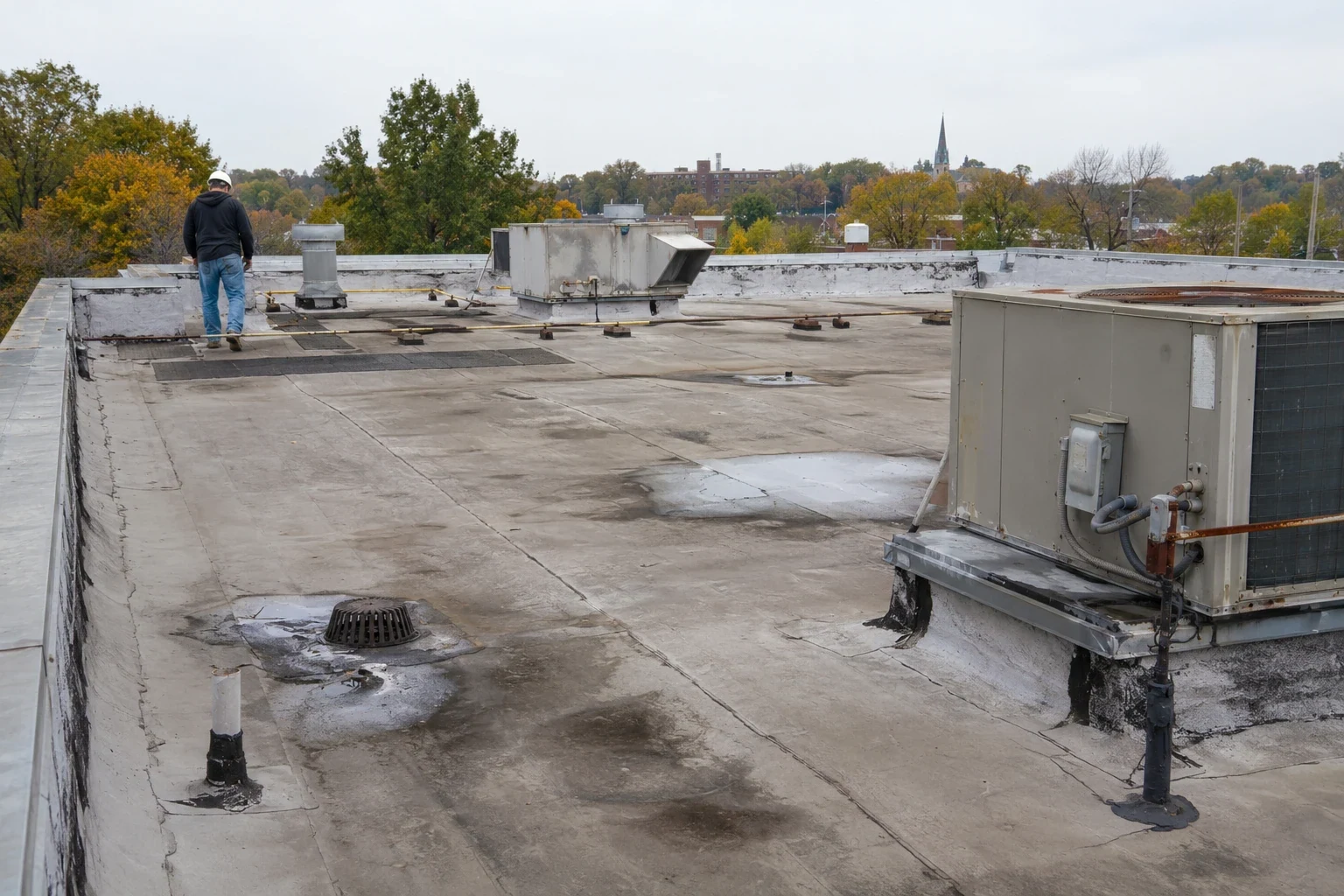
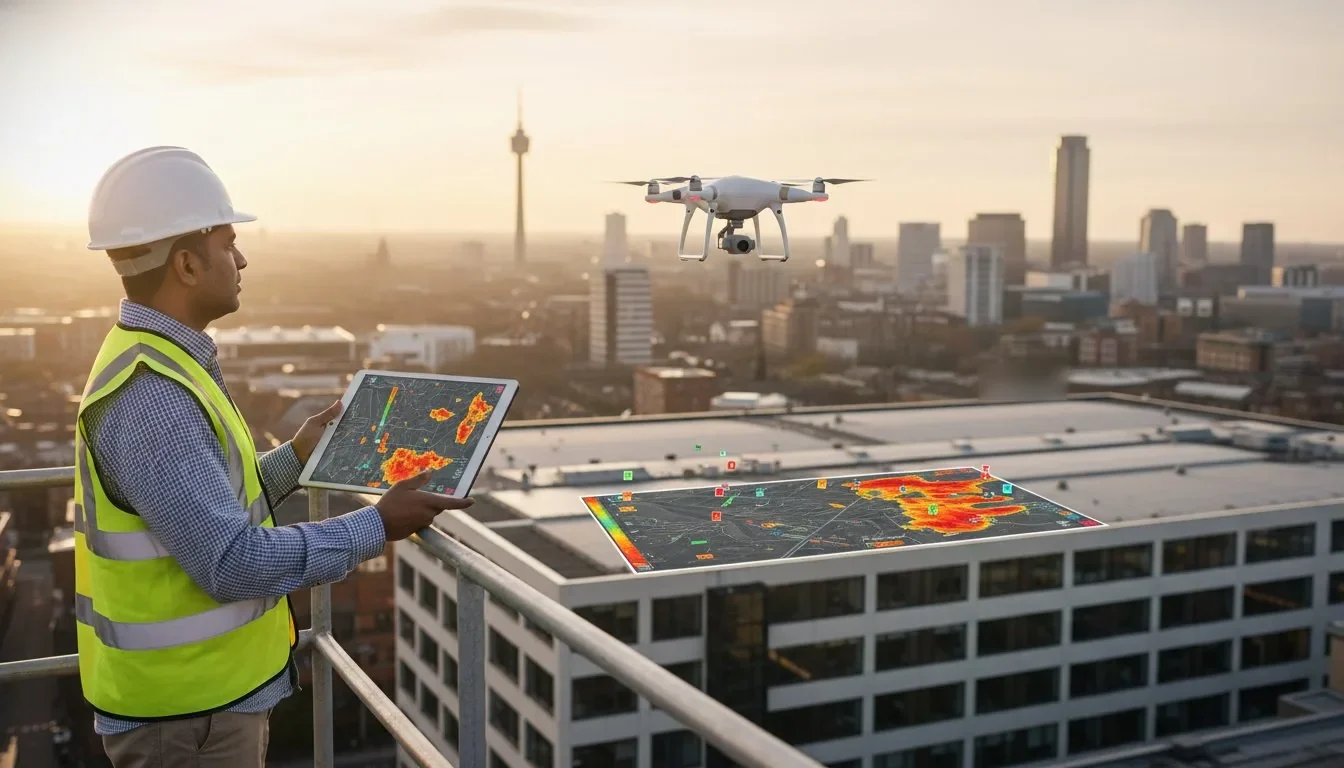
Summer heat adds a surface and access concern to Idaho Falls roof inspections. Idaho Falls average 26.5 days each year with highs of at least 90 degrees, and Idaho Falls also records long freezing periods. Those conditions matter when a crew plans safe access and when a property manager needs a current record of the roof's broader condition. Drone imaging can capture large or difficult-to-reach areas, show visible ponding or displaced material, and help prioritize a closer look. Drone images show visible surfaces; a hands-on check or test evaluates moisture, seam condition, and flashing at curbs and drains.

Before flight, we review access, roof height, nearby operations, weather, and the areas that need documentation. The goal is a useful set of images, not a dramatic view. We label relevant roof zones and compare visible conditions with the building's leak history or maintenance concerns. At Snake River Landing, a broad mixed-use district with offices, dining, residential uses, and event venues, differing building operations show why inspection access and image coverage should be planned for the actual property.
Drone Roof Inspection in Idaho Falls, ID

See Broad Areas Without Guessing

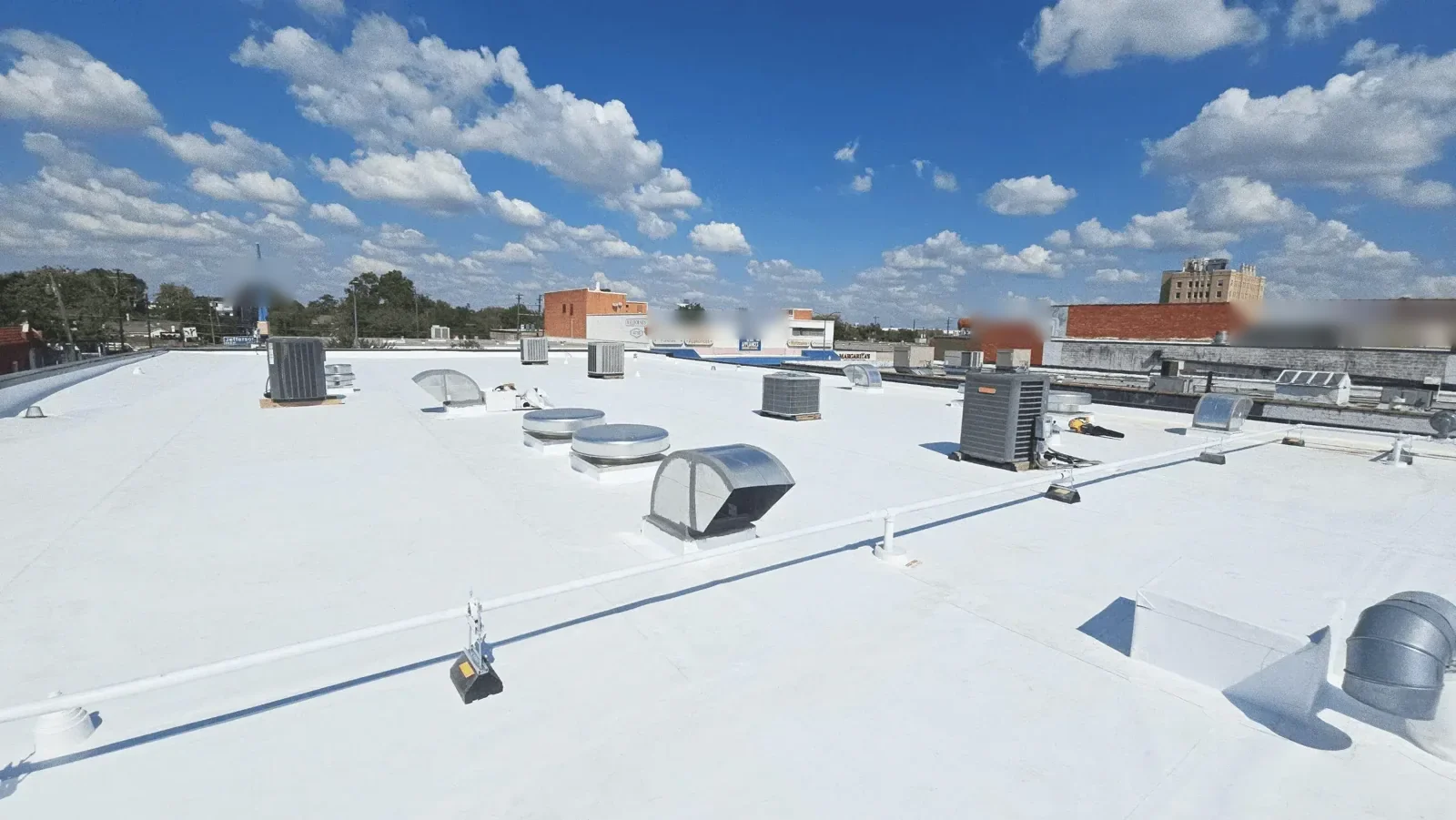
A drone can help document expansive roof fields, remote corners, and places where equipment or elevation makes a first-pass view difficult. Images may show debris, standing water, surface wear, open-looking laps, loose edge material, or objects near drains. We label each image by roof zone and use a roof walk or selective test to evaluate adhesion, membrane thickness, below-surface moisture, and hidden flashing. A suspected defect moves to a hands-on check when material contact or testing is needed.

We plan a route that covers the field, perimeter, roof levels, and visible penetrations without losing context. The image set should connect a detail to its location, not leave the reader with a folder of unmarked photographs. We note areas missed because of wind, access restrictions, glare, or line of sight. Idaho Falls includes warehouses, industrial uses, health-care buildings, offices, and education facilities, and the shape of each roof affects coverage. A condition report with images can organize the visual findings and identify what calls for closer inspection.

When to Add a Roof-Level Check

A drone image is a surface view. It cannot show whether insulation is wet beneath an intact membrane, whether a seam is bonded, or whether a drain connection leaks below the roof. It also cannot replace a safe, close inspection of exposed fasteners, flashing, penetrations, or edge securement. If images show a possible opening, we visit the detail and determine whether probing, moisture testing, or a core cut is appropriate. We describe visual evidence separately from confirmed conditions, so the report does not turn a shadow or reflection into a defect claim.

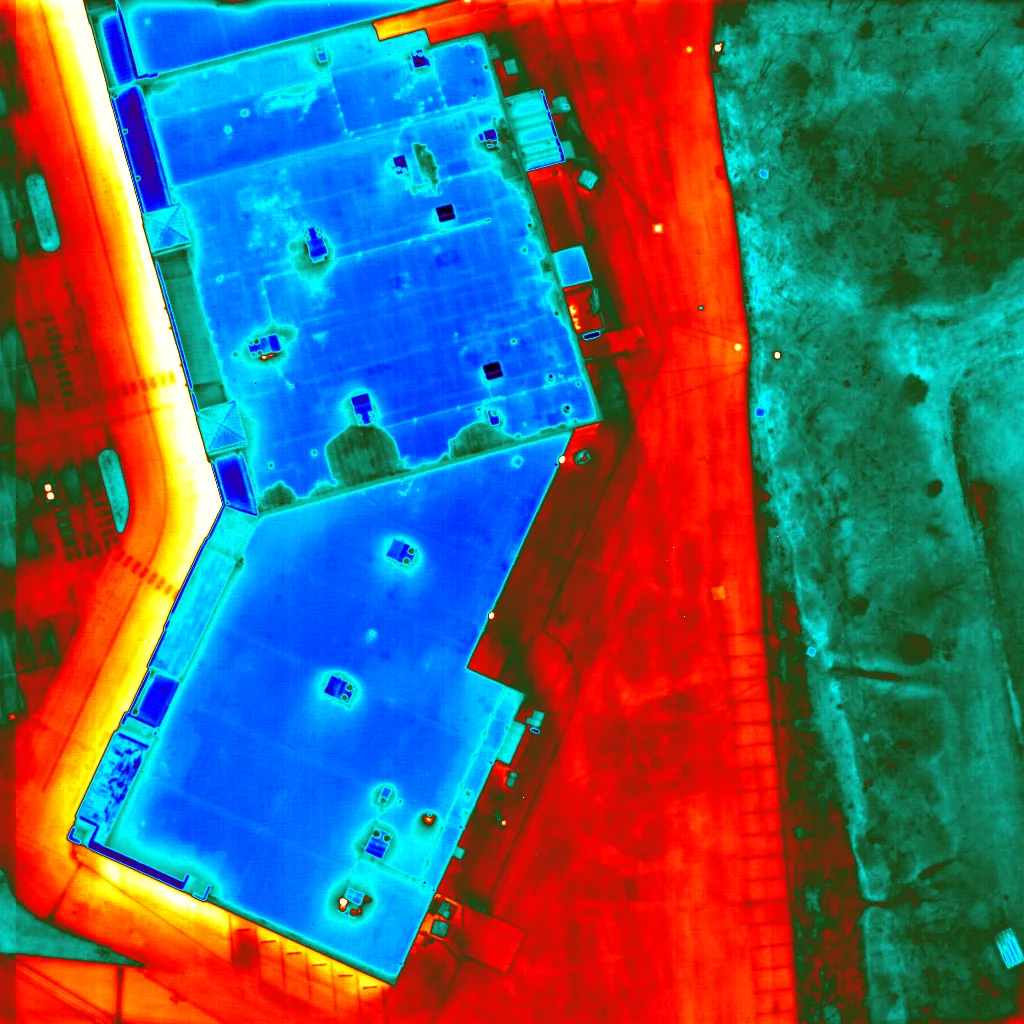
College of Eastern Idaho's campus includes classrooms, laboratories, healthcare education, technical buildings, and industry/trades space. On a complex campus or an active medical property, the inspection plan has to coordinate with the facility contact and protect access below. Images can aid the first survey, but hands-on verification remains important wherever material compatibility or a repair detail is involved. For a moisture concern, a dedicated infrared and core-cut survey can evaluate conditions that a camera cannot see from above.

Choose a Safe Flight Window

Wind, precipitation, snow, ice, heat, and visibility affect whether a flight provides useful images. Idaho Falls averages show 84.3 days with measurable precipitation annually and 182.2 days with minimum temperatures at or below freezing. The Idaho Falls climate offers regional context; the actual roof and conditions at flight time govern whether imagery is safe and clear. We reschedule when weather or access makes flight unsuitable, then record which areas remain unobserved. A drone visit should not be treated as a complete inspection when conditions prevent coverage.

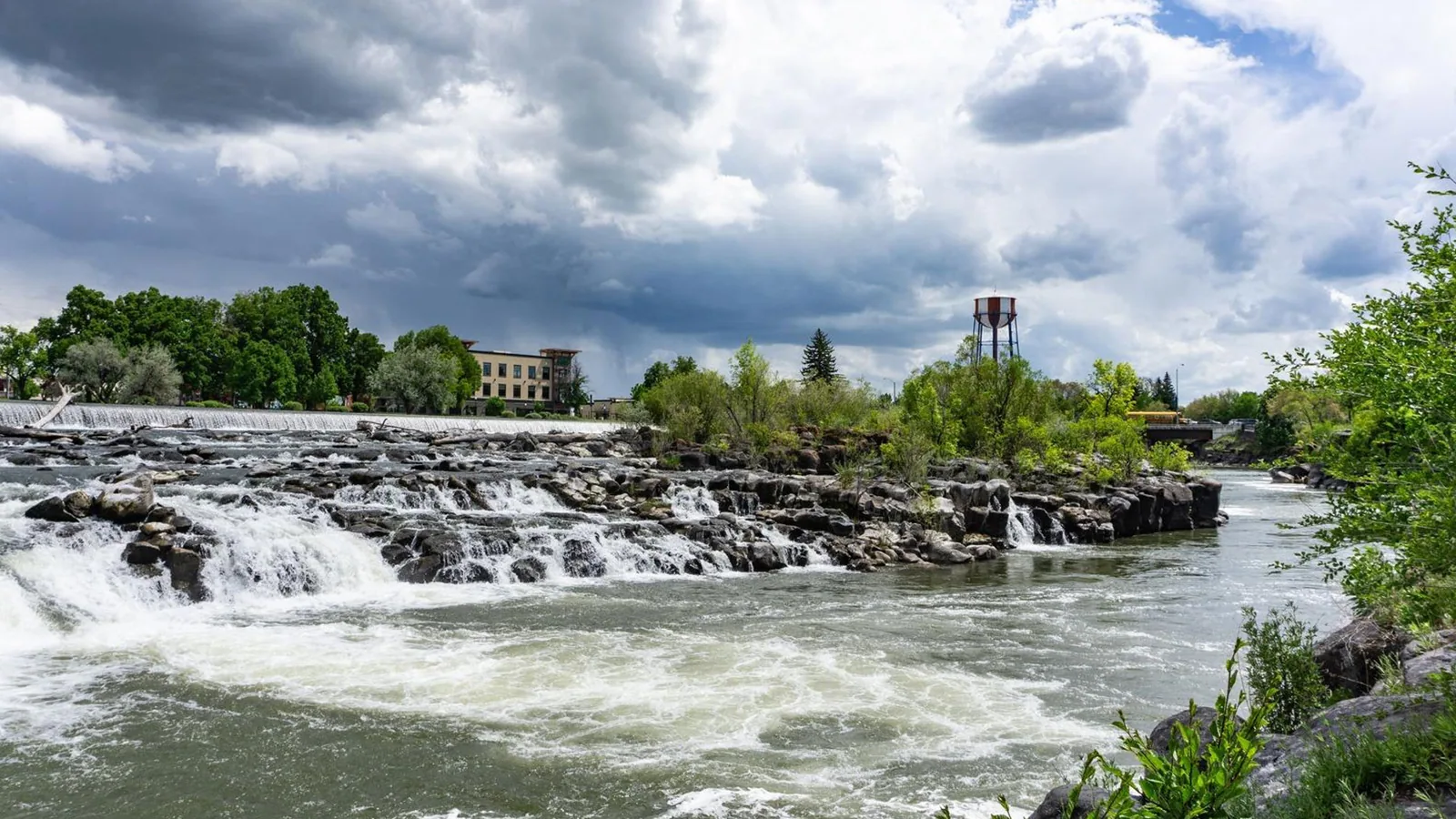
Flight planning also accounts for nearby activity, roof access, controlled areas, people, and equipment. We coordinate the observation window so staff know what is taking place and no one enters the work zone unexpectedly. Snake River West and River Commons are broad urban renewal areas near the Snake River, while downtown roofs may be closer to active streets and pedestrian spaces. Those settings can affect staging and image angles. A Downtown Idaho Falls inspection needs property-specific access coordination rather than a generic flight path.

Turn Images Into a Work List

The deliverable should help the manager make a decision. We identify the roof zones shown, label visible concerns, include selected images, and list the areas that need hands-on review. If a roof has multiple sections, we state which were covered and which could not be seen. The record can support maintenance planning, a leak investigation, or a replacement budget conversation. It should not claim a roof is dry or sound based solely on a flight.

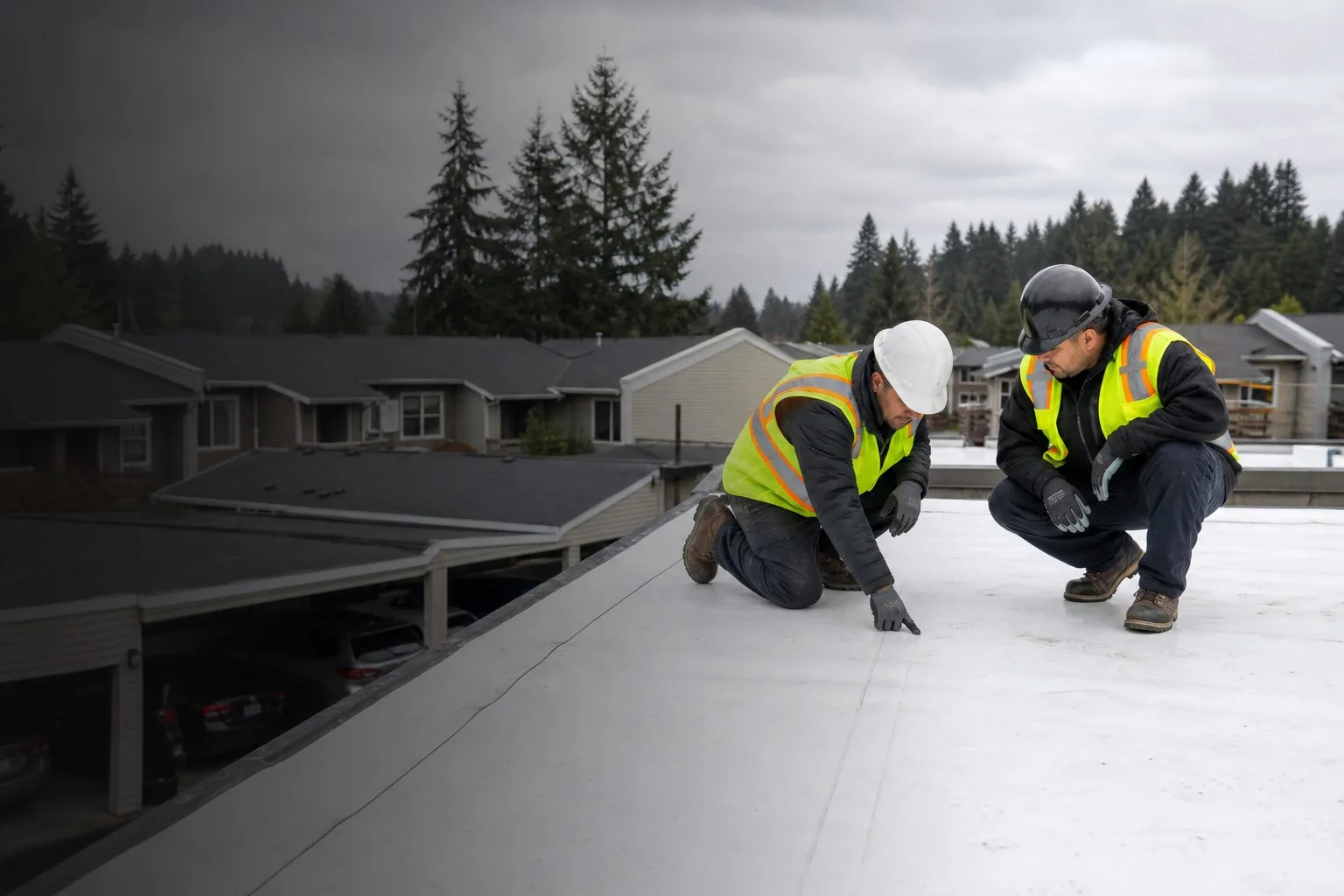
When a drone view suggests a problem, the follow-up may be seam inspection, drain review, flashing check, or moisture testing. If a hands-on visit confirms damage, a repair scope can identify the affected detail and material. For broad surface wear, an in-person roof inspection can establish the assembly condition. We separate imagery from tested findings in the report, giving the owner a clear sequence from overview to confirmed repair.

Fit the Survey to the Building

Access and building use shape the visit. A warehouse roof may need broad coverage of field areas and drains; a multi-level office can require different angles and staging. Idaho Falls industrial areas include manufacturing, processing, storage, distribution, and rail uses. We coordinate around active service roads and operating schedules. The site contact can identify roof access points, sensitive equipment, restricted zones, and any time when exterior observation would interfere with use.

Drone imaging can be one layer of a roof record for a portfolio manager who needs consistent views across several buildings. The survey should use clear zone names and a date so future visits can compare the same areas. It also needs a follow-up path: visual concern, hands-on check, test, or no immediate work. A scheduled maintenance visit can verify drains and exposed details after an imaging survey. The next budget decision then rests on conditions confirmed at the roof, not an image alone.

Questions About Drone Roof Inspection

Images can help document broad surface areas, visible debris, standing water, surface wear, apparent openings, and difficult-to-reach roof zones. We use them to locate observations and plan a closer check. Use a hands-on inspection or test to assess hidden moisture, seam adhesion, and material below the membrane.

No. Drone imagery can improve coverage, but it cannot touch-test a seam, probe flashing, confirm attachment, or measure moisture beneath the surface. We pair the overview with a roof walk or test where images suggest a concern. The report distinguishes what is visible from what has been confirmed.

It can help when roof areas are broad, high, or hard to access, or when a manager needs an image record before deciding where to inspect closely. Weather, obstructions, nearby operations, and access rules still limit coverage. We state those limits so the owner knows whether another inspection step is needed.

They may show a visible opening or drainage concern, but water can travel under the membrane before appearing indoors. We compare images with the leak history and inspect likely seams, curbs, edges, and drains in person. Moisture testing may be needed to establish the affected area.

You receive selected images tied to roof zones, visible findings, any areas not covered, and recommended follow-up. If a defect needs hands-on confirmation, the report says what should be checked. That gives a manager a practical work list rather than unlabeled imagery.

ServicesRoof SystemsIndustriesProperty TypesService AreasDamage RepairCapabilitiesManufacturersContactAboutRequest a Roof Assessment555-555-5555
Call us today555-555-5555