Cool Roof Installation in Idaho Falls, ID Serving Idaho Falls & Eastern Idaho

Plan a reflective commercial roof in Idaho Falls with a review of insulation, drainage, membrane condition, and energy-code requirements for the building.

Cool Roof Installation in Idaho Falls, ID

Cool Roof Installation

Idaho Falls summer afternoons put solar exposure on the roof decision, even though the same building faces a long freeze season. Idaho Falls averages record 26.5 days each year with highs at or above 90 degrees and 182.2 days with minimum temperatures at or below freezing. A reflective roof can reduce solar absorption at the surface, but it does not replace insulation, sound drainage, or a compatible membrane. We inspect the existing assembly and compare system choices with the property's use, seasonal conditions, and project requirements.

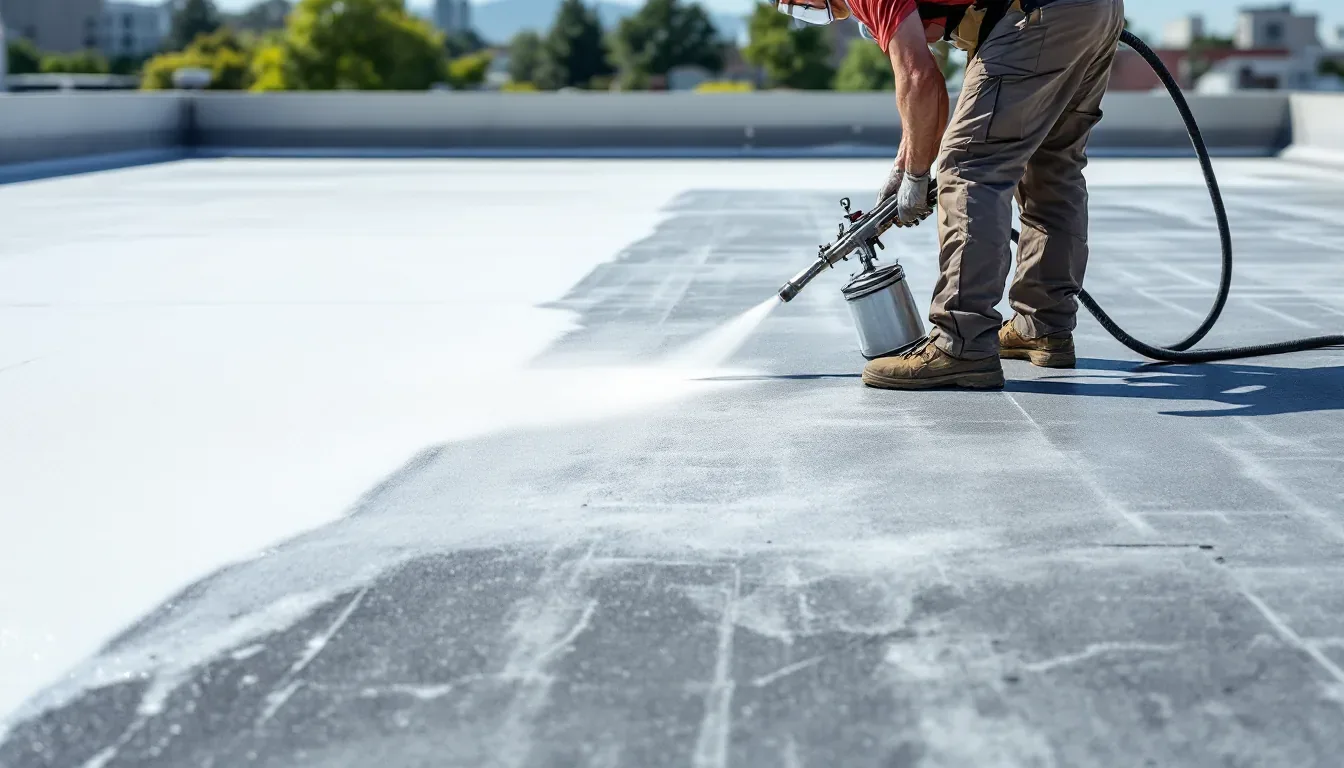
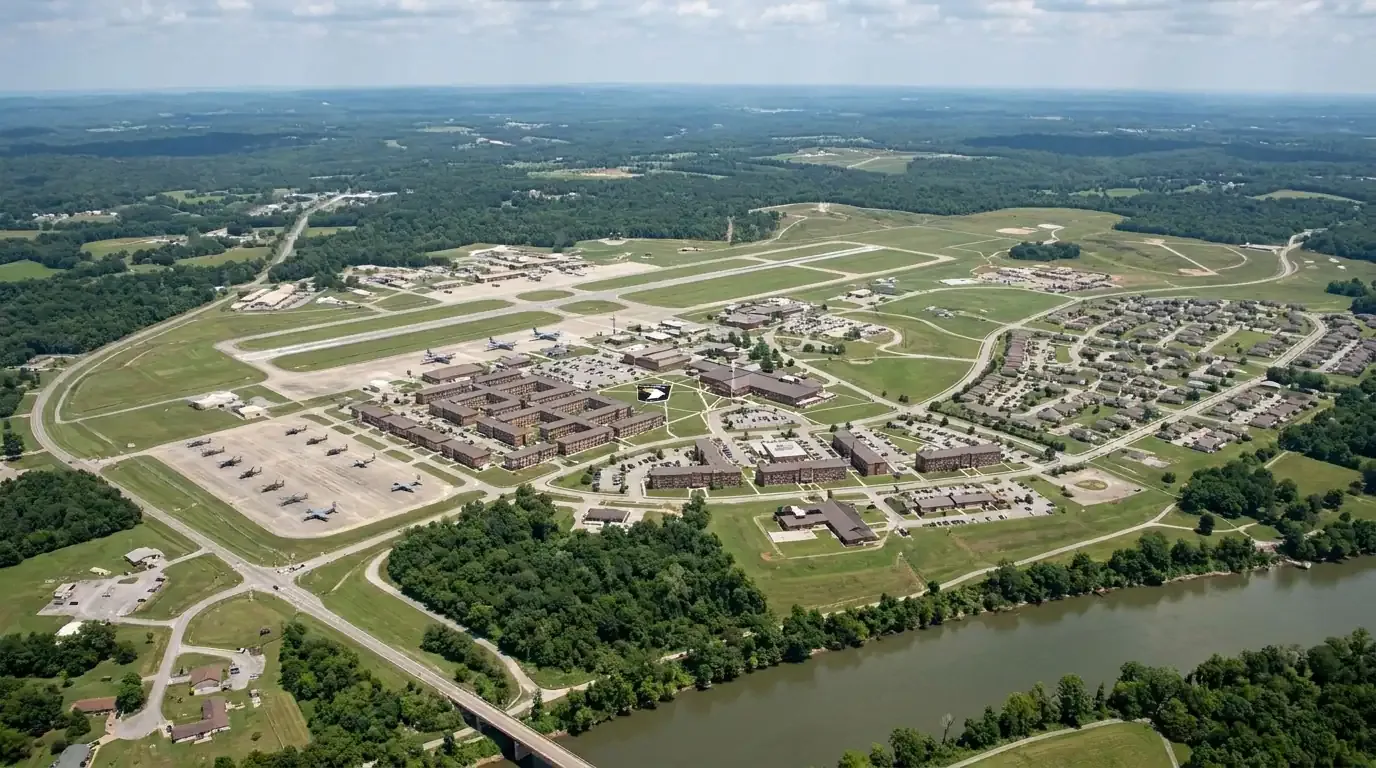
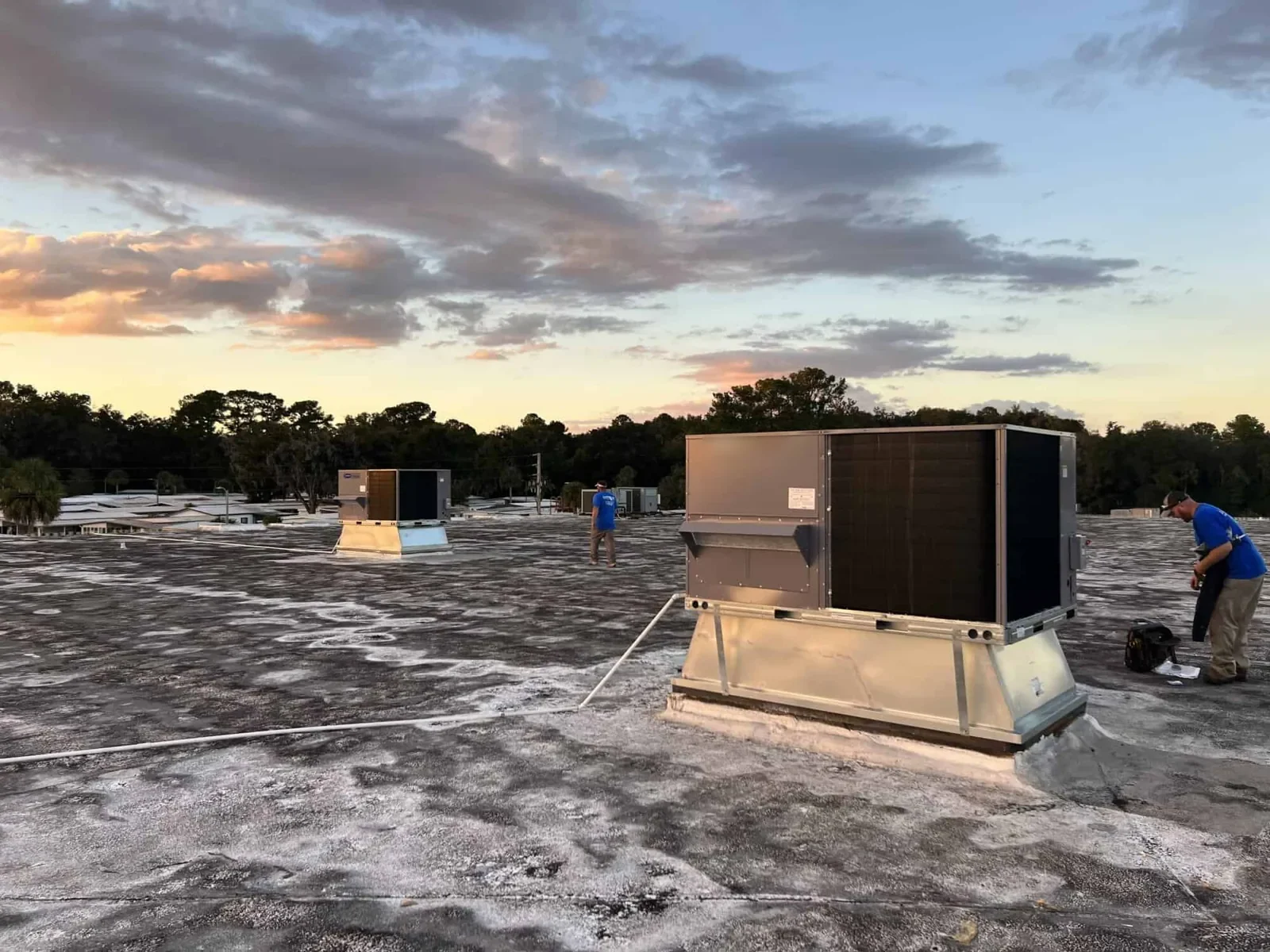
Cool-roof work may involve a reflective membrane, coating, or a roof assembly selected for its surface properties. We check whether the substrate is dry, the seams and flashing are repairable, and the drainage path will remain open. The project also needs a plan for equipment, access, and application conditions. Snake River Landing includes offices, dining, residential uses, and event venues in a broad mixed-use district. That variety illustrates why energy and access requirements should be evaluated for the actual building rather than selected from a roof color alone.

Cool Roof Installation in Idaho Falls, ID

Compare Reflective Assemblies

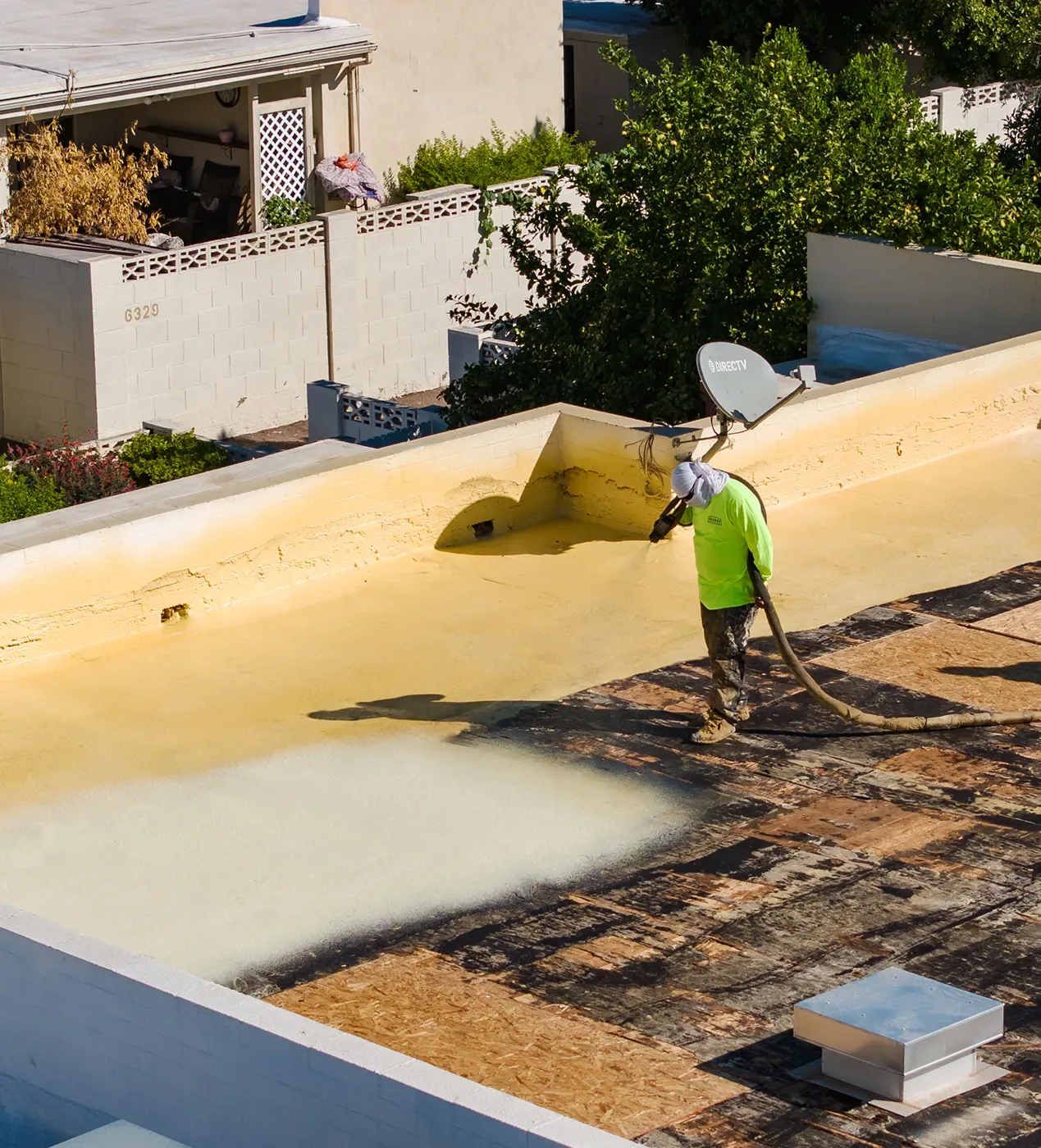
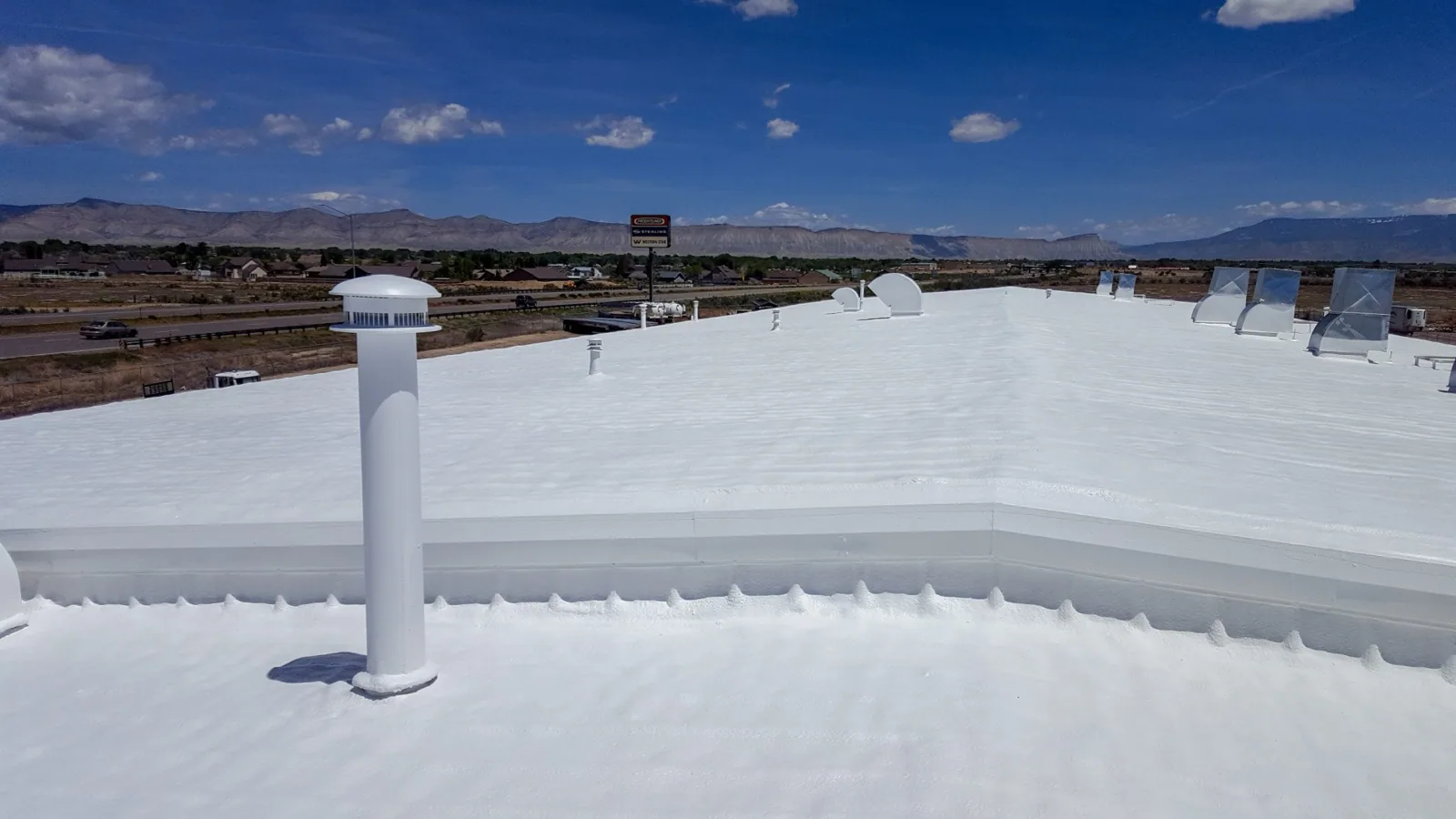
A reflective surface changes how much sunlight the roof absorbs, but the complete assembly governs performance and durability. We consider membrane or coating type, insulation, cover board, fastening, flashing, and edge securement. An existing roof with wet insulation or broad seam failure needs correction before a finish is selected. A coating can be appropriate only over a sound, compatible base with repaired details. We test or inspect where needed and document why a reflective membrane, coating, or replacement assembly fits the condition.

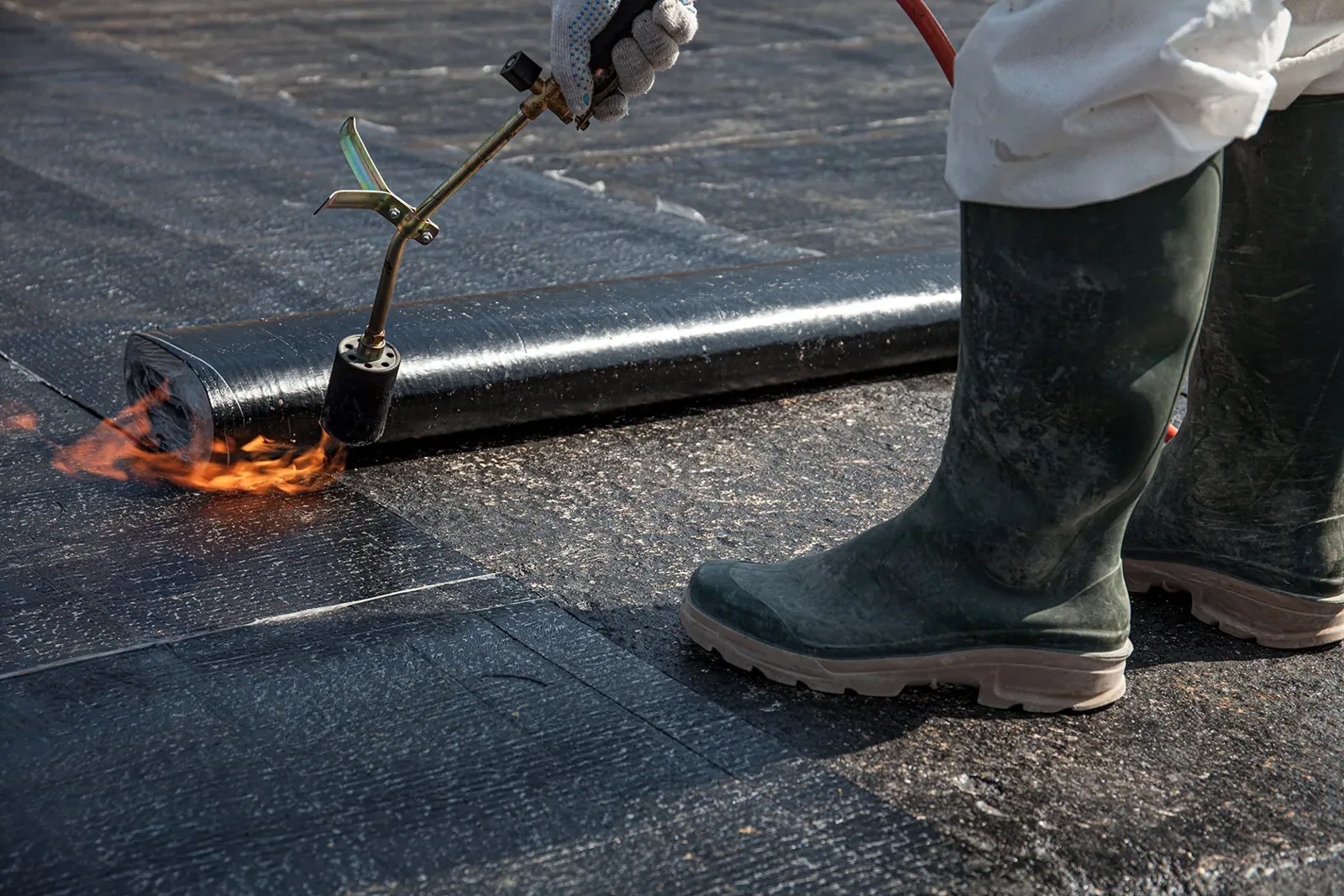
Different systems have different maintenance and water exposure limits. An exposed TPO membrane has its own seams and flashing details; an acrylic coating system depends on preparation and suitable application weather. We compare material data with the roof, not a broad claim about every energy bill. If a building needs insulation changes, a tapered layout, or new edge heights, those items belong in the project scope.

Balance Summer Heat and Winter Exposure

Idaho Falls also has cold periods. Idaho Falls averages include 14.7 days per year with lows at or below zero, and a July mean daily high of 86.6 degrees. Those long-term measures do not describe the temperature of an individual roof or predict savings. They do put seasonal behavior on the review list. We consider freeze-thaw exposure at seams, drainage after snow, and material installation limits along with summer roof temperature. The best system is one the building can maintain through both sides of the calendar.

The energy code is part of that review. Idaho's adopted schedule lists the 2018 International Energy Conservation Code with state amendments called the Idaho Energy Conservation Code. Idaho Falls Building Division also directs applicants to the 2018 energy code. We identify the proposed assembly and known conditions so the project team can check current requirements and permit needs. A roof insulation and cover-board scope can address thermal layers and drainage together, while a coating assessment first checks whether restoration is suitable.

Fit the System to Building Use

Roof temperature is only one part of a building's energy picture. Insulation, air leakage, HVAC equipment, controls, occupancy, and internal loads all affect energy use. We do not estimate a savings percentage from roof color. Instead, we document the existing layers, identify proposed changes, and coordinate with the facility team or design professional when energy modeling is needed. The scope should state what roofing work can change and which performance questions need another discipline.

Snake River Landing includes offices, dining, housing, and event venues; Rexburg’s University Boulevard area includes lodging, retail, office, commercial, industrial, and residential uses. Coordinate access and work hours with each property contact. The variety of buildings makes the property’s own roof condition and operating schedule the basis for the work plan. We confirm active hours, equipment, access, and tenant restrictions at the project property. For an occupied site, our reroofing sequence can organize material movement and weather protection around operations.

Prepare the Surface and Drainage

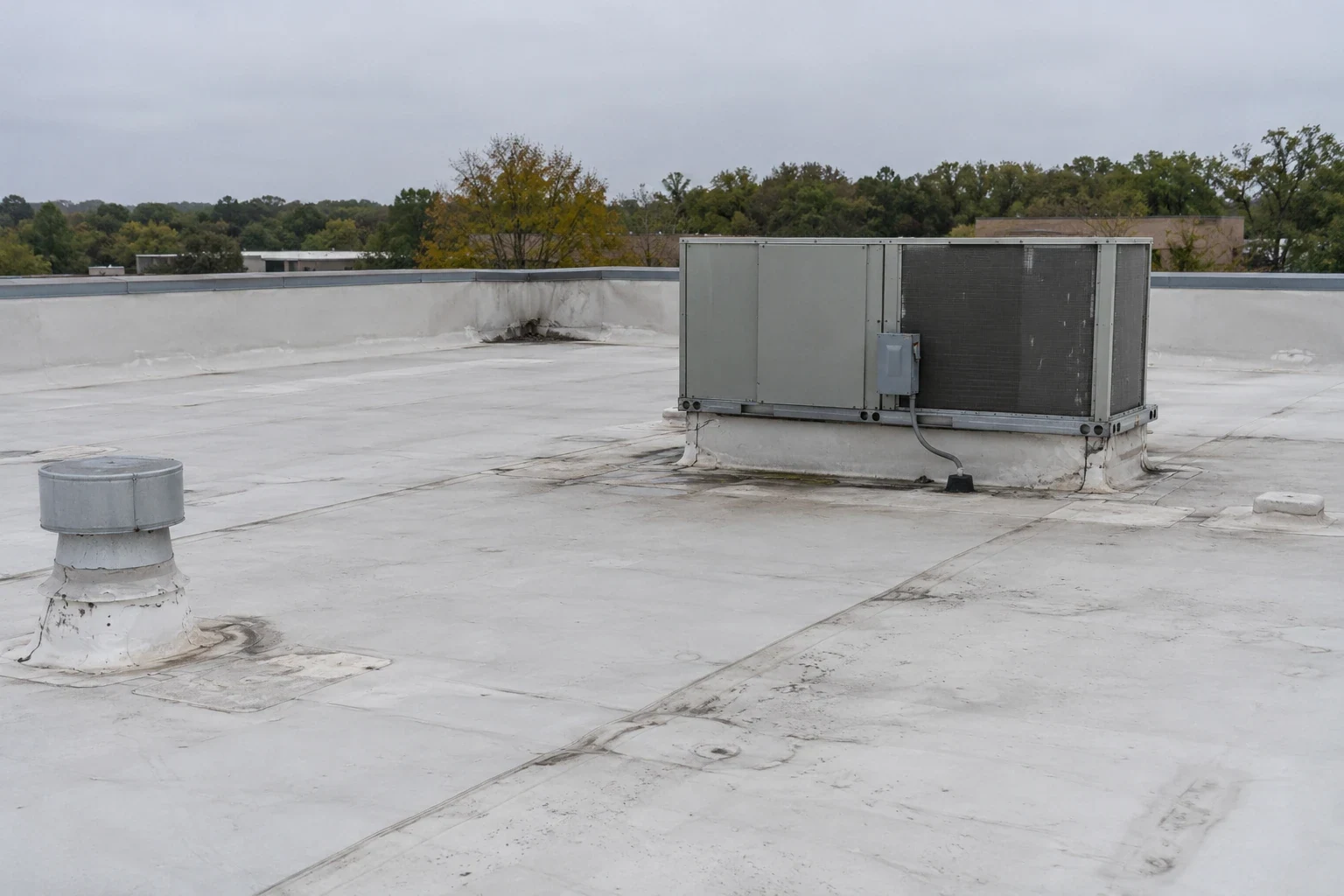
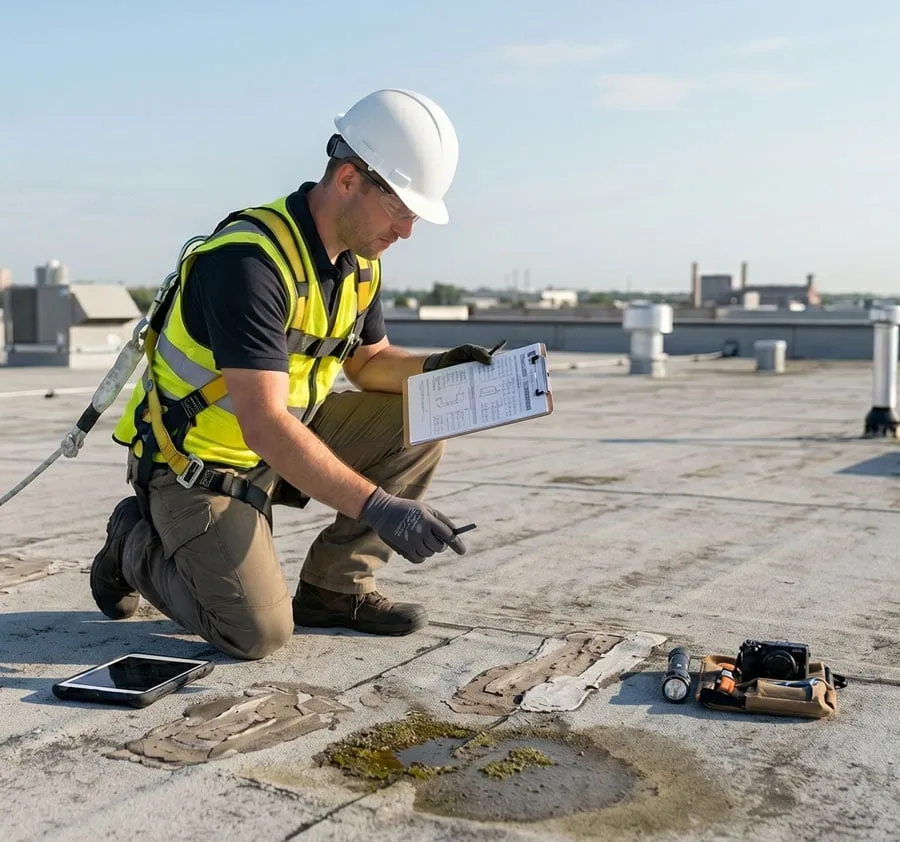
Before a reflective membrane or coating goes down, we inspect seams, flashing, penetrations, curbs, edges, and drains. Loose material and failed repairs need attention, and suspected wet insulation needs testing. Reflective finish does not correct ponding or a damaged drain connection. We review slope, scuppers, overflow paths, and how added material affects drain height. A drainage correction may be needed before installing a new assembly so water does not remain against seams or equipment bases.

Surface preparation depends on the selected system. Work may include cleaning, replacing wet sections, repairing flashing, adding cover board, or priming a test area. We state which repairs and materials are included and how concealed conditions will be approved. May is the wettest month by mean precipitation at the Idaho Falls, so seasonal planning should leave enough time for a dry application window when product limits require it. A hands-on inspection records the base condition before the coating or membrane begins.

Make the Budget Decision on Evidence

Cost depends on roof area, material, insulation, substrate preparation, flashing complexity, access, and whether failed sections or drains need repair first. A coating scope and a replacement scope include different preparation, demolition, and transitions. We list those differences and any test allowance so the manager can compare complete alternatives. If the roof can be restored, the scope says what remains; if the assembly is wet or unstable, we explain why a new surface alone would leave a defect below it.

Timing follows weather, permit review, material availability, building use, and the work needed at edges and penetrations. We phase application within a weather window and identify any roof access or equipment limits during cure. If a reflective system is selected, a maintenance plan can track seams, drains, and exposed details after installation. A Rexburg University Boulevard area project still needs a roof-specific scope, amid planned residential, lodging, retail, office, commercial, and industrial uses. The owner receives a clear assembly description, assumptions, and a scheduled next step.

Questions About Cool Roof Installation

A reflective surface can reduce solar heat absorption, but energy costs also depend on insulation, HVAC efficiency, controls, occupancy, internal heat, and utility rates. We describe the roofing assembly and material properties; a savings estimate requires building-specific energy analysis. We do not promise a percentage based on roof color alone.

Not necessarily. A coating may add a reflective surface to a suitable roof, while a reflective membrane or replacement assembly uses a different construction. The existing membrane, moisture, attachment, drainage, and compatibility determine whether coating is appropriate. We inspect and compare the complete scope before recommending one route.

Idaho Falls has both hot summer days and extended freezing periods. We weigh surface properties alongside insulation, drainage, moisture control, and system durability through seasonal changes. A reflective finish is one assembly choice, not a substitute for sound details or an energy review.

We review existing layers, moisture, seams, flashing, drains, insulation, and building operations. The energy code and permit requirements also apply to the proposed work. A property-specific evaluation can identify whether repair, coating, insulation changes, or replacement should be compared.

Only when the roof condition, material compatibility, attachment, moisture, and applicable requirements allow it. We inspect the existing system, test suspect areas, and specify necessary preparation. Wet insulation, loose layers, or failed flashing must be resolved rather than hidden beneath a new surface.

ServicesRoof SystemsIndustriesProperty TypesService AreasDamage RepairCapabilitiesManufacturersContactAboutRequest a Roof Assessment555-555-5555
Call us today555-555-5555